

Free Koutammakou Area Travel Guide & Mobile App
Explore Koutammakou Area with free travel guides. Discover regional history, expert tips, proposed trips, and audio guides on web or mobile app.


Explore Koutammakou in northern Togo for Batammariba earthen tower houses, sacred landscapes, mountain scenery and guided cultural encounters.
Read more about Koutammakou Area
When is the best time to visit Koutammakou Area?
Best: December–February · 29–30°C| Month | High (°C) | Rainfall (mm) |
|---|---|---|
| January (best) | 29 | 10 |
| February (best) | 30 | 15 |
| March | 32 | 30 |
| April | 32 | 50 |
| May | 32 | 70 |
| June | 31 | 80 |
| July | 31 | 90 |
| August | 31 | 100 |
| September | 31 | 90 |
| October | 30 | 70 |
| November | 29 | 50 |
| December (best) | 29 | 20 |
Getting to and around Koutammakou Area
How to get there
Transportation
Best attractions in Koutammakou Area
Koutammakou’s principal attraction is its living cultural landscape, where Batammariba compounds, cultivated ground, trees, paths and sacred places form a coherent environment rather than a conventional museum site. The takienta earthen houses are the visual centrepiece, with towers, granaries and enclosed courtyards demonstrating both practical adaptation and symbolic meaning. Guided walks through settlements provide the clearest way to understand how domestic life, farming and ritual are connected. The surrounding Atakora terrain adds rocky ground, seasonal vegetation and broad rural views, while the journey between communities reveals how architectural forms vary with family needs and landscape. Visitors may also encounter local markets and everyday village activity, but these should be approached as community life rather than staged entertainment. There are no dense clusters of hotels or formal visitor facilities, and interpretation depends heavily on local knowledge. UNESCO recognition adds an international heritage dimension, yet the area’s importance rests on continuing use, not only on preservation of old structures. Those interested in architecture, cultural geography, anthropology, rural landscapes and responsible walking will find more depth here than visitors seeking a conventional line-up of monuments.
-
Historical landmark
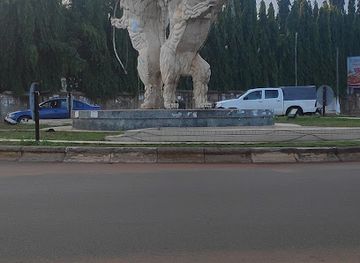
Crossroads of the Two Lions
Explore the Crossroads of the Two Lions, a captivating historical landmark in Lomé, Togo, that showcases local artistry and culture.
-
Historical landmark
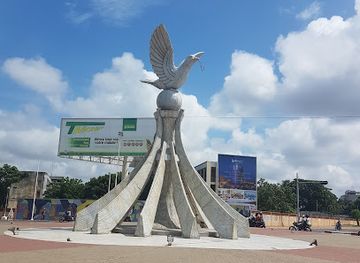
Colombe De La Paix
Explore Colombe De La Paix, Lomé's iconic symbol of peace, capturing the spirit of unity and cultural heritage in Togo's vibrant capital.
-
Cultural landmark
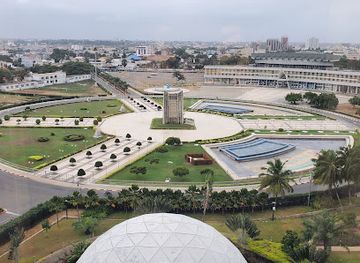
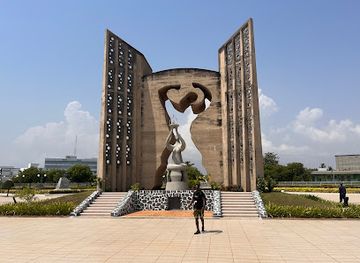
Monument de l'independance
Discover the striking Monument de l'Indépendance in Lomé, a must-visit cultural landmark symbolizing Togo's journey to freedom and resilience.
-
Market
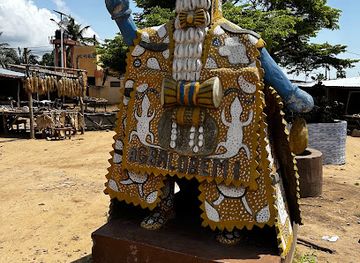
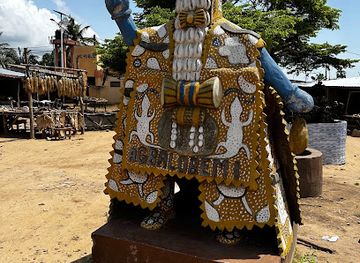
Akodessewa Fetish Market
Discover the mystical charm of Akodessewa Fetish Market in Lomé, Togo—an authentic experience of voodoo culture and vibrant local traditions.
Best landmarks in Koutammakou Area
The most recognisable landmarks of Koutammakou are the clustered takienta compounds, whose earthen towers, rounded forms, upper granaries and protective walls create an architectural silhouette found nowhere else in quite the same cultural setting. Their significance lies in the way construction, household organisation and spiritual belief are combined. Sacred trees, ritual places and carefully defined areas around settlements are equally important, although some are not open to visitors and should not be photographed without permission. The wider Atakora landscape provides the natural framework: rocky ground, cultivated slopes, seasonal vegetation and distant escarpment country give the compounds their distinctive setting. Rather than a single monumental building, Koutammakou’s landmark is the relationship between homestead and terrain. The UNESCO-recognised cultural landscape encompasses this relationship across numerous settlements in Togo, while related Batammariba heritage continues across the international border in Benin. Local guides are essential for distinguishing an ordinary-looking compound from a place of particular social or ritual importance and for explaining why apparently modest earthen structures carry such cultural weight.
-
Historical landmark
Colombe De La Paix
Explore Colombe De La Paix in Lomé, Togo—a stunning historical landmark symbolizing peace and unity amidst vibrant local culture.
-
Cultural landmark
Monument de l'independance
Discover the Monument de l'Indépendance in Lomé, a cultural landmark symbolizing Togo's struggle for freedom and resilience.
-
Market
Akodessewa Fetish Market
Discover the rich traditions of Togo at the Akodessewa Fetish Market, where voodoo culture meets vibrant local artistry in Lomé.
-
Historical landmark
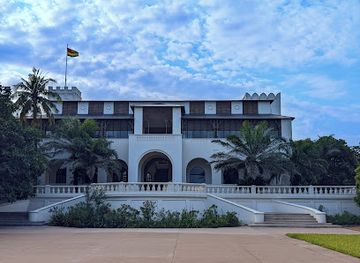
Palais de Lomé
Explore the majestic Palais de Lomé, a historical landmark showcasing Togo's rich cultural heritage and stunning architecture in the heart of Lomé.
Explore Koutammakou Area on the map
Plan your trip on one map. See where the top cities, national parks and sights are, and book hotels and experiences in a few clicks.
Best hotels in Koutammakou Area
Best restaurants in Koutammakou Area
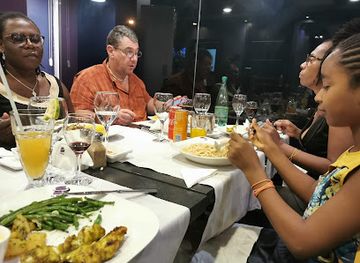
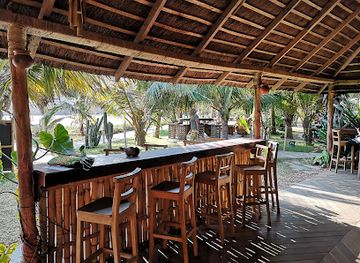
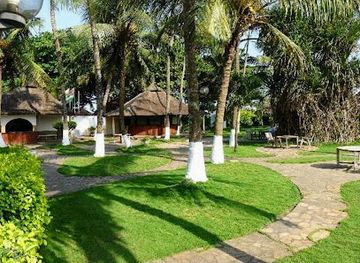
Dining in the Koutammakou Area is simple, local and closely tied to the food culture of northern Togo. In rural settlements, meals are more likely to be arranged through a guide, guesthouse or local contact than found in a formal restaurant. Common regional staples include maize-based pâte or tô, rice, beans, yams and sauces made with vegetables, groundnuts or meat, while grilled chicken and other straightforward roadside dishes are available in larger towns. Sorghum and millet remain important northern crops, and tchoukoutou, a locally brewed sorghum beer found in parts of northern Togo, may be served in informal settings. Kara and Kandé offer a broader choice of cafés, small eateries and market food than the cultural landscape itself. Visitors should carry water and snacks for rural excursions, check ingredients when dietary needs are important and avoid assuming that menus or refrigeration will be available. Eating locally can be part of the cultural experience, but it should be arranged respectfully and with attention to hygiene and seasonal availability.
-
Restaurant
Le Phenicien
Discover the flavors of Lomé at Le Phenicien – a charming restaurant offering fast food and delightful pastries in a vibrant atmosphere.
-
Restaurant
Blue Turtle Bay
Experience culinary bliss at Blue Turtle Bay in Lomé, where local flavors meet global cuisine in a charming coastal setting.
-
Restaurant
Le Beluga
Discover authentic Togolese cuisine at Le Beluga in Lomé—where every meal tells a story.
-
German
Alt Munchen
Discover Alt Munchen: A Taste of Germany in Lomé - Enjoy Authentic Dishes and Cozy Atmosphere.

Best bars in Koutammakou Area
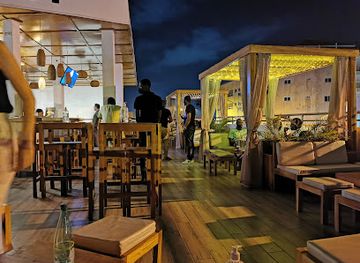
Nightlife in Koutammakou is predominantly rural and low-key, centred on conversation, family compounds, small local drinking places and occasional music rather than purpose-built clubs. Kandé and Kara provide the widest choice of bars, cafés and evening food, although the atmosphere and opening arrangements vary. Tchoukoutou and other locally available drinks may feature in informal social settings, while bottled beer and soft drinks are more readily found in larger towns. In the cultural landscape, visitors should return to their accommodation or arranged transport before dark, since roads are poorly lit and distances are substantial. Evening cultural visits should only take place when organised with local residents and should never intrude on ceremonies or private life. The area’s evening character is best understood through quiet rural rhythms and community hospitality, not through a commercial entertainment district.
-
Bar
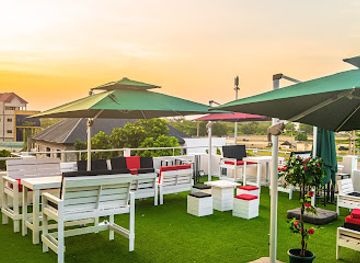
Le ROOFTOP
Experience Lomé from above at Le ROOFTOP, a vibrant bar with stunning views, refreshing cocktails, and a lively atmosphere.
-
Wine bar
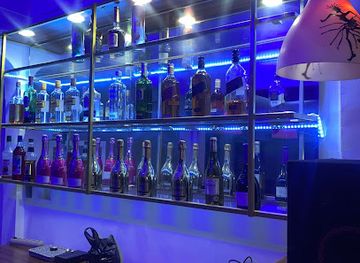
i'Top Rooftop Lounge
Experience the vibrant nightlife of Lomé at i'Top Rooftop Lounge, where exquisite wines, creative cocktails, and stunning city views await.
-
Lounge
Le MYTHE LOUNGE
Discover the vibrant nightlife of Lomé at Le MYTHE LOUNGE, where great music and a lively atmosphere await you.
-
Bar
Bar Agbékoko
Discover the vibrant nightlife of Lomé at Bar Agbékoko, where local culture meets an inviting atmosphere and affordable drinks.
Best nightclubs in Koutammakou Area
Nightlife in Koutammakou is predominantly rural and low-key, centred on conversation, family compounds, small local drinking places and occasional music rather than purpose-built clubs. Kandé and Kara provide the widest choice of bars, cafés and evening food, although the atmosphere and opening arrangements vary. Tchoukoutou and other locally available drinks may feature in informal social settings, while bottled beer and soft drinks are more readily found in larger towns. In the cultural landscape, visitors should return to their accommodation or arranged transport before dark, since roads are poorly lit and distances are substantial. Evening cultural visits should only take place when organised with local residents and should never intrude on ceremonies or private life. The area’s evening character is best understood through quiet rural rhythms and community hospitality, not through a commercial entertainment district.
-
Night club
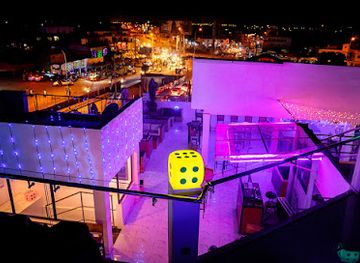
Miami 228
Experience the vibrant nightlife of Lomé at Miami 228, a premier night club, lounge, and restaurant that guarantees an unforgettable evening.
-
Bar
Before and after nightclub
Discover Lomé's nightlife at Before and After Nightclub, a vibrant bar offering dancing, drinks, and a lively atmosphere for all visitors.
-
Disco club
MAD Complexe
Experience the vibrant nightlife of Lomé at MAD Complexe, the ultimate disco club for dancing and entertainment.
-
Disco club
Premium Building ( 24’Vibes, La Salle,Shisha Club 2.0)
Discover Lomé's nightlife at Premium Building, where vibrant music and a lively atmosphere create unforgettable evenings.



Best shops in Koutammakou Area
Shopping in Koutammakou is limited and community-based, with opportunities more likely to arise through local markets, roadside stalls and arrangements made in Kandé or Kara than through dedicated tourist retail. Visitors may find woven goods, baskets, pottery, carved objects, beads or locally produced foodstuffs, but availability varies and not every item is made specifically for visitors. Buying directly from makers or through a trusted local intermediary is preferable to bargaining aggressively over small sums. Regional provisions such as shea products, grains, dried foods and locally made drinks may also appear in markets, subject to season and transport. Kara offers a broader selection of everyday goods and souvenirs, while Kandé is a practical place to obtain essentials before entering the rural landscape. Do not buy fragments of earthen architecture, antiquities, ritual objects or items whose provenance is unclear. The most meaningful souvenirs are responsibly made craft products and memories of the landscape, rather than anything removed from a compound or sacred place.
-
Market
Hedzranawoe Market
Discover the bustling Hedzranawoe Market in Lomé, where local culture meets vibrant flavors and unique crafts.
-
Market
Lomé Grand Market
Explore the vibrant Lomé Grand Market, where local culture, exquisite crafts, and delicious cuisine come together in a bustling atmosphere.
-
Grocery store
Superamco Adidoadin
Experience the vibrant local culture and flavors at Superamco Adidoadin in Lomé, Togo's premier grocery store for fresh and authentic ingredients.
-
Supermarket
L'Epicerie Du Levant Boulevard
Explore local flavors and international products at L'Epicerie Du Levant Boulevard, a vibrant supermarket in Lomé, Togo.
Get your free copy of our complete guide to Koutammakou Area, delivered straight to you.
Everything on this page, from attractions and restaurants to essentials and local phrases, in one PDF you can read offline, print or share.
Already have an account? Sign in
Your Koutammakou Area guide is ready.
We'll send it to · Not you? Sign out

Getting your guide ready…
We are putting together a fresh copy of the Koutammakou Area guide. This can take up to a minute.
This can take a few moments. If your browser asks, choose Allow so the download can start. You'll find the guide in your Downloads folder.
Nothing happened? Download it again
Sorry, the guide is taking longer than usual. Please try again in a minute, or get it by email instead.
Koutammakou Area essentials
Currency and Payment
Safety
Emergency Situations
Do's and Don'ts
Local Tips
From Eve
Local phrases worth knowing
You don't need to get them perfect. A few words go a long way, and locals appreciate the effort.
Basics
| English | Local | Say it |
|---|---|---|
| Hello | Bawoo | [bah-woo] |
| Goodbye | Nye na | [nyeh nah] |
| Yes | Ee | [ee] |
| No | Ayi | [ah-yee] |
| Please/You're welcome | Taw ya | [taw yah] |
| Thank you | Mekele | [meh-keh-leh] |
| Excuse me/Sorry | Kpande | [kpan-deh] |
| How are you? | Nde kpe? | [ndeh kpeh] |
| Fine. And you? | Ala. Nde kpe? | [ah-lah. ndeh kpeh] |
| Do you speak English? | Ayi kpɔ English? | [ah-yee kpo ehng-lish] |
| I don't understand | Nye a ne tɔ | [nyeh ah neh toh] |
Eating & Drinking
| English | Local | Say it |
|---|---|---|
| I'd like to see the menu, please | Mekele a gbɛ menu, taw ya | [meh-keh-leh ah gbeh meh-noo, taw yah] |
| I don't eat meat | Nye a ne je nyam | [nyeh ah neh jeh nyam] |
| Cheers! | Nya tɔ | [nyah toh] |
| I would like to pay, please | Mekele a gbɛ sɔ, taw ya | [meh-keh-leh ah gbeh soh, taw yah] |
Emergencies
| English | Local | Say it |
|---|---|---|
| Help! | Dɔ! | [daw] |
| Go away! | Kpɔ a ne! | [kpo ah neh] |
| Call the Police! | Nɔ a kɔkɔ! | [noh ah koh-koh] |
| Call a doctor! | Nɔ a dɔktɔ! | [noh ah dock-tor] |
| I'm lost | Nye a ne ɖe | [nyeh ah neh deh] |
| I'm ill | Nye a ne nyi | [nyeh ah neh nee] |
Shopping
| English | Local | Say it |
|---|---|---|
| I'd like to buy... | Mekele a gbɛ sɔ... | [meh-keh-leh ah gbeh soh...] |
| I'm just looking | Nye a kple | [nyeh ah kpleh] |
| How much is it? | Nde kpe na? | [ndeh kpeh nah] |
| That's too expensive | Ayi de na yɔ | [ah-yee deh nah yoh] |
| Can you lower the price? | Ayi kɔmɔ sɔ na? | [ah-yee koh-moh soh nah] |
Time & Numbers
| English | Local | Say it |
|---|---|---|
| What time is it? | Nde kpe a gbe? | [ndeh kpeh ah gbeh] |
| It's one o'clock | Ayi ɖe a gba | [ah-yee deh ah gbah] |
| Half past (10) | Mɔ a gbe (10) | [moh ah gbeh (10)] |
| Morning | Ɖe | [dyeh] |
| Afternoon | Mɔda | [mo-dah] |
| Evening | Nɔ | [noh] |
| Yesterday | Nde a gbe? | [ndeh ah gbeh?] |
| Today | Nde a gbe | [ndeh ah geh] |
| Tomorrow | Nde a gbele | [ndeh ah geh-leh] |
| 1 | Ena | [eh-nah] |
| 2 | Ena nɔ | [eh-nah noh] |
| 3 | Ena nɔ nɔ | [eh-nah noh noh] |
| 4 | Ena nɔ nɔ nɔ | [eh-nah noh noh noh] |
| 5 | Ena nɔ nɔ nɔ nɔ | [eh-nah noh noh noh noh] |
| 6 | Ena nɔ nɔ nɔ nɔ nɔ | [eh-nah noh noh noh noh noh] |
| 7 | Ena nɔ nɔ nɔ nɔ nɔ nɔ | [eh-nah noh noh noh noh noh noh] |
| 8 | Ena nɔ nɔ nɔ nɔ nɔ nɔ nɔ | [eh-nah noh noh noh noh noh noh noh] |
| 9 | Ena nɔ nɔ nɔ nɔ nɔ nɔ nɔ nɔ | [eh-nah noh noh noh noh noh noh noh noh] |
| 10 | Ena nɔ nɔ nɔ nɔ nɔ nɔ nɔ nɔ nɔ | [eh-nah noh noh noh noh noh noh noh noh noh] |
Transport & Directions
| English | Local | Say it |
|---|---|---|
| Where's a/the...? | Fia a gbe...? | [fee-ah ah gbeh...?] |
| What's the address? | Nde kpe a gbe a gbe? | [ndeh kpeh ah gbeh ah gbeh?] |
| Can you show me (on the map)? | Ayi kpɔ a gbe (kpɔ na)? | [ah-yee kpo ah gbeh (kpo nah)?] |
| When's the next (bus)? | Nde kpe a gbe se (bus)? | [ndeh kpeh ah gbeh seh (bus)?] |
| A ticket (to ....) | A gbe a kɔkɔ (....) | [ah gbeh ah koh-koh (....)] |
History of Koutammakou Area
Formation of Batammariba Settlement Traditions
Koutammakou developed through the settlement of Batammariba communities in the Atakora highlands and valleys of what is now northern Togo and neighbouring Benin. Oral histories remain important in explaining migrations, founding families and relationships with particular places. Over time, houses, fields, sacred sites and paths became part of an integrated cultural landscape. The evidence of this history is not concentrated in one ruin but remains visible in the continuing use of compounds and the organisation of settlements.
The Takienta Architectural Tradition
The Batammariba developed an earthen-house tradition adapted to the region’s climate, terrain and social structure. Takienta compounds commonly combine rounded or tower-like forms with thick walls, upper storeys and spaces for living, storage and domestic work. Their design also carries symbolic meaning, linking the household to ancestors, protective forces and the wider landscape. Construction and maintenance depend on inherited knowledge, so these buildings represent a continuing cultural practice rather than a fossilised architectural style.
Agriculture and Community Organisation
For generations, life in Koutammakou has been shaped by farming, seasonal weather and the management of limited natural resources. Fields, trees, homesteads and ritual places occupy connected parts of the landscape, while compounds provide a focus for extended family life. The cultural importance of Koutammakou therefore lies in the relationship between buildings and the land around them. Changes in agriculture, materials, migration and economic opportunity have brought pressures, but many traditional spatial and social principles remain significant.
Colonial Borders and Northern Togo
European colonial rule divided communities and travel routes that had previously functioned within wider regional networks. The territory containing the Togolese part of Koutammakou became part of German Togoland and later the French-administered territory that preceded the modern Republic of Togo. Colonial boundaries did not erase Batammariba cultural connections across the Atakora, but they helped create the international frontier separating today’s Togolese and Beninese portions of the landscape.
Post-Independence Cultural Continuity
Since Togo’s independence in 1960, Koutammakou has remained a rural cultural area within the country’s Kara Region. Modern roads, schools, markets, changing construction materials and wider economic links have influenced everyday life, while Batammariba identity and customary knowledge continue to shape settlement and ritual practice. The area illustrates how a community can adapt to contemporary conditions while retaining a distinctive architectural and cultural inheritance.
UNESCO Recognition and Transboundary Heritage
Koutammakou, the Land of the Batammariba, was inscribed on the UNESCO World Heritage List in 2004 because of its exceptional cultural landscape and traditional earthen architecture. In 2023, the World Heritage property was extended to include the part in Benin, recognising the heritage’s transboundary character. UNESCO status has increased international attention and offers a framework for conservation, but the site remains a lived environment whose future depends on local participation and the continued transmission of building knowledge.
Koutammakou Area in Photos
Browse through our photo collection highlighting the charm and character of the destination.
Neighbouring regions of Koutammakou Area
The closest regions to Koutammakou Area, if you have time for more than one.
-

-

-

-

-


Swipe for more regions
Explore more

Explore more of Togo
Discover Togo, a hidden gem in West Africa, offering vibrant culture, stunning landscapes, rich history, and diverse wildlife for an unforgettable travel experience.
Explore Togo