

Fazao-Malfakassa National Park, Togo Travel Guide
Discover the unspoiled landscapes and rich biodiversity of Fazao-Malfakassa National Park, Togo's largest protected area, ideal for nature lovers and adventure seekers.
Fazao-Malfakassa National Park, located in central Togo, is the country's largest protected area and a gem for nature enthusiasts. Spanning over 1,920 square kilometers, the park offers a diverse landscape that ranges from dense forests to savannas and rolling hills. This variety of habitats makes it a haven for wildlife, including elephants, antelopes, and numerous bird species. The park is also rich in plant life, with many rare and endemic species. The landscape is dotted with waterfalls and rivers, making it not only a sanctuary for animals but also a picturesque destination for visitors. Adventurers can enjoy hiking, bird watching, and guided safari tours that provide a closer look at the park's inhabitants and natural beauty. Fazao-Malfakassa National Park also holds cultural significance. The local people have a strong connection to the land, and visitors can learn about their traditions and way of life. This blend of natural wonders and cultural heritage makes Fazao-Malfakassa a unique destination worth exploring.

Know before you go
Hi, I'm Eve. Here are a few practical things to know before exploring Fazao-Malfakassa National Park.
- Visit during the dry season (November to March) for the best wildlife viewing opportunities.
- Hire a local guide for an enriched experience and to navigate the park's extensive trails.
- Bring binoculars for bird watching; the park is home to many rare bird species.
- Respect local customs and traditions when visiting nearby villages.
- Pack light, breathable clothing and insect repellent for comfort during your visit.
Destinations in Fazao-Malfakassa National Park
Resorts, valleys and scenic spots worth a trip of their own.


Explore Fazao-Malfakassa National Park: Things to Do, Places to Eat, Hotels & More
Handpicked recommendations for top attractions, local dining, accommodations, and more

Top Attractions & Sightseeing in Fazao-Malfakassa National Park


Best landmarks in Fazao-Malfakassa National Park
Top-rated picks
Best Landmarks

Crazy Cream Lomé
Discover the sweet side of Lomé at Crazy Cream, where unique artisanal ice creams bring local flavors to life in every scoop.

Malfakassa
Explore the breathtaking views and serene trails of Malfakassa Mountain Peak, a natural wonder in Togo perfect for hiking and adventure.

Eglise Besthesda Atakpame Togo
Explore Eglise Bethesda in Atakpame, Togo: a cultural and spiritual haven reflecting the vibrant community spirit and heritage of the region.

Best restaurants in Fazao-Malfakassa National Park
Top-rated picks
Best Restaurants

Le Phenicien
Discover culinary bliss at Le Phenicien in Lomé – where fast food meets gourmet pastries and authentic pizza.

Blue Turtle Bay
Experience the vibrant flavors of Togo at Blue Turtle Bay – where local meets international in an inviting atmosphere.

Le Beluga
Discover authentic Togolese flavors at Le Beluga - where culinary excellence meets warm hospitality in Lomé.

La HuQQa
Discover La HuQQa in Lomé - A vibrant restaurant offering authentic Togolese cuisine and international flavors in a welcoming atmosphere.

Best bars in Fazao-Malfakassa National Park
Top-rated picks
Best Bars

Foufou Bar - Bon Coin
Experience authentic Togolese cuisine at Foufou Bar - Bon Coin in Sokode, where flavors meet vibrant atmosphere.
BAR ROUTE DE TCHAMBA
Experience the vibrant nightlife of Sokode at Bar Route de Tchamba, a cultural hub for locals and travelers alike.

Bar Équinoxe Sokode
Discover the vibrant nightlife and local flavors at Bar Équinoxe Sokode, a top spot for relaxation and socializing in the heart of Sokodé.

Bar Restaurant LA FAVELA Sokode
Discover the vibrant local nightlife at Bar Restaurant LA FAVELA, where authentic drinks and a lively atmosphere await in Sokode.

Best nightclubs in Fazao-Malfakassa National Park
Top-rated picks
Best Nightclubs

Before and after nightclub
Discover the pulse of Lomé's nightlife at Before and After Nightclub, where local beats and vibrant vibes create an unforgettable experience.
BAR ROUTE DE TCHAMBA
Discover the vibrant atmosphere of Bar Route de Tchamba in Sokode, where local culture meets refreshing drinks and lively conversations.

Aské night club
Discover the heart of Lomé's nightlife at Aské Night Club, where vibrant music and a lively crowd create unforgettable nights.
The Seven Date Lounge Bar
Discover a cozy oasis at The Seven Date Lounge Bar in Kara, where great drinks and friendly vibes await every tourist.

Best shops in Fazao-Malfakassa National Park
Top-rated picks
Best Shops

Grand Marché de Sokodé
Explore the Grand Marché de Sokodé: A vibrant shopping destination filled with local crafts, delicious street food, and rich cultural experiences.

Boulangerie babalima
Indulge in the delicious baked goods at Boulangerie Babalima in Sokodé, where local flavors and fresh pastries await every visitor.

CIB-INTA BASSAR
Discover the vibrant shopping atmosphere of CIB-INTA BASSAR in Lomé, Togo, offering local crafts, dining, and a lively cultural experience.

AL-ISHARAH ELECTRONICS & FOF CNAM TECHNOLOGIES
Explore the best in electronics at Al-Isharah Electronics & FOF Cnam Technologies in Sokode - your one-stop shop for all tech needs.

Explore Fazao-Malfakassa National Park on the Map
A handpicked selection of must-see spots in Fazao-Malfakassa National Park, mapped for you.
Fazao-Malfakassa National Park Essentials
-
Fazao-Malfakassa National Park is located in the central region of Togo. The nearest major city is Sokodé, which is approximately 40 kilometers from the park. The closest international airport is Gnassingbé Eyadéma International Airport in Lomé, the capital of Togo. From Lomé, you can hire a taxi or rent a car to reach Sokodé, and then proceed to the park. The journey from Lomé to Sokodé takes around 5 to 6 hours by road.
-
Within Fazao-Malfakassa National Park, the best way to get around is by hiring a local guide with a 4x4 vehicle, as the terrain can be challenging. For those traveling from nearby towns, shared taxis and minibuses (known locally as 'bush taxis') are available, but they may not reach the most remote areas of the park. Renting a car in Lomé and driving yourself is also an option, but make sure to have a reliable map or GPS.
-
The official currency in Togo is the West African CFA franc (XOF). Credit cards are not widely accepted, especially in rural areas and within the park, so it's essential to carry enough cash. ATMs are available in major towns like Sokodé, but it's advisable to withdraw sufficient cash in Lomé before heading to the park.
-
Fazao-Malfakassa National Park is generally safe for tourists, but standard precautions should be taken. Avoid walking alone at night and be cautious of your belongings. While there are no specific high-crime areas targeting tourists, it is always best to stay vigilant. If camping, ensure your campsite is secure and always follow the advice of local guides.
-
In case of an emergency, dial 117 for police assistance or 118 for medical emergencies. The nearest medical facilities are located in Sokodé. It's recommended to have travel insurance that covers medical emergencies. For minor health issues, carry a basic first aid kit and necessary medications, as pharmacies may not be readily available within the park.
-
Fashion: Do wear light, breathable clothing suitable for hiking, but avoid revealing outfits. Religion: Do respect local customs and traditions, particularly in nearby villages. Public Transport: Do be courteous and share space with other passengers. Don't expect strict timetables. Greetings: Do greet people with a handshake and a smile. Learning a few greetings in French or Ewe can go a long way. Eating & Drinking: Do try local dishes and drink plenty of water. Don’t refuse food offerings, as it can be considered impolite.
-
To experience Fazao-Malfakassa National Park like a local, consider hiring a guide from a nearby village who can provide insider knowledge on the best trails and wildlife spotting areas. Visit local markets in Sokodé for fresh produce and traditional crafts. Engage with locals and learn about their culture and traditions. Don't miss the opportunity to see the park's diverse wildlife, including elephants, antelopes, and various bird species.
When is the best time to visit Fazao-Malfakassa National Park?
Useful Local Phrases for Fazao-Malfakassa National Park
You don't need to speak the language perfectly. Even learning a few simple words can make conversations warmer—and locals usually appreciate the effort.
— Eve

Here are the phrases I use most often in Fazao-Malfakassa National Park. Try a few—you'll be surprised how far they go! 😊
❤️
-
- HelloBawani
[bah-wah-nee] - GoodbyeNka
[n-kah] - YesEe
[eh] - NoNaa
[nah] - Please/You're welcomeMia
[mee-ah] - Thank youOme
[oh-meh] - Excuse me/SorryMia bɔ
[mee-ah boh] - How are you?Nya bɔ?
[nyah boh] - Fine. And you?Mia bɔ, na nse?
[mee-ah boh, nah n-seh] - Do you speak English?Nya gbe English?
[nyah geh eng-lish] - I don't understandMia nsa nyɛ
[mee-ah n-sah nyay]
- HelloBawani
-
- I'd like to see the menu, pleaseMia bɔ menu, mia
[mee-ah boh meh-noo, mee-ah] - I don't eat meatMia nsa dɔŋ
[mee-ah n-sah doh-ng] - Cheers!Aye!
[eye] - I would like to pay, pleaseMia bɔ sika, mia
[mee-ah boh see-kah, mee-ah]
- I'd like to see the menu, pleaseMia bɔ menu, mia
-
- Help!Bɔ ɔ!
[bo oh!] - Go away!Kɔ bɔ!
[koh bo!] - Call the Police!Bɔ polisi!
[bo poh-lee-see!] - Call a doctor!Bɔ dɔkita!
[bo doh-kee-tah!] - I'm lostMia nsa nɔ
[mee-ah n-sah noh] - I'm illMia nsa yɔ
[mee-ah n-sah yoh]
- Help!Bɔ ɔ!
-
- I'd like to buy...Mia bɔ tɔ ...
[mee-ah boh toh ...] - I'm just lookingMia kɔ nyi
[mee-ah koh nee] - How much is it?Bɔ nɔ?
[bo n-oh] - That's too expensiveE no dɔŋ lɛ
[eh noh doh-ng leh] - Can you lower the price?Nya kɔ bɔ nɔ lɛ?
[nyah koh bo n-oh leh]
- I'd like to buy...Mia bɔ tɔ ...
-
- What time is it?Bɔ mɛ?
[bo meh?] - It's one o'clockE bɔ nɔ
[eh bo noh] - Half past (10)E bɔ nɛ lɛ (10)
[eh bo neh leh (ten)] - MorningKɔtɔ
[koh-toh] - AfternoonDɔlɔ
[doh-loh] - EveningKɔkɔ
[koh-koh] - YesterdayBɔ fɔ
[bo for] - TodayBɔ dɔ
[bo doh] - TomorrowBɔ nɛ
[bo neh] - 1Nɔ
[noh] - 2Mɛ
[meh] - 3Tɛ
[teh] - 4Nɛ
[neh] - 5Lɛ
[leh] - 6Tɔ
[toh] - 7Sɛ
[seh] - 8Wɔ
[woh] - 9Nɔkɔ
[noh-koh] - 10Dɔkɔ
[doh-koh]
- What time is it?Bɔ mɛ?
-
- Where's a/the...?Nɔ bɔ ...?
[noh bo ...?] - What's the address?Bɔ nɔ adɛs?
[bo noh ah-dess?] - Can you show me (on the map)?Nya nɔ kɔ mɔ (bɔ mappa)?
[nyah noh koh moh (bo mah-pah)?] - When's the next (bus)?Bɔ nɔ kɔ bɔ (bus)?
[bo noh koh bo (bus)?] - A ticket (to ....)Sika (kɔ ...)
[see-kah (koh ...)]
- Where's a/the...?Nɔ bɔ ...?
History of Fazao-Malfakassa National Park
-
The area now known as Fazao-Malfakassa National Park has been inhabited for centuries by various indigenous tribes, including the Tem and Tchokossi. These tribes have left behind numerous artifacts and remnants of ancient settlements, providing a glimpse into their traditional ways of life, culture, and social structures. Their connection to the land is deeply spiritual, and many of their customs and traditions continue to influence the region today.
-
In the late 19th and early 20th centuries, Togo, including the area of Fazao-Malfakassa, came under German colonial rule. The Germans established administrative and military outposts, and their influence can still be seen in some of the architectural remnants and infrastructural developments from that period. This era significantly impacted the local communities, disrupting traditional practices and introducing new governance structures.
-
Following World War I, Togo was divided into British and French mandates, with the area of Fazao-Malfakassa falling under French control. The French administration continued to exploit the region's resources while also building infrastructure such as roads and administrative buildings. The struggle for independence gained momentum in the mid-20th century, leading to Togo's eventual independence in 1960. This period was marked by significant political and social changes, shaping the national identity and governance.
-
Fazao-Malfakassa National Park was officially established in 1975 as part of efforts to preserve the region's unique biodiversity and natural landscapes. The park covers an area of approximately 1,920 square kilometers, encompassing a diverse range of ecosystems, from savannas to dense forests. The creation of the park was a significant step towards environmental conservation in Togo, aiming to protect endangered species and promote sustainable tourism.
-
Fazao-Malfakassa National Park is home to an astonishing array of flora and fauna, including several endangered species such as the African elephant, roan antelope, and Diana monkey. The park's diverse habitats support a wide range of biodiversity, making it a critical area for ecological research and conservation efforts. The park's management has worked with international organizations to implement conservation programs and promote awareness about the importance of preserving this natural heritage.
-
The park is not only a natural treasure but also a cultural one, with local communities deeply intertwined with its history and ecology. The Tem and Tchokossi tribes continue to live in and around the park, maintaining their traditional lifestyles and cultural practices. The park management has initiated several community-based conservation projects, involving local residents in sustainable tourism and conservation activities. These projects aim to balance ecological preservation with the socio-economic development of the local communities.
Neighbouring Regions of Fazao-Malfakassa National Park
The closest regions to Fazao-Malfakassa National Park, if you have time for more than one.


Your all‑in‑one travel companion app
Explore expert travel guides, compare and book tours, experiences, hotels, and more—all from the palm of your hand. Download now for seamless trip planning wherever your wanderlust takes you.


Explore More of Togo

Looking beyond Fazao-Malfakassa National Park? Discover Togo for broader travel guides, local hot-spots, and regional highlights.
Explore TogoFazao-Malfakassa National Park in Photos
Browse through our photo collection highlighting the charm and character of the destination.

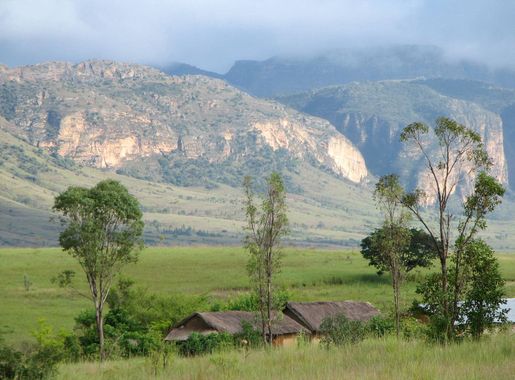


Exploring the Wild Beauty of Fazao-Malfakassa National Park
Fazao-Malfakassa National Park, located in central Togo, is the country's largest protected area and a gem for nature enthusiasts. Spanning over 1,920 square kilometers, the park offers a diverse landscape that ranges from dense forests to savannas and rolling hills. This variety of habitats makes it a haven for wildlife, including elephants, antelopes, and numerous bird species. The park is also rich in plant life, with many rare and endemic species. The landscape is dotted with waterfalls and rivers, making it not only a sanctuary for animals but also a picturesque destination for visitors. Adventurers can enjoy hiking, bird watching, and guided safari tours that provide a closer look at the park's inhabitants and natural beauty. Fazao-Malfakassa National Park also holds cultural significance. The local people have a strong connection to the land, and visitors can learn about their traditions and way of life. This blend of natural wonders and cultural heritage makes Fazao-Malfakassa a unique destination worth exploring.