

Gasparee Caves Travel Guide - Free Web & App
Your ultimate guide to Gasparee Caves. Discover top landmarks, proposed trips, and local tips. Free on the web or via the Evendo companion app.


Gasparee Caves in Trinidad and Tobago offers a guided island adventure through limestone chambers, stalactites, stalagmites and a clear underground pool.
An Island Cave in the Gulf of Paria
Gasparee Caves lie on Gaspar Grande, a small limestone island in the Bocas del Dragón, the island-studded passage between north-western Trinidad and Venezuela. The caves are generally visited by boat from the Chaguaramas peninsula, making the journey part of the experience: after crossing sheltered waters, visitors follow a guided route through the island's interior to a cavern containing stalactites, stalagmites and an underground pool. Gaspar Grande is part of the wider Chaguaramas landscape, where forested hills, rocky shorelines and quiet bays contrast with the urban districts of western Trinidad.Read more about Gasparee Caves
Geology, Light and Water
A Short Excursion with a Distinctive Setting
When is the best time to visit Gasparee Caves?
Best: June–August · 31°C| Month | High (°C) | Rainfall (mm) |
|---|---|---|
| January | 30 | 54 |
| February | 30 | 43 |
| March | 31 | 41 |
| April | 31 | 25 |
| May | 31 | 16 |
| June (best) | 31 | 6 |
| July (best) | 31 | 9 |
| August (best) | 31 | 11 |
| September | 31 | 11 |
| October | 31 | 18 |
| November | 31 | 30 |
| December | 30 | 46 |
Getting to and around Gasparee Caves
How to get there
Transportation
Best attractions in Gasparee Caves
-
Tourist attraction
Calvary Hillview Park and Cannon
Explore the serene beauty and historical significance of Calvary Hillview Park and Cannon, a must-visit tourist attraction in Arima, Trinidad.
-
 Park
ParkDloston Wood
Explore the tranquil beauty of Dloston Wood, a serene park in Port of Spain, ideal for nature lovers and peaceful outdoor escapes.
Explore Gasparee Caves on the map
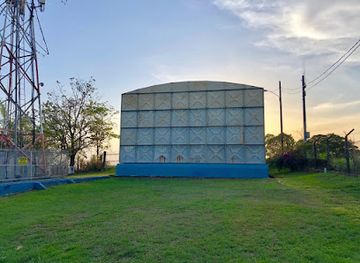
Plan your trip on one map. See where the top attractions, landmarks, restaurants and hotels are, and book hotels and experiences in a few clicks.
Best hotels in Gasparee Caves
Best shops in Gasparee Caves
Shopping opportunities are limited at Gasparee Caves itself because Gaspar Grande is an undeveloped excursion island without a permanent retail centre. Visitors should obtain water, sun protection and any practical supplies before boarding in Chaguaramas. The mainland gateway may offer small shops and tourism-related services, while Port of Spain has the widest choice of groceries, crafts, art, clothing and locally produced goods in the surrounding region. Trinidadian products to look for include cocoa, spices, pepper sauces, rum and handcrafted items, although product ranges vary between retailers and markets. Shopping for distinctive souvenirs is therefore better treated as part of a wider Trinidad itinerary rather than an activity at the cave. Check transport arrangements before carrying bulky purchases on a small boat.
-
Tourist attraction
Gasparee Caves
Discover the breathtaking beauty and rich history of Gasparee Caves in Trinidad, a must-visit destination for nature and adventure enthusiasts.
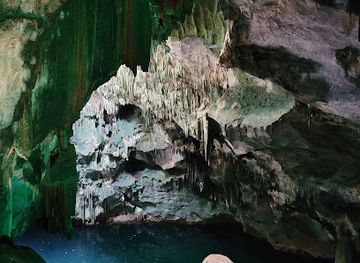
Get your free copy of our complete guide to Gasparee Caves, delivered straight to you.
Everything on this page, from attractions and restaurants to essentials and local phrases, in one PDF you can read offline, print or share.
Already have an account? Sign in
Your Gasparee Caves guide is ready.
We'll send it to · Not you? Sign out

Getting your guide ready…
We are putting together a fresh copy of the Gasparee Caves guide. This can take up to a minute.
This can take a few moments. If your browser asks, choose Allow so the download can start. You'll find the guide in your Downloads folder.
Nothing happened? Download it again
Sorry, the guide is taking longer than usual. Please try again in a minute, or get it by email instead.
Gasparee Caves essentials
Currency and Payment
Safety
Emergency Situations
Do's and Don'ts
Local Tips
From Eve
Local phrases worth knowing
You don't need to get them perfect. A few words go a long way, and locals appreciate the effort.
Basics
| English | Local | Say it |
|---|---|---|
| Hello | Hallo | [ha-lo] |
| Goodbye | Baai baai | [baai baai] |
| Yes | Yes | [yes] |
| No | No | [no] |
| Please/You're welcome | Por favor | [por fa-vor] |
| Thank you | Gracias | [gra-cias] |
| Excuse me/Sorry | Disculpe | [dis-cul-pe] |
| How are you? | Kif yuh dey? | [kif yuh dey] |
| Fine. And you? | Ahright. Yuhself? | [ah-right. yuh-self] |
| Do you speak English? | Yuh speak English? | [yuh speak English] |
| I don't understand | Ah doh undastand | [ah doh un-der-stand] |
Eating & Drinking
| English | Local | Say it |
|---|---|---|
| I'd like to see the menu, please | Ah want ta see de menu, please | [ah want ta see de menu, please] |
| I don't eat meat | Ah doh eat meat | [ah doh eat meat] |
| Cheers! | Cheers! | [Cheers] |
| I would like to pay, please | Ah would like ta pay, please | [ah would like ta pay, please] |
Emergencies
| English | Local | Say it |
|---|---|---|
| Help! | Help! | [help] |
| Go away! | Go way! | [go way] |
| Call the Police! | Call de Police! | [call de police] |
| Call a doctor! | Call ah doctor! | [call ah doctor] |
| I'm lost | Ah loss | [ah loss] |
| I'm ill | Ah sick | [ah sick] |
Shopping
| English | Local | Say it |
|---|---|---|
| I'd like to buy... | Ah want ta buy... | [ah want ta buy] |
| I'm just looking | Ah just looking | [ah just looking] |
| How much is it? | How much dis? | [how much dis] |
| That's too expensive | Dat too expensive | [dat too expensive] |
| Can you lower the price? | Yuh could drop de price? | [yuh could drop de price] |
Time & Numbers
| English | Local | Say it |
|---|---|---|
| What time is it? | Wuh time it is? | [wuh time it is] |
| It's one o'clock | Is one o'clock | [is one o'clock] |
| Half past (10) | Haaf pass ten | [haaf pass ten] |
| Morning | Mornin | [mornin] |
| Afternoon | Aftanoon | [afta-noon] |
| Evening | Evenin | [evenin] |
| Yesterday | Yestadey | [yes-ta-dey] |
| Today | Today | [today] |
| Tomorrow | Tomorrow | [tomorrow] |
| 1 | One | [one] |
| 2 | Two | [two] |
| 3 | Tree | [tree] |
| 4 | Fo' | [fo] |
| 5 | Fiv' | [fiv] |
| 6 | Six | [six] |
| 7 | Sev'n | [sev'n] |
| 8 | Eight | [eight] |
| 9 | Nine | [nine] |
| 10 | Ten | [ten] |
Transport & Directions
| English | Local | Say it |
|---|---|---|
| Where's a/the...? | Whey a/the...dey? | [whey a/the dey] |
| What's the address? | Wuh de address dey? | [wuh de address dey] |
| Can you show me (on the map)? | Yuh could show me (on de map)? | [yuh could show me on de map] |
| When's the next (bus)? | Wen de next (bus) dey? | [wen de next bus dey] |
| A ticket (to ....) | Ah ticket (to ....) | [ah ticket to] |
History of Gasparee Caves
A Limestone Island Formation
Gaspar Grande belongs to the limestone islands of the Bocas del Dragón, whose geology differs from much of Trinidad's more varied mainland terrain. Rainwater entering fractures in the soluble rock gradually enlarged underground passages and deposited calcium carbonate, creating the stalactites and stalagmites associated with Gasparee Caves. This process operates on a geological timescale rather than within recorded human history, and the formations remain vulnerable to physical contact and changes to the cave environment.
The Bocas in Colonial Navigation
The waters around Gaspar Grande formed part of the important maritime approach between Trinidad and the mainland of South America. After European colonisation, the islands and channels of the Bocas appeared on nautical charts and became part of the coastal geography of Trinidad. The name Gaspar Grande is commonly associated with the Spanish naming of the island group, although historical explanations of individual names vary. Its position at the western entrance to Trinidad has long made the surrounding waters more significant than the island's small size might suggest.
Chaguaramas and Changing Land Use
Gaspar Grande's modern visitor identity is closely linked to the Chaguaramas peninsula, the principal mainland gateway for excursions into the Bocas. Chaguaramas has experienced changing military, maritime and recreational uses, while its surrounding islands have remained comparatively lightly settled. This contrast helped establish boat-based visits to natural features such as Gasparee Caves rather than the development of a permanent resort community on the island itself.
From Natural Feature to Visitor Attraction
Gasparee Caves became known as a guided excursion combining a short sea crossing with an underground visit. Tourism has brought greater attention to the cave's formations and underground pool, while also making conservation part of the visitor experience. The attraction's character remains dependent on controlled access: limestone formations grow extremely slowly, and careless touching, litter or unmanaged visitor numbers can damage the very features that give the cave its importance.
Gasparee Caves in Photos
Browse through our photo collection highlighting the charm and character of the destination.
Neighbouring destination travel guides
The closest destinations to Gasparee Caves, if you have time for more than one.
-

-

-

-

-


Swipe for more destinations
Explore more
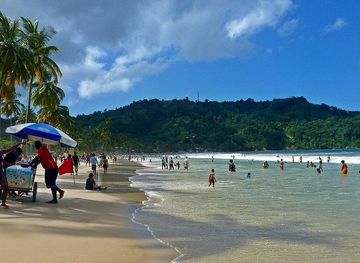
Explore more of St. George Central
Explore St George Central in Trinidad for Northern Range foothills, historic St Joseph, lively food culture, heritage and rainforest excursions.
Explore St. George Central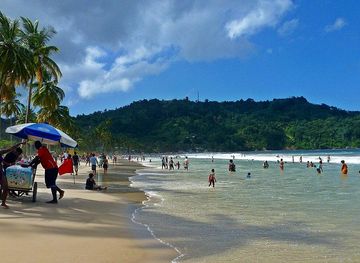
Explore more of Trinidad and Tobago
Discover Trinidad and Tobago: A Caribbean paradise where vibrant culture meets stunning natural beauty, offering unique experiences from lively festivals to serene beaches.
Explore Trinidad and Tobago