

Arima, Trinidad and Tobago Travel Guide
Discover Arima: A vibrant city in Trinidad that offers a unique blend of history, culture, and natural beauty, perfect for travelers seeking an authentic Caribbean experience.
Nestled in the eastern part of Trinidad, Arima is a city rich in history and culture. Known as the 'Friendliest City in the Caribbean,' Arima welcomes visitors with open arms and a warm smile. Arima is the perfect blend of modern amenities and traditional charm. The city's vibrant market is a must-visit, where you can find everything from fresh produce to local crafts. The market is a great place to immerse yourself in the local culture and get a taste of everyday life in Arima. The city's rich history is evident in its many historic buildings and landmarks. The Santa Rosa Roman Catholic Church, built in the 18th century, is one of the oldest churches on the island. The church is a beautiful example of colonial architecture and is a must-see for history buffs. Arima is also home to the Carib Community, the indigenous people of Trinidad and Tobago. The Carib Santa Rosa Festival, held annually in August, is a celebration of Carib culture and heritage. The festival features traditional music, dance, and food, and is a great way to learn more about the history and culture of the Carib people. For nature lovers, the nearby Arima Valley and Asa Wright Nature Centre offer a chance to explore the island's stunning natural beauty. The nature centre is home to a wide variety of bird species, making it a paradise for bird watchers. The Arima River, which flows through the city, is another great spot for nature enthusiasts. The river is a popular spot for picnics and is a great place to relax and unwind. Arima's lively atmosphere, rich history, and natural beauty make it a fantastic destination for tourists. Whether you're interested in history, culture, or nature, Arima has something to offer. The city's friendly residents and vibrant community make it a welcoming place to visit. Come and experience the heart and soul of Trinidad in Arima.

Know before you go
Hi, I'm Eve. Here are a few practical things to know before exploring Arima.
- Visit the Arima market early in the morning for the freshest produce and a lively local experience.
- Attend the Carib Santa Rosa Festival in August to immerse yourself in the indigenous culture of Trinidad.
- Wear comfortable shoes when exploring the city, as many attractions are within walking distance.
- Bring binoculars if you're a bird watcher; the Asa Wright Nature Centre is a bird watcher's paradise.
- Try local delicacies like 'doubles' or 'bake and shark' for an authentic taste of Trinidadian cuisine.
Explore Arima: Things to Do, Places to Eat, Hotels & More
Handpicked recommendations for top attractions, local dining, accommodations, and more

Best attractions in Arima
Top-rated picks
Best Attractions

Green Army Eco Park
Explore Green Army Eco Park in Carapo, a community garden that promotes sustainability and offers a peaceful retreat for nature enthusiasts and eco-conscious travelers.

Kitchener Statue
Discover the Kitchener Statue in Arima, a serene memorial park celebrating Trinidad's musical heritage and cultural history.

La Casita Venezuelan Cultural Heritage Centre
Explore the vibrant Venezuelan heritage at La Casita Cultural Centre in Arima, where art, music, and food come together in a colorful celebration.

Santa Rosa R.C. Church Park
Experience tranquility and local culture at Santa Rosa R.C. Church Park, a beautiful green oasis in the heart of Arima, Trinidad.

Best landmarks in Arima
Top-rated picks
Best Landmarks

Santa Rosa R.C. Church
Explore the beauty and tranquility of Santa Rosa R.C. Church in Arima, a historical landmark reflecting the rich culture of Trinidad and Tobago.

Roman Catholic Church
Explore the rich history and serene beauty of the Roman Catholic Church in Arima, a cultural gem in Trinidad and Tobago.

Chateau Guillaumme
Experience the charm and tranquility of Chateau Guillaumme, your perfect getaway in Trinidad and Tobago, blending comfort with local culture.

Arima Town Hall
Discover the vibrant history and culture at Arima Town Hall, the heart of Arima, Trinidad, surrounded by local life and traditions.

Best restaurants in Arima
Top-rated picks
Best Restaurants

12 by Rishi
Experience Trinidad's vibrant flavors at 12 by Rishi - where tradition meets innovation in every dish.

House of Tea
Experience tranquility at House of Tea in Arima - a charming spot for exquisite teas and delightful snacks.

Neatman's Home style Foods
Experience authentic Trinidadian cuisine at Neatman's Home Style Foods in Arima—where every meal feels like home.

Firewood Oven & Grill
Experience authentic wood-fired cuisine at Firewood Oven & Grill in Arima - where fast food meets local flavors!

Best bars in Arima
Top-rated picks
Best Bars

Rogue Restaurant & Bar
Discover the lively ambiance and delectable flavors at Rogue Restaurant & Bar, a must-visit destination in Arima, Trinidad.

Pull Thru Sports Bar & Lounge
Dive into the excitement of sports and delicious cuisine at Pull Thru Sports Bar & Lounge in Arima, the ultimate hangout for fans and food lovers.

Krave Sports Bar and Lounge
Discover the vibrant Krave Sports Bar and Lounge in Arima, where delicious food, refreshing drinks, and great company create unforgettable moments.

Castro's
Discover the vibrant culinary scene at Castro's Restaurant and Bar, where local flavors meet warm hospitality in the heart of Arima.

Best nightclubs in Arima
Top-rated picks
Best Nightclubs

Lounge 102
Discover the lively nightlife of Lounge 102 in Arima, Trinidad, known for its stylish decor, delicious cocktails, and vibrant atmosphere.

Krave Sports Bar and Lounge
Discover the vibrant nightlife and delicious cuisine at Krave Sports Bar and Lounge in Arima, Trinidad - A perfect evening destination for locals and tourists alike.
Club 88
Discover the vibrant nightlife at Club 88 in Arima, where local culture meets a lively bar atmosphere for an unforgettable experience.

D' Tipsy Corner Sports Bar & Lounge
Experience the vibrant nightlife at D' Tipsy Corner Sports Bar & Lounge in Arima, where great drinks, live entertainment, and good vibes come together.

Best shops in Arima
Top-rated picks
Best Shops

Shock'N Stock Booksellers & Stationers
Discover the vibrant world of literature and creativity at Shock'N Stock Booksellers & Stationers in Arima, Trinidad and Tobago.

Fellaz & Infiniteens
Discover contemporary fashion at Fellaz & Infiniteens, the go-to clothing store in Arima, Trinidad, perfect for trendy outfits and unique finds.

Candy Girls
Discover vibrant Caribbean fashion at Candy Girls, a top women’s clothing store in Arima offering trendy apparel and unique accessories.

Kaytique.store
Explore Kaytique.store in Arima for a delightful shopping experience, featuring stylish apparel and unique local fashion pieces.

Explore Arima on the Map
A handpicked selection of must-see spots in Arima, mapped for you.
Arima Essentials
-
Arima is located in the eastern part of Trinidad, about 26 kilometers from Port of Spain. The nearest international airport is Piarco International Airport (POS), which is approximately 10 kilometers from Arima. From the airport, you can take a taxi or arrange for a shuttle service. Public buses and maxi taxis (shared minivans) also operate routes between the airport and Arima.
-
Getting around Arima is relatively easy. Local taxis are readily available and can be hailed on the street or booked via phone. Maxi taxis and public buses are the most common forms of public transport, with routes connecting various parts of the town and surrounding areas. Car rentals are also available, providing flexibility for exploring at your own pace.
-
The official currency in Trinidad and Tobago is the Trinidad and Tobago Dollar (TTD). Credit and debit cards are widely accepted in hotels, restaurants, and larger stores, but it's advisable to carry some cash, especially for small purchases and in local markets. ATMs are available throughout Arima for convenient cash withdrawals.
-
Arima is generally a safe destination, but like any other place, it’s important to stay vigilant. Avoid walking alone at night in unfamiliar areas and always keep an eye on your belongings. Certain areas may have higher crime rates, so it’s best to stick to well-lit and populated areas. Consult locals or your accommodation for up-to-date advice on safe zones.
-
In case of an emergency, dial 999 for police, 990 for fire, and 811 for medical assistance. The town has a police station and several health facilities, including the Arima General Hospital. It's recommended to have travel insurance that covers medical emergencies. Pharmacies are available for minor health issues and over-the-counter medications.
-
Fashion: Do dress comfortably but modestly, especially if visiting religious sites. Avoid overly revealing clothing. Religion: Do respect local customs and religious practices. Remove hats and cover your head when entering places of worship. Public Transport: Do be patient and courteous. Avoid loud conversations and respect seating arrangements, especially for elderly and disabled persons. Greetings: Do greet people with a smile or a friendly 'Good day.' A handshake is common in formal settings. Eating & Drinking: Do try local delicacies and accept food offerings graciously. Don’t refuse hospitality, as it can be seen as impolite.
-
To experience Arima like a local, visit the Arima Market where you can find fresh produce, local crafts, and traditional foods. Engage with locals, who are often friendly and willing to share stories about Arima's rich history and culture. Don’t miss the annual Santa Rosa Festival, a vibrant celebration of the town’s heritage. For a unique experience, explore the Asa Wright Nature Centre, located a short drive away, which offers a glimpse into Trinidad’s diverse flora and fauna.
When is the best time to visit Arima?
Useful Local Phrases for Arima
You don't need to speak the language perfectly. Even learning a few simple words can make conversations warmer—and locals usually appreciate the effort.
— Eve

Here are the phrases I use most often in Arima. Try a few—you'll be surprised how far they go! 😊
❤️
-
- HelloWa gwaan
[wah gwaan] - GoodbyeLater
[lay-tuh] - YesYes
[yes] - NoNah
[nah] - Please/You're welcomePlz/No prob
[pleez/no prob] - Thank youTank yuh
[tank yuh] - Excuse me/SorryS'cuse me/Sorry
[s'cuse me/sorry] - How are you?How yuh doin?
[how yuh doin] - Fine. And you?Ahright. Yuhself?
[ah-right. yuh-self] - Do you speak English?Yuh speak English?
[yuh speak english] - I don't understandAh eh get yuh
[ah eh get yuh]
- HelloWa gwaan
-
- I'd like to see the menu, pleaseLemme see di menu, please
[lem-mee see dee menu, please] - I don't eat meatAh doh eat meat
[ah doh eat meat] - Cheers!Cheers!
[cheers] - I would like to pay, pleaseLemme pay, please
[lem-mee pay, please]
- I'd like to see the menu, pleaseLemme see di menu, please
-
- Help!Help!
[help] - Go away!Geh way!
[geh way] - Call the Police!Call de Police!
[call de police] - Call a doctor!Call ah doctor!
[call ah doctor] - I'm lostI eh know whey ah dey
[i eh know way ah day] - I'm illI sick
[i sick]
- Help!Help!
-
- I'd like to buy...Ah want tuh buy...
[ah want tuh buy] - I'm just lookingAh jus lookin
[ah jus lookin] - How much is it?How much dis?
[how much dis] - That's too expensiveDat too pricey
[dat too pricey] - Can you lower the price?Yuh could drop de price?
[yuh could drop de price]
- I'd like to buy...Ah want tuh buy...
-
- What time is it?Wah time it is?
[wah time it is] - It's one o'clockIt one o'clock
[it one o'clock] - Half past (10)Half 10
[half 10] - MorningMornin
[mornin] - AfternoonAfternoon
[afternoon] - EveningEvenin
[evenin] - YesterdayYestaday
[yestaday] - TodayToday
[today] - TomorrowTomorrow
[tomorrow] - 1One
[one] - 2Two
[two] - 3Three
[three] - 4Four
[four] - 5Five
[five] - 6Six
[six] - 7Seven
[seven] - 8Eight
[eight] - 9Nine
[nine] - 10Ten
[ten]
- What time is it?Wah time it is?
-
- Where's a/the...?Whey de...
[way de] - What's the address?Wah de address dey?
[wah de address day] - Can you show me (on the map)?Yuh could show me (on de map)?
[yuh could show me (on de map)] - When's the next (bus)?When de nex (bus)?
[when de nex (bus)] - A ticket (to ....)A ticket (to ....)
[a ticket (to)]
- Where's a/the...?Whey de...
History of Arima
-
Arima has its origins deeply rooted in the history of the indigenous peoples of Trinidad and Tobago, particularly the Caribs. The name 'Arima' itself is derived from the Amerindian word 'Ari-muh' meaning 'water.' The Caribs settled in this area long before the arrival of European colonizers, utilizing the rich natural resources and establishing a community around the river that still flows through Arima.
-
During the Spanish colonial period, Arima became a significant settlement as the Spanish sought to establish control over Trinidad. In 1757, the Spanish officially founded the town of Arima, and it became one of the key mission towns aimed at converting the indigenous population to Christianity. The Mission of Arima was established under the authority of the Spanish Crown, and it played a crucial role in the administration of the colony.
-
In 1786, Capuchin missionaries arrived in Arima, furthering the Spanish efforts to Christianize the Amerindian population. The missionaries built the Santa Rosa Church, named after Saint Rose of Lima, which remains a central landmark in Arima today. The arrival of the Capuchins marked a significant cultural and religious shift in the area, as they introduced new agricultural practices and religious customs to the indigenous people.
-
The British took control of Trinidad in 1797, and Arima, like the rest of Trinidad, underwent significant changes under British rule. The abolition of slavery in 1833 had a profound impact on Arima, as many freed slaves settled in the area, contributing to its cultural and demographic diversity. The town saw the establishment of new schools, churches, and businesses, fostering a vibrant community.
-
The Santa Rosa Festival is one of the oldest and most significant cultural events in Arima. Celebrated annually in August, it honors Saint Rose of Lima, the patron saint of Arima. The festival is a vibrant display of the town's rich cultural heritage, featuring traditional music, dance, and religious ceremonies. It also pays tribute to the indigenous Carib community, showcasing their crafts, foods, and customs.
-
In the 20th century, Arima experienced significant urban development. The construction of modern infrastructure, such as the Eastern Main Road and the Arima Dial, facilitated economic growth and connectivity. Today, Arima is a bustling town known for its markets, cultural festivals, and as a gateway to the Northern Range. It continues to blend its rich historical past with modern progress, making it a unique destination in Trinidad and Tobago.
Cities near Arima
The closest cities to Arima, if you have time for more than one stop.



Your all‑in‑one travel companion app
Explore expert travel guides, compare and book tours, experiences, hotels, and more—all from the palm of your hand. Download now for seamless trip planning wherever your wanderlust takes you.


Arima in Photos
Browse through our photo collection highlighting the charm and character of the destination.




Arima: The Heartbeat of Trinidad's Heritage
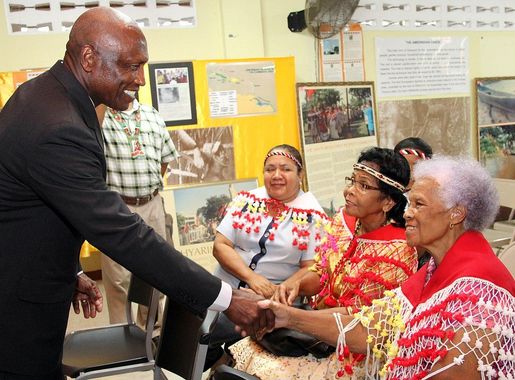
Nestled in the eastern part of Trinidad, Arima is a city rich in history and culture. Known as the 'Friendliest City in the Caribbean,' Arima welcomes visitors with open arms and a warm smile. Arima is the perfect blend of modern amenities and traditional charm. The city's vibrant market is a must-visit, where you can find everything from fresh produce to local crafts. The market is a great place to immerse yourself in the local culture and get a taste of everyday life in Arima. The city's rich history is evident in its many historic buildings and landmarks. The Santa Rosa Roman Catholic Church, built in the 18th century, is one of the oldest churches on the island. The church is a beautiful example of colonial architecture and is a must-see for history buffs. Arima is also home to the Carib Community, the indigenous people of Trinidad and Tobago. The Carib Santa Rosa Festival, held annually in August, is a celebration of Carib culture and heritage. The festival features traditional music, dance, and food, and is a great way to learn more about the history and culture of the Carib people. For nature lovers, the nearby Arima Valley and Asa Wright Nature Centre offer a chance to explore the island's stunning natural beauty. The nature centre is home to a wide variety of bird species, making it a paradise for bird watchers. The Arima River, which flows through the city, is another great spot for nature enthusiasts. The river is a popular spot for picnics and is a great place to relax and unwind. Arima's lively atmosphere, rich history, and natural beauty make it a fantastic destination for tourists. Whether you're interested in history, culture, or nature, Arima has something to offer. The city's friendly residents and vibrant community make it a welcoming place to visit. Come and experience the heart and soul of Trinidad in Arima.
Explore More of Trinidad and Tobago
Looking beyond Arima? Discover Trinidad and Tobago for broader travel guides, local hot-spots, and regional highlights.
Explore Trinidad and Tobago