

Free Point Fortin Travel Guide & Mobile App
Plan your Point Fortin trip with Evendo. Get free guides to top attractions, restaurants, hotels, and bars. Web access or download the mobile app.


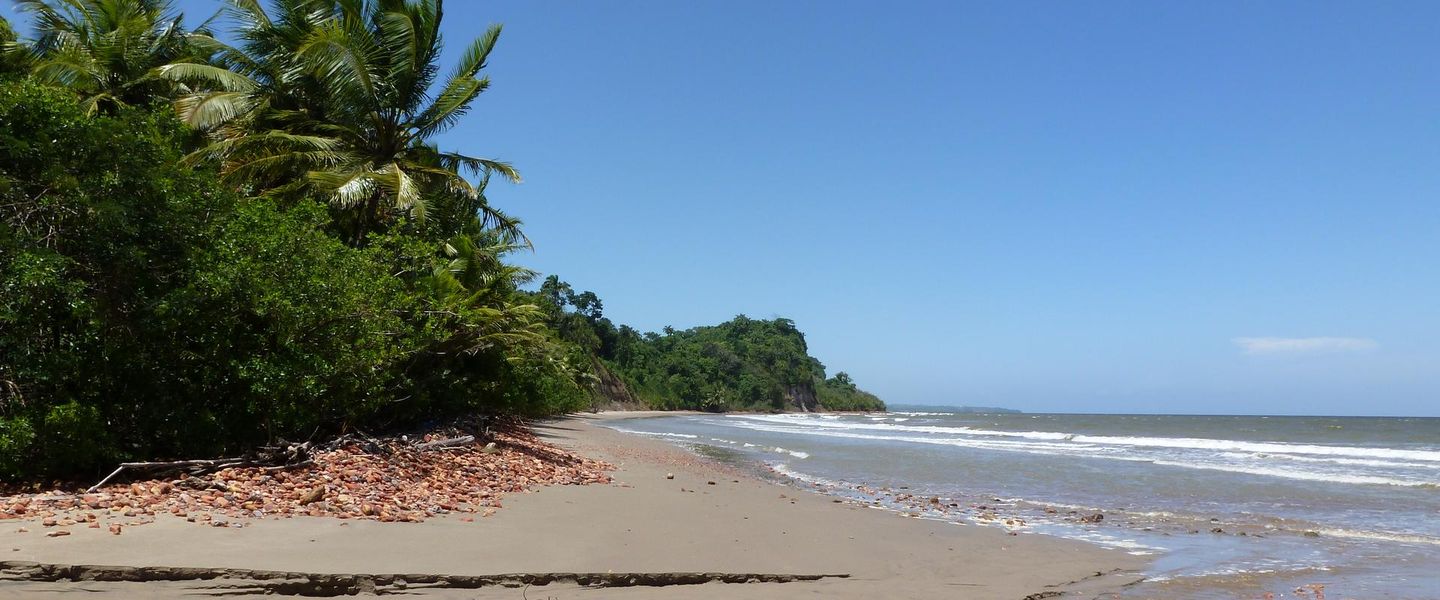


Point Fortin, Trinidad and Tobago, blends oil-town history, Atlantic beaches, Carnival culture and southwest Trinidad’s relaxed rhythms for curious travellers.
Atlantic Setting and Local Character
Point Fortin occupies Trinidad’s southwestern peninsula, facing the Gulf of Paria and the open Atlantic beyond the island’s southern coast. It is a compact municipality shaped by petroleum, maritime trade and close-knit community life rather than by grand colonial architecture or mass tourism. The town centre is practical and energetic, with shops, food stalls, churches and everyday services gathered around streets where residents conduct the business of daily life. Beyond the centre, the landscape opens into coconut palms, industrial estates, low hills and beaches exposed to the changing Atlantic weather.Read more about Point Fortin
Oil Heritage and Community Traditions
Beaches and Southwest Trinidad
When is the best time to visit Point Fortin?
Best: May–July · 31°C| Month | High (°C) | Rainfall (mm) |
|---|---|---|
| January | 29 | 88 |
| February | 29 | 61 |
| March | 30 | 59 |
| April | 30 | 32 |
| May (best) | 31 | 20 |
| June (best) | 31 | 16 |
| July (best) | 31 | 17 |
| August | 31 | 19 |
| September | 31 | 23 |
| October | 30 | 48 |
| November | 30 | 65 |
| December | 30 | 88 |
Getting to and around Point Fortin
How to get there
Transportation
Best attractions in Point Fortin
Point Fortin’s attractions are modest in scale but offer a useful introduction to southwest Trinidad. Clifton Hill Beach is the town’s best-known coastal recreation area, with a broad Atlantic shoreline and a mainly local atmosphere rather than a resort setting. The central streets and civic spaces reveal the rhythms of an working municipality, while Borough Day celebrations bring music, masquerade and community performance into public life when the annual programme takes place. Visitors interested in industry can appreciate the area’s petroleum and natural-gas legacy from public roads and viewpoints, although energy facilities are not ordinary sightseeing venues and access is restricted. Nearby Vessigny Beach and the Pitch Lake at La Brea provide stronger excursion options beyond the borough, with the latter offering an unusual landscape shaped by subterranean bitumen. Together, these places show the contrast between Point Fortin’s working townscape, open coast and industrially significant hinterland.
-
Tourist attraction
Clifton Hill Beach
Experience the crystal-clear waters and vibrant atmosphere of Clifton Hill Beach, a must-visit public beach in Point Fortin, Trinidad.
8 min drive · 2.7 km from city centre
-
Observation deck
Sunset Beach Lookout
Experience the breathtaking sunsets and serene coastal views at Sunset Beach Lookout in Point Fortin, a must-visit for nature lovers.
9 min drive · 3.2 km from city centre
-
Park
Southern Gardens Park
Discover Southern Gardens Park in Point Fortin, a tranquil oasis perfect for relaxation, picnics, and enjoying the beauty of nature.
6 min drive · 2.0 km from city centre
-
Tourist attraction
I Love Clifton Hill Sign
Discover the vibrant spirit of Point Fortin at the iconic 'I Love Clifton Hill' sign, a must-visit landmark for unforgettable photo opportunities.
8 min drive · 2.7 km from city centre


Best landmarks in Point Fortin
Point Fortin’s notable landmarks are closely tied to civic identity, community memory and the energy economy rather than to a preserved colonial monument district. The borough’s civic centre and town streets provide the clearest sense of its role as an organised municipality, while churches and community buildings reflect the religious and social institutions that helped established neighbourhoods develop. The wider landscape of oilfields, pipelines, industrial compounds and gas infrastructure forms an important modern landmark system, though many facilities are working sites and cannot be entered by visitors. Clifton Hill Beach is a natural landmark as well as a recreation area, marking the town’s relationship with the Atlantic coast. Beyond the borough, La Brea’s Pitch Lake is a major geological landmark of southwest Trinidad, but it should be described as a nearby excursion rather than a Point Fortin monument.
-
Public beach
Clifton Hill Beach
Discover the serene beauty of Clifton Hill Beach in Point Fortin, where soft sands meet tranquil waters for an unforgettable Caribbean getaway.
8 min drive · 2.7 km from city centre
-
Resort hotel
Clifton Hill Beach Resort
Discover the beauty of Clifton Hill Beach Resort, a tropical paradise in Point Fortin, Trinidad, perfect for relaxation and adventure.
8 min drive · 2.6 km from city centre
-
Chinese
Good World Chinese Restaurant
Discover the essence of Chinese cuisine at Good World Chinese Restaurant, Point Fortin's culinary gem offering authentic flavors in a cozy atmosphere.
7 min drive · 2.2 km from city centre
-
Swimming facility
Point Fortin Swimming Pool
Experience the refreshing excitement of the Point Fortin Swimming Pool, a vibrant family-friendly oasis in Trinidad, perfect for relaxation and fun.
13 min walk · 1.0 km from city centre


Explore Point Fortin on the map
Plan your Point Fortin trip on one map. See where the top attractions, landmarks, restaurants, bars and hotels are, find what's near where you're staying, and book hotels and experiences in a few clicks.
Best hotels in Point Fortin
Best restaurants in Point Fortin
Point Fortin’s food scene is rooted in everyday Trinidadian cooking rather than a large concentration of destination restaurants. Local eateries and takeaway counters commonly draw on the national repertoire of roti, doubles, pelau, callaloo, macaroni pie, fried fish and seasoned chicken, with pepper sauces and fresh local ingredients adding heat and character. Breakfast and snack stops may offer bake and shark-style fried breads, sandwiches and savoury pastries, while roadside vendors and small shops provide practical options for travellers moving around the southwest. The town’s coastal position supports a taste for fish and seafood, although menus and availability vary by business and season. For a wider choice of restaurants, visitors often look towards San Fernando, while Point Fortin is better suited to informal meals, local bakery items and observing the social routine of neighbourhood dining.
-
Chinese
Good World Chinese Restaurant
Experience the rich flavors of authentic Chinese cuisine at Good World Chinese Restaurant in Point Fortin.
7 min drive · 2.2 km from city centre
-
Fast Food
Royal Castle
Experience authentic Trinidadian fast food at Royal Castle in Point Fortin – where local flavors meet quick service in a welcoming atmosphere.
6 min drive · 2.0 km from city centre
-
Restaurant
D'Office Bar
Discover D'Office Bar in Point Fortin for delicious Trinidadian cuisine and vibrant ambiance, perfect for every traveler seeking local flavor.
10 min drive · 3.4 km from city centre
-
Restaurant
D Neighbourhood Grill and Bar
Experience authentic Trinidadian cuisine at D Neighbourhood Grill and Bar in Point Fortin - where flavor meets hospitality.
8 min drive · 2.7 km from city centre


Best bars in Point Fortin
Point Fortin’s evenings are generally shaped by local social life rather than a dense club district. Small bars, rum shops and neighbourhood gathering places provide spaces for conversation, music and televised sport, while soca, calypso and Carnival rehearsals can become important forms of entertainment around the festival season. Borough Day is one of the town’s most significant public occasions, combining performances, costumes and community activity rather than relying solely on nightlife venues. Evening dining and informal liming are more characteristic than a wide choice of cocktail bars or late clubs. Visitors should ask locally about current events and arrange their return transport in advance, especially when travelling beyond the centre. The atmosphere can change considerably between ordinary weekdays and cultural celebrations, when streets and public spaces become more animated.
-
Bar
Butches Bar
Experience the vibrant local culture at Butches Bar in Point Fortin, where great drinks and friendly faces await.
7 min drive · 2.3 km from city centre
-
Bar
Legends sports bar
Discover the vibrant atmosphere of Legends Sports Bar, where sports, drinks, and a great social scene come together in Point Fortin.
6 min drive · 1.9 km from city centre
-
Bar
Good, Bad & Ugly Bar
Experience the vibrant local nightlife at Good, Bad & Ugly Bar in Point Fortin, where great drinks and live music converge.
7 min walk · 0.6 km from city centre
-
Bar
Yard Vibes Bar And Beer Garden
Explore the vibrant atmosphere of Yard Vibes Bar And Beer Garden in Point Fortin, where refreshing drinks and local charm await every visitor.
11 min drive · 3.7 km from city centre


Best nightclubs in Point Fortin
Point Fortin’s evenings are generally shaped by local social life rather than a dense club district. Small bars, rum shops and neighbourhood gathering places provide spaces for conversation, music and televised sport, while soca, calypso and Carnival rehearsals can become important forms of entertainment around the festival season. Borough Day is one of the town’s most significant public occasions, combining performances, costumes and community activity rather than relying solely on nightlife venues. Evening dining and informal liming are more characteristic than a wide choice of cocktail bars or late clubs. Visitors should ask locally about current events and arrange their return transport in advance, especially when travelling beyond the centre. The atmosphere can change considerably between ordinary weekdays and cultural celebrations, when streets and public spaces become more animated.
-
Bar
Legends sports bar
Discover the vibrant energy of Legends Sports Bar in Point Fortin, where sports, food, and fun come together for an unforgettable night out.
6 min drive · 1.9 km from city centre
-
Bar
Good, Bad & Ugly Bar
Discover the vibrant atmosphere and diverse drink selection at Good, Bad & Ugly Bar in Point Fortin, where locals and travelers unite.
7 min walk · 0.6 km from city centre
-
 Bar
Sundance Recreation Club
Experience the vibrant nightlife at Sundance Recreation Club, Point Fortin's premier bar offering live entertainment and a lively atmosphere.
6 min drive · 2.0 km from city centre
-
Bar
Level 1 Restaurant and Sports Bar
Experience the best of dining and sports entertainment at Level 1 Restaurant and Sports Bar in Point Fortin, Trinidad.
7 min drive · 2.2 km from city centre


Best shops in Point Fortin
Shopping in Point Fortin is centred on practical local commerce rather than a major tourist retail district. The town centre and High Street area contain small shops, groceries, pharmacies, clothing retailers and service businesses, while market-style vendors and food sellers provide everyday produce, snacks and prepared meals. Visitors may find Trinidadian packaged foods, pepper sauces, sweets, rum-related products and modest Carnival items that make more meaningful souvenirs than imported giftware. Craft purchases are generally easier to source through seasonal cultural events or community fairs than from a permanent artisan quarter. Larger retail selections are available in San Fernando, but Point Fortin’s commercial streets offer a closer look at how residents shop, socialise and organise daily life in a southwestern Trinidadian town.
-
Home goods store
Bright Ideas
Explore Bright Ideas in Point Fortin for unique home goods and affordable treasures that reflect the spirit of Trinidad.
7 min drive · 2.2 km from city centre
-
Clothing store
Kalliecharan's
Discover Kalliecharan's in Point Fortin, where local fashion meets global trends in a charming clothing store atmosphere.
10 min drive · 3.5 km from city centre
-
Boutique
Lucian's Bow Bouquet
Experience the beauty of Trinidad at Lucian's Bow Bouquet, a boutique offering exquisite floral designs and local crafts in Point Fortin.
6 min drive · 2.1 km from city centre
-
Clothing store
Chloe's Closet
Discover the latest trends in fashion and beauty at Chloe's Closet, Point Fortin's premier clothing store and nail salon.
6 min drive · 1.9 km from city centre


Get your free copy of our complete guide to Point Fortin, delivered straight to you.
Everything on this page, from attractions and restaurants to essentials and local phrases, in one PDF you can read offline, print or share.
Already have an account? Sign in
Your Point Fortin guide is ready.
We'll send it to · Not you? Sign out

Getting your guide ready…
We are putting together a fresh copy of the Point Fortin guide. This can take up to a minute.
This can take a few moments. If your browser asks, choose Allow so the download can start. You'll find the guide in your Downloads folder.
Nothing happened? Download it again
Sorry, the guide is taking longer than usual. Please try again in a minute, or get it by email instead.
Point Fortin essentials
Currency and Payment
Safety
Emergency Situations
Do's and Don'ts
Local Tips
From Eve
Local phrases worth knowing
You don't need to get them perfect. A few words go a long way, and locals appreciate the effort.
Basics
| English | Local | Say it |
|---|---|---|
| Hello | Wah Gwan | [wah gwan] |
| Goodbye | Later | [lay-ter] |
| Yes | Yes | [yes] |
| No | Nah | [nah] |
| Please/You're welcome | Yuh welcome | [yuh welcome] |
| Thank you | Tank yuh | [tank yuh] |
| Excuse me/Sorry | Sarry | [sarry] |
| How are you? | How yuh doin'? | [how yuh doin'] |
| Fine. And you? | Ahrite. And yuh? | [ah-rite. and yuh?] |
| Do you speak English? | Yuh speak English? | [yuh speak english?] |
| I don't understand | Ah eh get yuh | [ah eh get yuh] |
Eating & Drinking
| English | Local | Say it |
|---|---|---|
| I'd like to see the menu, please | Lemme see de menu, please | [lem-me see deh menu, please] |
| I don't eat meat | Ah doh eat meat | [ah doh eat meat] |
| Cheers! | Cheers! | [cheers!] |
| I would like to pay, please | Lemme pay nah | [lem-me pay nah] |
Emergencies
| English | Local | Say it |
|---|---|---|
| Help! | Help! | [help!] |
| Go away! | Geh wey! | [geh wey!] |
| Call the Police! | Call de Police! | [call de police!] |
| Call a doctor! | Call ah doctor! | [call ah doctor!] |
| I'm lost | Ah lost | [ah lost] |
| I'm ill | Ah sick | [ah sick] |
Shopping
| English | Local | Say it |
|---|---|---|
| I'd like to buy... | Ah want tuh buy... | [ah want tuh buy...] |
| I'm just looking | Ah just lookin' | [ah just lookin'] |
| How much is it? | How much dat is? | [how much dat is?] |
| That's too expensive | Dat too much | [dat too much] |
| Can you lower the price? | Yuh could drop de price? | [yuh could drop de price?] |
Time & Numbers
| English | Local | Say it |
|---|---|---|
| What time is it? | What time it is? | [what time it is?] |
| It's one o'clock | It one o'clock | [it one o'clock] |
| Half past (10) | Haas ten | [haas ten] |
| Morning | Mornin' | [mornin'] |
| Afternoon | Afternoon | [afternoon] |
| Evening | Evenin' | [evenin'] |
| Yesterday | Yestaday | [yestaday] |
| Today | Today | [today] |
| Tomorrow | Tomorrow | [tomorrow] |
| 1 | One | [one] |
| 2 | Two | [two] |
| 3 | Tree | [tree] |
| 4 | Fo' | [fo'] |
| 5 | Five | [five] |
| 6 | Six | [six] |
| 7 | Seven | [seven] |
| 8 | Eight | [eight] |
| 9 | Nine | [nine] |
| 10 | Ten | [ten] |
Transport & Directions
| English | Local | Say it |
|---|---|---|
| Where's a/the...? | Whey de...dey? | [wey de...dey?] |
| What's the address? | Wey de address dey? | [wey de address dey?] |
| Can you show me (on the map)? | Yuh could show me (on de map)? | [yuh could show me (on de map)?] |
| When's the next (bus)? | When de nex' (bus) comin'? | [when de nex' (bus) comin'?] |
| A ticket (to ....) | A ticket (to ....) | [a ticket (to ....)] |
History of Point Fortin
Early Indigenous Landscapes
Before European colonisation, southwest Trinidad was occupied and used by Indigenous communities whose knowledge of coastal waters, forests and river routes shaped life across the peninsula. Archaeological evidence from Trinidad points to long-established Amerindian settlement and movement, although the surviving historical record does not provide a continuous account of Point Fortin itself. The coast’s position between the Gulf of Paria and the Atlantic made it part of a wider network of fishing, exchange and travel. This earlier human geography remains important context for understanding the area as more than an industrial town: its modern streets and energy infrastructure occupy a landscape with a much longer history of coastal use.
Colonial Settlement and the Name
Under Spanish rule and later British administration, the southwestern peninsula developed through plantations, rural settlement and maritime connections. The name Point Fortin is generally associated with a French settler or landholder named Fortin, reflecting the mixture of European communities that became established in Trinidad before British control was consolidated. Much of the district remained comparatively rural for long periods, with villages, estates and agricultural activity spread across the coast and interior. Administrative boundaries and local settlements changed over time, while roads and shipping routes gradually connected the southwest more closely with San Fernando and the rest of Trinidad.
The Rise of Trinidad’s Oil Industry
Petroleum transformed the Point Fortin area during the early twentieth century. Commercial oil development around the Guapo and southwestern fields brought drilling, technical employment, company infrastructure and new migration to a district previously dominated by agriculture and small coastal settlements. Oil production expanded in Trinidad after the first successful commercial wells in the early 1900s, and Point Fortin developed as one of the country’s important energy centres. The industry altered the local landscape through roads, storage facilities and industrial compounds, while also creating the economic foundations for the municipality’s later growth.
A Modern Borough Emerges
As employment and services expanded, Point Fortin became a more defined urban community with schools, churches, shops, public facilities and organised civic life. Its identity was shaped not only by petroleum companies but by workers’ families, neighbourhood associations, religious institutions and cultural organisations. The town’s location at Trinidad’s southwestern edge encouraged a strong local identity, distinct from the larger commercial centre of San Fernando. Borough status gave Point Fortin a formal municipal profile and supported the development of local administration, public spaces and community celebrations that continue to express the town’s social character.
Energy, Industry and Cultural Identity
Late twentieth- and early twenty-first-century energy investment strengthened Point Fortin’s role in Trinidad and Tobago’s natural-gas economy, particularly with the development of Atlantic LNG facilities in the wider Point Fortin area. Industrial growth brought national economic significance but also made the contrast between heavy infrastructure and coastal community life especially visible. Alongside energy, Borough Day, Carnival, calypso and soca have helped sustain a public culture centred on performance and participation. Contemporary Point Fortin therefore carries several historical identities at once: coastal settlement, oil town, gas-industry centre and municipality with a strong tradition of local celebration.
Point Fortin in Photos
Browse through our photo collection highlighting the charm and character of the destination.
Cities near Point Fortin
The closest cities to Point Fortin, if you have time for more than one stop.
-
-

-

-

-


Swipe for more cities
Explore more
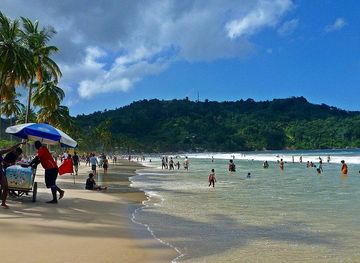
Explore more of Trinidad and Tobago
Discover Trinidad and Tobago: A Caribbean paradise where vibrant culture meets stunning natural beauty, offering unique experiences from lively festivals to serene beaches.
Explore Trinidad and Tobago