

Free Chaguanas Travel Guide & Mobile App
Plan your Chaguanas trip with Evendo. Get free guides to top attractions, restaurants, hotels, and bars. Web access or download the mobile app.


Chaguanas, Trinidad and Tobago, blends Central Trinidad markets, Indo-Caribbean culture, local food, shopping and easy access to island-wide sights.
At the Centre of Trinidad
Chaguanas lies on the broad, fertile Caroni Plain in central Trinidad, roughly between Port of Spain and San Fernando. As the country’s largest borough by population, it is a practical commercial centre rather than a conventional resort town, with busy roads, shopping complexes, markets and neighbourhoods extending across former agricultural land. Its central position makes it a useful base for exploring both Trinidad’s northern hills and southern communities.Read more about Chaguanas
Markets, Food and Everyday Life
Culture in the Central Plain
When is the best time to visit Chaguanas?
Best: February–April · 28–29°C| Month | High (°C) | Rainfall (mm) |
|---|---|---|
| January | 28 | 80 |
| February (best) | 28 | 60 |
| March (best) | 28 | 60 |
| April (best) | 29 | 40 |
| May | 30 | 40 |
| June | 30 | 40 |
| July | 30 | 40 |
| August | 30 | 40 |
| September | 30 | 40 |
| October | 30 | 40 |
| November | 29 | 60 |
| December | 28 | 80 |
Getting to and around Chaguanas
How to get there
Transportation
Best attractions in Chaguanas
Chaguanas rewards visitors who explore its everyday commercial life alongside nearby cultural sites. Chaguanas Market is the borough’s most immediate attraction, with stalls of produce, provisions, clothing and household goods revealing the scale of central Trinidad’s trade. Main Road and the modern C3 Centre provide a contrasting view of shopping, dining and contemporary urban life. At Endeavour, the National Council for Indian Culture’s Divali Nagar complex becomes a major cultural destination during its annual festival, presenting Hindu traditions, music, dance, craft and food. Just outside the borough, the Lion House at Waterloo offers a more historic experience, linking a distinctive Indo-Caribbean residence with Trinidadian literary history through its association with V. S. Naipaul. The Waterloo waterfront and nearby Carapichaima add views of the central plain and a landscape shaped by sugar cultivation, religious communities and waterways.
-
National park
Caroni Bird Sanctuary
Explore the Caroni Bird Sanctuary, a vibrant retreat in Trinidad, brimming with exotic wildlife, stunning landscapes, and unforgettable birdwatching experiences.
27 min drive · 9.1 km from city centre
-
Tour operator
Nanan's Caroni Bird Sanctuary Tours
Explore the breathtaking Caroni Bird Sanctuary with Nanan's Tours, where vibrant wildlife and stunning landscapes await every nature lover.
30 min drive · 9.9 km from city centre
-
Athletic park
Stalagnite Recreation Park
Discover Stalagnite Recreation Park, a perfect blend of athletic activities and natural beauty in Trinidad's Cunupia.
20 min drive · 6.5 km from city centre
-
Wetland
Caroni Swamp
Explore the serene beauty of Caroni Swamp, Trinidad's vibrant wetland, home to diverse wildlife and breathtaking landscapes.
28 min drive · 9.3 km from city centre


Best landmarks in Chaguanas
Chaguanas’s landmarks are closely tied to community, commerce and the cultural landscape of central Trinidad. The Chaguanas Market is a practical landmark of the borough’s growth, occupying a place in local life far more significant than a conventional monument. The National Council for Indian Culture complex at Endeavour, known for hosting Divali Nagar, represents the public importance of Indo-Trinidadian religious and artistic traditions. Nearby Lion House at Waterloo is a distinctive Indo-Caribbean residence associated with V. S. Naipaul and the history of Indian settlement in Trinidad. The Waterloo waterfront and surrounding Carapichaima area add landscape context, with waterways, agricultural land and religious institutions reflecting the former sugar belt. These places are best understood as connected markers of migration, worship, trade and rural-to-urban change rather than as remnants of a single preserved historic centre.
-
Shopping mall
Center Pointe Mall
Explore the vibrant Center Pointe Mall in Chaguanas, where shopping, dining, and local culture come together in a lively atmosphere.
11 min walk · 0.8 km from city centre
-
Asian Fusion
Passage To Asia
Discover the vibrant tastes of Asia at Passage To Asia, where culinary traditions come together in a delicious fusion of flavors.
6 min walk · 0.4 km from city centre
-
Shopping mall
Brentwood Mall
Discover Brentwood Mall in Chaguanas: a vibrant shopping center with diverse stores, delightful dining, and family-friendly entertainment options.
6 min drive · 1.8 km from city centre
-
Restaurant
Mr. Rango Cookhouse
Experience the vibrant culinary culture of Trinidad and Tobago at Mr. Rango Cookhouse, where every dish tells a story of flavor and tradition.
18 min walk · 1.4 km from city centre


Explore Chaguanas on the map
Plan your Chaguanas trip on one map. See where the top attractions, landmarks, restaurants, bars and hotels are, find what's near where you're staying, and book hotels and experiences in a few clicks.
Best hotels in Chaguanas
Best restaurants in Chaguanas
Chaguanas is one of the best places in central Trinidad to encounter the island’s Indo-Trinidadian food culture in ordinary, accessible settings. Doubles, made with bara and channa and finished with chutneys and pepper sauces, are a familiar breakfast or snack, while roti shops serve fillings such as curry chicken, goat, shrimp or vegetables wrapped in dhalpuri or paratha. Sada roti with choka, bake and shark-style fried breads, pelau and hearty Creole dishes also reflect Trinidad’s wider culinary exchange. Around the market, Main Road and busy commercial areas, visitors find casual eateries, takeaway counters, bakeries and juice vendors rather than a concentrated fine-dining quarter. Food associated with Muslim and Hindu traditions is particularly visible during religious festivals, when seasonal sweets, savouries and community cooking add another layer to the borough’s dining culture.
-
American
TGI Fridays
Experience the heart of American cuisine at TGI Fridays in Endeavour - where every meal is a celebration.
19 min walk · 1.5 km from city centre
-
Restaurant
Woodford Cafe
Discover the vibrant flavors of Trinidad at Woodford Cafe in Chaguanas – where every meal is an experience.
5 min drive · 1.7 km from city centre
-
Asian Fusion
Passage To Asia
Experience the vibrant flavors of Asian Fusion at Passage To Asia in Chaguanas – where every dish tells a story.
6 min walk · 0.4 km from city centre
-
Fast Food
KFC
Experience the iconic taste of KFC in Chaguanas, Trinidad - where crispy fried chicken meets local charm!
12 min walk · 0.9 km from city centre


Best bars in Chaguanas
Chaguanas has a more local and dispersed evening scene than Port of Spain, with social life centred on restaurants, rum shops, sports bars, lounges and family gatherings rather than a dense club district. Commercial areas around Main Road and nearby shopping developments offer places to eat and meet after work, while larger entertainment options are often reached by taxi or car in other parts of central Trinidad. Nightlife may also take a cultural form: calypso, soca, chutney music, tassa drumming, community fêtes and religious or seasonal programmes are important parts of the region’s social calendar. Events vary considerably by date and venue, so local listings and accommodation staff are useful for current information. Visitors should arrange reliable transport for late evenings and remember that alcohol consumption is governed by Trinidad and Tobago’s licensing rules.
-
Bar
Inn De Shade Bar
Discover the vibrant nightlife of Chaguanas at Inn De Shade Bar, where great drinks and live music await in a friendly atmosphere.
3 min walk · 0.2 km from city centre
-
Bar
Phoenix Bar
Experience the vibrant nightlife and local flavors at Phoenix Bar in Chaguanas, Trinidad – a must-visit destination for every traveler.
11 min walk · 0.9 km from city centre
-
Bar
Kerbys Sports Bar and Lounge
Experience the vibrant nightlife at Kerbys Sports Bar and Lounge in Chaguanas, where sports, food, and fun come together.
11 min walk · 0.9 km from city centre
-
Bar
D H Corner Bar
Experience the lively atmosphere and refreshing drinks at D H Corner Bar, the heart of Chaguanas' nightlife.
4 min walk · 0.3 km from city centre


Best nightclubs in Chaguanas
Chaguanas has a more local and dispersed evening scene than Port of Spain, with social life centred on restaurants, rum shops, sports bars, lounges and family gatherings rather than a dense club district. Commercial areas around Main Road and nearby shopping developments offer places to eat and meet after work, while larger entertainment options are often reached by taxi or car in other parts of central Trinidad. Nightlife may also take a cultural form: calypso, soca, chutney music, tassa drumming, community fêtes and religious or seasonal programmes are important parts of the region’s social calendar. Events vary considerably by date and venue, so local listings and accommodation staff are useful for current information. Visitors should arrange reliable transport for late evenings and remember that alcohol consumption is governed by Trinidad and Tobago’s licensing rules.
-
Night club
The Lazy Lizard
Experience the vibrant nightlife of Endeavour at The Lazy Lizard, where great music and good vibes await every night.
5 min drive · 1.8 km from city centre
-
Bar
Inn De Shade Bar
Experience the vibrant nightlife of Chaguanas at Inn De Shade Bar, where local flavors meet lively entertainment in a welcoming atmosphere.
3 min walk · 0.2 km from city centre
-
Bar
Phoenix Bar
Experience the vibrant nightlife of Chaguanas at Phoenix Bar, where locals and tourists come together for great drinks and unforgettable moments.
11 min walk · 0.9 km from city centre
-
Bar
Kerbys Sports Bar and Lounge
Experience the vibrant nightlife at Kerbys Sports Bar and Lounge, where local flavors and great company await you in Chaguanas, Trinidad.
11 min walk · 0.9 km from city centre



Best shops in Chaguanas
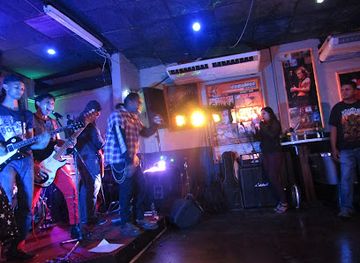
Shopping is central to Chaguanas’s identity, with the traditional market and adjoining commercial streets serving both residents and visitors from across central Trinidad. The Chaguanas Market is the place to browse fresh produce, ground provisions, fruit, clothing, household goods and small-scale merchandise, although stalls and trading patterns can change. Main Road combines established local businesses with food outlets and practical services, while C3 Centre provides a modern mall environment with recognised retailers, restaurants and entertainment. Visitors interested in local products can look for pepper sauces, spices, preserved foods, sweets and other Trinidadian provisions, as well as inexpensive craft or festival-related goods. Divali season may bring additional displays of lamps, textiles, religious items and Indian sweets. Bargaining is more likely among informal vendors than in fixed-price shops, and cash remains useful in the market.
-
Variety store
Fair & Square
Explore Fair & Square in Chaguanas for an incredible variety of baby, furniture, home goods, and toys that cater to every tourist's needs.
18 min walk · 1.5 km from city centre
-
Shopping mall
Centre City Mall
Discover a vibrant shopping experience at Centre City Mall in Chaguanas, Trinidad, where local culture meets retail therapy.
9 min walk · 0.7 km from city centre
-
Book store
Charran’s Bookstore
Discover Charran’s Bookstore in Chaguanas: A local treasure trove for book lovers and home goods enthusiasts alike.
6 min walk · 0.4 km from city centre
-
Clothing store
Too Good Fashions
Explore unique Caribbean fashion at Too Good Fashions in Chaguanas, where style meets local culture in a vibrant shopping experience.
6 min walk · 0.5 km from city centre


Get your free copy of our complete guide to Chaguanas, delivered straight to you.
Everything on this page, from attractions and restaurants to essentials and local phrases, in one PDF you can read offline, print or share.
Already have an account? Sign in
Your Chaguanas guide is ready.
We'll send it to · Not you? Sign out

Getting your guide ready…
We are putting together a fresh copy of the Chaguanas guide. This can take up to a minute.
This can take a few moments. If your browser asks, choose Allow so the download can start. You'll find the guide in your Downloads folder.
Nothing happened? Download it again
Sorry, the guide is taking longer than usual. Please try again in a minute, or get it by email instead.
Chaguanas essentials
Currency and Payment
Safety
Emergency Situations
Do's and Don'ts
Local Tips
From Eve
Local phrases worth knowing
You don't need to get them perfect. A few words go a long way, and locals appreciate the effort.
Basics
| English | Local | Say it |
|---|---|---|
| Hello | Wah Gwan | [Wah Gwan] |
| Goodbye | Later | [Later] |
| Yes | Yes | [Yes] |
| No | Nah | [Nah] |
| Please/You're welcome | Please/No problem | [Please/No problem] |
| Thank you | Tank yuh | [Tank yuh] |
| Excuse me/Sorry | Excuse me/Sorry | [Excuse me/Sorry] |
| How are you? | How yuh doin? | [How yuh doin?] |
| Fine. And you? | Irie. An yuh? | [Irie. An yuh?] |
| Do you speak English? | Yuh talk English? | [Yuh talk English?] |
| I don't understand | Ah doh understan | [Ah doh understan] |
Eating & Drinking
| English | Local | Say it |
|---|---|---|
| I'd like to see the menu, please | Lemme see de menu nah | [Lemme see de menu nah] |
| I don't eat meat | Ah doh eat meat | [Ah doh eat meat] |
| Cheers! | Cheers! | [Cheers!] |
| I would like to pay, please | Ah go pay nah | [Ah go pay nah] |
Emergencies
| English | Local | Say it |
|---|---|---|
| Help! | Help! | [Help!] |
| Go away! | Go way! | [Go way!] |
| Call the Police! | Call de Police! | [Call de Police!] |
| Call a doctor! | Call ah doctor! | [Call ah doctor!] |
| I'm lost | Ah lost | [Ah lost] |
| I'm ill | Ah feelin sick | [Ah feelin sick] |
Shopping
| English | Local | Say it |
|---|---|---|
| I'd like to buy... | Ah wud like tuh buy... | [Ah wud like tuh buy...] |
| I'm just looking | Ah jus lookin | [Ah jus lookin] |
| How much is it? | How much dis is? | [How much dis is?] |
| That's too expensive | Dat too much money | [Dat too much money] |
| Can you lower the price? | Yuh cud bring it dong? | [Yuh cud bring it dong?] |
Time & Numbers
| English | Local | Say it |
|---|---|---|
| What time is it? | Wa time it is? | [Wa time it is?] |
| It's one o'clock | It one o'clock | [It one o'clock] |
| Half past (10) | Half past (10) | [Half past (10)] |
| Morning | Mornin | [Mornin] |
| Afternoon | Afternoon | [Afternoon] |
| Evening | Evenin | [Evenin] |
| Yesterday | Yesterday | [Yesterday] |
| Today | Today | [Today] |
| Tomorrow | Tomorrow | [Tomorrow] |
| 1 | 1 | [1] |
| 2 | 2 | [2] |
| 3 | 3 | [3] |
| 4 | 4 | [4] |
| 5 | 5 | [5] |
| 6 | 6 | [6] |
| 7 | 7 | [7] |
| 8 | 8 | [8] |
| 9 | 9 | [9] |
| 10 | 10 | [10] |
Transport & Directions
| English | Local | Say it |
|---|---|---|
| Where's a/the...? | Whea de...dey? | [Whea de...dey?] |
| What's the address? | Wa de address is? | [Wa de address is?] |
| Can you show me (on the map)? | Yuh cud show me (on de map)? | [Yuh cud show me (on de map)?] |
| When's the next (bus)? | When de next (bus) comin? | [When de next (bus) comin?] |
| A ticket (to ....) | A ticket (to ....) | [A ticket (to ....)] |
History of Chaguanas
Indigenous Beginnings and the Name
The name Chaguanas is generally associated with the Chaguanes, an Indigenous people linked to the central plains of Trinidad. Before the development of modern towns, the area formed part of a landscape of waterways, forest and cultivated clearings connecting communities across the island. Spanish settlement established colonial claims over Trinidad from the sixteenth century, but population remained relatively small for much of the period. Indigenous place names survived through successive changes in administration and settlement, leaving traces of the island’s pre-colonial history in the modern map.
British Rule and Agricultural Change
Trinidad became a British colony in 1797, and the nineteenth century brought major changes to the central plain. Sugar estates expanded, drawing enslaved Africans into plantation labour before emancipation in 1834 and 1838. After emancipation, estate owners sought new sources of labour and investment, while roads, drainage and commercial settlements gradually altered the agricultural landscape. Chaguanas developed within this wider transformation of central Trinidad, positioned among plantations and waterways rather than founded as a ceremonial colonial capital.
Indian Indentureship and New Communities
From 1845, Indian indentured workers arrived in Trinidad to labour mainly on sugar estates after emancipation. Many came from the Indian subcontinent’s northern and eastern regions, bringing languages, religious traditions, agricultural knowledge and culinary practices that became central to Trinidadian culture. Workers and their descendants settled across the Caroni sugar belt, including the communities around Chaguanas, Carapichaima and Couva. Hindu and Muslim institutions, family networks and village commerce helped shape the Indo-Trinidadian identity that remains particularly visible in central Trinidad.
Railways, Roads and Commercial Growth
Transport infrastructure strengthened Chaguanas’s role as a link between Trinidad’s western and southern districts. The Trinidad Government Railway, opened in the nineteenth century and later extended through the central sugar-producing region, helped move agricultural goods and people, while roads eventually assumed greater importance. Market activity grew as surrounding estates and villages required a dependable trading centre. This combination of transport access, agricultural production and a central position laid the foundations for Chaguanas’s later expansion beyond a small settlement.
From Sugar District to Urban Borough
During the twentieth century, Trinidad’s economy diversified beyond sugar, and central settlements experienced population growth, suburban development and expanding commercial activity. The decline and eventual closure of the Caroni sugar industry transformed employment patterns and land use across the plain, although sugar’s cultural and environmental legacy remained evident. Chaguanas grew into a major retail and service centre serving communities across central Trinidad. Its streetscape increasingly combined older village commerce with modern shopping, offices, housing and heavy daily traffic.
Modern Chaguanas
Chaguanas was incorporated as a borough in 1990, reflecting its importance within Trinidad and Tobago’s urban network. Contemporary Chaguanas is shaped by migration, entrepreneurship and the continuing influence of Indo-Trinidadian cultural institutions, alongside African, European, Syrian-Lebanese and other strands of national life. Annual celebrations such as Divali Nagar illustrate the public presence of religious and cultural traditions, while the market and commercial districts show the borough’s practical role. Its history is therefore visible less through a single monumental quarter than through changing patterns of settlement, worship, trade and mobility.
Chaguanas in Photos
Browse through our photo collection highlighting the charm and character of the destination.
Cities near Chaguanas
The closest cities to Chaguanas, if you have time for more than one stop.
-

-
-

-

-


Swipe for more cities
Explore more
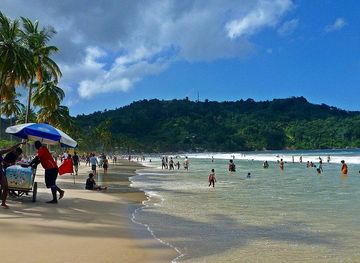
Explore more of Trinidad and Tobago
Discover Trinidad and Tobago: A Caribbean paradise where vibrant culture meets stunning natural beauty, offering unique experiences from lively festivals to serene beaches.
Explore Trinidad and Tobago