

Main Ridge Forest Reserve, Trinidad and Tobago Travel Guide
Explore the Main Ridge Forest Reserve, the oldest protected rainforest in the Western Hemisphere, offering lush trails, rare wildlife, and a serene escape in Tobago.
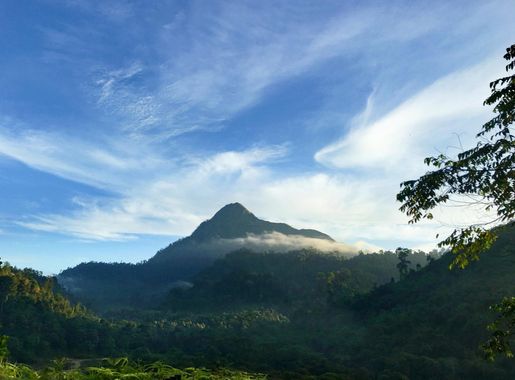
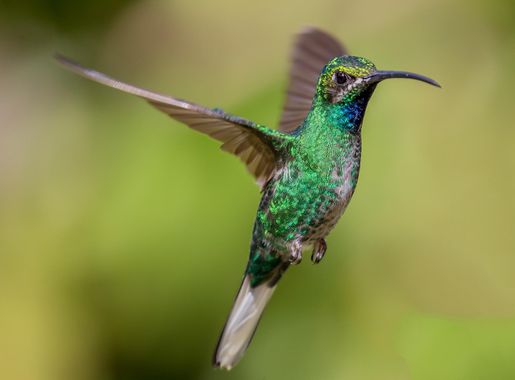
Nestled in the heart of Tobago, the Main Ridge Forest Reserve is the oldest protected rainforest in the Western Hemisphere, dating back to 1776. This lush, green sanctuary offers visitors a chance to immerse themselves in nature and explore a diverse ecosystem teeming with wildlife and plant species. The forest is a paradise for bird watchers, with a chance to spot the rare White-tailed Sabrewing hummingbird, which can only be found in this part of the world. Hiking through the reserve's well-marked trails, visitors will come across cascading waterfalls, clear mountain streams, and breathtaking vistas. Each trail offers something unique, from the challenging Gilpin Trace to the more accessible Bloody Bay Nature Trail. The air is filled with the sounds of chirping birds, rustling leaves, and the occasional call of a howler monkey, making every step an adventure. Beyond its natural beauty, the Main Ridge Forest Reserve holds historical significance. It was declared a protected area by an Act of Parliament, making it one of the earliest examples of conservation in the world. This commitment to preserving nature's wonders has allowed the forest to thrive, offering a serene escape for nature lovers and adventure seekers alike.

Know before you go
Hi, I'm Eve. Here are a few practical things to know before exploring Main Ridge Forest Reserve.
- Wear comfortable hiking shoes, as the trails can be uneven and slippery.
- Bring insect repellent to protect against mosquitoes and other insects.
- Hire a local guide for a more informative and safe experience, especially if you are unfamiliar with the area.
- Pack plenty of water and snacks, as there are no facilities within the reserve.
- Visit early in the morning for the best bird-watching opportunities.
- Respect the environment by not littering and staying on marked trails.
Explore Main Ridge Forest Reserve: Things to Do, Places to Eat, Hotels & More
Handpicked recommendations for top attractions, local dining, accommodations, and more

Best attractions in Main Ridge Forest Reserve


Best restaurants in Main Ridge Forest Reserve
Top-rated picks
Best Restaurants

Seahorse Restaurant & Bar
Discover the flavors of Tobago at Seahorse Restaurant & Bar—where local cuisine meets breathtaking coastal views.

The Suckhole
Experience authentic Trinidadian flavors at The Suckhole in Charlotteville – where every dish tells a story.

Jemma's Treehouse
Discover authentic Tobagonian cuisine with stunning views at Jemma's Treehouse in Speyside.

Z's Grill Shack
Discover the authentic taste of Trinidad at Z's Grill Shack in Black Rock – where delicious local cuisine meets warm hospitality.


Best nightclubs in Main Ridge Forest Reserve
Top-rated picks
Best Nightclubs

VAS Lounge
Discover the vibrant nightlife of Port of Spain at VAS Lounge, the ultimate destination for music, dancing, and unforgettable experiences.

Silhouettes
Experience the vibrant nightlife at Silhouettes Lounge in Bejucal, where modern decor meets great music and delicious drinks.

The Lazy Lizard
Experience the pulsating nightlife of Endeavour at The Lazy Lizard, where music, dancing, and unforgettable moments await.

Pavilion Bar and Top Deck Lounge
Discover the vibrant nightlife of Arouca at Pavilion Bar and Top Deck Lounge, where diverse music, delicious food, and refreshing drinks await.

Best shops in Main Ridge Forest Reserve
Top-rated picks
Best Shops

Tobago Main Ridge Forest Reserve
Explore the enchanting Tobago Main Ridge Forest Reserve, a UNESCO World Heritage site, teeming with diverse wildlife and lush landscapes.

Bambú Gift Shop
Explore the vibrant culture of Tobago at Bambú Gift Shop, where unique clothing and handcrafted gifts await every visitor.

Explore Main Ridge Forest Reserve on the Map
A handpicked selection of must-see spots in Main Ridge Forest Reserve, mapped for you.
Main Ridge Forest Reserve Essentials
-
Main Ridge Forest Reserve is located on the island of Tobago, part of Trinidad and Tobago. The nearest airport is A.N.R. Robinson International Airport (TAB) in Crown Point, Tobago. From the airport, you can rent a car, take a taxi, or use local shuttle services to reach the reserve. The drive from the airport to Main Ridge Forest Reserve takes approximately 45 minutes via the Claude Noel Highway and Windward Road.
-
While renting a car is the most convenient way to explore Main Ridge Forest Reserve and its surrounding areas, taxis are also available and can be hired for the day. Public transportation options such as buses and shared taxis (known as 'maxi-taxis') are available but may not offer direct routes to remote parts of the reserve. Guided tours are another popular option, providing transportation and expert knowledge about the area.
-
The official currency in Trinidad and Tobago is the Trinidad and Tobago Dollar (TTD). Credit cards are widely accepted in hotels, restaurants, and larger shops in Tobago, but it's advisable to carry cash for transactions in smaller establishments and rural areas. ATMs are available in towns like Scarborough and Crown Point, but it's wise to withdraw sufficient cash before heading to the reserve.
-
Main Ridge Forest Reserve is generally safe for tourists. However, like any travel destination, it's important to take standard precautions. Avoid walking alone in isolated areas, especially after dark, and keep an eye on your belongings. Tobago is safer compared to Trinidad, but areas like Scarborough and Crown Point have seen occasional crime targeting tourists. Always stay vigilant and aware of your surroundings.
-
In case of emergency, you can dial 999 for immediate assistance. Tobago has several medical facilities, including the Scarborough General Hospital. It's advisable to have travel insurance that covers medical emergencies. For minor health issues, pharmacies are available in towns like Scarborough and Crown Point.
-
Fashion: Do wear light, breathable clothing suitable for hiking and outdoor activities. Avoid wearing overly revealing clothing. Religion: Do respect local customs and traditions, especially if visiting any religious sites. Public Transport: Do be courteous and respectful to drivers and fellow passengers. Don't eat or drink on public transport. Greetings: Do greet people with a friendly 'Good day' or 'Good afternoon.' A handshake is also appropriate. Eating & Drinking: Do try local dishes and accept food offerings graciously. Don't refuse hospitality, as it is considered impolite.
-
To experience Main Ridge Forest Reserve like a local, consider hiring a local guide who can offer insights into the flora and fauna of the area. Visit the reserve early in the morning for the best chance to see wildlife, including various bird species. Engage with local communities and try traditional Tobagonian dishes like crab and dumplings. Don't miss the chance to hike trails like the Gilpin Trace for an immersive rainforest experience.
When is the best time to visit Main Ridge Forest Reserve?
Useful Local Phrases for Main Ridge Forest Reserve
You don't need to speak the language perfectly. Even learning a few simple words can make conversations warmer—and locals usually appreciate the effort.
— Eve

Here are the phrases I use most often in Main Ridge Forest Reserve. Try a few—you'll be surprised how far they go! 😊
❤️
-
- HelloWa gwaan
[wah gwaan] - GoodbyeLater
[lay-ter] - YesYes
[yes] - NoNah
[nah] - Please/You're welcomePlease/No problem
[Please/No problem] - Thank youTank yuh
[tank yuh] - Excuse me/SorryPardon/Sorry
[pah-don/sorry] - How are you?How yuh doin?
[how yuh doin] - Fine. And you?Ahright. Yuhself?
[ah-right. yuh-self] - Do you speak English?Yuh speak English?
[yuh speak English] - I don't understandAh doh understan
[ah doh un-der-stand]
- HelloWa gwaan
-
- I'd like to see the menu, pleaseLemme see de menu, please
[lem-me see deh men-yu, please] - I don't eat meatAh doh eat meat
[ah doh eet meet] - Cheers!Cheers!
[cheers] - I would like to pay, pleaseLemme pay, please
[lem-me pay, please]
- I'd like to see the menu, pleaseLemme see de menu, please
-
- Help!Help!
[help] - Go away!Geh wey!
[geh way] - Call the Police!Call de Police!
[call deh Police] - Call a doctor!Call ah doctor!
[call ah doctor] - I'm lostAh loss
[ah loss] - I'm illAh sick
[ah sick]
- Help!Help!
-
- I'd like to buy...Ah want tuh buy...
[ah want to buy] - I'm just lookingAh jus looking
[ah just looking] - How much is it?How much dis is?
[how much dis is] - That's too expensiveDat too pricey
[dat too pricey] - Can you lower the price?Yuh could drop de price?
[yuh could drop deh price]
- I'd like to buy...Ah want tuh buy...
-
- What time is it?Wah time it is?
[wah time it is] - It's one o'clockIt one o'clock
[it one o'clock] - Half past (10)Half 10
[half ten] - MorningMornin
[morn-in] - AfternoonAfternoon
[after-noon] - EveningEvenin
[even-in] - YesterdayYesterday
[yes-ter-day] - TodayToday
[to-day] - TomorrowTomorrow
[to-mor-row] - 1One
[one] - 2Two
[two] - 3Three
[three] - 4Four
[four] - 5Five
[five] - 6Six
[six] - 7Seven
[seven] - 8Eight
[eight] - 9Nine
[nine] - 10Ten
[ten]
- What time is it?Wah time it is?
-
- Where's a/the...?Wey de... deh?
[wey deh deh] - What's the address?What de address deh?
[what de address deh] - Can you show me (on the map)?Yuh could show me (on de map)?
[yuh could show me on deh map] - When's the next (bus)?When de next (bus) deh?
[when deh next bus deh] - A ticket (to ....)A ticket (to ....)
[a ticket (to)]
- Where's a/the...?Wey de... deh?
History of Main Ridge Forest Reserve
-
The Main Ridge Forest Reserve, established in 1776, is one of the oldest protected rainforests in the Western Hemisphere. It was created by an ordinance passed by the British colonial government to preserve the watershed and prevent soil erosion, making it a pioneering effort in environmental conservation.
-
Long before the establishment of the reserve, the forest was inhabited by the indigenous Taino and Kalinago peoples. These communities relied on the rich biodiversity of the forest for hunting, gathering, and medicinal purposes. Many trails within the forest are believed to follow ancient paths etched by these early inhabitants.
-
During the colonial period, the Main Ridge area was subject to deforestation for timber and agricultural expansion, particularly for sugar cane and cocoa plantations. The establishment of the reserve in 1776 marked a significant shift towards conservation, aiming to curb the ecological damage caused by these practices.
-
The Main Ridge Forest Reserve is renowned for its rich biodiversity, hosting numerous endemic species of flora and fauna. It has been a focal point for scientific research, with many studies conducted to understand its unique ecosystem. Notable species include the Trinidad Motmot, the White-tailed Sabrewing Hummingbird, and various species of orchids and bromeliads.
-
Today, the Main Ridge Forest Reserve is not only a haven for biodiversity but also a cultural treasure. It attracts tourists, nature enthusiasts, and researchers from around the world. The reserve offers numerous hiking trails, bird-watching opportunities, and insights into the history and culture of Tobago's indigenous and colonial past.
Neighbouring destination travel guides
Browse our curated selection of top destinations, scenic points, and must-visit spots in the area.




Your all‑in‑one travel companion app
Explore expert travel guides, compare and book tours, experiences, hotels, and more—all from the palm of your hand. Download now for seamless trip planning wherever your wanderlust takes you.


Explore More of St. Mary

Looking beyond Main Ridge Forest Reserve? Discover St. Mary for broader travel guides, local hot-spots, and regional highlights.
Explore St. MaryExplore More of Trinidad and Tobago
Looking beyond Main Ridge Forest Reserve? Discover Trinidad and Tobago for broader travel guides, local hot-spots, and regional highlights.
Explore Trinidad and TobagoMain Ridge Forest Reserve in Photos
Browse through our photo collection highlighting the charm and character of the destination.

The Enchanting Main Ridge Forest Reserve
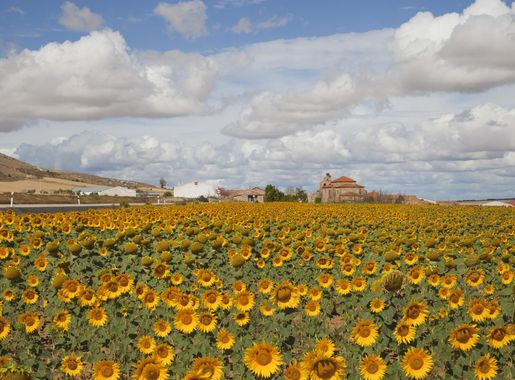
Nestled in the heart of Tobago, the Main Ridge Forest Reserve is the oldest protected rainforest in the Western Hemisphere, dating back to 1776. This lush, green sanctuary offers visitors a chance to immerse themselves in nature and explore a diverse ecosystem teeming with wildlife and plant species. The forest is a paradise for bird watchers, with a chance to spot the rare White-tailed Sabrewing hummingbird, which can only be found in this part of the world. Hiking through the reserve's well-marked trails, visitors will come across cascading waterfalls, clear mountain streams, and breathtaking vistas. Each trail offers something unique, from the challenging Gilpin Trace to the more accessible Bloody Bay Nature Trail. The air is filled with the sounds of chirping birds, rustling leaves, and the occasional call of a howler monkey, making every step an adventure. Beyond its natural beauty, the Main Ridge Forest Reserve holds historical significance. It was declared a protected area by an Act of Parliament, making it one of the earliest examples of conservation in the world. This commitment to preserving nature's wonders has allowed the forest to thrive, offering a serene escape for nature lovers and adventure seekers alike.