

Free Bodrum Travel Guide & Mobile App
Plan your Bodrum trip with Evendo. Get free guides to top attractions, restaurants, hotels, and bars. Web access or download the mobile app.


Bodrum blends ancient Halicarnassus, a Crusader castle, Aegean beaches, lively marinas, local cuisine and memorable cultural experiences.
Ancient Halicarnassus
On Turkey’s south-western Aegean coast, Bodrum combines the easygoing atmosphere of a harbour town with the layered history of ancient Halicarnassus. The modern town gathers around a sheltered bay, where whitewashed houses climb the hills behind a waterfront lined with fishing boats, gulets and cafés. Across the water, Bodrum Castle rises above the port, its stone towers forming the city’s most recognisable silhouette. The castle also houses the Museum of Underwater Archaeology, whose finds illuminate the maritime history of the Aegean.Read more about Bodrum
Harbour Life and Peninsula Landscapes
A Resort with Cultural Depth
When is the best time to visit Bodrum?
Best: April–May, October · 22–27°C| Month | High (°C) | Rainfall (mm) |
|---|---|---|
| January | 16 | 96 |
| February | 17 | 89 |
| March | 19 | 68 |
| April (best) | 22 | 41 |
| May (best) | 27 | 23 |
| June | 32 | 7 |
| July | 36 | 2 |
| August | 36 | 5 |
| September | 31 | 21 |
| October (best) | 27 | 63 |
| November | 22 | 92 |
| December | 17 | 107 |
Getting to and around Bodrum
How to get there
Transportation
Best attractions in Bodrum
Bodrum Castle dominates the harbour and combines fortress walls with the Museum of Underwater Archaeology, where shipwreck discoveries and maritime artefacts reveal the Aegean’s long seafaring history. The remains of the Mausoleum of Halicarnassus offer a more fragmentary but essential encounter with one of the ancient world’s Seven Wonders, while the nearby ancient theatre presents wide views across the town and bay. Bodrum’s old streets lead through whitewashed houses, small galleries, cafés and the bazaar towards the marina, where traditional gulets reflect the town’s boatbuilding heritage. The waterfront is a natural setting for observing daily harbour life, while boat trips reach coves and swimming areas around the peninsula. Beyond the centre, villages such as Gümüşlük and Yalıkavak provide contrasting coastal atmospheres, although they are separate settlements rather than Bodrum’s historic core.
-
Tourist attraction
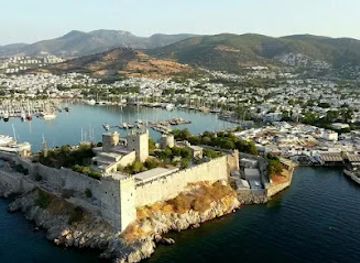
Bodrum Castle
Explore the enchanting Bodrum Castle, a historical fortress offering breathtaking views, rich history, and captivating archaeological exhibits.
3 min walk · 0.2 km from city centre
-
Historical landmark
Hippocrates Plane Tree
Explore the legendary Hippocrates Plane Tree in Kos, a historic landmark that blends rich history with natural beauty, perfect for tourists and nature lovers.
40 min drive · 20 km from city centre
-
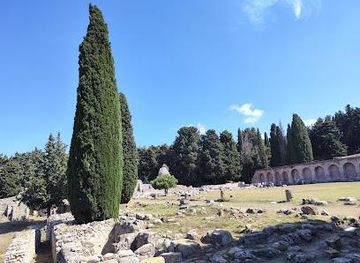
Asclepieion at Kos
Explore the rich history and stunning architecture of the Asclepieion at Kos, a remarkable ancient healing center on the beautiful Greek island of Kos.
-
Art museum
Zeki Muren Arts Museum
Explore the heart of Turkish artistry at the Zeki Müren Arts Museum in Bodrum, celebrating the legacy of a cultural icon with vibrant exhibits and rich history.
11 min walk · 0.9 km from city centre



Best landmarks in Bodrum
Bodrum Castle, also called the Castle of Saint Peter, is the city’s defining landmark, with medieval towers and walls overlooking the harbour; its construction by the Knights Hospitaller gave Bodrum one of the eastern Mediterranean’s most distinctive fortresses. The Mausoleum of Halicarnassus marks the site of the monumental tomb commissioned for Mausolus in the fourth century BC, its surviving foundations conveying the scale of a structure once counted among the Seven Wonders. The ancient theatre, cut into a hillside above the town, represents the classical city’s civic and performance culture and commands views towards the modern resort. Bodrum’s whitewashed houses, blue-painted details and traditional waterfront gulets are not single monuments, but together form a recognisable architectural and maritime identity shaped by the peninsula’s Aegean setting.
-
Tourist attraction
Bodrum Castle
Discover the enchanting Bodrum Castle, a historical fortress overlooking the Aegean Sea, rich in maritime history and archaeological treasures.
3 min walk · 0.2 km from city centre
-
Art museum
Zeki Muren Arts Museum
Explore the Zeki Müren Arts Museum in Bodrum, a tribute to Turkey's beloved cultural icon and a journey through the rich artistic heritage of the nation.
11 min walk · 0.9 km from city centre
-
Historical place
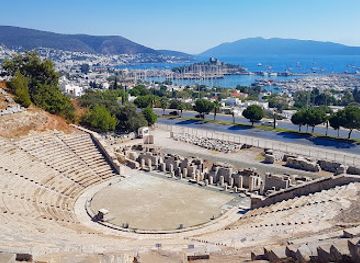
Bodrum Ancient Theatre
Explore the magnificent Bodrum Ancient Theatre, a historical landmark offering breathtaking views and a glimpse into the rich heritage of ancient Greece.
13 min walk · 1.1 km from city centre
-
Public beach
Gümbet Beach
Discover the sun-kissed shores of Gümbet Beach in Bodrum, where relaxation meets adventure amidst stunning Mediterranean views.
7 min drive · 2.3 km from city centre


Explore Bodrum on the map
Plan your Bodrum trip on one map. See where the top attractions, landmarks, restaurants, bars and hotels are, find what's near where you're staying, and book hotels and experiences in a few clicks.
Best hotels in Bodrum
Best restaurants in Bodrum
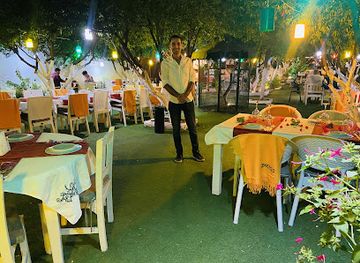
Bodrum’s food culture belongs to the Aegean, with olive oil, seasonal vegetables, herbs, grilled fish, seafood and small plates of meze at its centre. Menus may feature dishes such as çökertme kebabı, a local speciality associated with thinly cut meat, potatoes and sauce, as well as stuffed vegetables, octopus, calamari and freshly caught fish. The harbour and marina offer seafood restaurants, while the old town and market lanes contain lokantas, bakeries, cafés and casual places serving gözleme and other Turkish staples. Bodrum mandarins are a well-known local crop and appear in preserves, desserts and drinks. Gümüşlük is particularly associated with waterfront dining, while smaller peninsula villages offer a slower setting for village breakfasts and regional cooking. Prices and formality vary considerably, so checking menus before sitting down is sensible.
-
Pizza
Arka Pizza Bodrum Merkez
Discover the best pizza in Bodrum at Arka Pizza - where authentic Italian flavors meet local charm.
6 min walk · 0.5 km from city centre
-
Restaurant
Marina Yacht Club Bodrum
Discover culinary delights and vibrant live music at Marina Yacht Club Bodrum - a perfect blend of relaxation and entertainment by the sea.
9 min walk · 0.7 km from city centre
-
Seafood
sultan bahçe restaurant
Experience exquisite seafood and authentic Turkish cuisine at Sultan Bahçe Restaurant in Bodrum - where every meal is a feast for the senses.
11 min walk · 0.9 km from city centre
-
Restaurant
Alikes
Sunset views, authentic Greek cuisine, and exceptional value in a family-run beachfront taverna.
48 min drive · 28 km from city centre



Best bars in Bodrum
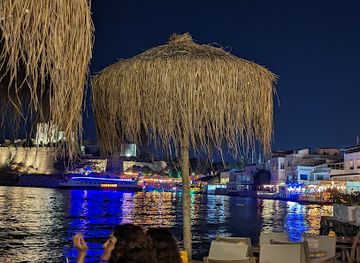
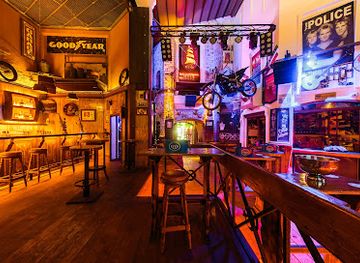
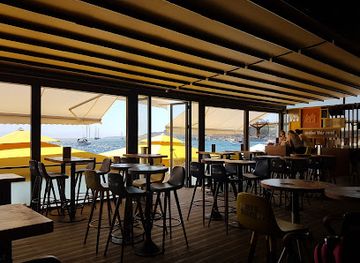
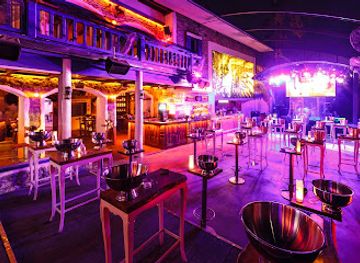
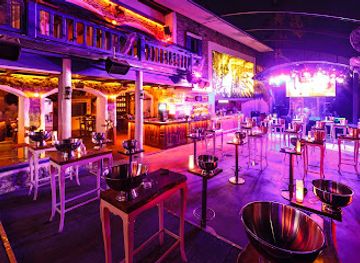
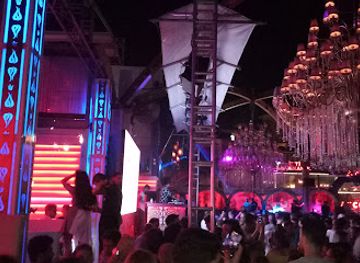
Bodrum’s evening life ranges from quiet drinks beside the marina to late-night venues concentrated around the waterfront and Bar Street, with Gümbet providing another established centre for energetic entertainment. Cocktail bars, meyhane-style venues and restaurants fill the central lanes during the summer season, while live music and DJ-led nights are common in the busier resort areas. The marina and Türkbükü appeal to visitors seeking a more polished, seaside atmosphere, whereas central Bodrum remains more varied and informal. Entertainment is strongly seasonal, and the intensity of nightlife changes outside the main summer months. Visitors looking for a cultural evening can also find concerts, performances and events at local venues, though programmes vary. Taxis are generally more practical than walking between separated nightlife areas late at night.
-
Cocktail bar
Yula Bodrum - Drink & Chill
Experience the essence of Bodrum at Yula Bodrum - Drink & Chill, where exquisite cocktails meet a vibrant atmosphere in the heart of the city.
3 min walk · 0.3 km from city centre
-
Bar
Kule Rock City Bar
Discover the lively ambiance of Kule Rock City Bar in Bodrum, where great music and a vibrant atmosphere create unforgettable nights.
3 min walk · 0.2 km from city centre
-
Bar
Black Rock Bodrum
Experience the heart of Bodrum's nightlife at Black Rock, where dining and entertainment create unforgettable memories.
9 min walk · 0.7 km from city centre
-
Bar
Mandalin Bodrum
Discover the heartbeat of Bodrum's nightlife at Mandalin, where live music and vibrant energy create unforgettable nights.
1 min walk · 0.1 km from city centre
Best nightclubs in Bodrum
Bodrum’s evening life ranges from quiet drinks beside the marina to late-night venues concentrated around the waterfront and Bar Street, with Gümbet providing another established centre for energetic entertainment. Cocktail bars, meyhane-style venues and restaurants fill the central lanes during the summer season, while live music and DJ-led nights are common in the busier resort areas. The marina and Türkbükü appeal to visitors seeking a more polished, seaside atmosphere, whereas central Bodrum remains more varied and informal. Entertainment is strongly seasonal, and the intensity of nightlife changes outside the main summer months. Visitors looking for a cultural evening can also find concerts, performances and events at local venues, though programmes vary. Taxis are generally more practical than walking between separated nightlife areas late at night.
-
Night club
Mandalin Bodrum
Experience the electric nightlife of Mandalin Bodrum, where live music, dancing, and an unforgettable atmosphere await in the heart of Bodrum.
1 min walk · 0.1 km from city centre
-
Night club
Pasha Club
Discover the electrifying nightlife at Pasha Club in Bodrum, where music, dancing, and unforgettable experiences await every night.
7 min drive · 2.4 km from city centre
-
Night club
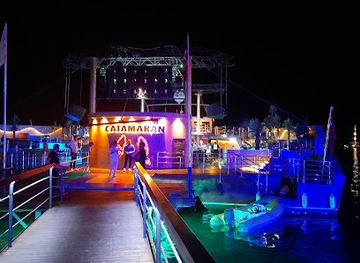
Club Catamaran
Dive into Bodrum's nightlife at Club Catamaran, where vibrant music, stunning views, and memorable moments await.
1 min walk · 0.1 km from city centre
-
Disco club
Sapphire Night Club
Dive into the electrifying nightlife of Bodrum at Sapphire Night Club, where unforgettable moments and vibrant music await every night.
8 min drive · 2.5 km from city centre

Best shops in Bodrum
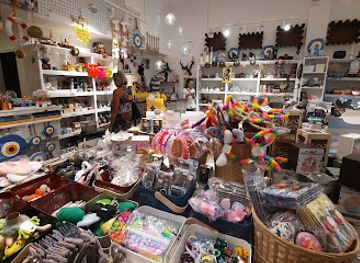
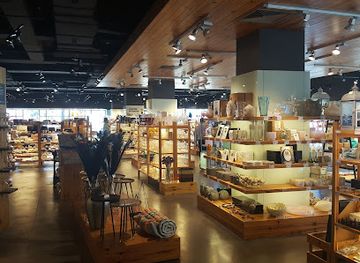
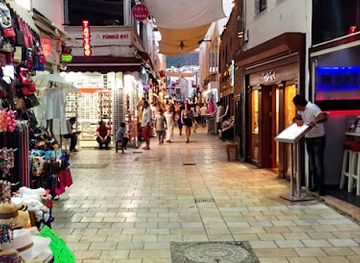
Bodrum’s central bazaar and the lanes around the old town offer a mixture of leather sandals, cotton clothing, jewellery, ceramics, woven goods, spices and Turkish textiles. Traditional sandals are among the town’s most characteristic purchases, while local shops also sell olive oil, soaps, preserves and products made with Bodrum mandarins. The marina and newer commercial areas contain galleries, boutiques and more contemporary fashion retailers, creating a contrast with the informal market stalls near the waterfront. Carpets and kilims require particular care: ask about materials, provenance and shipping arrangements rather than relying on broad claims about age or origin. Markets are generally more negotiable than fixed-price boutiques, but a friendly, unhurried approach is customary. Seasonal stalls and opening patterns vary, especially outside the summer period.
-
Shopping mall
Oasis Mall
Explore Oasis Mall in Bodrum for a unique shopping experience filled with local and international brands, dining, and vibrant atmosphere.
6 min drive · 1.9 km from city centre
-
Shopping mall
Avenue Bodrum
Discover Avenue Bodrum, the ultimate shopping destination where fashion meets fun in the heart of Turkey's stunning coastal town.
9 min drive · 3.1 km from city centre
-
Market
Turgutreis Market
Discover the vibrant Turgutreis Market in Bodrum, where local flavors, handcrafted goods, and cultural experiences come together in a lively setting.
34 min drive · 14 km from city centre
-
Department store
Bodrum Çarşı
Discover Bodrum Çarşı: A Bustling Marketplace of Unique Crafts, Local Flavors, and Vibrant Culture in the Heart of Bodrum.
4 min walk · 0.4 km from city centre

Get your free copy of our complete guide to Bodrum, delivered straight to you.
Everything on this page, from attractions and restaurants to essentials and local phrases, in one PDF you can read offline, print or share.
Already have an account? Sign in
Your Bodrum guide is ready.
We'll send it to · Not you? Sign out

Getting your guide ready…
We are putting together a fresh copy of the Bodrum guide. This can take up to a minute.
This can take a few moments. If your browser asks, choose Allow so the download can start. You'll find the guide in your Downloads folder.
Nothing happened? Download it again
Sorry, the guide is taking longer than usual. Please try again in a minute, or get it by email instead.
Bodrum essentials
Currency and Payment
Safety
Emergency Situations
Do's and Don'ts
Local Tips
From Eve
Local phrases worth knowing
You don't need to get them perfect. A few words go a long way, and locals appreciate the effort.
Basics
| English | Local | Say it |
|---|---|---|
| Hello | Merhaba | [Mer-ha-ba] |
| Goodbye | Hoşça kal | [Hosh-cha kal] |
| Yes | Evet | [Eh-vet] |
| No | Hayır | [Ha-yuhr] |
| Please/You're welcome | Lütfen | [Loot-fen] |
| Thank you | Teşekkür ederim | [Te-she-koor ed-er-eem] |
| Excuse me/Sorry | Özür dilerim | [O-zoor dee-leh-reem] |
| How are you? | Nasılsınız? | [Na-suhl-suh-nuhz] |
| Fine. And you? | İyiyim. Ya siz? | [Ee-yee-yeem. Yah siz] |
| Do you speak English? | İngilizce konuşuyor musunuz? | [Ing-ee-leez-jay kon-oo-shu-yor mu-soo-nooz] |
| I don't understand | Anlamıyorum | [Ahn-lah-muh-yor-um] |
Eating & Drinking
| English | Local | Say it |
|---|---|---|
| I'd like to see the menu, please | Menüyü görmek istiyorum, lütfen | [Men-oo-yu germ-ek is-tee-yor-um, loot-fen] |
| I don't eat meat | Ben et yemem | [Ben et ye-mem] |
| Cheers! | Şerefe! | [She-reh-feh] |
| I would like to pay, please | Ödemek istiyorum, lütfen | [O-de-mek is-tee-yor-um, loot-fen] |
Emergencies
| English | Local | Say it |
|---|---|---|
| Help! | Yardım! | [Yar-duhm] |
| Go away! | Uzaklaş! | [Oo-zak-lash] |
| Call the Police! | Polisi arayın! | [Po-lee-see ar-ay-uhn] |
| Call a doctor! | Doktor çağırın! | [Dok-tor cha-yuh-run] |
| I'm lost | Kayboldum | [Kai-bol-doom] |
| I'm ill | Hastaım | [Has-tai-uhm] |
Shopping
| English | Local | Say it |
|---|---|---|
| I'd like to buy... | Satın almak istiyorum... | [Sat-un al-mak is-tee-yor-um] |
| I'm just looking | Sadece bakıyorum | [Sah-deh-je ba-kuh-yor-um] |
| How much is it? | Ne kadar? | [Neh ka-dar] |
| That's too expensive | Çok pahalı | [Chok pah-ha-luh] |
| Can you lower the price? | Fiyatı düşürebilir misiniz? | [Fiyat-uh doo-she-reh-beel-eer mee-see-neez] |
Time & Numbers
| English | Local | Say it |
|---|---|---|
| What time is it? | Saat kaç? | [Sa-at kach] |
| It's one o'clock | Saat bir | [Sa-at beer] |
| Half past (10) | (Saat) on buçuk | [(Sa-at) on boo-chook] |
| Morning | Sabah | [Sah-bah] |
| Afternoon | Öğleden sonra | [O-leh-den son-ra] |
| Evening | Akşam | [Ak-sham] |
| Yesterday | Dün | [Doon] |
| Today | Bugün | [Boo-goon] |
| Tomorrow | Yarın | [Ya-run] |
| 1 | Bir | [Beer] |
| 2 | İki | [Ee-kee] |
| 3 | Üç | [Ooch] |
| 4 | Dört | [Durt] |
| 5 | Beş | [Besh] |
| 6 | Altı | [Al-tuh] |
| 7 | Yedi | [Ye-dee] |
| 8 | Sekiz | [Seh-keez] |
| 9 | Dokuz | [Do-kooz] |
| 10 | On | [On] |
Transport & Directions
| English | Local | Say it |
|---|---|---|
| Where's a/the...? | ... nerede? | [... neh-reh-deh] |
| What's the address? | Adres ne? | [Ad-res neh] |
| Can you show me (on the map)? | (Harita üzerinde) bana gösterebilir misiniz? | [(Ha-ree-ta ooz-er-in-deh) ba-na ger-ste-re-beel-eer mee-see-neez] |
| When's the next (bus)? | Sonraki (otobüs) ne zaman? | [Son-rah-kee (o-to-boo-s) neh zah-man] |
| A ticket (to ....) | Bilet (....'e) | [Bee-let (....'eh)] |
History of Bodrum
Carian Origins and Halicarnassus
Bodrum stands on the site of ancient Halicarnassus, a city of Caria in south-western Anatolia. Carian communities occupied the wider region before Halicarnassus became an important Greek-influenced settlement on the Aegean coast. Its sheltered harbour supported maritime trade, while the city’s position connected the islands and coastal towns of the eastern Aegean with inland Anatolia. The historian Herodotus, born at Halicarnassus in the fifth century BC, is the city’s most celebrated ancient figure. His work offers valuable insight into the political and cultural world of the Greek cities and Persian-ruled territories of the period, although ancient accounts must be read within their historical context.
Mausolus and the Mausoleum
In the fourth century BC, Halicarnassus became the capital of the Carian satrap Mausolus, who ruled under the Achaemenid Persian Empire. Mausolus and his sister-wife Artemisia II developed the city with monumental buildings, fortifications and a planned urban character. After his death around 353 BC, Artemisia commissioned an elaborate tomb that became known as the Mausoleum of Halicarnassus. Designed by leading sculptors and architects of the ancient Mediterranean, it was later counted among the Seven Wonders of the Ancient World. Earthquakes and subsequent stone reuse destroyed the structure, but foundations and surviving fragments at the archaeological site preserve evidence of its scale and artistic ambition.
Alexander and the Hellenistic City
Alexander the Great captured Halicarnassus in 334 BC during his campaign against the Persian Empire. The siege damaged parts of the city, and the political order of the region changed as Persian authority gave way to Macedonian and then Hellenistic influence. Halicarnassus remained connected to the shifting kingdoms and maritime networks of the eastern Mediterranean, though its prominence varied over time. Greek language and institutions shaped public life alongside older Carian traditions. Later Roman rule brought the city into a wider imperial system, linking its harbour and surrounding settlements with the roads, trade routes and administrative structures of Asia Minor.
From Rome to Byzantium
Under Roman and later Byzantine rule, the settlement continued as a coastal community whose fortunes depended on regional trade and the changing security of the Aegean. Christianity became influential, and the area formed part of the religious and administrative landscape of the eastern Roman Empire. The ancient mausoleum gradually fell into ruin, while stones from earlier buildings were reused in later construction. Political control of the peninsula changed repeatedly during the medieval period as Byzantine authority weakened and Turkish powers expanded in western Anatolia. These transitions helped shape the layered archaeological landscape that visitors encounter around modern Bodrum.
The Knights of Saint Peter
The most visible medieval transformation came after the Knights Hospitaller, based on Rhodes, established themselves at Bodrum in the early fifteenth century. They built the Castle of Saint Peter from 1402 onwards, using local stone and, according to long-established archaeological evidence, material from the ruined Mausoleum. The fortress guarded the harbour and became a major Christian military outpost in the eastern Mediterranean. Its towers and walls incorporated architectural details associated with the languages of the knights’ European origins. The castle remained under their control until 1522, when Sultan Suleiman the Magnificent conquered Rhodes and the Order’s Aegean stronghold passed to the Ottoman Empire.
Ottoman Town to Modern Bodrum
During the Ottoman period, Bodrum developed as a relatively small coastal settlement, supported by fishing, seafaring, agriculture and local trade. Its later cultural identity was shaped partly by the exchange of communities and traditions across the Aegean, including the population changes that followed the Greco-Turkish population exchange of 1923. In the twentieth century, the town attracted artists, writers and travellers, while traditional wooden boatbuilding remained important. Tourism expanded as roads, maritime links and accommodation developed, transforming Bodrum into an international summer destination. The modern town still retains its castle, archaeological sites, whitewashed architecture and working harbour alongside its resort economy.
Bodrum in Photos
Browse through our photo collection highlighting the charm and character of the destination.
Cities near Bodrum
The closest cities to Bodrum, if you have time for more than one stop.
-

-
-
-

-


Swipe for more cities
Explore more
Explore more of Turkiye
Discover Turkiye: Where ancient history, stunning landscapes, and vibrant culture come together to create an unforgettable travel experience.
Explore Turkiye