

Mykolaiv Region Travel Guide - Free Web & App
Your ultimate guide to Mykolaiv Region. Discover top landmarks, proposed trips, and local tips. Free on the web or via the Evendo companion app.


Mykolaiv Region, Ukraine, combines Black Sea shores, river estuaries, Olbia’s ancient ruins, steppe landscapes and southern cuisine for curious travellers.
Rivers, Steppe and the Black Sea
Mykolaiv Region occupies a broad stretch of southern Ukraine between the lower courses of the Southern Buh and Inhul rivers, the Dnipro-Buh estuary and the north-western Black Sea. Its landscapes shift from open agricultural steppe and deeply cut river valleys to salt marshes, sandy shores and broad estuarine horizons. The regional capital, Mykolaiv, is a historic shipbuilding city whose position at the meeting of the Inhul and Southern Buh shaped both its economy and its character. Smaller centres such as Voznesensk, Ochakiv, Pervomaisk and Yuzhnoukrainsk provide access to different parts of the region.Read more about Mykolaiv Region
Archaeology and Maritime Heritage
Travel in a Region Under Pressure
When is the best time to visit Mykolaiv Region?
Best: June–July, September · 23–29°C| Month | High (°C) | Rainfall (mm) |
|---|---|---|
| January | 3 | 30 |
| February | 3 | 25 |
| March | 9 | 25 |
| April | 15 | 20 |
| May | 21 | 20 |
| June (best) | 26 | 15 |
| July (best) | 29 | 15 |
| August | 29 | 15 |
| September (best) | 23 | 20 |
| October | 17 | 25 |
| November | 11 | 30 |
| December | 5 | 30 |
Getting to and around Mykolaiv Region
How to get there
Transportation
Best attractions in Mykolaiv Region
Mykolaiv Region's attractions range from the archaeological landscape of Olbia Pontica near Parutyne to the riverfront and shipbuilding heritage of Mykolaiv. At Olbia, excavated remains of the ancient Greek city occupy a high position above the Dnipro-Buh estuary, offering insight into trade and settlement on the northern Black Sea. Mykolaiv's museums and public spaces introduce naval history, regional culture and natural science, while the city's zoo is one of its best-known family attractions, subject to current operating conditions. Ochakiv provides access to the history of the estuary and the Black Sea coast, although routes towards the Kinburn Spit may be restricted or unsafe. The Southern Buh valley around Voznesensk and the wider Pervomaisk area bring river scenery, open steppe and changing relief, while Arbuzynka and Aktove are associated with the dramatic granite landscapes of the Southern Buh basin; visitors must verify current access and mine-safety information before entering rural or conflict-affected terrain.
-
Tourist attraction
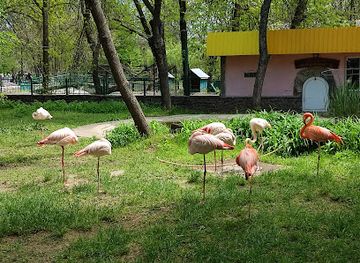
Mykolaiv Zoo
Experience the beauty and diversity of wildlife at Mykolaiv Zoo, a family-friendly attraction in Mykolaiv offering unforgettable encounters with nature.
-
Tourist attraction
Kashtanovy Square
Experience the lush greenery and vibrant community events at Kashtanovy Square, a serene park oasis in the heart of Mykolaiv.
-
Tourist attraction
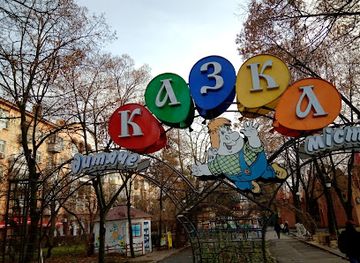
The Fairytale
Experience the magic at The Fairytale, Mykolaiv's enchanting theme park filled with thrilling rides and family-friendly attractions.
-
Tourist attraction
Yunistʹ
Experience the serene beauty of Yunist' Park in Mykolaiv – a perfect blend of nature, recreation, and cultural events for every traveler.
Best landmarks in Mykolaiv Region
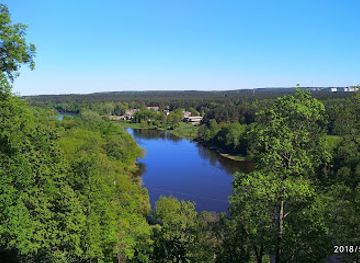
The defining natural landmark of Mykolaiv Region is its network of waterways: the Southern Buh and Inhul, the Dnipro-Buh estuary and the Black Sea coast around Ochakiv. These broad waters explain the region's maritime history and frame the archaeological setting of Olbia Pontica, whose surviving urban and religious remains are among the northern Black Sea's most important ancient landscapes. The granite outcrops and canyon-like river scenery associated with the Southern Buh near Aktove and other inland valleys contrast sharply with the flat agricultural steppe, although access must be checked against current safety restrictions. In Mykolaiv, the river confluence itself is a historic urban landmark, while shipyards, naval associations and civic buildings express the city's late-eighteenth-century foundation as an imperial maritime centre.
-
Museum
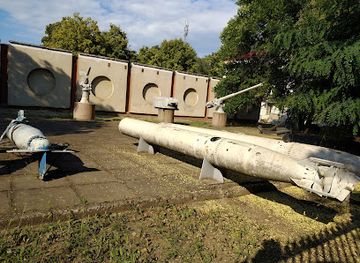
Museum of Shipbuilding and the Fleet
Explore the rich maritime history at the Museum of Shipbuilding and the Fleet in Mykolaiv, showcasing naval heritage through fascinating exhibits.
-
Museum
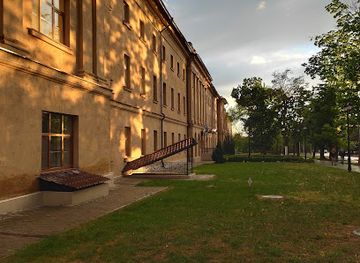
Mykolayiv Regional Museum of Local History
Explore the rich history and culture of Mykolayiv at the Regional Museum of Local History, a must-visit for every traveler.
-
Historical landmark
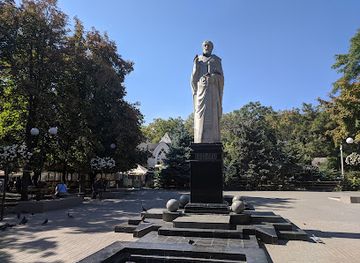
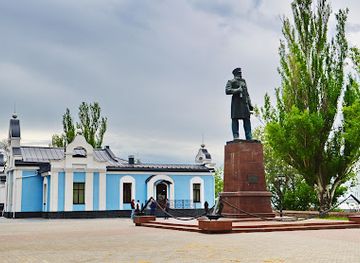
Monument to Admiral Makarov
Explore the Monument to Admiral Makarov in Mykolaiv, a stunning historical landmark celebrating naval heritage and offering scenic river views.
-
Historical landmark
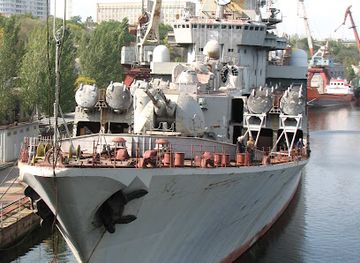
Unfinished Guided Missile Cruiser Ukrayina
Explore the Unfinished Guided Missile Cruiser Ukrayina in Mykolaiv, a remarkable historical landmark steeped in maritime heritage and architectural intrigue.
Explore Mykolaiv Region on the map
Plan your trip on one map. See where the top attractions, landmarks, restaurants and hotels are, and book hotels and experiences in a few clicks.
Best hotels in Mykolaiv Region
Best restaurants in Mykolaiv Region
Dining in Mykolaiv Region reflects the food culture of southern Ukraine, where wheat, vegetables, sunflower oil, river fish and seasonal produce meet culinary influences from Ukrainian, Black Sea and steppe communities. In Mykolaiv, visitors can find the broadest choice of cafés, bakeries, casual restaurants and traditional Ukrainian cooking, while Ochakiv and other established towns provide more limited options shaped by coastal and estuarine produce. Borshch, varenyky, deruny, holubtsi and pampushky are familiar Ukrainian dishes, and local menus may also feature freshwater fish when legally and sustainably sourced. Village shops, markets and small food businesses are more useful than destination dining venues in rural areas, so provisions should be arranged before visiting Olbia or remote river landscapes. Opening hours, supply and payment arrangements can change during wartime.
-
Restaurant
Maison
Discover exquisite flavors at Maison in Mykolaiv – where local charm meets culinary excellence for an unforgettable dining experience.
-
Restaurant
Daily Sport
Discover Daily Sport in Mykolaiv – where exquisite cuisine meets vibrant atmosphere for an unforgettable dining experience.
-
Grill
Yacht Club
Experience exquisite grilled meats and scenic views at Mykolaiv's Yacht Club - where every meal is a memorable occasion.
-
Restaurant
New York Street Pizza
Experience the ultimate pizza paradise at New York Street Pizza in Mykolaiv – where flavors meet comfort in every slice.
Best bars in Mykolaiv Region
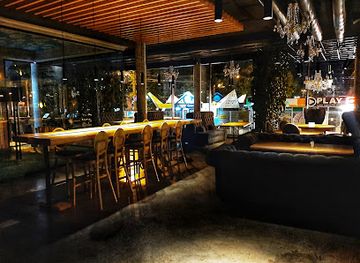
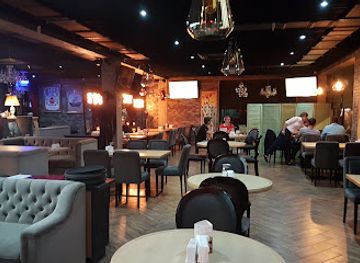
Mykolaiv offers the region's most substantial evening scene, with cafés, restaurants, beer venues and quieter bars concentrated in the city rather than across the countryside. In smaller towns such as Voznesensk and Ochakiv, evening life is more likely to centre on local cafés, family restaurants and traditional social venues than on dedicated nightclubs. Rural villages and archaeological areas have little organised nightlife, and visitors staying near natural sites should expect dark, quiet evenings rather than entertainment infrastructure. Curfews, air-raid alerts, power interruptions and wartime restrictions can affect every venue, so current local guidance matters more than published listings. Night travel on unfamiliar rural roads is inadvisable where checkpoints, damaged surfaces or restricted areas may complicate movement.
-
Bar
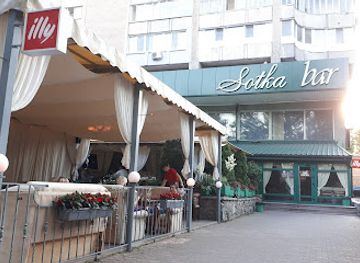
Sotka Bar
Discover the lively atmosphere at Sotka Bar in Mykolaiv, where unique cocktails and vibrant nightlife create unforgettable experiences.
-
Bar
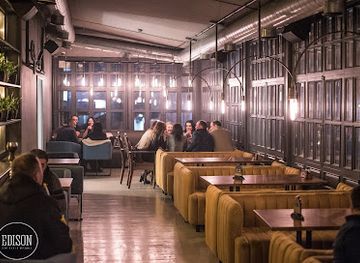
Edison Bar 24/7
Discover the vibrant nightlife of Mykolaiv at Edison Bar 24/7, where cocktails and karaoke create unforgettable moments.
-
Bar
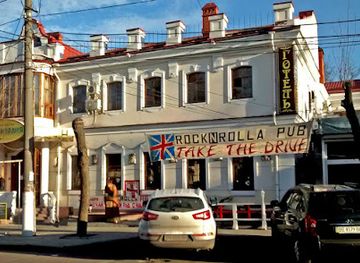
Rock`n`rolla pub
Experience the vibrant nightlife of Mykolaiv at Rock`n`rolla Pub, where great music and drinks come together in a lively atmosphere.
-
Pub
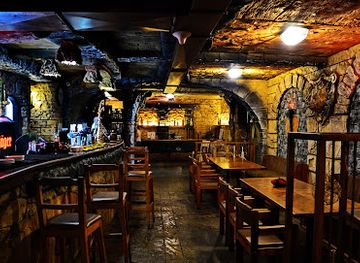
Karabas Pub
Experience the vibrant atmosphere of Karabas Pub in Mykolaiv, where delicious cuisine meets lively entertainment and cultural richness.
Best nightclubs in Mykolaiv Region
Mykolaiv offers the region's most substantial evening scene, with cafés, restaurants, beer venues and quieter bars concentrated in the city rather than across the countryside. In smaller towns such as Voznesensk and Ochakiv, evening life is more likely to centre on local cafés, family restaurants and traditional social venues than on dedicated nightclubs. Rural villages and archaeological areas have little organised nightlife, and visitors staying near natural sites should expect dark, quiet evenings rather than entertainment infrastructure. Curfews, air-raid alerts, power interruptions and wartime restrictions can affect every venue, so current local guidance matters more than published listings. Night travel on unfamiliar rural roads is inadvisable where checkpoints, damaged surfaces or restricted areas may complicate movement.
-
Grill
Yacht Club
Experience the Delight of Grilled Meat Dishes at Dacha Niko in Mykolaiv's Scenic Yacht Club.
-
Karaoke bar
Havana-Mama
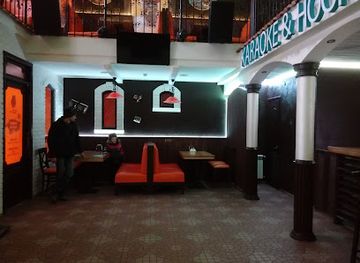
Experience the vibrant nightlife of Mykolaiv at Havana-Mama, the ultimate karaoke bar for singing, socializing, and unforgettable memories.
-
Rock music club
Rock-Hata
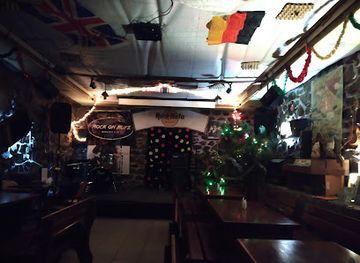
Experience the vibrant pulse of Mykolaiv's nightlife at Rock-Hata, where live rock and blues music take center stage in a lively bar atmosphere.
-
Night club
Caprica
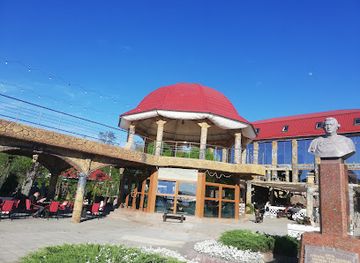
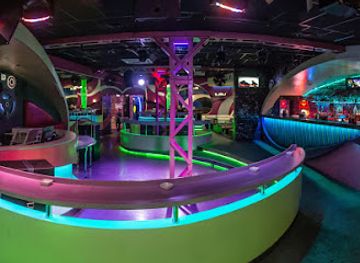
Discover the vibrant nightlife of Mykolaiv at Caprica, an electrifying night club perfect for dance lovers and party enthusiasts.
Best shops in Mykolaiv Region
Shopping is concentrated in Mykolaiv and the region's larger towns rather than at remote natural or archaeological sites. Markets, bakeries and independent food shops provide practical access to seasonal fruit and vegetables, sunflower products, bread, preserves and other everyday Ukrainian provisions, while city retailers offer regional gifts, books, crafts and outdoor supplies when trading conditions allow. Ochakiv may be useful for coastal and estuarine provisions, but it should not be treated as a large resort shopping centre. Visitors seeking Ukrainian textiles, ceramics or packaged regional food will find a better selection in established urban markets and cultural shops than in the countryside. Carry essential supplies before travelling to Olbia, river valleys or villages, where retail facilities may be sparse and opening arrangements can change.
-
Gift shop
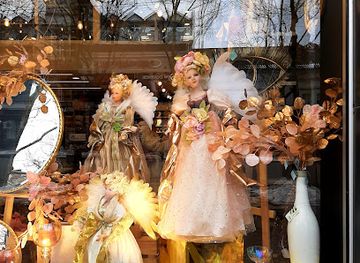
Kaktus - Mahazyn Suvenyrov Y Podarkov
Discover unique souvenirs and local craftsmanship at Kaktus, Mykolaiv's premier gift shop for tourists and locals alike.
-
Store
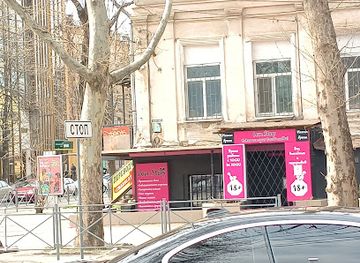
секс шоп LoveStory
Explore your desires at LoveStory, Mykolaiv's leading adult store offering a wide range of products for enhanced intimacy and pleasure.
-
Clothing store
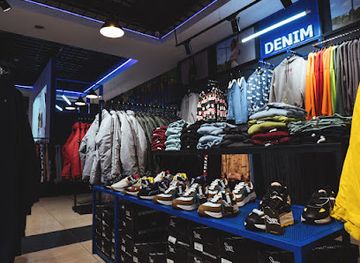
Staff
Explore the fashion-forward offerings at Staff, Mykolaiv's premier clothing store for men, women, and children, blending local trends with quality.
-
Gourmet grocery store
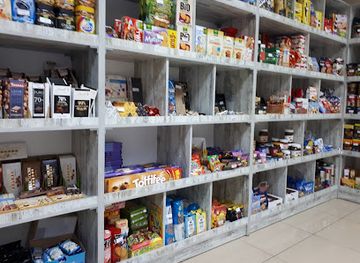
Appetissimo, luxury products
Discover gourmet delights at Appetissimo, Mykolaiv's premier grocery store for luxury food products including cheeses, chocolates, and fine wines.
Get your free copy of our complete guide to Mykolaiv Region, delivered straight to you.
Everything on this page, from attractions and restaurants to essentials and local phrases, in one PDF you can read offline, print or share.
Already have an account? Sign in
Your Mykolaiv Region guide is ready.
We'll send it to · Not you? Sign out

Getting your guide ready…
We are putting together a fresh copy of the Mykolaiv Region guide. This can take up to a minute.
This can take a few moments. If your browser asks, choose Allow so the download can start. You'll find the guide in your Downloads folder.
Nothing happened? Download it again
Sorry, the guide is taking longer than usual. Please try again in a minute, or get it by email instead.
Mykolaiv Region essentials
Currency and Payment
Safety
Emergency Situations
Do's and Don'ts
Local Tips
From Eve
Local phrases worth knowing
You don't need to get them perfect. A few words go a long way, and locals appreciate the effort.
Basics
| English | Local | Say it |
|---|---|---|
| Hello | Привіт | [Pryvit] |
| Goodbye | До побачення | [Do pobachennya] |
| Yes | Так | [Tak] |
| No | Ні | [Ni] |
| Please/You're welcome | Будь ласка | [Budʲ laska] |
| Thank you | Дякую | [Dyakuyu] |
| Excuse me/Sorry | Вибачте | [Vybachte] |
| How are you? | Як справи? | [Yak spravy?] |
| Fine. And you? | Добре. А ви? | [Dobre. A vy?] |
| Do you speak English? | Ви говорите англійською? | [Vy hovoryte anhliysʲkoyu?] |
| I don't understand | Я не розумію | [Ya ne rozumiyu] |
Eating & Drinking
| English | Local | Say it |
|---|---|---|
| I'd like to see the menu, please | Я б хотів подивитися меню, будь ласка | [Ya b xotiv podyvytysya menyoo, budʲ laska] |
| I don't eat meat | Я не їм м'ясо | [Ya ne yim m'yaso] |
| Cheers! | Будьмо! | [Budʲmo!] |
| I would like to pay, please | Я б хотів оплатити, будь ласка | [Ya b xotiv oplatyty, budʲ laska] |
Emergencies
| English | Local | Say it |
|---|---|---|
| Help! | Допоможіть! | [Dopomozhitʲ!] |
| Go away! | Ідіть геть! | [Iditʲ hetʲ!] |
| Call the Police! | Покличте поліцію! | [Poklychte politsiyu!] |
| Call a doctor! | Покличте лікаря! | [Poklychte likarya!] |
| I'm lost | Я загубився | [Ya zahubyvsya] |
| I'm ill | Я хворий | [Ya khvoryy] |
Shopping
| English | Local | Say it |
|---|---|---|
| I'd like to buy... | Я б хотів купити... | [Ya b xotiv kupity...] |
| I'm just looking | Я просто дивлюся | [Ya prosto dyvlyusya] |
| How much is it? | Скільки це коштує? | [Skilʲky tse koshtuye?] |
| That's too expensive | Це занадто дорого | [Tse zanadto doroho] |
| Can you lower the price? | Можете знизити ціну? | [Mozhete znyzyty tsinu?] |
Time & Numbers
| English | Local | Say it |
|---|---|---|
| What time is it? | Котра година? | [Kotra hodyna?] |
| It's one o'clock | Одна година | [Odna hodyna] |
| Half past (10) | Пів на 10 | [Piv na 10] |
| Morning | Ранок | [Ranok] |
| Afternoon | День | [Denʲ] |
| Evening | Вечір | [Vechir] |
| Yesterday | Вчора | [Vchora] |
| Today | Сьогодні | [Sʲohodni] |
| Tomorrow | Завтра | [Zavtra] |
| 1 | Один | [Odyn] |
| 2 | Два | [Dva] |
| 3 | Три | [Try] |
| 4 | Чотири | [Chotyry] |
| 5 | П'ять | [P'yatʲ] |
| 6 | Шість | [Shistʲ] |
| 7 | Сім | [Sim] |
| 8 | Вісім | [Visim] |
| 9 | Дев'ять | [Deyatʲ] |
| 10 | Десять | [Desyatʲ] |
Transport & Directions
| English | Local | Say it |
|---|---|---|
| Where's a/the...? | Де є...? | [De ye...?] |
| What's the address? | Яка адреса? | [Yaka adresa?] |
| Can you show me (on the map)? | Чи можете ви мені показати (на карті)? | [Chy mozhete vy meni pokazaty (na karti)?] |
| When's the next (bus)? | Коли наступний (автобус)? | [Koly nastupnyy (avtobus)?] |
| A ticket (to ....) | Квиток (до ....) | [Kvytok (do ....)] |
History of Mykolaiv Region
The Steppe and Estuarine Landscape
The territory of Mykolaiv Region developed within the Pontic-Caspian steppe, a broad grassland zone shaped by river valleys, estuaries and the Black Sea coast. The lower Southern Buh, Inhul and Dnipro waterways created routes for movement, seasonal grazing and exchange long before modern borders existed. Archaeological evidence from the wider southern Ukrainian steppe records successive communities, including Scythian and Sarmatian peoples, although the remains are dispersed and should not be confused with a single continuous political tradition. The region's open terrain later made agriculture, military movement and transport important forces in its transformation.
Olbia Pontica and the Greek Black Sea
From the sixth century BC, Greek settlers from the city of Miletus established Olbia Pontica near the modern village of Parutyne, overlooking the Dnipro-Buh estuary. The polis became a significant centre of trade and craft production, linking maritime routes with the agricultural and pastoral communities of the hinterland. Its remains include urban, religious and domestic areas spread across an archaeological landscape, while finds from the site illuminate interaction between Greek settlers and local peoples. Olbia continued in altered form into the Roman period before declining as regional political and commercial conditions changed.
Cossack Frontier and Imperial Expansion
In the early modern period, the lower Buh and Dnipro frontier lay within a zone shaped by Cossack communities, Ottoman influence and the Crimean Khanate. Fortified settlements, military routes and river crossings reflected the strategic importance of access to the Black Sea. Russian imperial expansion during the late eighteenth century transformed the area, reducing Ottoman control and incorporating the steppe into a new administrative and economic system. New towns, agricultural settlement and port development followed, while older frontier patterns of movement and seasonal land use were gradually overlaid by imperial institutions.
Mykolaiv and the Rise of Shipbuilding
Mykolaiv was founded in 1789 at the confluence of the Inhul and Southern Buh during the Russo-Turkish wars and became one of the Russian Empire's principal naval and shipbuilding centres on the Black Sea. Its yards, engineering institutions and maritime workforce shaped the city's identity and connected the region to wider naval trade and industrial networks. Ochakiv retained its strategic importance near the estuary and coast. Across the nineteenth and twentieth centuries, agriculture, port activity, engineering and shipbuilding operated alongside one another, creating the economic geography still associated with the region.
War, Industry and Environmental Change
The twentieth century brought revolution, Soviet rule, collectivisation, famine, industrial expansion and the Second World War, all of which affected the region's towns and countryside. Post-war reconstruction strengthened Mykolaiv's shipbuilding complex and expanded planned industrial settlements, including those associated with energy and engineering. River regulation, intensive farming and urban growth altered steppe habitats and wetlands, while protected areas and archaeological research developed unevenly. Since 1991, regional identity has combined Ukrainian statehood, maritime industry, agricultural traditions and Black Sea heritage. Russia's full-scale invasion from 2022 brought destruction, occupation in parts of the wider region, displacement and continuing conservation and access challenges.
Mykolaiv Region in Photos
Browse through our photo collection highlighting the charm and character of the destination.
Cities in Mykolaiv Region
The towns and cities of Mykolaiv Region, and the easiest places to base yourself.
-

-

-

-

-


Swipe for more cities
Neighbouring destination travel guides
The closest destinations to Mykolaiv Region, if you have time for more than one.
-

-

-

-
-


Swipe for more destinations
Explore more

Explore more of Black Sea region
Discover the captivating Black Sea region in Ukraine, where stunning beaches, historic cities, and vibrant culture await every traveler.
Explore Black Sea region
Explore more of Ukraine
Explore Ukraine: From Kyiv's golden domes to the Carpathian Mountains, discover a country rich in history, culture, and natural beauty in the heart of Eastern Europe.
Explore Ukraine