

Bender Travel Guide - Free Web & App
Your ultimate guide to Bender. Discover top landmarks, proposed trips, and local tips. Free on the web or via the Evendo companion app.


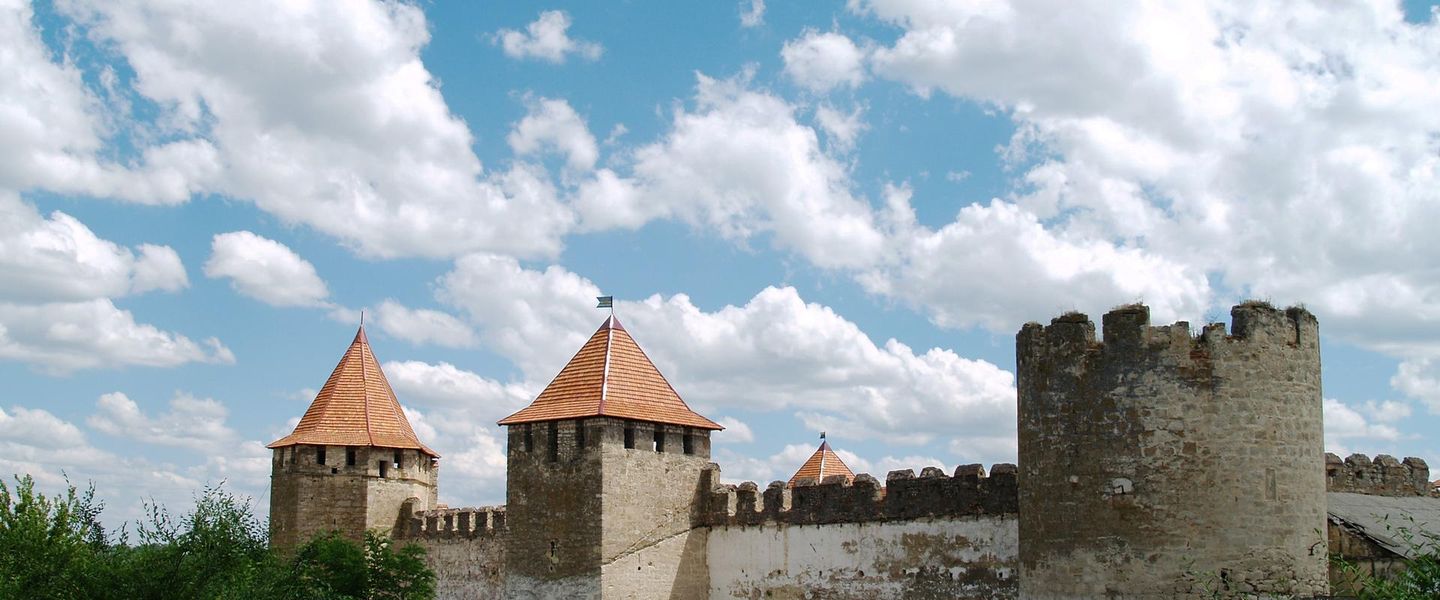


Discover the historic and cultural heart of Moldova in Bender, where ancient fortresses meet vibrant local life along the scenic Dniester River.
Read more about Bender
When is the best time to visit Bender?
Best: May, September–October · 21–27°C| Month | High (°C) | Rainfall (mm) |
|---|---|---|
| January | 3 | 26 |
| February | 4 | 24 |
| March | 11 | 21 |
| April | 19 | 18 |
| May (best) | 26 | 16 |
| June | 32 | 14 |
| July | 35 | 14 |
| August | 34 | 16 |
| September (best) | 27 | 18 |
| October (best) | 21 | 21 |
| November | 13 | 24 |
| December | 9 | 26 |
Getting to and around Bender
How to get there
Transportation
Best attractions in Bender
Bender, Moldova offers a fascinating blend of historical and cultural attractions that will captivate visitors. From the impressive Bender Fortress, which dates back to the 16th century and played a significant role in the region's history, to the beautiful Dniester River where you can enjoy a leisurely boat ride, there is something for everyone to explore. Don't miss the opportunity to visit the Museum of the History of Bendery, where you can learn about the city's rich past, or take a stroll through the bustling market to experience the local culture and cuisine. With its unique charm and diverse attractions, Bender is a must-visit destination for any traveler seeking a memorable experience.
-
Park
Alexander Nevski Park
Experience the tranquility of Alexander Nevski Park in Bender, Moldova, a lush oasis perfect for relaxation and cultural exploration amidst nature.
-
Tourist attraction
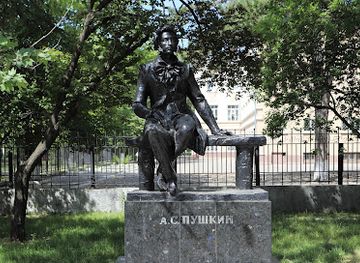
Pushkin Monument
Discover the Pushkin Monument in Bender, Moldova – a beautifully preserved tribute to the iconic poet, surrounded by serene parkland.
-
History museum
Open-Air Museum
Explore Moldova's rich heritage at the Open-Air Museum in Bender, where history comes alive through engaging exhibits and cultural experiences.
-
Tourist attraction
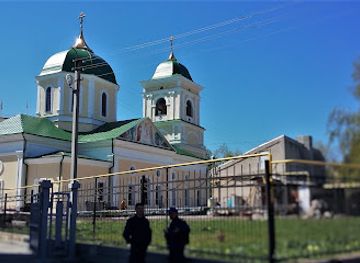
Transfiguration Cathedral, Bender
Discover the Transfiguration Cathedral in Bender, a stunning Russian Orthodox church showcasing exquisite architecture and deep spiritual significance.
Best landmarks in Bender
-
Historical landmark
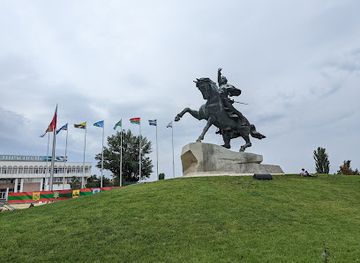
Suvorov Monument
Honoring General Suvorov, founder of Tiraspol, this monument stands as a symbol of Transnistrian history and pride in the heart of the capital.
-
Fortress
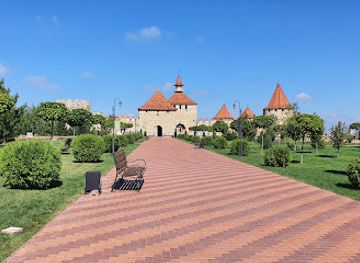
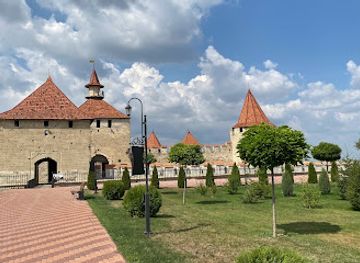
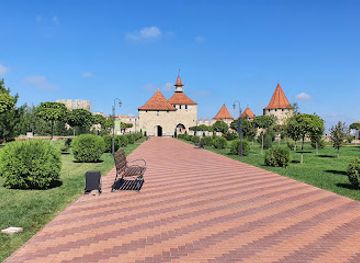
Tighina Fortress
Explore a 15th-century fortress in Bender, Moldova, with a rich history shaped by Moldavian, Ottoman, and Russian influences.
-
Park
Alexander Nevski Park
Explore Bender's Alexander Nevski Park: Where history meets recreation in a serene Moldovan setting.
-
Historical landmark
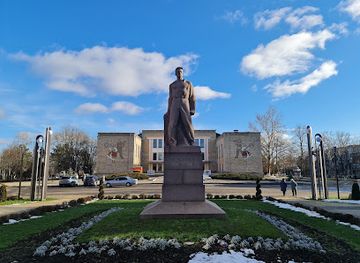
Pavel Tkachenko Statue
Discover the Pavel Tkachenko Statue in Bender, Moldova, a historical landmark honoring a key revolutionary figure and the region's rich heritage.
Explore Bender on the map
Plan your trip on one map. See where the top attractions, landmarks, restaurants and hotels are, and book hotels and experiences in a few clicks.
Best hotels in Bender
Best restaurants in Bender
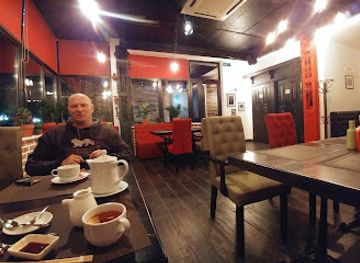
Bender offers a diverse dining scene that caters to all tastes and preferences. From cozy cafes serving traditional Moldovan dishes to trendy restaurants offering fusion cuisine, visitors can expect a culinary adventure like no other. Indulge in local specialties such as mamaliga (polenta) and sarmale (stuffed cabbage rolls), or sample international flavors at upscale eateries. Whether you're looking for a casual meal or a fine dining experience, Bender has something for everyone to enjoy.
-
Restaurant
Smac
Discover Smac in Bender: A charming restaurant offering authentic Moldovan cuisine alongside international favorites in a welcoming atmosphere.
-
Restaurant
Cricova
Experience the best of Moldovan flavors at Cricova – where tradition meets modern cuisine in Tiraspol.
-
Restaurant
Teremok
Discover the flavors of Moldova at Teremok Restaurant in Bender - where traditional cuisine meets warm hospitality.
-
Restaurant
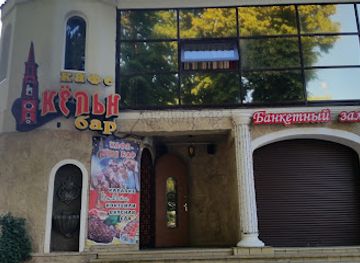
Кёльн
Discover Köln: A dynamic restaurant and nightlife venue in Bender offering delicious cuisine, karaoke fun, and vibrant clubbing experiences.
Best bars in Bender
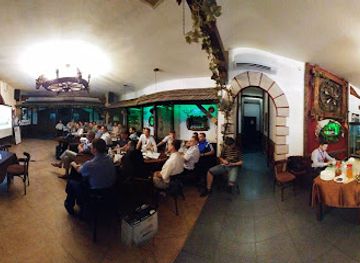
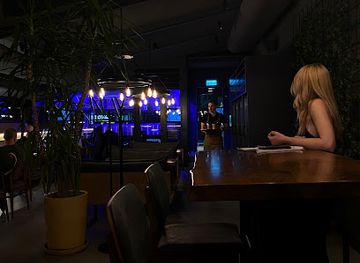
Bender's nightlife scene offers a vibrant and eclectic mix of bars and nightclubs that cater to a variety of tastes. From trendy cocktail lounges to lively dance floors, visitors can expect to find a buzzing atmosphere with live music, DJs, and themed nights. Whether you're looking to relax with a drink or dance the night away, Bender's nightlife has something for everyone to enjoy.
-
Restaurant
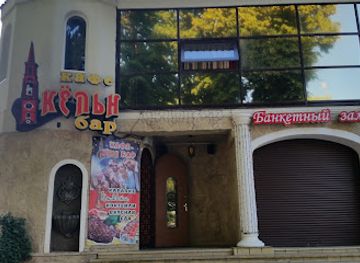
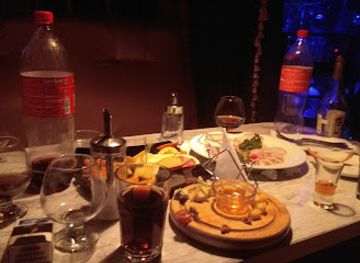
Кёльн
Discover the vibrant atmosphere of Кёльн in Bender, Moldova, where exquisite dining meets energetic nightlife and unforgettable karaoke.
-
Bar
Bar Bulibuc
Discover Bar Bulibuc: A Vibrant Bar in Hîrbovăţ Offering Local Flavors and Lively Atmosphere for Unforgettable Experiences.
-
Gastropub
Гастропаб “CRAFT”
Experience the best of Moldovan cuisine and craft beers at Gastropub 'CRAFT' in Bender, where every bite tells a story.
-
Russian
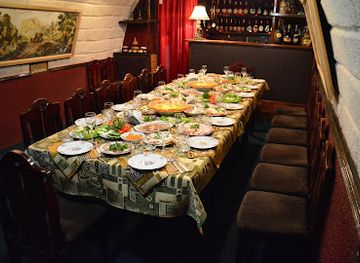
Старинный погребок
Experience authentic Russian flavors at Старинный погребок in Bender, Moldova – a delightful culinary journey awaits you.
Best nightclubs in Bender
Bender's nightlife scene offers a vibrant and eclectic mix of bars and nightclubs that cater to a variety of tastes. From trendy cocktail lounges to lively dance floors, visitors can expect to find a buzzing atmosphere with live music, DJs, and themed nights. Whether you're looking to relax with a drink or dance the night away, Bender's nightlife has something for everyone to enjoy.
-
Night club
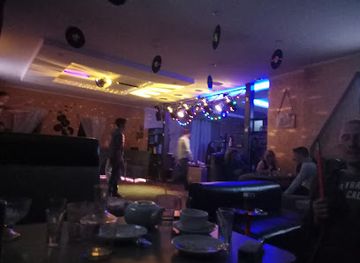
Кёльн
Experience the pulsating nightlife of Köln in Bender, Moldova – where entertainment, dining, and dancing meet in a vibrant atmosphere.
-
Night club
VINTAGE CLUB
Unleash your inner party spirit at Vintage Club, Tiraspol's top nightlife destination featuring electrifying music and a stylish atmosphere.
-
Night club
Sherri
Discover Tiraspol's dynamic nightlife at Sherri Night Club, where vibrant music and an electrifying atmosphere await you every night.
-
 Night club
draft.frg
Discover the electrifying nightlife at Draft.frg, Fîrlădeni's premier night club, where unforgettable memories and vibrant music await.

Best shops in Bender
Bender offers a unique shopping experience for visitors, with a mix of traditional markets, modern shopping centers, and charming boutiques. From local handicrafts and souvenirs to trendy fashion items and electronics, there is something for everyone. Explore the bustling streets lined with vendors selling fresh produce, handmade goods, and quirky trinkets, or browse the upscale stores for luxury items and designer brands. Don't miss the opportunity to haggle for a bargain at the lively bazaars, where you can find authentic Moldovan treasures and exotic imports. Whether you're looking for a cultural souvenir or a special gift, Bender's shopping scene has it all.
-
Stationery store
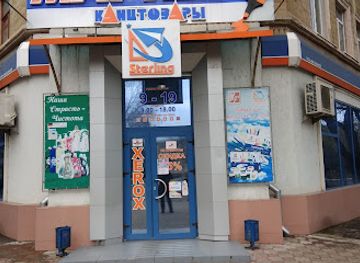
Marker
Explore Bender's vibrant stationery store, offering unique writing supplies and creative gifts that capture the essence of your travels.
-
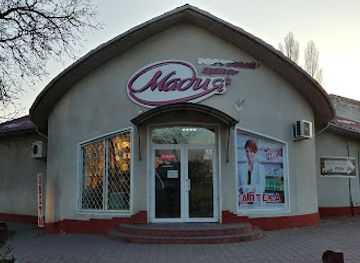
Store
Madia
Explore the vibrant local culture at Madia, a unique store in Bender, Moldova, offering artisan crafts and traditional Moldovan products.
-
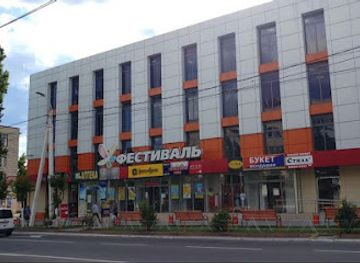
Shopping mall
Festival
Explore Bender's premier shopping mall for a unique blend of local culture, modern shopping, and delightful dining experiences.
-
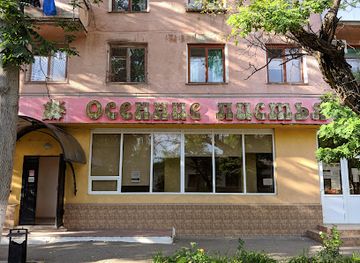
Grocery store
Осенние Листья
Experience local flavors at Осенние Листья, a charming grocery store in Bender, Moldova, showcasing fresh produce and regional specialties.
Get your free copy of our complete guide to Bender, delivered straight to you.
Everything on this page, from attractions and restaurants to essentials and local phrases, in one PDF you can read offline, print or share.
Already have an account? Sign in
Your Bender guide is ready.
We'll send it to · Not you? Sign out

Getting your guide ready…
We are putting together a fresh copy of the Bender guide. This can take up to a minute.
This can take a few moments. If your browser asks, choose Allow so the download can start. You'll find the guide in your Downloads folder.
Nothing happened? Download it again
Sorry, the guide is taking longer than usual. Please try again in a minute, or get it by email instead.
Bender essentials
Currency and Payment
Safety
Emergency Situations
Do's and Don'ts
Local Tips
From Eve
Local phrases worth knowing
You don't need to get them perfect. A few words go a long way, and locals appreciate the effort.
Basics
| English | Local | Say it |
|---|---|---|
| Hello | Прывітанне | [Pryvitanne] |
| Goodbye | Да пабачэння | [Da pabachennia] |
| Yes | Так | [Tak] |
| No | Не | [Nye] |
| Please/You're welcome | Калі ласка | [Kali laska] |
| Thank you | Дзякуй | [Dziakuy] |
| Excuse me/Sorry | Прабачце | [Prabachcie] |
| How are you? | Як вы? | [Yak vy?] |
| Fine. And you? | Добра. А вы? | [Dobra. A vy?] |
| Do you speak English? | Вы размаўляеце па-англійску? | [Vy razmawliaiecye pa-angliysku?] |
| I don't understand | Я не разумею | [Ya ne razumeyu] |
Eating & Drinking
| English | Local | Say it |
|---|---|---|
| I'd like to see the menu, please | Я бы хацеў убачыць меню, калі ласка | [Ya by khatsey ubachyc menyu, kali laska] |
| I don't eat meat | Я не ем мяса | [Ya ne yem myasa] |
| Cheers! | Ура! | [Oora!] |
| I would like to pay, please | Я хацеў бы заплаціць, калі ласка | [Ya khatsey by zaplatsits, kali laska] |
Emergencies
| English | Local | Say it |
|---|---|---|
| Help! | Дапамажыце! | [Dapamazhytsye!] |
| Go away! | Ідзіце аддаля! | [Idzitse addalya!] |
| Call the Police! | Выклікайце міліцыю! | [Vyklikaytsye militsiyu!] |
| Call a doctor! | Вызавіце лекара! | [Vyzavitsye lekara!] |
| I'm lost | Я загубіўся | [Ya zagubiusya] |
| I'm ill | Мне пагана | [Mne pahana] |
Shopping
| English | Local | Say it |
|---|---|---|
| I'd like to buy... | Я бы хацеў купіць... | [Ya by khatsey kupits...] |
| I'm just looking | Я проста гляджу | [Ya prosta hlyadzhu] |
| How much is it? | Цікава, скока гэта каштуе? | [Tsi kava, skoka geta kashtuye?] |
| That's too expensive | Гэта занадта дорага | [Geta zanadta doraga] |
| Can you lower the price? | Ці можна абнязіць цэну? | [Tsi mozhna abnyazits tsenu?] |
Time & Numbers
| English | Local | Say it |
|---|---|---|
| What time is it? | Колькі гадзін? | [Kolki gadzin?] |
| It's one o'clock | Адзінадцата | [Adzinadzata] |
| Half past (10) | Палова на (дзясятую) | [Palova na (dziasyatuyu)] |
| Morning | Раніца | [Ranitsa] |
| Afternoon | Дня | [Dnya] |
| Evening | Вечар | [Vecher] |
| Yesterday | Учора | [Uchora] |
| Today | Сёння | [Syonnya] |
| Tomorrow | Заўтра | [Zautra] |
| 1 | адзін | [adzin] |
| 2 | два | [dva] |
| 3 | тры | [try] |
| 4 | чатыры | [chatyry] |
| 5 | пяць | [pyats] |
| 6 | шэсць | [shescts] |
| 7 | сем | [syem] |
| 8 | восем | [vosyem] |
| 9 | дзевяць | [dzeyats] |
| 10 | дзесяць | [dziasyats] |
Transport & Directions
| English | Local | Say it |
|---|---|---|
| Where's a/the...? | Дзе знаходзіцца...? | [Dzye znakhodzitsa...?] |
| What's the address? | Які адрас? | [Yaki adres?] |
| Can you show me (on the map)? | Ці можаце вы мне паказаць (на мапе)? | [Tsi mozhatsye vy mne pakazats (na mape)?] |
| When's the next (bus)? | Калі наступны (аўтобус)? | [Kali nastupny (autobus)?] |
| A ticket (to ....) | Квіток (да ....) | [Kvitok (da ....)] |
History of Bender
Foundation and Early History
Bender, also known historically as Tighina, has roots that stretch back to the medieval period. It was originally a small Moldavian village before becoming a significant fortress town. The first recorded mention of Bender dates back to 1408, when it was part of the Principality of Moldavia. The location on the Dniester River made it a strategic military and trade point.
Ottoman Era
In 1538, Bender was captured by the Ottoman Empire during the reign of Sultan Suleiman the Magnificent. The Ottomans fortified the town, building the Bender Fortress that still stands today. Under Ottoman rule, Bender became an important administrative and military center. The town witnessed numerous battles and sieges as it was a frontier post in the conflicts between the Ottomans and neighboring powers.
Russian Influence
In the late 18th century, Bender became a point of contention in the Russo-Turkish Wars. The fortress changed hands multiple times, and in 1812, the Treaty of Bucharest ceded Bessarabia, including Bender, to the Russian Empire. This brought significant changes to the town's architecture and demographics as Russian influence grew.
World War II and Soviet Era
During World War II, Bender was occupied by Axis forces in 1941 and recaptured by the Soviet Red Army in 1944. The post-war period saw Bender integrated into the Moldavian Soviet Socialist Republic. The town underwent industrialization and urban development, with many Soviet-era buildings and monuments erected during this time.
Transnistrian Conflict
In the early 1990s, following the dissolution of the Soviet Union, tensions between Moldova and the breakaway region of Transnistria escalated into conflict. Bender was a focal point of the 1992 War of Transnistria. The city remains under the control of the unrecognized Pridnestrovian Moldavian Republic (Transnistria), adding a layer of complexity to its political and cultural landscape.
Cultural Heritage and Modern Day
Today, Bender is a unique blend of various cultural influences, reflecting its diverse history. The Bender Fortress is a major historical and tourist attraction, offering insight into the town's Ottoman and Russian past. The city also features a mix of architectural styles, from medieval fortifications to Soviet-era buildings. Bender's complex history and current status make it a fascinating destination for those interested in history and geopolitics.
Bender in Photos
Browse through our photo collection highlighting the charm and character of the destination.
Cities in Bender
The towns and cities of Bender, and the easiest places to base yourself.

Swipe for more cities
Neighbouring destination travel guides
The closest destinations to Bender, if you have time for more than one.
-

-

-

-

-


Swipe for more destinations
Explore more

Explore more of Transnistria
Explore Transnistria’s layered history, Dniester landscapes, Soviet-era streets and fortified heritage from Tiraspol to Bender.
Explore Transnistria
Explore more of Moldova
Discover Moldova: A tranquil haven of rich history, stunning vineyards, and captivating natural landscapes, perfect for an off-the-beaten-path European adventure.
Explore Moldova