

Odessa Region Travel Guide - Free Web & App
Your ultimate guide to Odessa Region. Discover top landmarks, proposed trips, and local tips. Free on the web or via the Evendo companion app.


Odessa Region, Ukraine, brings together Odesa’s historic seafront, Danube wetlands, Black Sea lagoons, wine country, fortresses and multicultural southern landscapes.
Coast, Estuary and Steppe
Odessa Region occupies Ukraine’s southwestern corner, stretching from the urban shore of the Black Sea around Odesa to the Danube Delta and the Moldovan and Romanian borders. Its landscapes are defined by water: the open sea, broad estuaries known locally as limans, reed-fringed lagoons, the Dniester and Danube rivers, and the shallow lakes of the Budzhak steppe. Sandy coastal resorts and port towns give way inland to fields, vineyards, limestone settlements and long horizons shaped by the Pontic steppe.Read more about Odessa Region
History and Cultural Layers
Wetlands, Wine and Coastal Travel
When is the best time to visit Odessa Region?
Best: May–June, September · 22–27°C| Month | High (°C) | Rainfall (mm) |
|---|---|---|
| January | 1 | 25 |
| February | 1 | 20 |
| March | 8 | 20 |
| April | 17 | 15 |
| May (best) | 22 | 15 |
| June (best) | 27 | 20 |
| July | 29 | 25 |
| August | 28 | 25 |
| September (best) | 22 | 20 |
| October | 15 | 20 |
| November | 7 | 25 |
| December | 3 | 25 |
Getting to and around Odessa Region
How to get there
Transportation
Best attractions in Odessa Region
Odesa’s historic centre, Potemkin Stairs, Primorskyi Boulevard, Opera House and seafront provide the region’s richest concentration of architecture and cultural institutions, while the city’s museums explore maritime, literary and local history. West of the city, Bilhorod-Dnistrovskyi is home to Akkerman Fortress, whose walls stand above the Dniester Estuary. The southern districts offer a markedly different experience: Izmail’s Danube setting and museums, Vylkove’s channels and delta landscapes, and the bird-rich wetlands of the Danube Biosphere Reserve. Tuzly Lagoons National Nature Park protects a chain of coastal lagoons and shore habitats, while Lower Dniester National Nature Park preserves forests, floodplains and waterways inland from the coast. The vineyards and cellar traditions around Shabo add a rural, agricultural dimension, although visits to protected areas, border districts and coastal sites may depend on current security and conservation arrangements.
-
Historical landmark
Bilhorod-Dnister fortress
Discover the historical grandeur of Bilhorod-Dnistrovs'kyi Fortress, a stunning landmark steeped in history overlooking the Dniester River.
-
Tourist attraction
Memorial Heroyichnoyi Oborony Odesy 411-Yi Berehovoyi Batareyi
Explore the serene beauty and rich history at the Memorial Heroyichnoyi Oborony Odesy, a must-visit park and historical landmark in Odesa.
-
Tourist attraction
Odessa Luna Park
Experience the thrill of Odessa Luna Park, where fun and adventure await visitors of all ages in the heart of Ukraine.
-
Tourist attraction
Waterpark Odesa
Experience thrilling water slides and relaxing pools at Waterpark Odesa, a must-visit summer destination for families and adventure lovers.


Best landmarks in Odessa Region
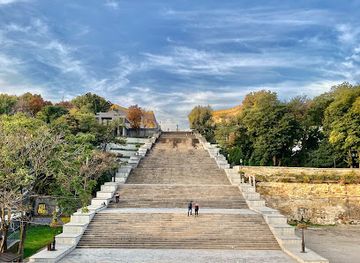
Akkerman Fortress is the region’s defining historic monument beyond Odesa, an extensive fortified complex beside the Dniester Estuary whose position reflects Bilhorod-Dnistrovskyi’s long role as a frontier and trading settlement. In Odesa, the Potemkin Stairs, Primorskyi Boulevard, the Odesa Opera House and the historic port landscape express the city’s nineteenth-century maritime identity, while its courtyards and buildings reveal a more intimate urban heritage. The Danube itself is the dominant natural landmark in the south, dividing into channels around Vylkove before reaching the Black Sea. The Dniester Estuary, Tuzly Lagoons and the reedbeds and floodplain forests of the Danube Delta are equally important geographical features, linking the region’s history to fishing, trade, migration and wetland ecology.
-
Landmark
Potemkin Stairs
Explore the iconic Potemkin Stairs in Odesa, a stunning landmark that offers breathtaking views and a glimpse into the city's rich history.
-
Historical landmark
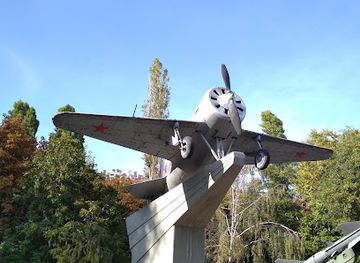
Memorial Heroyichnoyi Oborony Odesy 411-Yi Berehovoyi Batareyi
Explore the Memorial Heroyichnoyi Oborony Odesy, a serene historical landmark and park honoring Odesa's heroes, perfect for tourists seeking culture and tranquility.
-
Tourist attraction
Tioschin Bridge
Discover the charm of Odesa at Tioschin Bridge, a stunning architectural gem offering breathtaking views and vibrant local culture.
-
Tourist attraction
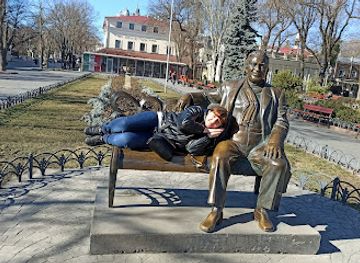
Monument to Ilf and Petrov
Discover Odesa's rich literary heritage at the Monument to Ilf and Petrov, a charming tribute in a picturesque park setting.
Explore Odessa Region on the map
Plan your trip on one map. See where the top attractions, landmarks, restaurants and hotels are, and book hotels and experiences in a few clicks.
Best hotels in Odessa Region
Best restaurants in Odessa Region
Odesa has the region’s broadest dining scene, ranging from cafés and bakeries to restaurants drawing on Black Sea, Ukrainian, Jewish, Bulgarian, Moldovan and Balkan influences. Fish, seasonal vegetables, pickled produce, dumplings, grilled meats and hearty soups appear in many local food traditions, while the city’s cosmopolitan history is reflected in its varied kitchens. In Bilhorod-Dnistrovskyi, Izmail and Vylkove, dining is more closely tied to small cafés, family-run establishments, river and Danube produce, and everyday Ukrainian cooking. Southern villages may also have markets, bakeries, farm shops or informal food outlets rather than a dense restaurant infrastructure. Wine from the wider Budzhak and Shabo areas is an important regional product, but visitors should check opening arrangements and transport before planning a vineyard meal or tasting.
-
Restaurant
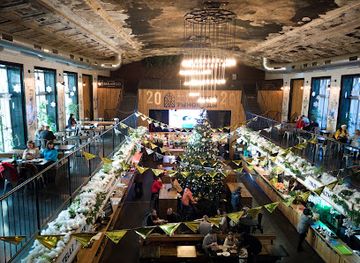
Odesa Food Market
Explore the vibrant flavors of Ukraine at Odesa Food Market—where culinary delights meet local culture in a lively atmosphere.
-
Restaurant
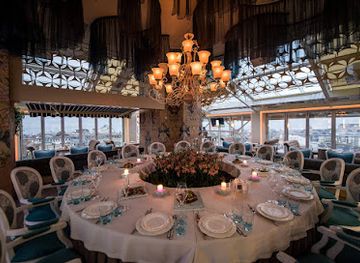
Ресторан Облака
Discover Облака Restaurant in Odesa: A culinary gem offering authentic Ukrainian cuisine in a warm and welcoming setting.
-
Ukrainian
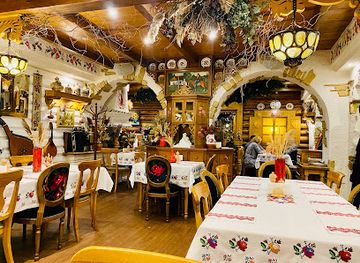
Kumanets
Savor the essence of Ukrainian culture through exquisite cuisine at Kumanets in Odesa - an unforgettable culinary journey awaits.
-
Seafood
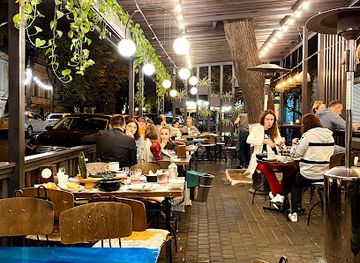
Kotelok - Бар Мидий
Experience the finest seafood delights at Kotelok in Odesa - A must-visit destination for every seafood lover.
Best bars in Odessa Region
Odesa traditionally has the region’s most developed evening life, with cafés, wine bars, pubs, concert venues and restaurants concentrated in and around the historic centre, although wartime restrictions, curfews, air alerts and power interruptions affect opening and late-night activity. Elsewhere, evenings are generally quieter and centred on hotel restaurants, family cafés and village pubs rather than dedicated nightlife districts. Bilhorod-Dnistrovskyi and Izmail offer modest local options, while Vylkove’s atmosphere is shaped more by the river, guesthouses and seasonal tourism than by clubs. Visitors should not assume that coastal resort entertainment is operating normally, and any evening plans must remain subordinate to current local instructions and curfew times.
-
Bar
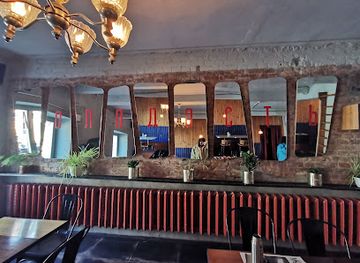
Molodоst
Experience the vibrant nightlife of Odesa at Molodost, where creative cocktails and a lively atmosphere await every visitor.
-
Restaurant
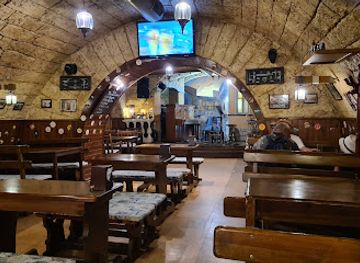
Gambrinus
Discover the culinary delights of Odesa at Gambrinus, where tradition meets innovation in every dish and drink.
-
Brewpub
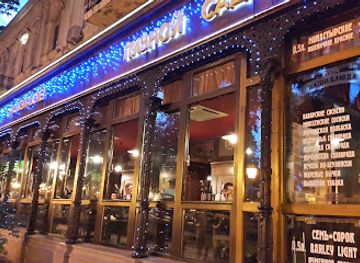
Pyvnoy Sad
Discover the craft beer culture and local cuisine at Pyvnoy Sad, a must-visit brewpub in Odesa for an unforgettable dining experience.
-
Pub
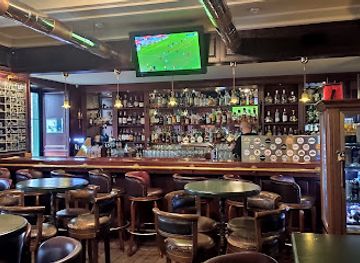
Corvin
Discover Corvin: Odesa's lively pub and restaurant offering a perfect blend of local flavors and vibrant atmosphere.
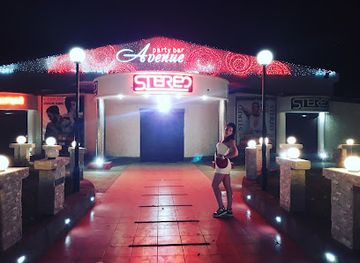
Best nightclubs in Odessa Region
Odesa traditionally has the region’s most developed evening life, with cafés, wine bars, pubs, concert venues and restaurants concentrated in and around the historic centre, although wartime restrictions, curfews, air alerts and power interruptions affect opening and late-night activity. Elsewhere, evenings are generally quieter and centred on hotel restaurants, family cafés and village pubs rather than dedicated nightlife districts. Bilhorod-Dnistrovskyi and Izmail offer modest local options, while Vylkove’s atmosphere is shaped more by the river, guesthouses and seasonal tourism than by clubs. Visitors should not assume that coastal resort entertainment is operating normally, and any evening plans must remain subordinate to current local instructions and curfew times.
-
Night club
Red Line
Discover the pulsating nightlife of Red Line, Odesa’s top night club, where every night is a celebration of music, dance, and unforgettable memories.
-
Night club
Stereo
Experience the electrifying nightlife of Odesa at Stereo, a premier night club offering unforgettable music and vibrant atmosphere.
-
Night club
Jennifer Night Club
Unleash your inner party animal at Jennifer Night Club, Odesa's premier nightlife destination featuring exhilarating music and karaoke.
-
Night club
Strip club OFFICE
Dive into the vibrant nightlife at OFFICE Night Club in Odesa, where unforgettable entertainment and lively ambiance await every night.



Best shops in Odessa Region
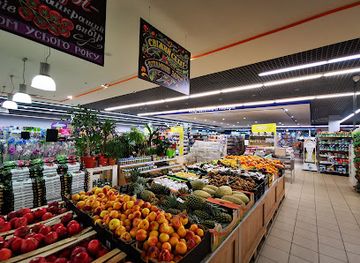
Shopping is concentrated in Odesa, where visitors will find food halls, supermarkets, independent shops, galleries and markets carrying Ukrainian foods, regional wines, crafts and everyday goods. Smaller towns such as Bilhorod-Dnistrovskyi and Izmail provide practical shopping and local markets rather than extensive specialist retail. In the southern countryside, worthwhile purchases may include wines from the wider Odesa wine region, preserves, honey, seasonal produce and handmade items sold through farms, wineries or village businesses when open. Vylkove and Danube settlements are better suited to locally made food and modest craft purchases than to organised souvenir shopping. Product availability varies, and visitors should buy responsibly from established sellers without removing archaeological material, protected natural items or objects of uncertain provenance.
-
Shopping mall
City Center
Discover City Center in Odesa: A shopping paradise filled with diverse stores, delightful eateries, and vibrant entertainment for every traveler.
-
Shopping mall
Athena Gallery
Explore Athena Gallery in Odesa for an unforgettable shopping experience, diverse dining options, and vibrant entertainment in a modern mall setting.
-
Shopping mall
Europa
Discover the vibrant shopping experience at Europa, Odesa's premier mall with top fashion, cosmetics, and dining options for every tourist.
-
Shopping mall
Sady Pobedy Shopping Mall
Discover shopping bliss at Sady Pobedy Shopping Mall in Odesa, where fashion meets fun and culinary delights await.


Get your free copy of our complete guide to Odessa Region, delivered straight to you.
Everything on this page, from attractions and restaurants to essentials and local phrases, in one PDF you can read offline, print or share.
Already have an account? Sign in
Your Odessa Region guide is ready.
We'll send it to · Not you? Sign out

Getting your guide ready…
We are putting together a fresh copy of the Odessa Region guide. This can take up to a minute.
This can take a few moments. If your browser asks, choose Allow so the download can start. You'll find the guide in your Downloads folder.
Nothing happened? Download it again
Sorry, the guide is taking longer than usual. Please try again in a minute, or get it by email instead.
Odessa Region essentials
Currency and Payment
Safety
Emergency Situations
Do's and Don'ts
Local Tips
From Eve
Local phrases worth knowing
You don't need to get them perfect. A few words go a long way, and locals appreciate the effort.
Basics
| English | Local | Say it |
|---|---|---|
| Hello | Привіт | [Privit] |
| Goodbye | До побачення | [Do pobachennya] |
| Yes | Так | [Tak] |
| No | Ні | [Ni] |
| Please/You're welcome | Будь ласка | [Bud laska] |
| Thank you | Дякую | [Dyakuyu] |
| Excuse me/Sorry | Вибачте | [Vybachte] |
| How are you? | Як справи? | [Yak spravy?] |
| Fine. And you? | Добре. А ви? | [Dobre. A vy?] |
| Do you speak English? | Ви говорите англійською? | [Vy hovoryte anhliyskoyu?] |
| I don't understand | Я не розумію | [Ya ne rozumiyu] |
Eating & Drinking
| English | Local | Say it |
|---|---|---|
| I'd like to see the menu, please | Я б хотів подивитися меню, будь ласка | [Ya b khotiv podyvytysya menyoo, bud laska] |
| I don't eat meat | Я не їм м'ясо | [Ya ne yim m'yaso] |
| Cheers! | Будьмо! | [Budmo!] |
| I would like to pay, please | Я б хотів оплатити, будь ласка | [Ya b khotiv oplatyty, bud laska] |
Emergencies
| English | Local | Say it |
|---|---|---|
| Help! | Допомога! | [Dopomoha!] |
| Go away! | Відійди! | [Vidiydy!] |
| Call the Police! | Виклич поліцію! | [Vyklіch polіtsіyu!] |
| Call a doctor! | Виклич лікаря! | [Vyklіch lіkarya!] |
| I'm lost | Я загубився | [Ya zahubivsya] |
| I'm ill | Я хворий | [Ya khvoryy] |
Shopping
| English | Local | Say it |
|---|---|---|
| I'd like to buy... | Я б хотів купити... | [Ya b khotiv kupyty...] |
| I'm just looking | Я просто дивлюсь | [Ya prosto dyvlyus] |
| How much is it? | Скільки це коштує? | [Skilky tse koshtue?] |
| That's too expensive | Це занадто дорого | [Tse zanadto doroho] |
| Can you lower the price? | Чи можете ви знизити ціну? | [Chy mozhete vy znyzyty tsinu?] |
Time & Numbers
| English | Local | Say it |
|---|---|---|
| What time is it? | Яка година? | [Yaka hodyna?] |
| It's one o'clock | Одна година | [Odna hodyna] |
| Half past (10) | Половина (десята) | [Polovyna (desyata)] |
| Morning | Ранок | [Ranok] |
| Afternoon | День | [Den] |
| Evening | Вечір | [Vechir] |
| Yesterday | Вчора | [Vchora] |
| Today | Сьогодні | [Sogodni] |
| Tomorrow | Завтра | [Zavtra] |
| 1 | один | [odyn] |
| 2 | два | [dva] |
| 3 | три | [try] |
| 4 | чотири | [chotyry] |
| 5 | п'ять | [pyat] |
| 6 | шість | [shist] |
| 7 | сім | [sim] |
| 8 | вісім | [vіsіm] |
| 9 | дев'ять | [devyat] |
| 10 | десять | [desyat] |
Transport & Directions
| English | Local | Say it |
|---|---|---|
| Where's a/the...? | Де є/знаходиться...? | [De ye/znakhodytsya...?] |
| What's the address? | Яка адреса? | [Yaka adresa?] |
| Can you show me (on the map)? | Чи можете показати мені (на карті)? | [Chy mozhete pokazaty meni (na karti)?] |
| When's the next (bus)? | Коли наступний (автобус)? | [Koli nastupnyy (avtobus)?] |
| A ticket (to ....) | Квиток (до ....) | [Kvytok (do ....)] |
History of Odessa Region
Coastal Formation and Ancient Shores
The region’s physical character developed through long geological change around the north-western Black Sea, where river systems, shallow marine waters and sediment created estuaries, lagoons and broad coastal plains. The Dniester and Danube shaped much of the modern landscape, while the Pontic steppe provided open routes between the coast and inland Europe. These environmental features encouraged fishing, grazing, farming and river trade, but they also made the area a meeting point for mobile peoples and maritime powers.
Greek Colonies and Steppe Peoples
Ancient Greek settlements appeared along the western Black Sea coast, including Tyras at the site of present-day Bilhorod-Dnistrovskyi and other trading communities linked to the wider Mediterranean world. The region was subsequently influenced by Scythians, Sarmatians, Goths, Huns and other peoples moving across the steppe. Tyras connected agricultural hinterlands with maritime commerce, while the lower Danube remained an important frontier zone. Archaeological remains and classical references preserve evidence of this layered ancient history.
Fortresses and Imperial Frontiers
Bilhorod-Dnistrovskyi became known in different periods as Alba Iulia, Moncastro and Akkerman, reflecting successive Byzantine, Moldavian, Ottoman and other political influences. The fortress beside the Dniester Estuary was expanded over centuries and served as a military and commercial stronghold. Ottoman authority was particularly important across the coastal and Danube districts, while the steppe remained shaped by pastoral movement, frontier conflict and changing imperial boundaries.
The Foundation of Odesa
The Russian Empire captured the Ottoman fortress of Khadzhibey in 1789 during the Russo-Turkish wars, and Odesa was founded in 1794 as a planned Black Sea port. Its deep-water ambitions, grain exports and international merchant community drove rapid growth during the nineteenth century. Italians, Greeks, Jews, Bulgarians, Armenians, French, Russians, Ukrainians and others contributed to the city’s commercial and cultural life. Odesa’s boulevards, courtyards, theatres and port architecture date largely from this period of expansion.
Danube Towns and Multicultural Settlement
The southern districts developed through a mixture of agriculture, shipping, fishing and imperial colonisation. Izmail became a major Danube port, while villages in Budzhak were settled by Ukrainians, Bulgarians, Moldovans, Gagauz and other communities. Vylkove grew among the channels and islands of the Danube Delta, earning a distinctive riverine character. These settlements retain varied foodways, churches, cemeteries, languages and building traditions that distinguish the lower Danube from the urban culture of Odesa.
Modern Ukraine and Conservation
After the collapse of the Russian Empire, the region passed through the upheavals of the Ukrainian War of Independence before becoming part of Soviet Ukraine. Ports, railways, collective agriculture, fisheries and industry transformed the coastline and steppe during the twentieth century. Independent Ukraine inherited this complex border region and established protected areas including the Danube Biosphere Reserve, Lower Dniester National Nature Park and Tuzly Lagoons National Nature Park. Since 2022, the region’s ports and infrastructure have also been affected by Russia’s full-scale invasion, making security conditions an important part of contemporary travel planning.
Odessa Region in Photos
Browse through our photo collection highlighting the charm and character of the destination.
Cities in Odessa Region
The towns and cities of Odessa Region, and the easiest places to base yourself.
-

-

-

-


Swipe for more cities
Neighbouring destination travel guides
The closest destinations to Odessa Region, if you have time for more than one.
-

-

-

-

-


Swipe for more destinations
Explore more

Explore more of Bessarabia
Discover Bessarabia in Ukraine: A land of diverse cultures, ancient fortresses, lush vineyards, and stunning landscapes. An unmissable gem for history buffs and nature lovers alike.
Explore Bessarabia
Explore more of Ukraine
Explore Ukraine: From Kyiv's golden domes to the Carpathian Mountains, discover a country rich in history, culture, and natural beauty in the heart of Eastern Europe.
Explore Ukraine