

Slavske Travel Guide - Free Web & App
Your ultimate guide to Slavske. Discover top landmarks, proposed trips, and local tips. Free on the web or via the Evendo companion app.


Slavske, Ukraine, pairs Carpathian mountain scenery with skiing, hiking, rail access, regional cuisine and year-round escapes in the Skole Beskids.
Mountain Landscape
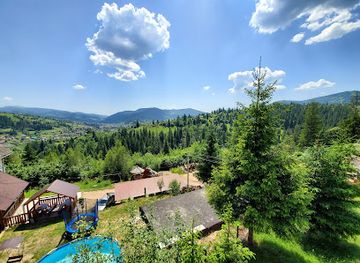
Slavske lies in western Ukraine's Lviv Oblast, in the Skole Beskids of the Ukrainian Carpathians. The settlement occupies the valleys of the Opir and Slavka rivers and is surrounded by forested ridges, open mountain slopes and scattered villages. Its position at the foot of several ski and hiking mountains has made it one of the country's best-known mountain resorts, while the railway station gives it an unusually practical connection with Lviv and other regional centres. The landscape is distinctly seasonal: snowy slopes draw skiers in winter, while warmer months bring walkers, cyclists and visitors seeking cooler air and broad views across the Beskid ridges.Read more about Slavske
Slopes, Villages and Local Character
Outdoor Life and Regional Flavours
When is the best time to visit Slavske?
Best: June–August · 24–26°C| Month | High (°C) | Rainfall (mm) |
|---|---|---|
| January | -1 | 29 |
| February | 0 | 28 |
| March | 5 | 30 |
| April | 13 | 41 |
| May | 20 | 56 |
| June (best) | 25 | 75 |
| July (best) | 26 | 74 |
| August (best) | 24 | 64 |
| September | 20 | 50 |
| October | 14 | 46 |
| November | 5 | 39 |
| December | 1 | 34 |
Getting to and around Slavske
How to get there
Transportation
Best attractions in Slavske
Slavske's principal attractions are its mountain landscapes and the separate ski areas distributed around the settlement. Trostian is the best-known local ski and hiking mountain, while Mount Pogar rises close to the village and provides a prominent setting for winter recreation. Mount Vysokyi Verkh and the Zakhar Berkut ski complex lie near Volosianka, west of central Slavske, and offer another focus for visitors exploring the wider resort area. In warmer months, forest roads, meadow slopes and valley paths lead towards changing views over the Skole Beskids, although route conditions and marking should be checked locally. The Opir and Slavka valleys reveal the region's rural character through scattered homes, pasture and wooded hillsides. Visitors interested in culture can explore Slavske's village churches and traditional Carpathian architecture, while the wider Skole Beskids National Nature Park provides access to a broader protected mountain landscape beyond the immediate resort.
-
Hiking area
Barnaski
Explore the breathtaking hiking trails of Barnaski in Lviv Oblast, where nature's beauty and adventure await in every step.
-
Hiking area
Подъёмник «Крокус»
Experience breathtaking landscapes and serene hiking trails at Krokus, the perfect destination for nature lovers and outdoor enthusiasts in Slavs'ke.
-
 Park
ParkГорка
Discover the serenity of Гора – a beautiful park in Slavs'ke, perfect for hiking, picnicking, and enjoying nature's tranquility.
-
Hiking area
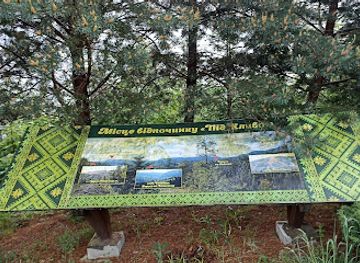
Точка відпочинку на горі
Explore the breathtaking hiking trails and natural beauty of Slavs'ke, a hidden gem in Lviv Oblast, Ukraine, perfect for outdoor enthusiasts.
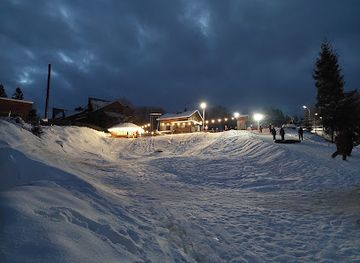
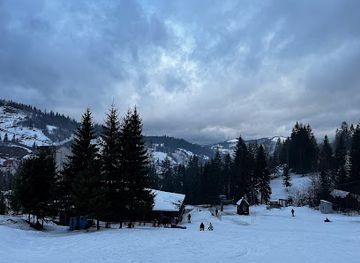
Best landmarks in Slavske
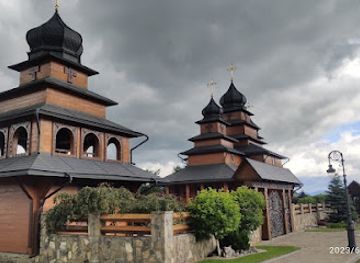
The defining landmarks of Slavske are natural: the broad wooded mass of Mount Trostian, the nearby slopes of Mount Pogar and the higher ridges around Vysokyi Verkh give the settlement its mountain profile. The Opir valley is another important geographical feature, carrying the railway and road corridor through the Skole Beskids and linking Slavske with the wider Carpathian region. The railway station itself is a significant part of the settlement's modern identity because transport access helped establish Slavske as a resort. Village churches and older rural buildings provide the principal cultural landmarks, reflecting the religious and architectural traditions of western Ukraine. Around Volosianka, the Zakhar Berkut ski complex is a prominent contemporary tourism feature, but it belongs to the wider Slavske resort area rather than the central village. The surrounding forests and mountain meadows also form part of the visual identity of the Skole Beskids.
-
Ski resort
Play
Discover Play, a winter paradise in Lviv Oblast, offering thrilling ski adventures, breathtaking views, and memorable family experiences amidst snow-capped peaks.
-
Ski resort
Alpenhof
Discover the enchanting slopes and family-friendly atmosphere at Alpenhof, Slavs'ke's premier ski resort for winter sports and relaxation.
-
Resort hotel
Perlyna Karpat
Explore the serene beauty of Perlyna Karpat, a resort hotel nestled in the Carpathian Mountains, perfect for relaxation and outdoor adventures.
-
Hotel
Трое Поросят
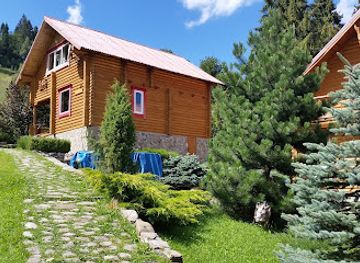
Discover the unique blend of comfort and culture at Troye Porosyat, your ideal home base for exploring the Carpathian Mountains.
Explore Slavske on the map
Plan your trip on one map. See where the top attractions, landmarks, restaurants and hotels are, and book hotels and experiences in a few clicks.
Best hotels in Slavske
Best restaurants in Slavske
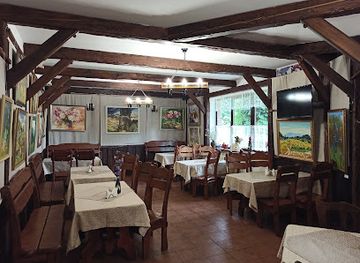
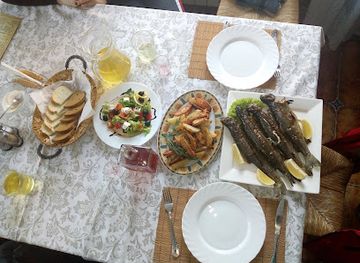
Dining in Slavske is centred on guesthouses, cafés, restaurants and informal eateries serving visitors who come for the slopes and mountain air. Menus commonly draw on western Ukrainian and Carpathian traditions, with dishes such as banosh made from cornmeal and traditionally served with dairy or savoury accompaniments, varenyky, deruny, kapusniak, mushroom dishes and grilled meats. Trout and other fish may appear on regional menus, but availability varies by establishment and season. In the surrounding villages, home-style cooking is often associated with private accommodation and rural hospitality rather than a formal restaurant district. Slavske has the broadest choice of provisions and prepared food, while visitors staying near individual ski areas should plan meals locally or ask hosts about current options. Regional cheeses, honey, forest products and Ukrainian baked goods are also characteristic purchases from small producers and village shops.
-
Restaurant
Maksym
Discover the flavors of Ukraine at Maksym – a delightful restaurant in Slavs'ke offering authentic cuisine and warm hospitality.
-
Restaurant
Shale Filʹvarok
Discover authentic Ukrainian cuisine at Shale Filʹvarok in Slavs'ke—where every dish tells a story.
-
Hotel
Dvir Knyazhoyi Korony
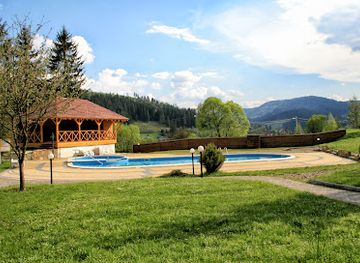
Discover tranquility at Dvir Knyazhoyi Korony - a charming hotel in Slavs'ke offering stunning mountain views and cozy accommodations.
-
Hotel
Smerichka
Experience tranquility at Smerichka Hotel in Slavs'ke - your gateway to adventure in the stunning Carpathian Mountains.
Best bars in Slavske
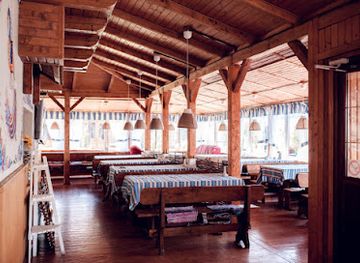
Slavske has a quieter evening scene shaped by mountain tourism rather than by a large club district. After skiing or walking, visitors generally gather in hotel restaurants, guesthouse dining rooms, cafés and traditional-style pubs for Ukrainian food, beer and spirits. Some accommodation businesses may provide informal evening entertainment or seasonal gatherings, but offerings vary and should not be assumed to operate throughout the year. In the central settlement, the railway and dispersed resort layout mean that nightlife is spread among separate businesses rather than concentrated in one pedestrian quarter. Neighbouring villages and ski areas are quieter still, with evenings often centred on shared meals, conversation and views of the wooded valley. Visitors seeking a substantial urban nightlife scene should look to Lviv rather than Slavske, which is primarily a destination for outdoor days and low-key mountain evenings.
-
Restaurant
Maksym
Experience authentic Ukrainian cuisine at Maksym in Slavs'ke, where local flavors meet warm hospitality in a charming setting.
-
Pizza
Піцерія Esposito's
Discover the true essence of Italian cuisine at Esposito's Pizzeria in Slavs'ke, where every pizza is a masterpiece crafted with love and tradition.
-
Restaurant
Shale Filʹvarok
Experience authentic Ukrainian cuisine in a cozy setting at Shale Filʹvarok, a culinary gem in Slavs'ke, Lviv Oblast.
-
Coffee shop
Pohar, top of chair lift
Discover Pohar, a serene coffee shop at the top of the chair lift in Lviv Oblast, where breathtaking views meet the aroma of freshly brewed coffee.
Best nightclubs in Slavske
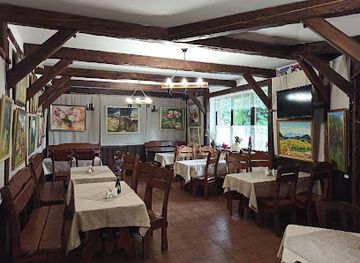
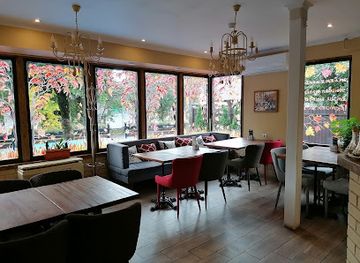
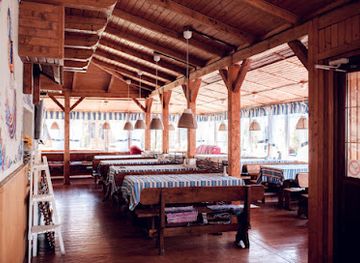
Slavske has a quieter evening scene shaped by mountain tourism rather than by a large club district. After skiing or walking, visitors generally gather in hotel restaurants, guesthouse dining rooms, cafés and traditional-style pubs for Ukrainian food, beer and spirits. Some accommodation businesses may provide informal evening entertainment or seasonal gatherings, but offerings vary and should not be assumed to operate throughout the year. In the central settlement, the railway and dispersed resort layout mean that nightlife is spread among separate businesses rather than concentrated in one pedestrian quarter. Neighbouring villages and ski areas are quieter still, with evenings often centred on shared meals, conversation and views of the wooded valley. Visitors seeking a substantial urban nightlife scene should look to Lviv rather than Slavske, which is primarily a destination for outdoor days and low-key mountain evenings.
-
Hotel
Hotel Vezha Vedmezha
Discover the perfect blend of relaxation and adventure at Hotel Vezha Vedmezha, nestled in the stunning landscapes of Lviv Oblast.
-
Hotel
Dvir Knyazhoyi Korony
Discover tranquility and comfort at Dvir Knyazhoyi Korony, a perfect hotel retreat in the stunning landscapes of Slavs'ke, Lviv Oblast.
-
Ski resort
Alpenhof
Discover the magic of winter at Alpenhof, a premier ski resort in Slavs'ke, Lviv Oblast, offering skiing, swimming, and cozy accommodations.
-
Hotel
Eko-Hotel Slovyanka
Discover Eko-Hotel Slovyanka: Your all-in-one hotel experience in Slavs'ke with leisure delights from dancing to relaxing spa treatments.

Best shops in Slavske
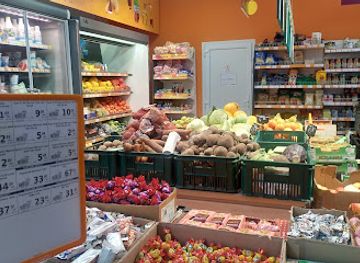
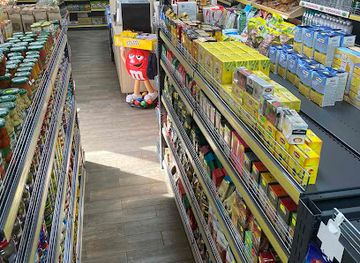
Shopping in Slavske is practical and small-scale rather than centred on a formal retail district. The settlement's shops and food outlets provide everyday provisions for visitors staying in guesthouses and cottages, while local producers and accommodation hosts may offer honey, preserves, cheeses, baked goods and other regional foods. Carpathian-style woollen goods, embroidered textiles, woodwork and small handmade souvenirs can sometimes be found through local craft sellers, though selection and availability vary by season. Visitors may also encounter traditional products associated with the wider Lviv and Carpathian region, including forest-derived foods and locally made spirits, which should be purchased from legitimate sellers. Larger supermarkets, specialist outdoor equipment and a wider range of services are more likely in regional towns such as Stryi or Lviv, while the villages around Slavske have limited retail infrastructure and few reasons for dedicated shopping excursions.
-
Supermarket
Rukavychka 11
Explore Rukavychka 11 in Slavs'ke for a wide selection of groceries and local products, offering tourists a taste of Ukrainian culture.
-
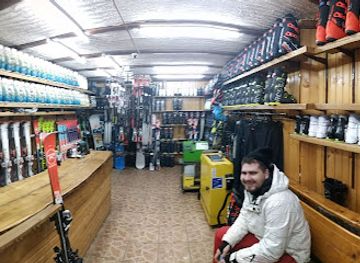
Clothing store
Прокат лиж ROSSIGNOL SKI ski service
Experience premier ski and snowboard rental services at ROSSIGNOL SKI in Slavs'ke, where adventure meets quality equipment in the breathtaking Carpathians.
-
Grocery store
Hostynnyy Dvir
Explore Hostynnyy Dvir in Slavs'ke for a unique grocery shopping experience filled with local flavors and friendly service.
-
Coffee shop
COFFE IN
Experience the cozy charm of COFFE IN in Slavs'ke, where exceptional brews and a warm atmosphere await every visitor.
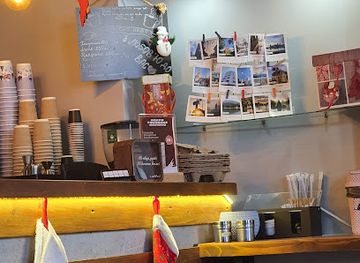
Get your free copy of our complete guide to Slavske, delivered straight to you.
Everything on this page, from attractions and restaurants to essentials and local phrases, in one PDF you can read offline, print or share.
Already have an account? Sign in
Your Slavske guide is ready.
We'll send it to · Not you? Sign out

Getting your guide ready…
We are putting together a fresh copy of the Slavske guide. This can take up to a minute.
This can take a few moments. If your browser asks, choose Allow so the download can start. You'll find the guide in your Downloads folder.
Nothing happened? Download it again
Sorry, the guide is taking longer than usual. Please try again in a minute, or get it by email instead.
Slavske essentials
Currency and Payment
Safety
Emergency Situations
Do's and Don'ts
Local Tips
From Eve
Local phrases worth knowing
You don't need to get them perfect. A few words go a long way, and locals appreciate the effort.
Basics
| English | Local | Say it |
|---|---|---|
| Hello | Привіт | [Privit] |
| Goodbye | До побачення | [Do pobachennya] |
| Yes | Так | [Tak] |
| No | Ні | [Ni] |
| Please/You're welcome | Будь ласка | [Bud laska] |
| Thank you | Дякую | [Dyakuyu] |
| Excuse me/Sorry | Вибачте | [Vybachte] |
| How are you? | Як справи? | [Yak spravy?] |
| Fine. And you? | Добре. А ви? | [Dobre. A vy?] |
| Do you speak English? | Ви говорите англійською? | [Vy hovoryte anhliyskoyu?] |
| I don't understand | Я не розумію | [Ya ne rozumiyu] |
Eating & Drinking
| English | Local | Say it |
|---|---|---|
| I'd like to see the menu, please | Я б хотів подивитися меню, будь ласка | [Ya b khotiv podivytytsya menyoo, bud laska] |
| I don't eat meat | Я не їм м'ясо | [Ya ne yim m'yaso] |
| Cheers! | Будьмо! | [Budmo] |
| I would like to pay, please | Я б хотів сплатити, будь ласка | [Ya b khotiv splatyty, bud laska] |
Emergencies
| English | Local | Say it |
|---|---|---|
| Help! | Допоможіть! | [Dopomozhit!] |
| Go away! | Іди геть! | [Idy het!] |
| Call the Police! | Викличте поліцію! | [Vyklychte politsiyu!] |
| Call a doctor! | Викличте лікаря! | [Vyklychte likarya!] |
| I'm lost | Я загубився | [Ya zahubyvsya] |
| I'm ill | Я хворий | [Ya khvoryy] |
Shopping
| English | Local | Say it |
|---|---|---|
| I'd like to buy... | Я б хотів купити... | [Ya b khotiv kupity...] |
| I'm just looking | Я просто дивлюсь | [Ya prosto divlyus] |
| How much is it? | Скільки це коштує? | [Skilky tse koshtuye?] |
| That's too expensive | Це занадто дорого | [Tse zanadto doroho] |
| Can you lower the price? | Чи можете ви знизити ціну? | [Chy mozhete vy znyzyty tsinu?] |
Time & Numbers
| English | Local | Say it |
|---|---|---|
| What time is it? | Котра година? | [Kotra hodyna?] |
| It's one o'clock | Одинадцята | [Odynadtsyata] |
| Half past (10) | Пів на одинадцяту | [Piv na odynadtsyatu] |
| Morning | Ранок | [Ranok] |
| Afternoon | День | [Den] |
| Evening | Вечір | [Vechir] |
| Yesterday | Вчора | [Vchora] |
| Today | Сьогодні | [Sohodni] |
| Tomorrow | Завтра | [Zavtra] |
| 1 | один | [odyn] |
| 2 | два | [dva] |
| 3 | три | [try] |
| 4 | чотири | [chotyry] |
| 5 | п'ять | [pyat] |
| 6 | шість | [shist] |
| 7 | сім | [sim] |
| 8 | вісім | [visim] |
| 9 | дев'ять | [devyat] |
| 10 | десять | [desyat] |
Transport & Directions
| English | Local | Say it |
|---|---|---|
| Where's a/the...? | Де є...? | [De ye...?] |
| What's the address? | Яка адреса? | [Yaka adresa?] |
| Can you show me (on the map)? | Можете показати мені (на карті)? | [Mozhete pokazaty meni (na karti)?] |
| When's the next (bus)? | Коли наступний (автобус)? | [Koly nastupnyy (avtobus)?] |
| A ticket (to ....) | Квиток (до ....) | [Kvytok (do ....)] |
History of Slavske
A Carpathian Valley Settlement
Slavske developed as a mountain settlement in a region historically inhabited by Ukrainian highland communities and shaped by pastoral farming, forestry and small-scale agriculture. The surrounding valleys connected villages across the Skole Beskids, while the mountains provided summer grazing, timber and routes between settlements. Local religious buildings and traditional rural architecture preserve elements of the area's long Ukrainian cultural identity, although the settlement has been substantially changed by tourism and modern construction.
Railway and Regional Connection
The arrival of the railway through the Opir valley in the late nineteenth century transformed Slavske's relationship with the outside world. The line linking Lviv with the Carpathian passes made the settlement more accessible for trade, administration and travel, and reduced its earlier isolation. Railway access later became one of the foundations of Slavske's tourism economy, allowing visitors to reach a mountain resort without relying entirely on private road transport.
The Rise of Mountain Tourism
Slavske began to acquire a wider reputation as a holiday and winter-sports destination during the twentieth century. Organised skiing, seasonal accommodation and improvements to mountain access gradually supplemented the older rural economy. Development accelerated during the Soviet period, when Carpathian resorts were incorporated into a broader network of domestic recreation. The result was a settlement with a mixture of village traditions, purpose-built tourism facilities and dispersed accommodation on the surrounding slopes.
Modern Resort and Protected Landscapes
Since Ukrainian independence, Slavske has continued to develop as a year-round mountain base, with private guesthouses, cottages, restaurants and ski facilities serving visitors from across the country. Tourism also exists alongside conservation in the wider Skole Beskids, where forests, river valleys and mountain habitats are managed as part of protected natural areas, including the Skole Beskids National Nature Park. Contemporary development has brought investment and employment, but also makes responsible construction, waste management and respect for fragile mountain environments important regional concerns.
Slavske in Photos
Browse through our photo collection highlighting the charm and character of the destination.
Neighbouring destination travel guides
The closest destinations to Slavske, if you have time for more than one.
-

-
-

-
-


Swipe for more destinations
Explore more

Explore more of Transcarpathia
Discover the untouched beauty and rich cultural tapestry of Transcarpathia, a hidden gem in Ukraine, perfect for nature lovers, history enthusiasts, and wellness seekers.
Explore Transcarpathia
Explore more of Ukraine
Explore Ukraine: From Kyiv's golden domes to the Carpathian Mountains, discover a country rich in history, culture, and natural beauty in the heart of Eastern Europe.
Explore Ukraine