

Free Transcarpathia Travel Guide & Mobile App
Explore Transcarpathia with free travel guides. Discover regional history, expert tips, proposed trips, and audio guides on web or mobile app.


Explore Transcarpathia in western Ukraine for Carpathian landscapes, borderland towns, castles, thermal waters, forests and distinctive local cuisine.
Read more about Transcarpathia
When is the best time to visit Transcarpathia?
Best: June–August · 24–26°C| Month | High (°C) | Rainfall (mm) |
|---|---|---|
| January | 3 | 40 |
| February | 4 | 35 |
| March | 9 | 45 |
| April | 15 | 50 |
| May | 20 | 60 |
| June (best) | 24 | 80 |
| July (best) | 26 | 90 |
| August (best) | 25 | 80 |
| September | 21 | 70 |
| October | 15 | 60 |
| November | 8 | 50 |
| December | 3 | 40 |
Getting to and around Transcarpathia
How to get there
Transportation
Top city travel guides in Transcarpathia
The cities of Transcarpathia, and the easiest places to base yourself.
-

-

-


Swipe for more cities
Destinations in Transcarpathia
Resorts, valleys and scenic spots worth a trip of their own.
-

-

-

-
-

-


Swipe for more destinations
Best attractions in Transcarpathia
Transcarpathia’s attractions range from compact historic towns to broad mountain landscapes. Uzhhorod combines its castle, historic centre, riverside walks and open-air folk architecture museum, while Mukachevo is anchored by Palanok Castle and nearby religious and civic heritage. Berehove and surrounding settlements offer thermal bathing, wine-growing traditions and a strong Hungarian cultural presence. In the highlands, Synevyr National Park provides access to Lake Synevyr, forest trails, mountain viewpoints and wildlife habitats, while Kolochava presents museums and buildings associated with village, pastoral and railway life. Pylypets is a base for the Shypit waterfall and surrounding walks, and the upper Tysa valleys around Rakhiv lead towards some of Ukraine’s highest and most rugged Carpathian terrain. Outdoor activities vary by season and include hiking, cycling, fishing where permitted and winter sports in established mountain resorts. The region’s attraction landscape is defined by contrasts: lowland vineyards and thermal waters give way to spruce forests, wooden churches, traditional farmsteads and high ridges within a relatively compact western Ukrainian territory.
-
Ski resort
Bukovel
Experience the magic of Bukovel, Ukraine's premier ski resort, where adventure meets relaxation in the heart of the Carpathian Mountains.
-
Tourist attraction
Waterfall Probiy
Discover the breathtaking beauty of Waterfall Probiy in Yaremche, a must-visit natural attraction in Ukraine's Carpathian Mountains.
-
Castle
Palanok Castle
Explore Palanok Castle in Mukachevo, a majestic fortress that combines stunning views with rich history and cultural experiences.
-
Tourist attraction
Waterfall "Shypit"
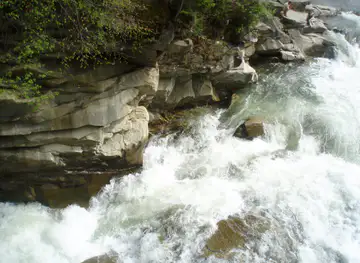
Experience the beauty of Waterfall Shypit, a stunning natural attraction in Zakarpattia Oblast, perfect for nature lovers and adventure seekers.


Best landmarks in Transcarpathia
Palanok Castle in Mukachevo is Transcarpathia’s most recognisable architectural landmark, occupying a volcanic hill above the town and illustrating the strategic importance of the Latorca valley. Uzhhorod Castle, with its old defensive walls and historic complex, anchors the regional capital’s long connection with the Kingdom of Hungary and later Central European administrations. Uzhhorod’s Greek Catholic Cathedral and adjacent historic streets reflect the city’s layered religious and civic history, while its open-air folk architecture museum preserves examples of vernacular buildings from across the region. Lake Synevyr is the best-known natural landmark of the Carpathian interior, surrounded by wooded slopes within the national park. In the eastern mountains, the upper Tysa landscape around Rakhiv is marked by high ridges, narrow valleys and traditional settlements. Wooden churches and bell towers scattered through Transcarpathia are equally important, although individual buildings may have restricted access or require local guidance. Together these landmarks show the region’s frontier history, mountain environment and cultural diversity.
-
Tourist attraction
Waterfall Probiy
Experience the breathtaking beauty of Waterfall Probiy in Yaremche, a natural wonder that offers adventure, tranquility, and stunning landscapes.
-
Castle
Uzhhorod Сastle, Transcarpathian Museum of Regional History named after Tyvodar Lehotsky
Discover Uzhhorod Castle, a beautiful historical fortress and museum that reveals the rich cultural heritage of Transcarpathia.
-
Tourist attraction
Upside Down House
Explore the enchanting Upside Down House in Polyanytsya, a whimsical tourist attraction that flips your perspective and offers a fun-filled experience.
-
Castle
Shenborn Palace
Explore the timeless beauty and history of Shenborn Palace in Zakarpattia Oblast, where majestic architecture meets serene nature.


Explore Transcarpathia on the map
Plan your trip on one map. See where the top cities, national parks and sights are, and book hotels and experiences in a few clicks.
Best hotels in Transcarpathia
Best restaurants in Transcarpathia
Transcarpathian cooking reflects the region’s position between Ukraine and Central Europe. In Uzhhorod and Mukachevo, restaurants and cafés may serve Ukrainian favourites alongside Hungarian-influenced dishes such as bograch, a richly flavoured goulash-style stew, and preparations associated with the region’s mixed culinary heritage. Mountain areas are known for banosh, a cornmeal dish traditionally served with dairy products, mushrooms or smoked ingredients, as well as sheep’s cheese, trout, forest berries, honey and preserved vegetables. Rural inns and family-run kitchens often provide hearty soups, grilled meats, potato dishes and homemade pastries, while urban restaurants offer more contemporary interpretations. Around Berehove and Vynohradiv, local wine and grape-growing traditions add a southern lowland dimension, though production and tasting arrangements vary. Markets are useful for sampling seasonal fruit, nuts, cheeses and smoked foods, but visitors should choose clean, reputable vendors and clarify prices before buying.
-
Restaurant
Krasna sadyba
Discover authentic Ukrainian flavors at Krasna Sadyba in Yaremche—where traditional dishes meet warm hospitality amidst breathtaking scenery.
-
Restaurant
Bograch
Experience authentic Zakarpattia cuisine at Bograch in Mukachevo – a culinary haven for food lovers seeking Ukrainian traditions.
-
Restaurant
Detsa u Notarya
Discover authentic Ukrainian cuisine at Detsa u Notarya in Uzhhorod – where tradition meets flavor in an inviting atmosphere.
-
Restaurant
Golden Trout
Discover authentic Ukrainian flavors at Golden Trout in Korostiv - a must-visit culinary destination in Lviv Oblast.


Best bars in Transcarpathia
Evening life in Transcarpathia is concentrated in Uzhhorod and Mukachevo, where cafés, beer halls, wine bars and restaurants remain the main social settings. Uzhhorod’s compact centre supports a relaxed café culture, while Mukachevo combines dining with occasional live music and late-evening venues. Berehove has a smaller scene shaped by restaurants, wine cellars and Hungarian-influenced local culture rather than large clubs. In mountain settlements, evenings generally revolve around guesthouse dining, village pubs, hotel bars and seasonal entertainment, with limited late-night transport. Nightlife arrangements can change because of national security conditions, curfews and local restrictions, so visitors should check current rules and return to accommodation in good time. Craft beer, regional wines and non-alcoholic drinks are available, and enjoying the evening does not require drinking alcohol.
-
Restaurant
Voevodyno Resort
Experience the perfect blend of relaxation and adventure at Voevodyno Resort in the stunning Zakarpattia Oblast of Ukraine.
-
Brewpub
Pub House
Discover the finest craft beers and delicious pub cuisine at Pub House, Uzhhorod's premier brewpub destination.
-
Brewpub
Ungweiser
Experience the best of Uzhhorod at Ungweiser, where local craft beers and gourmet cuisine come together in a lively brewpub atmosphere.
-
Irish pub
Barry Barr's Irish Pub&Bar
Discover the lively atmosphere and delicious cuisine at Barry Barr's Irish Pub, a top destination for tourists seeking a taste of Ireland in Mukachevo.


Best nightclubs in Transcarpathia
Evening life in Transcarpathia is concentrated in Uzhhorod and Mukachevo, where cafés, beer halls, wine bars and restaurants remain the main social settings. Uzhhorod’s compact centre supports a relaxed café culture, while Mukachevo combines dining with occasional live music and late-evening venues. Berehove has a smaller scene shaped by restaurants, wine cellars and Hungarian-influenced local culture rather than large clubs. In mountain settlements, evenings generally revolve around guesthouse dining, village pubs, hotel bars and seasonal entertainment, with limited late-night transport. Nightlife arrangements can change because of national security conditions, curfews and local restrictions, so visitors should check current rules and return to accommodation in good time. Craft beer, regional wines and non-alcoholic drinks are available, and enjoying the evening does not require drinking alcohol.
-
 Hotel
Hotel Vezha Vedmezha
Experience the enchanting beauty and unique charm of Hotel Vezha Vedmezha, a perfect blend of comfort and adventure in Lviv Oblast.
-
Night club
A priori
Discover Uzhhorod's vibrant nightlife at A Priori, where exquisite cocktails, lively music, and a warm atmosphere converge for an unforgettable experience.
-
Hotel
Eko-Hotel Slovyanka
Discover Eko-Hotel Slovyanka: A unique blend of relaxation, local cuisine, and vibrant nightlife in the heart of Slavs'ke.
-
Karaoke bar
Drova
Discover the vibrant nightlife of Drova in Bukovel, where karaoke and disco unite for an unforgettable experience in the heart of Ukraine.


Best shops in Transcarpathia
Shopping in Transcarpathia is strongest in traditional market towns and the historic centres of Uzhhorod and Mukachevo rather than in large retail districts. Visitors can look for local honey, herbal products, preserves, smoked foods, cheeses, wine and fruit products, particularly in the lowland areas around Berehove and Vynohradiv. Mountain communities offer woollen goods, carved wooden objects, woven textiles and small-scale dairy products, although quality and provenance vary, so buying from established shops or clearly identified producers is advisable. Uzhhorod has the broadest selection of bookshops, galleries, speciality food stores and contemporary independent retailers, while Mukachevo combines everyday shopping with craft and souvenir outlets near its historic centre. Markets are useful for seasonal produce and a glimpse of local commerce, but prices may be negotiable only for some goods and not for standard shop purchases. Avoid buying protected natural materials or antiquities whose legal export status is unclear.
-
Shopping mall
Dastor
Explore Dastor, Uzhhorod's vibrant shopping mall, where local culture meets modern retail and dining experiences.
-
Coffee shop
Lviv handmade chocolate
Experience the rich flavors of Lviv with handcrafted chocolates and a cozy atmosphere at Lviv Handmade Chocolate in Truskavets.
-
Museum
Museum "Old Village"
Explore the rich cultural heritage at Museum 'Old Village' in Kolochava, a captivating open-air museum showcasing traditional Ukrainian life.
-
National park
Uzhanskyi National Park
Explore the enchanting landscapes and diverse wildlife of Uzhanskyi National Park, a true nature lover's paradise in Ukraine.


Get your free copy of our complete guide to Transcarpathia, delivered straight to you.
Everything on this page, from attractions and restaurants to essentials and local phrases, in one PDF you can read offline, print or share.
Already have an account? Sign in
Your Transcarpathia guide is ready.
We'll send it to · Not you? Sign out

Getting your guide ready…
We are putting together a fresh copy of the Transcarpathia guide. This can take up to a minute.
This can take a few moments. If your browser asks, choose Allow so the download can start. You'll find the guide in your Downloads folder.
Nothing happened? Download it again
Sorry, the guide is taking longer than usual. Please try again in a minute, or get it by email instead.
Transcarpathia essentials
Currency and Payment
Safety
Emergency Situations
Do's and Don'ts
Local Tips
From Eve
Local phrases worth knowing
You don't need to get them perfect. A few words go a long way, and locals appreciate the effort.
Basics
| English | Local | Say it |
|---|---|---|
| Hello | Привіт | [Pryvit] |
| Goodbye | До побачення | [Do pobachennya] |
| Yes | Так | [Tak] |
| No | Ні | [Ni] |
| Please/You're welcome | Будь ласка | [Bud' laska] |
| Thank you | Дякую | [Dyakuyu] |
| Excuse me/Sorry | Вибачте | [Vybachte] |
| How are you? | Як справи? | [Yak spravy?] |
| Fine. And you? | Добре. А ти? | [Dobre. A ty?] |
| Do you speak English? | Ви говорите англійською? | [Vy hovoryte anhliys'koyu?] |
| I don't understand | Я не розумію | [Ya ne rozumiyu] |
Eating & Drinking
| English | Local | Say it |
|---|---|---|
| I'd like to see the menu, please | Я хотів би побачити меню, будь ласка | [Ya khotiv by pobachyty menyu, bud' laska] |
| I don't eat meat | Я не їм м'ясо | [Ya ne yim m'yaso] |
| Cheers! | На здоров'я! | [Na zdorov'ya!] |
| I would like to pay, please | Я хотів би заплатити, будь ласка | [Ya khotiv by zaplatyty, bud' laska] |
Emergencies
| English | Local | Say it |
|---|---|---|
| Help! | Допоможіть! | [Dopomozhit'!] |
| Go away! | Ідіть геть! | [Idit' het'] |
| Call the Police! | Викликайте поліцію! | [Vyklykayte politsiyu!] |
| Call a doctor! | Викликайте лікаря! | [Vyklykayte likarya!] |
| I'm lost | Я загубився | [Ya zahubyvsya] |
| I'm ill | Я хворий | [Ya khvoryy] |
Shopping
| English | Local | Say it |
|---|---|---|
| I'd like to buy... | Я хотів би купити... | [Ya khotiv by kupyty...] |
| I'm just looking | Я просто дивлюсь | [Ya prosto dyvlus'] |
| How much is it? | Скільки це коштує? | [Skil'ky tse koshtuye?] |
| That's too expensive | Це занадто дорого | [Tse zanahto doroho] |
| Can you lower the price? | Можете знизити ціну? | [Mozhete znyzyty tsinu?] |
Time & Numbers
| English | Local | Say it |
|---|---|---|
| What time is it? | Котра година? | [Kotra hodyna?] |
| It's one o'clock | Одна година | [Odna hodyna] |
| Half past (10) | Пів на (10) | [Piv na (10)] |
| Morning | Ранок | [Ranok] |
| Afternoon | Пополудні | [Popoludni] |
| Evening | Вечір | [Vechir] |
| Yesterday | Вчора | [Vchora] |
| Today | Сьогодні | [S'ohodni] |
| Tomorrow | Завтра | [Zavtra] |
| 1 | Один | [Odyn] |
| 2 | Два | [Dva] |
| 3 | Три | [Try] |
| 4 | Чотири | [Chotyry] |
| 5 | П'ять | [P'yat'] |
| 6 | Шість | [Shist'] |
| 7 | Сім | [Sim] |
| 8 | Вісім | [Visim] |
| 9 | Дев'ять | [Devyat'] |
| 10 | Десять | [Desyat'] |
Transport & Directions
| English | Local | Say it |
|---|---|---|
| Where's a/the...? | Де є...? | [De ye...?] |
| What's the address? | Яка адреса? | [Yaka adresa?] |
| Can you show me (on the map)? | Можете показати мені (на карті)? | [Mozhete pokazaty meni (na karti)?] |
| When's the next (bus)? | Коли наступний (автобус)? | [Koly nastupnyy (avtobus)?] |
| A ticket (to ....) | Квиток (до ....) | [Kvytok (do ....)] |
History of Transcarpathia
Early Carpathian Settlement
Archaeological evidence shows long-standing human settlement in the valleys and foothills of present-day Transcarpathia, supported by fertile lowlands, forests, salt and routes across the Carpathians. The region was influenced by successive populations and political powers rather than forming a single uninterrupted state. Roman-era networks affected the wider Carpathian and Tisza basin, while later Slavic settlement contributed to the cultural foundations of the communities now associated with Ukrainians and Rusyns.
Medieval Hungary and the Border Castles
From the medieval period, much of Transcarpathia was linked to the Kingdom of Hungary. Fortified sites controlled approaches through the valleys and protected trade routes, with Mukachevo’s Palanok Castle becoming the most prominent surviving example. Towns developed around estates, markets, churches and mountain resources, while the region’s location made it a frontier zone where political authority, languages and religious traditions overlapped.
The Reformation Era and Transylvania’s Influence
During the sixteenth and seventeenth centuries, the area was affected by the division of the Hungarian lands between the Habsburgs, the Ottoman sphere and the Principality of Transylvania. Mukachevo and its castle were involved in the struggles of powerful regional rulers, including the Rákóczi family. These conflicts reinforced the importance of fortifications and left a political legacy that remains visible in the region’s castles, churches and historical memory.
Habsburg Rule and Rusyn Religious Life
After the Ottoman wars, Transcarpathia came increasingly under Habsburg control within the Kingdom of Hungary. Greek Catholic institutions became important centres of religious and educational life for the region’s East Slavic-speaking population, while Roman Catholic, Reformed Jewish and Orthodox communities also contributed to local society. Administration, trade and migration strengthened links with Hungarian towns, and the nineteenth century brought new roads, railways, markets and commercial agriculture.
Subcarpathian Rus within Czechoslovakia
Following the First World War and the dissolution of Austria-Hungary, Transcarpathia became Subcarpathian Rus, an autonomous territory of Czechoslovakia, although the promised autonomy developed gradually and remained politically contested. The interwar period brought new administrative buildings, schools, roads and transport connections, especially in Uzhhorod and Mukachevo. It also encouraged debates over Rusyn, Ukrainian and regional identity that continued through later changes of sovereignty.
War, Border Changes and the Second World War
In 1938 and 1939 the territory experienced rapid political change: a short-lived autonomous Carpatho-Ukraine was followed by Hungarian control. The Second World War brought persecution, deportation and the destruction of much of the region’s Jewish population, alongside military occupation and severe social disruption. These events form an essential part of the history of towns such as Uzhhorod, Mukachevo, Berehove and Khust.
Soviet Zakarpattia and Contemporary Ukraine
The Soviet Union incorporated Transcarpathia into the Ukrainian Soviet Socialist Republic after the Second World War. Collectivisation, industrial development and state-controlled forestry changed rural life, while border restrictions limited the region’s traditional links with neighbouring Central European communities. Since Ukraine became independent in 1991, Transcarpathia has retained its multilingual and cross-border character. Its location has also made it an important western gateway during the ongoing war in Ukraine.
Transcarpathia in Photos
Browse through our photo collection highlighting the charm and character of the destination.
Neighbouring regions of Transcarpathia
The closest regions to Transcarpathia, if you have time for more than one.
-

-
-

-

-


Swipe for more regions
Explore more

Explore more of Ukraine
Explore Ukraine: From Kyiv's golden domes to the Carpathian Mountains, discover a country rich in history, culture, and natural beauty in the heart of Eastern Europe.
Explore Ukraine