

Tysovets Travel Guide - Free Web & App
Your ultimate guide to Tysovets. Discover top landmarks, proposed trips, and local tips. Free on the web or via the Evendo companion app.


Tysovets, Ukraine offers Carpathian skiing, cross-country trails, forested Beskid landscapes and access to Slavske and Skole's mountain heritage.
Mountain Setting
Tysovets is a compact mountain destination in western Ukraine, set in the forested Skole Beskids of the Ukrainian Carpathians. Rather than a conventional resort town, it is best understood as a highland sports base and dispersed outdoor area, reached through the wider network of villages and roads around Slavske and Skole in Lviv Oblast. Spruce and beech woodland cover the surrounding slopes, while open ridges and upland clearings provide space for winter training and summer walks. Snow, fog and rapidly changing mountain weather give the area a distinctly alpine atmosphere, although its facilities and settlement pattern remain modest.Read more about Tysovets
Sport and Seasonal Character
Exploring the Area
When is the best time to visit Tysovets?
Best: June–August · 24–26°C| Month | High (°C) | Rainfall (mm) |
|---|---|---|
| January | 0 | 32 |
| February | 1 | 27 |
| March | 5 | 29 |
| April | 12 | 36 |
| May | 20 | 43 |
| June (best) | 24 | 64 |
| July (best) | 26 | 70 |
| August (best) | 25 | 61 |
| September | 19 | 51 |
| October | 12 | 43 |
| November | 6 | 36 |
| December | 2 | 32 |
Getting to and around Tysovets
How to get there
Transportation
Best attractions in Tysovets
-
Tourist attraction
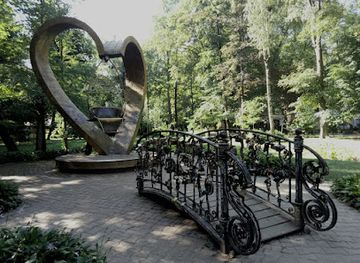
Shevchenko Park
Discover the beauty and tranquility of Shevchenko Park, the serene oasis in Chernivtsi perfect for relaxation and exploration.
-
Tourist attraction
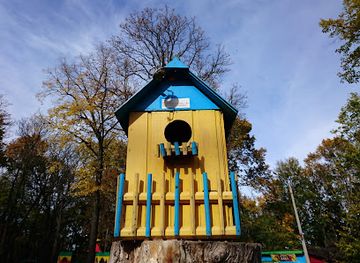
Yuriy Fedkovych Park
Experience the serene beauty of Yuriy Fedkovych Park, a lush green oasis in Chernivtsi, perfect for relaxation and cultural events.
-
Arboretum
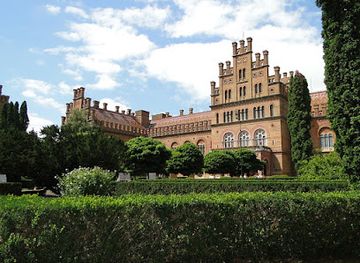
Chernivtsi Arboretum
Explore the serene Chernivtsi Arboretum, a lush paradise filled with diverse flora and tranquil pathways perfect for relaxation and exploration.
Explore Tysovets on the map
Plan your trip on one map. See where the top attractions, landmarks, restaurants and hotels are, and book hotels and experiences in a few clicks.
Best hotels in Tysovets
Get your free copy of our complete guide to Tysovets, delivered straight to you.
Everything on this page, from attractions and restaurants to essentials and local phrases, in one PDF you can read offline, print or share.
Already have an account? Sign in
Your Tysovets guide is ready.
We'll send it to · Not you? Sign out

Getting your guide ready…
We are putting together a fresh copy of the Tysovets guide. This can take up to a minute.
This can take a few moments. If your browser asks, choose Allow so the download can start. You'll find the guide in your Downloads folder.
Nothing happened? Download it again
Sorry, the guide is taking longer than usual. Please try again in a minute, or get it by email instead.
Tysovets essentials
Currency and Payment
Safety
Emergency Situations
Do's and Don'ts
Local Tips
From Eve
Local phrases worth knowing
You don't need to get them perfect. A few words go a long way, and locals appreciate the effort.
Basics
| English | Local | Say it |
|---|---|---|
| Hello | Привіт | [Pryvit] |
| Goodbye | До побачення | [Do pobachennya] |
| Yes | Так | [Tak] |
| No | Ні | [Ni] |
| Please/You're welcome | Будь ласка | [Budʲ laska] |
| Thank you | Дякую | [Dyakuyu] |
| Excuse me/Sorry | Вибачте | [Vybachte] |
| How are you? | Як справи? | [Yak spravy?] |
| Fine. And you? | Добре. А ви? | [Dobre. A vy?] |
| Do you speak English? | Ви розмовляєте англійською? | [Vy rozmovlyayete anhliysʲkoyu?] |
| I don't understand | Я не розумію | [Ya ne rozumiyu] |
Eating & Drinking
| English | Local | Say it |
|---|---|---|
| I'd like to see the menu, please | Я би хотів подивитися меню, будь ласка | [Ya bi hotiv podyvytysya menyoo, budʲ laska] |
| I don't eat meat | Я не їм м'ясо | [Ya ne yim m'yaso] |
| Cheers! | Ура! | [Ura!] |
| I would like to pay, please | Я би хотів заплатити, будь ласка | [Ya bi hotiv zaplatyty, budʲ laska] |
Emergencies
| English | Local | Say it |
|---|---|---|
| Help! | Допоможіть! | [Dopomozhitʲ!] |
| Go away! | Іди геть! | [Idy hetʲ!] |
| Call the Police! | Викличте поліцію! | [Vyklіchte polіt︢sіyoo!] |
| Call a doctor! | Викличте лікаря! | [Vyklіchte lіkaryа!] |
| I'm lost | Я загубився | [Ya zahubyvsya] |
| I'm ill | Я хворий | [Ya khvoryy] |
Shopping
| English | Local | Say it |
|---|---|---|
| I'd like to buy... | Я би хотів купити... | [Ya bi hotiv kupity...] |
| I'm just looking | Я просто дивлюся | [Ya prosto dyvlyusya] |
| How much is it? | Скільки це коштує? | [Skilʲky tse koshtuye?] |
| That's too expensive | Це занадто дорого | [Tse zanadto doroho] |
| Can you lower the price? | Чи можете ви знизити ціну? | [Chy mozhete vy znyzyty tsinu?] |
Time & Numbers
| English | Local | Say it |
|---|---|---|
| What time is it? | Котра година? | [Kotra hodyna?] |
| It's one o'clock | Одинадцята година | [Odynadtsyata hodyna] |
| Half past (10) | Пів на одинадцяту | [Piv na odynadtsyatu] |
| Morning | Ранок | [Ranok] |
| Afternoon | День | [Denʲ] |
| Evening | Вечір | [Vechir] |
| Yesterday | Вчора | [Vchora] |
| Today | Сьогодні | [Sʲohodni] |
| Tomorrow | Завтра | [Zavtra] |
| 1 | один | [odyn] |
| 2 | два | [dva] |
| 3 | три | [try] |
| 4 | чотири | [chotyry] |
| 5 | п'ять | [p'yatʲ] |
| 6 | шість | [shistʲ] |
| 7 | сім | [sim] |
| 8 | вісім | [visim] |
| 9 | дев'ять | [dev'yatʲ] |
| 10 | десять | [desyatʲ] |
Transport & Directions
| English | Local | Say it |
|---|---|---|
| Where's a/the...? | Де є... | [De ye...] |
| What's the address? | Яка адреса? | [Yaka adresa?] |
| Can you show me (on the map)? | Чи можете ви показати мені (на карті)? | [Chy mozhete vy pokazaty meni (na karti)?] |
| When's the next (bus)? | Коли наступний (автобус)? | [Koly nastupnyy (avtobus)?] |
| A ticket (to ....) | Квиток (до ....) | [Kvytok (do ....)] |
History of Tysovets
The Beskid Mountain Landscape
Tysovets lies within the Skole Beskids, a section of the Ukrainian Carpathians shaped by long geological processes rather than by a single dramatic summit. Forested ridges, stream valleys and upland clearings have influenced how people moved, farmed and used the area for centuries. The Beskids formed part of the historic Carpathian borderland, where mountain communities adapted to difficult terrain through mixed farming, forestry, seasonal grazing and small-scale trade. This relationship between settlement and woodland remains visible in the dispersed character of the surrounding area.
Carpathian Communities and Borderlands
The wider region around Tysovets has been inhabited by Ruthenian, later Ukrainian, mountain communities whose culture developed alongside neighbouring Polish, Jewish and other Central European populations. Villages in the Skole area were connected by forest routes and valleys, while timber and pastoral resources supported local economies. Over time, the territory passed through different political administrations, including the Habsburg monarchy and interwar Poland, before becoming part of Soviet Ukraine after the Second World War. The region's wooden churches, vernacular buildings, food traditions and patterns of settlement reflect this layered Carpathian history.
A Soviet-Era Sports Base
Tysovets acquired its modern identity during the Soviet period, when the remote mountain setting was developed for organised winter-sports training. The base became associated with cross-country skiing, biathlon and related Nordic disciplines, benefiting from snow conditions, forest routes and an environment suited to endurance training. Its purpose was different from that of a commercial resort: sporting preparation and institutional use shaped the facilities and the surrounding landscape. The legacy of that period still defines Tysovets more strongly than hotels, retail streets or a large permanent village.
Sport, Tourism and Conservation
Since the end of the Soviet era, Tysovets has been used by athletes, outdoor visitors and winter-sports enthusiasts, while nearby Slavske has developed as the area's more recognisable tourism centre. Access and facilities have changed over time, and visitors should not assume that older descriptions reflect current operating arrangements. The wider Skole Beskids are also valued for forests, waterways and biodiversity, with protected landscapes nearby requiring responsible recreation. Today, Tysovets is best understood as part of a regional transition from institutional mountain training towards a broader, carefully managed outdoor tourism economy.
Tysovets in Photos
Browse through our photo collection highlighting the charm and character of the destination.
Neighbouring destination travel guides
The closest destinations to Tysovets, if you have time for more than one.
-

-

-

-
-


Swipe for more destinations
Explore more

Explore more of Transcarpathia
Discover the untouched beauty and rich cultural tapestry of Transcarpathia, a hidden gem in Ukraine, perfect for nature lovers, history enthusiasts, and wellness seekers.
Explore Transcarpathia
Explore more of Ukraine
Explore Ukraine: From Kyiv's golden domes to the Carpathian Mountains, discover a country rich in history, culture, and natural beauty in the heart of Eastern Europe.
Explore Ukraine