

Pylypets Travel Guide - Free Web & App
Your ultimate guide to Pylypets. Discover top landmarks, proposed trips, and local tips. Free on the web or via the Evendo companion app.


Pylypets, Ukraine offers Carpathian hiking, Shypit Waterfall, Borzhava Ridge scenery, winter skiing, village stays and traditional Zakarpattian culture.
Mountain Landscapes
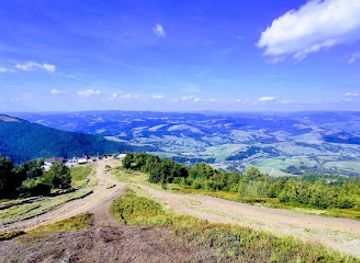
Pylypets is a small mountain village in Zakarpattia Oblast, western Ukraine, set among the forested slopes and open uplands of the Carpathians. It is best known as a gateway to the Borzhava mountain range, where rounded ridges, broad meadows and elevated viewpoints create a landscape that changes markedly with the seasons. The village lies close to Podobovets and is commonly approached through the Volovets area, making it a useful base for exploring the surrounding highlands rather than a self-contained urban destination.Read more about Pylypets
Waterfalls and Outdoor Life
Village Character and Regional Culture
When is the best time to visit Pylypets?
Best: June–August · 22–25°C| Month | High (°C) | Rainfall (mm) |
|---|---|---|
| January | -2 | 31 |
| February | 0 | 28 |
| March | 4 | 28 |
| April | 10 | 38 |
| May | 17 | 50 |
| June (best) | 22 | 64 |
| July (best) | 25 | 69 |
| August (best) | 24 | 64 |
| September | 19 | 53 |
| October | 11 | 49 |
| November | 4 | 39 |
| December | 1 | 36 |
Getting to and around Pylypets
How to get there
Transportation
Best attractions in Pylypets
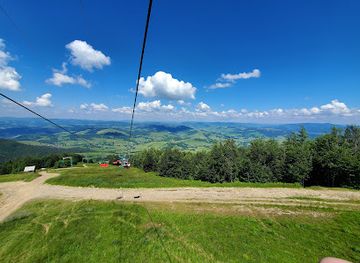
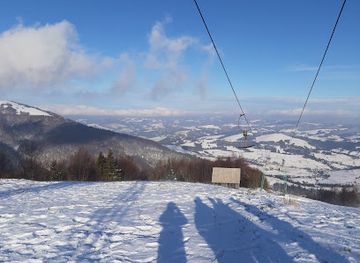
Shypit Waterfall is Pylypets's defining attraction, reached through woodland where the stream drops over layered rocks in a series of cascades. Above the village, Mount Gemba rises towards the Borzhava ridge, offering access to open polonyny and broad views across the Carpathian uplands when visibility is good. Hiking routes connect the area with neighbouring Podobovets and other mountain settlements, although route conditions vary with weather and season. In winter, the slopes around Pylypets are associated with skiing and other snow-based recreation, while the warmer months favour walking, landscape photography and quiet exploration of the high pastures. The village itself offers a rural setting of guesthouses, mountain roads and traditional surroundings rather than a concentrated town centre. Nearby Volovets is useful for transport and supplies, but it is a separate gateway settlement rather than an attraction within Pylypets.
-
Tourist attraction
Ski resort Pylypets
Discover the thrill of skiing at Ski Resort Pylypets, where breathtaking views and diverse slopes await you in the heart of Zakarpattia Oblast.
-
Tourist attraction
Екокурорт Izki
Experience the perfect blend of relaxation and adventure at Ekokurort Izki, a stunning resort in Zakarpattia Oblast, Ukraine.
-
Park
Hora Stiy, 1681 M
Discover the tranquil beauty of Hora Stiy Park in Zakarpattia Oblast, a serene destination for nature lovers and tourists seeking relaxation.
-
Tourist attraction
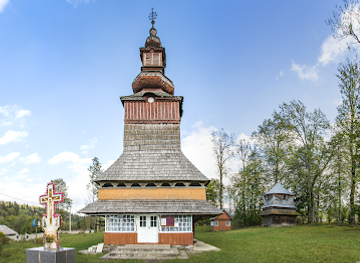
Khram Rizdva Presvyatoyi Bohorodytsi Mukachivsʹkoyi Hreko-Katolytsʹkoyi Yeparkhiyi
Discover the serene beauty of Khram Rizdva Presvyatoyi Bohorodytsi, a stunning shrine in Pylypets, nestled in the breathtaking landscapes of Zakarpattia Oblast.
Best landmarks in Pylypets
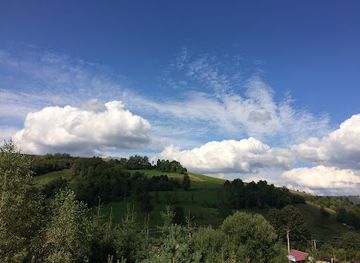
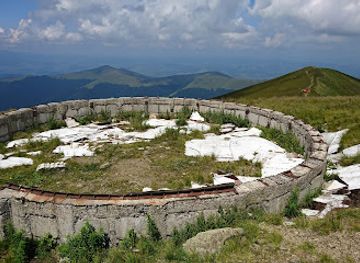
Shypit Waterfall is the best-known landmark in Pylypets, a natural feature formed where a mountain stream descends across rock ledges in a wooded ravine. The waterfall's name is often translated in connection with whispering or murmuring water, reflecting the sound of the cascades. Mount Gemba and the Borzhava ridge form the destination's wider geographic landmarks, their open summits contrasting with the forested valleys below and illustrating the characteristic division between village land, woodland and high pasture. The polonyny are cultural as well as physical landmarks, preserving the appearance of seasonal grazing landscapes shaped by Carpathian pastoral practice. Pylypets's rural homes, mountain guesthouses and nearby village roads complete a settlement landscape that is more important to its identity than monumental architecture or large historic buildings.
-
Ski resort
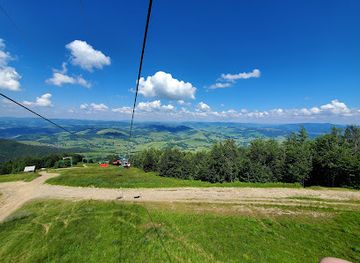
Підйомник Pylypets Sky & Bike Park
Experience the ultimate adventure at Pylypets Sky & Bike Park, where breathtaking landscapes meet thrilling outdoor activities year-round.
-
Ski resort
Ski resort Pylypets
Experience the magic of winter at Ski Resort Pylypets in Zakarpattia Oblast, Ukraine, where adventure meets breathtaking beauty in a winter paradise.
-
Hotel
Pos Pylypets
Experience the serene beauty and adventure of Pos Pylypets, a charming hotel nestled in the stunning Carpathian Mountains of Ukraine.
-
 River
RiverPylypets' River
Experience the pristine beauty and tranquility of Pylypets' River in Zakarpattia Oblast, a perfect escape for nature lovers and adventurers.
Explore Pylypets on the map
Plan your trip on one map. See where the top attractions, landmarks, restaurants and hotels are, and book hotels and experiences in a few clicks.
Best hotels in Pylypets
Best restaurants in Pylypets
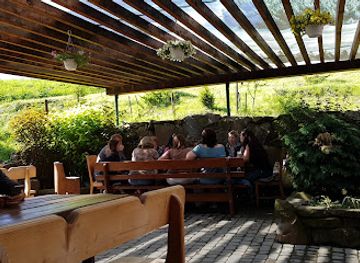
Dining in Pylypets is centred on guesthouses, seasonal mountain restaurants and informal establishments serving visitors staying in the village or using the surrounding slopes. The food reflects Zakarpattia's mixed Carpathian heritage, with hearty soups, potato dishes, grilled meats, mushrooms, cabbage-based recipes, banosh made from maize meal and bryndza cheese appearing commonly in regional cooking. Local menus may also include trout or other freshwater dishes, although availability varies and should not be assumed. For a wider choice of shops and everyday food supplies, visitors generally use Volovets or larger towns elsewhere in the oblast. Meals in rural accommodation can provide a more direct introduction to household-style cooking, but arrangements and service times are often seasonal, so guests should confirm them with hosts rather than relying on urban-style opening hours.
-
Ski resort
Екокурорт Izki
Experience the charm of Екокурорт Izki: A perfect blend of adventure and relaxation in Ukraine's stunning Zakarpattia region.
-
Restaurant
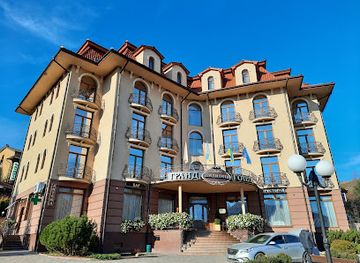
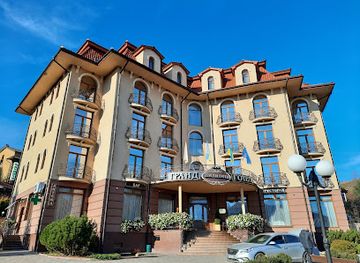
Grand Hotel Pylypetsʹ
Discover luxury and adventure at Grand Hotel Pylypets – your gateway to Zakarpattia's stunning landscapes and outdoor activities.
-
Restaurant
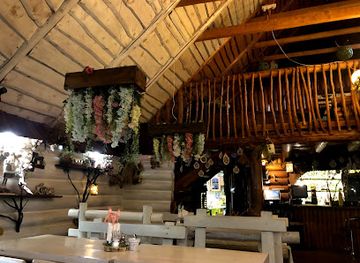
The true tale
Discover authentic Ukrainian cuisine at The True Tale in Podobovets' - where every dish tells a story amidst breathtaking mountain views.
-
Restaurant
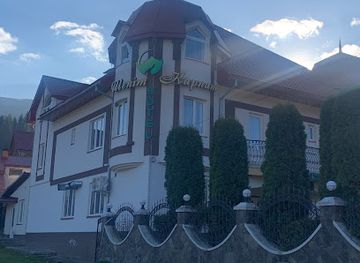
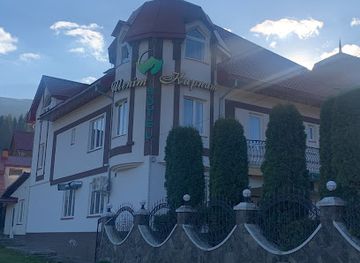
Shepit Karpat
Discover the rich flavors of Ukraine at Shepit Karpat - a perfect blend of traditional cuisine and warm hospitality set amidst breathtaking landscapes.
Best bars in Pylypets
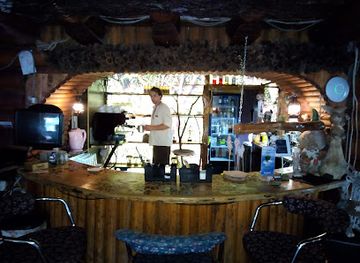
Pylypets is a quiet mountain village rather than a nightlife destination, and evening activity is generally concentrated in guesthouses, ski-related venues and traditional restaurants. Visitors are more likely to find a relaxed drink, local conversation or an informal meal than a dedicated club scene. During busier winter and summer periods, accommodation providers and seasonal businesses may create a livelier atmosphere, but entertainment varies and should not be assumed to continue late into the night. Volovets, the nearest significant transport settlement, may offer additional cafés, bars and everyday evening options, although it remains a small town rather than a major entertainment centre. Evenings in Pylypets are better suited to mountain views, shared meals and quiet walks where conditions permit than to organised nightlife.
-
Ski resort
Підйомник Pylypets Sky & Bike Park
Discover the breathtaking Pylypets Sky & Bike Park, where winter sports and summer adventures come together in the heart of Zakarpattia Oblast.
-
Restaurant
Grand Hotel Pylypetsʹ
Experience luxury and exquisite cuisine at Grand Hotel Pylypets, nestled in the breathtaking Carpathian Mountains of Ukraine.
-
Restaurant
The true tale
Discover the rich flavors of Zakarpattia at The True Tale, where every meal tells a story in a cozy restaurant setting.
-
Restaurant
Shepit Karpat
Discover the enchanting Shepit Karpat, where Ukrainian culinary delights meet the breathtaking beauty of the Carpathian Mountains.
Best nightclubs in Pylypets
Pylypets is a quiet mountain village rather than a nightlife destination, and evening activity is generally concentrated in guesthouses, ski-related venues and traditional restaurants. Visitors are more likely to find a relaxed drink, local conversation or an informal meal than a dedicated club scene. During busier winter and summer periods, accommodation providers and seasonal businesses may create a livelier atmosphere, but entertainment varies and should not be assumed to continue late into the night. Volovets, the nearest significant transport settlement, may offer additional cafés, bars and everyday evening options, although it remains a small town rather than a major entertainment centre. Evenings in Pylypets are better suited to mountain views, shared meals and quiet walks where conditions permit than to organised nightlife.
-
Inn
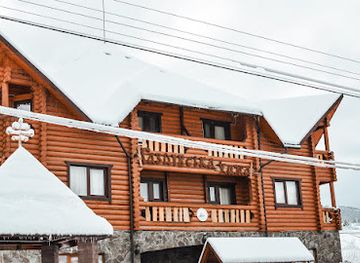
Gazdivska Hyzha
Experience comfort and adventure at Gazdivska Hyzha, your perfect inn in the scenic Zakarpattia region of Ukraine.
Best shops in Pylypets
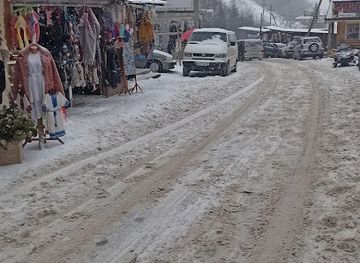
Shopping in Pylypets is limited and practical, with small village shops, accommodation-based sales and seasonal stalls rather than a dedicated retail district. Visitors may find regional foods such as honey, preserves, cheese and smoked products, along with handicrafts or locally made souvenirs during busier periods, but availability changes with season and supply. The strongest connection with local culture comes through products associated with Carpathian pastoral life and Zakarpattian cooking rather than standardised resort merchandise. Volovets is a more useful place for everyday provisions, while larger towns such as Svalyava and Mukachevo provide broader retail choices and markets. Bring essential hiking or personal supplies from a larger settlement, and ask sellers about ingredients and provenance when purchasing homemade food.
-
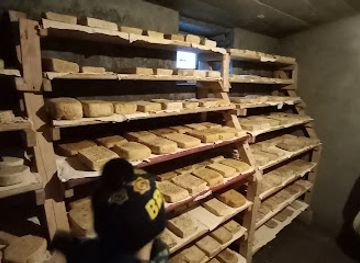
Cheese shop
Syrovarnya
Discover the artisanal delights of Syrovarnya, a charming cheese shop in Izky, Zakarpattia Oblast, offering a taste of local culinary traditions.
-
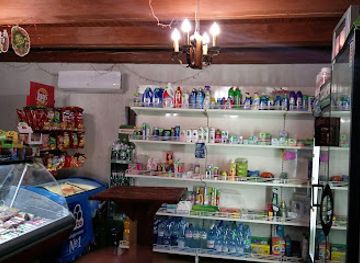
Grocery store
Kyshenʹka
Discover the authentic taste of Zakarpattia Oblast at Kyshenʹka in Pylypets', where local produce meets warm hospitality.
-
Grocery store
U Myroslavy
Discover the authentic flavors of Zakarpattia Oblast at U Myroslavy, where local products and warm hospitality await every visitor.
-
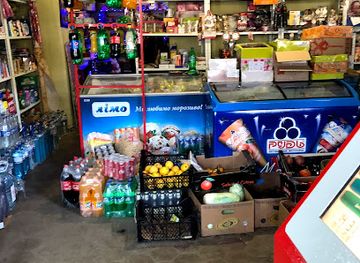
Grocery store
Superovyy Market 24
Discover local flavors and authentic Ukrainian products at Superovyy Market 24, your go-to grocery store in Izky, Zakarpattia Oblast.
Get your free copy of our complete guide to Pylypets, delivered straight to you.
Everything on this page, from attractions and restaurants to essentials and local phrases, in one PDF you can read offline, print or share.
Already have an account? Sign in
Your Pylypets guide is ready.
We'll send it to · Not you? Sign out

Getting your guide ready…
We are putting together a fresh copy of the Pylypets guide. This can take up to a minute.
This can take a few moments. If your browser asks, choose Allow so the download can start. You'll find the guide in your Downloads folder.
Nothing happened? Download it again
Sorry, the guide is taking longer than usual. Please try again in a minute, or get it by email instead.
Pylypets essentials
Currency and Payment
Safety
Emergency Situations
Do's and Don'ts
Local Tips
From Eve
Local phrases worth knowing
You don't need to get them perfect. A few words go a long way, and locals appreciate the effort.
Basics
| English | Local | Say it |
|---|---|---|
| Hello | Привіт | [Pryvit] |
| Goodbye | До побачення | [Do pobachennya] |
| Yes | Так | [Tak] |
| No | Ні | [Ni] |
| Please/You're welcome | Будь ласка | [Budʹ laska] |
| Thank you | Дякую | [Dyakuyu] |
| Excuse me/Sorry | Вибачте | [Vybachte] |
| How are you? | Як справи? | [Yak spravy?] |
| Fine. And you? | Добре. А ви? | [Dobre. A vy?] |
| Do you speak English? | Ви говорите англійською? | [Vy hovoryte anhliysʹkoyu?] |
| I don't understand | Я не розумію | [Ya ne rozumiyu] |
Eating & Drinking
| English | Local | Say it |
|---|---|---|
| I'd like to see the menu, please | Я б хотів подивитися меню, будь ласка | [Ya b khotiv podyvytysya meny, budʹ laska] |
| I don't eat meat | Я не їм м'ясо | [Ya ne yim m'yaso] |
| Cheers! | Будьмо! | [Budʹmo!] |
| I would like to pay, please | Я б хотів заплатити, будь ласка | [Ya b khotiv zaplatyty, budʹ laska] |
Emergencies
| English | Local | Say it |
|---|---|---|
| Help! | Допоможіть! | [Dopomozhitʹ!] |
| Go away! | Іди геть! | [Idy hetʹ!] |
| Call the Police! | Викличте поліцію! | [Vyklychte politsiyu!] |
| Call a doctor! | Викличте лікаря! | [Vyklychte likarya!] |
| I'm lost | Я загубився | [Ya zahubyvsya] |
| I'm ill | Я хворий | [Ya khvoryy] |
Shopping
| English | Local | Say it |
|---|---|---|
| I'd like to buy... | Я б хотів купити... | [Ya b khotiv kupity...] |
| I'm just looking | Я просто дивлюся | [Ya prosto dyvlyusya] |
| How much is it? | Скільки це коштує? | [Skilʹky tse koshtuye?] |
| That's too expensive | Це занадто дорого | [Tse zanadto doroho] |
| Can you lower the price? | Чи можете ви знизити ціну? | [Chy mozhete vy znyzyty tsinu?] |
Time & Numbers
| English | Local | Say it |
|---|---|---|
| What time is it? | Котра година? | [Kotra hodyna?] |
| It's one o'clock | Одинадцята година | [Odynadtsyata hodyna] |
| Half past (10) | Пів на одинадцяту | [Piv na odynadtsyatu] |
| Morning | Ранок | [Ranok] |
| Afternoon | День | [Denʹ] |
| Evening | Вечір | [Vechir] |
| Yesterday | Вчора | [Vchora] |
| Today | Сьогодні | [Sʹohodni] |
| Tomorrow | Завтра | [Zavtra] |
| 1 | Один | [Odyn] |
| 2 | Два | [Dva] |
| 3 | Три | [Try] |
| 4 | Чотири | [Chotyry] |
| 5 | П'ять | [P'yatʹ] |
| 6 | Шість | [Shistʹ] |
| 7 | Сім | [Sim] |
| 8 | Вісім | [Visim] |
| 9 | Дев'ять | [Devyatʹ] |
| 10 | Десять | [Desyatʹ] |
Transport & Directions
| English | Local | Say it |
|---|---|---|
| Where's a/the...? | Де є/знаходиться...? | [De ye/znakhodytsya...?] |
| What's the address? | Яка адреса? | [Yaka adresa?] |
| Can you show me (on the map)? | Чи можете ви показати мені (на карті)? | [Chy mozhete vy pokazaty meni (na karti)?] |
| When's the next (bus)? | Коли наступний (автобус)? | [Koly nastupnyy (avtobus)?] |
| A ticket (to ....) | Квиток (до ....) | [Kvytok (do ....)] |
History of Pylypets
A Carpathian Mountain Environment
Pylypets lies within the forest and upland meadow environment of the Ukrainian Carpathians, a landscape shaped over long geological timescales by folded mountain structures, erosion and the movement of streams through wooded valleys. The broad, grassy summits of the Borzhava range are characteristic polonyny: high pastures traditionally used during the warmer months for grazing livestock. This seasonal movement between village settlements and upland pasture helped shape the cultural landscape around Pylypets, where open ridges exist alongside spruce, beech and mixed mountain woodland.
Village Life and Pastoral Traditions
The history of Pylypets is closely connected with the settlement pattern of Zakarpattia's mountain valleys. Rural households traditionally combined small-scale farming, livestock keeping, forestry and seasonal work, while mountain pastures supported the production of milk and bryndza, a salty sheep's-milk cheese associated with Carpathian pastoral life. The region has belonged to different political states over time, including the Kingdom of Hungary, the Habsburg lands and Czechoslovakia before becoming part of Soviet Ukraine after the Second World War. These changes left a layered cultural environment in which Ukrainian and wider Carpathian traditions coexist.
Shypit and the Growth of Tourism
Shypit Waterfall has long been a recognised natural attraction in the local highlands, drawing visitors to the forested ravine below the Borzhava slopes. Tourism developed more substantially as improved roads, mountain recreation and interest in Carpathian landscapes brought visitors to villages such as Pylypets and nearby Podobovets. Winter sports became an increasingly important part of the local economy during the late twentieth century and later, adding ski-related accommodation and services to an area previously known mainly for farming, forestry and seasonal mountain work.
Contemporary Mountain Destination
Today Pylypets combines a rural village setting with a modest, seasonally dependent tourism economy. Hiking, photography, waterfall visits and access to the Borzhava ridge are especially significant in the warmer months, while snow sports influence the winter season. Tourism has brought guesthouses, restaurants and recreational infrastructure, but the destination remains less urbanised than Ukraine's larger resorts. Responsible travel matters in the uplands: paths, meadows, streams and forest edges are part of a working landscape, and visitor pressure, litter and unmanaged development can affect the character of the mountain environment.
Pylypets in Photos
Browse through our photo collection highlighting the charm and character of the destination.
Neighbouring destination travel guides
The closest destinations to Pylypets, if you have time for more than one.
-

-

-

-

-


Swipe for more destinations
Explore more

Explore more of Transcarpathia
Discover the untouched beauty and rich cultural tapestry of Transcarpathia, a hidden gem in Ukraine, perfect for nature lovers, history enthusiasts, and wellness seekers.
Explore Transcarpathia
Explore more of Ukraine
Explore Ukraine: From Kyiv's golden domes to the Carpathian Mountains, discover a country rich in history, culture, and natural beauty in the heart of Eastern Europe.
Explore Ukraine