Brechin Cathedral, Angus Travel Guide
Discover Brechin Cathedral, a medieval Scottish masterpiece with a rare Irish-style round tower and stunning stained glass treasures.
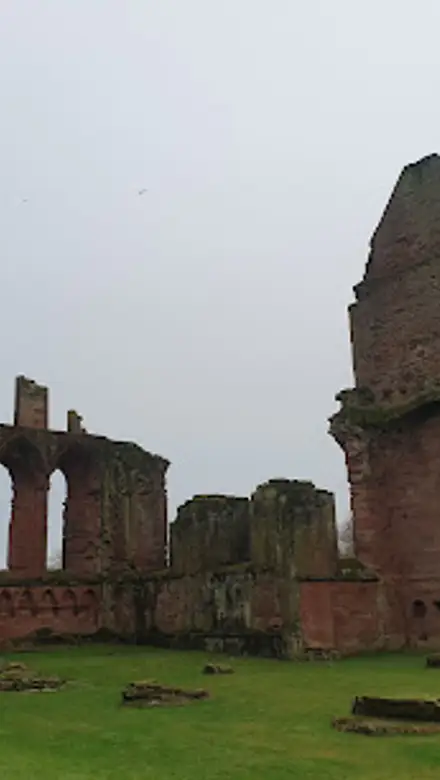
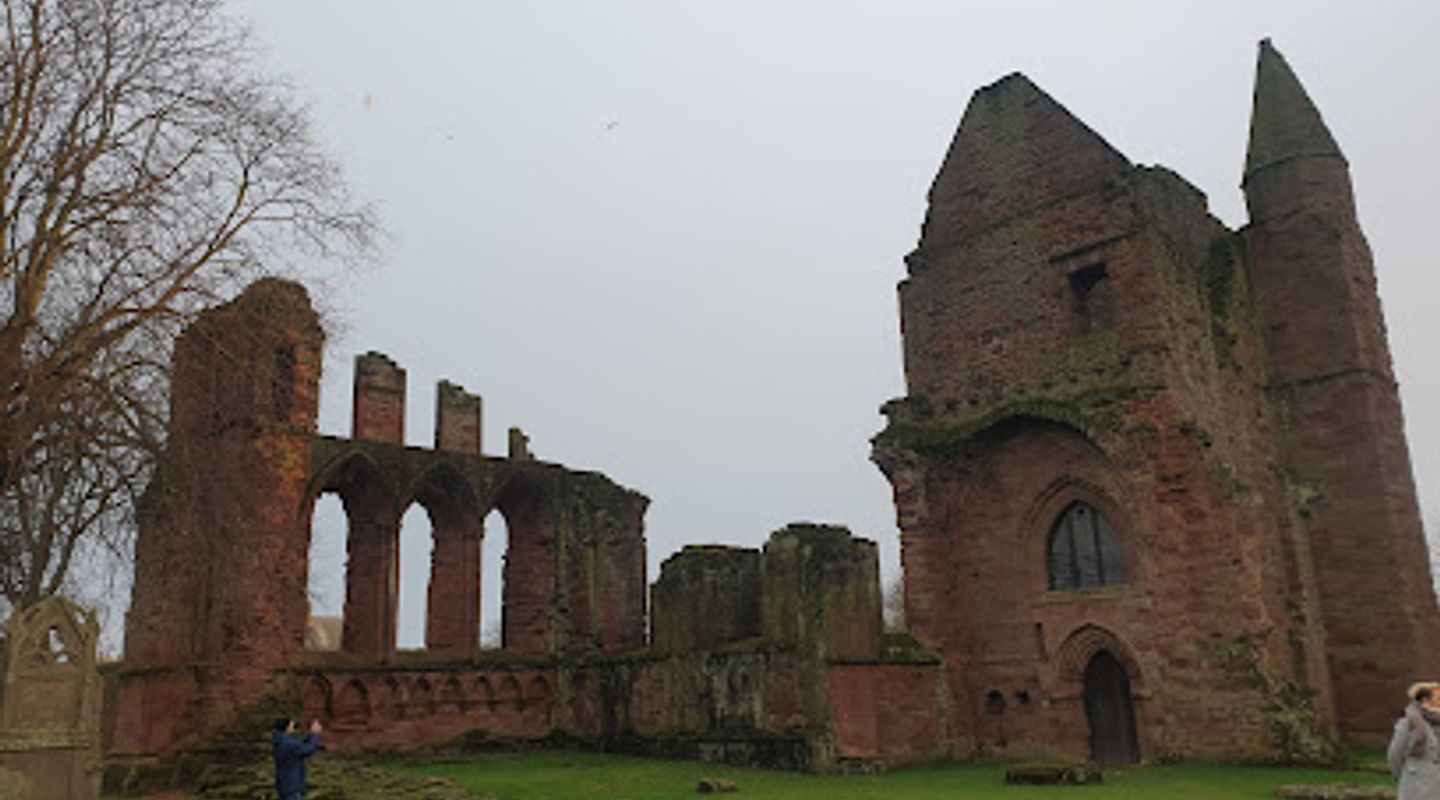
Brechin Cathedral, located in Brechin, Scotland, is a striking medieval church dating back to the 13th century, renowned for its Gothic architecture and the rare adjoining Irish-style Round Tower from around AD 1100. The cathedral features exquisite stained glass, medieval Pictish stones, and a rich history linked to early Christian worship and Scottish royalty. The Round Tower, one of only two in Scotland, stands 86 feet tall with a distinctive elevated doorway adorned with Romanesque carvings.
A brief summary to Brechin Cathedral
- 6 Church St, Brechin, DD9 6EU, GB
- Click to display
- Duration: 1 to 2.5 hours
- Budget
-
 Outdoor
- Mobile reception: 4 out of 5
- Monday 9:30 am-5 pm
- Tuesday 9:30 am-5 pm
- Wednesday 9:30 am-5 pm
- Thursday 9:30 am-5 pm
- Friday 9:30 am-5 pm
- Saturday 9:30 am-5 pm
- Sunday 9:30 am-5 pm

Know before you go
Hi, I'm Eve. Here are a few practical things to know before exploring Brechin Cathedral.
- Visit during daylight hours to fully appreciate the intricate stained glass and detailed stone carvings.
- Take time to explore the adjoining Round Tower, noting its elevated doorway and Romanesque sculptures.
- Look for the Brechin Hogback and St. Mary’s Stone inside the cathedral, rare examples of 11th-century stone art.
- Check the cathedral’s opening times before visiting; it is generally open daily from 9:30 AM to 5 PM.
Do you manage this location?
Take control to get all the benefits, like improved information, better appearance, and stronger visibility across AI-powered discovery. Learn more about listing your business on Evendo
Activate your presenceOther nearby places you may find interesting
The closest places of the same kind, if this one is not quite what you had in mind.
Explore Brechin Cathedral on the Map
A handpicked selection of must-see spots near Brechin Cathedral, mapped for you.
Getting There
-
Train and Bus
Travelers can take a train to Brechin Railway Station, approximately 3 km from the cathedral, followed by a local bus or taxi ride of about 10 minutes. Train services connect from Dundee and Aberdeen, with fares ranging from £10-£20 depending on origin.
-
Car
Driving to Brechin Cathedral is straightforward via the A90. Parking is available in nearby public car parks within a 5-minute walk. Note that some parking may require payment, typically £1-£3 per hour.
-
Walking
For visitors staying in Brechin town center, the cathedral is accessible by a gentle 10-15 minute walk over mostly flat terrain, suitable for most mobility levels.
For the on-the-go comforts that matter to you
-
 Restrooms
-
 Seating Areas
-
 Information Boards
Discover more about Brechin Cathedral
Ancient Origins and Architectural Evolution
Brechin Cathedral’s origins trace back to the 13th century, built on a site with Christian worship dating to at least the early 970s when a Culdee monastery existed there. The cathedral was founded during the reign of King David I in the mid-12th century when the Diocese of Brechin was established. Its architecture reflects the Gothic style prevalent in medieval Scotland, with significant construction phases in the 13th and 14th centuries. Despite major alterations and damage during the 1806 restoration, the cathedral was restored to much of its original form by 1902 under architect John Honeyman, preserving its nave, choir remnants, and transepts. The building is notable for its pointed arches, massive pillars, and the flamboyant western gable with a large rose window commemorating Queen Victoria.The Unique Round Tower: A Celtic Legacy
Adjoining the cathedral to the southwest is the remarkable Round Tower, built around AD 1100, though some evidence suggests it could be a century older. This tower is one of only two Irish-style round towers in Scotland, the other being at Abernethy. Standing 86 feet tall with a diameter of 16 feet, it was originally freestanding before being connected to the cathedral in 1806. The tower’s elevated doorway, situated over 2 meters above ground, features exquisite Romanesque carvings including a crucified Christ, saints, crouching beasts, and decorative motifs. Historically, the tower served multiple purposes such as a bell tower, refuge, and treasury, with wooden floors dividing its six storeys inside.Artistic Treasures and Spiritual Significance
Inside Brechin Cathedral, visitors encounter an array of artistic and historic treasures. The cathedral houses some of Scotland’s finest 20th-century stained glass windows by artists like Henry Holiday and Douglas Strachan, as well as the largest collection of William Wilson windows in the country. Important medieval artifacts include the 12th-century font, the Brechin Hogback—a rare 11th-century stone sculpture blending Celtic and Scandinavian designs—and the inscribed St. Mary’s Stone depicting the Virgin and Child. These elements underscore the cathedral’s role as both a place of worship and a museum of Scottish ecclesiastical heritage.Historical Context and Community Role
Brechin Cathedral has played a central role in the religious and cultural life of Angus for centuries. Originally dedicated to the Holy Trinity, it was the seat of the Diocese of Brechin until the Reformation, after which it transitioned to the Church of Scotland. The cathedral’s history reflects Scotland’s religious transformations, including periods of neglect and restoration. In recent years, the building ceased regular worship services in 2021 but remains a focal point for heritage preservation and community engagement, with plans to restore it as a cultural hub.Architectural Restoration and Preservation Efforts
The 19th-century restoration efforts, particularly in 1806, altered much of the cathedral’s medieval fabric, including the demolition of transepts and the addition of galleries and a flat ceiling that obscured original features. However, the early 20th-century restoration led by John Honeyman reversed many of these changes, reinstating original aisles and restoring the choir’s western bays. This careful conservation work has preserved Brechin Cathedral’s architectural integrity and ensured the survival of its historic character, making it a treasured Scottish landmark.Visiting Experience and Surroundings
Set in the charming town of Brechin, the cathedral and its round tower offer visitors a contemplative and atmospheric experience. The surrounding graveyard and nearby historic sites, including the Brechin Caledonian Railway and Pictavia visitor attractions, enrich the visit. The reddish sandstone used in the cathedral’s construction resonates with other Angus landmarks, creating a cohesive regional heritage aesthetic. The site invites reflection on Scotland’s medieval past and the enduring legacy of its religious architecture.












Your all‑in‑one travel companion app
Explore expert travel guides, compare and book tours, experiences, hotels, and more—all from the palm of your hand. Download now for seamless trip planning wherever your wanderlust takes you.


Explore More of Angus
Looking beyond Brechin Cathedral? Discover Angus for broader travel guides, local hot-spots, and regional highlights.
Explore Angus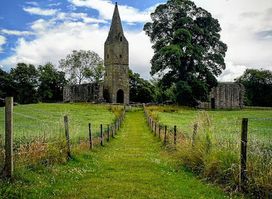
Explore the evocative ruins of Restenneth Priory, a sacred site bridging Pictish origins and medieval Augustinian heritage in scenic Angus.
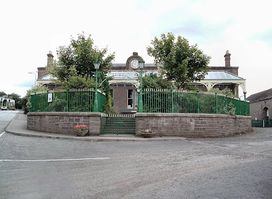
Experience the charm of steam and diesel heritage trains on a scenic 4-mile journey through Angus countryside from Brechin to Bridge of Dun.