Restenneth Priory Travel Guide
Free Guide: Explore the evocative ruins of Restenneth Priory, a sacred site bridging Pictish origins and medieval Augustinian heritage in scenic Angus.


A brief summary of Restenneth Priory
Explore the evocative ruins of Restenneth Priory, a sacred site bridging Pictish origins and medieval Augustinian heritage in scenic Angus.
Restenneth Priory, near Forfar in Angus, Scotland, is a historic site with origins dating back to an early 8th-century Pictish church founded by King Nechtan. The surviving ruins mainly reflect 12th- and 13th-century Augustinian monastic architecture. Once a wealthy priory under royal patronage, it witnessed medieval expansions, damage during the Wars of Independence, and later decline. Today, it offers evocative ruins set in tranquil countryside, revealing centuries of Scottish ecclesiastical history.
On-site amenities
 Restrooms
 Seating areas
 Information boards
Opening hours
- Every day9:30 am–5:30 pm
Opening hours as listed on the venue’s Google Business Profile. Hours can change for services and special events, so check with the venue before you go.
- Address
- B9113, Forfar DD8 2SZ
- Website
Getting there
Car
Bus
Walking
Discover more about Restenneth Priory
Ancient Beginnings in Pictish Scotland
Restenneth Priory stands on a site steeped in early Scottish history, believed to be Egglespethir, where King Nechtan of the Picts commissioned a stone church around 710 AD. This early Christian foundation marked a significant shift from Celtic to Roman Christian practices in Scotland. Nechtan’s correspondence with Abbot Ceolfrid of Monkwearmouth and Jarrow reveals the site's importance in shaping religious observance. Although no visible structures remain from this period, archaeological evidence and historical records suggest the priory’s roots extend deeply into the Pictish era.
Medieval Monastic Development and Royal Patronage
The earliest masonry visible today dates from the 1100s, coinciding with the reigns of Alexander I and David I, who played pivotal roles in establishing Restenneth as an Augustinian priory under the mother house of Jedburgh Abbey. King Malcolm IV granted the priory lands and estates in 1162, boosting its wealth and status. The 12th and 13th centuries saw major architectural developments, including the construction of a substantial nave, choir, and a distinctive 14-meter-high tower with an octagonal spire added in the 1400s. The priory functioned as the parish church for nearby Forfar, serving both religious and community roles.
Trials During Wars and Decline
Restenneth suffered significant damage during the Wars of Scottish Independence in the late 13th and early 14th centuries, including a destructive fire. Robert the Bruce’s involvement in the region, including the destruction of Forfar Castle, likely contributed to the priory’s hardships. Despite this, Robert the Bruce chose Restenneth as the burial place for his infant son John, underscoring the site's continued royal significance. The priory’s fortunes waned over subsequent centuries, with a dwindling monastic community by the 1500s and eventual secularization following the Reformation.
Post-Reformation History and Preservation
After the Reformation, Restenneth and its lands passed into secular hands, notably the Home family, while the nave continued as Forfar’s parish church until 1591. The site endured further damage during the 1745 Jacobite uprising when troops camped there, and much of the 19th century saw the ruins repurposed for livestock accommodation. In 1919, the priory was taken into state care and is now managed by Historic Environment Scotland, preserving its evocative ruins as a scheduled monument and public heritage site.
Architectural Highlights and Visitor Experience
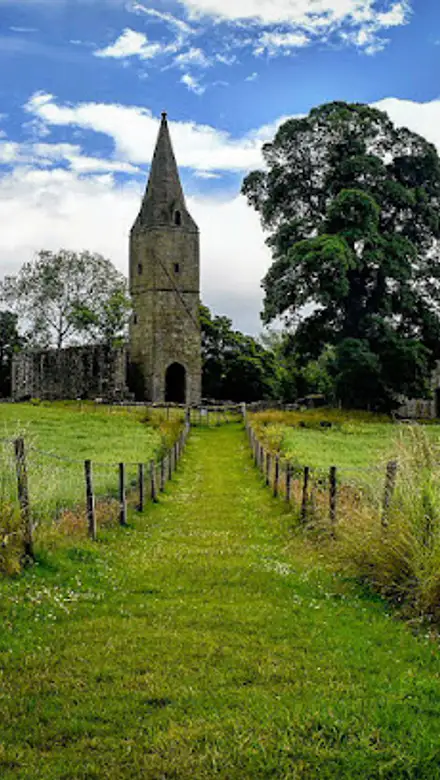
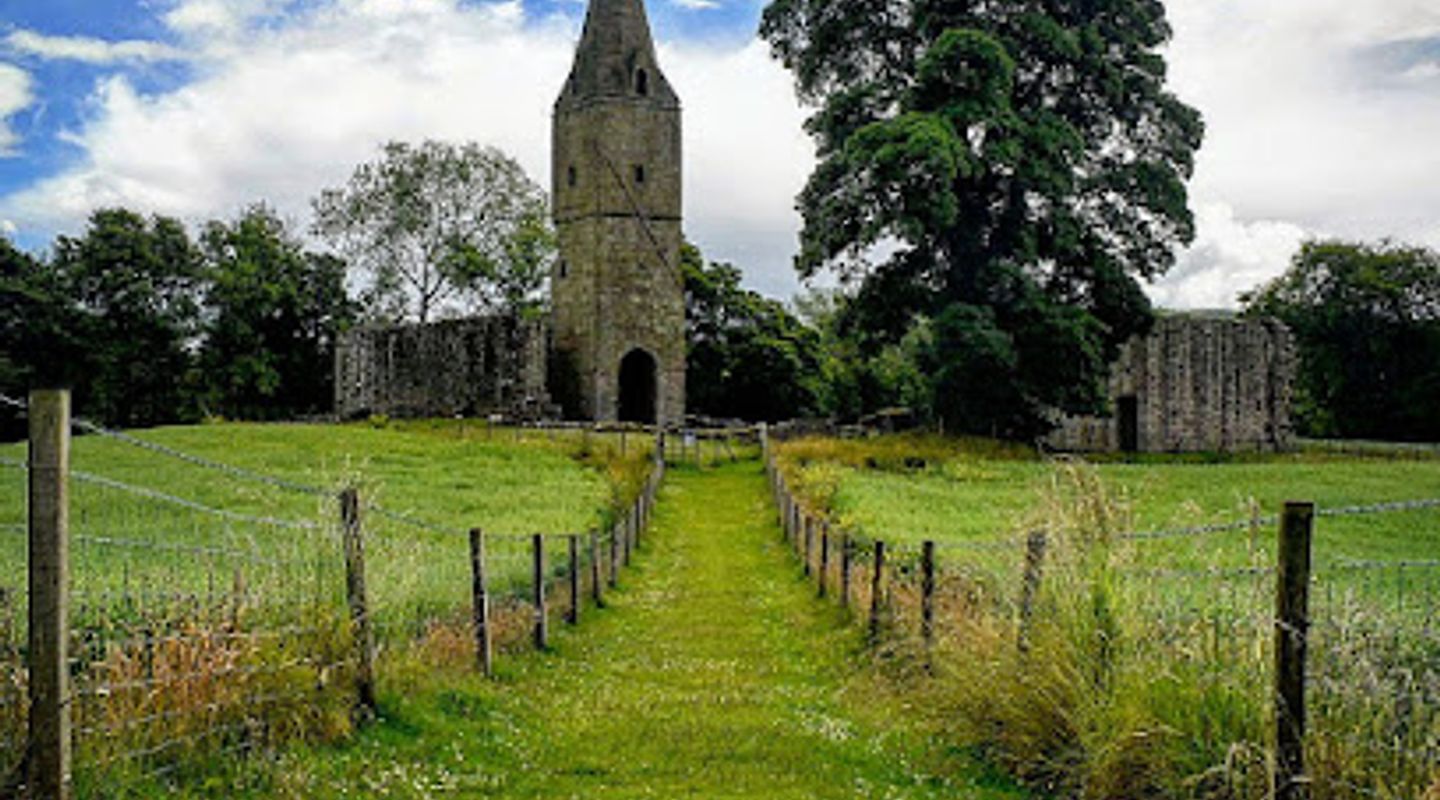
Visitors today encounter the striking medieval tower, whose lowest section dates from about 1100 and resembles the tower porch at Dunfermline Abbey. The tower’s height and spire, added later, dominate the ruins. The surrounding choir and nave, dating from the 1200s, reveal the priory’s monastic layout. The peaceful rural setting, with fields surrounding the site, offers a reflective atmosphere where the layers of Scottish religious and royal history resonate. The site is accessible via a short path from parking and is free to visit year-round.
Legacy and Cultural Significance
Restenneth Priory embodies Scotland’s transition from early Pictish Christianity to medieval monasticism under Augustinian rule. Its royal connections, including the transfer of the Iona annals and royal burials, highlight its historical importance. The priory’s ruins stand as a testament to Scotland’s religious, political, and architectural heritage, inviting visitors to explore a place where ancient faith and medieval power intersected.
Evendo Review Centre
 Google
Guest reviews
Best time to go
Quietest: Jan, Feb & Dec · before 7am or at 8pm
Busy times are Evendo estimates for a typical year, to help you plan. Actual crowds vary with events, school holidays and the weather.
Explore Restenneth Priory on the map
A handpicked selection of must-see spots near Restenneth Priory, mapped for you.
Get your free copy of our complete guide to Restenneth Priory, delivered straight to you.
Everything on this page, from opening hours and how to get there to Eve’s tips and the best time to go, in one PDF you can read offline, print or share.
Already have an account? Sign in
Your Restenneth Priory guide is ready.
We'll send it to · Not you? Sign out

Getting your guide ready…
We are putting together a fresh copy of the Restenneth Priory guide. This can take up to a minute.
This can take a few moments. If your browser asks, choose Allow so the download can start. You'll find the guide in your Downloads folder.
Nothing happened? Download it again
Sorry, the guide is taking longer than usual. Please try again in a minute, or get it by email instead.
Other nearby places you may find interesting
The closest places of the same kind, if this one is not quite what you had in mind.
-
-
-
-
-


Swipe for more places
More to explore near Restenneth Priory

 Best experiences near Restenneth Priory
 Best hotels near Restenneth Priory
 Best landmarks near Restenneth Priory
 Best attractions near Restenneth Priory
 Best shops near Restenneth Priory
 Best restaurants near Restenneth Priory
 Best bars near Restenneth Priory
Do you manage this location?
Take control to get all the benefits, like improved information, better appearance, and stronger visibility across AI-powered discovery.
Explore more

Explore more of Angus
Explore Angus: A captivating destination in Scotland known for its rich history, stunning landscapes, and vibrant culture.
Explore Angus
Explore more of United Kingdom
Discover the United Kingdom: A blend of rich history, stunning landscapes, and vibrant cities, offering a unique travel experience for every visitor.
Explore United Kingdom