Red Castle Travel Guide
Free Guide: Explore the evocative ruins of Red Castle, a red sandstone sentinel overlooking Lunan Bay, steeped in medieval history and coastal drama.


A brief summary of Red Castle
Explore the evocative ruins of Red Castle, a red sandstone sentinel overlooking Lunan Bay, steeped in medieval history and coastal drama.
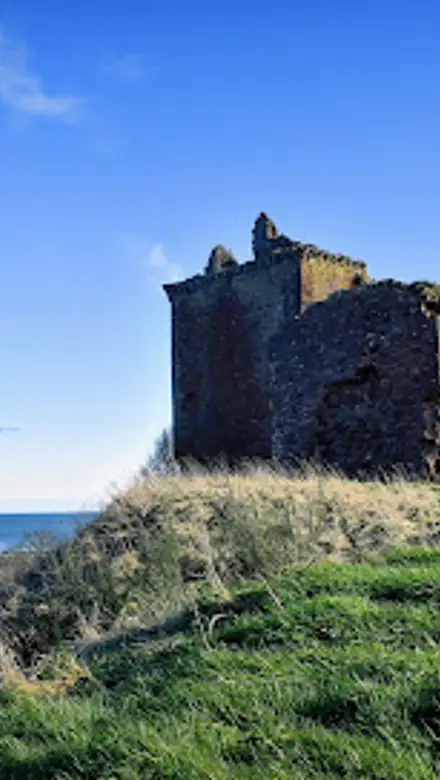
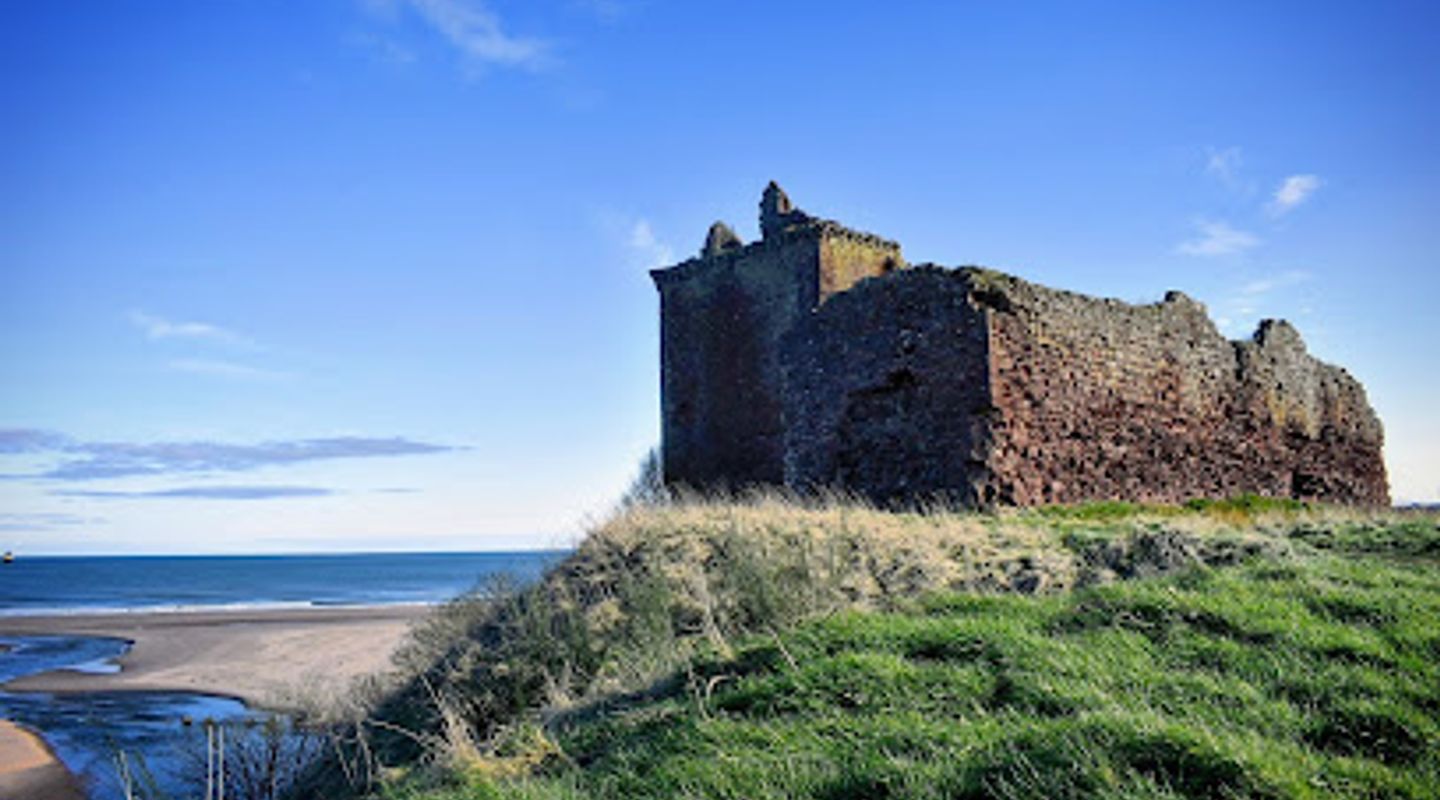
Red Castle, perched on a bluff overlooking Lunan Bay near Arbroath, Scotland, is a striking ruin of a 12th-century red sandstone fortress. Originally built by King William the Lion as a hunting lodge and defense against Viking raids, it evolved through centuries of noble ownership, including Robert the Bruce and the Stewarts. Though now in a fragile state due to coastal erosion and landslips, the castle offers dramatic views of the North Sea and a glimpse into Scotland's medieval past.
On-site amenities
 Information boards
 Seating areas
 Trash bins
Opening hours
- Every dayOpen 24 hours
Opening hours as listed on the venue’s Google Business Profile. Hours can change for services and special events, so check with the venue before you go.
- Address
- Arbroath DD11 5ST
- Phone
- Website
Getting there
Car
Public Transport
Walking
Discover more about Red Castle
Origins and Early Significance
Red Castle’s history stretches back to the late 1100s when King William the Lion established it as a fortified hunting estate on Scotland’s northeast coast. Positioned strategically on a high bluff overlooking the mouth of the Lunan Water and the sweeping expanse of Lunan Bay, the castle was likely intended to guard against Viking incursions, though it also served as a royal retreat. In 1194, William granted the castle and its surrounding lands to Walter de Berkely, the Royal Chamberlain, marking the start of its association with prominent Scottish nobility.
Architectural Evolution and Ownership
The castle was rebuilt in the 13th century as a stone enclosure, parts of which, including a substantial curtain wall measuring 32 meters long and up to 6 meters high, still survive. By the late 1400s, a four-storey tower house was added by the Stewart family, then Lords Innermeath. This tower, built of distinctive red sandstone, featured thick walls and wooden floors, a rarity compared to the typical stone vaulted ceilings of the time. Over the centuries, Red Castle passed through several hands, including the Earl of Ross, to whom Robert the Bruce gifted it in 1328.
Conflict and Decline
The castle’s turbulent history includes dramatic episodes such as the late 16th-century attacks led by James Gray, son of Lord Gray, who besieged the castle multiple times after personal conflicts with its owners. These assaults, involving gunpowder and sieges, severely damaged the structure and contributed to its decline. By the 18th century, the castle was largely uninhabited and its materials were scavenged by locals for building projects. Coastal erosion and landslips have since accelerated its ruinous state, with parts of the tower and curtain wall at risk of collapse.
Present-Day Setting and Conservation
Today, Red Castle stands as a dramatic ruin overlooking one of Scotland’s finest beaches, Lunan Bay. The site is protected as a scheduled monument, though access is restricted due to safety concerns from unstable ground and erosion. Visitors can admire the castle from a safe distance, enjoying panoramic views of the North Sea and the surrounding dunes. Artefacts uncovered from the eroding midden below the castle are displayed in the nearby Montrose Museum, preserving the site’s archaeological legacy.
Cultural Legacy and Visitor Experience
Red Castle’s rich tapestry of history—from royal hunting lodge to battleground and ruin—embodies the layered heritage of Angus and northeast Scotland. Its striking red sandstone walls and commanding coastal position make it a poignant symbol of Scotland’s medieval past. While direct access is limited, the castle remains a compelling destination for history enthusiasts, photographers, and those drawn to Scotland’s rugged coastal landscapes.
Environmental Challenges and Future Outlook
The castle faces ongoing threats from natural forces. Recent landslips have prompted safety fencing and warnings, underscoring the fragile state of the ruins. Conservation efforts focus on balancing public safety with preserving this historic landmark. Visitors are advised to respect access restrictions and avoid disturbing the nesting fulmars that inhabit the ruins from January to September, ensuring the site’s ecological as well as historical significance endures.
Evendo Review Centre
 Google
Guest reviews
Best time to go
Quietest: Jan, Feb & Dec · before 6am or at 9pm
Busy times are Evendo estimates for a typical year, to help you plan. Actual crowds vary with events, school holidays and the weather.
Explore Red Castle on the map
A handpicked selection of must-see spots near Red Castle, mapped for you.
Get your free copy of our complete guide to Red Castle, delivered straight to you.
Everything on this page, from opening hours and how to get there to Eve’s tips and the best time to go, in one PDF you can read offline, print or share.
Already have an account? Sign in
Your Red Castle guide is ready.
We'll send it to · Not you? Sign out

Getting your guide ready…
We are putting together a fresh copy of the Red Castle guide. This can take up to a minute.
This can take a few moments. If your browser asks, choose Allow so the download can start. You'll find the guide in your Downloads folder.
Nothing happened? Download it again
Sorry, the guide is taking longer than usual. Please try again in a minute, or get it by email instead.
Other nearby places you may find interesting
The closest places of the same kind, if this one is not quite what you had in mind.
-
-
-
-
-


Swipe for more places
More to explore near Red Castle

 Best experiences near Red Castle
 Best hotels near Red Castle
 Best landmarks near Red Castle
 Best attractions near Red Castle
 Best shops near Red Castle
 Best restaurants near Red Castle
 Best bars near Red Castle
Do you manage this location?
Take control to get all the benefits, like improved information, better appearance, and stronger visibility across AI-powered discovery.
Explore more

Explore more of Angus
Explore Angus: A captivating destination in Scotland known for its rich history, stunning landscapes, and vibrant culture.
Explore Angus
Explore more of United Kingdom
Discover the United Kingdom: A blend of rich history, stunning landscapes, and vibrant cities, offering a unique travel experience for every visitor.
Explore United Kingdom