

Cushendall Beach, Antrim Travel Guide
A peaceful sandy and shingle beach on the Antrim Coast, framed by mountains and the Glens of Antrim, with sweeping views to Scotland.
Cushendall Beach is a scenic sandy and shingle stretch along the Antrim Coast, nestled just northeast of the charming village of Cushendall. Backed by grassy slopes and framed by the dramatic Lurigethan Mountain and the Glens of Antrim, it offers peaceful walks, picnics, and sweeping views across the North Channel to Scotland’s Mull of Kintyre. Facilities include a car park, toilets, and a children’s play area at the northern end, with the historic village nearby for refreshments and accommodation.
A brief summary to Cushendall Beach
- Ballymena, Cushendall, BT44, GB
- Duration: 0.5 to 3 hours
- Free
-
 Outdoor
- Mobile reception: 4 out of 5

Know before you go
Hi, I'm Eve. Here are a few practical things to know before exploring Cushendall Beach.
- Visit early in the morning or late afternoon to enjoy the beach with fewer people and beautiful light for photos.
- Bring warm layers and waterproofs; the coastal weather can change quickly, even on sunny days.
- Check local signage about dog access, as many Northern Irish beaches have seasonal restrictions from Easter to late summer.
- Combine your visit with a walk into Cushendall village for coffee or a traditional pub lunch, then explore Glenariff Forest Park nearby.
Do you manage this location?
Take control to get all the benefits, like improved information, better appearance, and stronger visibility across AI-powered discovery. Learn more about listing your business on Evendo
Activate your presenceOther nearby places you may find interesting
The closest places of the same kind, if this one is not quite what you had in mind.
Explore Cushendall Beach on the Map
A handpicked selection of must-see spots near Cushendall Beach, mapped for you.
Getting There
-
By car
From Belfast, follow the A2 coast road northwest for about 90 minutes to Cushendall. From the village centre, follow signs to the beach; a well-maintained road leads to a large free car park at the northern end of the beach, about 75 metres from the shore.
-
Public transport
Take a bus from Belfast or Ballymena to Cushendall village centre; journey time is roughly 1.5–2 hours. From the village, the beach is a 10–15 minute walk along the coast road, with a clear path leading to the car park and steps down to the sand and shingle.
-
On foot
From Cushendall village, follow the coast road northeast for about 15 minutes; the route is mostly flat and well-surfaced, suitable for most walkers, leading directly to the beach car park and access steps.
For the on-the-go comforts that matter to you
-
 Restrooms
-
 Drinking Water
-
 Food Options
-
 Seating Areas
-
 Sheltered Areas
-
 Picnic Areas
-
 Trash Bins
-
 Information Boards
Discover more about Cushendall Beach
Where the Glens Meet the Sea
Cushendall Beach lies on the rugged Antrim Coast, just northeast of the picturesque village of Cushendall in County Antrim. This compact bay beach, about 250 metres long, is a quiet stretch of sand and shingle set against a backdrop of steep green hills and the distinctive flat-topped Lurigethan Mountain. The beach sits within the Antrim Coast and Glens Area of Outstanding Natural Beauty, where three of the Glens of Antrim – Glenaan, Glenballyemon and Glencorp – meet the sea. From here, the views stretch across the North Channel to the Mull of Kintyre in Scotland, roughly 16 miles away, creating a powerful sense of place on this wild Atlantic coastline.Beach and Surroundings
The beach itself is a mix of sand and shingle, ideal for a relaxed stroll or a bracing walk with the sea breeze. At the southern end, the River Dall flows into the sea, adding a fresh-water element to the coastal scene. Behind the beach is a grassy area perfect for picnics, sunbathing on fine days, or simply sitting and watching the waves. Cushendall Golf Club borders the southern part of the beach, while the northern end is where most visitors arrive, with a car park, public toilets and a children’s play area overlooking the shore. The beach is popular with local families and visitors exploring the Causeway Coastal Route, offering a peaceful alternative to busier spots further along the coast.Practicalities and Atmosphere
Cushendall Beach is an informal, unguarded beach without lifeguards, so swimming is at your own risk and best suited to confident open-water swimmers in calm conditions. There are no formal concessions on the beach itself, but the historic village of Cushendall is only a few hundred metres away along the coast road, with traditional pubs, cafes, shops and accommodation. The beach is known for its tranquillity and scenic beauty rather than water sports or facilities, making it ideal for a quiet day by the sea. Dogs may be allowed, but seasonal restrictions often apply in summer, so it’s wise to check local signage before bringing a pet.Exploring the Area
Cushendall is a great base for exploring the wider Glens of Antrim and the Causeway Coast. Glenariff Forest Park, one of the Nine Glens, is just a short drive south, with waterfalls, woodland trails and picnic areas. Nearby Cushendun, another attractive coastal village, is famous for its National Trust–managed village and the dramatic Cushendun Caves, which have appeared in film and television. The village of Cushendall itself has a rich heritage, once known as Newtownglens, with Georgian buildings and a strong tradition of Irish music and dance, celebrated each August at the Heart of the Glens festival. From the beach, it’s easy to combine a coastal walk with visits to historic sites like Layd Church ruins and Oisín’s Grave, a megalithic court cairn on a nearby hillside.












Your all‑in‑one travel companion app
Explore expert travel guides, compare and book tours, experiences, hotels, and more—all from the palm of your hand. Download now for seamless trip planning wherever your wanderlust takes you.


Explore More of Antrim
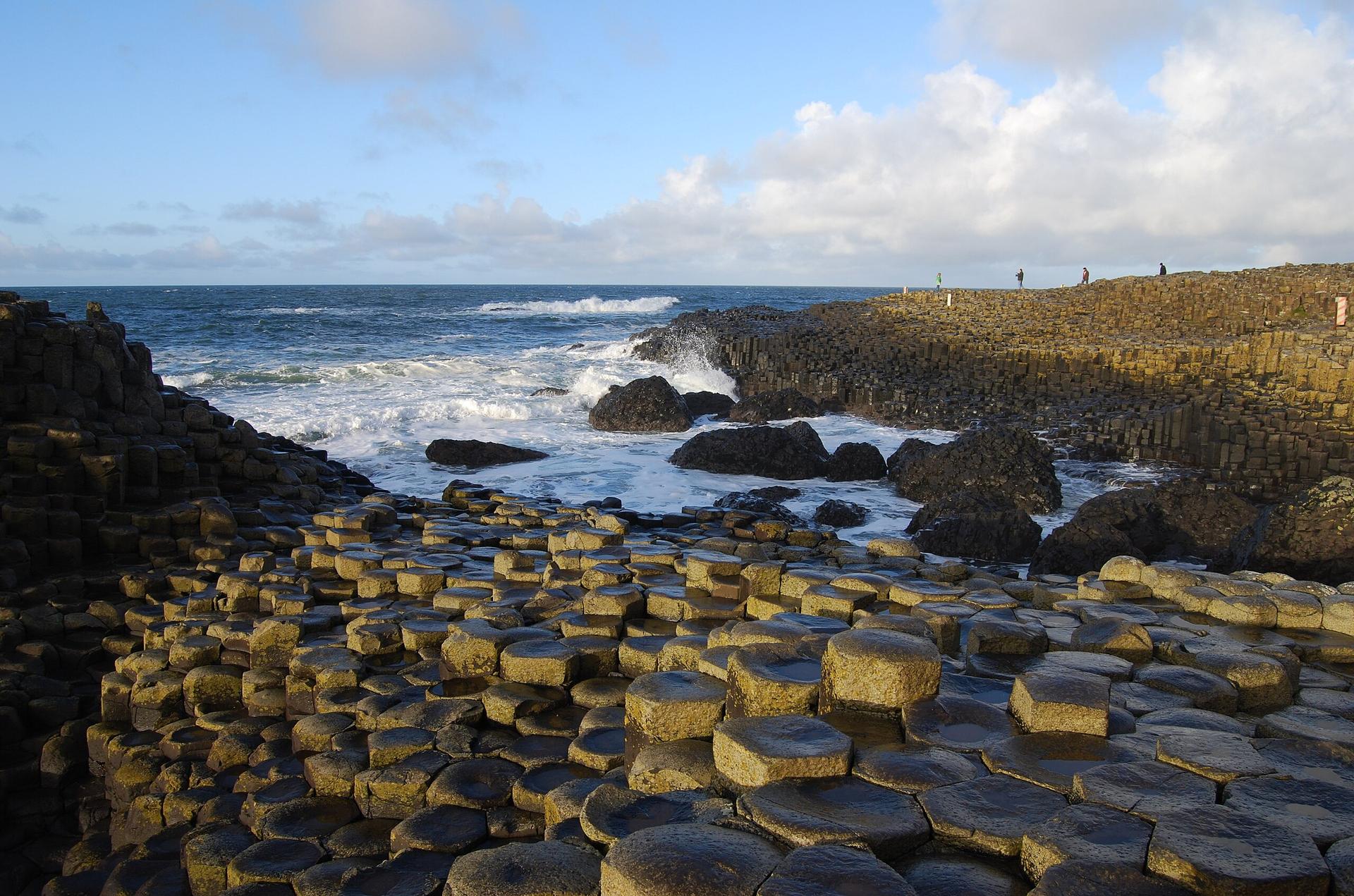
Looking beyond Cushendall Beach? Discover Antrim for broader travel guides, local hot-spots, and regional highlights.
Explore Antrim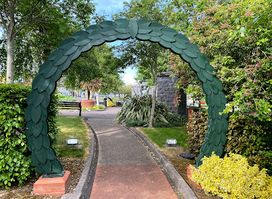
Explore the Joey Dunlop Memorial Garden in Ballymoney, a serene tribute to a motorcycle racing legend, surrounded by beautiful landscapes and rich history.

Explore the breathtaking Cushendun Caves, a stunning natural attraction in Northern Ireland known for its unique rock formations and rich cultural history.
