

Free Antrim Travel Guide & Mobile App
Explore Antrim with free travel guides. Discover regional history, expert tips, proposed trips, and audio guides on web or mobile app.


Explore Antrim’s volcanic coast, castle ruins, wooded glens, island landscapes and Northern Irish food heritage from shore to countryside.
Read more about Antrim
When is the best time to visit Antrim?
Best: June–August · 18–20°C| Month | High (°C) | Rainfall (mm) |
|---|---|---|
| January | 7 | 75 |
| February | 8 | 65 |
| March | 10 | 65 |
| April | 13 | 55 |
| May | 16 | 60 |
| June (best) | 18 | 60 |
| July (best) | 20 | 65 |
| August (best) | 20 | 70 |
| September | 17 | 65 |
| October | 14 | 85 |
| November | 10 | 90 |
| December | 8 | 95 |
Getting to and around Antrim
How to get there
Transportation
Top city travel guides in Antrim
The cities of Antrim, and the easiest places to base yourself.

Swipe for more cities
Destinations in Antrim
Resorts, valleys and scenic spots worth a trip of their own.

Swipe for more destinations
Best attractions in Antrim
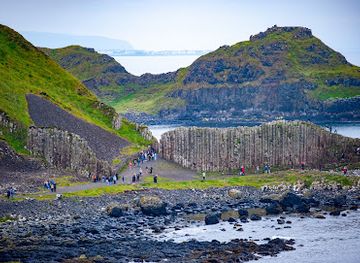
Antrim’s attractions range from internationally recognised geology to quiet inland landscapes and maritime heritage. The Giant’s Causeway is the defining natural site, where polygonal basalt columns meet the Atlantic, while the Causeway Coastal Route links it with Dunluce Castle, the Carrick-a-Rede area, beaches and small coastal settlements. The Antrim Glens offer woodland walks, waterfalls and viewpoints, with Glenariff Forest Park providing some of the county’s most accessible scenery. Rathlin Island adds a distinctly offshore experience, combining walking, seabird habitats and island history. Carrickfergus Castle and the historic harbour towns of the eastern shore provide a different perspective on medieval and maritime Antrim. Bushmills is associated with whiskey production, and local museums, churches, gardens and heritage properties broaden the cultural offer. Outdoor activities include walking, cycling, birdwatching, sea angling and water-based excursions, although many rural experiences depend on weather and transport planning.
-
Nature reserve
Giant's Causeway
Explore the world-famous Giant's Causeway, a stunning UNESCO basalt column formation steeped in legend and geological wonder on Northern Ireland’s coast.
-
Viewpoint
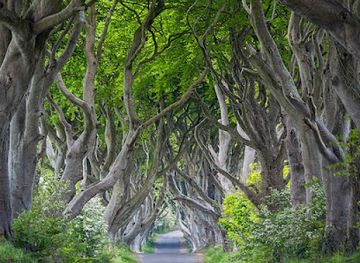
The Dark Hedges
Discover the mystical beech tree tunnel of The Dark Hedges, a breathtaking natural landmark and iconic Game of Thrones filming location in Northern Ireland.
-
Bridge
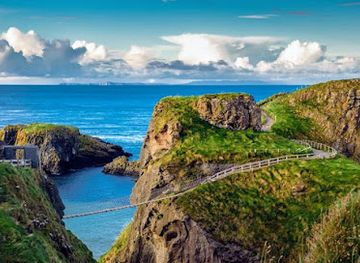
National Trust - Carrick-a-Rede
Cross the thrilling Carrick-a-Rede Rope Bridge for breathtaking coastal views and a historic Northern Ireland adventure.
-
Castle
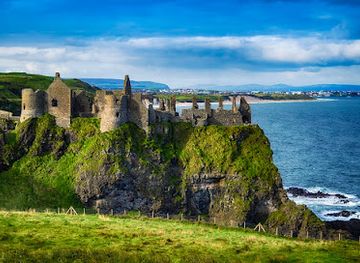
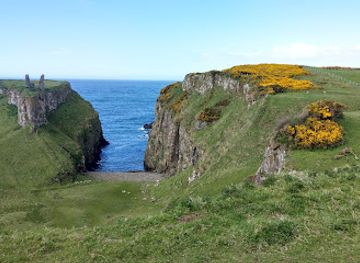
Dunluce Castle
Dramatic medieval ruins perched on a sea cliff, with sweeping Atlantic views and legends of banshees and collapsing kitchens.
Best landmarks in Antrim
The Giant’s Causeway is Antrim’s most recognisable natural landmark, its regular basalt columns recording volcanic activity on a scale that is both geological and visually distinctive. Dunluce Castle, perched on sea cliffs near Bushmills, is the county’s emblematic ruined fortress and a powerful reminder of the MacDonnell presence on the north coast. Carrickfergus Castle dominates the harbour town’s waterfront, its Norman origins and later military adaptations making it one of the most substantial medieval castles in Northern Ireland. The Antrim Glens provide a broader landscape landmark: steep wooded valleys cut through the northern plateau before reaching the sea, with waterfalls and narrow roads shaping the experience. Along the eastern coast, the cliffs and offshore profile of Rathlin Island mark the meeting of the North Channel and Atlantic waters. Cushendun’s village architecture, the coastal headland around Fair Head and the ruins of Bonamargy Friary add further layers of architectural, historical and geographical significance.
-
Historical landmark
Dunseverick Castle
Ancient royal fortress where Saint Patrick walked and Vikings raided, now a haunting clifftop ruin overlooking the Atlantic.
-
Castle
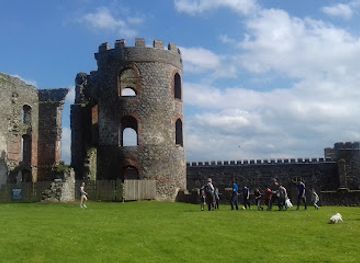
Shane's Castle
Ruined grandeur on Lough Neagh's shore—centuries of O'Neill dynasty power, fire, and legend.
-
Historical landmark
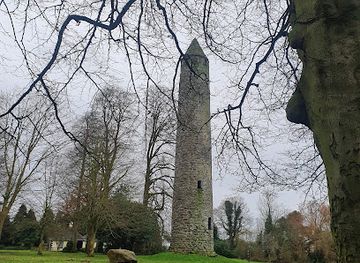
Antrim Round Tower (State Care Monument)
Explore Antrim’s 28-metre medieval round tower, a resilient symbol of Ireland’s monastic heritage and Viking-era defense.
Explore Antrim on the map
Plan your trip on one map. See where the top cities, national parks and sights are, and book hotels and experiences in a few clicks.
Best hotels in Antrim
Best restaurants in Antrim
Antrim’s food reflects the produce of Northern Ireland’s farms, coast and market towns. Menus commonly draw on local beef, lamb, pork, potatoes, seasonal vegetables, wheaten bread and farmhouse cheeses, while the north and east coasts provide opportunities to eat seafood such as salmon, mussels and other locally landed catches when available. Traditional pubs, cafés and rural inns are useful places to encounter hearty home-style cooking, whereas larger towns and coastal settlements offer contemporary restaurants and international choices. Bushmills whiskey is the region’s best-known drink association, and local breweries and craft producers add variety. Farmers’ markets and farm shops can be good sources of baked goods, preserves, meat and seasonal produce, although opening arrangements vary. Look for menus that identify Northern Irish ingredients rather than assuming every dish is exclusive to County Antrim, since many food traditions are shared across the island and the wider United Kingdom.
-
Grill
Top Of The Town
A vibrant family-run bar and grill in Antrim offering fresh local food, diverse drinks, and lively spaces for every occasion.
-
Pub
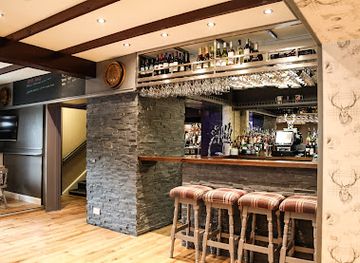
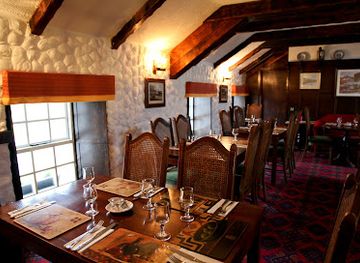
McLarnons Ramble Inn
A rustic and welcoming pub in Antrim offering hearty meals, friendly service, and a cozy atmosphere with a quirky charm.
-
Restaurant
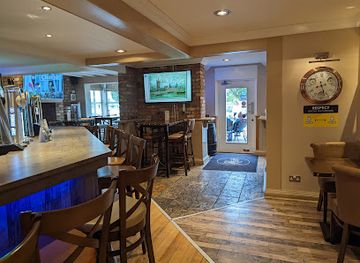
Jakes Cocktail Bar And Grill
Sophisticated cocktails and quality grill cuisine in a welcoming Antrim destination.
-
Restaurant
The Boathouse Antrim
Scenic lakeside dining in Antrim offering fresh seafood, gluten-free options, and a modern Irish menu in a relaxed, welcoming setting.
Best bars in Antrim
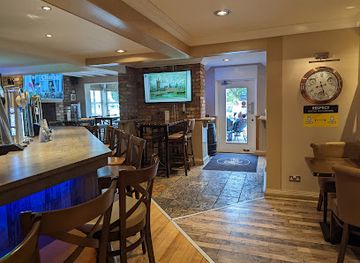
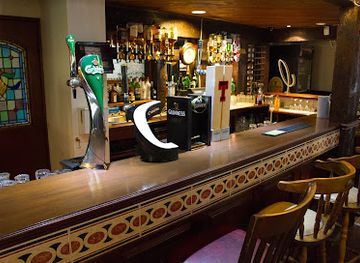
Evening life in Antrim is concentrated in its towns and larger coastal settlements rather than in a single regional nightlife district. Traditional pubs remain important social spaces, particularly in market towns and villages, and may offer live music, conversation and locally produced drinks without functioning as formal entertainment venues. Carrickfergus, Ballymena, Larne, Ballycastle and other larger centres provide a broader selection of pubs, restaurants and occasional live-music settings, while coastal resorts can become busier during the visitor season. Nightclubs exist mainly in urban centres and their status and opening arrangements can change, so current local information is advisable. In the Glens and smaller villages, evenings are generally quieter, centred on pubs, accommodation restaurants and community events. Visitors should not assume that alcohol is necessary to participate in local life; cafés, theatre, food and scenic evening walks also form part of the region’s after-dark character.
-
 Hotel
HotelDunsilly Hotel
A charming 3-star hotel in Antrim offering modern comfort, excellent dining, and warm hospitality in a peaceful setting.
-
Pub
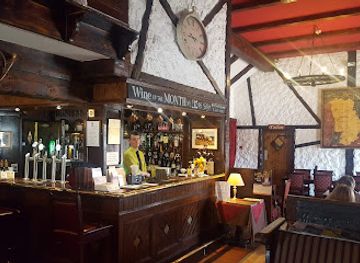
McLarnons Ramble Inn
A traditional Northern Irish pub and restaurant offering hearty meals and cozy ambiance on Lisnevenagh Road, Antrim.
-
Bar
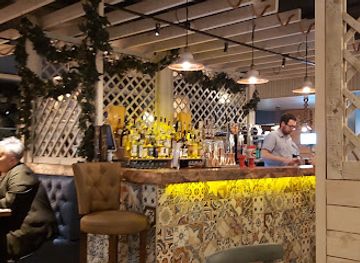
Jakes Cocktail Bar And Grill
A stylish bar and grill in Antrim’s Junction One offering diverse global flavors and expertly crafted cocktails in a lively, modern setting.
-
Grill
Ellie Mays
Cozy rustic grill and pub in Dunadry serving hearty traditional dishes in a welcoming atmosphere.
Best nightclubs in Antrim
Evening life in Antrim is concentrated in its towns and larger coastal settlements rather than in a single regional nightlife district. Traditional pubs remain important social spaces, particularly in market towns and villages, and may offer live music, conversation and locally produced drinks without functioning as formal entertainment venues. Carrickfergus, Ballymena, Larne, Ballycastle and other larger centres provide a broader selection of pubs, restaurants and occasional live-music settings, while coastal resorts can become busier during the visitor season. Nightclubs exist mainly in urban centres and their status and opening arrangements can change, so current local information is advisable. In the Glens and smaller villages, evenings are generally quieter, centred on pubs, accommodation restaurants and community events. Visitors should not assume that alcohol is necessary to participate in local life; cafés, theatre, food and scenic evening walks also form part of the region’s after-dark character.
-
Gastropub
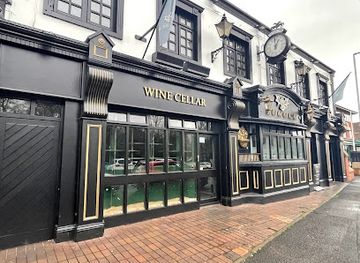
Rococo Wine Bar Antrim
Elegant gastropub on Castle Street offering generous portions, fine wines, and a charming beer garden in the heart of Antrim.
-
Nightclub
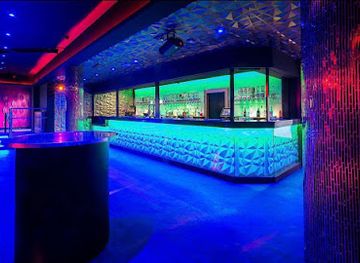
ORIGIN Nightclub & Bar Ballymena
Experience Ballymena’s vibrant nightlife at ORIGIN Nightclub & Bar with top DJs, stylish vibes, and an unforgettable party atmosphere every weekend.
Best shops in Antrim
Shopping in Antrim is strongest in its market towns, coastal centres and farm-based outlets rather than in large luxury retail districts. Ballymena and Antrim town provide practical high-street shopping, while Carrickfergus and Ballycastle combine everyday stores with independent businesses, cafés, galleries and visitor-oriented shops. On the north coast, look for locally made crafts, artwork, books, knitwear and gifts inspired by the sea, basalt landscapes and Ulster heritage. Farm shops and food producers offer wheaten bread, preserves, cheeses, confectionery, meats and other regional goods suitable for taking home, subject to travel and customs rules. Bushmills whiskey is a prominent local purchase, although visitors should check import allowances when crossing borders. Antiques, pottery, textiles and handmade jewellery appear in selected independent shops and galleries, while seasonal markets can provide a stronger sense of local commerce than permanent retail centres. Rural opening days and stock vary, so plan shopping around the larger towns when specific provisions are important.
-
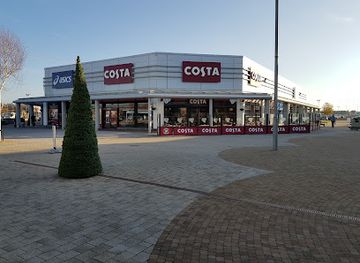
Shopping Centre
The Junction Shopping Complex
A vibrant retail and leisure destination in Antrim offering diverse shopping, dining, and entertainment experiences.
-
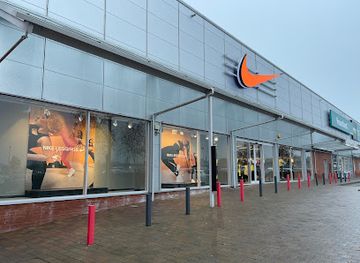
Sporting Goods Shop
Nike Factory Store
Discover top-tier Nike sportswear and footwear at outlet prices in the vibrant retail hub of The Junction, Antrim.
-
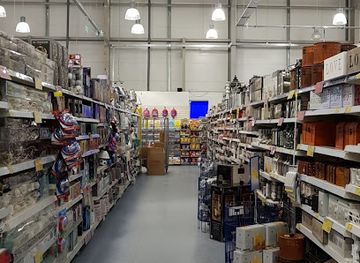
Discount shop
B&M Home Store
Discover unbeatable bargains and a vast product range at B&M Home Store, Antrim’s premier discount shopping destination at Junction One.
-
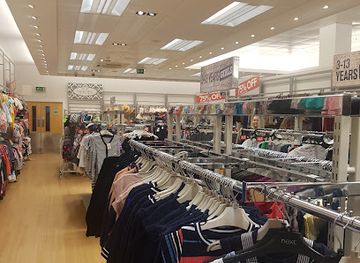
Department store
Next Outlet
Discover stylish fashion and home bargains at Next Outlet, Antrim’s versatile retail hub within The Junction.
Get your free copy of our complete guide to Antrim, delivered straight to you.
Everything on this page, from attractions and restaurants to essentials and local phrases, in one PDF you can read offline, print or share.
Already have an account? Sign in
Your Antrim guide is ready.
We'll send it to · Not you? Sign out

Getting your guide ready…
We are putting together a fresh copy of the Antrim guide. This can take up to a minute.
This can take a few moments. If your browser asks, choose Allow so the download can start. You'll find the guide in your Downloads folder.
Nothing happened? Download it again
Sorry, the guide is taking longer than usual. Please try again in a minute, or get it by email instead.
Antrim essentials
Currency and Payment
Safety
Emergency Situations
Do's and Don'ts
Local Tips
From Eve
Local phrases worth knowing
You don't need to get them perfect. A few words go a long way, and locals appreciate the effort.
Basics
| English | Local | Say it |
|---|---|---|
| Hello | Hello | [həˈloʊ] |
| Goodbye | Goodbye | [ɡʊdˈbaɪ] |
| Yes | Aye | [aɪ] |
| No | No | [noʊ] |
| Please/You’re welcome | Please | [pliːz] |
| Thank you | Thank you | [θæŋk juː] |
| Excuse me/Sorry | Excuse me/Sorry | [ɪkˈskjuːz mi/ˈsɔːri] |
| How are you? | How are ya? | [haʊ ɑːr jə] |
| Fine. And you? | Grand. And you? | [ɡrænd. ənd juː] |
| Do you speak English? | Do ya speak English? | [duː jə spiːk ˈɪŋɡlɪʃ] |
| I don't understand | I don't get it | [aɪ doʊnt ɡɛt ɪt] |
Eating & Drinking
| English | Local | Say it |
|---|---|---|
| I'd like to see the menu, please | Can I see the menu, please? | [kæn aɪ siː ðə ˈmɛnjuː pliːz] |
| I don't eat meat | I don't eat meat | [aɪ doʊnt iːt miːt] |
| Cheers! | Cheers! | [tʃɪrz] |
| I would like to pay, please | Can I pay, please? | [kæn aɪ peɪ pliːz] |
Emergencies
| English | Local | Say it |
|---|---|---|
| Help! | Help! | [hɛlp] |
| Go away! | Clear off! | [klɪr ɒf] |
| Call the Police! | Phone the cops! | [foʊn ðə kɒps] |
| Call a doctor! | Get a doctor! | [ɡɛt ə ˈdɒktə] |
| I'm lost | I’m lost | [aɪm lɒst] |
| I'm ill | I’m not well | [aɪm nɒt wɛl] |
Shopping
| English | Local | Say it |
|---|---|---|
| I'd like to buy... | I want to buy... | [aɪ wɒnt tuː baɪ] |
| I'm just looking | Just having a look | [dʒʌst ˈhævɪŋ ə lʊk] |
| How much is it? | How much's that? | [haʊ mʌʧs ðæt] |
| That's too expensive | That’s a bit dear | [ðæts ə bɪt dɪr] |
| Can you lower the price? | Can ya bring the price down? | [kæn jə brɪŋ ðə praɪs daʊn] |
Time & Numbers
| English | Local | Say it |
|---|---|---|
| What time is it? | What’s the time? | [wɒts ðə taɪm] |
| It's one o'clock | It’s one o’clock | [ɪts wʌn əˈklɒk] |
| Half past (10) | Half past ten | [hɑːf pɑːst tɛn] |
| Morning | Morning | [ˈmɔrnɪŋ] |
| Afternoon | Afternoon | [ˌæf.təˈnuːn] |
| Evening | Evening | [ˈiːvnɪŋ] |
| Yesterday | Yesterday | [ˈjɛstərdeɪ] |
| Today | Today | [təˈdeɪ] |
| Tomorrow | Tomorrow | [təˈmɔːroʊ] |
| 1 | One | [wʌn] |
| 2 | Two | [tuː] |
| 3 | Three | [θriː] |
| 4 | Four | [fɔːr] |
| 5 | Five | [faɪv] |
| 6 | Six | [sɪks] |
| 7 | Seven | [ˈsɛv.ən] |
| 8 | Eight | [eɪt] |
| 9 | Nine | [naɪn] |
| 10 | Ten | [tɛn] |
Transport & Directions
| English | Local | Say it |
|---|---|---|
| Where's a/the...? | Where's the...? | [wɛrz ðə...?] |
| What's the address? | What’s the address? | [wɒts ði əˈdrɛs] |
| Can you show me (on the map)? | Can ya show me on the map? | [kæn jə ʃoʊ mi ɒn ðə mæp] |
| When's the next (bus)? | When’s the next bus? | [wɛn z ðə nɛkst bʌs] |
| A ticket (to ....) | A ticket to... | [ə ˈtɪkɪt tuː...] |
History of Antrim
Early Settlement and the Kingdom of Dál Riata
Antrim has been inhabited since prehistoric times, with megalithic remains, promontory sites and early settlement evidence recording successive communities. In the early medieval period, the north-eastern coast was linked to the Gaelic kingdom of Dál Riata, whose influence extended across the North Channel towards western Scotland. Monastic foundations and ecclesiastical sites introduced Christianity and created enduring centres of learning and worship. The county’s position between Ireland and Scotland made it a zone of movement, exchange and political competition rather than an isolated frontier.
Norman Expansion and Carrickfergus
Norman intervention transformed eastern Antrim from the late twelfth century. John de Courcy established control over much of east Ulster and founded Carrickfergus Castle in the 1180s, creating a powerful military and administrative base beside Belfast Lough. The castle was repeatedly occupied, attacked and adapted over subsequent centuries. Norman influence was strongest in the east and did not erase Gaelic authority elsewhere, but it introduced new forms of castle building, landholding and political organisation whose physical legacy remains central to Antrim’s historical landscape.
Gaelic Lordships and the Medieval North Coast
Beyond the main Norman strongholds, Gaelic families retained authority across large parts of Antrim, including the MacDonnells of Antrim and the surrounding Glens. The north coast’s proximity to Scotland encouraged continuous contact, while island and coastal settlements supported fishing, cattle raising and maritime exchange. Dunluce Castle became an important seat of the MacDonnells and was expanded into a formidable coastal residence. This period left a layered landscape in which Gaelic lordships, Norman fortifications and later plantation settlements occupied the same territory.
Plantation, Settlement and the Growth of Towns
The seventeenth century brought major changes in landholding and population, particularly through the Plantation of Ulster and the settlement of English and Scottish communities. Towns such as Antrim, Ballymena and Lisburn developed within changing systems of commerce and administration, while ports and market centres connected inland farms with wider markets. Religious and political divisions deepened during the same period, and conflict affected communities across the county. The resulting social landscape helped shape the language, institutions and identities of modern Antrim and Northern Ireland.
Linen, Agriculture and Industrial Development
From the eighteenth century, Antrim participated in the expansion of linen production that became one of Ulster’s defining industries. Flax cultivation, spinning, weaving and bleaching supported towns and rural settlements, while improved roads, canals and later railways connected producers to Belfast and other markets. Agriculture remained the foundation of much of the county, but industrial investment changed settlement patterns and created new employment. Some mill buildings, planned villages and transport corridors still reflect the economic transformation of the eighteenth and nineteenth centuries.
The Nineteenth-Century Railway and Coastal Tourism
Railway construction in the nineteenth century made Antrim’s coast and inland towns more accessible, encouraging trade, commuting and leisure travel. Routes serving places such as Carrickfergus, Larne, Portrush and the north-coast resorts helped establish the region as a destination for seaside recreation. Hotels, promenades and excursion traffic developed alongside older farming and fishing communities. The railway also strengthened the county’s connection with Belfast, whose commercial growth increasingly influenced eastern Antrim’s economy and settlement pattern.
Twentieth-Century Conflict and Contemporary Renewal
Antrim was affected by the political division of Ireland in 1921 and by the conflict known as the Troubles, particularly through its proximity to Belfast and other urban centres. Communities experienced violence, political tension and social division, while rural and coastal life continued alongside these pressures. Since the peace process, heritage conservation, outdoor tourism, food production and cultural initiatives have become increasingly important to the regional economy. The county’s restored castles, coastal sites and historic villages now present a more complex story of continuity, change and shared heritage.
Antrim in Photos
Browse through our photo collection highlighting the charm and character of the destination.
Neighbouring regions of Antrim
The closest regions to Antrim, if you have time for more than one.
-

-
-

-

-


Swipe for more regions
Explore more

Explore more of United Kingdom
Discover the United Kingdom: A blend of rich history, stunning landscapes, and vibrant cities, offering a unique travel experience for every visitor.
Explore United Kingdom