Ailsa Craig, Ayrshire Travel Guide
A remote granite island in the Firth of Clyde, famed for its seabird colonies and the Olympic curling stones carved from its rock.
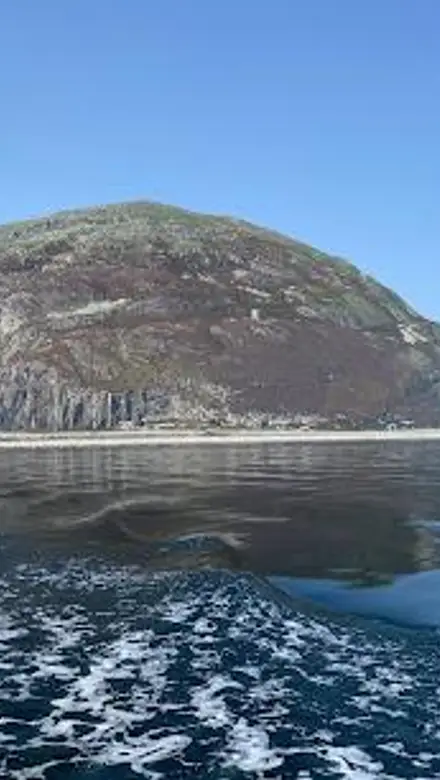
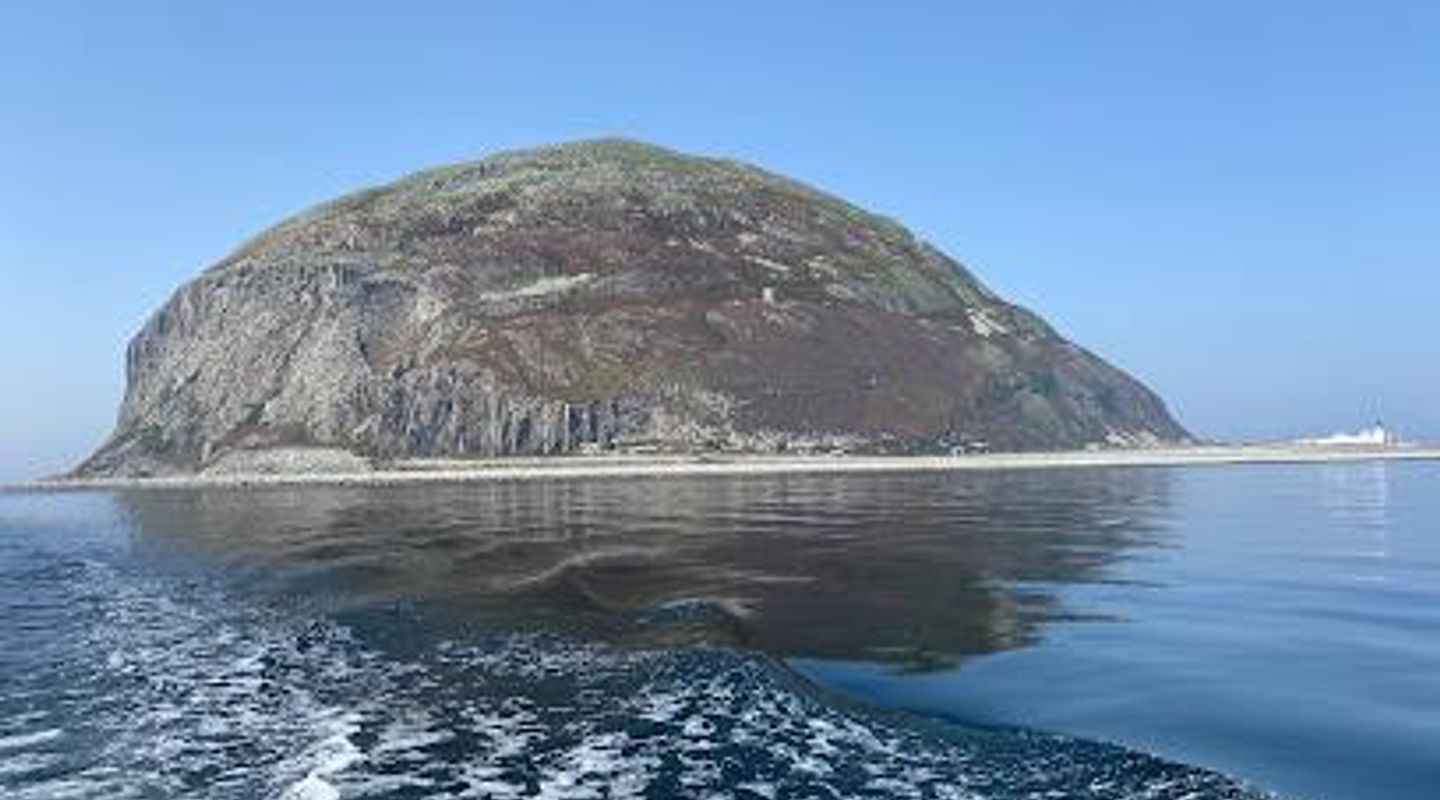
Rising dramatically from the Firth of Clyde, Ailsa Craig is a remote granite island steeped in myth, history, and natural wonder. Nicknamed 'Paddy’s Milestone' and 'Fairy Rock', this uninhabited islet is famed for its seabird colonies and the prized blue hone granite used in Olympic curling stones. With no permanent residents, only a lighthouse and a few ruins remain, while tens of thousands of gannets, puffins, and other seabirds nest on its sheer cliffs. The island is a bird sanctuary and a symbol of Scotland’s wild coastal heritage, best appreciated from the sea or on guided boat tours that land when conditions allow.
A brief summary to Ailsa Craig
- GB
- Duration: 3 to 8 hours
- Mid ranged
-
 Outdoor
- Mobile reception: 2 out of 5

Know before you go
Hi, I'm Eve. Here are a few practical things to know before exploring Ailsa Craig.
- Visit in late spring or summer for the best chance to see puffins and other seabirds in full breeding plumage.
- Book a guided wildlife cruise from Girvan or Ayr; landings are weather-dependent and only possible on calm days.
- Bring binoculars or a spotting scope to clearly see the gannet colonies and other birds from the boat.
- Dress in warm, waterproof layers and sturdy footwear if landing; the terrain is rocky and exposed to wind and spray.
Do you manage this location?
Take control to get all the benefits, like improved information, better appearance, and stronger visibility across AI-powered discovery. Learn more about listing your business on Evendo
Activate your presenceOther nearby places you may find interesting
The closest places of the same kind, if this one is not quite what you had in mind.
Explore Ailsa Craig on the Map
A handpicked selection of must-see spots near Ailsa Craig, mapped for you.
Unlock the Best of Ailsa Craig
Buy tickets
-
No tickets available
Book tours with entry
-
No tours available


Getting There
-
Boat tour
Join a wildlife cruise from Girvan or Ayr; trips typically last 3–6 hours and include time circling the island and, when conditions allow, a landing and short walk to the summit. Landings are only possible in calm weather and on specific guided tours.
-
Private boat
Charter a private vessel from Girvan or nearby marinas; expect a 1–2 hour crossing depending on sea state, with landing only possible on the eastern side in favourable conditions.
-
Helicopter
Private helicopter flights can land on the island; this is a rare and expensive option, usually arranged for special visits or conservation work.
For the on-the-go comforts that matter to you
-
 Restrooms
-
 Drink Options
-
 Drinking Water
-
 Food Options
-
 Seating Areas
-
 Sheltered Areas
-
 Trash Bins
-
 Information Boards
Discover more about Ailsa Craig
A Wild Granite Fortress
Ailsa Craig is a striking volcanic plug, a jagged cone of hard microgranite thrusting 340 metres from the sea in the outer Firth of Clyde. About 16 km off the Ayrshire coast near Girvan, this uninhabited island is a geological marvel, formed from an ancient igneous intrusion that cooled deep underground and now stands as a solitary fortress in the North Atlantic. Its steep, rocky slopes and near-vertical cliffs make it almost inaccessible except on the eastern side, where a small landing area and a 19th-century lighthouse hint at human presence. The island’s Gaelic name, Creag Ealasaid, roughly means 'Elizabeth’s Rock', while its nickname 'Fairy Rock' speaks to its otherworldly presence on the horizon.Home to Seabirds and Sanctuary
Today, Ailsa Craig is best known as one of Europe’s most important seabird sanctuaries. Managed by a nature conservation trust, the island hosts one of the continent’s largest colonies of northern gannets, with tens of thousands of pairs nesting on its cliffs each summer. Alongside them, thousands of guillemots, razorbills, kittiwakes, shags, and fulmars crowd the ledges, while puffin numbers have been steadily increasing in recent years. The surrounding waters attract storm petrels, shearwaters, and other pelagic species, while seals and otters can sometimes be seen along the shoreline. The island’s lack of predators and minimal human disturbance make it a vital refuge for these birds, contributing significantly to Scotland’s coastal biodiversity.Granite and the Game of Curling
Ailsa Craig’s rock is world-famous for a very different reason: it is the source of the granite used to make curling stones. The island’s microgranite, particularly the dense, fine-grained 'blue hone' variety, is exceptionally resistant to water and cracking, making it ideal for sliding on ice. For over a century, nearly all Olympic and international curling stones have been quarried here, giving the island the playful title of 'the only island to win a gold medal'. The old quarry workings and the ruins of the Hamilton towerhouse, built to guard against Spanish threats in the 16th century, are visible reminders of the island’s long human history, even though it has no permanent residents or modern infrastructure.History, Myth and Isolation
The island has served many roles over the centuries. In the 16th century, it was a haven for Catholics during the Scottish Reformation, and later it was used as a prison and a military outpost. Its strategic position halfway between Glasgow and Belfast earned it the nickname 'Paddy’s Milestone', reflecting its place in the sea routes of Irish emigrants. The Romans may have camped here, and later garrisons and a lighthouse were built to control the busy shipping lanes. Today, the only surviving buildings are the lighthouse, the ruined towerhouse, and an old quarry manager’s house used by conservation staff. With no electricity, no running water, and no farmable land, Ailsa Craig remains a place of stark beauty and profound isolation, a true wilderness in the Firth of Clyde.












Your all‑in‑one travel companion app
Explore expert travel guides, compare and book tours, experiences, hotels, and more—all from the palm of your hand. Download now for seamless trip planning wherever your wanderlust takes you.


Explore More of Ayrshire
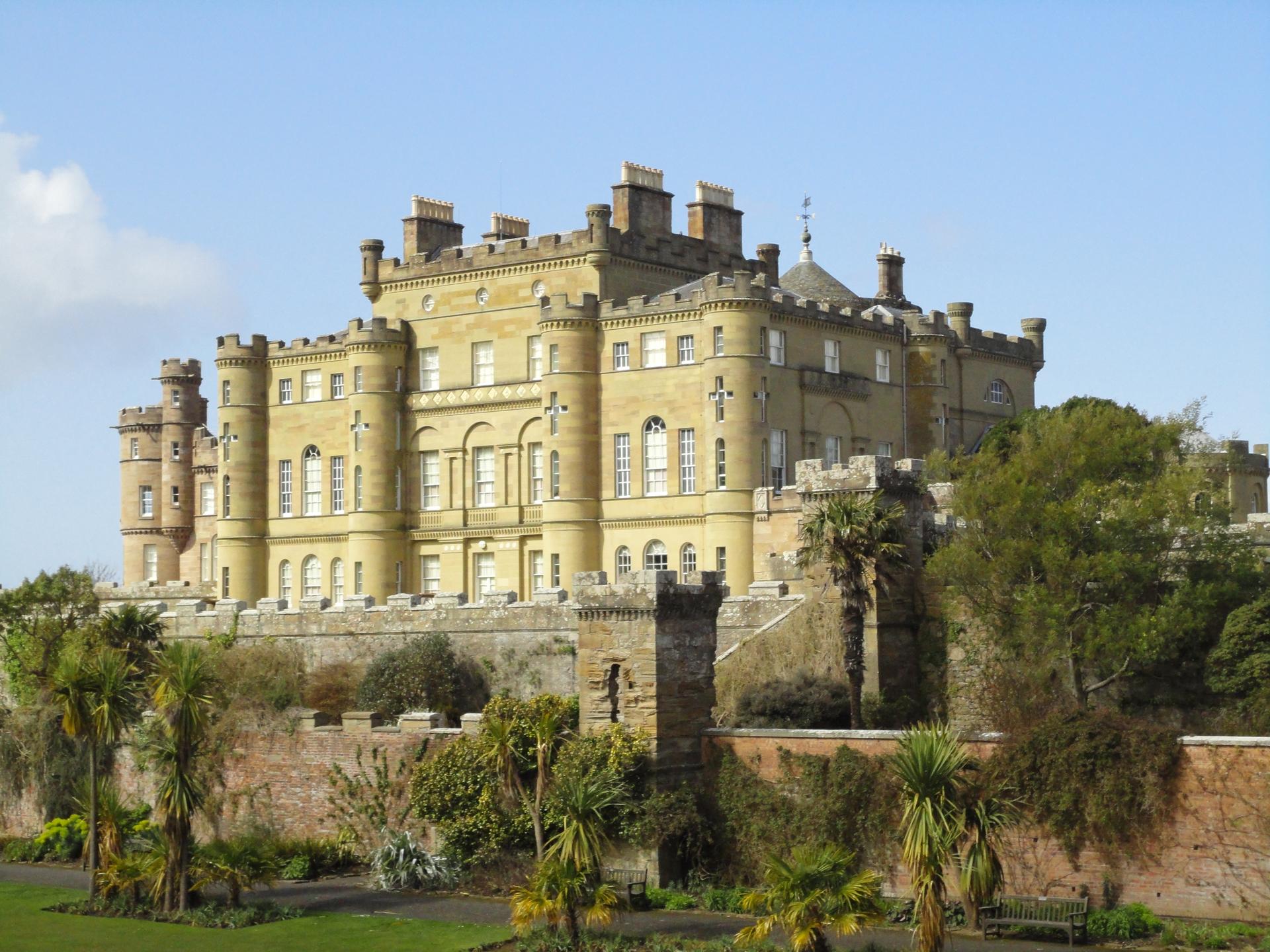
Looking beyond Ailsa Craig? Discover Ayrshire for broader travel guides, local hot-spots, and regional highlights.
Explore Ayrshire
Scotland's National Bard comes alive at his birthplace—a world-class museum celebrating genius, poetry, and timeless legacy.
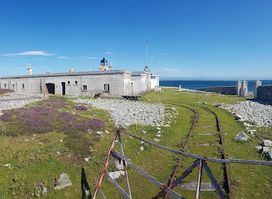
Historic 19th-century lighthouse on a volcanic island sanctuary, blending maritime heritage with vibrant seabird colonies off Scotland’s Ayrshire coast.