Loch Doon Castle, Ayrshire Travel Guide
Explore the unique 13th-century Loch Doon Castle, a relocated island fortress steeped in Bruce-era history and set amidst Ayrshire’s stunning loch and dark skies.
Loch Doon Castle is a unique 13th-century polygonal castle originally built on an island in Loch Doon, Ayrshire. Dismantled and carefully relocated in the 1930s due to rising water levels from a hydroelectric scheme, it features an eleven-sided stone curtain wall and rich connections to Robert the Bruce and Scottish history. Surrounded by scenic loch views and dark skies, it offers a tranquil historic site for exploration and reflection.
A brief summary to Loch Doon Castle
- Ayr, KA6 7QE, GB
- Click to display
- Duration: 0.5 to 2 hours
- Free
-
 Outdoor
- Mobile reception: 3 out of 5

Know before you go
Hi, I'm Eve. Here are a few practical things to know before exploring Loch Doon Castle.
- Visit on a clear night to experience some of the darkest skies in the UK, perfect for stargazing and spotting the Milky Way.
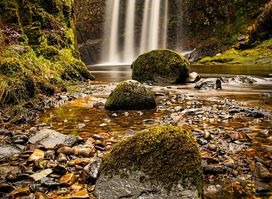
- Wear sturdy footwear if you plan to explore nearby Ness Glen, a scenic gorge walk with steep rocky sides.
- Parking is available near the castle, but there are no onsite facilities, so bring water and snacks.
- Look out for the submerged remains of the original castle island when water levels in Loch Doon are low.
Do you manage this location?
Take control to get all the benefits, like improved information, better appearance, and stronger visibility across AI-powered discovery. Learn more about listing your business on Evendo
Activate your presenceOther nearby places you may find interesting
The closest places of the same kind, if this one is not quite what you had in mind.
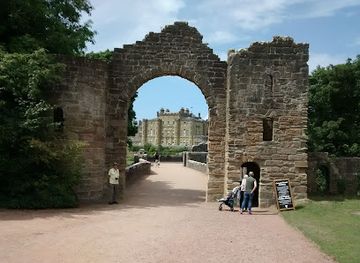
Explore Loch Doon Castle on the Map
A handpicked selection of must-see spots near Loch Doon Castle, mapped for you.
Getting There
-
Car
Driving from Ayr takes approximately 1 hour and 15 minutes via the A713 and B741 roads. Parking is available near the castle, but the access road is narrow and winding. No parking fees apply.
-
Bus and Walking
Take a regional bus from Ayr to Dalmellington (about 1 hour 30 minutes), then a taxi or local walk of approximately 4 km on uneven terrain to the castle site. Bus services may be infrequent on weekends.
-
Cycling
Experienced cyclists can reach Loch Doon Castle via rural roads and trails from Ayr in about 2 to 2.5 hours. The terrain includes some hills and narrow lanes, so suitable equipment and caution are advised.
For the on-the-go comforts that matter to you
-
 Parking
Discover more about Loch Doon Castle
Origins and Royal Connections of Loch Doon Castle
Loch Doon Castle was constructed in the late 1200s by the Bruce earls of Carrick, possibly by Robert the Bruce’s father, also named Robert. This polygonal fortress, with its distinctive eleven-sided stone curtain wall, was originally situated on a small island in the southern end of Loch Doon. It played a strategic role during the Scottish Wars of Independence, serving as a refuge for Sir Christopher Seton, Robert the Bruce’s brother-in-law, after his defeat in 1306. The castle changed hands multiple times between the Scots and the English, symbolizing the turbulent power struggles of medieval Scotland.Architectural Uniqueness and Defensive Design
The castle’s eleven-sided curtain wall is an architectural rarity, designed to defend its island position effectively. It originally enclosed ranges of buildings, including a 16th-century tower house built by the Kennedy family who later held the castle. The curtain wall featured two entrances: a main gate with a pointed arch and portcullis, and a secondary postern gate. The portcullis is believed to remain submerged in the loch. The stonework, comprising finely hewn ashlar blocks, has remarkably withstood centuries of weather and conflict.Relocation and Preservation Amid Hydroelectric Development
In the 1930s, the level of Loch Doon was raised to facilitate a hydroelectric scheme, threatening to submerge the castle’s island site. To preserve this historic monument, the castle was meticulously dismantled, stone by stone, and reconstructed on the mainland shore near Craigmulloch Farm. Although the tower house foundations were also moved, the tower itself was not rebuilt. During very low water levels, the top of the original island and some submerged stones can still be glimpsed, linking the present site to its original setting.Natural Setting and Dark Sky Heritage
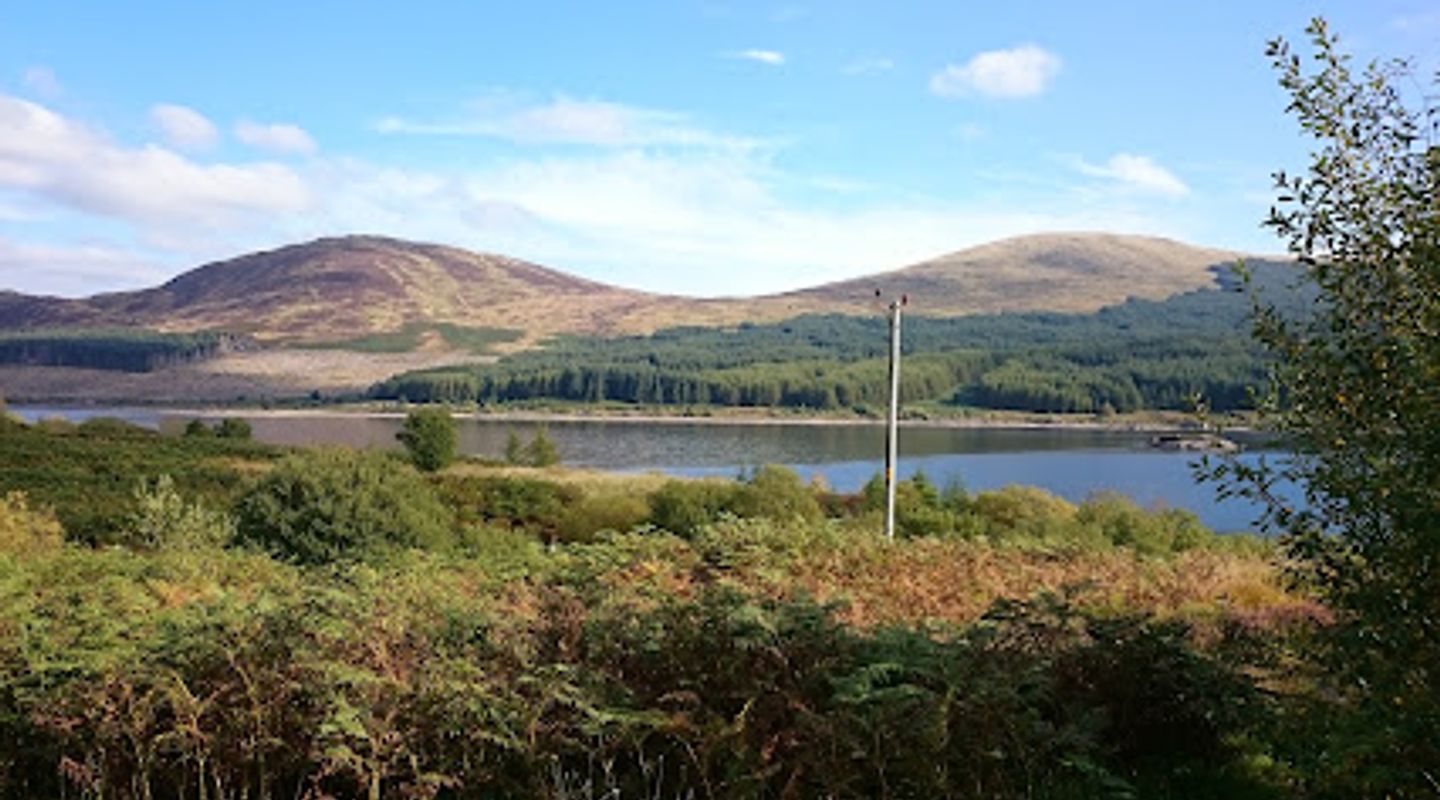
Loch Doon Castle is nestled beside southern Scotland’s largest inland loch, surrounded by the scenic landscape of Ayrshire. The area is part of the Galloway Forest Dark Sky Park, renowned for some of the darkest skies in the UK. Visitors can enjoy spectacular views of the loch, tranquil woodland walks, and, on clear nights, exceptional stargazing opportunities including views of the Milky Way and shooting stars. Nearby Ness Glen offers a dramatic gorge walk and seasonal osprey sightings, enriching the natural experience.Historical Legacy and Local Legends
The castle’s history is intertwined with powerful Scottish families and monarchs. It was held by the Kennedys for centuries before being seized by William Crauford in the early 16th century. The castle suffered damage during King James V’s reign and was ultimately abandoned in the 17th century. Local legend credits the castle with sheltering Robert the Bruce, reflecting its importance as a royal stronghold. Artifacts found nearby, including ancient canoes and weapons, hint at the long human presence in the area.Visitor Experience and Surrounding Attractions
Today, Loch Doon Castle is a free-to-visit historic site open year-round, offering a peaceful atmosphere for history enthusiasts and nature lovers alike. The castle ruins can be explored on foot, with parking available nearby. While the castle itself is small and can be viewed in a brief visit, the surrounding loch and forest provide ample opportunities for walking, birdwatching, and photography. The site’s combination of heritage, natural beauty, and dark sky appeal makes it a distinctive destination in Ayrshire.












Your all‑in‑one travel companion app
Explore expert travel guides, compare and book tours, experiences, hotels, and more—all from the palm of your hand. Download now for seamless trip planning wherever your wanderlust takes you.


Explore More of Ayrshire
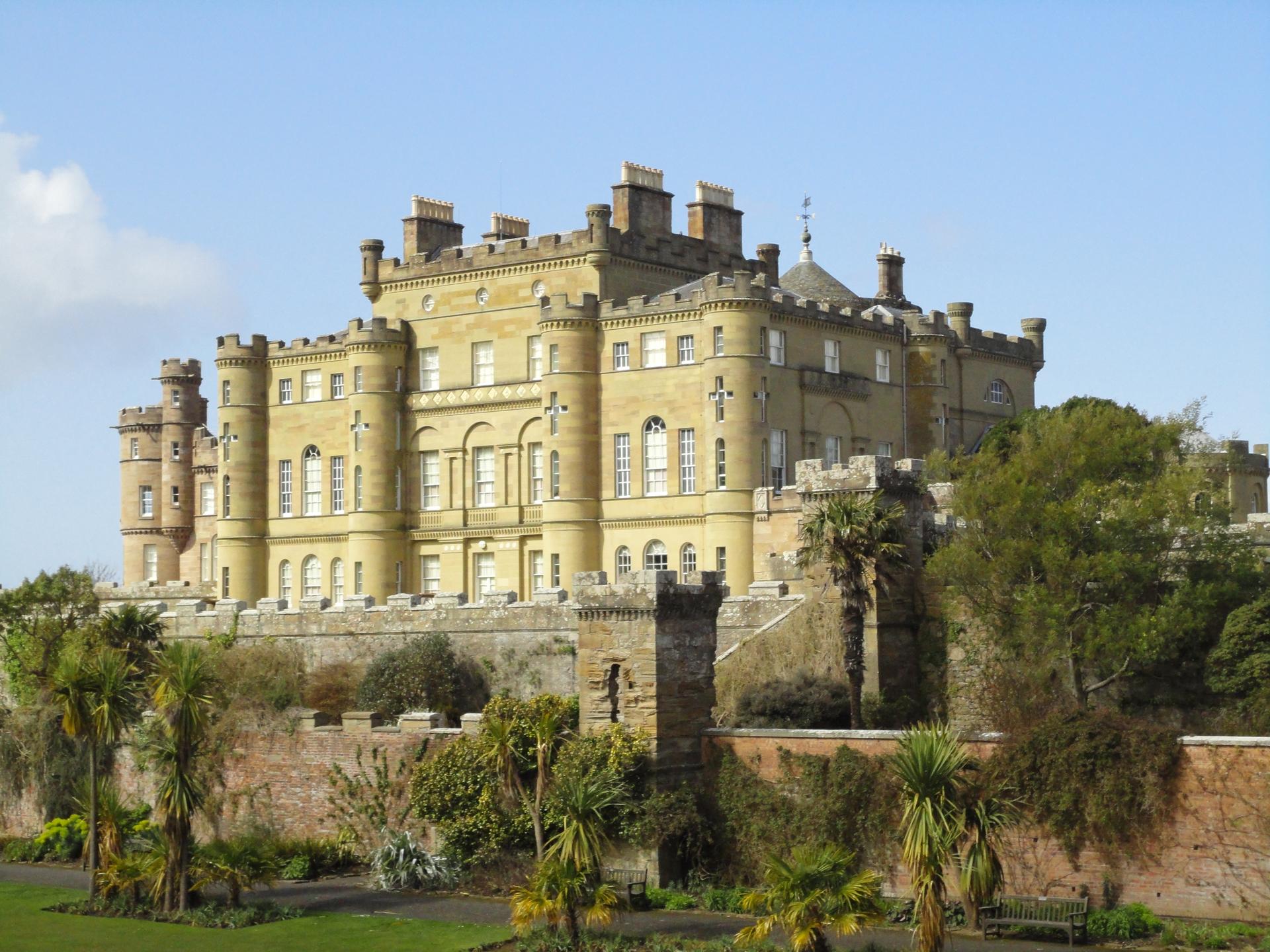
Looking beyond Loch Doon Castle? Discover Ayrshire for broader travel guides, local hot-spots, and regional highlights.
Explore Ayrshire