

Kilwinning Abbey: Echoes of Medieval Monastic Life in Ayrshire
Explore the evocative ruins and rich heritage of Kilwinning Abbey, a medieval monastic treasure with panoramic tower views and unique archery traditions.
Kilwinning Abbey, founded in the late 12th century, stands as a remarkable ruin in North Ayrshire, Scotland. Once a grand Tironensian Benedictine monastery, it was home to monks for around 400 years before falling to ruin during the Protestant Reformation. Visitors can explore its evocative remains, including the impressive south transept and the iconic 1816 clock tower, which offers panoramic views of the Ayrshire coast and surrounding countryside. The site also celebrates local heritage through its museum and annual archery Papingo Shoot.
A brief summary to Kilwinning Abbey
- 65 Main St, Kilwinning, KA13 6AN, GB
- +441316688600
- Visit website
- Duration: 1 to 3 hours
- Free
-
 Outdoor
- Mobile reception: 4 out of 5
- Monday 10 am-5 pm
- Tuesday 10 am-5 pm
- Wednesday 10 am-5 pm
- Thursday 10 am-5 pm
- Friday 10 am-5 pm
- Saturday 10 am-5 pm
- Sunday 11 am-5 pm
Local tips
- Visit the Abbey Tower Heritage Centre between mid-May and mid-September to join guided tours and access the rooftop views.
- Wear comfortable shoes for climbing the 143 steps inside the clock tower; the staircase is narrow and steep.
- Plan your visit to coincide with the annual Papingo Shoot in early June to experience Kilwinning’s unique archery tradition.
- Explore the abbey ruins year-round for free, but the heritage centre offers richer historical context during its open season.

For the on-the-go comforts that matter to you
- Restrooms
- Seating Areas
- Information Boards
Getting There
-
Bus
Regular bus services connect Kilwinning town centre with nearby Ayr and Glasgow, with journeys taking approximately 30 to 50 minutes. Buses stop within walking distance of the abbey ruins. Tickets cost around £3-£6 one way.
-
Train
Kilwinning railway station lies about 1.5 km from the abbey, with frequent trains from Glasgow and Ayr taking 20 to 40 minutes. From the station, a 20-minute walk or short taxi ride leads to the site. Train fares range from £4 to £8.
-
Car
Driving to Kilwinning Abbey is straightforward via the A737 or A78. Parking is available in nearby public car parks within 5 to 10 minutes’ walk. Note that parking fees may apply, typically £1-£3 per hour.
-
Walking
If staying in Kilwinning town centre, the abbey is accessible by a 10 to 15-minute walk along mostly flat, paved streets. The route is suitable for most visitors, including those with moderate mobility.
Kilwinning Abbey location weather suitability
-
 Any Weather
-
 Rain / Wet Weather
-
 Clear Skies
-
 Mild Temperatures
Discover more about Kilwinning Abbey
Foundations of Faith and Early History
Kilwinning Abbey traces its origins to a site of early Christian worship established by St. Winning around the 7th or 8th century, evidenced by surviving carved stones dating back to circa AD 900. The abbey itself was founded between 1162 and 1188 as a Tironensian Benedictine monastery, colonised by monks from Kelso Abbey. Likely established under the patronage of Sir Richard de Morville, the abbey became a spiritual centre dedicated to St. Winning and the Virgin Mary. Despite its modest endowments, Kilwinning Abbey grew to be one of Scotland's notable medieval religious houses, with architectural features inspired by its mother house at Kelso and sister abbeys such as Arbroath.Architectural Grandeur and Unique Features
The abbey was architecturally distinctive, featuring a nave and transept spanning 100 feet, broader than many contemporary Scottish abbeys. Unusually, it had two western towers standing separately on massive piers, a rare design in Scotland. Although one tower was lost early on, the remaining tower was rebuilt in 1816 as a clock tower, designed by David Hamilton. Visitors today can climb the 143-step spiral staircase inside this tower, passing original clockworks and bell mechanisms before reaching the rooftop, which offers sweeping 360-degree views of Kilwinning, the Ayrshire coastline, and islands such as Arran and Ailsa Craig.Reformation and Decline
The abbey's peaceful monastic life ended abruptly during the Scottish Protestant Reformation around 1560. Influenced by reformers like John Knox, the abbey was 'cast down' by mobs, resulting in the destruction of stained glass, tombs, and religious relics. Stones from the abbey were repurposed for local buildings, including a parish church. Despite this, the south transept remains remarkably intact, preserving a glimpse of the abbey’s former grandeur. The abbey’s lands and rights passed through various hands, including the Earls of Eglinton, marking its transition from a religious to a secular estate.Heritage Centre and Cultural Legacy
The Abbey Tower now serves as a heritage centre, staffed by dedicated volunteers, showcasing local history through exhibits on medieval architecture, the abbey’s Masonic connections, and notable local figures such as poet Robert Service. The centre also celebrates the Ancient Society of Kilwinning Archers, the world’s oldest archery organisation dating back to 1483. The annual Papingo Shoot, where archers aim to knock a wooden bird off a pole atop the tower, continues this unique tradition. The heritage centre is open seasonally, offering guided tours that enrich visitors’ understanding of Kilwinning’s layered history.Spiritual and Community Significance Today
Beyond its historical importance, Kilwinning Abbey remains a site of spiritual resonance. Pilgrims and visitors alike are drawn to the legacy of St. Winning and the abbey’s role in Scotland’s religious heritage. The ruins evoke a sense of tranquility and reflection amid the modern townscape, offering a tangible connection to centuries of faith, legend, and community life. The abbey’s story intertwines with local folklore, including the legend of the River Garnock’s course change attributed to St. Winning’s curse, enriching the cultural tapestry of the region.Visitor Experience and Surroundings
Today, visitors can freely explore the abbey ruins year-round, with the heritage centre and tower open seasonally from mid-May to mid-September. The site’s juxtaposition of ancient stonework and modern Kilwinning town offers a unique atmosphere blending history with everyday life. The climb to the tower’s rooftop rewards visitors with iconic panoramic views, while the heritage centre’s exhibits deepen appreciation for the abbey’s architectural and social history. The annual Papingo Shoot event adds a lively cultural dimension, celebrating a centuries-old tradition unique to Kilwinning.Iconic landmarks you can’t miss

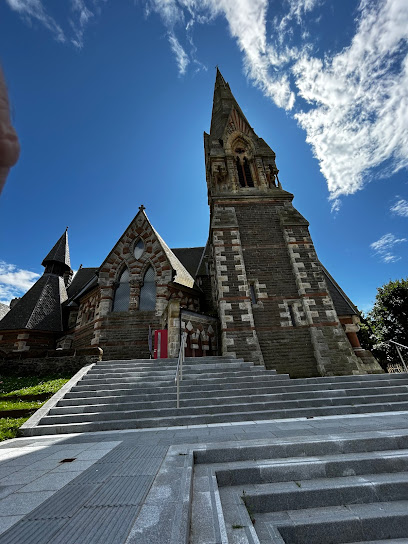
Trinity Church (Former)
4.8 km
A majestic Gothic Revival landmark showcasing Victorian ecclesiastical architecture and Irvine’s rich religious heritage.
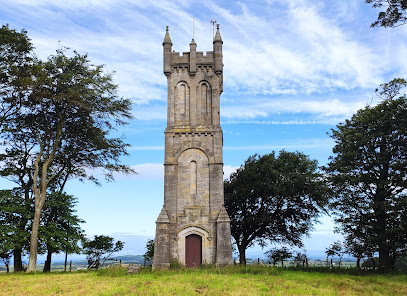
Wallace's Monument, Ayrshire “Burnweil”
17.2 km
A proud Ayrshire landmark honoring William Wallace, Scotland’s legendary hero of independence and bravery.
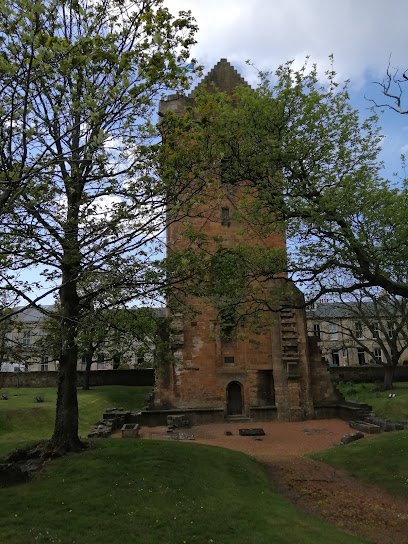
Ayr Citadel
21.4 km
Explore Ayr Citadel, a 17th-century hexagonal fortress by the sea, rich in history and coastal charm.
Coats Paisley
27.1 km
Historic wedding and events venue on Paisley’s High Street, blending heritage charm with cinematic interiors and versatile celebration spaces.
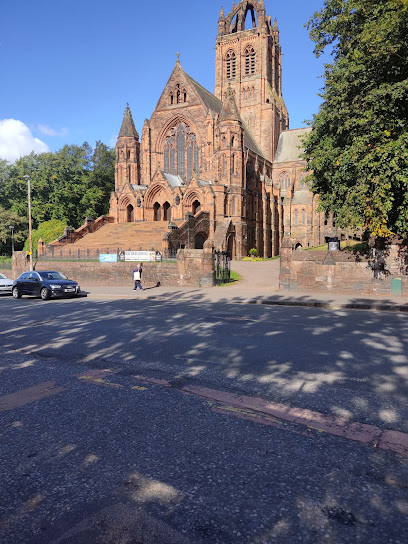
Paisley Town Hall
27.5 km
A majestic Victorian landmark at Paisley’s heart, blending historic grandeur with vibrant arts, events, and festive celebrations.
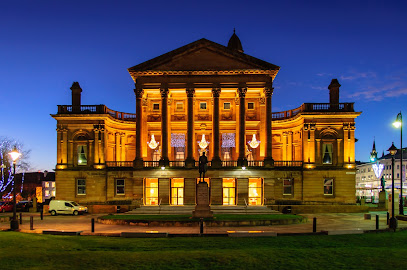
Renfrewshire House
27.5 km
Explore the architectural beauty and rich history of Renfrewshire House, a key landmark in the vibrant town of Paisley, Scotland.
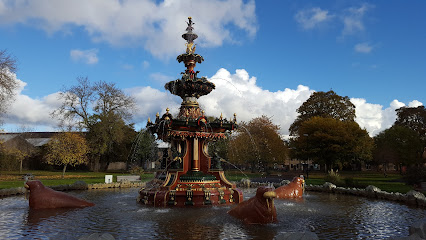
Fountain Gardens
27.7 km
Explore the enchanting Fountain Gardens in Paisley, a lush park filled with floral wonders and serene spaces perfect for relaxation and leisure.
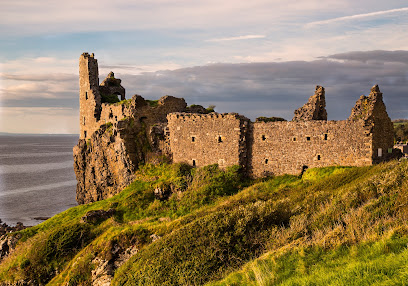
Dunure Castle
27.9 km
Explore the ancient ruins of Dunure Castle, a historical gem on Scotland's Ayrshire coast, offering breathtaking views and rich heritage.
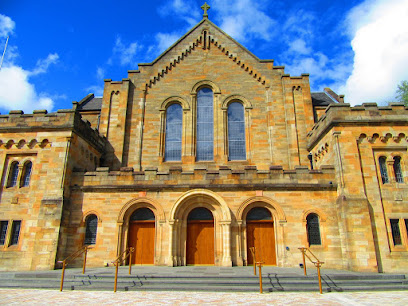
St Mirin's RC Cathedral Paisley
27.9 km
Discover the architectural beauty and spiritual ambiance of St Mirin's RC Cathedral in Paisley, a must-visit tourist attraction steeped in history.
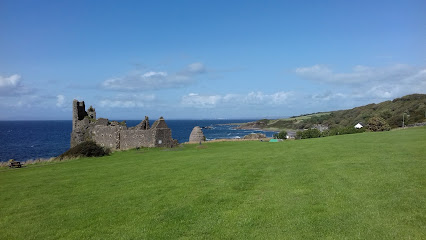
Dunure Labyrinth
27.9 km
Explore the enchanting Dunure Labyrinth, a serene park and garden featuring intricate pathways, stunning coastal views, and a tranquil atmosphere in Ayrshire, Scotland.
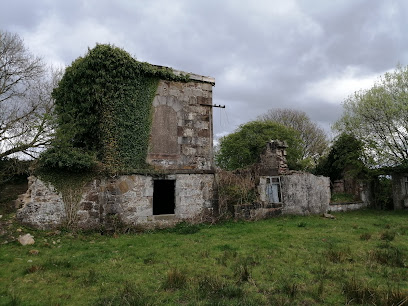
Walkinshaw Brickworks
28.6 km
Explore the historic site of Walkinshaw Brickworks, a cornerstone of Renfrew’s industrial past and Scottish brickmaking heritage.
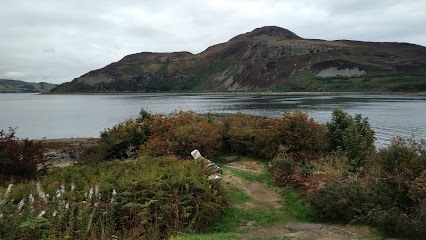
Kingscross Viking Fort
28.8 km
Discover the ancient Viking fort and burial mound at Kingscross Point, where history meets breathtaking coastal vistas on the Isle of Arran.
Barshaw Park
28.8 km
Explore the beauty of Barshaw Park in Paisley, a serene green space perfect for relaxation, outdoor activities, and family fun.

VisitScotland Brodick iCentre
29.0 km
Explore Arran's stunning landscapes and rich heritage from the VisitScotland Brodick iCentre, your gateway to unforgettable adventures on the Isle of Arran.
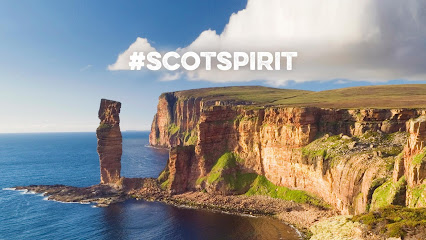
Brodick Castle, Garden and Country Park
29.1 km
Explore the historical splendor of Brodick Castle, surrounded by enchanting gardens and breathtaking landscapes on the Isle of Arran.
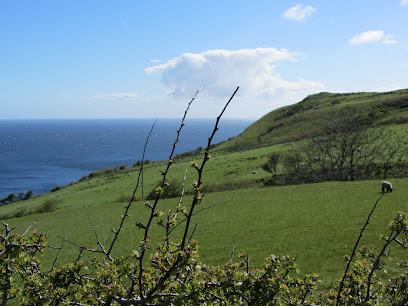
Unmissable attractions to see

Eglinton Country Park
2.1 km
Explore 400 hectares of history, nature, and family fun at Eglinton Country Park, Ayrshire’s beloved free-access estate with castle ruins and scenic trails.
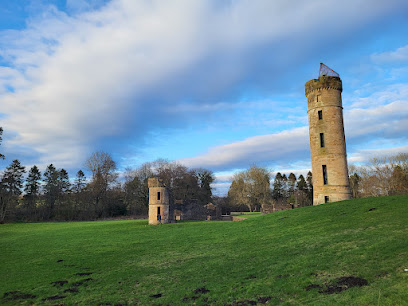
Eglinton Castle
2.3 km
Explore the evocative ruins of Eglinton Castle, a grand Gothic estate steeped in Scottish history and legendary medieval pageantry.
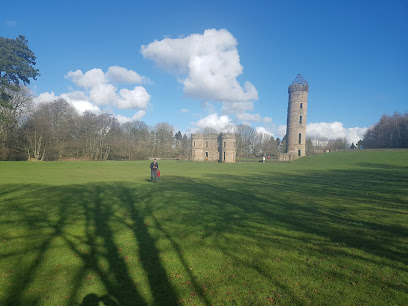
The Museum of Ayrshire Country Life and Costume
2.6 km
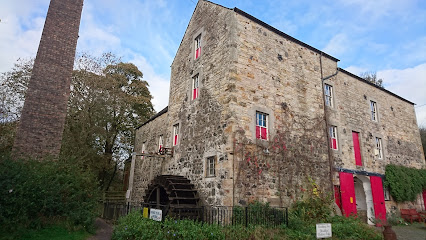
Step into Ayrshire’s past at a beautifully restored 17th-century mill, where a working water wheel, rural life exhibits, and local costumes tell the story of Scotland’s countryside.
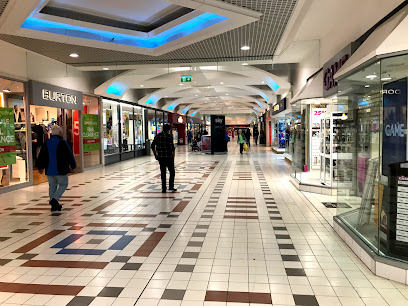
Rivergate
4.8 km
Ayrshire’s largest indoor shopping centre offering over 60 stores, cozy cafes, and free parking in the heart of Irvine.
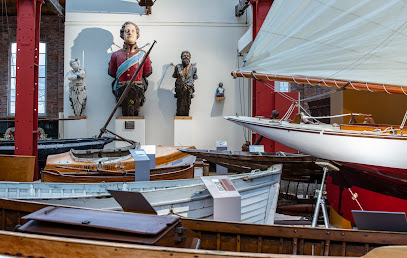
Scottish Maritime Museum, Linthouse Building
5.1 km
Explore Scotland’s rich maritime heritage in the historic Linthouse Building at Irvine Harbour, home to iconic vessels and interactive exhibits.
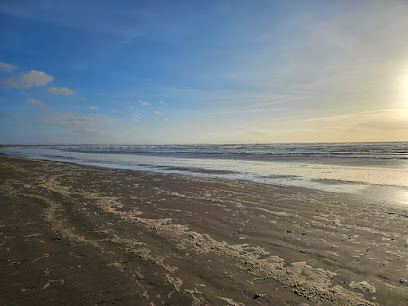
Irvine Beach
5.5 km
Golden sands, stunning views of Arran, and family-friendly parkland make Irvine Beach a serene Ayrshire coastal escape.
North Ayrshire Heritage Centre
6.0 km
Explore North Ayrshire’s rich history and heritage in a historic Saltcoats church with free entry and extensive archives.
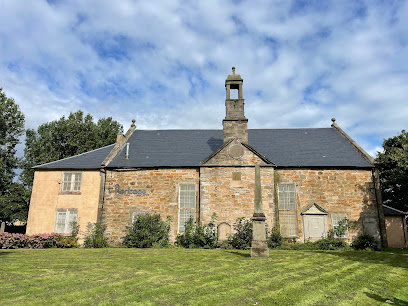
Saltcoats beach
6.4 km
Discover Saltcoats Beach, where golden sands meet rich Scottish heritage and stunning views of the Firth of Clyde.
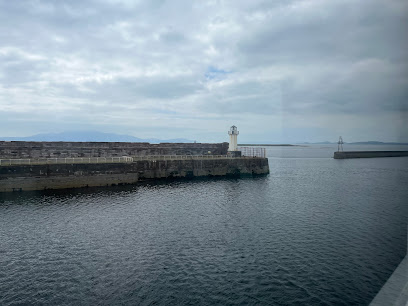
Ardrossan Castle
7.1 km
Explore the evocative ruins of Ardrossan Castle, a historic coastal fortress with panoramic views and rich Scottish legends.
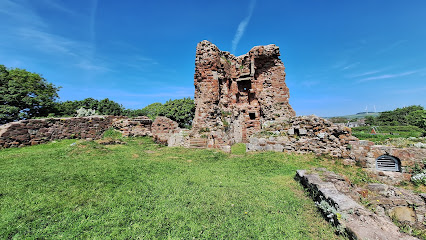
The Blair
7.2 km
A cozy country restaurant near Kilwinning offering hearty local dishes, warm hospitality, and a welcoming rural atmosphere.
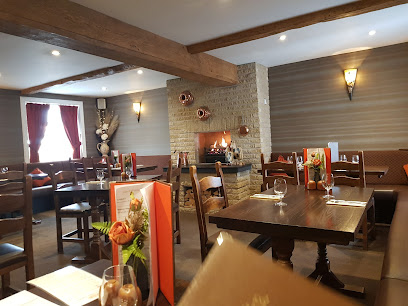
Shewalton Wood
8.3 km
Discover serene woodland trails and vibrant wildlife in Shewalton Wood, a peaceful nature reserve near Irvine.
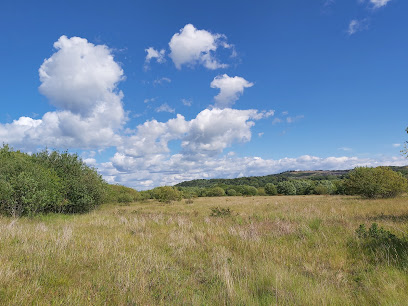
Dundonald Castle and Visitor Centre
10.6 km
Explore the medieval hilltop fortress of Dundonald Castle, where Scottish royal history meets scenic coastal views and engaging visitor experiences.
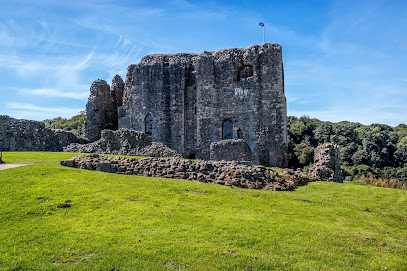
Barassie Beach
10.9 km
A peaceful sandy beach north of Troon with stunning views, watersports, and a tranquil atmosphere away from the crowds.
Burns Shopping Mall
13.6 km
Kilmarnock’s central shopping destination offering practical retail choices and convenient services in a covered, accessible environment.
Fullarton Fairy Trail
13.6 km
Discover the enchanting Fullarton Fairy Trail in Troon—a magical woodland walk filled with fairy doors, wooden carvings, and family-friendly play areas.
Essential places to dine

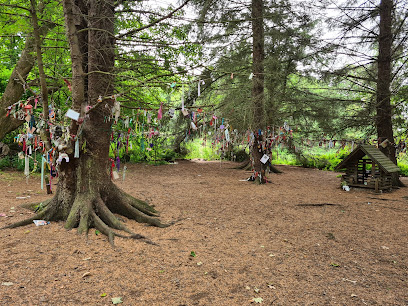
The Potting Shed at Si!
3.9 km
Experience artisan Scottish dining in a charming garden-themed setting with dog-friendly spaces and vibrant events in Irvine.
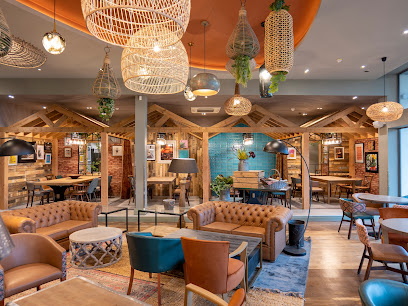
The Ship Irvine Ayrshire
5.1 km
A beloved harbour-side gastropub in Irvine offering hearty traditional dishes and a warm, family-friendly atmosphere.
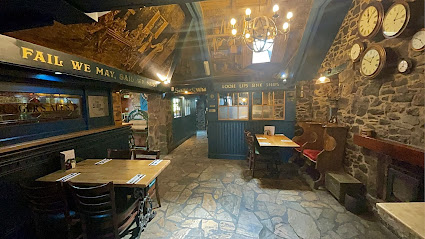
The canny crow restaurant
8.3 km
Contemporary Scottish dining with stunning views and warm hospitality in the heart of Irvine’s Dundonald Links.
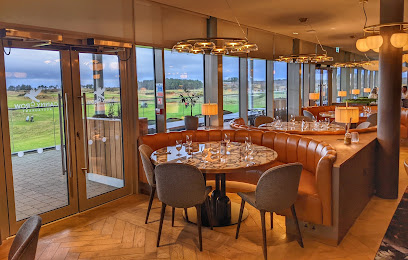
The Orangery Restaurant
10.9 km
Coastal dining excellence with panoramic Ayrshire views and creative British-Scottish cuisine at Seamill Hydro’s Orangery Restaurant.
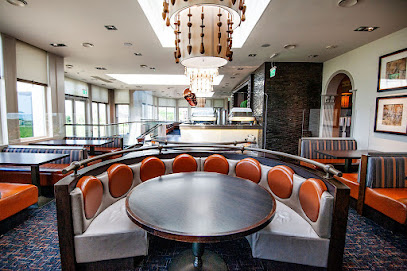
The Swan Restaurant - Troon
12.3 km
A welcoming British restaurant in Troon known for hearty classics, generous portions, and a cozy atmosphere.
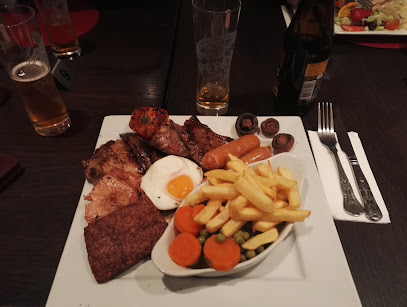
Blues Restaurant
13.1 km
Modern European dining with local Ayrshire flavors in a stylish setting at The Park Hotel, Kilmarnock’s premier restaurant.
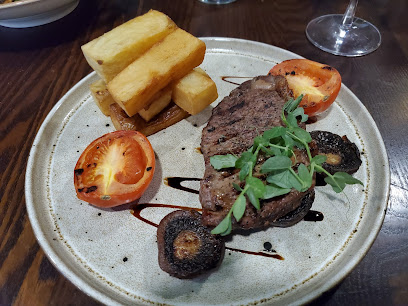
The Glasshouse Restaurant
13.2 km
Elegant dining in a Victorian glasshouse set within the historic and scenic Rowallan Castle Estate in Ayrshire.
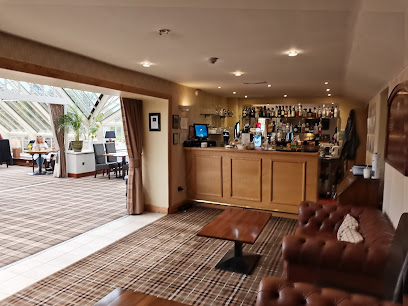
Salt and Barrel
13.3 km
Discover fresh, locally crafted Scottish cuisine in a vibrant training restaurant at the heart of Kilmarnock’s college campus.
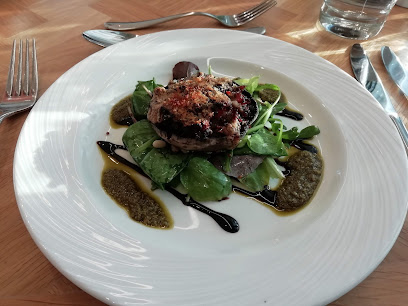
The Long House
13.8 km
A stylish and welcoming modern British restaurant and bar with a dog-friendly garden in the heart of Kilmarnock.
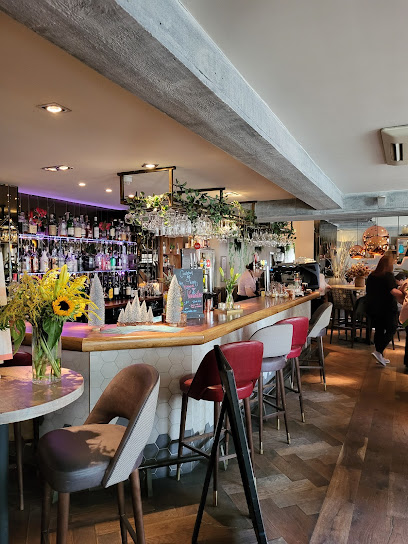
Boat Yard
15.8 km
Relax and dine with panoramic loch views at Boat Yard, Lochwinnoch’s family-friendly restaurant offering fresh, seasonal Scottish cuisine all day.
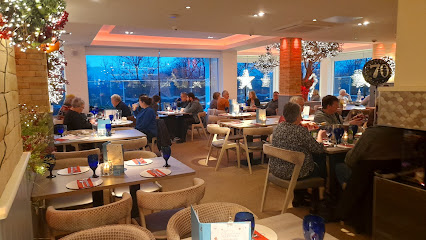
The Vine
18.2 km
A vibrant modern British restaurant and bar in Prestwick, serving seasonal dishes and cocktails from day to late night.
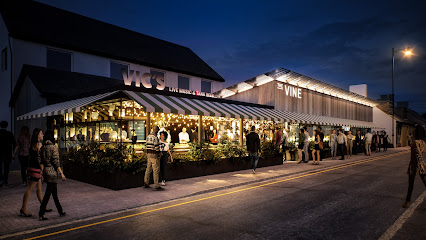
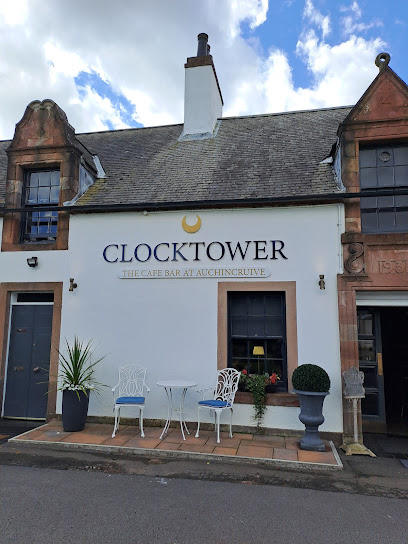
The ClockTower
21.2 km
A charming restaurant nestled in historic Auchincruive Estate, offering hearty meals and a cozy atmosphere in Ayr’s scenic countryside.
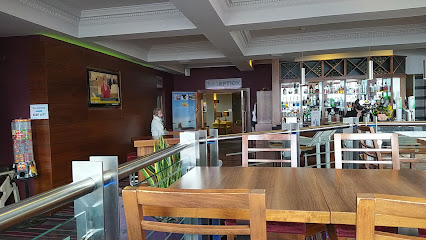
Vista Bar & Restaurant
21.4 km
Contemporary dining with panoramic sea views and classic Scottish dishes at Ayr’s Horizon Hotel.
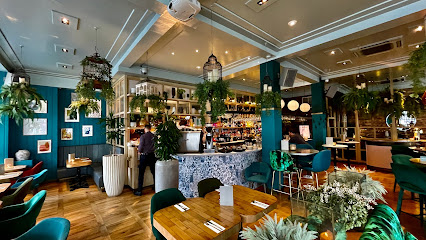
The Tree House
21.6 km
A vibrant modern British restaurant and bar in Ayr’s heart, featuring fresh local dishes and a hidden urban garden terrace.
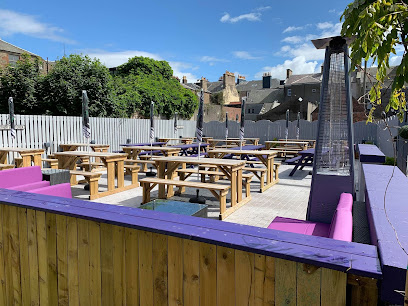
Arthur Street Kitchen (ASK)
21.6 km
A vibrant British cuisine restaurant in Ayr offering hearty dishes, lively atmosphere, and a great selection of wines and cocktails at moderate prices.
Markets, malls and hidden boutiques

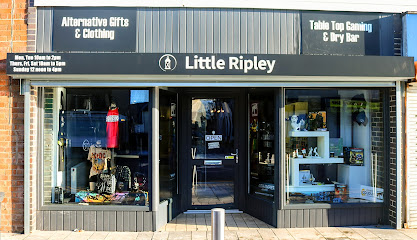
Little Ripley Shop
4.5 km
Discover handcrafted treasures and local charm at Little Ripley Shop, Irvine’s boutique destination for unique gifts and authentic Ayrshire crafts.
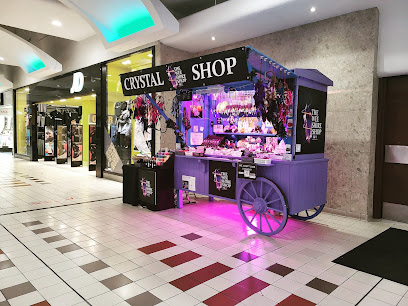
The Wee Shire Shop
4.8 km
Discover unique Scottish gifts and local craftsmanship in a warm, welcoming atmosphere at The Wee Shire Shop in Irvine.
The Original Factory Shop (Dalry)
6.9 km
Discover unbeatable discounts on fashion, homeware, and more at The Original Factory Shop Dalry, your go-to destination for quality bargains.

Specially For You
11.9 km
Explore a treasure trove of unique gifts at Specially For You in Stewarton, perfect for souvenirs and special occasions.
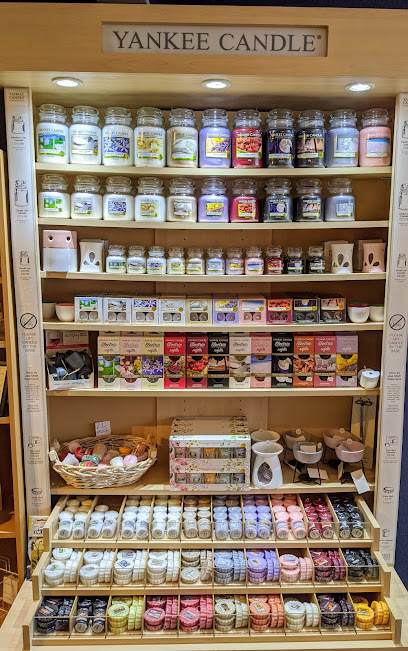
The Wee Gift Shop
12.4 km
A charming independent gift shop in Troon, showcasing handcrafted goods from over 30 Scottish artists and makers.

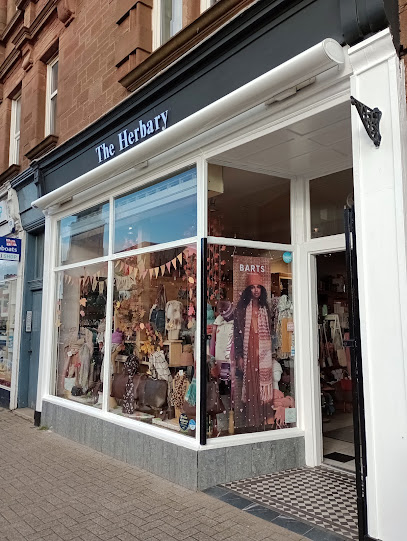
The Herbary
12.5 km
Discover Troon's charming independent gift shop offering unique jewellery, fine gifts, and local treasures in a welcoming boutique setting.
A Scents Of Scotland
14.9 km
Discover handcrafted Scottish gifts and luxurious home fragrances that bring the spirit of the Highlands into your home.
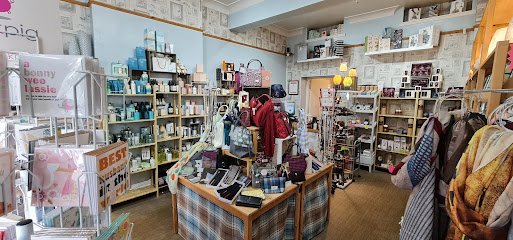
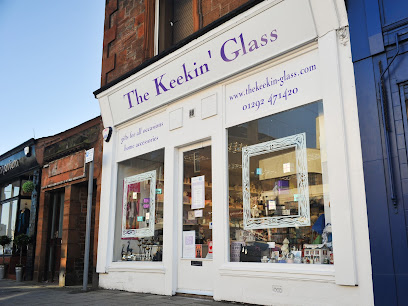
The Keekin' Glass
18.1 km
Discover quirky gifts and cheeky charm at The Keekin' Glass, Prestwick’s beloved boutique for unique treasures and joyful surprises.
Emporium Boutique
18.1 km
Affordable, stylish womenswear in a relaxed, independent boutique on Prestwick’s Main Street – perfect for everyday looks and special occasions.

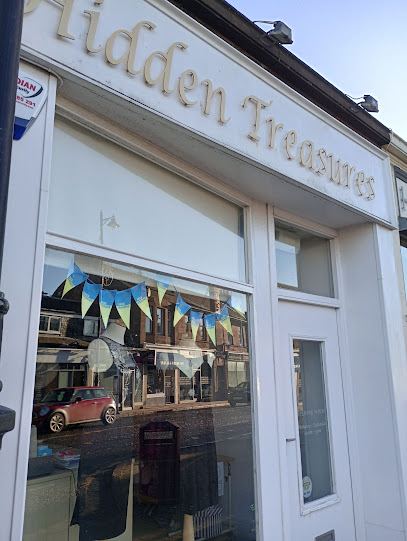
Hidden Treasures
18.2 km
A charming boutique in Prestwick offering stylish ladies’ clothing, hats, and accessories in a warm, welcoming setting.
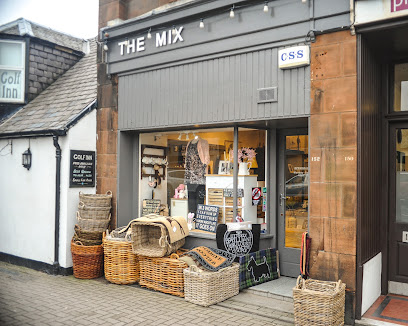
In The Mix
18.2 km
Discover unique Scottish gifts and local crafts at In The Mix, Prestwick’s charming boutique on Main Street.
The Howwood Village Store
19.5 km
Discover local treasures and delightful snacks at The Howwood Village Store, your friendly village convenience store in the heart of Howwood.

A.M. Christie
20.7 km
Discover A.M. Christie in Galston – a boutique offering unique styles and quality clothing at reasonable prices for every fashion enthusiast.

Honeyman Boutique
21.4 km
Discover timeless bridal elegance at Diane Honeyman Boutique, Ayr’s premier destination for designer wedding gowns and accessories.
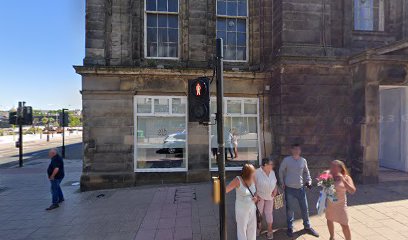
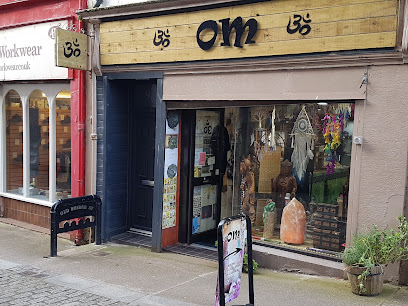
Om Store UK
21.5 km
Discover a serene metaphysical sanctuary in Ayr’s High Street, offering crystals, incense, and spiritual treasures for mindful living.
Essential bars & hidden hideouts

Harbour Lights
5.0 km
Historic harbourside pub in Irvine offering a lively atmosphere, scenic views, and a welcoming spot for drinks and socializing.
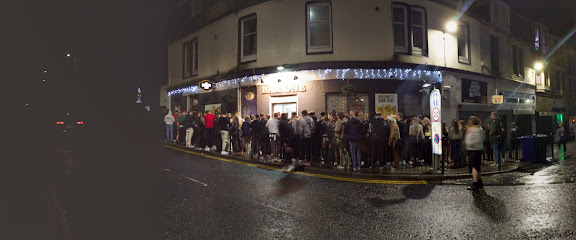
The Box Night Club
5.8 km
A welcoming and lively local nightclub in Saltcoats offering an intimate, friendly atmosphere for casual nightlife and socializing.
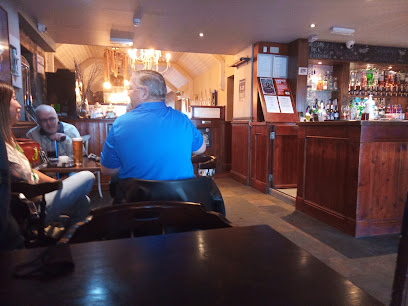
Eglinton Inn
11.5 km
Cozy and friendly pub in Beith offering great food, cocktails, and a welcoming atmosphere for locals and visitors alike.
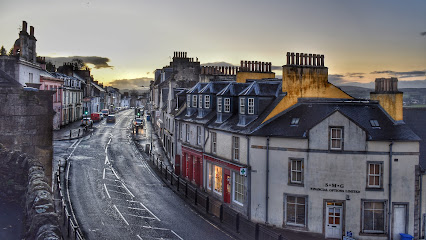
The Harbour Bar
12.3 km
A traditional nautical-themed pub in Troon offering great drinks, hearty food, live music, and a welcoming atmosphere by the waterfront.
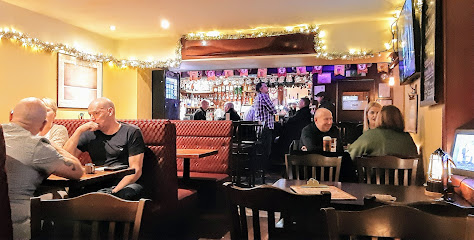
Drouthy Neebors
18.9 km
A welcoming Scottish pub and restaurant on Largs’ Main Street, perfect for hearty meals, drinks, and live sports in a lively atmosphere.
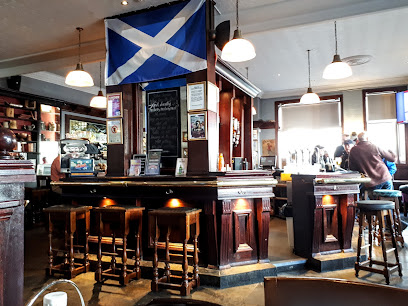
The Wee Mans Bar
21.0 km
Experience authentic Ayrshire hospitality and local flavors at The Wee Mans Bar, a cozy and historic pub in the heart of Ayr.

The Fort Bar
21.3 km
A welcoming harbourside pub in Ayr offering friendly service, great drinks, and a cozy atmosphere steeped in Scottish tradition.
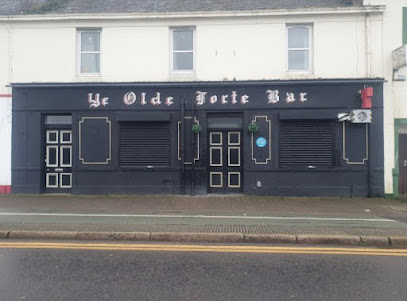
Smugglers
21.3 km
Traditional Scottish pub with rustic charm, lively entertainment, and a welcoming atmosphere on Ayr’s historic harbourfront.
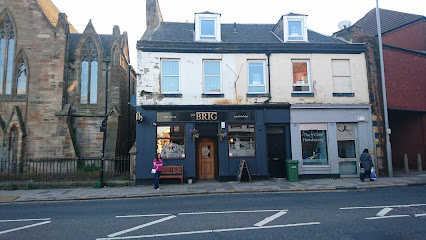
Anchor Bar
21.4 km
A welcoming, traditional seaside pub in Ayr offering hearty food, great drinks, and scenic harbor views at an affordable price.
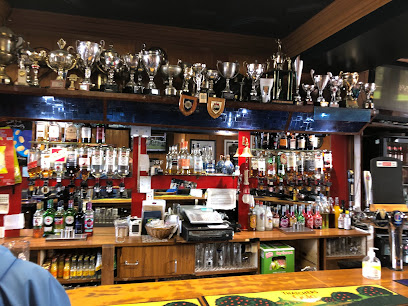
The Black Bull
21.4 km
Ayr’s oldest riverside pub, The Black Bull blends historic charm with lively entertainment and friendly local spirit.
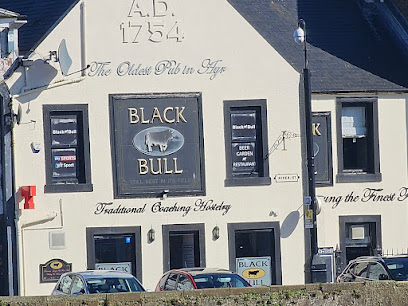
Willie Wastles Sports Bar & Restaurant
21.4 km
Lively sports bar and restaurant in Ayr with over 30 TVs, family and dog friendly, serving hearty meals and drinks in a welcoming atmosphere.
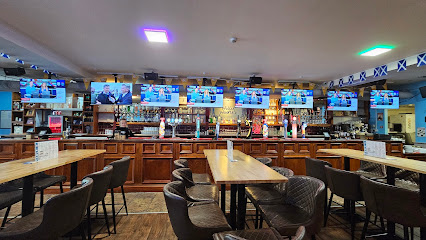
The Smoking Goat bar and grill
21.4 km
A vibrant basement bar and grill in Ayr offering award-winning ambiance, live entertainment, and diverse, inclusive dining options.
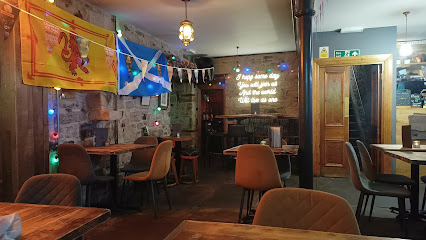
Billy Bridges Bar
21.4 km
Experience authentic Ayr nightlife with local ales, friendly vibes, and lively events at Billy Bridges Bar, your cozy Scottish pub retreat.
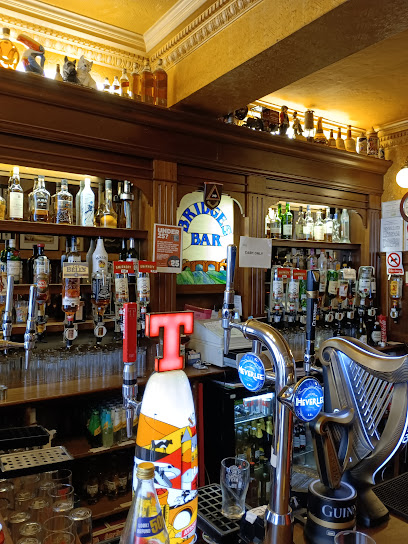
Wee Windaes
21.6 km
A cozy, traditional Scottish pub in Ayr offering warm hospitality, authentic atmosphere, and a welcoming local vibe.
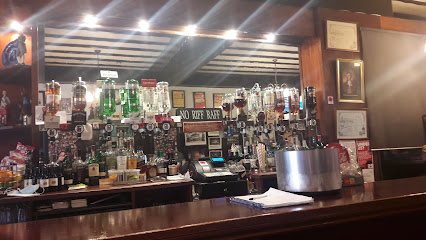
Tbar
21.6 km
A quirky and lively pub in Ayr offering excellent cocktails, live music, and a welcoming atmosphere for a memorable night out.
Nightclubs & after hour spots

Pitchers Bar and Nightclub
4.7 km
A vibrant and inclusive nightclub in Irvine’s heart, offering lively music, dancing, and a welcoming atmosphere until the early hours.

The Club
13.4 km
A vibrant nightlife hotspot in the heart of Kilmarnock, offering lively music and a welcoming atmosphere for locals and visitors.
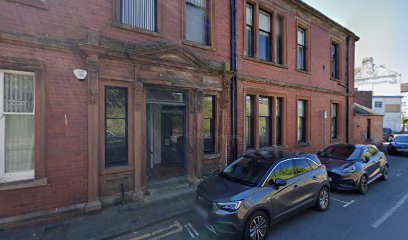
Ayr Ex-Services Club
21.4 km
A friendly and lively social club in Ayrshire offering great music, community spirit, and vibrant weekend nights.
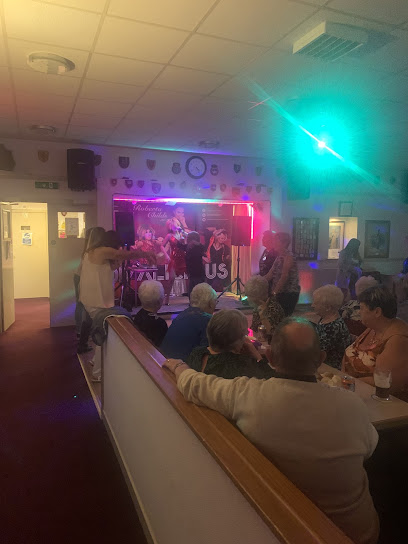
Notion Ayr
21.6 km
Discover the vibrant nightlife at Notion Ayr, an exceptional events venue in the heart of Ayr, perfect for unforgettable social experiences.

Printhouse Ayr
21.7 km
Experience Ayrshire’s vibrant nightlife and live music scene at Printhouse Ayr, where music and atmosphere unite for unforgettable nights.
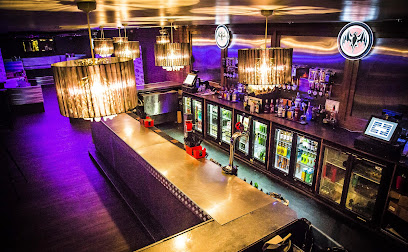
Vienna's Nightclub
27.2 km
Experience Paisley’s vibrant nightlife at Vienna's Nightclub, where energetic music and lively crowds come alive every weekend.
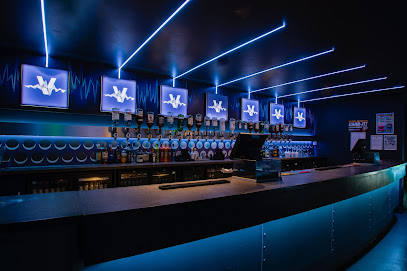
Fantoosh
27.3 km
A lively, intimate nightclub in Paisley’s heart, perfect for energetic nights with friends and local beats.
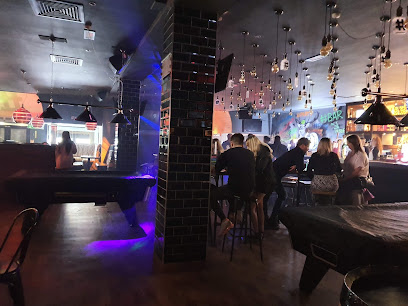
Club 69 Paisley
27.9 km
Dive into Paisley’s legendary underground techno scene at Club 69, where pulsating beats and vibrant vibes keep the night alive.
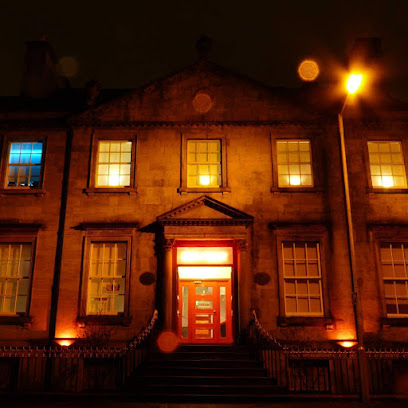
Red
32.9 km
Experience Greenock’s vibrant nightlife at Red Nightclub, where intimate vibes meet lively dance floors and affordable fun every weekend.

The Shed
32.9 km
Dive into Shawlands' glitzy two-floor nightclub where chart bangers, R&B, hip-hop, and 80s cheese anthems fuel unpretentious Southside partying till the early hours.

Word Up
33.5 km
Experience Greenock's revitalized nightlife at Word Up, a modern nightclub with vibrant energy and a welcoming atmosphere.

Skye Nightclub & Lounge
34.7 km
Energetic nightclub and lounge in East Kilbride offering vibrant nightlife, music, and drinks in a stylish setting.
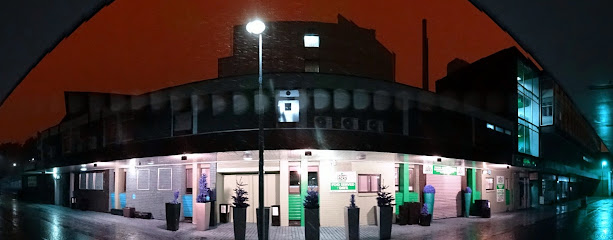
Downtown Nightclub
34.9 km
Experience East Kilbride’s vibrant weekend nightlife at Downtown Nightclub, a hub of music, dancing, and late-night energy in the town centre.

The Berkeley Suite
35.7 km
Discover Glasgow’s hidden vintage nightclub with top DJs, retro vibes, and an intimate dancehall atmosphere beneath a 1940s ballroom.
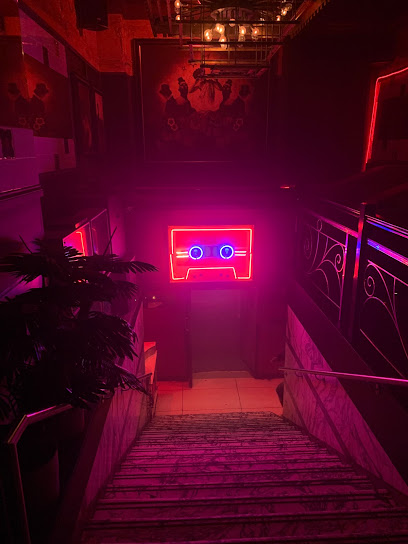
Seventh Heaven Lap Dancing Club
35.7 km
Discover the vibrant nightlife of Glasgow at Seventh Heaven Lap Dancing Club, where entertaining performances meet a lively atmosphere.

For the vibe & atmosphere seeker
- Tranquil
- Scenic
- Historic
- Unique
- Relaxing
For the design and aesthetic lover
- Rustic Designs
- Vintage Styles
For the architecture buff
- Historic
- Landmarks
- Sacred Sites
For the view chaser and sunset hunter
- Iconic Views
- Panoramas
- Sunset Spots
For the social media creator & influencer
- Instagrammable
- Photo Spots
- Selfie Spots
- Architectural Shots
For the eco-conscious traveler
- Public-Transport Accessible
- Locally Managed
For the kind of experience you’re after
- Cultural Heritage
- Photowalk
- Day Trip
- Weekend Getaway
- Myth & Legends
For how adventurous you want the journey to be
- Easy Access
Location Audience
- Family Friendly
- Senior Friendly
- Child Friendly
- Teen Friendly
- Wheelchair Access
- Pet Friendly
- Solo Friendly
- Couple Friendly


