
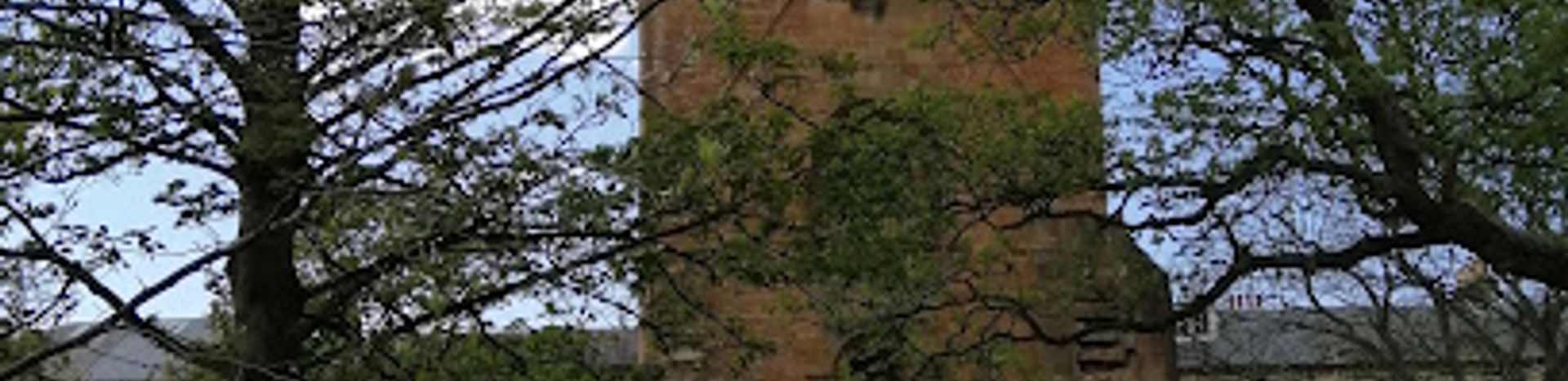
Ayr Citadel: Cromwell’s Coastal Fortress and Historic Landmark
Explore Ayr Citadel, a 17th-century hexagonal fortress by the sea, rich in history and coastal charm.
Ayr Citadel is a remarkable 17th-century artillery fortification located on Eglinton Terrace in Ayr, Scotland. Built in 1657 under Oliver Cromwell's command, this hexagonal fortress with bastions once housed up to 1,000 troops and was designed to control the local population after the English Civil War. Today, visitors can explore its historic walls, interpretive displays, and enjoy views of the surrounding coastal area, making it a compelling site for history enthusiasts and cultural heritage seekers.
A brief summary to Ayr Citadel
- Eglinton Terrace, Ayr, KA7 1JJ, GB
- Duration: 1 to 2 hours
- Free
-
 Outdoor
- Mobile reception: 4 out of 5
Local tips
- Visit in spring or autumn mornings for pleasant weather and fewer crowds.
- Wear comfortable shoes as some paths around the Citadel are uneven.
- Check local event listings for possible historical reenactments or talks.
- Combine your visit with a walk along Ayr’s scenic coastal paths.
- Use nearby town centre parking facilities as there is limited parking at the site.

For the on-the-go comforts that matter to you
- Information Boards
- Seating Areas
- Trash Bins
Getting There
-
Bus
Local bus services run regularly from Ayr town centre to stops near Eglinton Terrace, with a journey time of approximately 10-15 minutes. Tickets cost around £2-£4. Services may have limited frequency on weekends.
-
Car
Driving from Ayr town centre to Ayr Citadel takes about 5-10 minutes. Public parking is available in town centre car parks; parking near the Citadel is limited. Parking fees typically range from £1 to £3 per hour.
-
Walking
A pleasant 20-30 minute walk from Ayr town centre along the ‘lang Scots mile’ coastal path leads to the Citadel. The terrain is mostly flat but includes some uneven surfaces near the site.
Ayr Citadel location weather suitability
-
 Any Weather
-
 Clear Skies
-
 Mild Temperatures
-
 Rain / Wet Weather
Discover more about Ayr Citadel
Origins and Strategic Importance of Ayr Citadel
Constructed in 1657 by order of Oliver Cromwell following the English Civil War, Ayr Citadel was designed as a formidable military fortress to maintain control over a war-weary and resistant Scottish population. The fort’s hexagonal layout, featuring bastions at each corner and a floodable ditch, exemplified advanced military architecture of the time. It was capable of accommodating a garrison of up to 1,000 soldiers, underscoring its strategic significance in securing the southwest coast of Scotland.Architectural Features and Military Design
The Citadel’s design was influenced by European artillery fortifications, with its six-sided shape allowing for defensive coverage from multiple angles. Bastions provided vantage points for cannons and soldiers to repel attackers. The surrounding moat, now filled in, once served as an additional defense mechanism. Today, remnants of the original walls remain visible near Ayr harbour, offering insight into the scale and strength of this historic stronghold.Historical Transitions and Legacy
After the restoration of King Charles II to the throne, the Citadel was dismantled to prevent its use by enemies of the Crown. The land subsequently passed to the Earls of Eglinton and later to the Kennedy family, influential local landowners. Over time, the moat was filled in and the area transformed for residential use, yet the site retains its historical aura and significance as a symbol of Scotland’s turbulent mid-17th-century history.Visitor Experience and Onsite Attractions
Visitors to Ayr Citadel can explore the open-air grounds, including the hexagonal fort layout and bastions. Replica cannons and interpretive display boards provide educational context about the fort’s history and military role. The site also incorporates the 14th-century St. John’s Kirk, adding a layer of medieval heritage to the visit. The terrain includes some uneven paths, so accessibility may vary for those with mobility challenges.Setting and Surrounding Environment
Situated along the scenic Ayr coastline, the Citadel offers visitors coastal views and a peaceful atmosphere. It is located near Ayr town centre, making it accessible for a leisurely walk along the ‘lang Scots mile’ path. Nearby amenities include parking facilities in the town centre and a variety of restaurants and cafes within walking distance, enhancing the overall visitor experience.Seasonal Access and Practical Information
As an outdoor historical landmark, Ayr Citadel is generally accessible throughout the year during daylight hours. There is no admission fee, making it an excellent free attraction for history buffs and casual visitors alike. While official guided tours are not regularly available, local historical societies may offer special guided walks or events during peak seasons, enriching the understanding of this unique site.Iconic landmarks you can’t miss

Ayr Citadel
0.0 km
Explore Ayr Citadel, a 17th-century hexagonal fortress by the sea, rich in history and coastal charm.
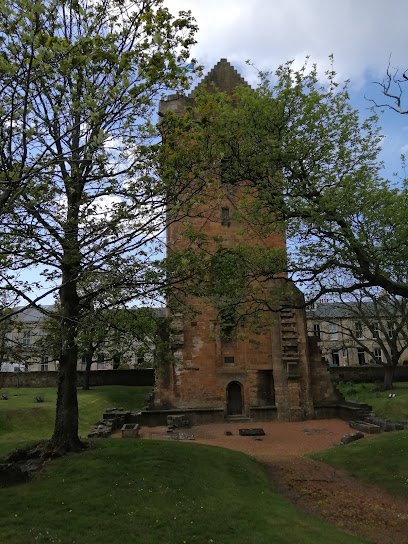
Wallace's Monument, Ayrshire “Burnweil”
10.4 km
A proud Ayrshire landmark honoring William Wallace, Scotland’s legendary hero of independence and bravery.
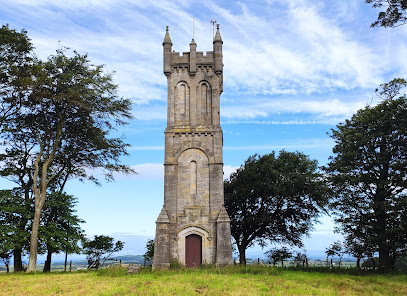
Trinity Church (Former)
16.7 km
A majestic Gothic Revival landmark showcasing Victorian ecclesiastical architecture and Irvine’s rich religious heritage.
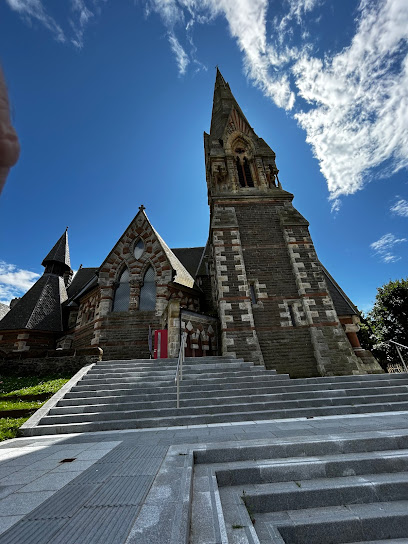
Kingscross Viking Fort
28.4 km
Discover the ancient Viking fort and burial mound at Kingscross Point, where history meets breathtaking coastal vistas on the Isle of Arran.
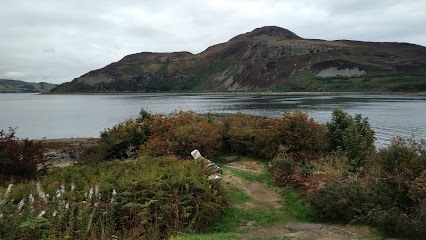
Original site of Loch Doon Castle
31.3 km
Discover the relocated medieval stronghold of Loch Doon Castle, a polygonal fortress with deep ties to Robert the Bruce and Scottish history.
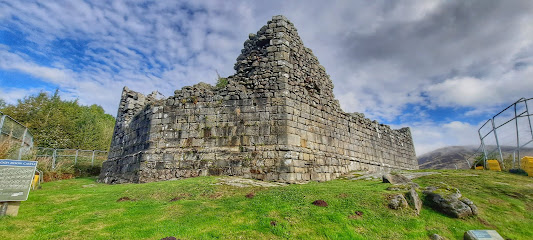
Spirit of Scotland Monument
31.8 km
A towering steel silhouette honoring William Wallace and Scotland’s historic battles at Loudoun Hill, embodying the nation’s enduring spirit.
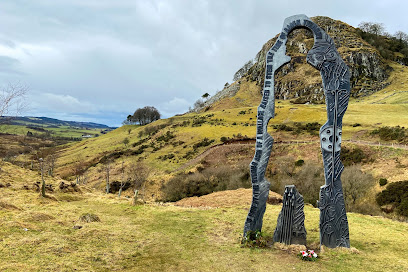
Wee Al's Bench
31.8 km
Breathtaking coastal vantage point where Arran's natural beauty meets centuries of island heritage.
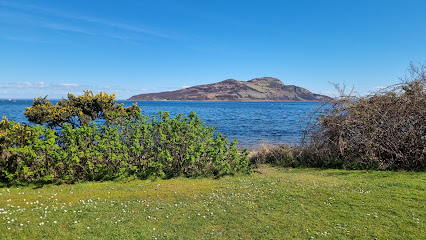
Lamlash Stone Circle
33.3 km
Ancient Neolithic gathering place where stone and sky converge on Arran's moorland.
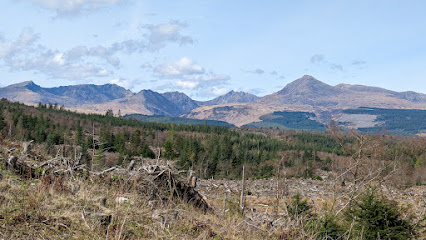
VisitScotland Brodick iCentre
34.0 km
Explore Arran's stunning landscapes and rich heritage from the VisitScotland Brodick iCentre, your gateway to unforgettable adventures on the Isle of Arran.
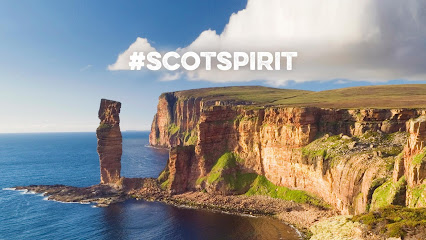
Brodick Castle, Garden and Country Park
35.4 km
Explore the historical splendor of Brodick Castle, surrounded by enchanting gardens and breathtaking landscapes on the Isle of Arran.
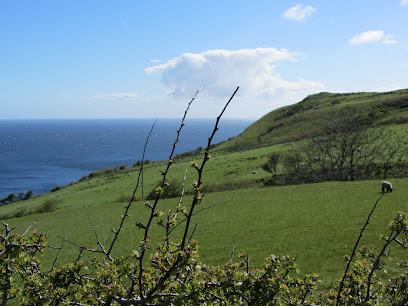
Arran Heritage Museum
35.6 km
Explore the Isle of Arran's history and culture at Arran Heritage Museum, a captivating destination for all ages.
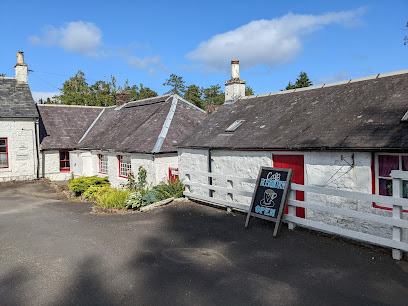
Kelburn Castle and Estate
36.3 km
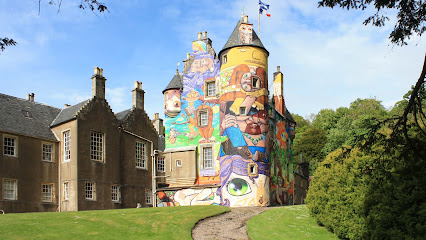
Discover the charm of Kelburn Castle and Estate, a historic Scottish gem with stunning gardens, vibrant art, and family-friendly adventures.
Castle Semple Country Park
36.9 km
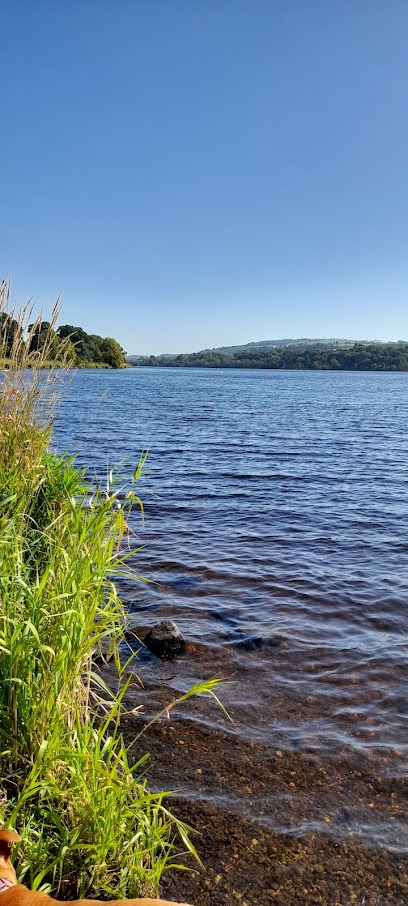
Discover the breathtaking landscapes and outdoor adventures waiting for you at Castle Semple Country Park in Lochwinnoch.
Clyde Muirshiel Regional Park
37.1 km
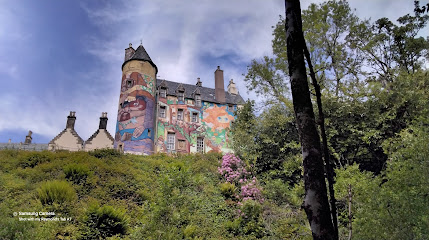
Explore Clyde Muirshiel Regional Park, a breathtaking Scottish gem filled with lush landscapes, diverse wildlife, and endless outdoor adventures.
Largs Pencil Monument
37.7 km
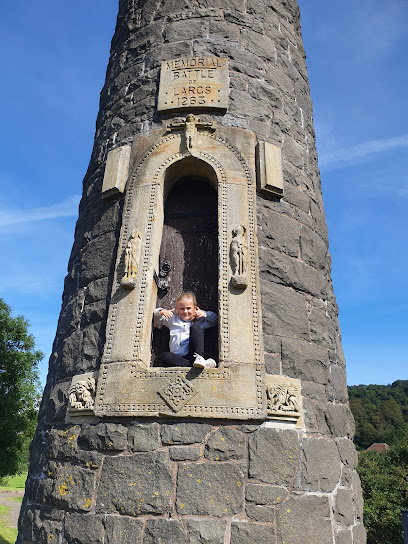
Discover the Largs Pencil Monument, a towering tribute to Scottish heritage with stunning views of the Firth of Clyde and rich historical significance.
Unmissable attractions to see

Ayr River Estuary
0.3 km
Discover the tranquil Ayr River Estuary where rich wildlife, scenic coastal views, and historic Scottish heritage converge in a peaceful natural setting.
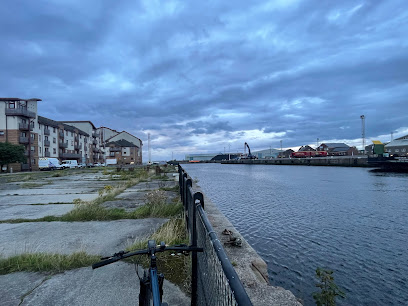
Pirate Petes Scotland
0.4 km
A vibrant pirate-themed indoor playcentre in Ayr offering multi-level slides, climbing adventures, and family-friendly dining by the beach.
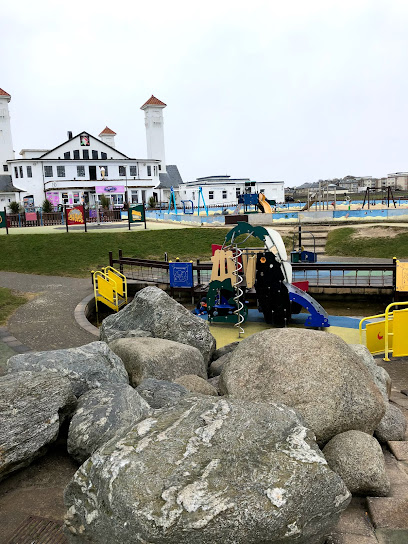
Venue38
0.5 km
Ayr’s largest inclusive live music venue, where local talent shines and communities unite in a vibrant, welcoming atmosphere.
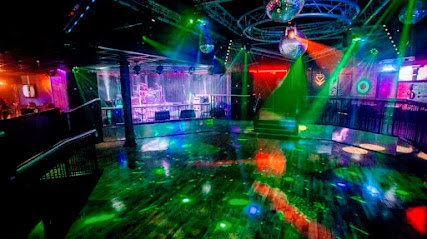
Carnegie Library
0.5 km
Historic Edwardian Renaissance library in Ayr, blending rich heritage with vibrant community learning and cultural activities.
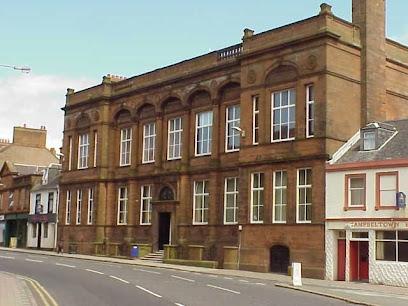
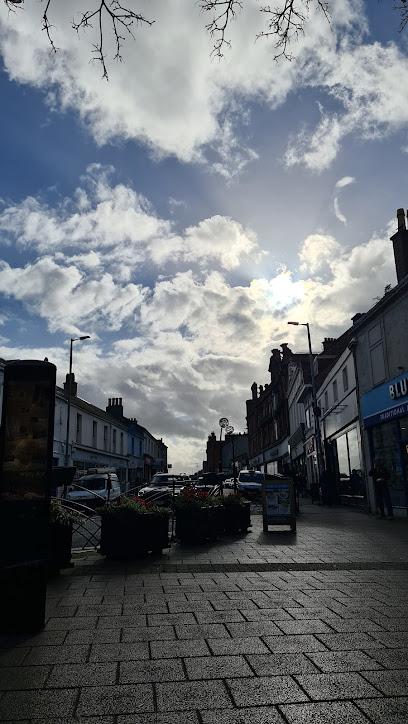
High St
0.5 km
Ayr’s High Street blends historic charm with vibrant shopping and dining, set against a stunning seaside backdrop.
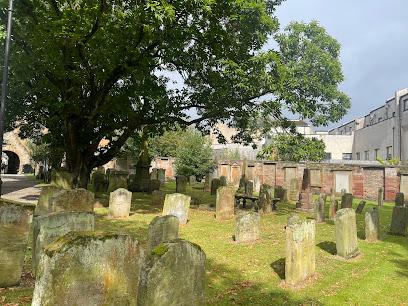
Auld Kirk Of Ayr
0.6 km
Discover Ayr’s historic Auld Kirk, a living church steeped in centuries of Scottish history and rich cultural heritage.
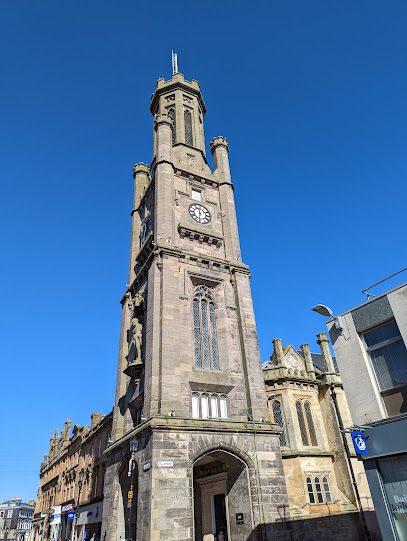
The Wallace Tower
0.6 km
Discover the majestic Wallace Tower in Ayr, a historical monument celebrating Scotland's hero, Sir William Wallace, with stunning views and rich heritage.
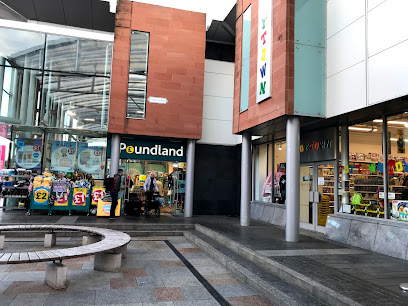
Ayr Central
0.8 km
Ayr Central blends top fashion brands, speciality shops, and cosy cafes under one canopy roof in the heart of Ayr’s vibrant town centre.
Robert Burns Statue
0.9 km
Ayr’s iconic Robert Burns Statue stands as a proud tribute to Scotland’s national poet, celebrating his lasting legacy in the heart of the town.
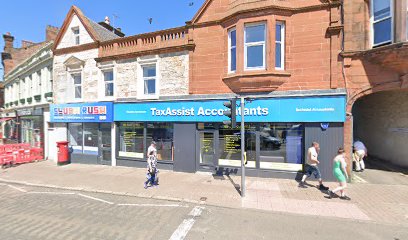
Craigie Park
1.1 km
A serene and vibrant green haven in Ayr, Craigie Park invites you to unwind amidst nature and community spirit.
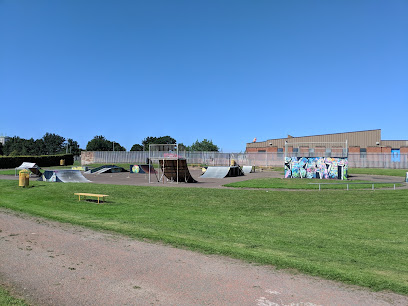
Ayr Beach
1.3 km
Ayr Beach offers family-friendly sandy shores with stunning island views, historic charm, and vibrant seaside fun on Scotland’s Ayrshire coast.
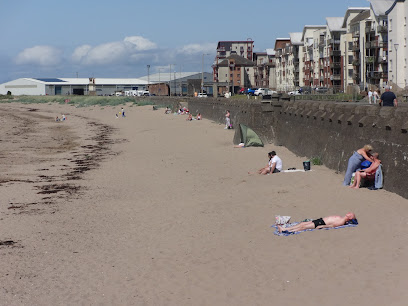
Rozelle House Museum and Galleries
3.1 km
Historic Rozelle House in Ayr blends rich art collections, local heritage, and scenic parkland for a captivating cultural visit.
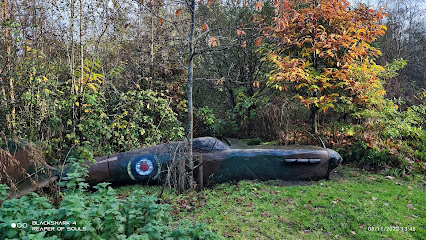
Rozelle Estate
3.1 km
A historic Ayr estate blending Georgian elegance, woodland serenity, and vibrant cultural treasures in a scenic public park.
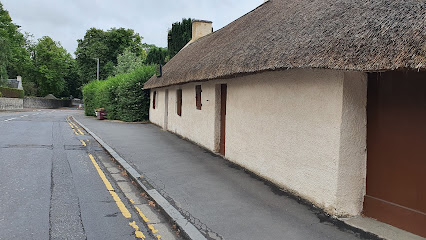
Burns Cottage
3.5 km
Explore the birthplace and legacy of Scotland’s national poet, Robert Burns, through immersive exhibits, historic sites, and scenic walks in Alloway.
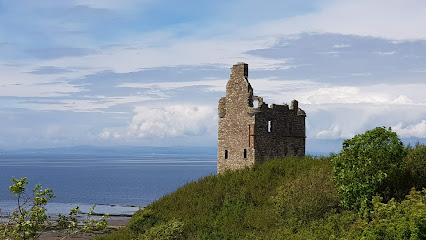
Greenan Castle
3.5 km
Explore the rugged ruins of Greenan Castle, a dramatic 16th-century tower house perched on Ayrshire’s scenic sea cliffs with centuries of history and stunning views.
Essential places to dine

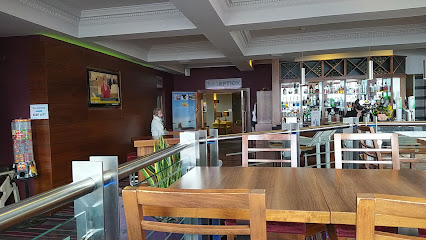
Vista Bar & Restaurant
0.2 km
Contemporary dining with panoramic sea views and classic Scottish dishes at Ayr’s Horizon Hotel.
The Tree House
0.3 km
A vibrant modern British restaurant and bar in Ayr’s heart, featuring fresh local dishes and a hidden urban garden terrace.
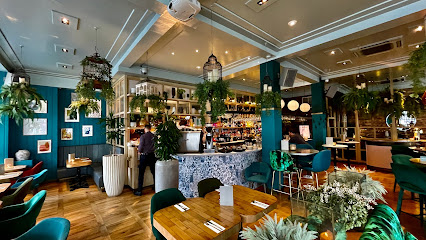
Cecchini’s Italian restaurant
0.3 km
Authentic Tuscan flavors and warm hospitality await you in the heart of Ayr at Cecchini’s Italian Restaurant.
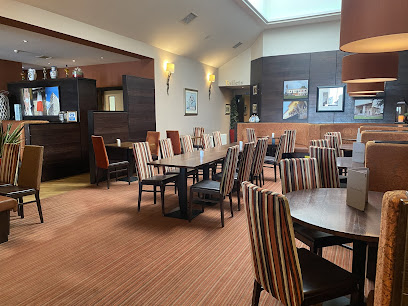
Arthur Street Kitchen (ASK)
0.4 km
A vibrant British cuisine restaurant in Ayr offering hearty dishes, lively atmosphere, and a great selection of wines and cocktails at moderate prices.
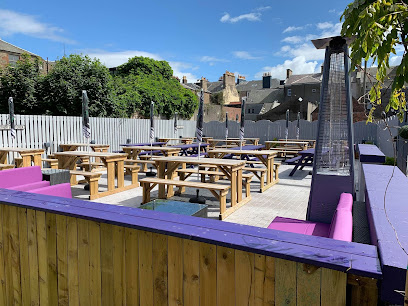
Stage Door Cafe
0.5 km
Cozy modern European cafe by Ayr’s Gaiety Theatre, serving fresh breakfasts and casual meals in a welcoming atmosphere.
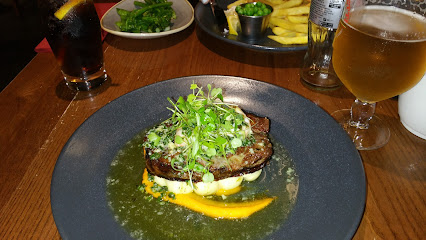
The Tam O'Shanter Inn
0.7 km
Ayr’s oldest pub blending historic Scottish charm with hearty traditional fare, live music, and a warm, welcoming atmosphere.
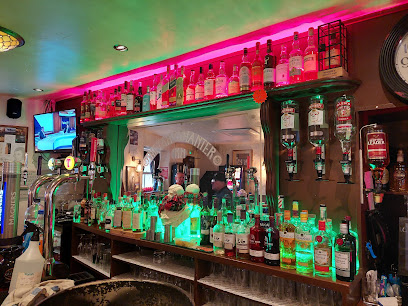
Helen's Restaurant
0.7 km
Cozy Ayr eatery serving traditional British comfort food with friendly service and a welcoming, dog-friendly atmosphere.

The Kylestrome Hotel & Restaurant
0.8 km
A modern, comfortable hotel with a celebrated restaurant in the heart of Ayr, offering easy access to local attractions and scenic riverside walks.
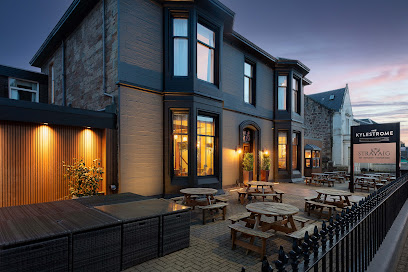
The Meridian Bier Cafe & Restaurant
0.8 km
A vibrant Ayr venue blending casual breakfasts, hearty pub fare, and world beers in a lively, welcoming atmosphere from dawn till midnight.
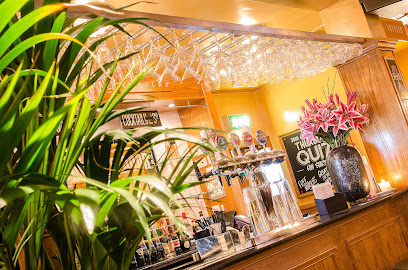
Mr Basrai's World Cuisine Ayr
0.9 km
A vibrant all-you-can-eat buffet in Ayr serving diverse global cuisines in a family-friendly, welcoming atmosphere.
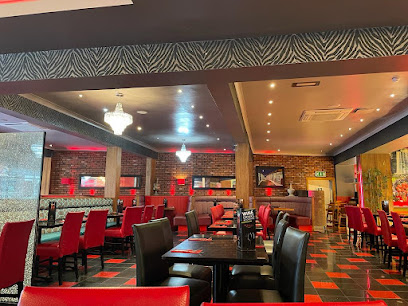
The Drunken Coo
0.9 km
Savor expertly crafted steaks and western comfort food in a cozy, stylish setting at The Drunken Coo, Ayr’s beloved steakhouse.
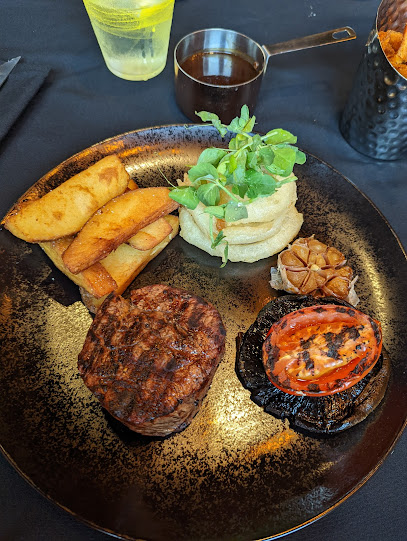
The Fox & Willow
1.5 km
A stylish gastropub and boutique hotel in Ayr offering unique dome dining, creative cocktails, and warm Scottish hospitality.
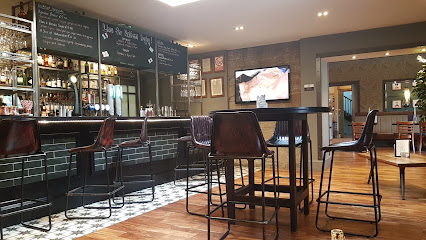
Chestnuts Restaurant & Hotel
1.5 km
Cozy 3-star hotel and vibrant restaurant near Ayr’s beach, offering warm hospitality, diverse dining, and a welcoming bar atmosphere.

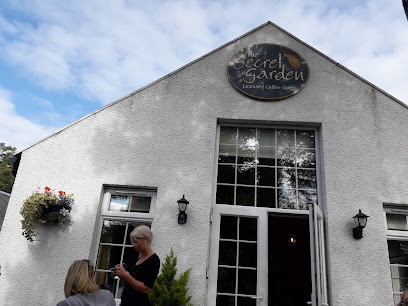
The Secret Garden
3.1 km
A cozy family-friendly bistro in Ayr offering hearty British breakfasts, award-winning coffee, and delightful home baking daily.
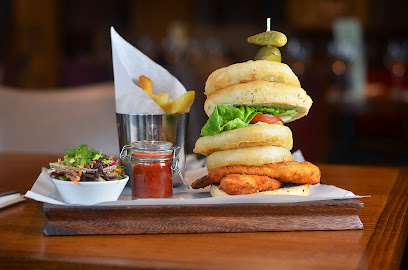
The Balgarth Pines Bar & Restaurant
3.3 km
A welcoming modern British restaurant and bar in Ayr blending traditional flavors with contemporary dining in a relaxed setting.
Markets, malls and hidden boutiques

Beau Beau Boutique
0.3 km
Discover unique, elegant dresses and personalized service at Beau Beau Boutique, a charming fashion gem in Ayr’s historic Sandgate district.

BOOM!
0.3 km
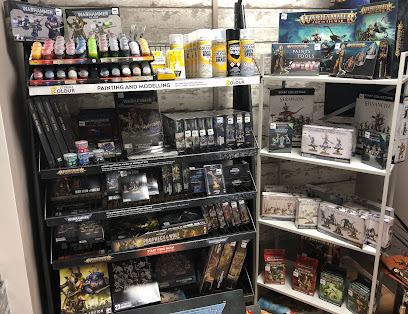
Ayr’s vibrant gift and collectibles shop, packed with pop culture treasures from Harry Potter, Star Wars, Marvel, DC, and more.
Honeyman Boutique
0.3 km
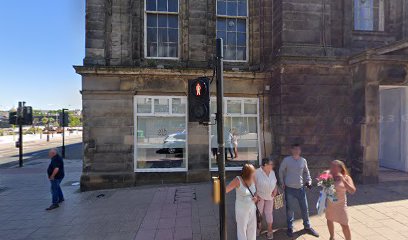
Discover timeless bridal elegance at Diane Honeyman Boutique, Ayr’s premier destination for designer wedding gowns and accessories.
Branded Outlet Store
0.3 km
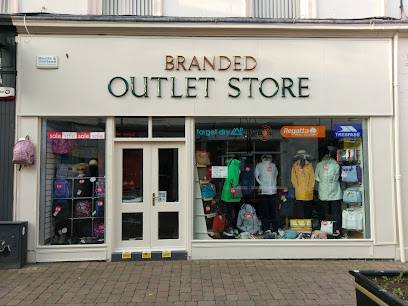
Explore unbeatable fashion deals at Branded Outlet Store in Ayr, where quality meets affordability for every style enthusiast.
I Do Ayr
0.4 km
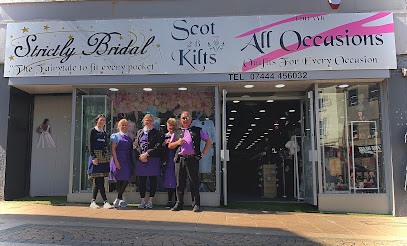
A welcoming bridal boutique in Ayr offering inclusive, elegant wedding dresses and haute couture fashion with exceptional personal service.
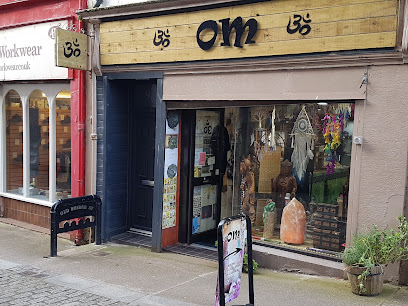
Om Store UK
0.4 km
Discover a serene metaphysical sanctuary in Ayr’s High Street, offering crystals, incense, and spiritual treasures for mindful living.
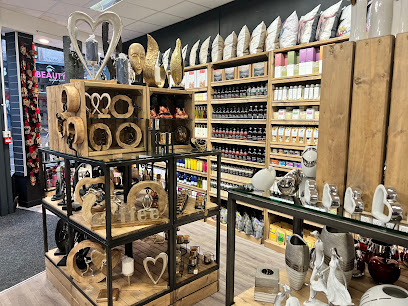
Keepsake Scotland
0.5 km
Ayr’s charming gift shop packed with Scottish souvenirs, quirky homewares, and unique keepsakes on the historic High Street.
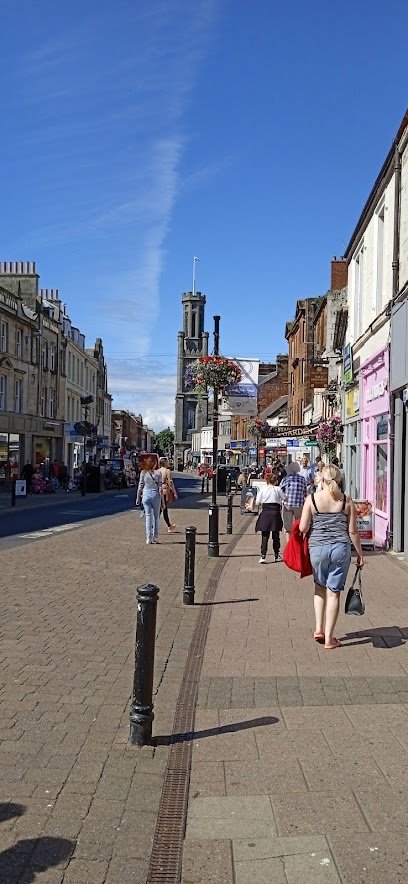
Bonmarché
0.6 km
Discover stylish, affordable women's fashion with friendly service in the heart of Ayr's vibrant High Street shopping district.
The Original Factory Shop (Ayr)
0.7 km
Affordable shopping for fashion, beauty, and home essentials in the heart of Ayr with unbeatable discounts.

Next
0.8 km
Next Ayr offers stylish, family-friendly fashion and accessories in the heart of Ayr Central, blending quality and convenience for all ages.
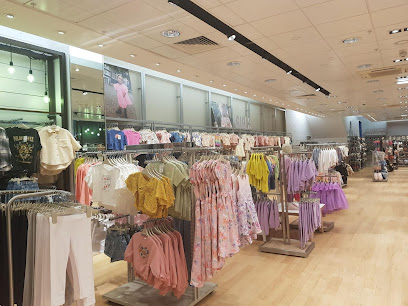
Unique
0.8 km
Explore Unique in Ayr: Your go-to clothing shop for stylish, local fashion treasures.
L Occasionwear Ayr
0.9 km
Elegant ladies’ formalwear boutique in Ayr offering personalized service and curated occasionwear collections in a bright, welcoming setting.
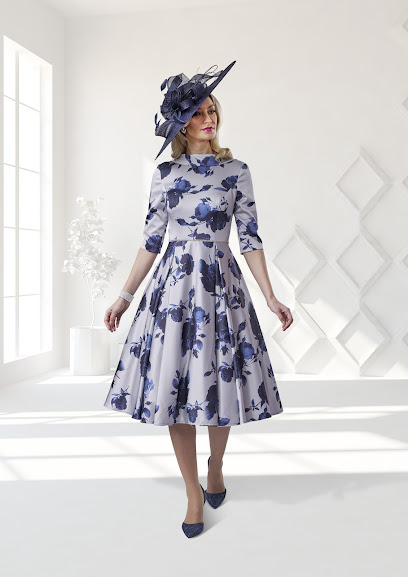
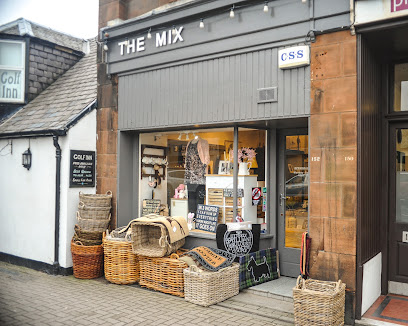
In The Mix
3.9 km
Discover unique Scottish gifts and local crafts at In The Mix, Prestwick’s charming boutique on Main Street.
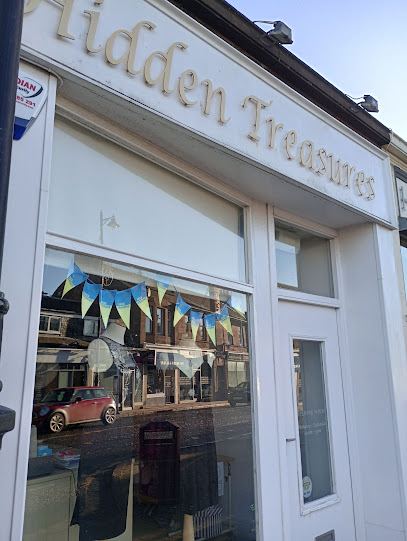
Hidden Treasures
4.0 km
A charming boutique in Prestwick offering stylish ladies’ clothing, hats, and accessories in a warm, welcoming setting.
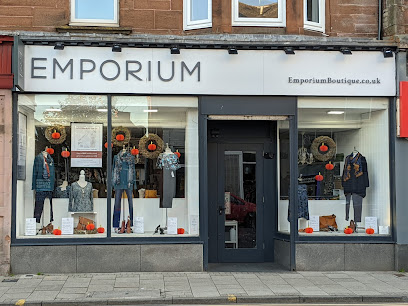
Emporium Boutique
4.1 km
Affordable, stylish womenswear in a relaxed, independent boutique on Prestwick’s Main Street – perfect for everyday looks and special occasions.
Essential bars & hidden hideouts

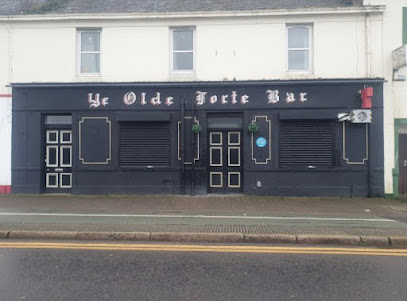
The Fort Bar
0.2 km
A welcoming harbourside pub in Ayr offering friendly service, great drinks, and a cozy atmosphere steeped in Scottish tradition.
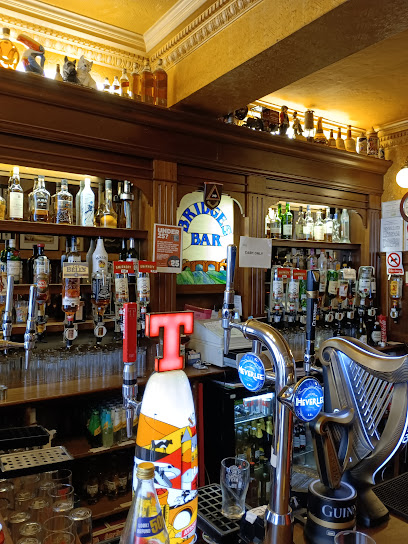
Billy Bridges Bar
0.3 km
Experience authentic Ayr nightlife with local ales, friendly vibes, and lively events at Billy Bridges Bar, your cozy Scottish pub retreat.
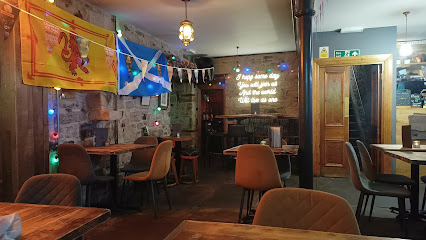
The Smoking Goat bar and grill
0.3 km
A vibrant basement bar and grill in Ayr offering award-winning ambiance, live entertainment, and diverse, inclusive dining options.
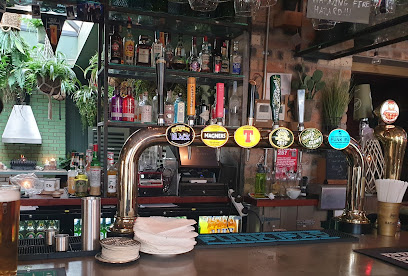
Tbar
0.3 km
A quirky and lively pub in Ayr offering excellent cocktails, live music, and a welcoming atmosphere for a memorable night out.
Willie Wastles Sports Bar & Restaurant
0.3 km
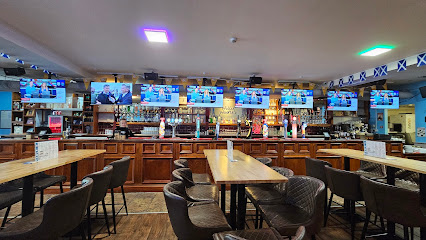
Lively sports bar and restaurant in Ayr with over 30 TVs, family and dog friendly, serving hearty meals and drinks in a welcoming atmosphere.
Smugglers
0.3 km
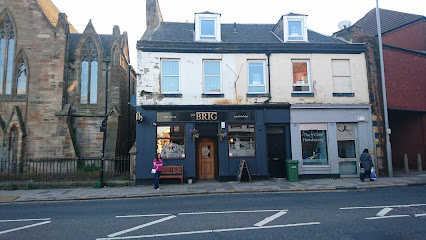
Traditional Scottish pub with rustic charm, lively entertainment, and a welcoming atmosphere on Ayr’s historic harbourfront.
Anchor Bar
0.3 km
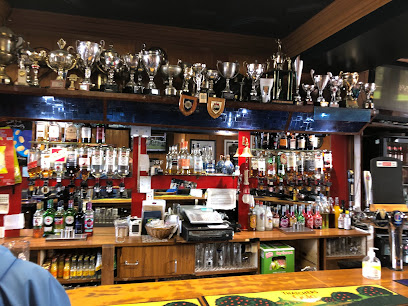
A welcoming, traditional seaside pub in Ayr offering hearty food, great drinks, and scenic harbor views at an affordable price.
Wellingtons Lounge Bar
0.4 km
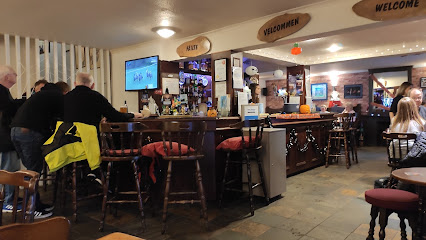
Step into Wellingtons Lounge Bar for handcrafted cocktails, live music, and a cozy 1920s vibe in the heart of Ayr’s vibrant social scene.
Mulligan's Ayr
0.4 km
A vibrant Irish sports bar in Ayr offering lively music, extensive drinks, and a welcoming atmosphere for all ages and tastes.
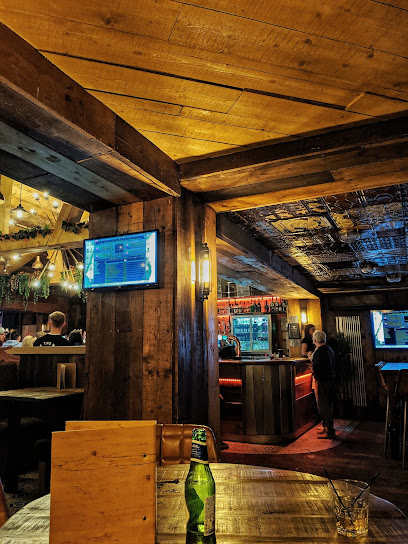
Wee Windaes
0.4 km
A cozy, traditional Scottish pub in Ayr offering warm hospitality, authentic atmosphere, and a welcoming local vibe.
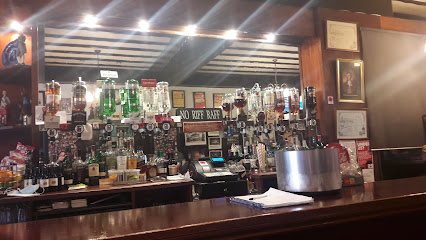
The Wee Mans Bar
0.5 km
Experience authentic Ayrshire hospitality and local flavors at The Wee Mans Bar, a cozy and historic pub in the heart of Ayr.

The Black Bull
0.5 km
Ayr’s oldest riverside pub, The Black Bull blends historic charm with lively entertainment and friendly local spirit.
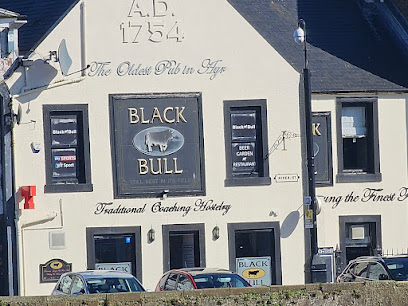
Harleys Ayr
0.6 km
A vibrant and welcoming bar on Ayr’s High Street, perfect for lively nights and social gatherings with a modern, inviting atmosphere.
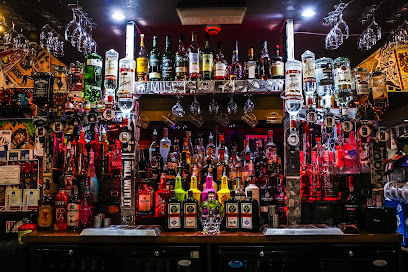
Smiths Bar
0.6 km
A lively Scottish pub and restaurant in Ayr offering home-cooked meals, premium drinks, live sports, and a spacious beer garden for all ages and dog lovers.
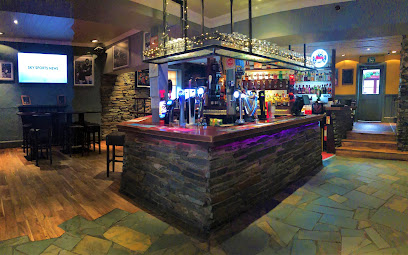
Christina's Bar
0.6 km
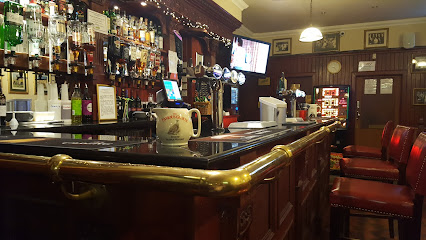
A friendly and affordable Scottish pub on Ayr’s Mill Street, offering hearty meals and a warm local atmosphere.
Nightclubs & after hour spots

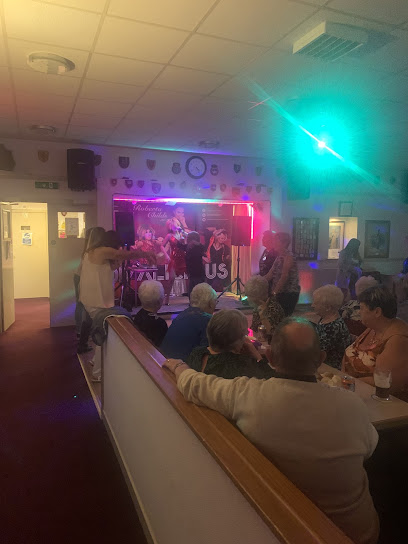
Ayr Ex-Services Club
0.2 km
A friendly and lively social club in Ayrshire offering great music, community spirit, and vibrant weekend nights.
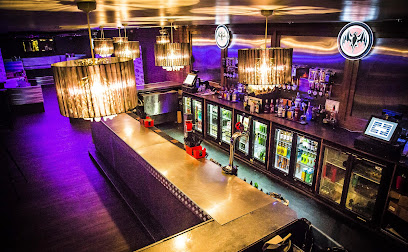
Notion Ayr
0.4 km
Discover the vibrant nightlife at Notion Ayr, an exceptional events venue in the heart of Ayr, perfect for unforgettable social experiences.

Printhouse Ayr
0.6 km
Experience Ayrshire’s vibrant nightlife and live music scene at Printhouse Ayr, where music and atmosphere unite for unforgettable nights.
Pitchers Bar and Nightclub
16.9 km
A vibrant and inclusive nightclub in Irvine’s heart, offering lively music, dancing, and a welcoming atmosphere until the early hours.

The Club
18.4 km
A vibrant nightlife hotspot in the heart of Kilmarnock, offering lively music and a welcoming atmosphere for locals and visitors.
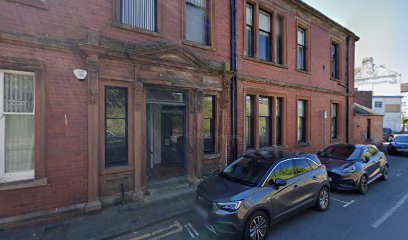
Skye Nightclub & Lounge
43.8 km
Energetic nightclub and lounge in East Kilbride offering vibrant nightlife, music, and drinks in a stylish setting.
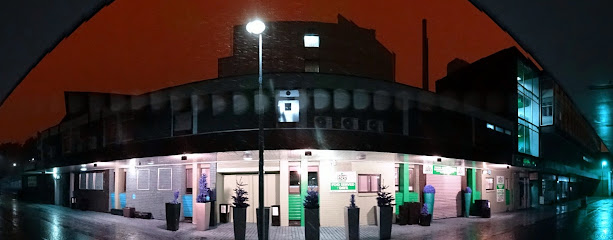
Downtown Nightclub
43.9 km
Experience East Kilbride’s vibrant weekend nightlife at Downtown Nightclub, a hub of music, dancing, and late-night energy in the town centre.
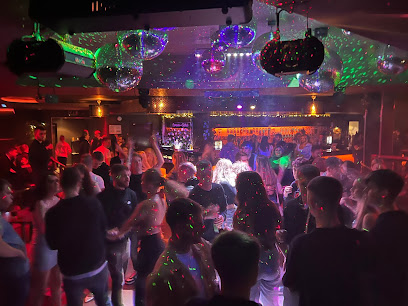
Vienna's Nightclub
44.3 km
Experience Paisley’s vibrant nightlife at Vienna's Nightclub, where energetic music and lively crowds come alive every weekend.
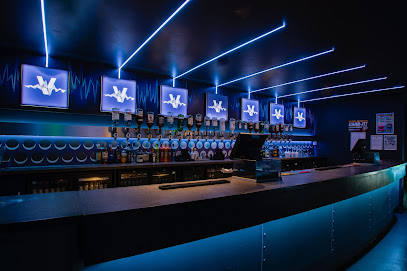
Fantoosh
44.3 km
A lively, intimate nightclub in Paisley’s heart, perfect for energetic nights with friends and local beats.
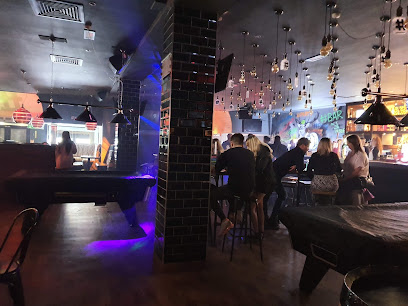
Club 69 Paisley
45.0 km
Dive into Paisley’s legendary underground techno scene at Club 69, where pulsating beats and vibrant vibes keep the night alive.
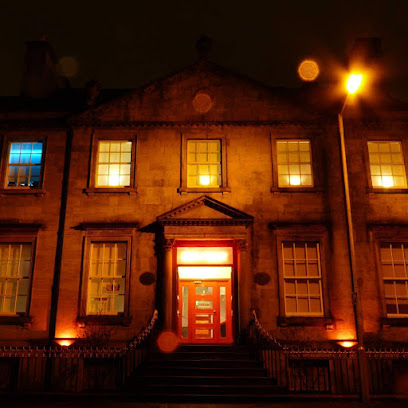
The Shed
46.6 km
Dive into Shawlands' glitzy two-floor nightclub where chart bangers, R&B, hip-hop, and 80s cheese anthems fuel unpretentious Southside partying till the early hours.

Palace Bar
49.0 km
Discover the warm atmosphere and local flavor of Palace Bar in Rothesay, a perfect spot for relaxation and socializing on the Isle of Bute.
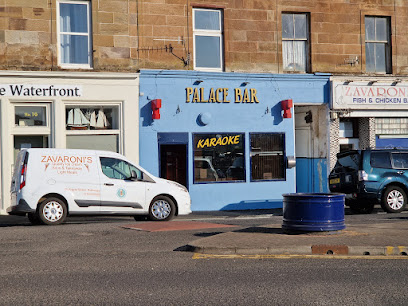
Mac's Bar
49.1 km
Discover the vibrant atmosphere of Mac's Bar in Rothesay, Isle of Bute - a perfect blend of local charm and delightful refreshments.
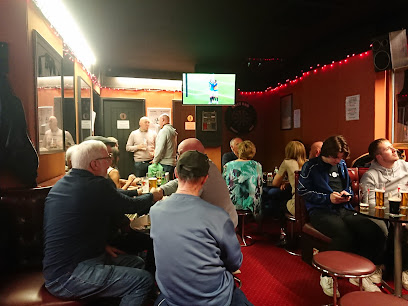
Grapes Bar
49.1 km
Experience the warmth of local hospitality at Grapes Bar, a cozy pub in Rothesay, perfect for relaxing with friends and enjoying a wide selection of drinks.
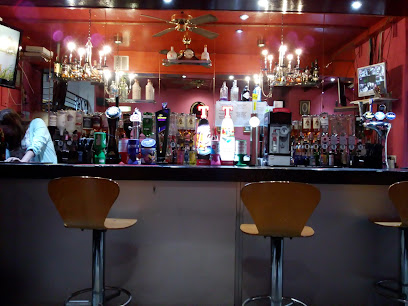
The Islander Bar
49.2 km
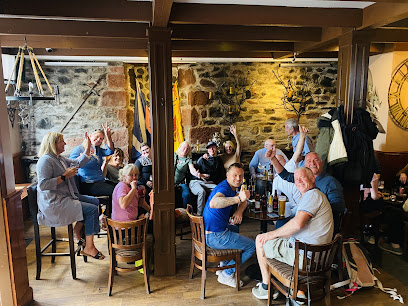
Experience the charm of The Islander Bar on the Isle of Bute, where local flavors and stunning harbor views create an unforgettable atmosphere.
For the vibe & atmosphere seeker
- Historic
- Scenic
- Tranquil
- Cultural Heritage
For the design and aesthetic lover
- Rustic Designs
- Vintage Styles
For the architecture buff
- Historic
- Landmarks
For the view chaser and sunset hunter
- Iconic Views
- Waterfront
For the social media creator & influencer
- Instagrammable
- Photo Spots
For the eco-conscious traveler
- Public-Transport Accessible
- Low Impact
For the kind of experience you’re after
- Cultural Heritage
- Photowalk
- Day Trip
- Weekend Getaway
For how adventurous you want the journey to be
- Easy Access
Location Audience
- Family Friendly
- Senior Friendly
- Child Friendly
- Teen Friendly
- Wheelchair Access
- Solo Friendly
- Couple Friendly


