Braemar Castle, Banffshire Travel Guide
Explore Braemar Castle, a historic 17th-century fortress nestled in the Cairngorms, rich with Jacobite history and clan heritage.
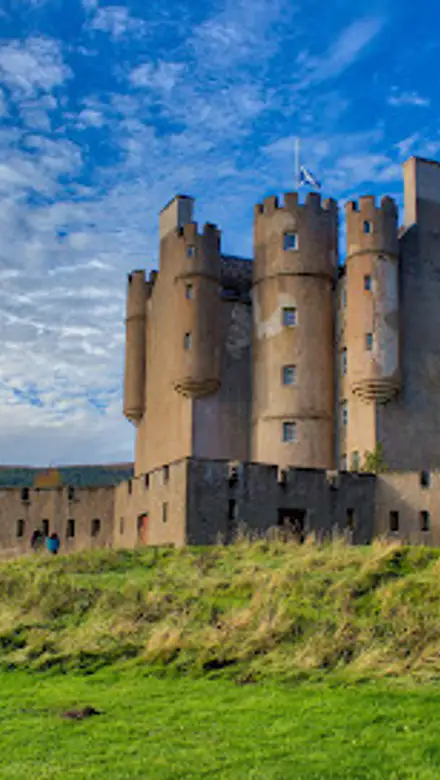
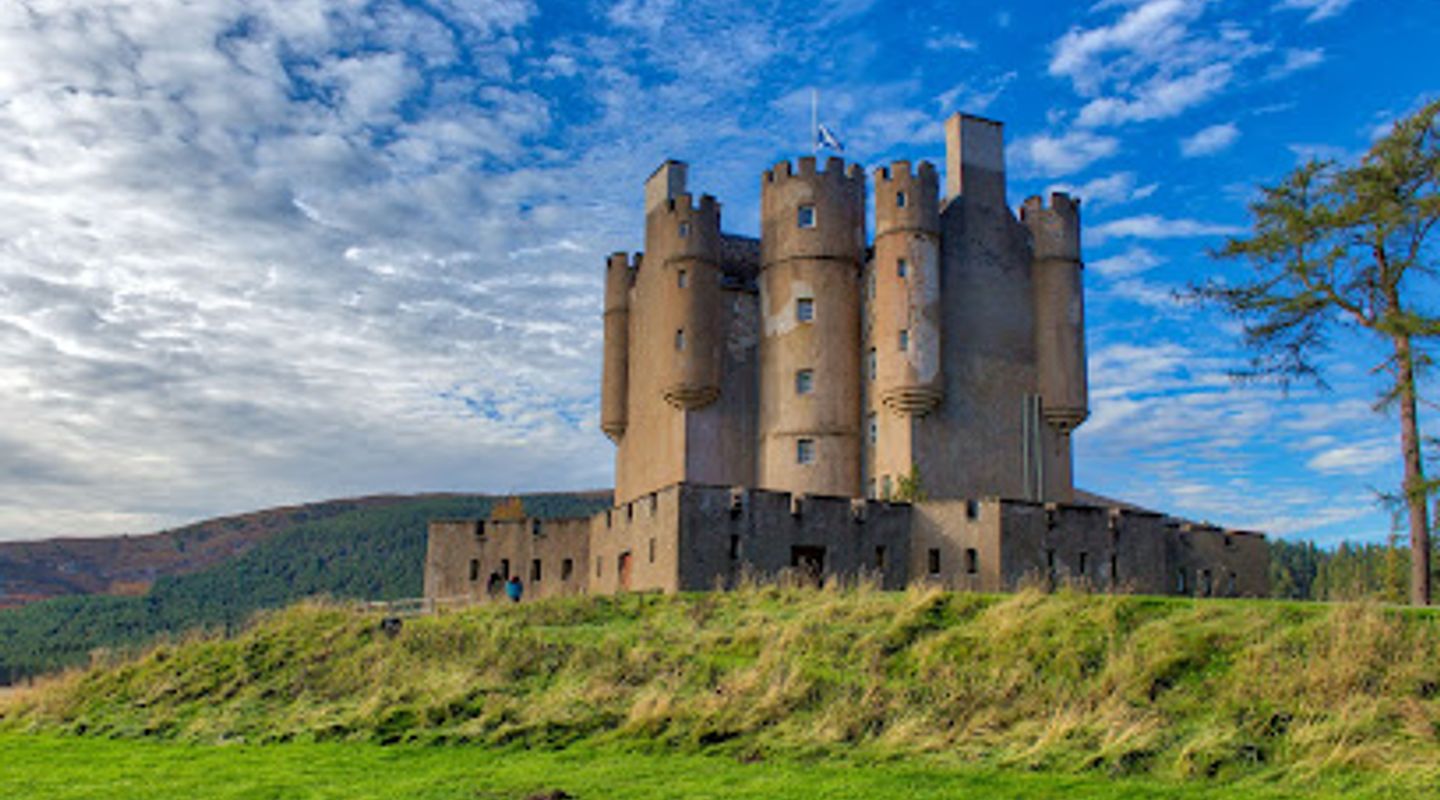
Braemar Castle, built in 1628 by John Erskine, Earl of Mar, is a striking 17th-century L-plan tower house nestled in the scenic Cairngorms National Park. Surrounded by a distinctive star-shaped curtain wall, it has served as a hunting lodge, a government garrison, and a family home. The castle is rich with Jacobite history and clan heritage, particularly linked to the Farquharson family, and offers visitors a compact but immersive experience of Highland history and architecture.
A brief summary to Braemar Castle
- Ballater, Braemar, AB35 5XR, GB
- Click to display
- Click to display
- Duration: 1 to 2.5 hours
- Mid ranged
-
 Outdoor
- Mobile reception: 4 out of 5
- Monday 10 am-4 pm
- Tuesday 10 am-4 pm
- Wednesday 10 am-4 pm
- Thursday 10 am-4 pm
- Friday 10 am-4 pm
- Saturday 10 am-4 pm
- Sunday 10 am-4 pm

Know before you go
Hi, I'm Eve. Here are a few practical things to know before exploring Braemar Castle.
- Visit during opening hours from 10am to 4pm daily to explore all 12 rooms and the castle grounds.
- Look out for the original iron yett and the dungeon known as the ‘Laird’s Pit’ for a glimpse into medieval defenses.
- Learn about the Farquharson clan’s history and their connection to the castle through guided tours led by local volunteers.
- Enjoy the scenic mountain surroundings of the Cairngorms National Park that frame the castle.
- Check for special events or historical reenactments that bring the castle’s Jacobite past to life.
Do you manage this location?
Take control to get all the benefits, like improved information, better appearance, and stronger visibility across AI-powered discovery. Learn more about listing your business on Evendo
Activate your presenceOther nearby places you may find interesting
The closest places of the same kind, if this one is not quite what you had in mind.
Explore Braemar Castle on the Map
A handpicked selection of must-see spots near Braemar Castle, mapped for you.
Getting There
-
Car
Driving from Aberdeen or Inverness, expect a journey of approximately 2 to 2.5 hours along the A93. Parking is available near the castle, but spaces can be limited during peak season. The route is scenic but includes winding mountain roads, so drive cautiously.
-
Bus
Local bus services connect Braemar with Ballater and Aberdeen, with travel times ranging from 2.5 to 3.5 hours depending on connections. Services are less frequent in winter, so check schedules in advance. The bus stop is within walking distance of the castle.
-
Train and Taxi
Take a train to Ballater from Aberdeen, a journey of about 1.5 hours, then a taxi or local bus for the 18 km (approx. 25-minute) onward trip to Braemar Castle. Taxi fares vary but typically range from £30 to £40.
For the on-the-go comforts that matter to you
-
 Restrooms
-
 Drink Options
-
 Food Options
-
 Seating Areas
-
 Information Boards
-
 Visitor Center
-
 Picnic Areas
-
 Trash Bins
Discover more about Braemar Castle
Origins and Strategic Importance
Braemar Castle was constructed in 1628 by John Erskine, the 2nd Earl of Mar, as a hunting lodge and symbol of aristocratic power in the wilds of Upper Deeside. Its location was chosen for strategic oversight of key river crossings and glens used by warring clans and cattle thieves. The castle’s robust design, including a star-shaped artillery curtain wall and iron yett (gate), reflected its dual purpose as both a grand residence and a defensive stronghold. Early on, it served as a base for recruiting local clansmen and as a prison for lawless caterans, underscoring its role in maintaining order in this remote region.Jacobite Turmoil and Military Use
The castle’s history is deeply intertwined with the Jacobite risings. It was attacked and burned in 1689 by John Farquharson, the ‘Black Colonel’ of Inverey, a staunch Jacobite, to prevent government forces from using it. Despite this, the Earls of Mar, including the 11th Earl who led the 1715 Jacobite Rising, maintained ties to the castle until their lands were forfeited. Subsequently, the Farquharson clan acquired the property, and the castle was later used as a Hanoverian garrison after the 1745 rising, bearing witness to the turbulent military history of the Highlands.Architectural Features and Interior
Braemar Castle is a five-storey L-plan tower house with distinctive bartizans crowning its corners and a round stair tower nestled in the re-entrant angle. The ground floor contains vaulted stone rooms that housed the guardroom, ammunition store, and original kitchen. A notorious dungeon known as the ‘Laird’s Pit’ lies beneath, accessible through an iron grill in a passage floor. Over the centuries, the interior has been altered, including Victorian additions, but it retains many original defensive features such as iron grilles on windows and the iron yett at the entrance.Clan Farquharson and Royal Connections
Purchased by John Farquharson, 9th Laird of Invercauld, in 1731, the castle became the ancestral home of Clan Farquharson. The clan’s stewardship continues today, with the castle now managed by the local community. The castle’s social history includes visits from Queen Victoria, who attended the Braemar Gatherings held on the grounds, as well as Queen Elizabeth II and her mother. The Farquharson family’s legacy is evident in the furnishings, memorabilia, and personal belongings displayed throughout the castle.Modern Restoration and Community Role
Since 2006, Braemar Castle has been leased and operated by Braemar Community Ltd, a local charity staffed by volunteers. A major restoration campaign has preserved the castle’s fabric and historic character, including the distinctive harling exterior. The castle reopened to the public in 2008 and again in 2024 after extensive conservation work. It now serves as a cultural hub, offering guided tours, historical reenactments, and educational programs that celebrate its rich heritage and the broader story of the Highlands.Atmosphere and Visitor Experience
Visitors to Braemar Castle can immerse themselves in centuries of Scottish history within a compact yet atmospheric setting. The castle’s rugged mountain backdrop and historic interiors evoke the turbulent past of clan rivalries, royal visits, and military garrisons. Stories of hauntings, including the ghost of a young woman and the ‘Black Colonel,’ add to the castle’s mystique. With 12 furnished rooms open to the public, including grand dining and drawing rooms, the castle offers a vivid glimpse into aristocratic life and Highland culture.












Your all‑in‑one travel companion app
Explore expert travel guides, compare and book tours, experiences, hotels, and more—all from the palm of your hand. Download now for seamless trip planning wherever your wanderlust takes you.


Explore More of Banffshire
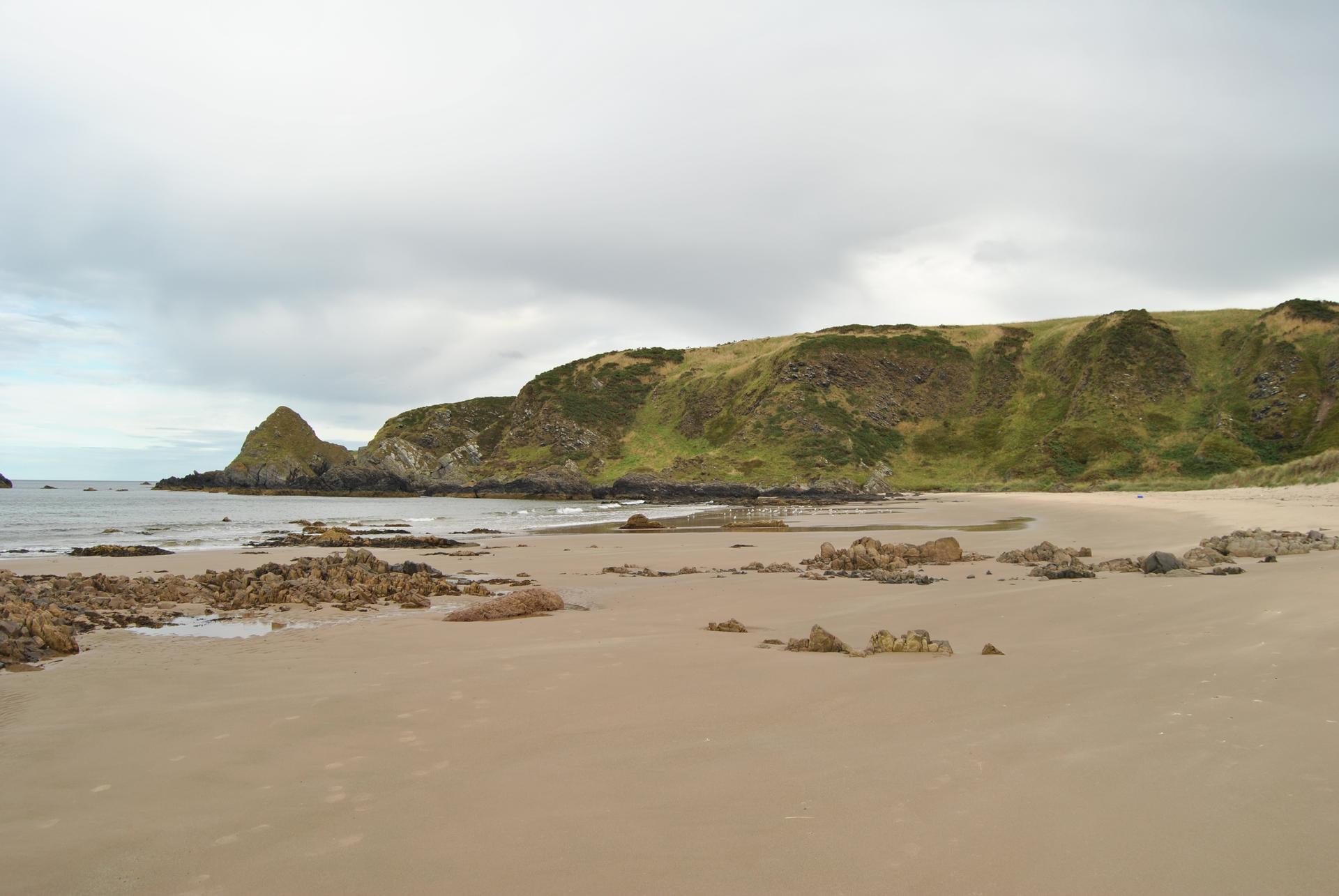
Looking beyond Braemar Castle? Discover Banffshire for broader travel guides, local hot-spots, and regional highlights.
Explore Banffshire