

Duff House Travel Guide
Free Guide: Explore Duff House, a majestic Georgian mansion in Banff blending rich history, stunning art, and serene parkland in Scotland’s scenic northeast.


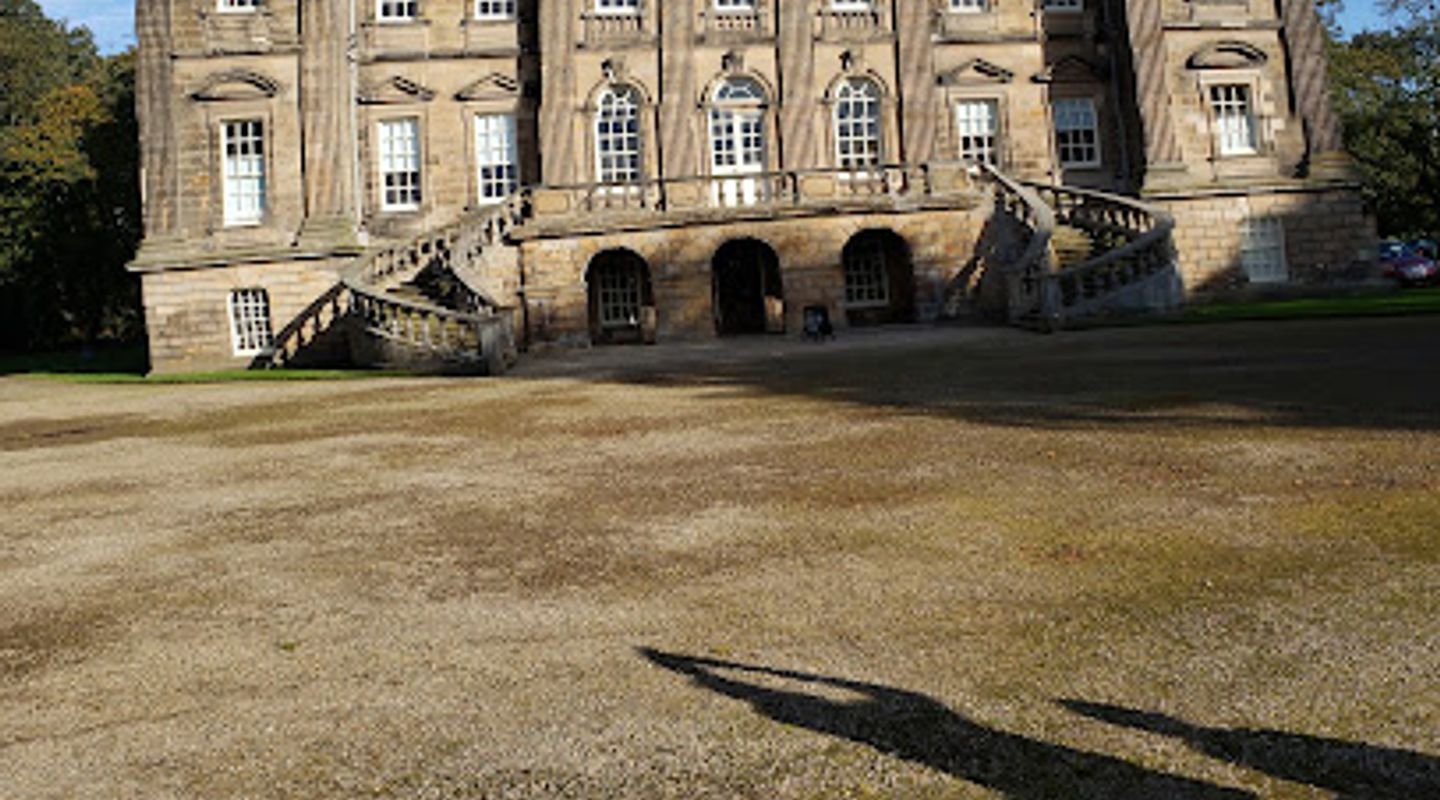
A brief summary of Duff House
Explore Duff House, a majestic Georgian mansion in Banff blending rich history, stunning art, and serene parkland in Scotland’s scenic northeast.
Duff House is a grand Georgian mansion in Banff, Aberdeenshire, designed by William Adam in the 18th century for William Duff, 1st Earl Fife. This magnificent estate, set within stunning parkland near the coast and river, now serves as a country house gallery under Historic Environment Scotland and the National Galleries of Scotland. Visitors can explore its rich history, fine art collections, and beautifully restored interiors alongside peaceful grounds and gardens.
On-site amenities
 Restrooms
 Drink options
 Food options
 Seating areas
 Trash bins
 Information boards
 Visitor centre
Opening hours
- MonClosed
- TueClosed
- WedClosed
- Thu10 am–4:30 pm
- Fri10 am–4:30 pm
- Sat10 am–4:30 pm
- Sun10 am–4:30 pm
Opening hours as listed on the venue’s Google Business Profile. Hours can change for services and special events, so check with the venue before you go.
- Address
- Banff AB45 3SX
- Phone
- Website
Getting there
Car
Train and Bus
Bus
Walking
Discover more about Duff House
Architectural Grandeur and Ambitious Origins
Duff House stands as a striking example of early Georgian architecture, designed by Scotland’s foremost architect of the time, William Adam. Commissioned by William Duff, Lord Braco (later 1st Earl Fife), the house was intended as a grand symbol of his rising wealth and political influence. Construction began in 1735, with the foundation stone laid on June 11th. The design featured a three-storey ashlar stone structure with a square plan and prominent corner towers, embodying baroque elegance. Although originally planned to include curved east and west wings linked by colonnaded quadrants, these were never completed due to disputes and costs. The resulting legal battle between Duff and Adam was bitter, with Duff never spending a night in the house despite its completion.
A Storied History of Transformation
After the Duff family gifted the house to the towns of Banff and Macduff in 1906, Duff House underwent a remarkable series of transformations. It served as a hotel, a sanatorium for nutritional disorders, and again as a hotel before closing in 1928. During World War II, the house was requisitioned for military use, functioning as an internment camp, prisoner-of-war camp, and headquarters for Allied regiments, including Norwegian and Polish forces. A German bombing raid in 1940 caused significant damage and loss of life. Post-war, the house fell into disrepair until taken into state care in 1956 and later restored extensively. Since 1995, it has operated as a country house gallery, blending its rich history with cultural significance.
Artistic Treasures and Cultural Significance
Today, Duff House is part of the National Galleries of Scotland, showcasing a rotating collection of fine art including works by El Greco, Thomas Gainsborough, Henry Raeburn, and Allan Ramsay. The interiors, restored to reflect their 18th-century grandeur, feature decorative elements and some original paint schemes. The house also houses the Dunimarle Library, a rare collection of over 4,000 volumes available by appointment, offering insight into the intellectual legacy of the Duff family. Temporary exhibitions and displays complement the permanent collection, making each visit unique.
Serene Grounds and Visitor Experience
Set within a triangle of coast, river, and parkland, Duff House’s grounds offer tranquil walks and picturesque views. The landscape includes carriage drives, ornamental buildings, and a golf course added later. Visitors can enjoy the peaceful atmosphere of the gardens and the surrounding natural beauty. On-site amenities include a tea room, gift shop, and accessible facilities. Knowledgeable staff enhance the experience with guided tours that reveal fascinating anecdotes and historical context.
Architectural Details and Preservation Efforts
The house’s ashlar stonework and baroque-inspired details highlight William Adam’s architectural mastery. Six staircases provide vertical circulation, and grand salons and drawing rooms on the principal floors were designed for formal entertaining. Despite wartime damage and alterations, restoration efforts have preserved much of the house’s original character. The estate’s associated structures, including gates, lodges, and a mausoleum, are part of a Category A listed group, emphasizing its national heritage importance.
Legacy and Ongoing Cultural Role
Duff House remains a powerful symbol of Scottish history, art, and architecture. Its layered past—from aristocratic seat to wartime headquarters and now cultural gallery—reflects the evolving story of the region. Managed jointly by Historic Environment Scotland and the National Galleries, it continues to engage visitors with its blend of historical significance and artistic excellence, promising a rich experience for those interested in heritage and the arts.
Evendo Review Centre
 Google
Guest reviews
Best time to go
Quietest: Jan, Feb & Dec · before 7am or from 8pm
Busy times are Evendo estimates for a typical year, to help you plan. Actual crowds vary with events, school holidays and the weather.
Explore Duff House on the map
A handpicked selection of must-see spots near Duff House, mapped for you.
Get your free copy of our complete guide to Duff House, delivered straight to you.
Everything on this page, from opening hours and how to get there to Eve’s tips and the best time to go, in one PDF you can read offline, print or share.
Already have an account? Sign in
Your Duff House guide is ready.
We'll send it to · Not you? Sign out

Getting your guide ready…
We are putting together a fresh copy of the Duff House guide. This can take up to a minute.
This can take a few moments. If your browser asks, choose Allow so the download can start. You'll find the guide in your Downloads folder.
Nothing happened? Download it again
Sorry, the guide is taking longer than usual. Please try again in a minute, or get it by email instead.
Other nearby places you may find interesting
The closest places of the same kind, if this one is not quite what you had in mind.
-
-
-
-
-


Swipe for more places
More to explore near Duff House

 Best experiences near Duff House
 Best hotels near Duff House
 Best landmarks near Duff House
 Best attractions near Duff House
 Best shops near Duff House
 Best restaurants near Duff House
 Best bars near Duff House
Do you manage this location?
Take control to get all the benefits, like improved information, better appearance, and stronger visibility across AI-powered discovery.
Explore more
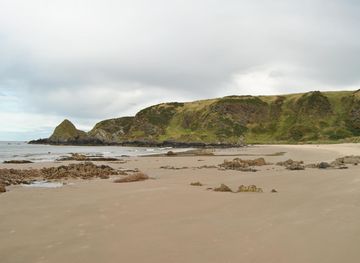
Explore more of Banffshire
Discover Banffshire, Scotland's hidden gem, where stunning coastlines, historic castles, and warm hospitality await you in this serene and picturesque region.
Explore Banffshire
Explore more of United Kingdom
Discover the United Kingdom: A blend of rich history, stunning landscapes, and vibrant cities, offering a unique travel experience for every visitor.
Explore United Kingdom
