Ice House, Banffshire Travel Guide
Georgian ice storage engineering: a cool glimpse into 18th-century aristocratic life
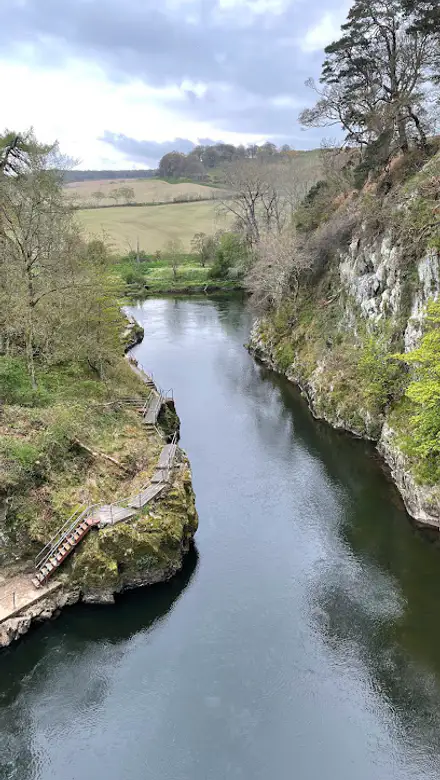
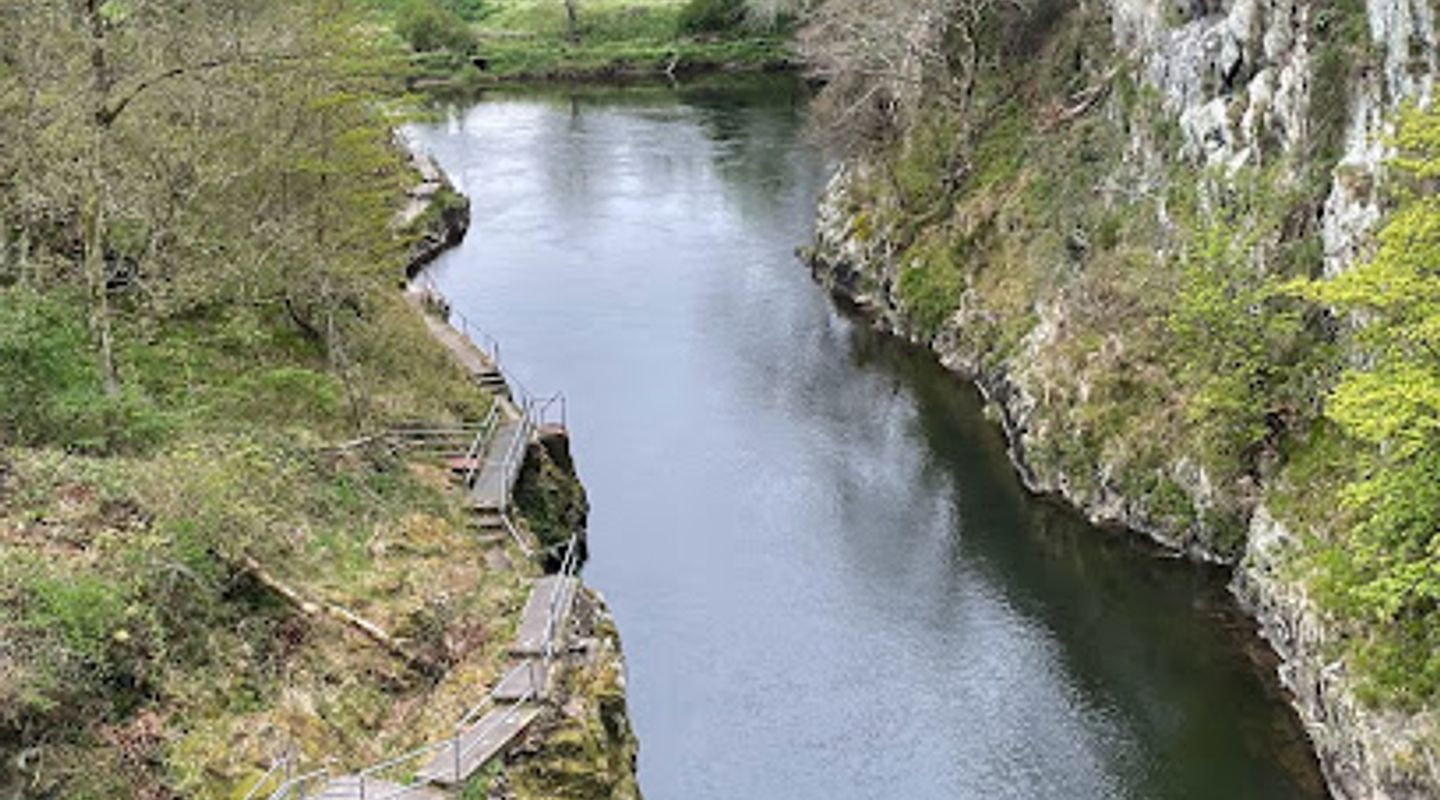
Nestled in the grounds of Duff House near Banff, this 18th-century Ice House stands as a fascinating relic of Georgian domestic engineering. Built around 1790 by local stonemason James Robertson, this stone structure served as the refrigerator for the grand mansion, ingeniously positioned close to the River Deveron for convenient ice harvesting during winter months. Half-buried and topped with turf for insulation, the Ice House remains a well-preserved example of how the wealthy managed food storage before modern refrigeration.
A brief summary to Ice House
- Banff, AB45, GB
- Click to display
- Duration: 0.25 to 1 hours
- Free
-
 Outdoor
- Mobile reception: 4 out of 5

Know before you go
Hi, I'm Eve. Here are a few practical things to know before exploring Ice House.
- Wear sturdy footwear with good grip when descending the steps into the Ice House, as the stone surfaces can be slippery, especially in wet conditions.
- Visit during the warmer months to fully appreciate the contrast between the cool interior of the Ice House and the external temperature, experiencing how effectively the structure maintained its purpose.
- Combine your visit with a walk to the nearby Mausoleum and Bridge of Alvah to experience the full extent of the Duff House estate's historical landscape.
- Allow time to explore the main Duff House gallery before or after visiting the Ice House to understand the full context of the estate and the family who built it.
Do you manage this location?
Take control to get all the benefits, like improved information, better appearance, and stronger visibility across AI-powered discovery. Learn more about listing your business on Evendo
Activate your presenceOther nearby places you may find interesting
The closest places of the same kind, if this one is not quite what you had in mind.
Explore Ice House on the Map
A handpicked selection of must-see spots near Ice House, mapped for you.
Getting There
-
Car via A947
From Banff town centre, take the A947 southbound toward Turriff. Duff House is signposted from the main road; follow signs to the car park. Journey time approximately 5–10 minutes depending on starting point within Banff. Parking is available at the Duff House visitor facilities. No entrance fee for the grounds, though the main house gallery may have admission charges.
-
Walking from Banff
From Banff town centre, a scenic walk of approximately 1.5–2 kilometres (20–30 minutes) follows local paths and roads leading south toward Duff House. The route is relatively flat with some gentle inclines. The final approach to the Ice House involves descending steps into the ground-level structure. Suitable for most fitness levels, though the steps require careful footing.
-
Bus service
Local bus services operate between Banff and surrounding areas, with stops near Duff House. Journey times vary depending on the service and starting point; typical travel time from Banff town centre is 10–20 minutes. Check local transport schedules for current routes and frequencies, as services may vary seasonally.
-
Cycling
The route from Banff to Duff House is accessible by bicycle, following local roads and paths. The journey is approximately 2 kilometres and takes 10–15 minutes depending on pace. The terrain is generally flat to gently rolling. Bike parking facilities may be available at the Duff House visitor area.
For the on-the-go comforts that matter to you
-
 Information Boards
-
 Visitor Center
Discover more about Ice House
A Clever Solution to Keeping Cool
The Ice House at Duff House represents an ingenious piece of 18th-century domestic technology. Built around 1790 by Banff stonemason James Robertson, this stone structure was designed specifically to serve as a refrigerator for the grand mansion above. The building's clever engineering reflects the practical ingenuity of the Georgian era, when ice harvested from frozen rivers and lochs during winter could be stored and used throughout the warmer months to preserve food and provide cooling for the household.The structure itself is characteristically simple yet effective. Stone-built and half-buried into the ground, the Ice House was topped with turf and earth to provide insulation, keeping the interior temperature low even during summer. Its strategic location close to the River Deveron was no accident—this proximity allowed workers to transport blocks of ice from the frozen river during winter, storing them in layers of straw and sawdust within the chamber. The ice would slowly melt over the months, with the coldest reserves lasting well into summer.Part of Duff House's Extensive Grounds
The Ice House sits within the landscaped grounds of Duff House, the magnificent early Georgian mansion built between 1735 and 1740 for William Duff, Lord Braco, later the 1st Earl of Fife. Designed by Scotland's foremost architect William Adam, Duff House stands as a baroque masterpiece, though its construction was marked by conflict between the ambitious client and his architect over costs, resulting in the planned wings never being completed. The grounds surrounding the house were carefully laid out with carriage drives and ornamental follies, creating a landscape befitting a great aristocratic estate.Walking through these grounds today, visitors encounter not only the Ice House but also other significant structures that speak to the Duff family's prominence and wealth. The mausoleum, also dating from around 1790 and constructed under the direction of James, 2nd Earl of Fife, houses the remains of 21 members of the Duff family, including Alexander Duff of Braco, whose remains were moved from Grange churchyard in 1793. This neo-Gothic structure features fine cast and wrought iron gates and a frieze of Coade stone, demonstrating the family's continued investment in their estate even as their primary residence shifted elsewhere.A Window into Domestic Life and Social History
The Ice House offers visitors a tangible connection to the daily realities of life in a great Georgian household. While the main mansion displays the artistic treasures and formal grandeur of the Duff family's world—including paintings by El Greco, Allan Ramsay, Henry Raeburn, and Thomas Gainsborough—the Ice House reveals the practical infrastructure that supported such luxury. The ability to maintain a constant supply of ice was a mark of status and wealth, distinguishing the households of the nobility from those of ordinary people who had no means of food preservation beyond salting, smoking, and pickling.The Ice House also reflects the relationship between the great house and its surrounding landscape. The River Deveron, which flows through the Banff area, was not merely a scenic feature but a working resource. The seasonal rhythm of ice harvesting connected the household to the natural cycles of the Scottish climate, with winter's frozen rivers providing the raw material for summer comfort and food preservation. This practical dependence on natural resources shaped the planning and layout of the entire estate.Conservation and Modern Access
Today, the Ice House remains well-preserved and accessible to visitors exploring the Duff House estate. The structure has survived more than two centuries of Scottish weather, testament to its solid stone construction and the effectiveness of its design. Visitors can descend the steps leading down to the Ice House, experiencing the cool interior and imagining the blocks of ice that once filled this chamber. The site is managed as part of the Duff House complex, which reopened in 1995 as a country house gallery following extensive restoration and conservation work undertaken by Historic Environment Scotland and the National Galleries of Scotland.The Ice House forms part of a broader heritage trail through the Duff House grounds, with walking routes extending approximately two miles to the Bridge of Alvah. This longer walk allows visitors to appreciate the full extent of the estate's historical landscape, moving from the domestic utility of the Ice House through the formal grounds to the monumental Mausoleum and beyond. The journey offers a comprehensive view of how the Duff family shaped their landscape and how their architectural ambitions extended far beyond the main house itself.












Your all‑in‑one travel companion app
Explore expert travel guides, compare and book tours, experiences, hotels, and more—all from the palm of your hand. Download now for seamless trip planning wherever your wanderlust takes you.


Explore More of Banffshire
Looking beyond Ice House? Discover Banffshire for broader travel guides, local hot-spots, and regional highlights.
Explore Banffshire
Explore Scotland’s pioneering lighthouse heritage and enjoy breathtaking coastal views at the Museum of Scottish Lighthouses in Fraserburgh.
A Gothic mausoleum near Duff House, steeped in family legacy, history, and haunting local legends overlooking the River Deveron.