

Free Banffshire Travel Guide & Mobile App
Explore Banffshire with free travel guides. Discover regional history, expert tips, proposed trips, and audio guides on web or mobile app.


Explore Banffshire's harbours, beaches, historic houses and whisky landscapes across Scotland's north-east coast and inland valleys.
Read more about Banffshire
When is the best time to visit Banffshire?
Best: June–August · 18–21°C| Month | High (°C) | Rainfall (mm) |
|---|---|---|
| January | 6 | 50 |
| February | 6 | 40 |
| March | 8 | 50 |
| April | 11 | 40 |
| May | 15 | 40 |
| June (best) | 18 | 50 |
| July (best) | 21 | 50 |
| August (best) | 20 | 50 |
| September | 17 | 50 |
| October | 13 | 60 |
| November | 8 | 60 |
| December | 6 | 60 |
Getting to and around Banffshire
How to get there
Transportation
Top city travel guides in Banffshire
The cities of Banffshire, and the easiest places to base yourself.
-

-

-

-


Swipe for more cities
Destinations in Banffshire
Resorts, valleys and scenic spots worth a trip of their own.

Swipe for more destinations
Best attractions in Banffshire
Banffshire's attractions range from coastal scenery and maritime settlements to historic houses, museums and whisky heritage. Banff and Macduff form a natural starting point: visitors can walk around their harbours, explore the old burgh streets and visit Duff House, one of Scotland's important Georgian country houses. Along the coast, Portsoy is known for its historic harbour and traditional boat connections, while Portknockie offers access to the dramatic Bow Fiddle Rock and surrounding shore. Buckie, Findochty and Gardenstown reveal different aspects of the former fishing economy through piers, boat shelters and tightly built waterfronts. Inland, Keith and Dufftown provide access to distillery tours, whisky exhibitions and the agricultural landscape of the Deveron and Spey valleys. Walking, birdwatching, coastal photography, cycling and scenic touring are possible throughout the region, although some sites are weather-dependent and rural links are widely spaced. Markets, heritage collections and seasonal events add cultural depth without overwhelming the working character of the towns.
-
Castle
Dunnottar Castle
Explore Dunnottar Castle’s dramatic cliff-top ruins, steeped in history and offering breathtaking coastal views near Stonehaven.
-
Castle
Balmoral Castle
Explore Balmoral Castle, the Scottish Highland home of the British Royal Family, where royal heritage meets breathtaking natural beauty.
-
Castle
Crathes Castle
Explore a historic 16th-century Scottish tower house with stunning painted ceilings, enchanting gardens, and scenic estate trails in Aberdeenshire.
-
History museum
Peterhead Prison Museum
Step inside Scotland’s most infamous former jail for an immersive journey through crime, punishment, and history.


Best landmarks in Banffshire
Duff House is Banffshire's most prominent architectural landmark, a grand eighteenth-century Georgian house designed by William Adam for the Duff family and set beside the River Deveron near Banff. Across the estuary, Macduff's planned streets and harbour express the ambitions of the same landed family to establish a modern commercial burgh. The old harbours of Banff, Portsoy, Buckie and Findochty are important reminders of the region's fishing and trading history, with stone piers and tightly arranged waterfront buildings shaped by the North Sea economy. On the coast near Portknockie, Bow Fiddle Rock is a natural landmark formed from tilted rock strata and viewed from the surrounding shore. Inland, the distillery buildings and warehouses around Dufftown are less monumental than castles but equally characteristic, representing the industrial landscape of Scotch whisky. The River Deveron, coastal cliffs and broad Moray Firth horizons provide the geographical framework linking these built landmarks.
-
Historical landmark
Gardenstown Harbour Office
Historic Gardenstown Harbour blends fishing heritage with scenic coastal charm and vibrant community life on Scotland’s Moray Firth.
-
Historical landmark
Old Slains Castle (Not Dracula castle)
Explore the haunting coastal ruins of Old Slains Castle, a 13th-century fortress steeped in rebellion and Scottish history.
-
Historical landmark
Banff Castle
Discover Banff Castle: a historic Scottish landmark blending medieval roots, Georgian elegance, and vibrant community spirit on the Banffshire coast.
-
Castle
Inchdrewer Castle
A 16th-century tower house in Aberdeenshire, scarred by sieges and murder, now a haunting Category A listed ruin with sweeping views over Banff Bay.


Explore Banffshire on the map
Plan your trip on one map. See where the top cities, national parks and sights are, and book hotels and experiences in a few clicks.
Best hotels in Banffshire
Best restaurants in Banffshire
Banffshire's food culture follows the meeting point of the Moray Firth, fertile farmland and whisky-producing country. Fish and shellfish remain central in coastal towns, with locally landed catches, smoked products and simple seafood dishes appearing in cafés, pubs and independent food businesses when supplies allow. Inland menus draw on north-east Scottish traditions of beef, lamb, game, potatoes, oats and baking, while farm shops provide an opportunity to buy cheeses, preserves, vegetables and other regional produce. Banff and Macduff offer the broadest choice of restaurants and cafés, while smaller harbours tend towards pubs, tearooms and seasonal seafood outlets. Dufftown and nearby inland communities add whisky tastings and food pairings, although whisky is a drink to savour rather than a substitute for a meal. Visitors should expect opening patterns and availability to vary more in rural areas and outside the main summer season.
-
British
The Boat Inn
Charming riverside inn in Aboyne offering cozy rooms, excellent local cuisine, and a warm Scottish welcome beside the River Dee.
-
Modern European
Fennel Restaurant
Modern European dining with fresh local ingredients in a relaxed, stylish setting at Inverurie’s Fennel Restaurant.
-
Restaurant
The Knowes Hotel, Restaurant and Function Suite
Charming coastal hotel in Macduff with stunning Moray Firth views, modern rooms, excellent dining, and versatile event spaces.
-
French
Seven Stills French Restaurant and Malt Whisky Bar/Lounge
Intimate French fine dining meets Scottish heritage in Dufftown's most exclusive speakeasy-style restaurant.


Best bars in Banffshire
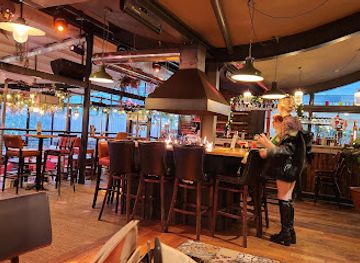
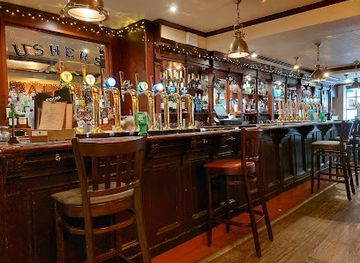
Nightlife in Banffshire is centred on traditional pubs, hotel bars, restaurants and occasional live-music events rather than a large nightclub scene. Banff, Macduff, Buckie, Keith and Dufftown provide the greatest choice for an evening drink, with local establishments serving Scotch whisky, regional beers and familiar Scottish pub food. In inland whisky country, distillery visitor centres and specialist tasting rooms offer structured evening experiences when scheduled, but their opening arrangements vary and advance checking is sensible. Coastal communities are quieter after dinner, although summer events and harbour festivals can bring temporary entertainment. Live music, community halls and seasonal cultural programmes are often more significant than dedicated clubs. Visitors should arrange transport carefully because rural taxis and late public transport can be limited, particularly between villages and distillery areas.
-
Lounge
Revolution Aberdeen
Lively two-level cocktail bar and restaurant on Belmont Street with fresh food, creative drinks, and scenic outdoor deck views.
-
Pub
Prince Of Wales
Historic Aberdeen pub with the city’s longest bar, warm wood-paneled interiors, lively music, and authentic Scottish charm.
-
Bar
BrewDog Aberdeen Gallowgate
Discover Aberdeen’s craft beer pioneer with 29 taps, artisanal pizzas, and a lively atmosphere at BrewDog Gallowgate.
-
Bar
Soul
A vibrant cocktail bar and restaurant in Aberdeen’s city center, blending contemporary dining with a lively social atmosphere.


Best nightclubs in Banffshire
Nightlife in Banffshire is centred on traditional pubs, hotel bars, restaurants and occasional live-music events rather than a large nightclub scene. Banff, Macduff, Buckie, Keith and Dufftown provide the greatest choice for an evening drink, with local establishments serving Scotch whisky, regional beers and familiar Scottish pub food. In inland whisky country, distillery visitor centres and specialist tasting rooms offer structured evening experiences when scheduled, but their opening arrangements vary and advance checking is sensible. Coastal communities are quieter after dinner, although summer events and harbour festivals can bring temporary entertainment. Live music, community halls and seasonal cultural programmes are often more significant than dedicated clubs. Visitors should arrange transport carefully because rural taxis and late public transport can be limited, particularly between villages and distillery areas.
-
Nightclub
Krakatoa
Aberdeen’s iconic tiki-themed nightclub and live music venue, famed for potent cocktails, eclectic rock vibes, and a vibrant, welcoming atmosphere.
-
Nightclub
The Tunnels
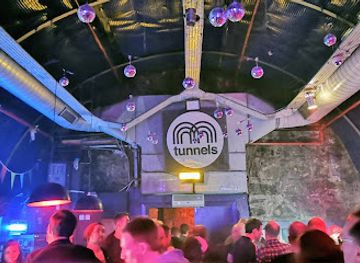
Dive into Aberdeen’s vibrant underground scene at The Tunnels, where historic charm meets pulsating beats and unforgettable nights.
-
Social club
Deveronside Club
A warm and lively social club in Banff offering great events, affordable drinks, and a welcoming community atmosphere.
-
Nightclub
CHEERZ
Aberdeen’s oldest LGBT nightclub offering lively music, cabaret, karaoke, and a welcoming, inclusive atmosphere in the city centre.



Best shops in Banffshire
Shopping in Banffshire is strongest in its market and harbour towns rather than in large retail centres. Banff and Macduff provide everyday high-street shops, galleries, cafés and independent businesses, while Buckie and Keith serve as practical local centres. Portsoy and other coastal settlements are places to look for craftwork, maritime-themed goods, books, artwork and small food producers, though stock and opening days vary. Dufftown specialises in whisky-related shopping, including bottles from local distilleries, tasting sets and associated gifts; travellers should consider baggage limits and customs rules before buying spirits for international journeys. Farm shops, butchers, bakeries, fishmongers and seasonal producers are useful for regional food such as smoked fish, preserves and baking. Markets and festivals can bring additional stalls selling crafts and produce, but dates should be checked locally rather than assumed to operate year-round.
-
Discount shop
The Spotty Bag Shop
A nostalgic Scottish general store in Banff, packed with everything from groceries to gifts, plus a café with town views.
-
Convenience Store
Co-op Food - Banff - Bridge Road
Conveniently located on Bridge Road, Co-op Food Banff offers fresh local produce and essentials daily from 7 AM to 10 PM.
-
Gift shop
The Platform
Discover unique gifts, stylish fashion, and delightful café treats in Macduff’s charming old railway station turned lifestyle hub.
-
Newsstand
Castlegate Newsagents
Your friendly local newsstand and supermarket in Banff’s historic center, open early to late daily for all your essentials and local treats.


Get your free copy of our complete guide to Banffshire, delivered straight to you.
Everything on this page, from attractions and restaurants to essentials and local phrases, in one PDF you can read offline, print or share.
Already have an account? Sign in
Your Banffshire guide is ready.
We'll send it to · Not you? Sign out

Getting your guide ready…
We are putting together a fresh copy of the Banffshire guide. This can take up to a minute.
This can take a few moments. If your browser asks, choose Allow so the download can start. You'll find the guide in your Downloads folder.
Nothing happened? Download it again
Sorry, the guide is taking longer than usual. Please try again in a minute, or get it by email instead.
Banffshire essentials
Currency and Payment
Safety
Emergency Situations
Do's and Don'ts
Local Tips
From Eve
Local phrases worth knowing
You don't need to get them perfect. A few words go a long way, and locals appreciate the effort.
Basics
| English | Local | Say it |
|---|---|---|
| Hello | Hello | [həˈloʊ] |
| Goodbye | Goodbye | [ɡʊdˈbaɪ] |
| Yes | Yes | [jɛs] |
| No | No | [noʊ] |
| Please/You're welcome | Please/You're welcome | [pliːz/ jʊər ˈwɛlkəm] |
| Thank you | Thank you | [θæŋk juː] |
| Excuse me/Sorry | Excuse me/Sorry | [ɪkˈskjus mi/ˈsɔri] |
| How are you? | How are you? | [haʊ ɑr juː] |
| Fine. And you? | Fine. And you? | [faɪn. ənd juː] |
| Do you speak English? | Do you speak English? | [duː juː spiːk ˈɪŋɡlɪʃ] |
| I don't understand | I don't understand | [aɪ doʊnt ˌʌndərˈstænd] |
Eating & Drinking
| English | Local | Say it |
|---|---|---|
| I'd like to see the menu, please | I'd like to see the menu, please | [aɪd laɪk tuː siː ðə ˈmɛnjuː pliːz] |
| I don't eat meat | I don't eat meat | [aɪ doʊnt iːt miːt] |
| Cheers! | Cheers! | [tʃɪrz] |
| I would like to pay, please | I would like to pay, please | [aɪ wʊd laɪk tuː peɪ, pliːz] |
Emergencies
| English | Local | Say it |
|---|---|---|
| Help! | Help! | [hɛlp] |
| Go away! | Go away! | [ɡoʊ əˈweɪ] |
| Call the Police! | Call the Police! | [kɔːl ðə pəˈliːs] |
| Call a doctor! | Call a doctor! | [kɔːl ə ˈdɒktər] |
| I'm lost | I'm lost | [aɪm lɒst] |
| I'm ill | I'm ill | [aɪm ɪl] |
Shopping
| English | Local | Say it |
|---|---|---|
| I'd like to buy... | I'd like to buy... | [aɪd laɪk tuː baɪ...] |
| I'm just looking | I'm just looking | [aɪm dʒʌst ˈlʊkɪŋ] |
| How much is it? | How much is it? | [haʊ mʌtʃ ɪz ɪt] |
| That's too expensive | That's too expensive | [ðæts tuː ɪkˈspɛnsɪv] |
| Can you lower the price? | Can you lower the price? | [kæn juː ˈloʊər ðə praɪs] |
Time & Numbers
| English | Local | Say it |
|---|---|---|
| What time is it? | What time is it? | [wɑt taɪm ɪz ɪt] |
| It's one o'clock | It's one o'clock | [ɪts wʌn əˈklɔk] |
| Half past (10) | Half past (10) | [hæf pæst (10)] |
| Morning | Morning | [ˈmɔrnɪŋ] |
| Afternoon | Afternoon | [ˌæftərˈnun] |
| Evening | Evening | [ˈivnɪŋ] |
| Yesterday | Yesterday | [ˈjɛstərdeɪ] |
| Today | Today | [təˈdeɪ] |
| Tomorrow | Tomorrow | [təˈmɔroʊ] |
| 1 | 1 | [wʌn] |
| 2 | 2 | [tuː] |
| 3 | 3 | [θriː] |
| 4 | 4 | [fɔr] |
| 5 | 5 | [faɪv] |
| 6 | 6 | [sɪks] |
| 7 | 7 | [sɛvən] |
| 8 | 8 | [eɪt] |
| 9 | 9 | [naɪn] |
| 10 | 10 | [tɛn] |
Transport & Directions
| English | Local | Say it |
|---|---|---|
| Where's a/the...? | Where's a/the...? | [wɛrz ə/ðə...?] |
| What's the address? | What's the address? | [wɑts ði əˈdrɛs] |
| Can you show me (on the map)? | Can you show me (on the map)? | [kæn juː ʃoʊ miː (ɑn ðə mæp)?] |
| When's the next (bus)? | When's the next (bus)? | [wɛn z ðə nɛkst (bʌs)?] |
| A ticket (to ....) | A ticket (to ....) | [ə ˈtɪkɪt (tuː ....)] |
History of Banffshire
Prehistoric settlement and Pictish north-east Scotland
Banffshire's river valleys, coastal terraces and fertile lowlands have supported settlement since prehistoric times. The wider north-east was an important Pictish landscape before the emergence of the medieval Scottish kingdom, and carved stones, early church sites and place-name evidence preserve traces of that period. Much archaeological evidence is dispersed rather than concentrated in a single visitor monument, but the pattern of farms, burial sites and routes through the Deveron and Spey country shows how closely communities depended on river crossings, coastal resources and cultivable land.
Medieval burghs, churches and noble estates
During the Middle Ages, Banff developed as a royal burgh and trading centre at the mouth of the Deveron, linking inland agriculture with the Moray Firth. Elgin's ecclesiastical influence extended across the surrounding north-east, while powerful families such as the Gordons and later the Duffs shaped landholding, politics and architecture. Castle sites, parish churches and estate improvements reflect a region in which royal authority, church organisation, farming and aristocratic power were closely connected.
Banff's royal burgh and the maritime economy
Banff's chartered status helped it become a centre for commerce, administration and coastal trade. The burgh handled agricultural produce and imported goods, while smaller settlements along the Moray Firth developed around fishing, boatbuilding and harbour activity. The Deveron estuary was both an economic asset and a practical challenge, encouraging the growth of Macduff on the opposite shore. The surviving historic streets, harbour structures and civic buildings convey the importance of maritime exchange before modern roads and railways transformed regional communications.
Estate building and the planned burgh of Macduff
The Duff family became major landowners in the region and promoted the development of Macduff during the eighteenth century. Planned streets, a harbour and improved communications were intended to create a commercially useful rival to older Banff. Duff House, designed by William Adam for the Duffs and begun in the 1730s, expresses the wealth and ambition of the period. Estate improvement also reshaped farmland, roads and villages, leaving a strong Georgian and Enlightenment imprint on the lower Deveron landscape.
Fishing, herring and coastal industrial change
From the eighteenth century into the nineteenth and early twentieth centuries, fishing became central to communities such as Buckie, Findochty, Portknockie, Portsoy and Gardenstown. Herring and other North Sea catches supported boats, yards, merchants, coopers, fish curing and transport networks. Harbours were expanded and coastal settlements acquired distinctive rows of houses and working waterfronts. The later decline of traditional fishing altered employment and population patterns, but maritime identity remains visible in harbour layouts, boat festivals, museums, seafood businesses and local architecture.
Railways, roads and the expansion of whisky distilling
Improved roads and nineteenth-century railway construction connected Banffshire's market towns and inland districts with Aberdeen, Elgin and wider national markets. Rail access made it easier to move barley, coal, casks and whisky, helping distilling around Dufftown and the upper Spey country develop from a local craft into a major commercial industry. Prohibition-era disruption, wartime controls and later consolidation changed the business, but the concentration of distilleries and maturation warehouses still gives inland Banffshire its characteristic cultural and economic identity.
Twentieth-century transition and heritage-led tourism
The twentieth century brought the contraction of commercial fishing, changes in farming, road-based travel and the continuing international growth of Scotch whisky. Coastal communities diversified while facing the loss of many traditional maritime jobs; inland towns became associated with distillery visits, walking and landscape tourism. Conservation of harbours, historic houses and traditional buildings has helped retain the region's character, although Banffshire remains a lived-in area rather than a museum landscape. Contemporary tourism increasingly connects food, heritage, wildlife and whisky with the older industries that shaped the county.
Banffshire in Photos
Browse through our photo collection highlighting the charm and character of the destination.
Neighbouring regions of Banffshire
The closest regions to Banffshire, if you have time for more than one.
-

-

-

-

-


Swipe for more regions
Explore more

Explore more of United Kingdom
Discover the United Kingdom: A blend of rich history, stunning landscapes, and vibrant cities, offering a unique travel experience for every visitor.
Explore United Kingdom