
Duff House Mausoleum: A Gothic Testament to the Duff Family Legacy
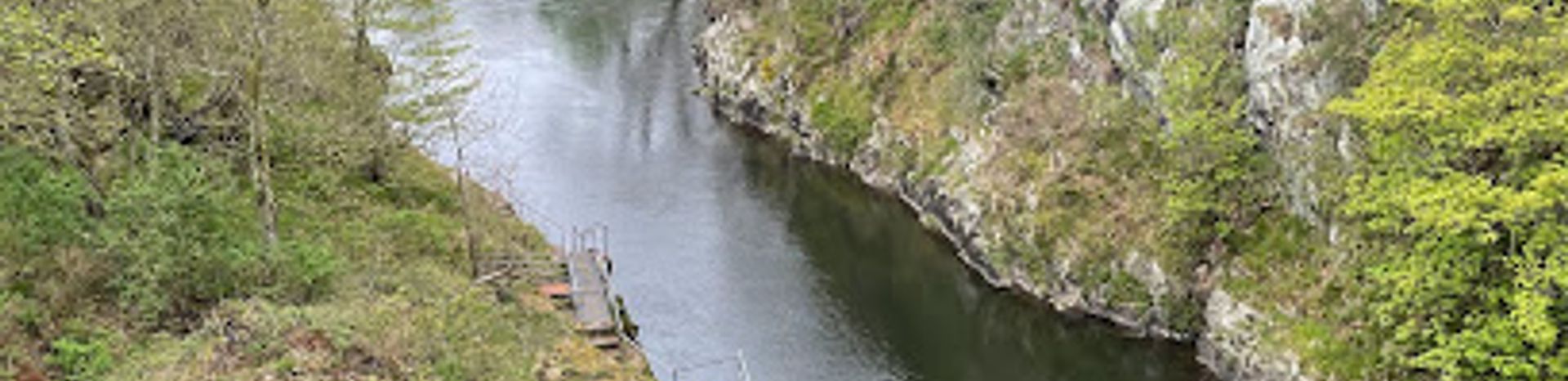
A Gothic mausoleum near Duff House, steeped in family legacy, history, and haunting local legends overlooking the River Deveron.
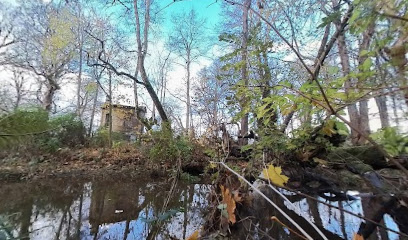
The Duff House Mausoleum, built in 1792 by the 2nd Earl Fife near Banff, Scotland, stands as a striking Gothic monument symbolizing the Duff family's wealth and heritage. Located about a mile south of Duff House, it houses repurposed tombs including that of Alexander Douglas, a notable 17th-century Banff provost. Surrounded by tranquil woods and overlooking the River Deveron, the mausoleum evokes a haunting atmosphere enriched by local legends and historical intrigue.
A brief summary to Duff House Mausoleum
- 16 Colleonard Dr, Banff, AB45 1DP, GB
- Visit website
- Duration: 0.5 to 1.5 hours
- Free
-
 Outdoor
- Mobile reception: 3 out of 5
- Monday 12 am-12 am
- Tuesday 12 am-12 am
- Wednesday 12 am-12 am
- Thursday 12 am-12 am
- Friday 12 am-12 am
- Saturday 12 am-12 am
- Sunday 12 am-12 am
Local tips
- Visit during daylight hours to fully appreciate the mausoleum’s Gothic details and the tranquil riverside setting.
- Wear sturdy footwear as the mausoleum is accessed via woodland paths that can be uneven or muddy.
- Combine your visit with a tour of Duff House and its art gallery for a comprehensive experience of the Duff family heritage.
- Bring a camera to capture the atmospheric surroundings, especially the river views and woodland scenery.

For the on-the-go comforts that matter to you
- Seating Areas
- Information Boards
Getting There
-
Car
Driving from central Banff to Duff House Mausoleum takes approximately 10–15 minutes. The route involves rural roads with limited parking near the mausoleum; visitors should prepare for a short walk through woodland paths. Parking is free but limited in capacity.
-
Bus and Walk
Take the local bus service to Banff town center, then a 30–40 minute walk south through Colleonard Woods to reach the mausoleum. The walk includes uneven terrain and is best suited for those comfortable with moderate woodland trails.
-
Taxi
A taxi from Banff town center to the mausoleum takes about 10 minutes. This option is convenient for visitors with mobility concerns but may have limited availability in rural areas. Estimated cost is £8–£12.
Duff House Mausoleum location weather suitability
-
 Any Weather
-
 Rain / Wet Weather
-
 Clear Skies
-
 Mild Temperatures
Discover more about Duff House Mausoleum
The Mausoleum's Origins and Symbolism
Constructed in 1792 by the 2nd Earl Fife, the Duff House Mausoleum was intended as a grand symbol of the Duff family's prominence and ancestral claims. Though the Duffs were originally bankers from Elgin, the Earl sought to assert a noble lineage tracing back to medieval knights and ancient Earls of Fife. To bolster this narrative, several local tombs and memorials were relocated to the mausoleum and re-inscribed, creating a curated heritage display. This ambitious project reflected both the family's aspirations and the 18th-century fascination with Gothic revival architecture.Alexander Douglas: The Mausoleum’s Most Famous Resident
Among the tombs moved to the mausoleum is that of Alexander Douglas, a 17th-century physician, Covenanter, and Provost of Banff. Douglas played a significant role in Banff's history during the turbulent Wars of the Three Kingdoms, notably bringing Covenanter forces to the town. His tomb, originally in St Mary’s Kirkyard in Banff, was relocated about a mile to the mausoleum. Douglas’s violent death and his posthumous displacement have fueled local legends of his restless spirit haunting the mausoleum grounds, adding a layer of eerie mystique to the site.Architectural and Environmental Setting
The mausoleum is situated in a peaceful, wooded area roughly a mile south of Duff House, overlooking the River Deveron. Its Gothic style features typical motifs such as skulls, crossbones, and wheat sheaves, common in Aberdeenshire funerary art of the period. The surrounding woods and river views create a tranquil yet atmospheric setting that contrasts with the mausoleum’s somber purpose. This location enhances the visitor experience, inviting reflection amid natural beauty and historical resonance.Historical Context of Duff House and the Mausoleum
Duff House itself, designed by William Adam and begun in 1735, was a grand Georgian estate symbolizing the Duff family's rise in status. The mausoleum complements this narrative as a family burial site and a testament to their influence. Over time, Duff House has served various roles, including a hotel, sanatorium, and military headquarters during WWII. The mausoleum remains a poignant reminder of the family's legacy and the complex history of the region.Visitor Experience and Local Legends
Visitors to the mausoleum often note its haunting ambiance, enhanced by tales of Provost Douglas’s ghost and the mysterious atmosphere of the site at night. The mausoleum is accessible via woodland paths, offering a contemplative walk through nature. Its historical significance combined with folklore makes it a unique destination for those interested in Scottish heritage, Gothic architecture, and local stories.Preservation and Cultural Significance
Though the mausoleum is less frequented than Duff House itself, it remains an important cultural landmark. It embodies 18th-century aristocratic ambitions, local history, and the interplay between fact and legend. Preservation efforts focus on maintaining its structural integrity and the surrounding environment, ensuring this evocative site continues to inspire and educate future generations.Iconic landmarks you can’t miss

Duff House Fishing Temple
1.1 km
An elegant 18th-century neoclassical fishing temple on the River Deveron, blending history, architecture, and tranquil riverside charm in Aberdeenshire.
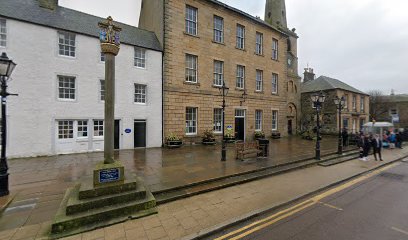
The Plainstones (Center of Banff, UK)
1.5 km
Discover Banff’s historic Plainstones, where centuries-old carvings and heraldic symbols tell the story of Scotland’s coastal heritage.
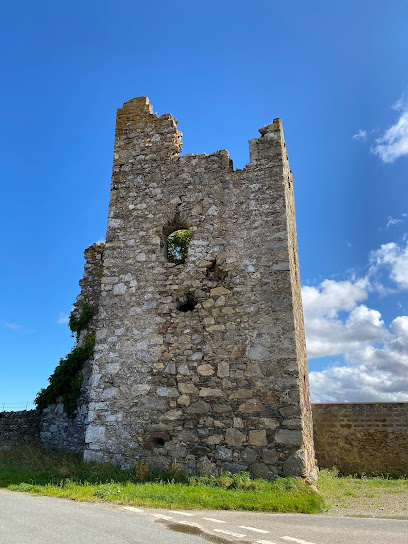
Eden Castle
4.4 km
Ruined Renaissance tower house overlooking river confluence, a scheduled ancient monument of Scottish gentry heritage.
Durn Hill - Iron Age Fort
11.0 km
Explore Durn Hill, an ancient Iron Age fort with commanding views and rich archaeological heritage near Banff, Scotland.
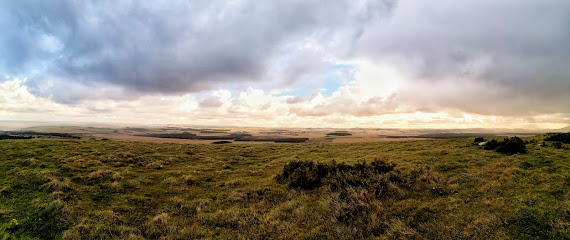
Barra Hill
39.0 km
Explore Barra Hill near Inverurie, an ancient hillfort and historic battlefield offering panoramic views and a deep connection to Scotland’s past.
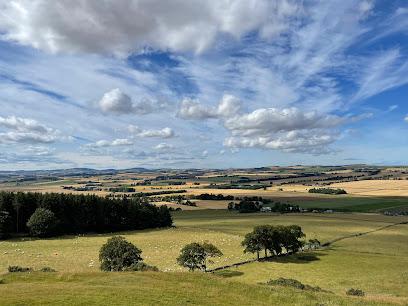
Balquhain Stone Circle
39.1 km
Explore Balquhain Stone Circle, a rare Neolithic monument near Inverurie, revealing ancient ritual mysteries amidst Aberdeenshire’s serene landscape.
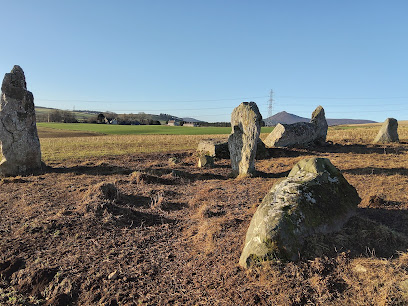
Rothes Castle
42.5 km
Explore the evocative ruins of Rothes Castle, a 13th-century fortress commanding the Spey Valley and steeped in Scottish medieval history.
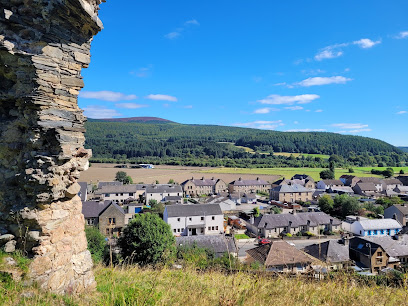
St. Peter's Kirk & Parish Cross
50.7 km
Medieval kirk and rare surviving mercat cross spanning eight centuries of Scottish history.
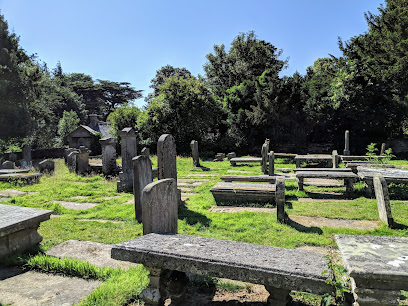
Dyce Standing Stones
52.7 km
Mysterious Pictish stones bridging pagan and Christian worlds, carved over 1,400 years ago.
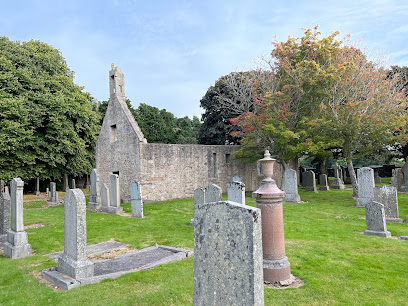
Crook of Alves (historical placename)
54.4 km
Discover the Crook of Alves, a cultural landmark in Elgin, where history meets stunning natural beauty in Scotland's captivating landscapes.
Sutherland N
55.1 km
Discover the tranquility of Sutherland N Farm in Forres, where rural beauty and fresh local produce come together for an unforgettable experience.
VisitAberdeenshire
56.1 km
Explore the enchanting landscapes and rich culture of Aberdeenshire at VisitAberdeenshire, your gateway to Scotland's best-kept secrets.
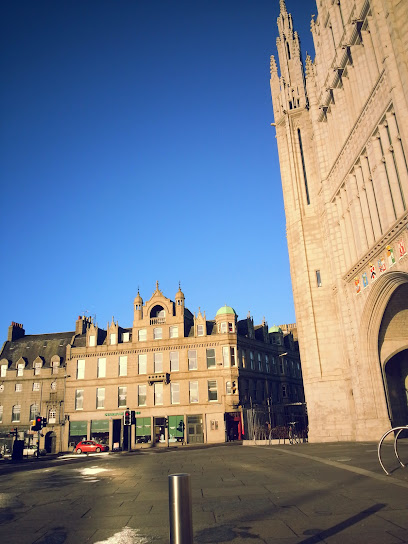
Ballindalloch Castle and Gardens
56.5 km
Discover the historical elegance and natural beauty of Ballindalloch Castle and Gardens in the heart of Banffshire, a must-visit for all travelers.
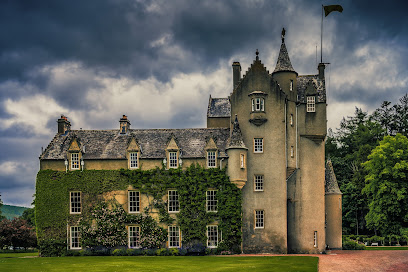
Asliesk Castle (remains)
57.0 km
Explore the ivy-clad ruins of Asliesk Castle, a 16th-century Scottish tower house steeped in history and legend near Elgin, Moray.

Burghead Well
57.2 km
Explore Burghead Well, an ancient Pictish landmark in Scotland offering a unique glimpse into the rich history and culture of the region.
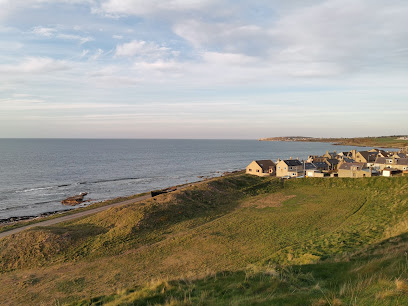
Unmissable attractions to see

Ice House
0.5 km
Georgian ice storage engineering: a cool glimpse into 18th-century aristocratic life
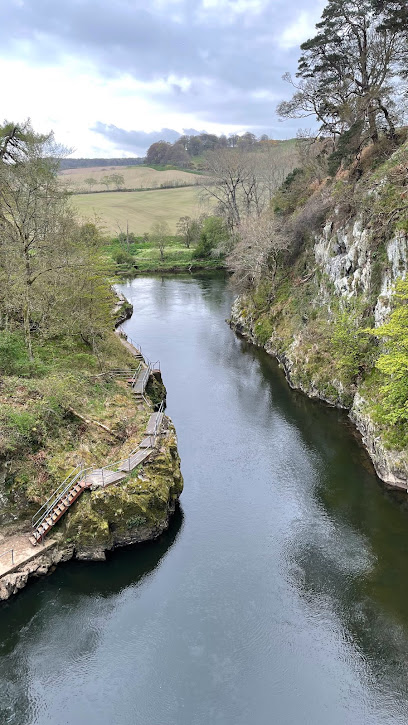
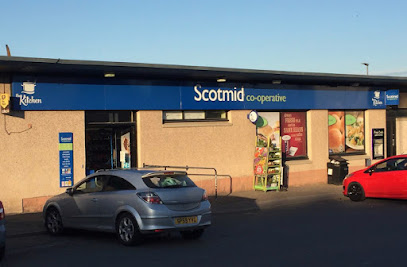
Scottish Midland Co-Operative Food Store
1.0 km
Your friendly local co-op in Banff offering fresh essentials, great coffee, and a welcoming community atmosphere every day.
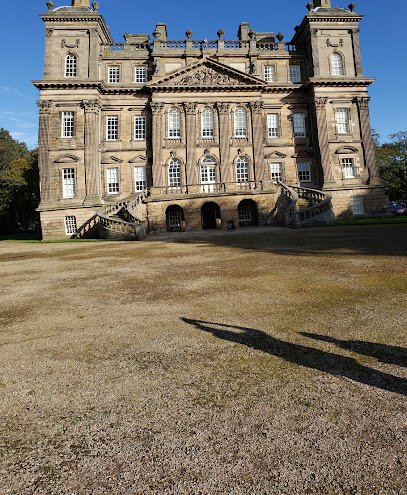
Duff House
1.1 km
Explore Duff House, a majestic Georgian mansion in Banff blending rich history, stunning art, and serene parkland in Scotland’s scenic northeast.
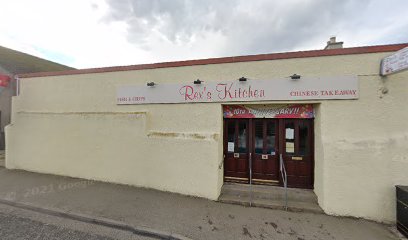
Rex’s Kitchen
1.3 km
Cozy takeaway spot in Banff offering fresh, seasonal dishes with a friendly, casual vibe from late afternoon to evening daily.
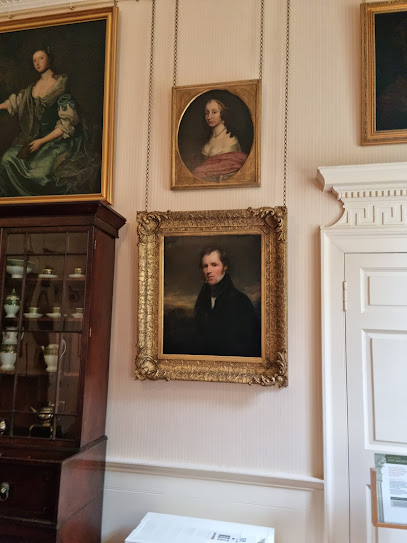
Museum of Banff
1.3 km
Discover Banff’s rich heritage through fascinating artifacts and community spirit at one of Scotland’s oldest museums.
Duff House Public Gardens
1.4 km
Explore the historic Georgian estate and tranquil public gardens of Duff House, a cultural gem blending art, history, and nature in Banff.
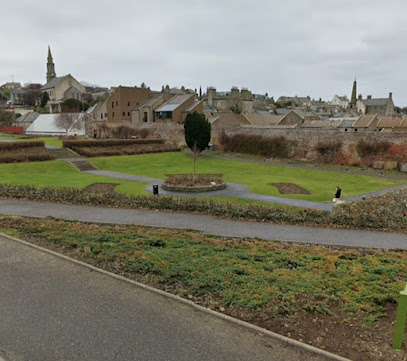
The Banff Deli
1.4 km
A cozy, highly rated deli in Banff serving fresh, artisan sandwiches and light meals in a warm, welcoming setting.
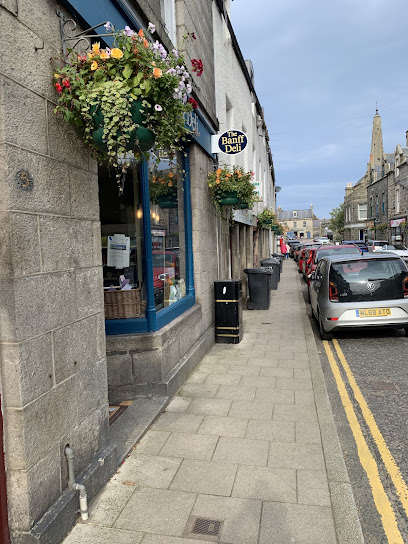
Banff and Macduff Heritage Trail
1.5 km
Discover the rich history and scenic charm of Banff and Macduff on this immersive coastal heritage trail.
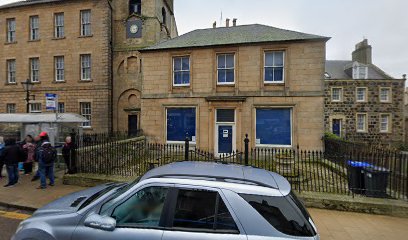
1 high shore
1.5 km
Discover 1 High Shore, a beautifully preserved 17th-century merchant’s house at the heart of Banff’s historic core, rich in heritage and architectural charm.
Medieval Kirkyard of Banff
1.6 km
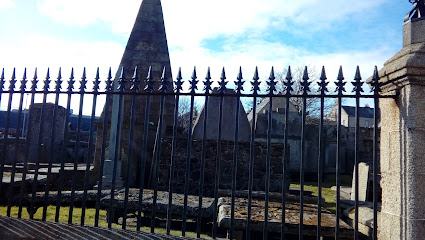
Explore Banff’s medieval St Mary’s Kirkyard, a historic burial ground rich with centuries-old tombs and evocative memorial art.
Labyrinth
1.6 km
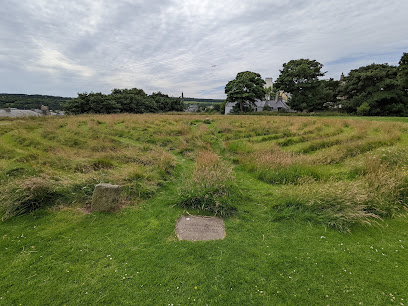
A historic castle site in Banff with a peaceful labyrinth on its front lawn, blending medieval roots, Georgian elegance, and community spirit by the Moray Firth.
Banff Castle
1.6 km
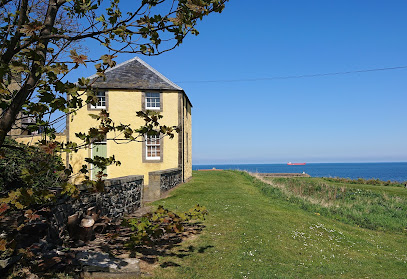
A historic Scottish stronghold reborn as a vibrant community arts centre and events venue on the Banffshire coast.
Vanilla Ink The Smiddy
1.6 km
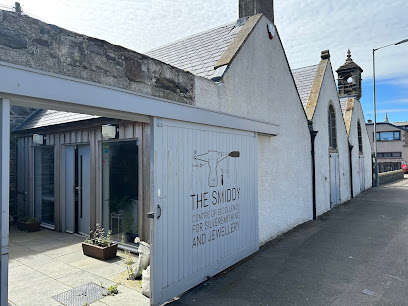
Discover Banff’s historic silversmithing heritage through expert-led jewellery and silversmithing workshops at Vanilla Ink The Smiddy.
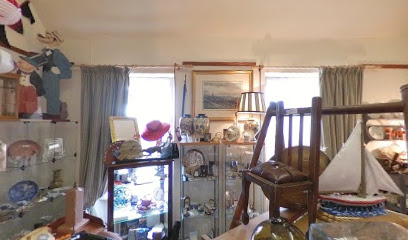
Lynash Antiques
1.6 km
Discover unique antiques and timeless treasures in the heart of Banff’s historic Old Market Place.
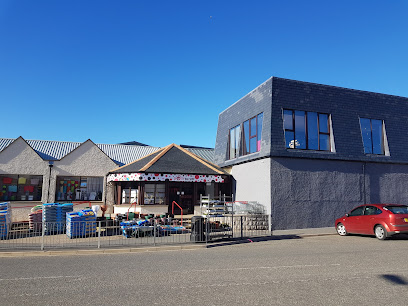
The Spotty Bag Shop
1.7 km
A nostalgic discount shop and café in Banff offering eclectic goods and scenic dining with friendly service in a vibrant community setting.
Essential places to dine

Fife Lodge Hotel
0.6 km
Charming 3-star country house hotel in Banff with friendly service, delicious dining, and beautiful garden views near scenic beaches and golf courses.
LightHouse Fish Bar
1.4 km
Savor traditional British fish and chips with a diverse menu in Banff’s cozy and welcoming LightHouse Fish Bar.
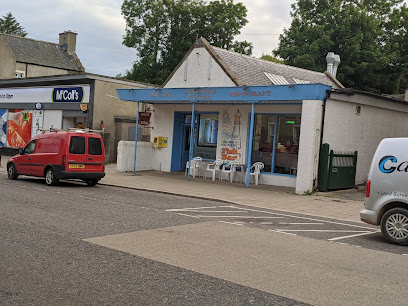
Happy Palace
1.4 km
Savor authentic Chinese flavors at Happy Palace in Banff - where every dish tells a story of culinary excellence.
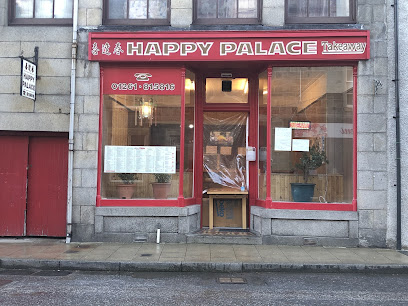
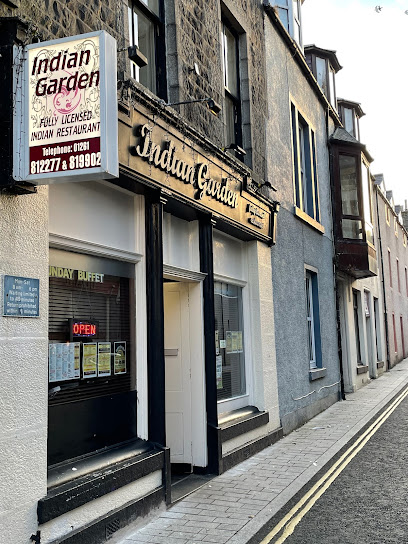
Indian Garden Restaurant and Takeaway
1.5 km
Authentic Indian flavours and warm hospitality await at Banff’s beloved Indian Garden Restaurant and Takeaway.
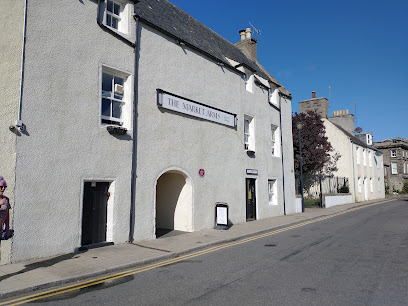
Market Arms
1.5 km
Experience the charm of Banff at Market Arms - where hearty meals meet local brews in a welcoming pub atmosphere.
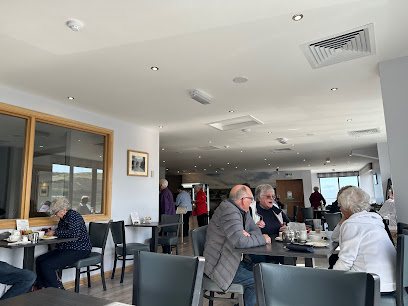
Bridgeview Restaurant
1.7 km
Bright and welcoming restaurant in Banff offering traditional Scottish dishes with scenic views and family-friendly accessibility.
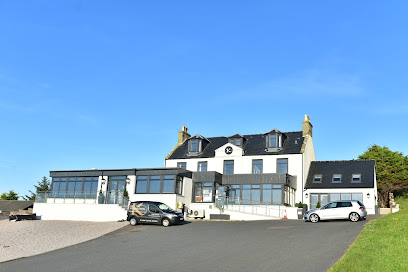
The Knowes Hotel, Restaurant and Function Suite
2.9 km
Charming coastal hotel in Macduff with stunning Moray Firth views, modern rooms, excellent dining, and versatile event spaces.
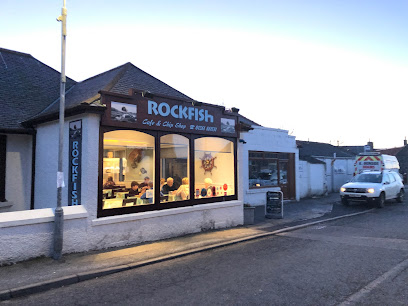
Rockfish
3.5 km
Savor sustainably sourced, fresh seafood in a cozy coastal setting with generous portions and friendly service at Rockfish, Whitehills.
Seafield Arms
3.6 km
Traditional Scottish hospitality on the Moray coast, where comfort meets genuine Highland welcome.
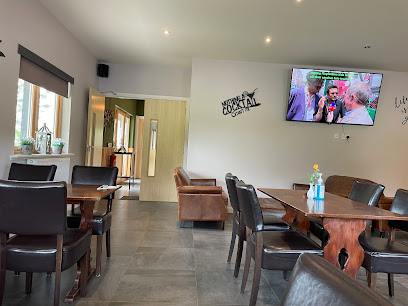
Blakeshouse Lounge Bar & Restaurant
11.2 km
Authentic Scottish flavors and local brews in a cozy lounge setting nestled in the scenic Fisherie area of Turriff.
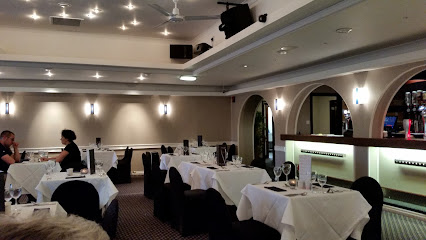
The Kastille
13.7 km
A vibrant blend of modern dining, lively bar, and nightclub experiences in the heart of Turriff.
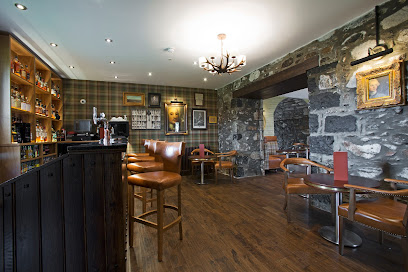
1236 Cave Bar at Meldrum House
36.2 km
Historic 800-year-old stone bar with award-winning whisky and casual Scottish dining at Meldrum House Country Hotel.
Eat On The Green
41.6 km
Experience refined Scottish dining with fresh local ingredients and impeccable service in the heart of Udny Green.
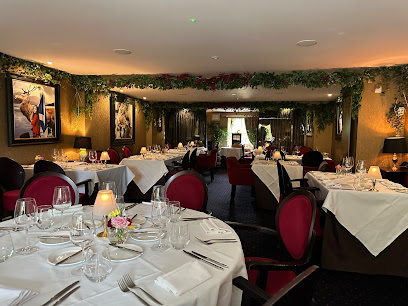
Seven Stills French Restaurant and Malt Whisky Bar/Lounge
42.1 km
An intimate French bistro and whisky lounge in Dufftown blending classic cuisine with Speyside’s renowned malt heritage.
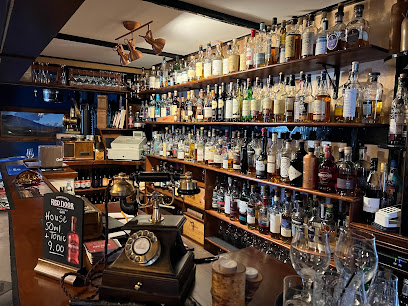
Fennel Restaurant
42.2 km
Modern European dining with fresh local ingredients in a relaxed, stylish setting at Inverurie’s Fennel Restaurant.
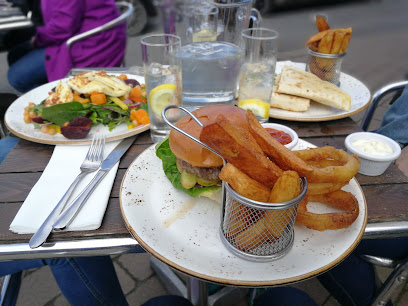
Markets, malls and hidden boutiques

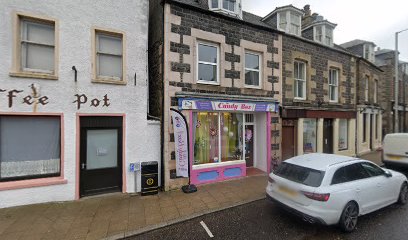
The Candy Box
1.3 km
A cozy family-run sweet shop in Banff famed for its diverse candies and exceptional ice cream treats.
Tuleni
1.4 km
Explore Tuleni in Banff for a unique selection of stylish ladies' clothing, offering personalized shopping experiences in a charming boutique atmosphere.
The Gift Box
1.4 km
Discover unique, locally inspired gifts in the charming heart of Banff, Scotland’s historic coastal town.
PETAL the store
1.4 km
Discover Banff’s charming gift boutique featuring over 60 independent brands in a warm, curated setting on historic High Street.
Castlegate Newsagents
1.4 km
Your friendly local newsstand and supermarket in Banff’s historic center, open early to late daily for all your essentials and local treats.
Cheyne's Of Banff
1.5 km
Explore Cheyne's Of Banff for a unique shopping experience filled with local crafts, souvenirs, and the spirit of the Canadian Rockies.
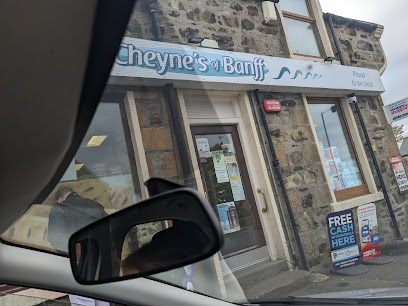
Key Stores
1.5 km
Discover the convenience of Key Stores in Banff for all your travel needs, from snacks to essentials, amidst breathtaking mountain views.
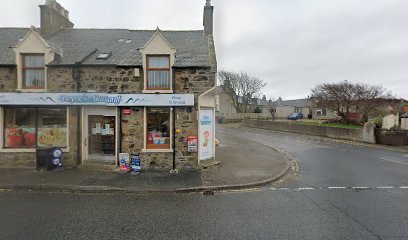
Trend DIY
1.5 km
Discover a treasure trove of crafting supplies and unleash your creativity at Trend DIY in Banff, a must-visit for all DIY enthusiasts.
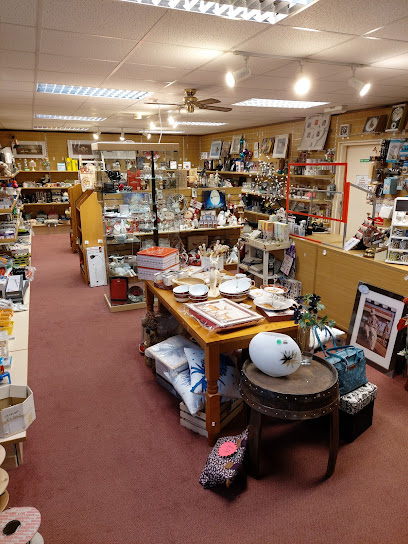
Oldanu
1.5 km
Discover a unique blend of local crafts and souvenirs at Oldanu, the charming gift shop in the heart of Banff, perfect for capturing your travel memories.
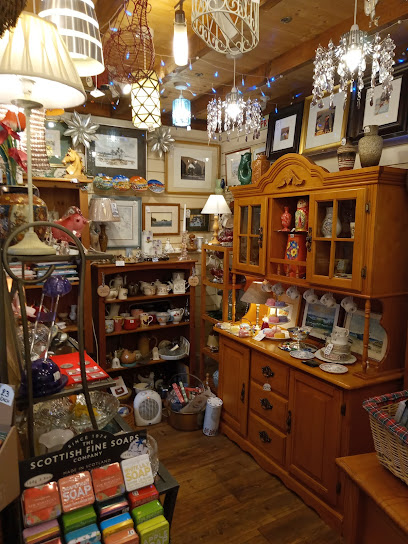
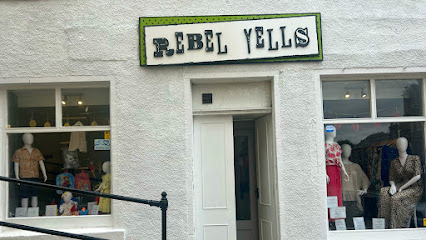
Rebel Yells
1.5 km
Discover unique clothing and accessories at Rebel Yells, a charming shop in Banff that celebrates local culture and style.
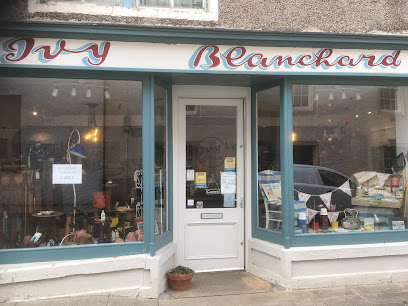
Ivy's Emporium
1.5 km
Discover timeless antiques and unique collectibles in the heart of Banff at Ivy's Emporium, a charming treasure trove for vintage lovers.
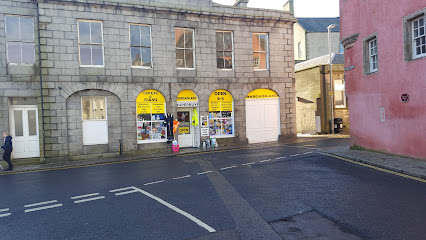
Bargainland
1.5 km
Discover stylish homewares and unbeatable bargains in Banff’s welcoming Bargainland, a must-visit for quality and charm.
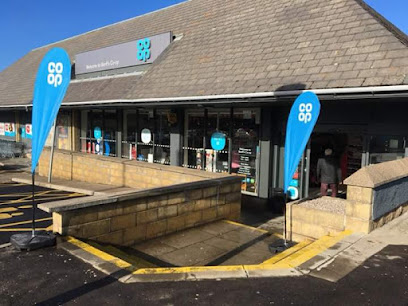
Co-op Food - Banff - Bridge Road
1.7 km
Conveniently located on Bridge Road, Co-op Food Banff offers fresh local produce and essentials daily from 7 AM to 10 PM.
Meadowlands
1.9 km
Discover Banff’s local artistry and unique gifts at Meadowlands Gallery, a charming cultural hub on historic North Castle Street.
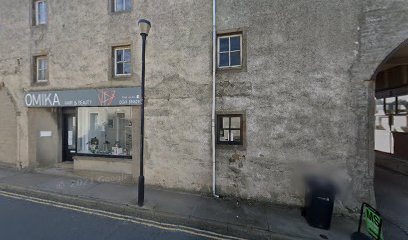
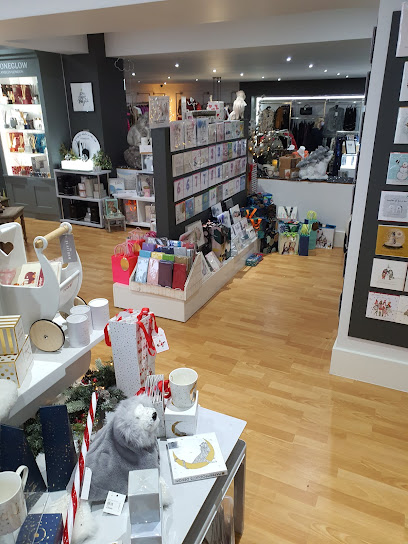
The Platform
2.4 km
Discover unique gifts, stylish fashion, and delightful café treats in Macduff’s charming old railway station turned lifestyle hub.
Essential bars & hidden hideouts

Banff Springs Hotel
1.5 km
Experience timeless luxury and breathtaking mountain vistas at the iconic Fairmont Banff Springs Hotel, the Castle in the Rockies.
Castle Bar
1.7 km
Experience authentic Scottish hospitality and local ales in the cozy, historic setting of Castle Bar in Banff.
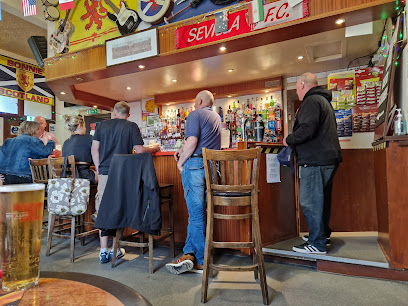
The Railway Inn
1.9 km
A traditional Scottish pub in Banff offering friendly hospitality, extensive whiskies, and stunning harbour views.
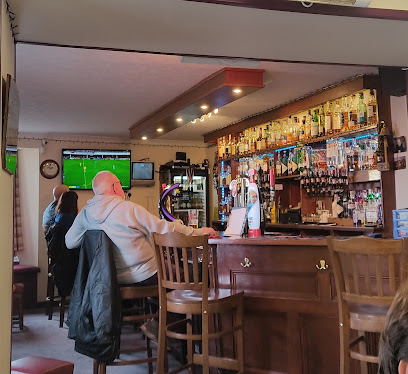
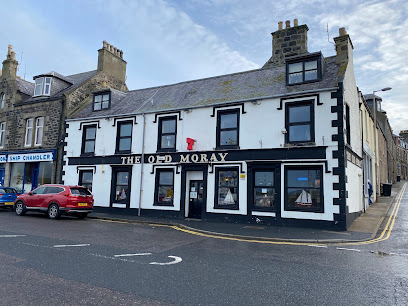
The Old Moray Ltd
3.0 km
Experience authentic Scottish hospitality and local ales at The Old Moray Ltd, a traditional harbour pub in the heart of Macduff.
Craigenroan Bar
24.3 km
A cozy and welcoming pub in Buckie offering authentic Scottish ales, lively events, and a true community vibe.
St Andrews Bar
40.6 km
A cozy and friendly Scottish pub in Lhanbryde offering great drinks and warm local hospitality in a relaxed setting.
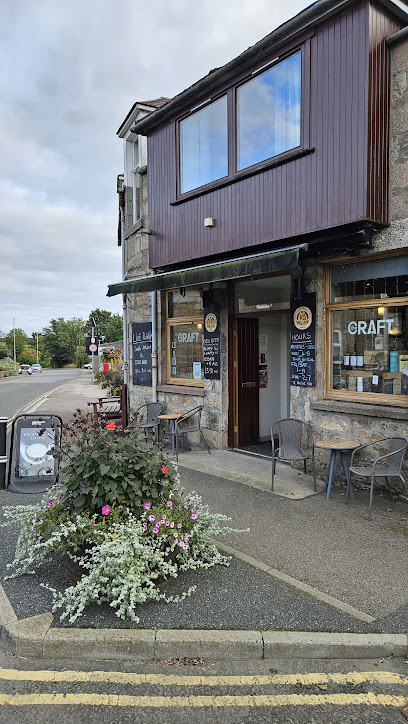
The Craft - off-licence and Bar
41.2 km
A cozy village wine bar and off-licence in Pitmedden offering craft drinks, community spirit, and award-winning hospitality.
The Firth
44.8 km
Coastal charm meets hearty Scottish fare at The Firth, a welcoming pub and hotel with stunning sea views in Lossiemouth.
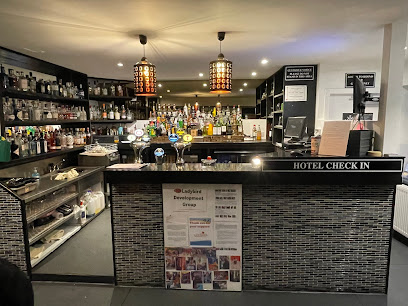
Brander Arms
44.8 km
A welcoming harbourside pub in Lossiemouth offering friendly service, scenic sea views, and a cozy atmosphere for relaxed drinks.
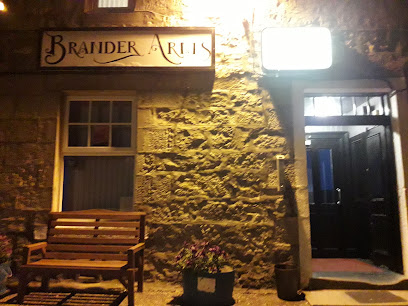
The Cottar Hoose
45.0 km
Experience authentic Scottish warmth and friendly banter at The Cottar Hoose, Elgin’s cozy traditional pub with a welcoming open fire.
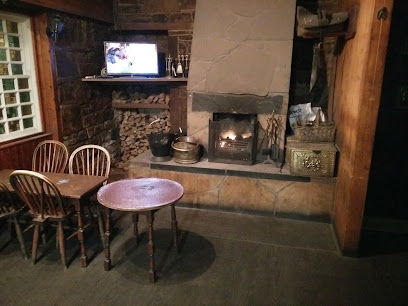
Kirkie Bar
45.7 km
Experience the warm charm of Kirkie Bar, New Elgin’s cozy spot for local ales, live music, and friendly gatherings on Main Street.
Thornhill Leisure Ltd
45.8 km
Experience the charm of Thornhill Leisure Ltd, a cozy pub in Elgin, perfect for enjoying local ales and Scottish hospitality.
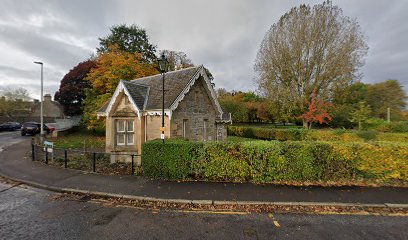
IV30 Cocktail and Wine Bar
45.9 km
Historic charm meets modern mixology at IV30 Cocktail and Wine Bar, Elgin’s stylish spot for refined drinks and relaxed evenings.
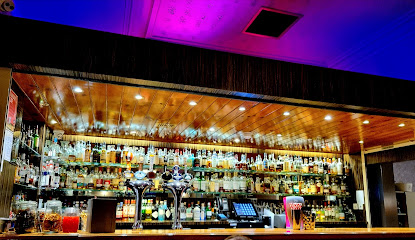
Ionic Bar
46.1 km
A traditional Scottish pub in Elgin’s heart, offering friendly vibes, local brews, and timeless charm for relaxed socialising.
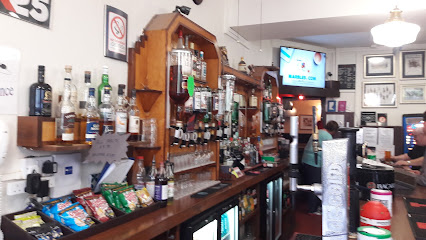
The Muckle Cross - JD Wetherspoon
46.1 km
A vibrant and affordable JD Wetherspoon pub on Elgin High Street offering hearty meals and a lively atmosphere from morning till late.
Nightclubs & after hour spots

Deveronside Club
1.2 km
A warm and lively social club in Banff offering great events, affordable drinks, and a welcoming community atmosphere.
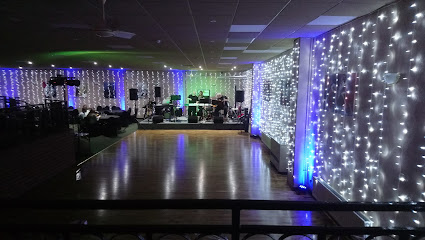
Banff Town & County Club
1.4 km
Discover the heart of Banff at the historic Town & County Club, a social hub that celebrates local culture and community spirit.
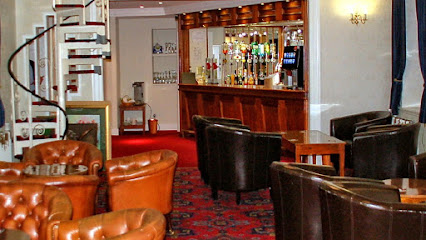
Purple Nightclub
25.6 km
Experience Buckie’s vibrant nightlife at Purple Nightclub, the ultimate destination for dancing, live music, and unforgettable late-night events.
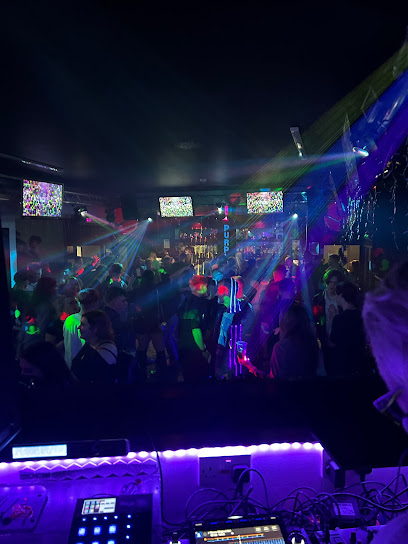
Deejays Nightclub
31.7 km
Fraserburgh’s revitalized nightlife hotspot offering vibrant music, dancing, and late-night fun on Denmark Street.
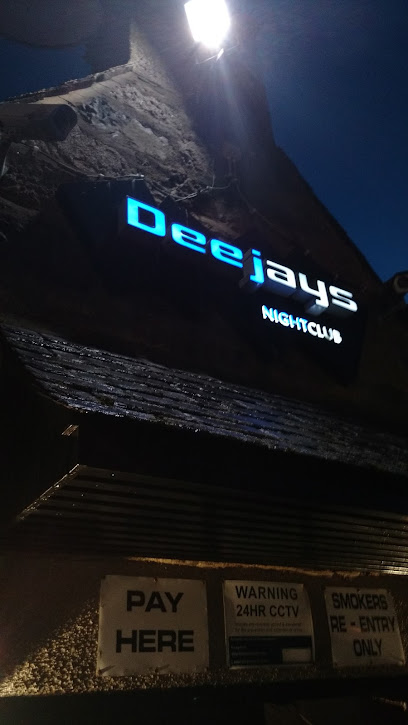
Seaforth Club
46.2 km
A welcoming members-only social club in Elgin offering great atmosphere, steak suppers, and a true sense of community spirit.
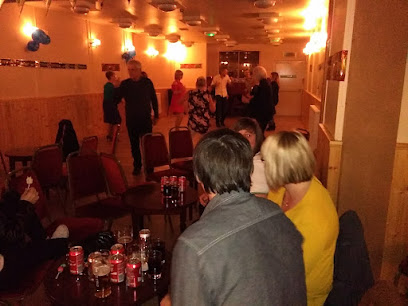
Zed Bar
46.5 km
Experience the vibrant nightlife at Zed Bar in Elgin, where great drinks and lively atmosphere await every visitor.
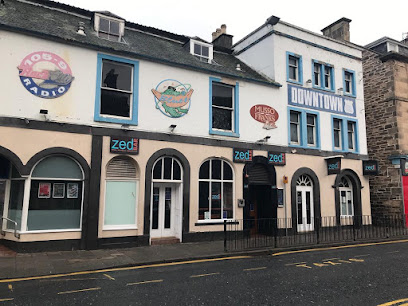
Joannas Nightclub
46.5 km
Lively and casual nightclub in Elgin’s town centre, offering weekend late-night music, dancing, and social vibes in a friendly local setting.
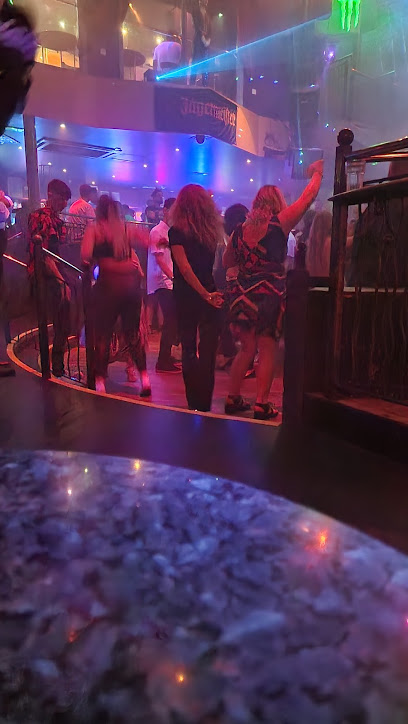
Exodus
62.1 km
Experience Aberdeen’s vibrant nightlife and boozy brunches in a unique historic church setting at Exodus, The Triplekirks.
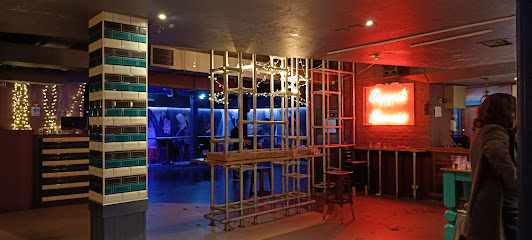
Venga
62.1 km
Dive into Aberdeen's electric nightlife at Venga, where retro beats, themed nights, and cocktails fuel unforgettable dances until dawn on vibrant Chapel Street.
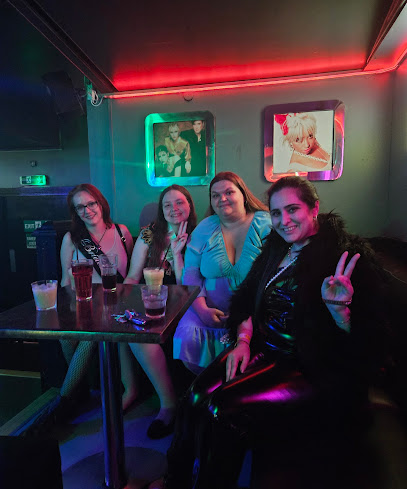
Club Tropicana & Venga
62.1 km
Compact retro nightclub on Chapel Street with neon kitsch, themed nights and a late‑night dancefloor for nostalgic hits and loud, energetic DJ sets.
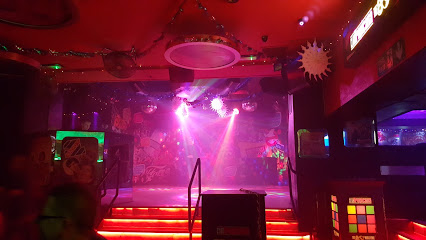
The Tunnels
62.2 km
Dive into Aberdeen’s underground nightlife at The Tunnels, where pulsating beats and intimate vibes create unforgettable nights.
Babylon
62.3 km
Discover the pulse of Aberdeen's nightlife at Babylon, a premier nightclub and bar offering unforgettable nights filled with music and fun.
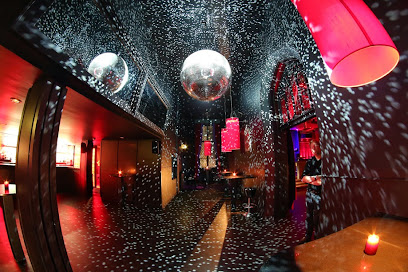
491 Union Street
62.3 km
Dive into Aberdeen's electric nightlife at this top-of-Union-Street hotspot, where killer beats, craft drinks, and epic events light up weekends until dawn.
The Underground Klub
62.3 km
A compact, bass-forward late-night club in central Aberdeen with booth seating, layered sound and an intimate underground vibe.
Number 7 Club
62.3 km
Aberdeen's intimate adult club on Crown Street: full-nude dances, drinks, and late-night energy from 9pm to 3am weekends.
For the vibe & atmosphere seeker
- Tranquil
- Scenic
- Unique
- Quirky
For the design and aesthetic lover
- Gothic Revival
For the architecture buff
- Historic
- Landmarks
For the view chaser and sunset hunter
- Iconic Views
- Waterfront
For the social media creator & influencer
- Instagrammable
- Photo Spots
For the eco-conscious traveler
- Eco-Friendly
- Public-Transport Accessible
- Leave-No-Trace Critical
For the kind of experience you’re after
- Cultural Heritage
- Myth & Legends
- Nature Escape
- Day Trip
For how adventurous you want the journey to be
- Easy Access
Location Audience
- Family Friendly
- Senior Friendly
- Child Friendly
- Solo Friendly
- Couple Friendly


