Argyle St & Pulteney Bridge, Bath Travel Guide
An iconic Georgian crossroads where historic Argyle Street meets the architecturally unique Pulteney Bridge spanning the River Avon.
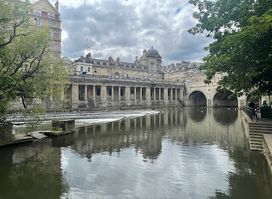
Argyle Street and Pulteney Bridge form a historic and architecturally significant crossroads in Bath, England. The iconic Pulteney Bridge, completed in 1774 and designed by Robert Adam in Palladian style, spans the River Avon and connects the city center with the Bathwick area. Notable for its shops lining both sides across its full span, it is one of only four such bridges worldwide. Argyle Street, adjacent to the bridge, is a historic street linking Pulteney Bridge to Laura Place, contributing to Bath’s rich Georgian heritage.
A brief summary to Argyle St & Pulteney Bridge
- Bath, Bathwick, BA2 4BA, GB
- Duration: 0.5 to 2 hours
- Free
-
 Outdoor
- Mobile reception: 5 out of 5

Know before you go
Hi, I'm Eve. Here are a few practical things to know before exploring Argyle St & Pulteney Bridge.
- Visit early morning or late afternoon for softer light and fewer crowds, perfect for photography.
- Explore the shops and cafes on Pulteney Bridge to enjoy local crafts and refreshments.
- Combine your visit with a walk along Great Pulteney Street to appreciate Bathwick’s Georgian architecture.
- Pause nearby at Parade Gardens for panoramic views of the bridge and river.
Do you manage this location?
Take control to get all the benefits, like improved information, better appearance, and stronger visibility across AI-powered discovery. Learn more about listing your business on Evendo
Activate your presenceOther nearby places you may find interesting
The closest places of the same kind, if this one is not quite what you had in mind.
Explore Argyle St & Pulteney Bridge on the Map
A handpicked selection of must-see spots near Argyle St & Pulteney Bridge, mapped for you.
Unlock the Best of Argyle St & Pulteney Bridge
Buy tickets
-
No tickets available
Book tours with entry


Getting There
-
Bus
Take the Number 20 or 21 bus from Bath city center to the Pulteney Bridge stop; journey time is approximately 10-15 minutes. Buses run frequently every 10-20 minutes. Tickets cost around £2-£3. Note that some stops require walking over cobbled streets.
-
Train and Walk
From Bath Spa railway station, it is a 20-minute walk (about 1.5 km) across the city center to Pulteney Bridge and Argyle Street. The route is mostly flat but includes some cobbled streets, so comfortable footwear is recommended.
-
Taxi
Local taxis can reach Pulteney Bridge from central Bath in 5-10 minutes depending on traffic. Typical fares range from £5 to £10. Taxi ranks are available near Bath Spa station and city center.
For the on-the-go comforts that matter to you
-
 Restrooms
-
 Drink Options
-
 Food Options
-
 Seating Areas
-
 Trash Bins
-
 Information Boards
Discover more about Argyle St & Pulteney Bridge
A Masterpiece of Georgian Architecture and Urban Planning
Pulteney Bridge, completed in 1774, stands as one of Bath’s most celebrated landmarks. Designed by the renowned architect Robert Adam in a Palladian style, the bridge was commissioned to connect Bath’s historic center with the developing Bathwick estate owned by the Pulteney family. Its unique feature is the continuous row of shops lining both sides of the bridge, a rarity shared by only three other bridges worldwide. The bridge’s three elegant arches span the River Avon, creating a picturesque scene that has inspired countless artists and photographers.Historical Context and Development of Bathwick
The bridge was part of a grand vision by William Johnstone Pulteney to create a new Georgian suburb east of the river, rivaling the established west side of Bath. The construction of Pulteney Bridge was a prerequisite for this development, which included Great Pulteney Street, laid out as the main axis from the bridge into Bathwick. Argyle Street, formerly known as Argyle Buildings, runs between Pulteney Bridge and Laura Place, forming a historic thoroughfare integral to the area’s urban fabric. The Pulteney estate represents one of the largest planned Georgian developments in Bath, with elegant terraces and streets laid out from the late 18th to early 19th centuries.Architectural Features and Alterations
Robert Adam’s design drew inspiration from Andrea Palladio’s rejected plan for Venice’s Rialto Bridge, resulting in a wider, more imposing structure than initially proposed. The bridge’s classical elements include pediments, pilasters, and distinctive leaded domes at each end, enhancing its aesthetic appeal. Shortly after completion, the bridge underwent widening and shop enlargement to accommodate commercial needs. Flood damage in the late 18th century necessitated repairs and partial rebuilding, but the bridge’s original character was carefully preserved. In the 20th century, restoration efforts focused on maintaining its historic façade and structural integrity.Modern Significance and Cultural Impact
Today, Pulteney Bridge remains a vibrant part of Bath’s cityscape, housing shops, cafes, and boutiques that attract locals and tourists alike. It is a Grade I listed building and part of Bath’s UNESCO World Heritage Site designation. The bridge also gained international recognition as a filming location for the 2012 adaptation of Les Misérables. Visitors often admire the views of the weir and the River Avon from the bridge or nearby Parade Gardens, making it a quintessential Bath experience.Argyle Street’s Role in Bath’s Urban Life
Argyle Street complements Pulteney Bridge by linking it to Laura Place, another notable Georgian square. This street retains much of its historic character, featuring period architecture and contributing to the cohesive aesthetic of the Bathwick area. Together, Argyle Street and Pulteney Bridge form a crossroads that exemplifies Bath’s harmonious blend of natural setting, urban planning, and architectural heritage.Visitor Experience and Atmosphere
Crossing Pulteney Bridge offers a unique experience where the river flows beneath your feet while you browse charming shops and eateries. The ambiance is both lively and romantic, with scenic views of the river, weir, and surrounding Georgian terraces. The area is ideal for leisurely strolls, photography, and soaking in Bath’s historic charm, making it a must-see destination for visitors seeking to understand the city’s cultural and architectural legacy.More to explore near Argyle St & Pulteney Bridge













Your all‑in‑one travel companion app
Explore expert travel guides, compare and book tours, experiences, hotels, and more—all from the palm of your hand. Download now for seamless trip planning wherever your wanderlust takes you.


Explore More of Bath
Looking beyond Argyle St & Pulteney Bridge? Discover Bath for broader travel guides, local hot-spots, and regional highlights.
Explore Bath
Discover North Parade, Bath’s elegant Georgian street blending historic charm with scenic riverside views in the heart of this UNESCO city.
Discover Bath’s serene Beazer Garden Maze, a historic labyrinth blending art, nature, and heritage in a peaceful riverside setting.