North Parade Bridge, Bath Travel Guide
Free Guide: Historic cast iron bridge blending Georgian elegance and 19th-century engineering over Bath’s River Avon.


A brief summary of North Parade Bridge
Historic cast iron bridge blending Georgian elegance and 19th-century engineering over Bath’s River Avon.
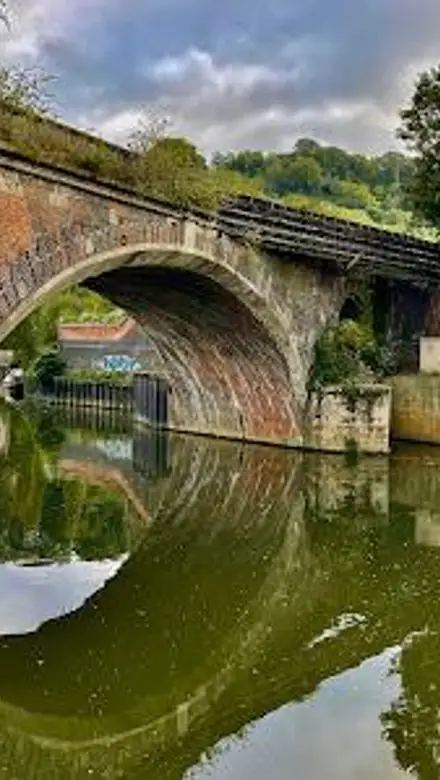
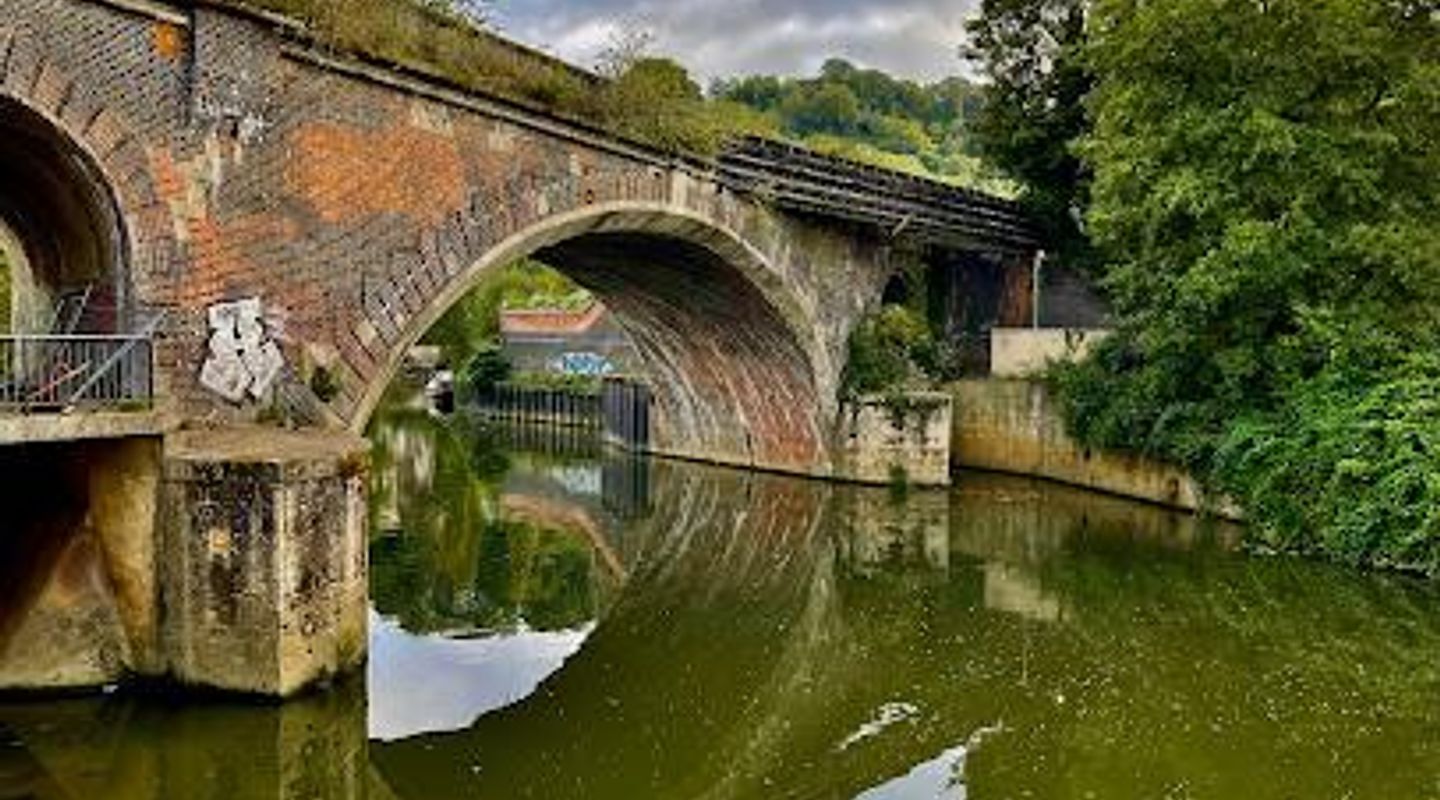
North Parade Bridge in Bath is a Grade II listed cast iron bridge originally constructed in 1836 by William Tierney Clark. It spans the River Avon, featuring masonry abutments and a stone-faced structure from a 1930s renovation. The bridge connects the historic North Parade promenade, designed by John Wood the Elder, with the city’s vibrant riverside, blending engineering heritage with scenic urban charm.
On-site amenities
 Seating areas
 Information boards
 Trash bins
Opening hours
- Every dayOpen 24 hours
Opening hours as listed on the venue’s Google Business Profile. Hours can change for services and special events, so check with the venue before you go.
- Address
- 14 N Parade, Bath BA2 4AJ
- Website
Getting there
Bus
Train and Walk
Taxi
Discover more about North Parade Bridge
Engineering Legacy and Architectural Evolution
North Parade Bridge was built in 1836 by renowned civil engineer William Tierney Clark, famous for his pioneering cast iron bridge designs. The original structure consisted of a single-span cast iron bridge supported on sturdy masonry abutments. This design reflected the industrial advances of the early 19th century, marrying functionality with aesthetic grace. In the 1930s, the bridge underwent significant alterations: the iron spans were encased in ashlar stone, and a reinforced concrete superstructure was introduced beneath. This refurbishment preserved the bridge’s historic character while enhancing its durability and visual appeal.
Connection to Bath’s Georgian Heritage
The bridge serves as a vital link to North Parade, a Georgian-era promenade constructed between 1740 and 1748 by architect John Wood the Elder. North Parade was originally conceived as an elegant summer walkway, culminating in a viewpoint overlooking the River Avon. The bridge extends this experience, offering pedestrians and vehicles a graceful crossing point that complements Bath’s broader architectural narrative, characterized by Palladian terraces and classical design.
Setting and Scenic Importance
Spanning the River Avon, North Parade Bridge provides panoramic views of the riverbanks and the surrounding cityscape. Its elevated position offers vantage points for appreciating Bath’s blend of natural beauty and historic urban fabric. The bridge’s stone-faced exterior harmonizes with Bath’s famed honey-colored limestone buildings, making it a picturesque element within the city’s riverside environment.
Preservation and Cultural Significance
Designated as a Grade II listed structure, North Parade Bridge is recognized for its architectural and historic importance. The listing protects the bridge’s unique cast iron origins and its 20th-century modifications, ensuring that this emblem of Bath’s engineering heritage remains intact for future generations. The bridge stands as a testament to the city’s continuous evolution, bridging past and present both literally and figuratively.
Visitor Experience and Urban Integration
Today, North Parade Bridge remains a functional and aesthetic asset within Bath’s cityscape. It facilitates both pedestrian and vehicular traffic, connecting key historic areas with modern amenities. Visitors can enjoy leisurely walks along the adjacent North Parade promenade, soak in riverside views, and appreciate the bridge’s craftsmanship up close. Its accessibility and scenic qualities make it a favored spot for photographers and history enthusiasts alike.
Architectural Details and Visual Appeal
The bridge’s cast iron framework, though concealed beneath stone facing, retains its original engineering integrity. The ashlar stone cladding adds a refined texture and classical appearance, aligning with Bath’s Georgian architectural style. The masonry abutments anchor the bridge firmly, while the overall design balances strength with elegance, reflecting 19th-century innovations in bridge construction.
Evendo Review Centre
 Google
Guest reviews
Best time to go
Quietest: Jan, Feb & Dec · before 6am or from 11pm
Busy times are Evendo estimates for a typical year, to help you plan. Actual crowds vary with events, school holidays and the weather.
Explore North Parade Bridge on the map
A handpicked selection of must-see spots near North Parade Bridge, mapped for you.
Get your free copy of our complete guide to North Parade Bridge, delivered straight to you.
Everything on this page, from opening hours and how to get there to Eve’s tips and the best time to go, in one PDF you can read offline, print or share.
Already have an account? Sign in
Your North Parade Bridge guide is ready.
We'll send it to · Not you? Sign out

Getting your guide ready…
We are putting together a fresh copy of the North Parade Bridge guide. This can take up to a minute.
This can take a few moments. If your browser asks, choose Allow so the download can start. You'll find the guide in your Downloads folder.
Nothing happened? Download it again
Sorry, the guide is taking longer than usual. Please try again in a minute, or get it by email instead.
Unlock the best of North Parade Bridge
Skip-the-line tickets, guided tours with entry, and walking tours of the area, booked in a few clicks.

Other nearby places you may find interesting
The closest places of the same kind, if this one is not quite what you had in mind.
-
-
-
-
-


Swipe for more places
More to explore near North Parade Bridge

 Best experiences near North Parade Bridge
 Best hotels near North Parade Bridge
 Best landmarks near North Parade Bridge
 Best attractions near North Parade Bridge
 Best shops near North Parade Bridge
 Best restaurants near North Parade Bridge
 Best bars near North Parade Bridge
Do you manage this location?
Take control to get all the benefits, like improved information, better appearance, and stronger visibility across AI-powered discovery.
Explore more

Explore more of Bath
Discover Bath: A harmonious blend of Roman history, Georgian elegance, and natural beauty in the heart of England's countryside.
Explore Bath
Explore more of United Kingdom
Discover the United Kingdom: A blend of rich history, stunning landscapes, and vibrant cities, offering a unique travel experience for every visitor.
Explore United Kingdom