

St John The Evangelist's Church, Bath
A soaring Victorian Gothic Catholic church with Bath’s tallest spire, blending rich history, stunning architecture, and peaceful sanctuary in the heart of Bath.
St John The Evangelist's Church is a striking Victorian Gothic Catholic church located on South Parade in Bath, England. Designed by Charles Francis Hansom and completed in 1863, it features a soaring 222-foot spire—the tallest in Bath—crafted from local Bath stone. The church is renowned for its richly detailed interior, colorful stained glass, and historical significance, including surviving damage during World War II. It remains an active place of worship and a peaceful sanctuary within Bath's vibrant cityscape.
A brief summary to St John The Evangelist's Church
- The Old School House, St John's Rd, S Parade, Bath, BA2 4AF, GB
- +441225464471
- Visit website
- Duration: 0.5 to 2 hours
- Free
-
 Indoor
- Mobile reception: 4 out of 5
- Monday 10 am-7 pm
- Tuesday 10 am-7 pm
- Wednesday 10 am-5 pm
- Thursday 10 am-5 pm
- Friday 10 am-5 pm
- Saturday 10 am-5 pm
- Sunday 10 am-5 pm
Local tips
- Visit during weekday evenings on Monday or Tuesday when the church is open later until 7pm for a quieter experience.
- Take time to admire the intricate stained glass windows and the detailed marble pillars inside the church.
- Look up to spot the peregrine falcons nesting on the spire, a unique natural feature of the church.
- Respect the church’s role as an active place of worship by maintaining silence and appropriate behavior during your visit.

For the on-the-go comforts that matter to you
- Restrooms
- Seating Areas
- Information Boards
Getting There
-
Bus
Take the First Bus service 5 or 10 from Bath city centre towards Bathwick or Lansdown; journey time is approximately 10-15 minutes. Buses run frequently during the day. The stop nearest to the church is on South Parade, a short walk from the church entrance. Single fare costs around £2.50 GBP.
-
Taxi
A taxi from Bath city centre to St John The Evangelist's Church typically takes 5-10 minutes depending on traffic. Expect to pay between £5 and £8 GBP. Taxis are readily available at the city centre taxi ranks or via phone apps.
-
Walking
From Bath city centre, walking to the church takes about 25-30 minutes along mostly flat terrain via public streets. The route passes through historic parts of Bath, suitable for most fitness levels and wheelchair accessible.
St John The Evangelist's Church location weather suitability
-
 Any Weather
-
 Clear Skies
-
 Rain / Wet Weather
-
 Mild Temperatures
Discover more about St John The Evangelist's Church
Architectural Grandeur and Design Legacy
St John The Evangelist's Church stands as a magnificent example of Victorian Gothic architecture, designed by Charles Francis Hansom and completed between 1861 and 1863. Its most prominent feature is the soaring spire, added in 1867, which reaches approximately 222 feet (68 meters), making it the tallest structure in Bath and a defining element of the city's skyline. The church is constructed entirely from local Bath stone, lending it a harmonious connection to the surrounding historic cityscape. Inside, the church boasts circular pink granite pillars with intricately carved capitals, vibrant stained glass windows—especially the renowned rose windows—and finely crafted ironwork, including communion rails and screens. The baptistery, designed by Hansom's son Edward Joseph Hansom in 1871, houses a shrine containing relics of Saint Justina of Padua, adding to the church's spiritual and artistic significance.Historical Roots and Resilience
The church was built on a site with deep religious roots, originally associated with a medieval priory and later developed by the Benedictine monks from Downside Abbey. The Benedictines managed the parish until 1932, when care was transferred to the Diocese of Clifton. St John’s has endured significant trials, notably during the Baedeker raids of World War II in April 1942, when the south aisle was destroyed and the presbytery was hit by a direct bomb strike, resulting in tragic loss of life. Both the damaged sections were sympathetically rebuilt in the 1950s, preserving the Gothic style and maintaining the church’s architectural integrity. This resilience underscores the church’s role as a spiritual and community anchor throughout Bath’s modern history.Spiritual Significance and Community Role
Dedicated to St John the Evangelist, one of Jesus’s twelve apostles and the author of the Gospel of John, the church serves as a vibrant center of Catholic worship in Bath. It offers a peaceful sanctuary amid the city’s bustling environment, welcoming parishioners and visitors alike. The church’s rich liturgical life is complemented by its role as a cultural landmark, hosting religious ceremonies, community events, and serving as a symbol of faith continuity in the region. Its history reflects the broader narrative of Catholic emancipation and growth in England during the 19th and 20th centuries.Setting and Surroundings
Situated on South Parade in the Bathwick area, the church is part of a conservation zone within the World Heritage Site of Bath. The location offers picturesque views along the River Avon and proximity to other historic landmarks. The church’s stone tower and spire create an iconic silhouette visible from many vantage points across the city. Nearby, the Old School House and other Victorian-era buildings contribute to the area's rich architectural tapestry, blending religious, educational, and residential heritage.Artistic Highlights and Interior Details
Inside, visitors are greeted by a harmonious blend of color and craftsmanship. The stained glass windows flood the interior with vibrant light, while the polished marble and delicate wood and iron screens add layers of texture and detail. The church’s chapels each feature unique decorative elements, inviting quiet reflection. The white tabernacle stands out as a focal point, symbolizing purity and devotion. These artistic features combine to create an atmosphere of reverence and beauty that enhances the spiritual experience.Continuing Legacy and Preservation
St John The Evangelist’s Church remains an active parish, cared for by the Diocese of Clifton. Its ongoing preservation ensures that this architectural and spiritual treasure continues to inspire future generations. The church’s blend of historical significance, architectural excellence, and community vitality makes it a must-visit landmark in Bath, offering visitors a glimpse into the city’s rich religious heritage and Victorian craftsmanship.Iconic landmarks you can’t miss

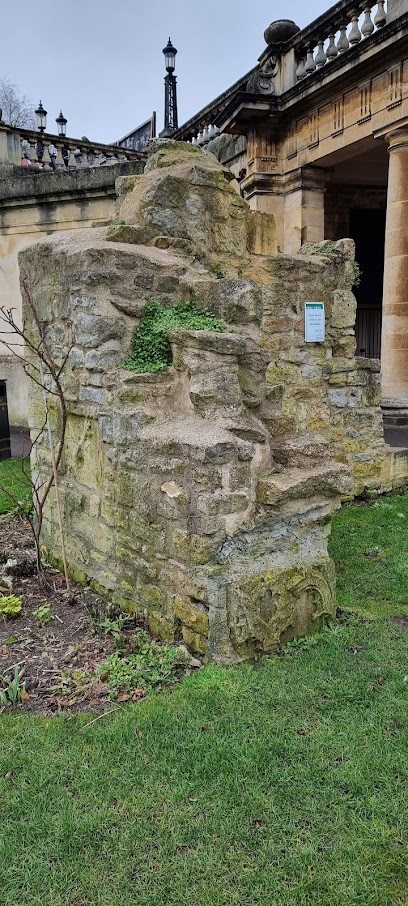
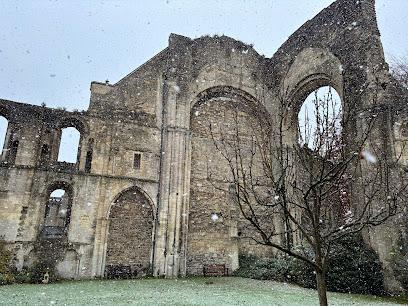
Monks Mill
0.2 km
Discover Monks Mill, a rare medieval watermill ruin nestled in Bath’s picturesque Parade Gardens, echoing centuries of monastic industry and wool trade heritage.
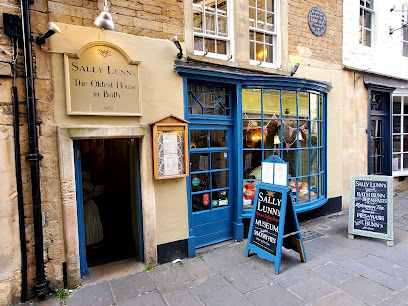
Sally Lunn’s Historic Eating House & Museum
0.2 km
Experience the rich history and delectable flavors at Sally Lunn’s Historic Eating House & Museum in Bath, where tradition meets taste.
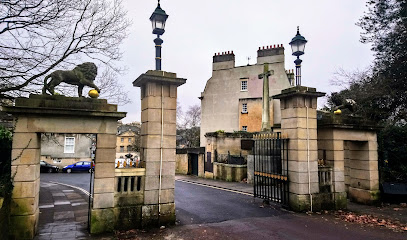
Parte de la muralla medieval de la ciudad de Bath
0.2 km
Explore a rare surviving fragment of Bath’s medieval city wall, a gateway to the city’s rich Roman and medieval heritage.
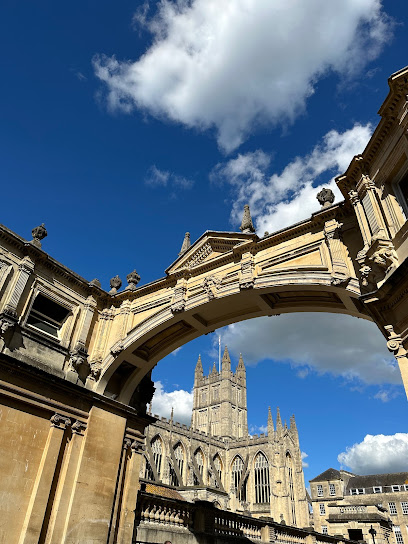
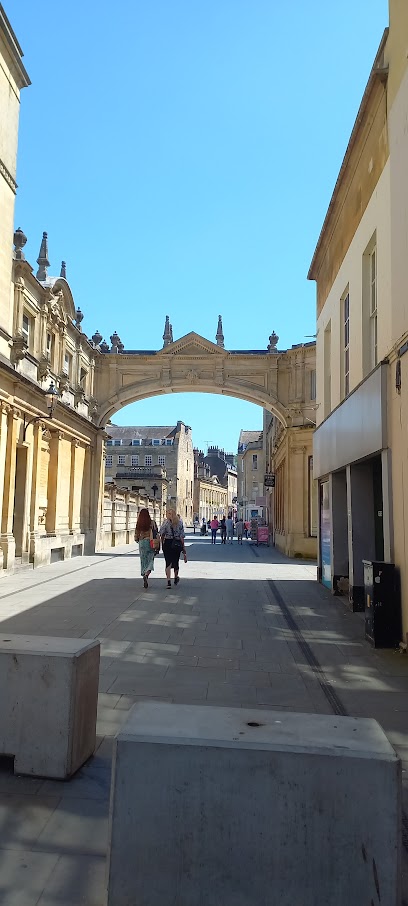
Archway
0.3 km
Discover Bath’s elegant Victorian Archway, a historic stone bridge carrying spa waters across York Street in the city’s UNESCO heritage heart.
The Pump Room Restaurant
0.3 km
Experience exquisite British and European cuisine in a historic setting at The Pump Room Restaurant, a must-visit gem in Bath.
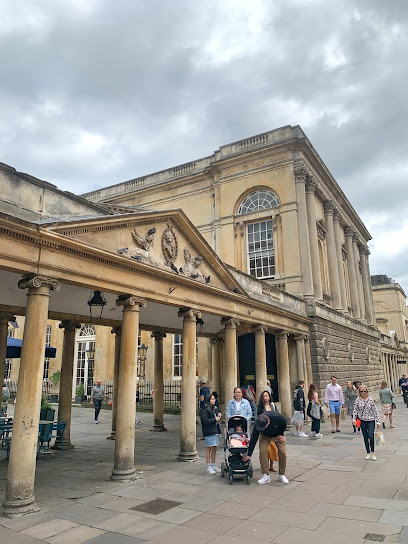
The EASTGATE
0.3 km
Explore The EASTGATE, a captivating historical landmark in Bath, showcasing stunning Georgian architecture and rich cultural heritage.
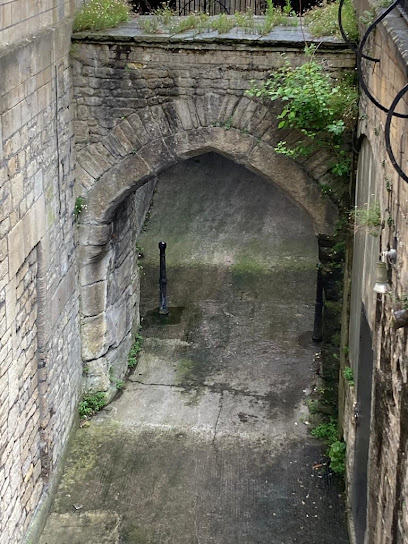
Part of the mediaeval wall of the City of Bath
0.5 km
Explore a rare surviving fragment of Bath’s medieval city walls, a stone sentinel guarding centuries of history at 13 Trim Street.
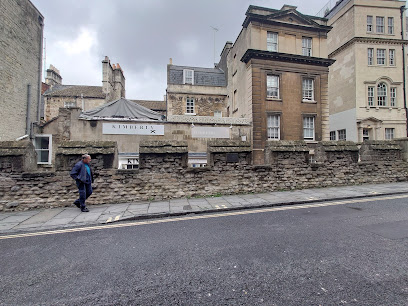
Bath Quays Waterside
0.5 km
A vibrant, sustainable waterside regeneration reconnecting Bath’s city centre with its historic river heritage and green public spaces.
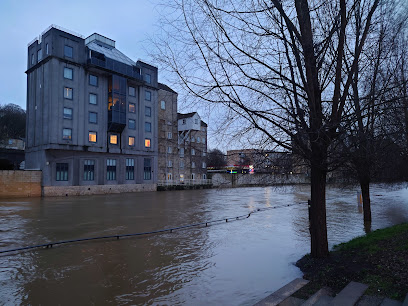
Green Park Station
0.8 km
Historic railway station turned vibrant market hub offering fresh local produce, unique crafts, lively eateries, and cultural events in Bath.
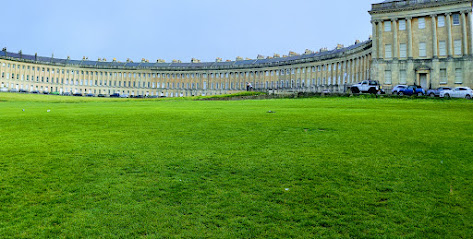
Herschel Museum of Astronomy
0.8 km
Explore the Georgian home where William Herschel discovered Uranus and celebrate the Herschels’ legacy in astronomy and music.
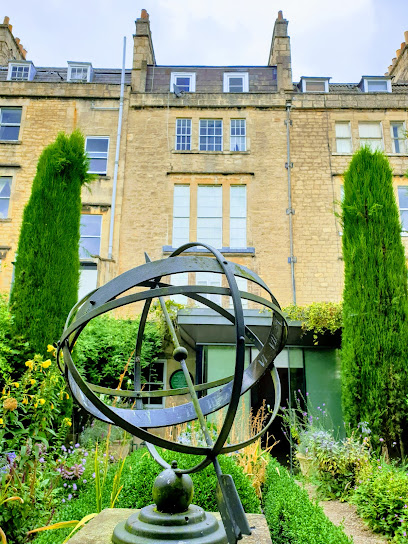
Sydney Gardens
0.8 km
Explore the lush beauty and historical charm of Sydney Gardens, a tranquil park in Bath perfect for leisurely strolls and serene picnics.
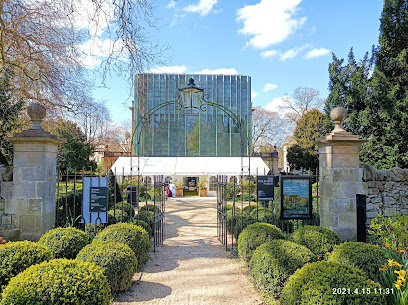
Museum of Bath Architecture
0.8 km
Explore Bath’s architectural evolution from medieval roots to Georgian grandeur in a compact, richly detailed museum setting.
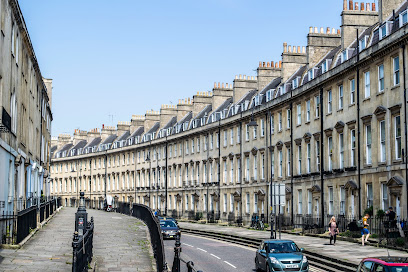
National Trust - Bath Assembly Rooms
0.9 km
Discover the timeless beauty and historical significance of the Bath Assembly Rooms, a stunning example of Georgian architecture and social culture.

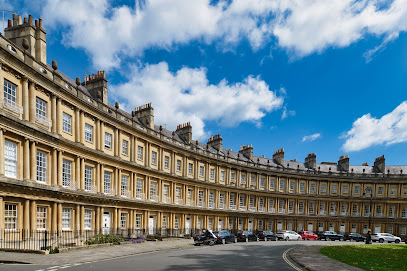
The Circus
0.9 km
A breathtaking Georgian circle of townhouses blending classical design with ancient symbolism in the heart of Bath.
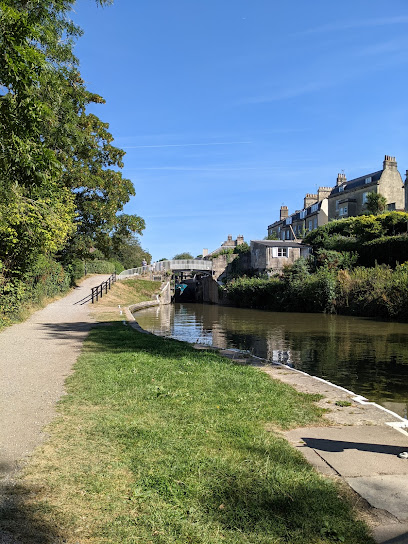
Bath Skyline
1.0 km
Discover the breathtaking views and serene landscapes of Bath Skyline, a must-visit park and garden for nature lovers and city explorers.
Unmissable attractions to see

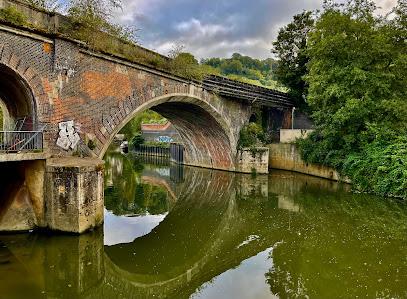
North Parade Bridge
0.1 km
Historic cast iron bridge blending Georgian elegance and 19th-century engineering over Bath’s River Avon.
City Sightseeing Bath Hop On Hop Off
0.1 km
Discover Bath’s iconic landmarks and scenic beauty at your own pace with the flexible City Sightseeing Hop On Hop Off bus tours.
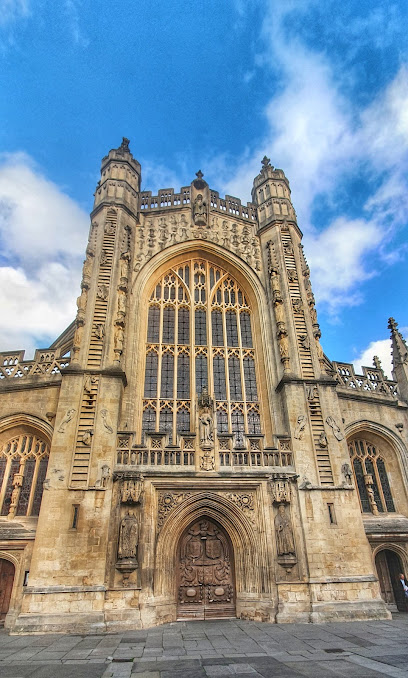
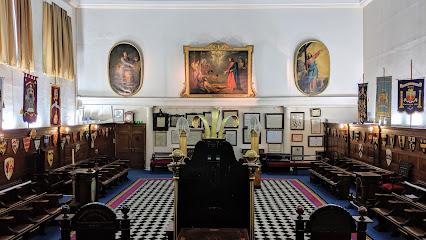
Bath Masonic Hall
0.2 km
Discover Bath Masonic Hall, a historic Georgian landmark blending theatre heritage, Freemasonry, and cultural events in the heart of Bath.
Old Theatre Royal
0.2 km
Discover Bath’s first Theatre Royal, a historic 18th-century venue turned chapel and Masonic Hall, rich with theatrical and cultural heritage.
In and Beyond Bath
0.2 km
Discover the magic of Bath with In and Beyond Bath, your guide to unforgettable tours and experiences in this historic city and its surroundings.
Angel of Peace
0.2 km
A serene bronze tribute to King Edward VII, symbolizing peace and sovereignty at the heart of Bath’s Parade Gardens.
North Parade, Bath
0.2 km
Discover North Parade, Bath’s elegant Georgian street blending historic charm with scenic riverside views in the heart of this UNESCO city.
Bath Sports and Leisure Centre
0.2 km
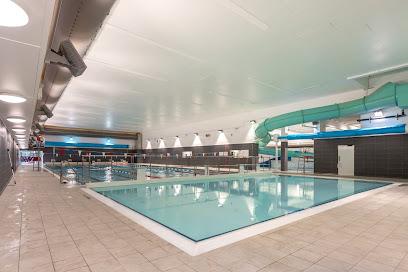
A vibrant, fully refurbished leisure centre in Bath offering fitness, swimming, family fun, and wellness under one roof.
Bizarre Bath
0.2 km
Experience Bath’s quirkiest comedy walk blending street theatre, local antics, and laughter in a lively 90-minute evening stroll.
Terrace Walk
0.2 km
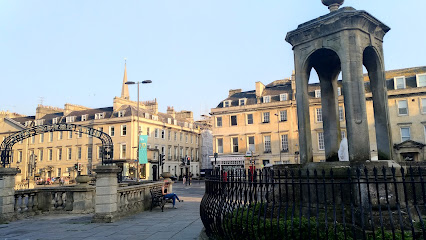
Discover tranquility and timeless beauty on Terrace Walk, Bath’s charming canal-side promenade blending historic architecture with peaceful waterside views.
Monument
0.2 km
Experience Bath’s vibrant shopping and cultural hub blending modern retail with historic charm at SouthGate Bath.
Bath Pavilion
0.2 km
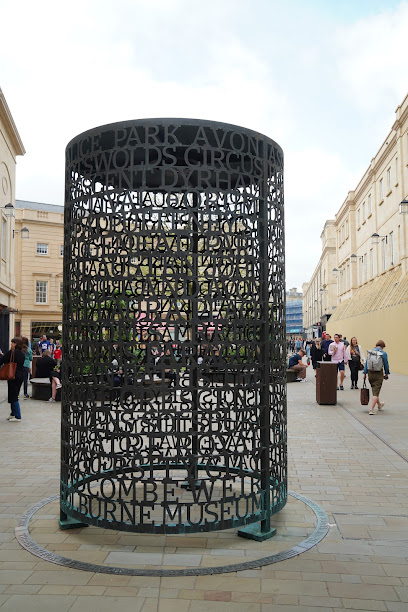
A vibrant cultural and event venue in Bathwick, Bath, hosting concerts, weddings, and community celebrations in a flexible, atmospheric setting.
Prince Bladud and the Pig
0.2 km
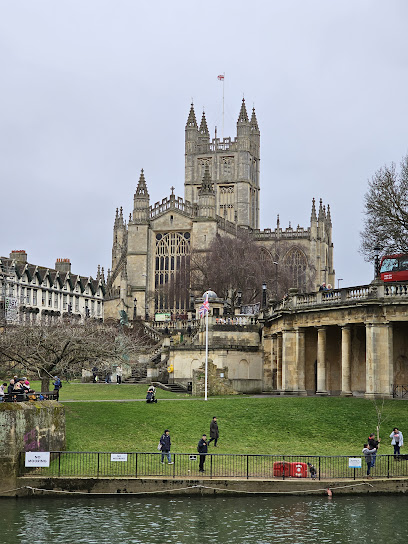
Discover the legendary founder of Bath immortalized in stone alongside his healing pigs in the tranquil Parade Gardens.
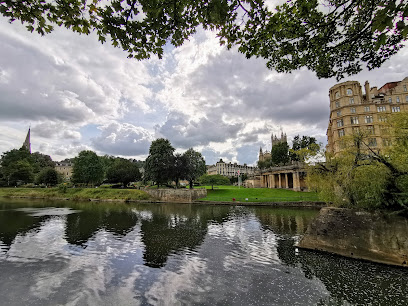
The Giant Plane Tree
0.2 km
A majestic 18th-century London plane tree offering a serene and historic oasis at the heart of Bath’s Abbey Green.
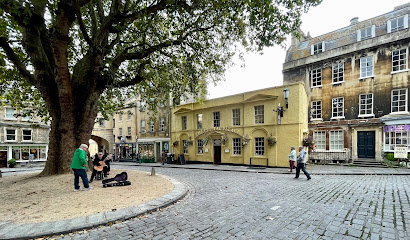
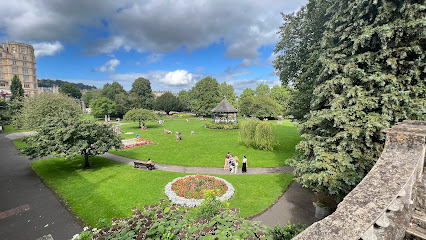
Bath City Parade Gardens
0.2 km
A historic riverside oasis in Bath’s city centre, famed for vibrant floral displays, stunning views, and lively summer concerts.
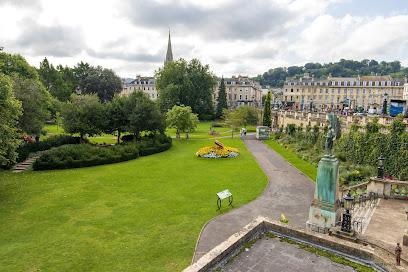
Essential places to dine

The Elder Restaurant
0.1 km
Experience refined modern British cuisine with a focus on seasonal wild game in Bath’s elegant Georgian setting.
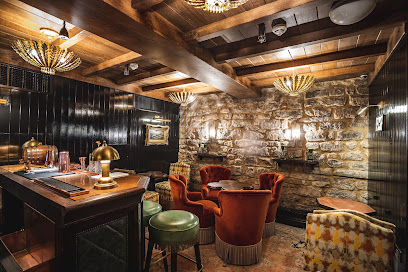
Opa Bath
0.1 km
Experience authentic Greek meze and vibrant nightlife in atmospheric vaulted cellars by Bath’s River Avon.
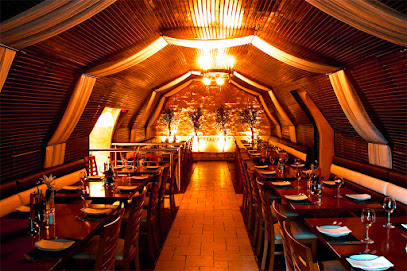
La Perla
0.1 km
Discover authentic Spanish tapas and vibrant flavors in the cozy, atmospheric arches beneath Bath’s historic streets.
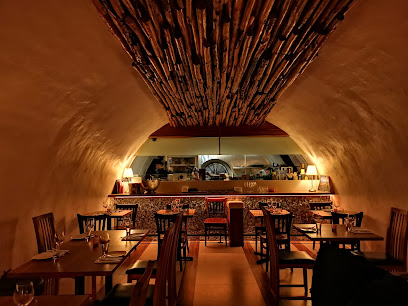
Sotto Sotto
0.1 km
Discover authentic Italian cuisine in a romantic vaulted cellar setting beneath Bath’s historic streets.
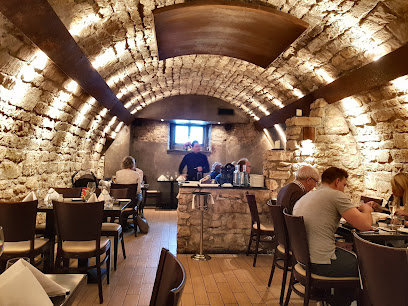
Yak Yeti Yak
0.1 km
Authentic Nepalese cuisine and Himalayan hospitality in a vibrant basement gem.

Tagine Zhor
0.2 km
Experience the rich flavors and warm hospitality of Morocco in the heart of Bath at Tagine Zhor, a vibrant and authentic Moroccan dining destination.
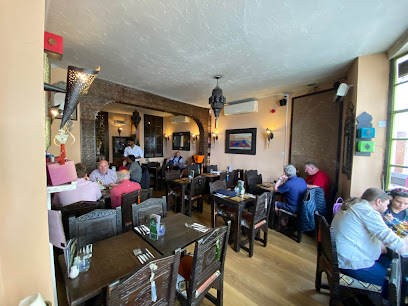
OAK Restaurant
0.2 km
Discover OAK Restaurant in Bath: exquisite vegetarian small plates crafted with local, seasonal ingredients in a cozy, historic setting.
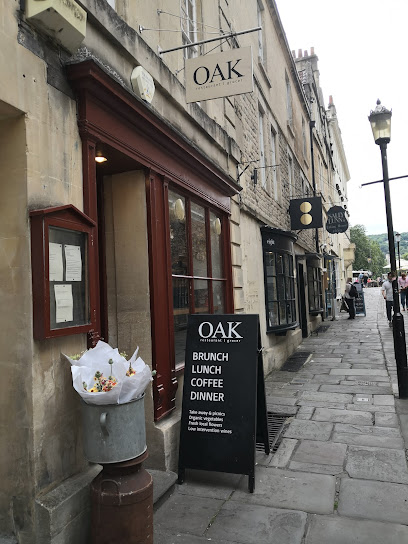
Tapas Revolution.
0.2 km
Lively Spanish tapas and cocktails in central Bath – perfect for sharing, socialising and a taste of Iberian flair.
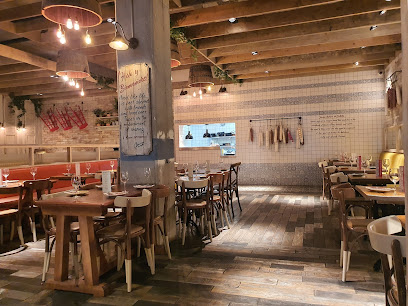
Browns Bath
0.3 km
Classic British brasserie dining in Bath’s historic Old Police Station with seasonal menus and handcrafted cocktails.
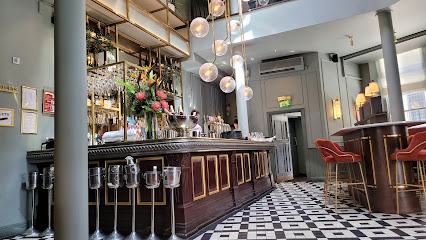
Prezzo Italian Restaurant Bath
0.3 km
Authentic Italian dining in Bath’s historic Brunel Square, serving classic pizzas, pasta, and inclusive menus in a unique railway tunnel setting.
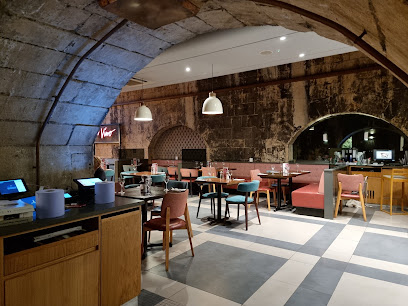
Bill's Bath Restaurant
0.3 km
A vibrant British restaurant in central Bath, perfect for breakfast, brunch, lunch, or dinner near the Theatre Royal and Bath Abbey.
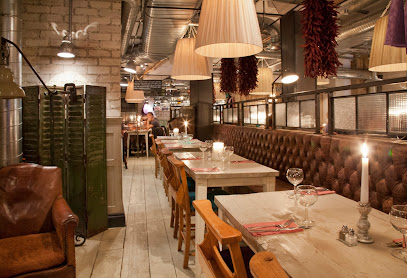
Joya Italian Steakhouse
0.3 km
Experience Bath’s vibrant Italian steakhouse where you grill your own premium hot stone steak in a lively riverside setting.
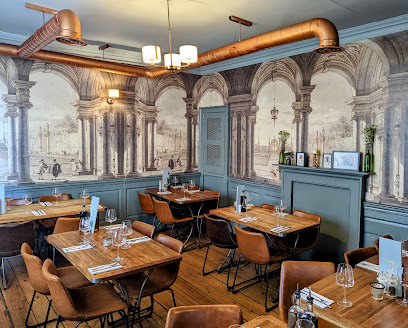
Cappadocia Turkish Restaurant
0.3 km
Experience authentic Turkish flavors and warm hospitality in the heart of Bath at Cappadocia Turkish Restaurant.
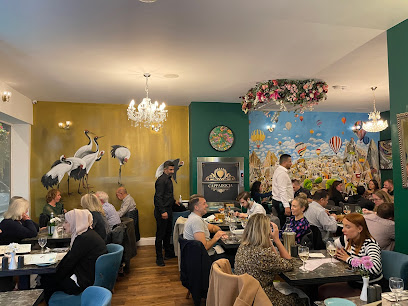
Ponte Vecchio
0.4 km
Bath’s finest Italian restaurant in a converted riverside boathouse, with stunning views of Pulteney Bridge and the weir.
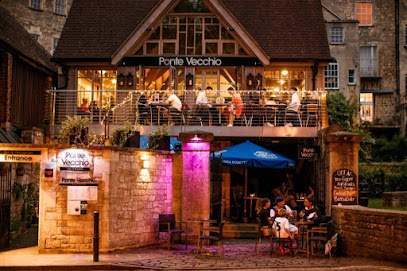
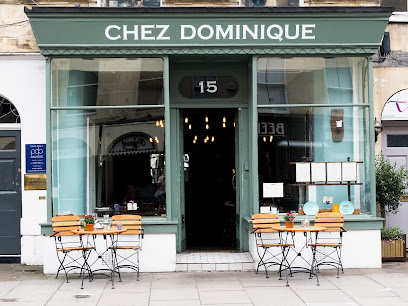
Chez Dominique
0.4 km
Intimate modern French bistro in Bath offering seasonal Anglo-French cuisine with expertly crafted dishes and warm, attentive service.
Markets, malls and hidden boutiques

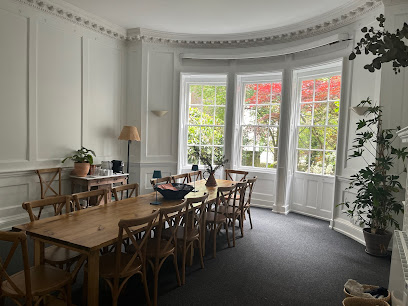
Hidden Store Bath
0.1 km
Discover ethically made artisan gifts and homewares that celebrate Bath’s rich heritage and creativity in a warm, curated boutique setting.
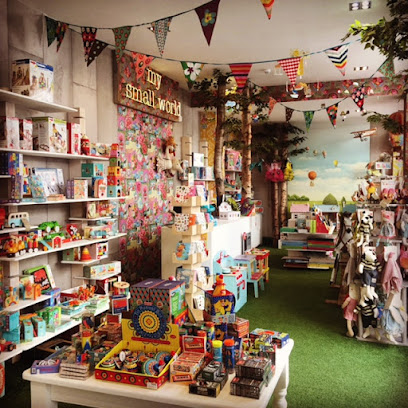
My Small World Toy Store
0.2 km
A charming boutique toy store in Bath offering handcrafted wooden toys, unique books, and exceptional personal service for all ages.
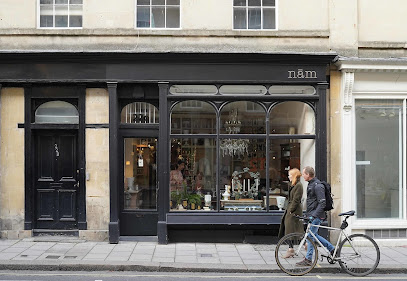
Nām
0.2 km
Discover unique art and scents in a cozy Bath boutique offering distinctive homewares to inspire your living space.
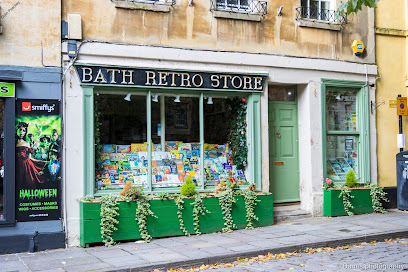
Bath Retro Store
0.2 km
Discover quirky gifts and nostalgic treasures in Bath Retro Store, a charming independent shop nestled in historic Abbey Green.
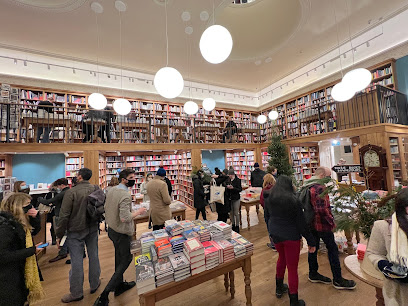
Topping & Company Booksellers of Bath
0.2 km
A beloved independent bookshop in Bath offering rich literary selections, live author events, and a welcoming atmosphere daily until late evening.
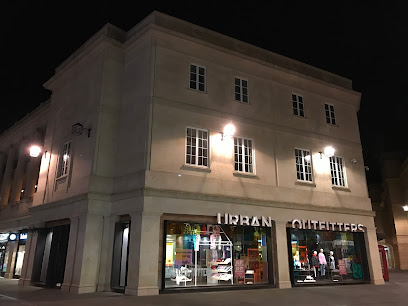
Urban Outfitters
0.2 km
A vibrant lifestyle store in Bath offering on‑trend fashion, accessories, and quirky homewares in a creative, youth‑oriented space.
Orange Grove Gifts and Souvenirs
0.2 km
Discover unique Bath-inspired gifts and souvenirs in a friendly, welcoming shop nestled in the heart of the historic city.
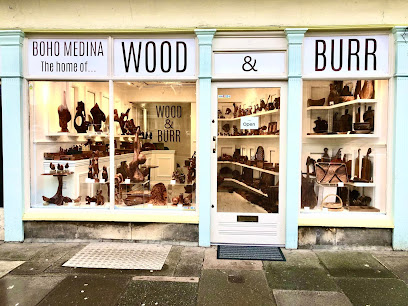
Wood & Burr
0.2 km
Discover unique handcrafted gifts and wooden puzzles at Wood & Burr, a charming boutique nestled in the heart of historic Bath.
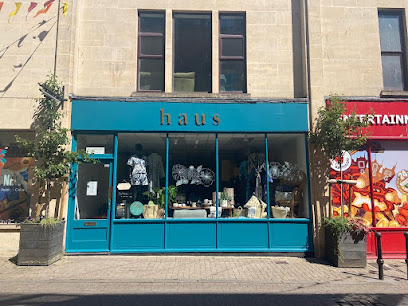
Hauslife
0.2 km
Discover unique artisan homewares and gifts in a warm, inviting boutique nestled in Bath’s historic Abbeygate Street.
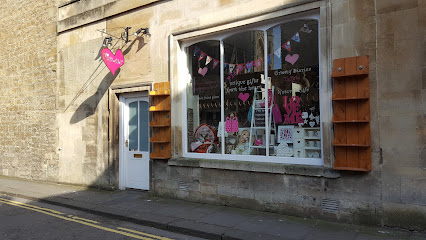
Pinkart
0.3 km
Discover unique handcrafted gifts and local artistry at Pinkart, a charming boutique nestled in the heart of historic Bath.
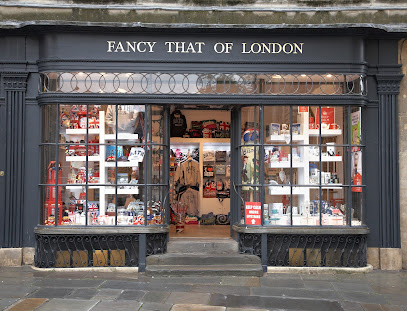
Fancy That of London
0.3 km
Charming Bath gift shop in historic Abbey Chambers offering Bath-themed treasures and warm, personal service near Bath Abbey.
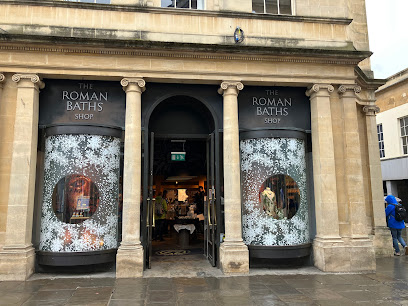
The Roman baths shop
0.3 km
Discover unique Roman-inspired gifts and souvenirs in the heart of Bath’s historic city center.
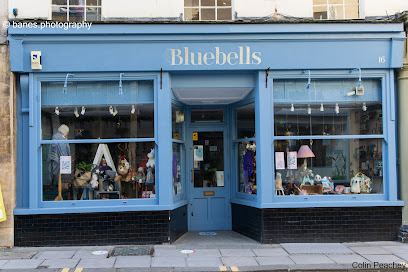
Bluebells of Bath
0.3 km
Discover unique gifts and stylish home decor at Bluebells of Bath, a charming independent shop in the heart of historic Bath.
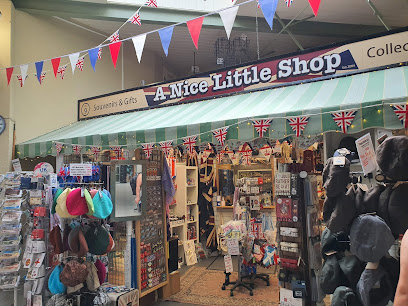
A Nice Little Shop
0.3 km
Charming souvenir shop nestled in Bath’s historic Guildhall Market, offering authentic gifts in a vibrant, centuries-old marketplace.
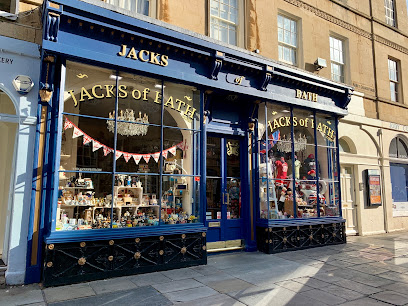
Jacks of Bath
0.3 km
Discover authentic Bath souvenirs in a charming boutique nestled in the historic Abbey Churchyard, perfect for unique gifts and keepsakes.
Essential bars & hidden hideouts

ArtBar
0.2 km
A stylish cocktail bar and art gallery in Bath’s historic Abbey Hotel, blending creative ambiance with refined drinks and local charm.
Juno Bar and Kitchen
0.2 km
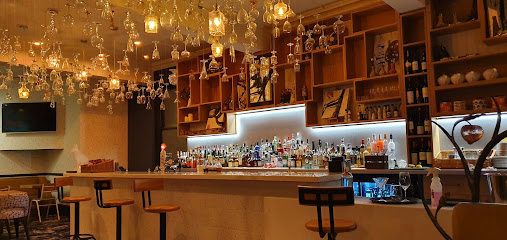
Lively central Bath bar serving craft beers, bold burgers, inventive cocktails, and a buzzing social scene with pool and music.
Sleight Magic Bar
0.2 km
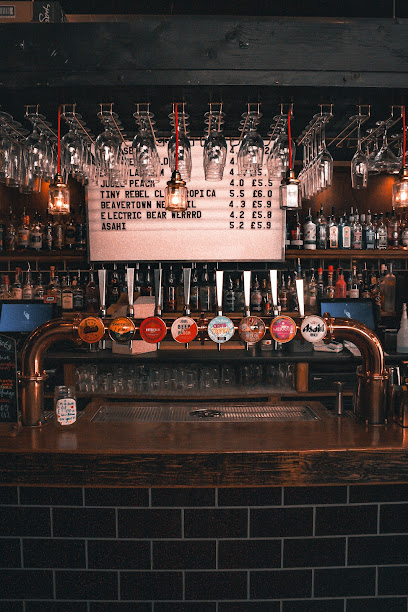
Discover Bath’s only magic bar, where captivating close-up illusions meet expertly crafted cocktails in a vaulted cellar setting.
The Hideout
0.2 km
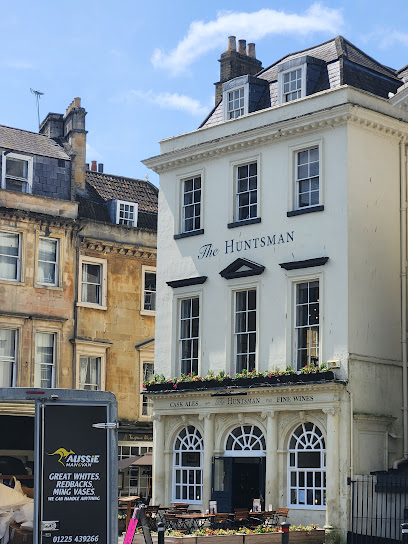
Discover Bath’s hip-hop inspired whisky bar nestled in a historic cellar, blending quirky charm with expertly crafted cocktails and a welcoming vibe.
Be At One - Bath
0.3 km
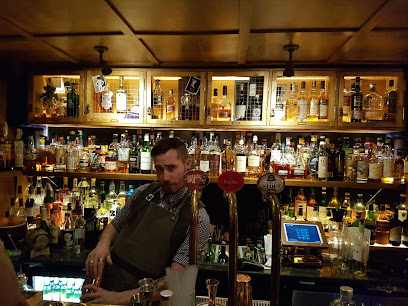
Vibrant cocktail bar in Bath’s Brunel Square, offering 100+ cocktails, unbeatable 2-for-1 happy hours, and a lively, welcoming atmosphere.
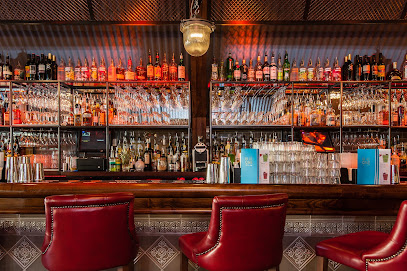
All Bar One Bath
0.3 km
A stylish and spacious wine bar on Bath’s historic High Street, blending modern comfort with vibrant city energy.
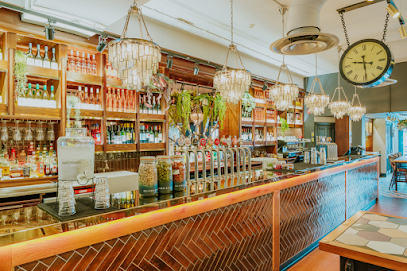
Coeur De Lion
0.4 km
Discover Bath’s smallest pub, Coeur De Lion, where cozy charm meets local ales and simple, tasty fare in a welcoming atmosphere.
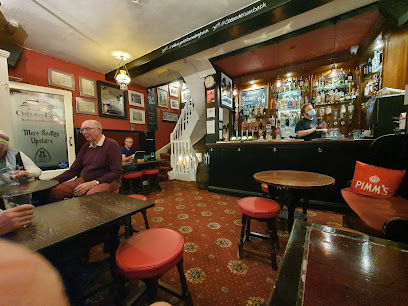
Opium Bar
0.4 km
Discover vintage charm and expertly crafted cocktails in Bath’s secretive vaults beneath Grove Street.
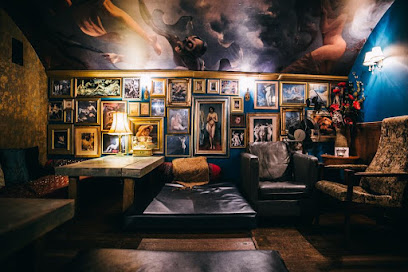
The Grapes
0.4 km
A historic Bath pub blending traditional charm with lively music, craft ales, and a welcoming atmosphere in the city’s heart.
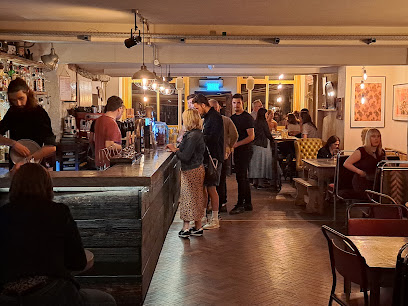
The Old Green Tree
0.5 km
A cozy and historic Bath pub with quality ales, warm wood interiors, and a welcoming, timeless atmosphere.
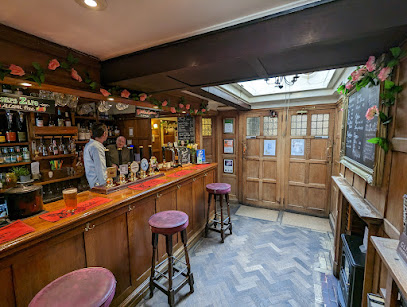
Fidel Rum Bar
0.5 km
Discover Bath’s cozy rum sanctuary with expert cocktails, a global rum collection, and a warm, inviting atmosphere at Fidel Rum Bar.
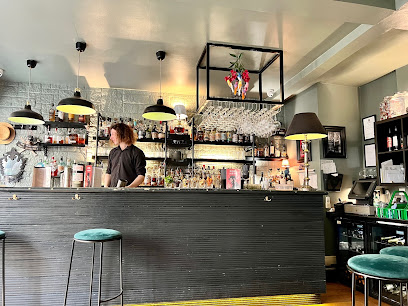
Belushi's Bath
0.5 km
A lively sports bar and live music venue in Bath offering great food, cocktails, and an energetic atmosphere near the city’s historic heart.
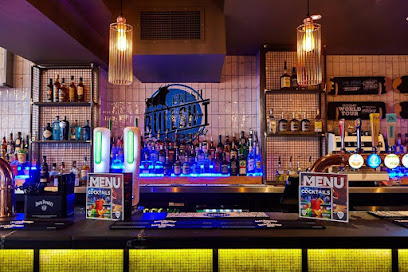
Vino Vino
0.5 km
Sophisticated yet relaxed wine and cocktail bar in Bath with artisan sharing plates and a vibrant al fresco terrace.
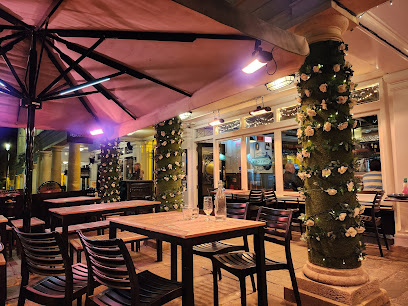
The Dark Horse
0.5 km
Discover Bath’s moody, intimate cocktail bar with inventive drinks, warm service, and a hidden underground charm.
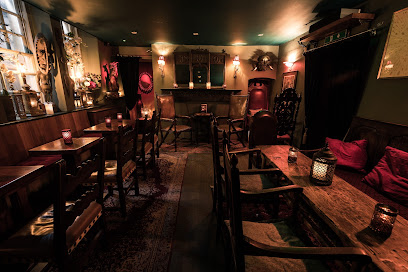
The Bath Distillery Gin Bar
0.5 km
Discover Bath’s historic gin revival in a vibrant Georgian bar with exclusive small-batch gins and expertly crafted cocktails.
Nightclubs & after hour spots

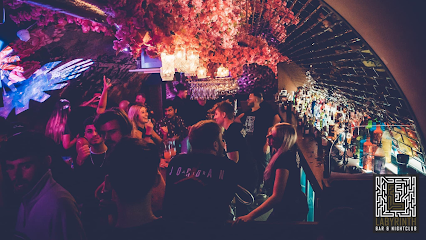
Labyrinth Bar & Nightclub
0.1 km
Experience Bath’s vibrant nightlife at Labyrinth Bar & Nightclub with four unique rooms, eclectic music, and a lively social atmosphere.
Second Bridge
0.1 km
A lively nightclub in Bath offering cocktails, shisha, and a buzzing beer garden for vibrant nightlife experiences.
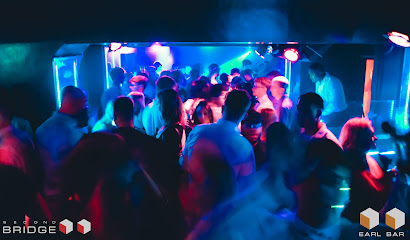
Komedia
0.5 km
Bath’s vibrant community-owned venue offering comedy, live music, cabaret, and more in a beautifully restored historic cinema.
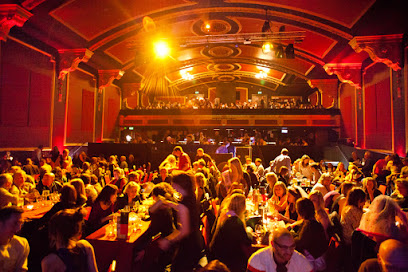
Zero / Zero
0.7 km
Experience Bath’s vibrant nightlife at Zero / Zero, a cozy nightclub and cocktail lounge with a lively atmosphere and late-night beats.
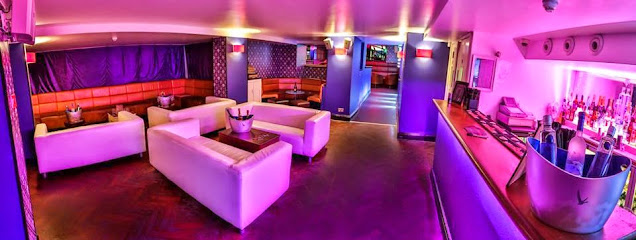
Sub 13
0.7 km
Bath’s award-winning cocktail bar and nightclub offering masterclasses, vibrant nightlife, and a heated terrace in a stylish three-floor venue.
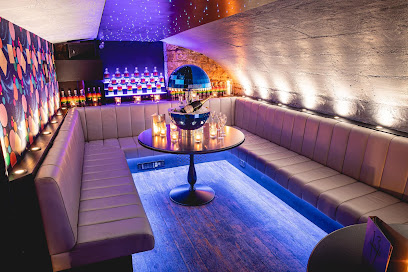
Lomah
0.8 km
Experience Bath’s industrial-chic nightlife at Lomah, a stylish underground club with hip hop beats and a laidback vibe for 21+ guests.
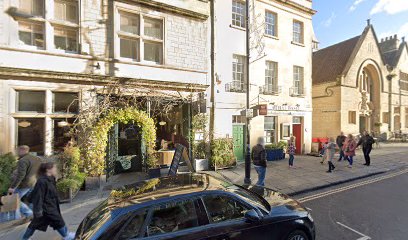
The Tub
2.0 km
A vibrant student nightclub on University of Bath campus, perfect for dancing, socializing, and late-night fun in a lively, welcoming atmosphere.
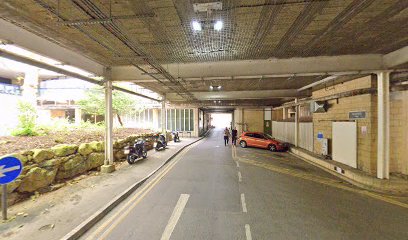
Motion
17.1 km
Bristol’s iconic warehouse nightclub, Motion, pulses with underground beats and community spirit, celebrating decades of electronic music culture.
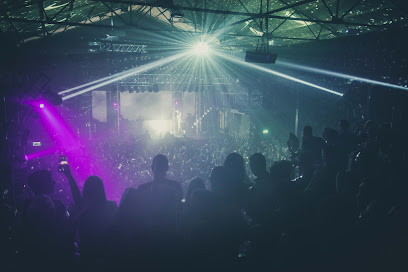
Dare to Club
17.2 km
Experience Bristol’s vibrant, inclusive nightlife at Dare to Club, where diverse music and welcoming vibes create unforgettable nights.
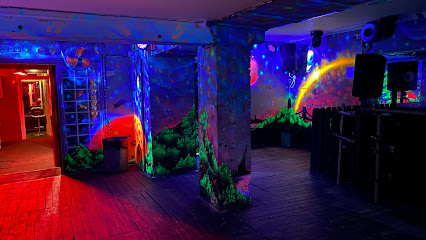
The Loco Klub
17.5 km
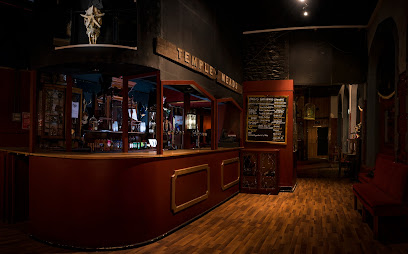
An atmospheric subterranean arts venue in Brunel’s Temple Meads arches, where tunnels, brick vaults and intimate soundscapes host club nights, theatre and live music.
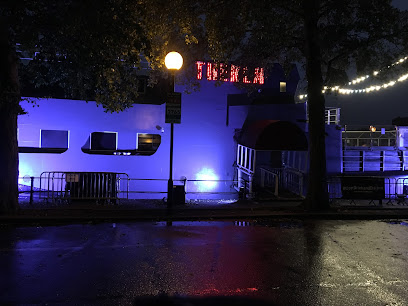
Thekla
18.2 km
A converted cargo ship transformed into Bristol’s compact, industrial live-music venue and late-night club, famed for close-up shows and throbbing club nights.
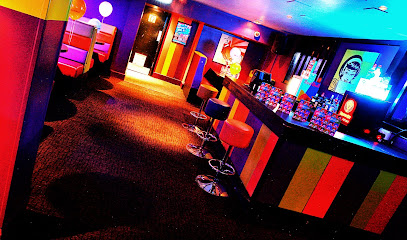
Popworld - Bristol
18.5 km
Dance to 90s and 00s pop anthems under neon lights at Bristol's ultimate nostalgic nightclub, where cheesy hits and POPTAIL cocktails fuel epic nights out.
Forró Bristol
18.5 km
Ignite your night with Brazilian forró rhythms: partner dances, live bands, and sweaty joy in Bristol's beating heart.
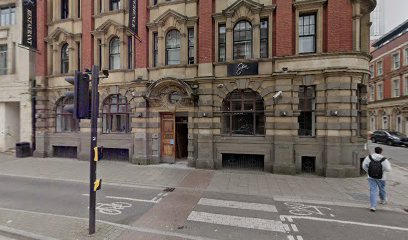
PRYZM
18.6 km
Experience Bristol’s vibrant nightlife at PRYZM, a multi-room club with themed music floors, student deals, and a lively party atmosphere.
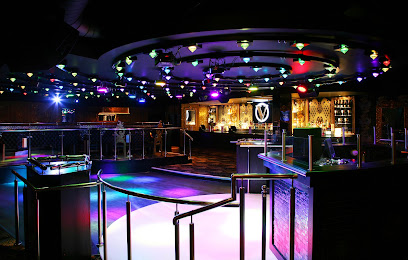
Lakota
18.6 km
Bristol's gritty heartbeat: underground raves, thunderous bass, and nights that blur into dawn at this St Paul's legend.

For the vibe & atmosphere seeker
- Tranquil
- Scenic
- Unique
- Relaxing
For the design and aesthetic lover
- Victorian Styles
For the architecture buff
- Historic
- Landmarks
- Sacred Sites
For the view chaser and sunset hunter
- Iconic Views
- Skyline
For the social media creator & influencer
- Instagrammable
- Photo Spots
- Architectural Shots
For the eco-conscious traveler
- Public-Transport Accessible
- Locally Managed
For the kind of experience you’re after
- Cultural Heritage
- Spiritual / Energy Spot
- Photowalk
- Day Trip
For how adventurous you want the journey to be
- Easy Access
Location Audience
- Family Friendly
- Senior Friendly
- Child Friendly
- Teen Friendly
- Wheelchair Access
- Solo Friendly
- Couple Friendly
- Solo Female Friendly


