Old Theatre Royal, Bath Travel Guide
Discover Bath’s first Theatre Royal, a historic 18th-century venue turned chapel and Masonic Hall, rich with theatrical and cultural heritage.
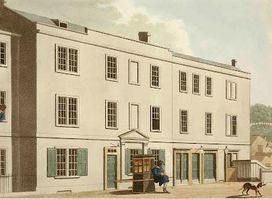
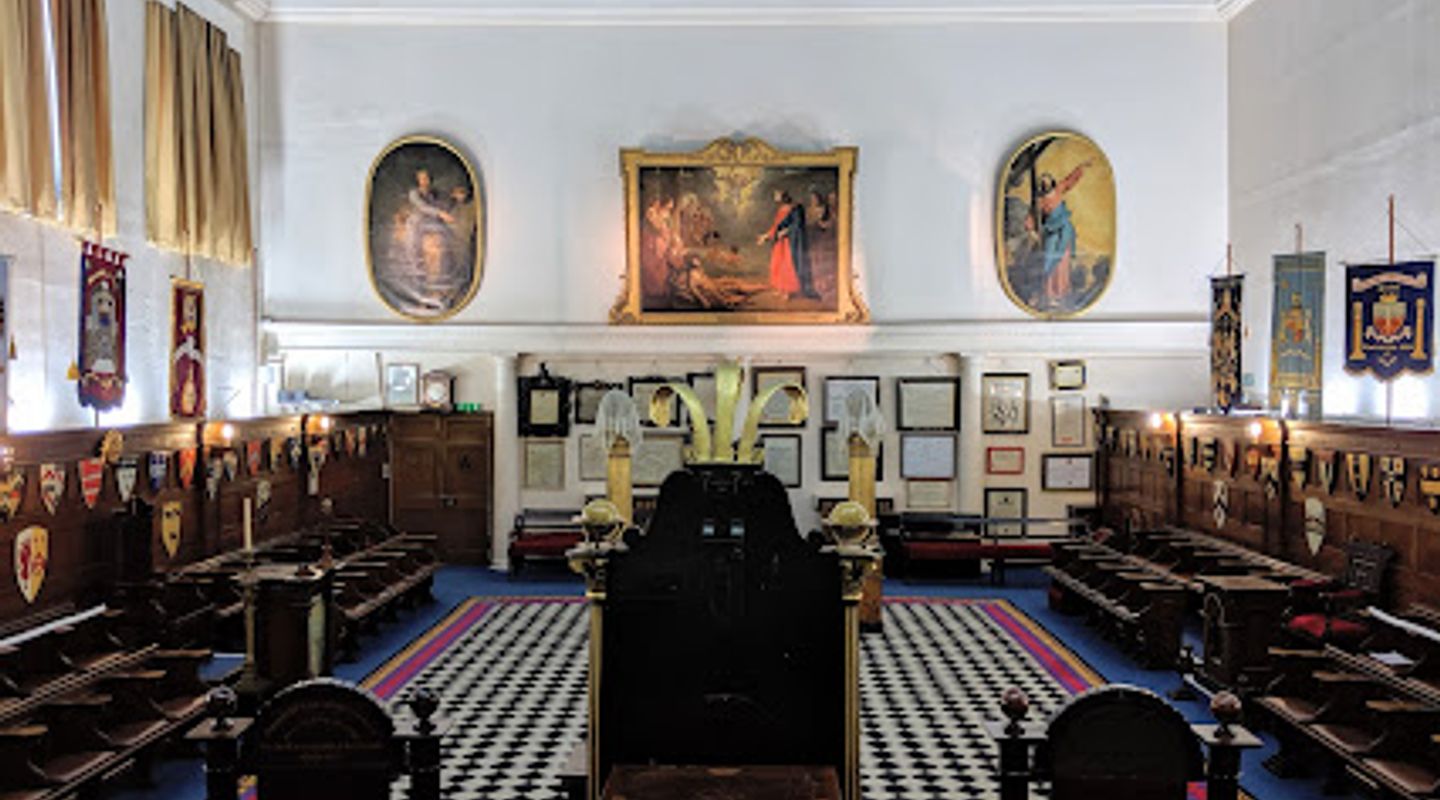
The Old Theatre Royal in Bath, located at 12 Old Orchard Street, is a remarkable historic building with a unique 265-year legacy. Established in 1750, it was the first Theatre Royal outside London, hosting Shakespearean plays and royal audiences. After closing as a theatre in 1805, it became a Catholic chapel and later a Masonic Hall, which it remains today. This quiet, cobbled street venue offers a fascinating glimpse into Bath’s rich theatrical and cultural past.
A brief summary to Old Theatre Royal
- 12 Old Orchard St, Bath, BA1 1JU, GB
- Click to display
- Click to display
- Duration: 0.5 to 1.5 hours
- Free
-
 Indoor
- Mobile reception: 4 out of 5
- Tuesday 11 am-12:30 pm
- Wednesday 11 am-12:30 pm
- Thursday 11 am-12:30 pm
- Saturday 2:30 pm-4 pm

Know before you go
Hi, I'm Eve. Here are a few practical things to know before exploring Old Theatre Royal.
- Visit during quieter weekday hours to fully appreciate the building’s historic ambiance without crowds.
- Explore the surrounding cobbled streets to experience the authentic Georgian atmosphere of Bath’s theatre district.
- Check for any special events or Masonic museum openings that may offer deeper insights into the building’s history.
- Bring a camera to capture the subtle architectural details that hint at the building’s theatrical past.
Do you manage this location?
Take control to get all the benefits, like improved information, better appearance, and stronger visibility across AI-powered discovery. Learn more about listing your business on Evendo
Activate your presenceOther nearby places you may find interesting
The closest places of the same kind, if this one is not quite what you had in mind.
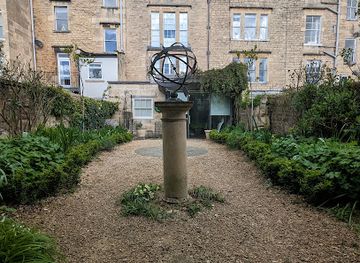
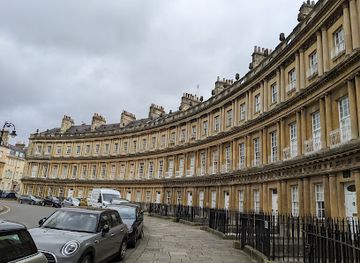
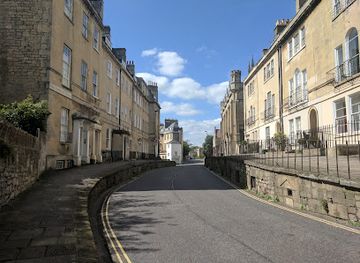
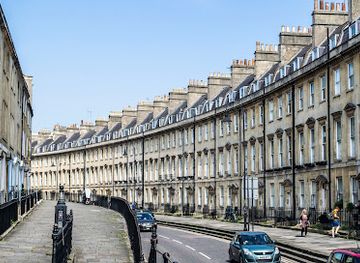
Explore Old Theatre Royal on the Map
A handpicked selection of must-see spots near Old Theatre Royal, mapped for you.
Getting There
-
Bus
Take local buses from Bath city center to stops near Old Orchard Street, with journeys typically lasting 10 to 15 minutes. Buses run frequently during the day, and a single ticket costs around £2.50. Note that service frequency may reduce in the evenings and on weekends.
-
Taxi
A taxi ride from central Bath to the Old Theatre Royal takes approximately 5 to 10 minutes, depending on traffic. Expect fares in the range of £6 to £10. Taxis offer door-to-door convenience, especially if traveling with luggage or in a group.
-
Walking
From Bath city center, walking to the Old Theatre Royal takes about 15 to 20 minutes along mostly flat, paved streets. The route is accessible for most visitors, though cobbled surfaces near the theatre may require caution for those with mobility concerns.
For the on-the-go comforts that matter to you
-
 Information Boards
Discover more about Old Theatre Royal
Origins of Bath's First Theatre Royal
The Old Theatre Royal was originally constructed in 1750 on Old Orchard Street, marking Bath’s first purpose-built theatre and the first Theatre Royal outside London. Designed initially as a simple theatre with a stage and sloped audience seating, it quickly became a cultural hub. Over the decades, the building underwent several expansions, including the addition of boxes and a dome ceiling in 1767 to enhance grandeur, although this later affected acoustics. The theatre hosted many Shakespearean productions and was patronized by notable figures, including royalty, reflecting its prominence in Georgian society.Architectural Evolution and Social Significance
Throughout the late 18th century, the theatre expanded to accommodate Bath’s growing population and social elite. The addition of seven grand boxes in 1774 created a fan-shaped balcony that allowed wealthy patrons to enjoy performances in style. The theatre was a lively venue, staging over 170 performances a year at its peak. It was managed by influential figures like John Palmer Junior, who secured the Royal Patent in 1768, elevating the theatre’s status. This patent made it the first provincial theatre to hold such a distinction, previously reserved only for London’s Drury Lane and Covent Garden.Transition from Theatre to Sacred Space
By 1805, after more than 5,000 performances, the Old Theatre Royal closed to make way for a new Theatre Royal in Beaufort Square. The building was repurposed as a Catholic chapel in 1809, serving the Benedictine Mission to Bath until 1863. This period marked a significant shift from entertainment to spiritual use, reflecting the changing cultural landscape of Bath. The chapel phase preserved the building’s structure while embedding it deeper into the city’s religious history.The Masonic Legacy and Preservation
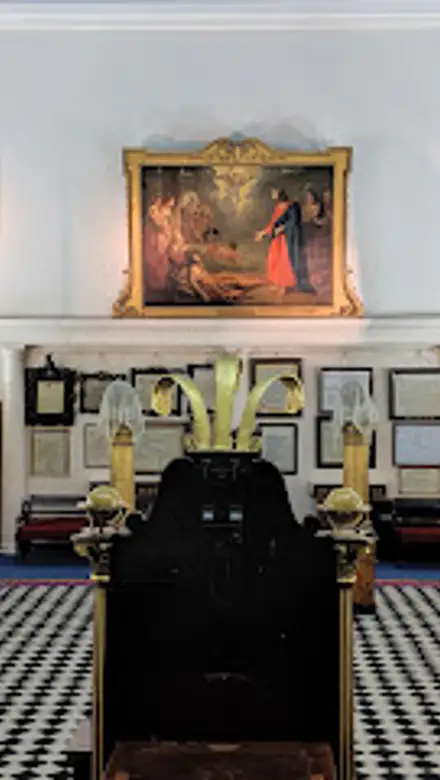
Following its time as a chapel, the Old Theatre Royal became home to one of England’s oldest Masonic Lodges, which still actively uses the Masonic Hall today. This adaptive reuse has helped preserve the building’s historic fabric and unique character. Despite its modest exterior and quiet location on a cobbled backstreet, the building remains a vital link to Bath’s theatrical and social heritage, embodying layers of cultural transformation over more than two and a half centuries.Experiencing the Old Theatre Royal Today
Visitors to the Old Theatre Royal can appreciate its understated charm and rich history away from the bustle of Bath’s main attractions. The building’s intimate scale and atmospheric setting offer a rare glimpse into 18th-century theatre life and the evolution of performance spaces. Its survival through multiple reinventions—from theatre to chapel to Masonic Hall—makes it a unique cultural landmark, cherished for both its architectural heritage and its role in Bath’s artistic narrative.Legacy and Cultural Importance
The Old Theatre Royal stands as a testament to Bath’s enduring cultural vitality and the city’s role in the development of British theatre outside London. Its pioneering status as the first provincial Theatre Royal and its association with historic figures and performances underscore its importance. Today, it is recognized not only as a heritage site but also as a symbol of Bath’s layered history, blending theatrical, religious, and fraternal traditions in one remarkable building.












Your all‑in‑one travel companion app
Explore expert travel guides, compare and book tours, experiences, hotels, and more—all from the palm of your hand. Download now for seamless trip planning wherever your wanderlust takes you.


Explore More of Bath
Looking beyond Old Theatre Royal? Discover Bath for broader travel guides, local hot-spots, and regional highlights.
Explore Bath