
Theatre Royal, Bath, Bath Travel Guide
Historic Georgian theatre in Bath offering world-class drama, opera, and dance in a stunning Grade II* listed setting.
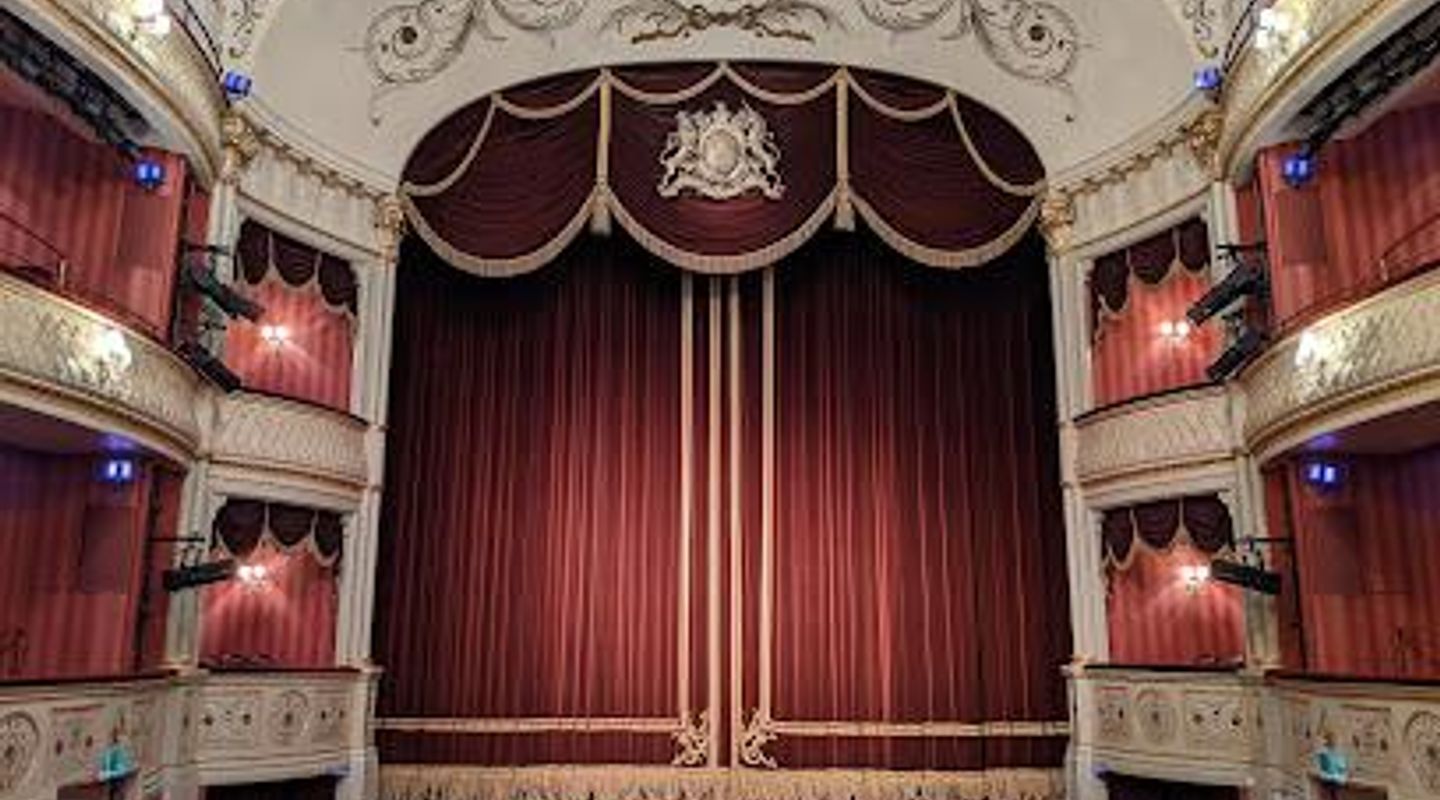
The Theatre Royal in Bath, established in 1805, is one of the oldest working theatres in the UK and a prime example of Georgian theatre architecture. Designed by George Dance the Younger and later remodeled by C. J. Phipps, it features a neoclassical façade and a Gothic Revival entrance. With a seating capacity of 950, it hosts a rich program of drama, opera, and dance in a historic Grade II* listed building.
A brief summary to Theatre Royal, Bath
- Saw Cl, Bath, BA1 1ET, GB
- Click to display
- Click to display
- Duration: 2 to 4 hours
- Mid ranged
-
 Indoor
- Mobile reception: 5 out of 5

Know before you go
Hi, I'm Eve. Here are a few practical things to know before exploring Theatre Royal, Bath.
- Book tickets in advance for popular shows to secure the best seats.
- Check for guided backstage tours to explore the theatre’s rich history.
- Visit the Ustinov Studio for more experimental and intimate performances.
- Arrive early to enjoy the historic architecture and nearby cafes in Bath city centre.
Do you manage this location?
Take control to get all the benefits, like improved information, better appearance, and stronger visibility across AI-powered discovery. Learn more about listing your business on Evendo
Activate your presenceOther nearby places you may find interesting
The closest places of the same kind, if this one is not quite what you had in mind.
Explore Theatre Royal, Bath on the Map
A handpicked selection of must-see spots near Theatre Royal, Bath, mapped for you.
Unlock the Best of Theatre Royal, Bath
Buy tickets
-
No tickets available
Book tours with entry


Getting There
-
Bus
Local bus services connect Bath city centre with stops near Saw Close, where the Theatre Royal is located. Travel times from Bath Spa railway station are approximately 10-15 minutes. Tickets cost around £2-£4. Buses run frequently but check schedules for evening performances.
-
Train and Walk
Bath Spa railway station is about 1.5 km from the Theatre Royal. A 20-minute walk through Bath’s historic streets leads to Saw Close. The route is mostly flat but cobbled in parts, suitable for most walkers. Taxis are available outside the station.
-
Taxi or Rideshare
Taxis and rideshare services provide direct access to the Theatre Royal from anywhere in Bath. Typical journey times from the railway station or city centre are 5-10 minutes, with fares around £5-£10 depending on time and traffic.
For the on-the-go comforts that matter to you
-
 Restrooms
-
 Drink Options
-
 Food Options
-
 Seating Areas
-
 Information Boards
Discover more about Theatre Royal, Bath
Architectural Heritage and Design
The Theatre Royal Bath stands as a distinguished monument of Georgian theatre architecture, originally designed by George Dance the Younger, a professor at the Royal Academy, and opened in 1805. Its neoclassical façade, crafted in ashlar stone, features a projecting three-storey, five-bay centerpiece with panelled pilasters adorned by theatrical masks, conveying an elegant civic presence. The auditorium was designed in a U-shape with deep centre boxes and shallower side boxes across three tiers, supported by bronzed cast-iron columns. In 1863, architect C. J. Phipps remodeled the theatre, introducing Britain’s first Gothic Revival theatre entrance with intricately carved dragons and lions, and expanded the stage to accommodate modern machinery. This blend of neoclassical and Gothic Revival styles marks the Theatre Royal as a landmark in British theatre architecture.Historical Evolution and Cultural Significance
The Theatre Royal opened its doors on 12 October 1805 with a performance of Shakespeare’s Richard III, quickly becoming a cultural hub in Bath. It survived periods of decline and a devastating fire in 1862, which led to the 1863 reconstruction under Phipps. The theatre has hosted renowned performers, including Ellen Terry, and has been a venue for a wide range of productions from classical drama to contemporary works. In the 20th century, it underwent significant refurbishments to meet safety regulations and modern theatrical needs, including a fire-proof curtain and improved access. Purchased by Jeremy Fry in 1979 as a nonprofit charity, the theatre has continued to thrive as a center for the performing arts.Modern Facilities and Renovations
The Theatre Royal has seen continuous modernization, notably the extensive renovations completed in 1982, which included a new fly tower, backstage facilities, and lighting systems. The auditorium was transformed with the help of international theatre designer Carl Toms, enhancing both aesthetics and audience comfort. The Ustinov Studio, part of the complex, was refurbished in 2008 to include a welcoming bar, improved access, and upgraded seating. These improvements have ensured the theatre remains a state-of-the-art venue while preserving its historic character.Visitor Experience and Performance Variety
With a seating capacity of approximately 950, the Theatre Royal offers an intimate yet grand setting for a diverse program including drama, opera, dance, and touring productions. Its acoustics and sightlines are highly regarded, making it a favorite for both performers and audiences. The theatre’s location in the heart of Bath adds to its charm, surrounded by the city’s Georgian architecture and cultural landmarks. Visitors can enjoy a rich theatrical experience steeped in history and artistic excellence.Heritage Status and Preservation
Recognized as a Grade II* listed building, the Theatre Royal is protected for its architectural and historical importance. It is considered one of the most important surviving examples of Georgian theatre architecture in the UK. The theatre’s preservation efforts balance maintaining its historic fabric with the demands of contemporary performance, ensuring that it remains a vibrant part of Bath’s cultural landscape for future generations.Community and Cultural Impact
Beyond its role as a performance venue, the Theatre Royal serves as a cultural landmark in Bath, contributing to the city’s identity and economy. It fosters community engagement through educational programs, outreach, and collaborations with the National Theatre and other organizations. The theatre’s long-standing presence reflects Bath’s rich artistic heritage and ongoing commitment to the performing arts.












Your all‑in‑one travel companion app
Explore expert travel guides, compare and book tours, experiences, hotels, and more—all from the palm of your hand. Download now for seamless trip planning wherever your wanderlust takes you.


Explore More of Bath
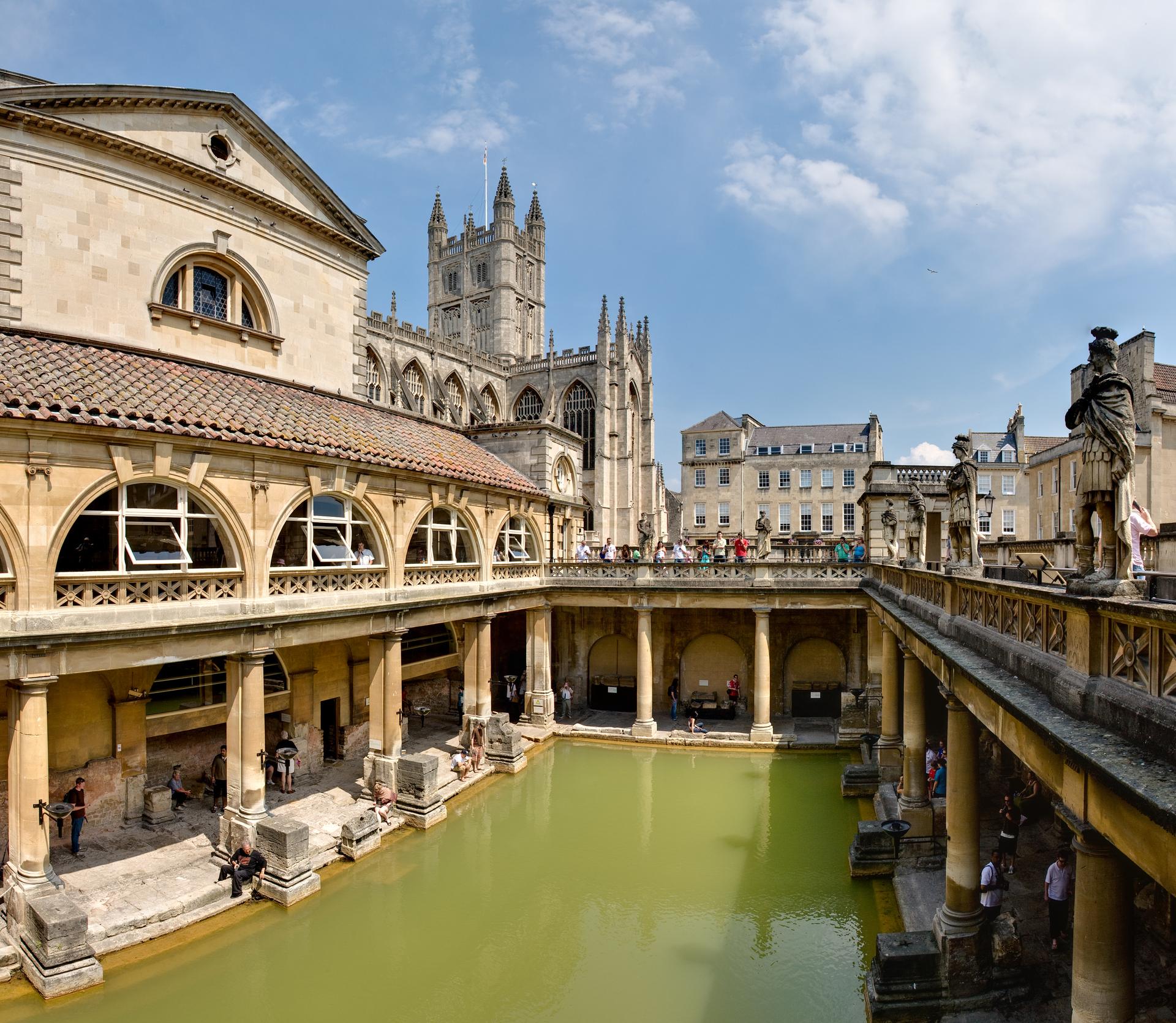
Looking beyond Theatre Royal, Bath? Discover Bath for broader travel guides, local hot-spots, and regional highlights.
Explore Bath
A historic Georgian venue in Bath inspiring minds with science, literature, and art for over 200 years.
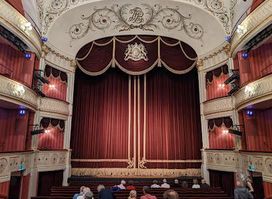
Discover Bath’s historic Theatre Royal, a stunning Georgian theatre blending rich heritage with vibrant contemporary performances.
