Westgate Buildings, Bath Travel Guide
Free Guide: Discover Westgate Buildings: where Bath’s Tudor roots meet Georgian elegance in a historic streetscape rich with stories.


A brief summary of Westgate Buildings
Discover Westgate Buildings: where Bath’s Tudor roots meet Georgian elegance in a historic streetscape rich with stories.
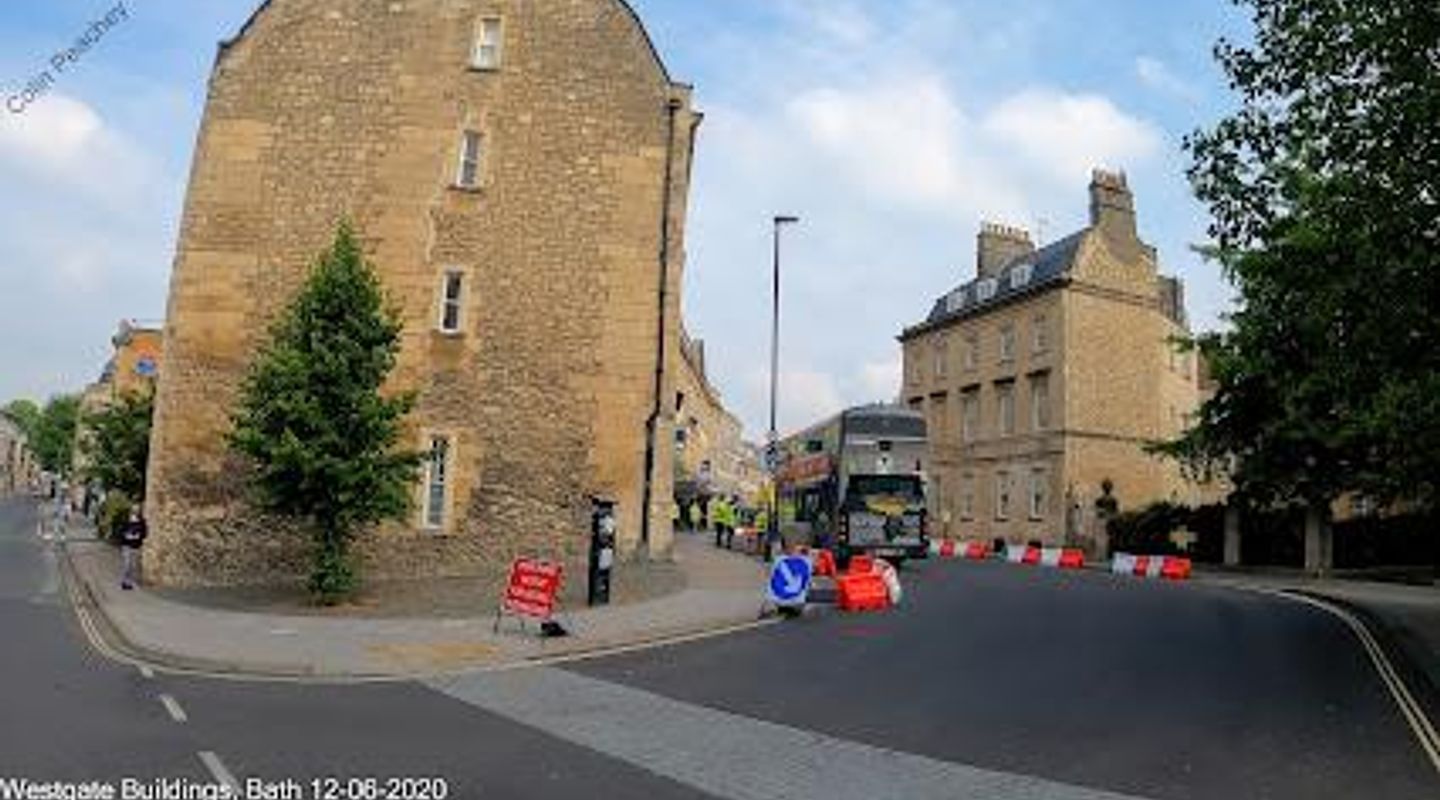
Westgate Buildings in Bath is a notable historic street featuring a mix of Georgian and surviving Stuart architecture. It stands as a testament to Bath’s evolution from a Tudor health resort to a Georgian spa city, with landmarks like the Abbey Church House dating back to the 16th century. This area blends architectural heritage with Bath’s rich past, including links to the city’s Roman origins and its medieval walls.
On-site amenities
 Restrooms
 Drink options
 Food options
 Seating areas
 Information boards
- Address
- Bath
Getting there
Bus
Train and Walk
Taxi
Discover more about Westgate Buildings
Architectural Heritage Bridging Tudor and Georgian Eras
Westgate Buildings is a distinguished street in Bath that showcases a rare survival of Tudor and Stuart architecture amidst the dominant Georgian redevelopment that reshaped much of the city in the 18th century. The Abbey Church House, a Grade II listed 16th-century building located here, is one of the few remaining examples of Bath’s Tudor past. This house once featured a private bath supplied by the famous Hot Bath, reflecting the city’s historic role as a health resort. While many buildings in Bath were given fashionable Georgian facades, Westgate Buildings retains authentic elements such as Jacobean plasterwork and panelling, offering a glimpse into the city’s architectural layering and evolution.
Historical Context and City Walls
Westgate Buildings lies along the route of Bath’s medieval city walls, originally Roman in origin and later enhanced through Anglo-Saxon and Norman periods. These walls enclosed the historic core of Bath, including the Roman Baths and Bath Abbey. Although most gates and large sections were demolished in the 18th century to accommodate Georgian expansion, the street preserves part of this ancient defensive circuit. The proximity to these historic fortifications underscores Westgate Buildings’ importance in Bath’s urban fabric and its continuity from Roman times through the medieval era to the present.
Urban Character and Conservation Challenges
The area between Abbey Church House and 22 Westgate Buildings remains a sensitive site within Bath’s World Heritage conservation area. It is recognized as a Scheduled Monument due to its archaeological significance, including discoveries like the Beau Street Hoard. Proposals for modern development here have faced scrutiny for potentially disrupting the historic streetscape and the visual harmony with adjacent listed buildings. The existing open green space contributes positively to the public realm, providing a contrast to the dense urban environment and preserving the setting of these heritage assets.
Bath’s Health Resort Legacy and Social History
Westgate Buildings reflects Bath’s rise as a fashionable health resort from the Tudor period onward. Wealthy visitors and physicians were drawn to the city’s thermal waters, and many lodging houses and townhouses were built to accommodate them. The street’s buildings housed notable figures such as Dr Robert Baker and Dr John Ostendorph, who contributed to Bath’s reputation as a healing destination. This legacy is embedded in the architecture and layout of Westgate Buildings, which served both residential and commercial functions tied to the city’s spa culture.
Architectural Details and Surviving Features
Despite extensive Georgian remodeling elsewhere in Bath, Westgate Buildings retains unique interior features such as Jacobean plaster ceilings and wood panelling. The street’s buildings exhibit a blend of architectural styles, with some originally Stuart houses given Georgian facelifts that preserved their historic cores. This layering of styles provides insight into Bath’s architectural transitions and the tastes of its residents across centuries.
Present-Day Significance and Visitor Experience
Today, Westgate Buildings offers visitors a tangible connection to Bath’s multifaceted history. The street’s combination of Tudor, Stuart, and Georgian elements, alongside its location near key historic sites like the Roman Baths and Bath Abbey, makes it a compelling destination for those interested in architecture and urban history. The conservation efforts here highlight the challenges of preserving heritage within a living city, balancing modern needs with respect for the past.
Evendo Review Centre
 Google
Guest reviews
Best time to go
Quietest: Jan, Feb & Dec · before 6am
Busy times are Evendo estimates for a typical year, to help you plan. Actual crowds vary with events, school holidays and the weather.
Explore Westgate Buildings on the map
A handpicked selection of must-see spots near Westgate Buildings, mapped for you.
Get your free copy of our complete guide to Westgate Buildings, delivered straight to you.
Everything on this page, from opening hours and how to get there to Eve’s tips and the best time to go, in one PDF you can read offline, print or share.
Already have an account? Sign in
Your Westgate Buildings guide is ready.
We'll send it to · Not you? Sign out

Getting your guide ready…
We are putting together a fresh copy of the Westgate Buildings guide. This can take up to a minute.
This can take a few moments. If your browser asks, choose Allow so the download can start. You'll find the guide in your Downloads folder.
Nothing happened? Download it again
Sorry, the guide is taking longer than usual. Please try again in a minute, or get it by email instead.
Other nearby places you may find interesting
The closest places of the same kind, if this one is not quite what you had in mind.
-
-
-
-
-


Swipe for more places
More to explore near Westgate Buildings

 Best experiences near Westgate Buildings
 Best hotels near Westgate Buildings
 Best landmarks near Westgate Buildings
 Best attractions near Westgate Buildings
 Best shops near Westgate Buildings
 Best restaurants near Westgate Buildings
 Best bars near Westgate Buildings
Do you manage this location?
Take control to get all the benefits, like improved information, better appearance, and stronger visibility across AI-powered discovery.
Explore more

Explore more of Bath
Discover Bath: A harmonious blend of Roman history, Georgian elegance, and natural beauty in the heart of England's countryside.
Explore Bath
Explore more of United Kingdom
Discover the United Kingdom: A blend of rich history, stunning landscapes, and vibrant cities, offering a unique travel experience for every visitor.
Explore United Kingdom