Theatre Royal, Bath, Wiltshire Travel Guide
Discover Bath’s historic Theatre Royal, a stunning Georgian theatre blending rich heritage with vibrant contemporary performances.
The Theatre Royal in Bath, established in 1805, is one of the oldest working theatres in the UK and a prime example of Georgian architecture. Renowned for its elegant Neo-Classical façade designed by George Dance, it has hosted a rich variety of performances from Shakespearean dramas to modern plays. The theatre features a main auditorium seating around 900 and two smaller studios, including the Ustinov Studio and The Egg children’s theatre. Its historic legacy and vibrant cultural programming make it a cornerstone of Bath’s artistic life.
A brief summary to Theatre Royal, Bath
- Saw Cl, Bath, BA1 1ET, GB
- Click to display
- Click to display
- Duration: 1 to 3 hours
- Mid ranged
-
 Indoor
- Mobile reception: 5 out of 5

Know before you go
Hi, I'm Eve. Here are a few practical things to know before exploring Theatre Royal, Bath.
- Book tickets in advance, especially for popular shows and the annual Shakespeare Festival in March.
- Explore the Ustinov Studio and The Egg children’s theatre for intimate and family-friendly performances.
- Arrive early to enjoy the beautifully restored Georgian auditorium and relax in the theatre’s foyer bars.
- Check accessibility options if you have mobility needs; the theatre offers lifts and accessible seating.
Do you manage this location?
Take control to get all the benefits, like improved information, better appearance, and stronger visibility across AI-powered discovery. Learn more about listing your business on Evendo
Activate your presenceOther nearby places you may find interesting
The closest places of the same kind, if this one is not quite what you had in mind.

Explore Theatre Royal, Bath on the Map
A handpicked selection of must-see spots near Theatre Royal, Bath, mapped for you.
Unlock the Best of Theatre Royal, Bath
Buy tickets
-
No tickets available
Book tours with entry


Getting There
-
Bus
Take the Bath City Centre bus services that stop near Saw Close; journey times vary from 10 to 20 minutes from Bath Spa railway station. Buses run frequently during the day with single fares around £2.50 GBP.
-
Train and Walk
From Bath Spa railway station, a 15-minute walk through the city centre leads to the Theatre Royal. The route is mostly flat and accessible, passing historic streets and shops.
-
Taxi
Local taxis can take you directly to Saw Close from anywhere in Bath within 5 to 10 minutes. Typical fares range from £5 to £10 GBP depending on distance and time of day.
-
Car
Driving is possible but limited parking is available near the city centre. Use public car parks such as Charlotte Street or Avon Street, both about a 5 to 10-minute walk from the theatre. Parking fees apply and can range from £1.50 to £3.00 per hour.
For the on-the-go comforts that matter to you
-
 Restrooms
-
 Drink Options
-
 Food Options
-
 Seating Areas
-
 Information Boards
Discover more about Theatre Royal, Bath
Architectural Heritage and Origins
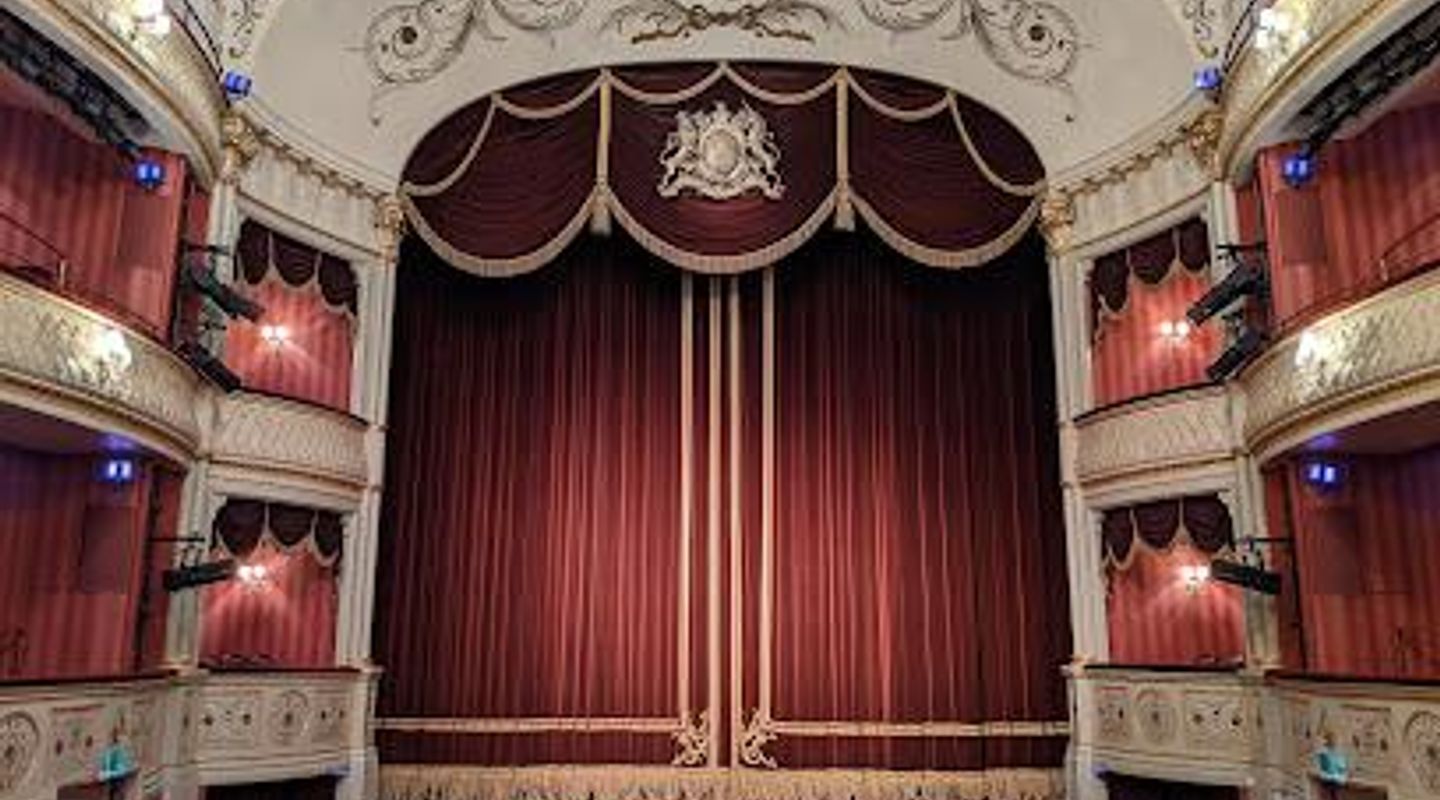
The Theatre Royal in Bath stands as a distinguished example of Georgian theatre architecture, designed by George Dance the Younger, a professor at the Royal Academy of Architecture. Completed in 1805, it replaced the Old Orchard Street Theatre and opened with a performance of Shakespeare’s Richard III. Its principal façade, facing Beaufort Square, is a fine restrained Neo-Classical design in ashlar stone, featuring pilasters with carved masks and elegant swags. The auditorium, rebuilt after an 1862 fire by architect C.J. Phipps, retains its historic charm with lyre-shaped balconies and delicate plasterwork, preserving the spirit of 19th-century theatre design.Evolution Through Time and Resilience
The Theatre Royal has witnessed significant transformations over its more than two centuries of existence. After the devastating fire in 1862, it was rebuilt on the original foundations, maintaining its iconic façade. The theatre endured fluctuating fortunes, including periods of decline due to changing entertainment trends and competition from cinema and television. Major refurbishments in the 20th and 21st centuries revitalized the venue, notably the 2010 overhaul which enhanced the auditorium’s decoration, improved accessibility, and modernized technical systems, ensuring the theatre’s continued relevance and comfort for contemporary audiences.Performance Spaces and Artistic Offerings
The main auditorium seats approximately 900 patrons and hosts a diverse program of touring plays, musicals, and comedy. Complementing this is the Ustinov Studio, a flexible 120-seat space dedicated to innovative and intimate performances, including an annual puppetry festival. The Egg, a children’s theatre opened in 2005, provides arts workshops and performances for young audiences, reflecting the theatre’s commitment to community engagement and arts education. The Theatre Royal is also the centrepiece of Bath’s celebrated Shakespeare Festival, held each March, attracting theatre enthusiasts from across the region.Cultural Significance and Community Role
Beyond its architectural and artistic importance, the Theatre Royal serves as a cultural hub in Bath, fostering a vibrant performing arts scene. It has been home to renowned actors and productions over the centuries and continues to support both classic and contemporary theatre. The theatre’s ongoing restoration and development efforts reflect a dedication to preserving Bath’s rich cultural heritage while embracing modern theatrical innovation. Its role as a registered charity underscores its community focus, making the arts accessible and engaging for diverse audiences.Visitor Experience and Atmosphere
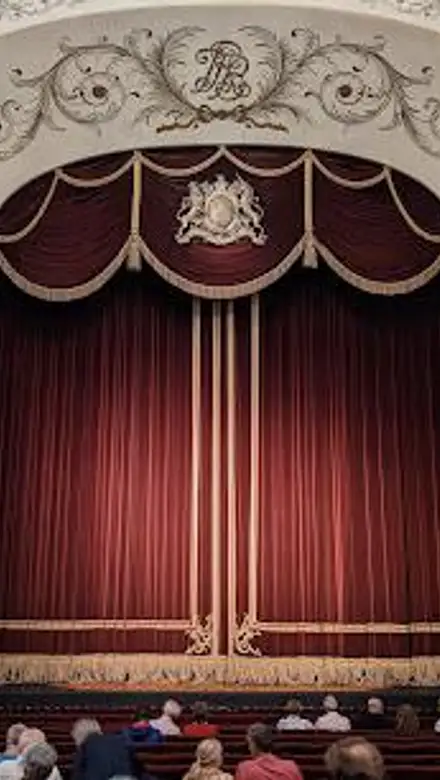
Visitors to the Theatre Royal can enjoy the grandeur of its Georgian design combined with modern amenities. The elegant auditorium, with its red and gold décor, offers an immersive atmosphere for performances. The theatre’s location in Bath’s city centre places it amidst historic streets and landmarks, enhancing the overall cultural experience. Additional facilities include bars, foyers, and accessible seating, catering to comfort and inclusivity. The theatre’s blend of history, architecture, and lively programming creates a memorable destination for theatre lovers and tourists alike.Legacy and Future Outlook
As one of the oldest working theatres in the UK, the Theatre Royal in Bath embodies a rich legacy of British theatrical tradition. Its continuous evolution, from 19th-century origins through modern refurbishments, ensures it remains a dynamic venue for the performing arts. With ongoing support and patronage, it is poised to continue its role as a beacon of culture and creativity in Bath, inspiring future generations of artists and audiences.












Your all‑in‑one travel companion app
Explore expert travel guides, compare and book tours, experiences, hotels, and more—all from the palm of your hand. Download now for seamless trip planning wherever your wanderlust takes you.


Explore More of Wiltshire
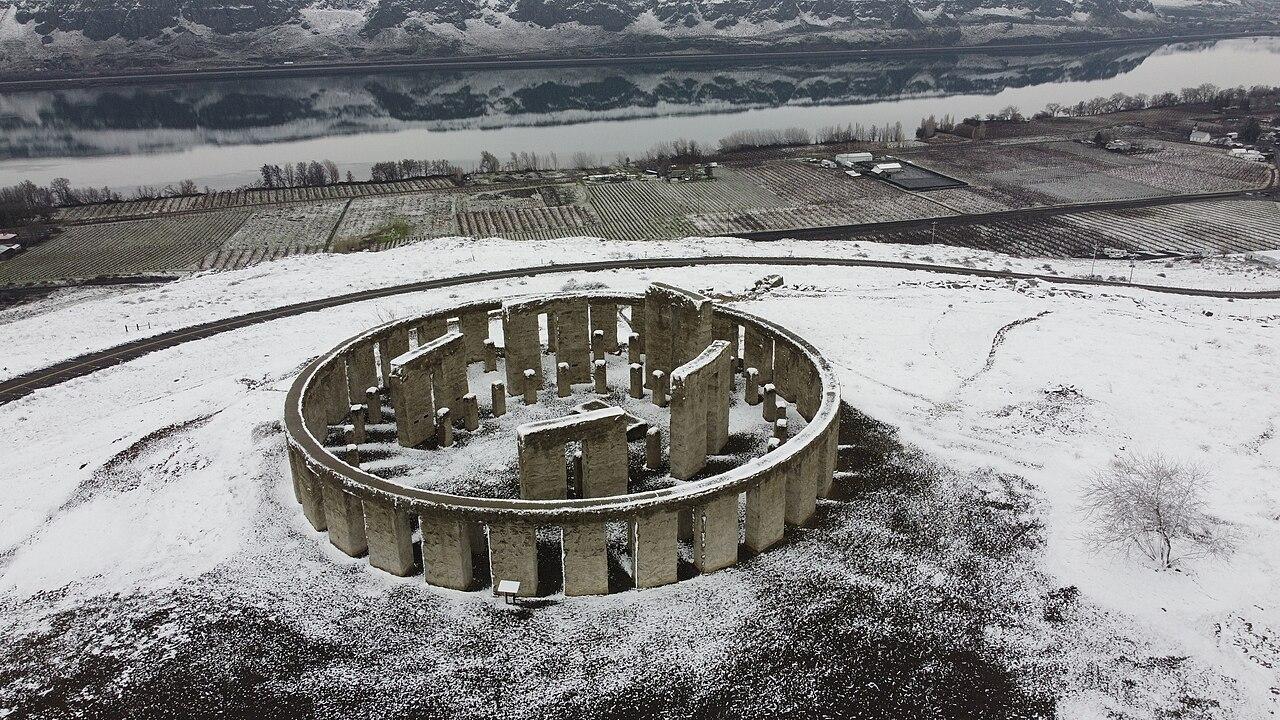
Looking beyond Theatre Royal, Bath? Discover Wiltshire for broader travel guides, local hot-spots, and regional highlights.
Explore Wiltshire