
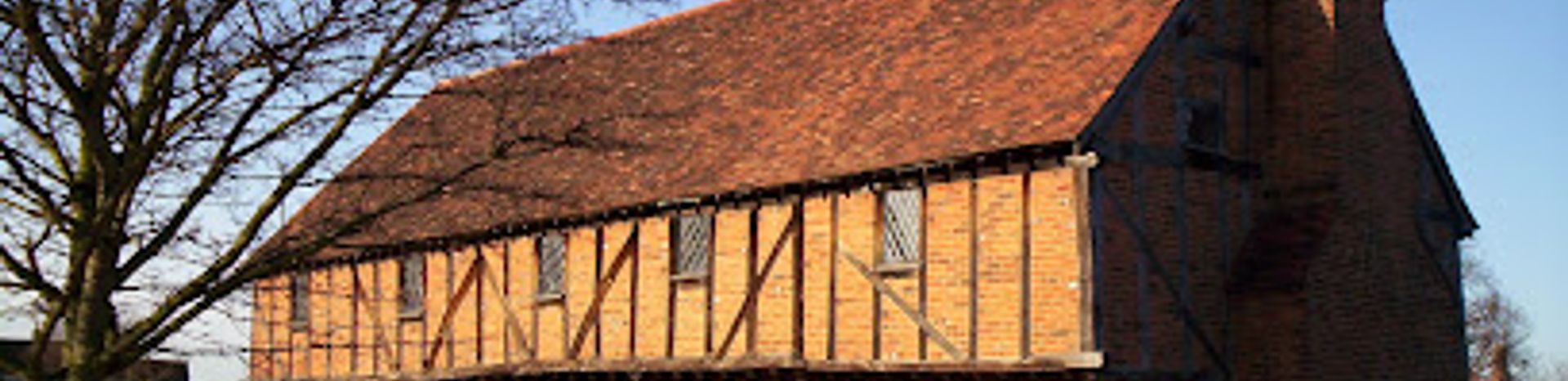
Moot Hall Museum, Elstow: A Window into 17th-Century Life and John Bunyan's Legacy
Explore the 15th-century Moot Hall Museum in Elstow, a unique medieval market hall dedicated to John Bunyan and 17th-century English life.
Moot Hall Museum in Elstow, Bedfordshire, is a charming 15th-century timber-framed building that serves as a museum dedicated to 17th-century English life and the renowned author John Bunyan. Originally a medieval market hall with shops and a courtroom, it was restored in 1950 and now houses period furniture, historical artifacts, and exhibits about Bunyan’s life and works. The museum is open Saturdays and Bank Holiday Mondays from April to October, offering a tranquil glimpse into local history.
A brief summary to Moot Hall Museum
- Church End, Bedford, Elstow, MK42 9XT, GB
- Visit website
- Duration: 0.5 to 1.5 hours
- Free
-
 Outdoor
- Mobile reception: 4 out of 5
- Saturday 1 pm-4 pm
Local tips
- Visit on Saturdays or Bank Holiday Mondays from April to October when the museum is regularly open.
- Wear comfortable shoes as the historic building has uneven floors and narrow staircases.
- Combine your visit with a relaxing break on Elstow Village Green or at the nearby Elstow Tea Garden.
- Check availability for group visits or special openings by appointment for a more personalized experience.

For the on-the-go comforts that matter to you
- Restrooms
- Drink Options
- Food Options
- Seating Areas
- Information Boards
Getting There
-
Public Bus
Take the local bus service from Bedford town center to Elstow, which takes approximately 20-30 minutes. Buses run regularly but check schedules in advance as frequency may vary on weekends and holidays. From the bus stop, the Moot Hall is a short 10-minute walk along flat terrain.
-
Car
Driving from Bedford, the journey to Moot Hall takes about 15 minutes via local roads. Limited parking is available near Elstow Village Green; parking may be restricted during events. No parking directly at the hall, so plan to park in designated village areas and walk.
-
Taxi or Rideshare
A taxi or rideshare from Bedford town center to Moot Hall typically takes 10-15 minutes, depending on traffic. This option offers door-to-door convenience, especially if carrying bags or traveling with mobility concerns. Expect fares in the range of £8-£15.
Moot Hall Museum location weather suitability
-
 Any Weather
-
 Mild Temperatures
-
 Rain / Wet Weather
-
 Clear Skies
Discover more about Moot Hall Museum
A Unique Medieval Market Hall with Rich Historical Roots
Moot Hall, also known as the Green House, stands prominently on Elstow Village Green in Bedfordshire. Built in the 15th century by Elstow Abbey, it is a rare example of a medieval building that combined multiple functions: a courtroom, six shops, and lodging for visitors. The timber-framed structure originally featured wattle and daub infill, with four bays on the ground floor, two of which contained small shops with broad windows and four-centred arches. Throughout its history, Moot Hall served various community roles, including as a National and Night School in the 19th century and as a large Sunday School operated by the Elstow Bunyan Meeting. The building is a Scheduled Ancient Monument, reflecting its architectural and cultural significance.Restoration and Transformation into a Museum
In 1950, Major Simon Whitbread gifted Moot Hall and the surrounding Elstow Green to Bedfordshire County Council. The council undertook careful restoration work as part of the Festival of Britain celebrations, aiming to preserve the building’s medieval character while adapting it for public use. The restoration included returning the building’s original medieval form, repositioning windows, reversing the staircase, and preserving the medieval roof with new rafters laid over the originals. In 1951, Moot Hall was officially opened as a museum dedicated to illustrating 17th-century English life and celebrating the life and works of John Bunyan, the famed nonconformist preacher and author born in Elstow.John Bunyan’s Enduring Influence
John Bunyan, best known for his allegorical work "The Pilgrim's Progress," was born in the parish of Elstow, and Moot Hall serves as a focal point for exploring his legacy. The museum houses artifacts related to Bunyan’s life, including items linked to his imprisonment and writings. The market hall itself inspired the depiction of Vanity Fair in Bunyan’s work, reflecting its historical role as a bustling center of commerce and community gatherings. Through period furniture and carefully curated exhibits, visitors gain insight into the social and religious context of Bunyan’s time.Visitor Experience and Surroundings
Visitors to Moot Hall can enjoy a peaceful atmosphere on Elstow Village Green, ideal for picnics and relaxation. The museum is open to the public on Saturdays and Bank Holiday Mondays from Easter to the end of October, with additional openings by appointment. While the building’s historic nature means some areas have uneven floors and narrow staircases, there is a stair-lift for upper floor access, though wheelchair access may be limited in certain parts. Nearby amenities include the Elstow Tea Garden, offering refreshments to complement a visit to this quaint village setting.Community and Cultural Engagement
Beyond its role as a museum, Moot Hall hosts occasional events such as music performances and paranormal investigations, adding layers to its cultural significance. The hall is also available for hire for small private functions, providing a unique historic venue. Volunteer staff contribute to the museum’s welcoming atmosphere, sharing knowledge and enthusiasm about Elstow’s heritage and John Bunyan’s story.Preserving a Historic Landmark for Future Generations
Moot Hall stands as a testament to Elstow’s rich history and the enduring impact of John Bunyan’s work. Its preservation as a museum allows visitors to step back into 17th-century England and appreciate the architectural, social, and literary heritage embedded within its walls. The hall’s continued care by local authorities and volunteers ensures that this unique medieval market hall remains a vital cultural landmark in Bedfordshire.Iconic landmarks you can’t miss

English Heritage - Bushmead Priory
14.8 km
England's finest surviving medieval priory refectory, where Augustinian canons once gathered to dine and pray.
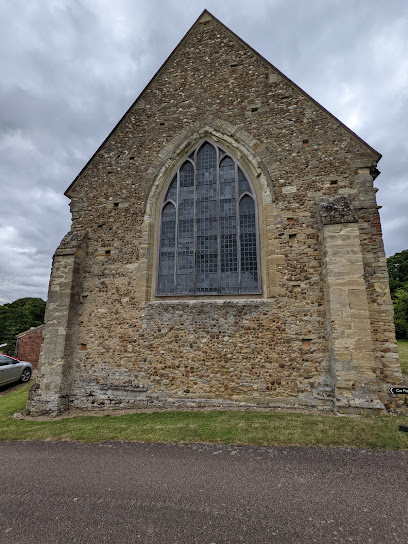
The Warren House
21.6 km
A rare 17th-century timber-framed warrener’s cottage offering historic charm and scenic views over Kimbolton Castle in tranquil rural surroundings.
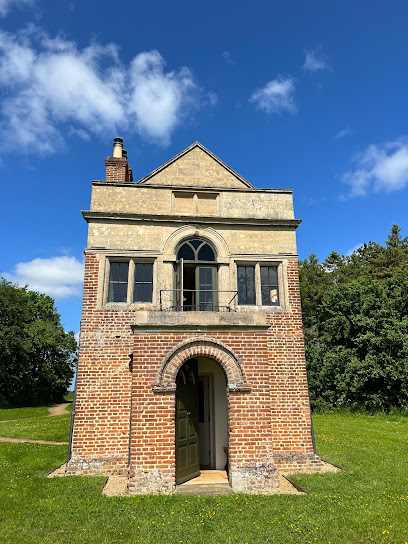
East Midlands Steam and Country Show
22.7 km
Experience the rich heritage and vibrant culture at the East Midlands Steam and Country Show, where steam engines meet delicious local food and crafts.
The George
30.7 km
A historic Huntingdon coaching inn with a traditional pub, hearty food, and a long connection to local history and Oliver Cromwell.

Northampton Castle Postern Gate
32.6 km
Discover the solitary Postern Gate, the last surviving gateway of Northampton Castle, echoing centuries of royal history and medieval intrigue.
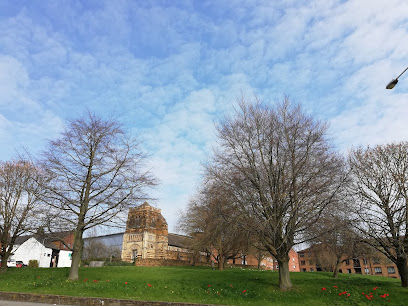
Hartford Mill Wacky Warehouse
33.2 km
Experience endless fun at Hartford Mill Wacky Warehouse, the ultimate children's amusement center in Huntingdon, perfect for family adventures and joy-filled moments.
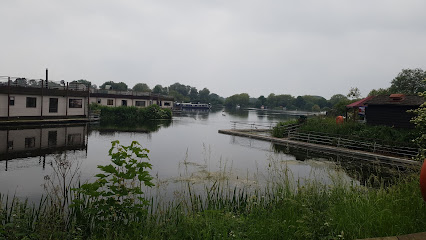
The Manor, Hemingford Grey
33.3 km
Discover the historic allure of The Manor in Hemingford Grey, the oldest continuously inhabited house in the UK, surrounded by stunning gardens and rich history.
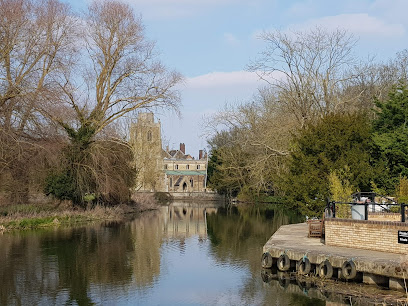
National Trust - Houghton Mill & Waterclose Meadows
33.7 km
Explore the historic charm of Houghton Mill & Waterclose Meadows, a scenic escape filled with nature, history, and delightful riverside walks.
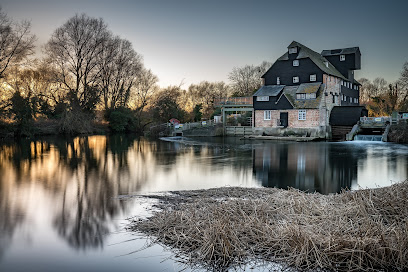
Hamerton Zoo Park
33.9 km
Explore Hamerton Zoo Park, a family-friendly destination with diverse wildlife, beautiful gardens, and educational experiences in the heart of Huntingdon.
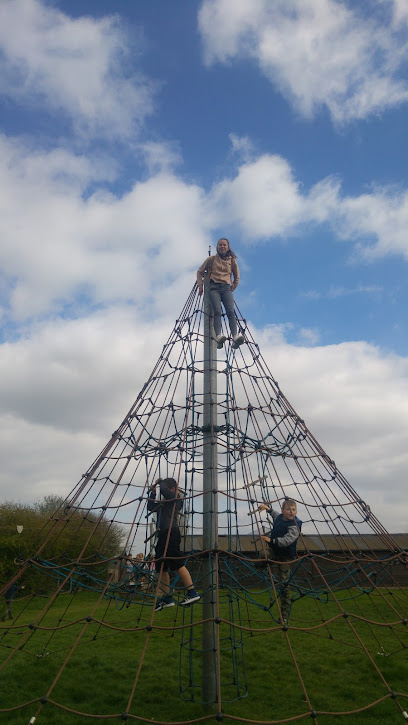
RSPB Fowlmere
35.8 km
Explore RSPB Fowlmere, a serene nature reserve in Royston, perfect for bird watching and enjoying the tranquility of the British countryside.
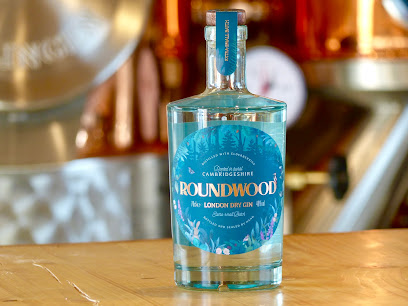
Roundwood Gin
36.5 km
Explore the art of distillation at Roundwood Gin, where quality meets craftsmanship in the heart of Huntingdon's countryside.
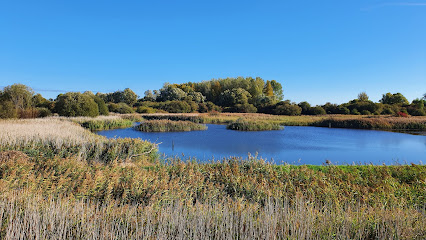
RSPB Fen Drayton Lakes
36.8 km
Discover RSPB Fen Drayton Lakes: A nature reserve rich in wildlife and scenic trails near Cambridge, perfect for hiking and outdoor exploration.
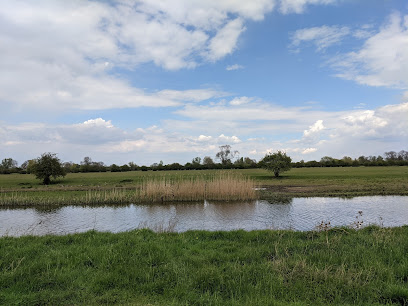
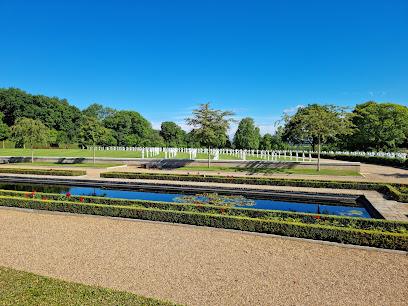
Cambridge American Cemetery and Memorial
37.5 km
Explore the Cambridge American Cemetery and Memorial, a moving tribute to American soldiers in the UK, steeped in history and serenity.
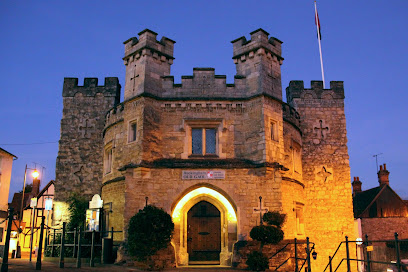
Buckingham Old Gaol
37.6 km
Explore the captivating history of Buckingham at the Old Gaol, a museum offering unique insights and delightful local crafts.
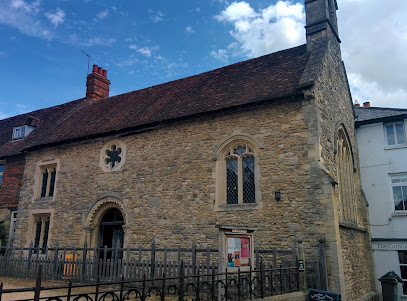
National Trust - Buckingham Chantry Chapel
37.7 km
Visit the enchanting Buckingham Chantry Chapel, a medieval architectural gem that immerses you in the rich history and serene beauty of Buckingham.
Unmissable attractions to see

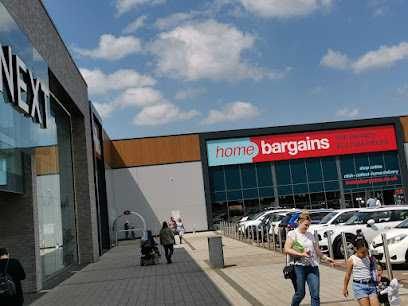
The Interchange Retail Park
1.4 km
A lively retail hub in Bedford with popular high street brands, local kiosks, and convenient shopping hours for every visitor.
Addison Howard Park
1.6 km
A vibrant family park in Kempston offering adventure play, sports facilities, and community events amid scenic green spaces.
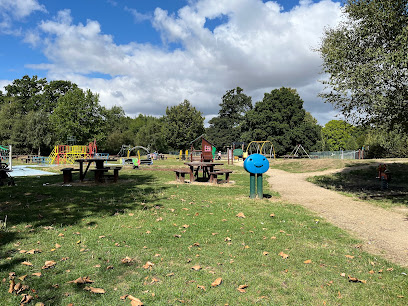
St John's Retail Park
1.7 km
A convenient and diverse shopping destination in Bedford with popular stores, ample parking, and a welcoming atmosphere.
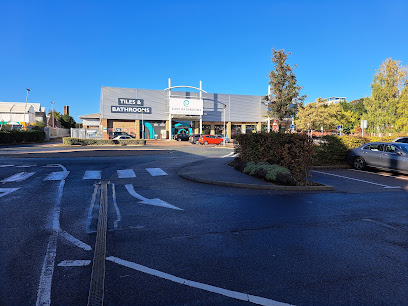
Harpur Square
2.2 km
A vibrant pedestrian plaza in Bedford blending shopping, dining, and cultural life in a lively urban setting.
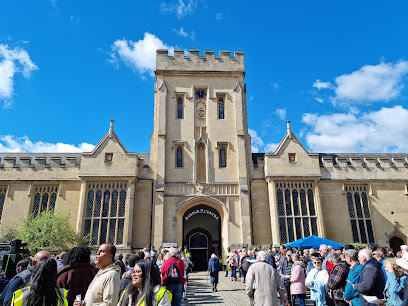
John Howard Statue
2.2 km
Explore the John Howard Statue in Bedford, a historical landmark celebrating the legacy of social reform and humane treatment in prisons.
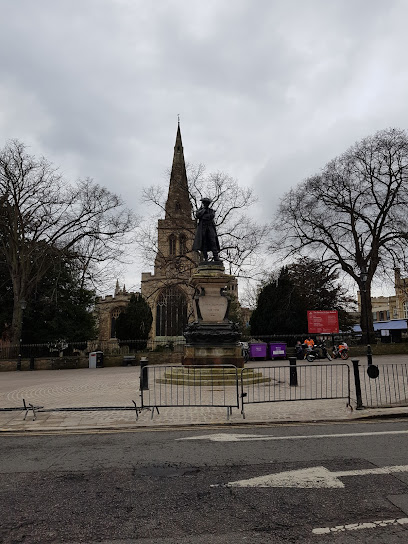
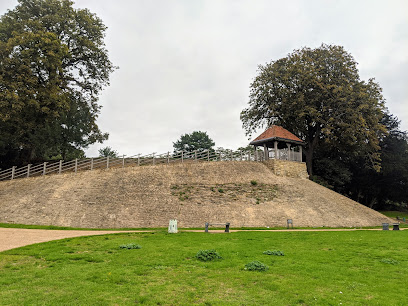
Bedford Castle Mound
2.2 km
Historic Norman castle earthwork with panoramic river views, accessible paths, and rich medieval heritage beside Bedford’s scenic Embankment.
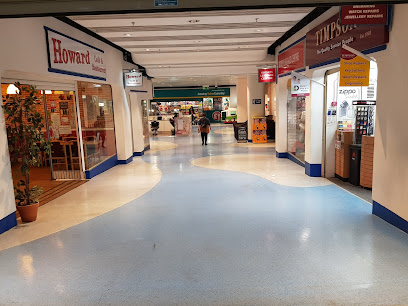
Harpur Shopping Centre
2.2 km
Bedford’s main indoor shopping centre with high‑street brands, independent shops, and practical amenities in the town centre.
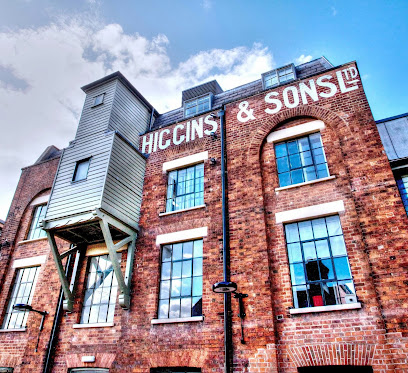
The Higgins Bedford
2.2 km
Discover Bedford’s rich heritage and world-class art collections in a historic brewery turned vibrant museum and gallery.
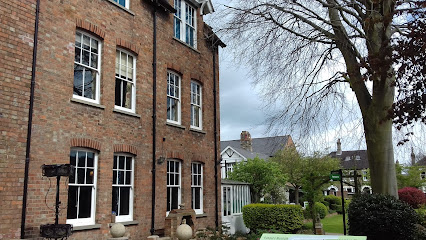
Panacea Museum
2.3 km
Explore the captivating history and serene gardens of Bedford’s Panacea Society at the Panacea Museum, a unique religious heritage site.
John Bunyan Museum
2.3 km
Discover the life, legacy, and literary genius of John Bunyan at Bedford’s immersive museum and historic meeting church.
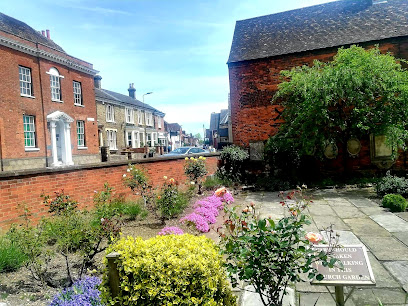
Russell Park
2.4 km
A vibrant riverside park in Bedford offering inclusive play, sports, scenic walks, and lively community events year-round.
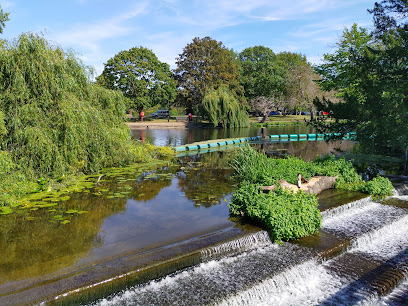
The Store
2.6 km
Bedford’s pioneering zero waste supermarket offering refillable staples and eco-friendly household products in a welcoming community space.
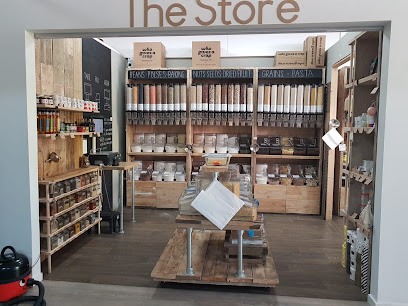
Priory Country Park
3.0 km
A scenic 300-acre Bedford park with lakes, wildlife, water sports, and family-friendly trails, blending nature and history in a tranquil setting.
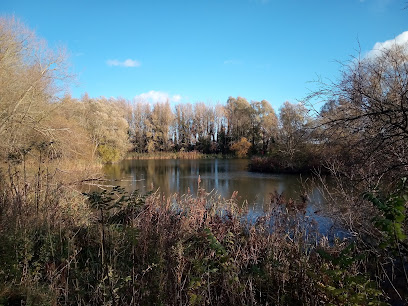
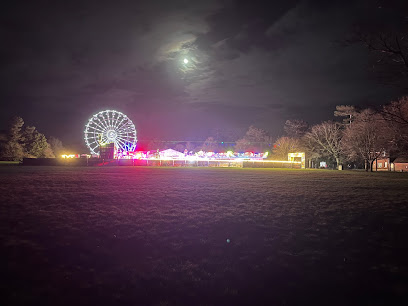
Winter wonderland bedford
3.4 km
Experience festive magic with ice skating, a Big Wheel, Santa’s Grotto, and seasonal treats in Bedford Park’s enchanting Winter Wonderland.
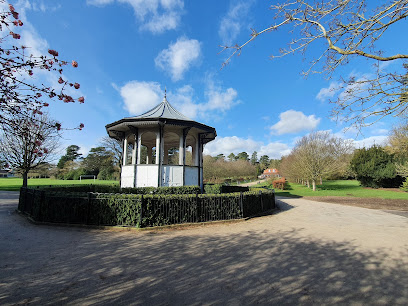
Bedford Park
3.5 km
Discover Bedford’s largest Victorian park with scenic lake, historic pavilion, and vibrant community spirit in a tranquil urban green space.
Essential places to dine

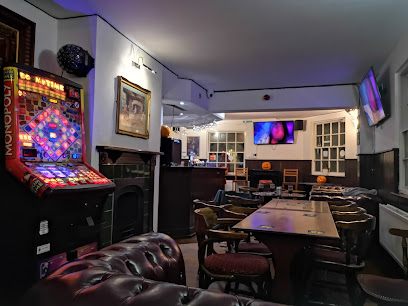
Diya Royal
1.7 km
Experience the finest fusion of Nepalese and Indian flavors in Bedford’s welcoming Diya Royal, where tradition meets modern taste.
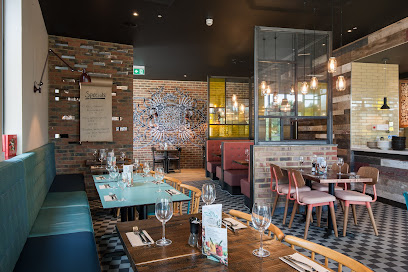
Zizzi - Bedford
2.1 km
Savor fresh Italian flavors and riverside views at Zizzi Bedford, your friendly neighborhood spot for pizza, pasta, and more.
Olive Tree Restaurant Bedford
2.1 km
Authentic Turkish Mediterranean cuisine in central Bedford with exceptional service and vibrant atmosphere.

Albero Lounge
2.1 km
Spacious riverside lounge in Bedford offering Mediterranean-inspired dishes, extensive vegan options, and a relaxed, family-friendly atmosphere.
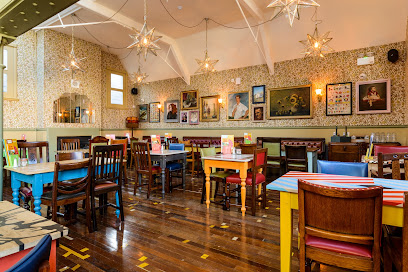
Miller & Carter Bedford
2.1 km
Premium aged steaks and seafood in a contemporary riverside setting with exceptional value lunch menus.
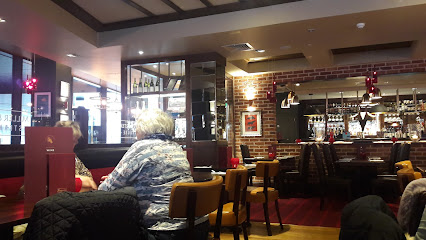
Pen & Cob
2.1 km
Riverside British brasserie in Bedford serving seasonal, locally sourced dishes with art-deco charm and scenic river views.
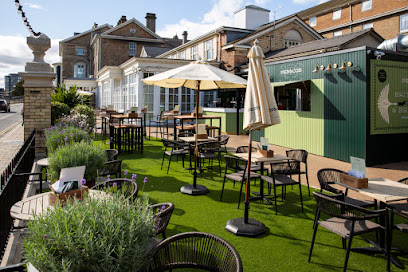
Blue Monk Nepalese & Indian Restaurant
2.2 km
Experience authentic Nepalese and Indian flavors in Bedford’s vibrant Blue Monk, where tradition meets modern culinary creativity.
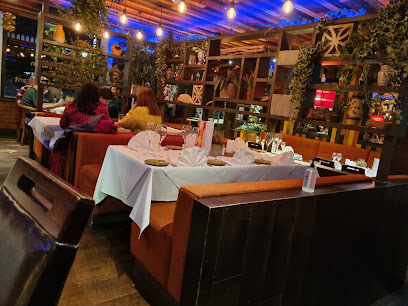
The Embankment
2.2 km
Charming riverside gastropub and boutique hotel in Bedford with scenic views, quality food, and welcoming atmosphere.
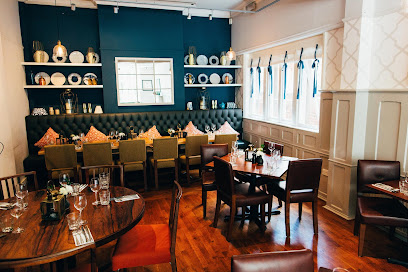
The Higgins Pantry
2.2 km
A lively Italian café-restaurant in Bedford offering delicious Mediterranean dishes, gluten-free options, and a welcoming atmosphere at moderate prices.
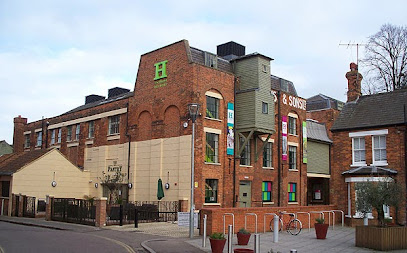
La Terrazza Bedford
2.3 km
Experience authentic Italian cuisine in the cozy heart of Bedford with fresh pasta, seafood delights, and warm hospitality.
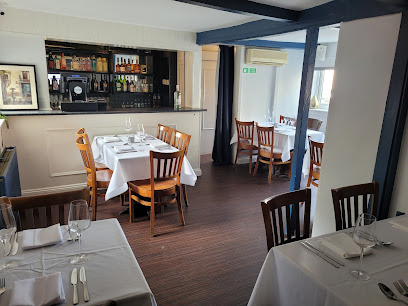
Il Basilico
2.3 km
Experience authentic Italian flavors and a lively atmosphere at Il Basilico, Bedford’s family-run gem for pizza, seafood, and more.
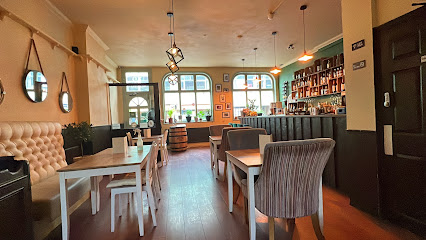
Cappuccino Bar
2.5 km
A cozy Italian café and restaurant in Bedford offering authentic flavors, friendly service, and a warm, inviting atmosphere for all occasions.
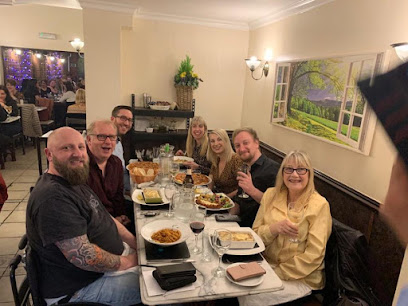
Amici Bedford
2.6 km
Experience authentic Italian flavors and warm hospitality in the heart of Bedford at Amici, where fresh ingredients meet traditional recipes.
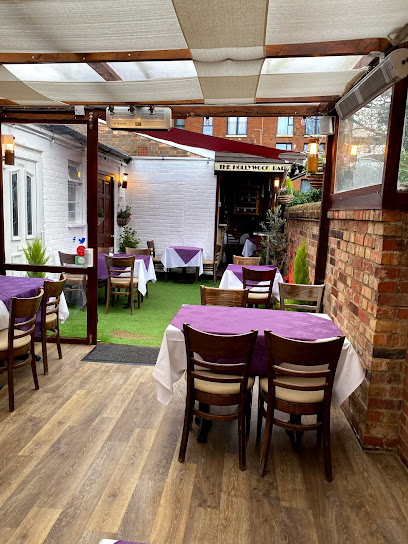
Three Rooms
2.7 km
An award-winning Indian fine-dining restaurant in Bedford, known for its refined curries, tandoori dishes, and elegant, contemporary setting.
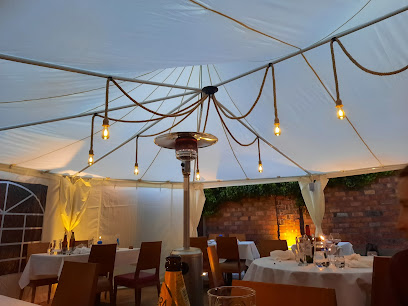
Deshi Spice Restaurant & Lounge
2.7 km
Authentic Indian and Bangladeshi flavors served with warmth in Bedford’s vibrant Tavistock Street dining scene.
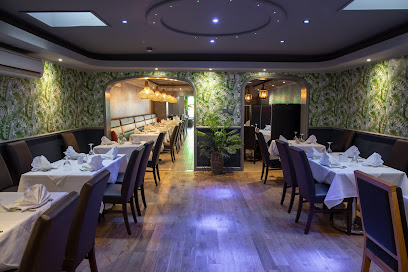
Markets, malls and hidden boutiques

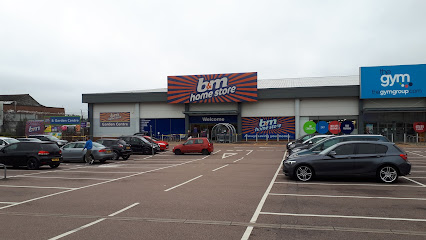
Alban Retail Park
1.5 km
A versatile and convenient shopping destination in Bedford offering homeware, garden supplies, and more with extended hours and easy access.
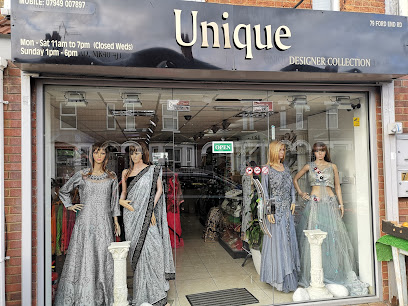
Unique - Designer Collection
2.1 km
Discover curated women's fashion blending timeless elegance and modern style at Unique - Designer Collection in Bedford.
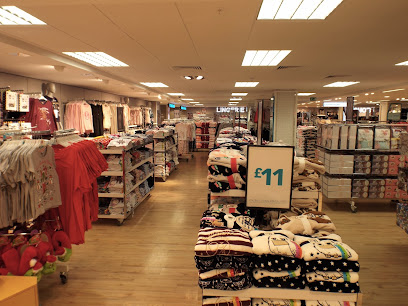
Primark
2.3 km
Discover unbeatable style and value at Primark Bedford, your go-to destination for affordable fashion in the vibrant Harpur Centre.
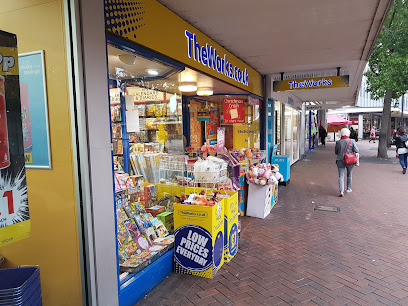
The Works
2.3 km
Affordable books, crafts, toys, and stationery in Bedford’s friendly and accessible retail hub.
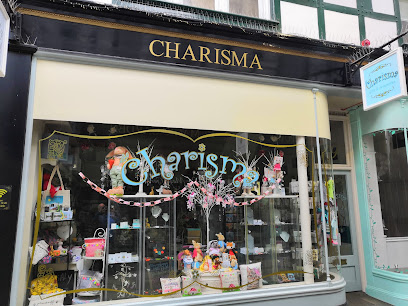
Charisma
2.4 km
Unique handcrafted gifts and artisanal treasures in Bedford's charming Arcade shopping center.
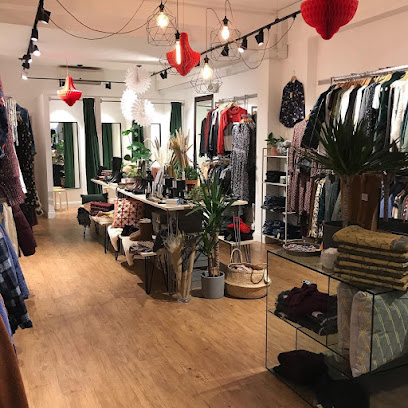
Boutique Planet
2.4 km
Discover sustainable, premium ladieswear and accessories in Bedford’s charming Victorian Arcade at Boutique Planet.
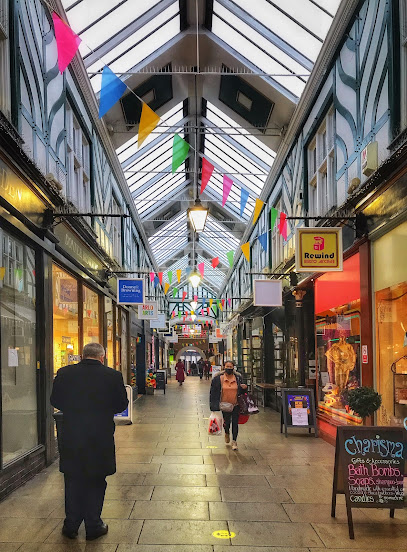
The Arcade
2.4 km
Step into Bedford’s historic Victorian Arcade, where timeless charm meets unique independent shopping in a vibrant community setting.
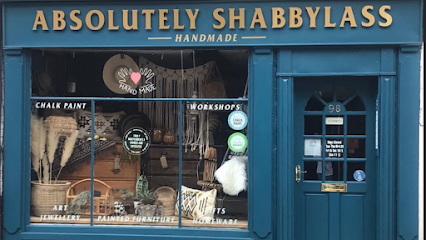
Absolutely ShabbyLass
2.5 km
Discover unique gifts, hand-painted furniture, and artisanal homewares at Absolutely ShabbyLass, Bedford’s charming boutique of creativity and craftsmanship.
Pells Farm Shop
7.5 km
Discover fresh local produce and homemade delights in Bedford’s charming countryside farm shop with over 40 years of tradition.
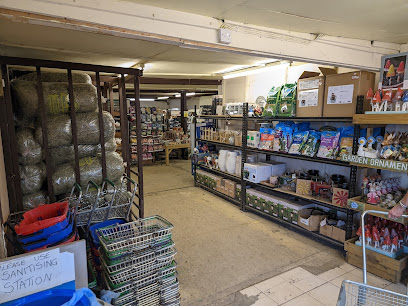
No.14 Ampthill
9.4 km
Discover unique gifts and local treasures in the charming market town setting of No.14 Ampthill's boutique gift shop.
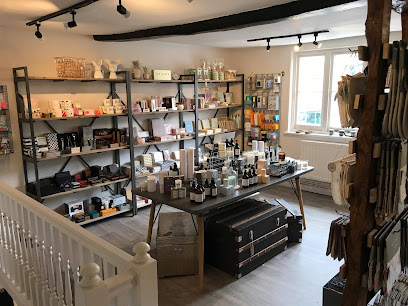
Find Vintage Ampthill
9.5 km
Discover timeless vintage furniture and unique home treasures in a charming Ampthill courtyard setting.
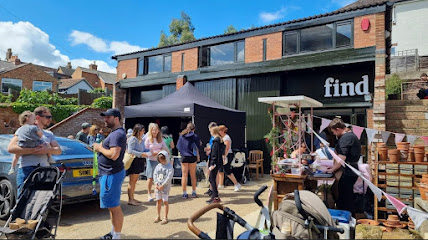
The Wardrobe
9.5 km
Discover stylish, quality clothing with friendly service at The Wardrobe, Ampthill’s charming boutique on Church Street.
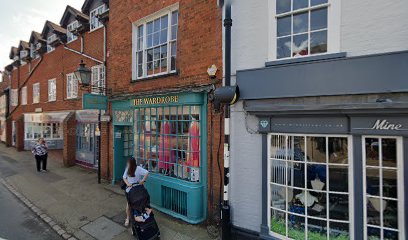
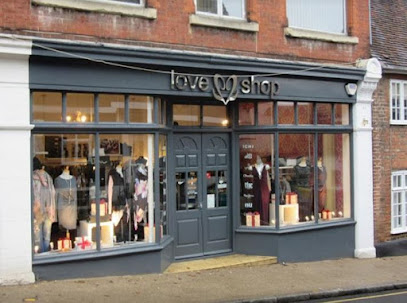
Love 2 Shop Boutique
9.5 km
Explore the charming Love 2 Shop Boutique in Ampthill for unique ladies' fashion that captures the essence of local style and elegance.
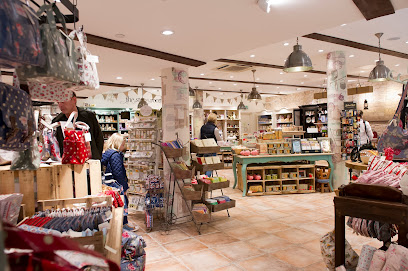
The Store Room
10.8 km
Discover unique gifts, souvenirs, and home accessories inspired by the tranquil forest setting at The Store Room, Center Parcs Woburn Forest.
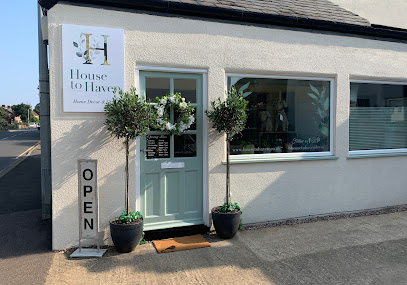
House to Haven
10.8 km
Discover curated homewares and unique décor treasures at House to Haven, Cranfield’s boutique for stylish living spaces.
Essential bars & hidden hideouts

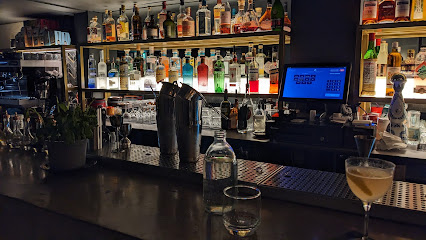
Cocos Bedford
2.1 km
Chic riverside cocktail bar in Bedford, famed for expert drinks, lively vibe, and warm hospitality.
The Rose
2.2 km
Classic British pub grub and lively atmosphere combine at The Rose, Bedford’s vibrant High Street gathering spot.
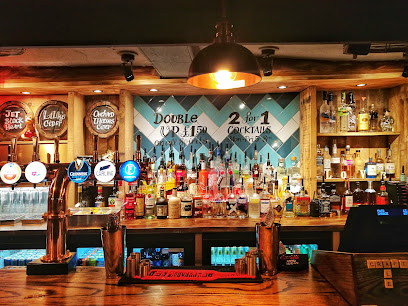
Astons Bedford
2.2 km
Astons Bedford offers a stylish, members-only over-30s club with retro disco vibes, live entertainment, and a chic garden bar in the heart of Bedford.
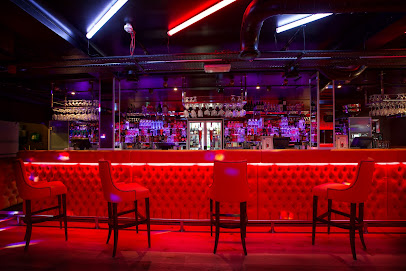
The Flute Wine & Lounge Bar
2.3 km
Cozy and stylish wine lounge in Bedford’s Ram Yard, perfect for relaxed evenings with quality drinks and friendly vibes.
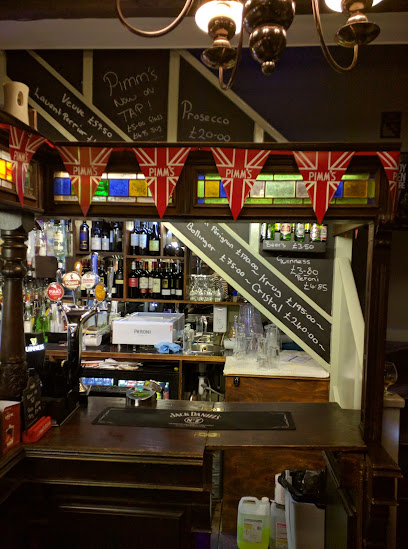
Slug & Lettuce - Bedford
2.3 km
Lively cocktail bar and restaurant in Bedford’s High Street, famed for 2-for-1 cocktails, bottomless brunch, and a vibrant social scene.
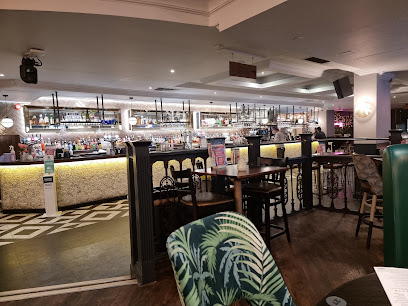
Vogue
2.3 km
Vogue Bar in Bedford offers a vibrant, multi-floor nightlife experience with expert bartenders and diverse music genres in a lively, welcoming setting.
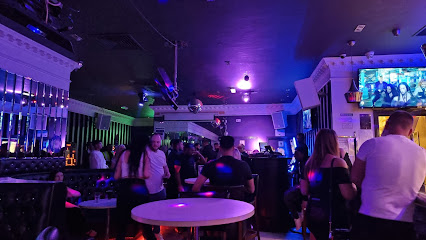
The Cellar Bar
2.4 km
Discover Bedford’s unique underground bar with expertly crafted cocktails, premium craft beers, and vibrant live music in an atmospheric cellar setting.
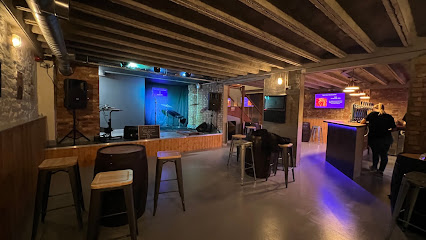
Auction Room Bar
2.4 km
A stylish and quirky Bedford bar with spacious interiors, quality cocktails, live music, and a hidden courtyard for a lively yet relaxed night out.
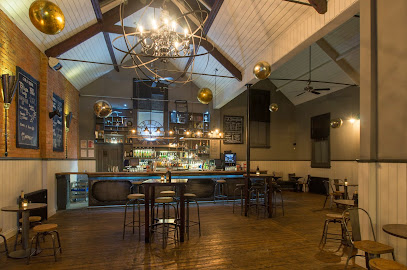
The Castle
2.4 km
A welcoming historic pub in Bedford blending cozy charm, friendly service, and full hospitality services in the town’s heart.
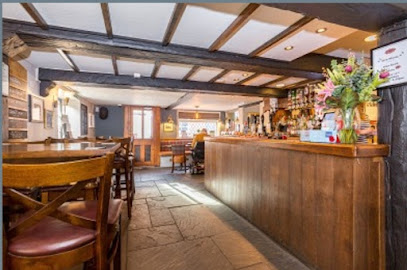
Bar Citrus
2.4 km
A cozy and friendly bar in Bedford’s heart, perfect for local beers, coffee blends, and casual bites in a relaxed atmosphere.
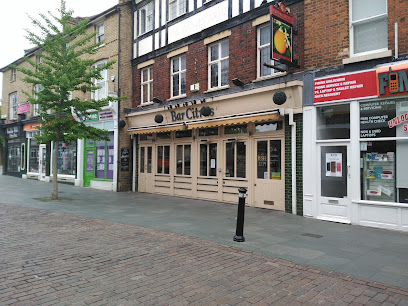
The Ship
2.4 km
A classic Bedford pub offering unique ales, hearty fare, and a welcoming atmosphere with spacious outdoor seating and dog-friendly charm.
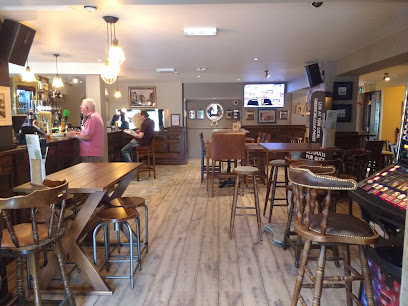
The Three Cups
2.5 km
A vibrant and cozy Bedford pub blending traditional charm with lively entertainment and warm hospitality.
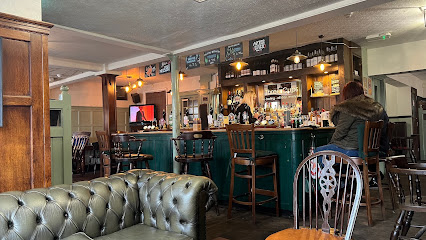
The Bear Bedford
2.5 km
Historic Grade II listed pub in Bedford offering affordable drinks, live music, and a welcoming atmosphere with indoor and heated outdoor spaces.
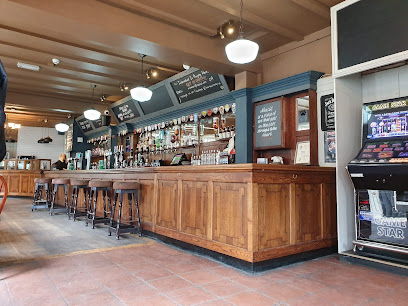
OURS
2.6 km
A quirky, vibrant cocktail bar in Bedford’s Castle Quarter, known for fresh, potent drinks and a lively, welcoming atmosphere.
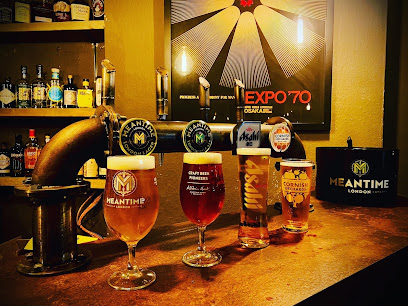
Noble Rot
2.7 km
Discover Bedford’s cozy wine bar offering exquisite global wines, a secluded garden, and expert pairings for a memorable tasting experience.
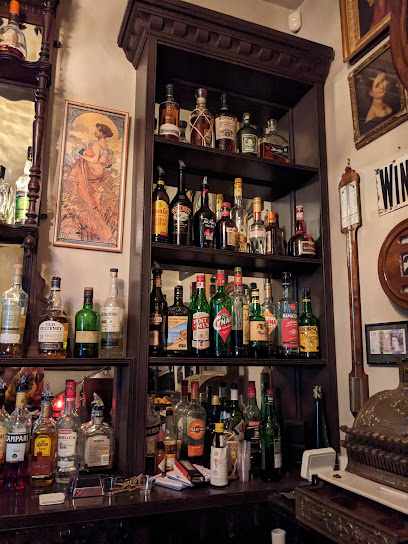
Nightclubs & after hour spots

Lagos Night Lounge
1.0 km
Experience Bedford’s vibrant African-inspired nightlife with live music, themed events, and authentic cuisine at Lagos Night Lounge.
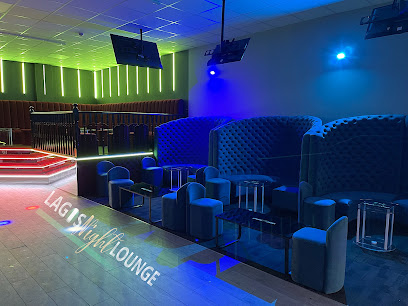
Cubana Nightclub - Bedford
2.3 km
Bedford’s vibrant two-floor nightclub with live music, multiple bars, and VIP areas, offering an energetic dance and social experience on Mill Street.
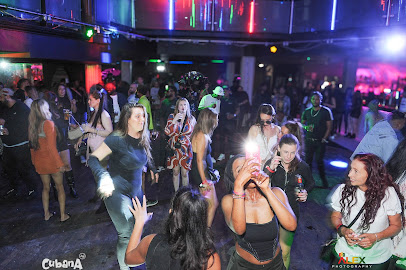
The Studio Club
2.4 km
A friendly, casual nightclub and bar in Bedford offering affordable drinks, pool tables, and live music in an intimate setting.
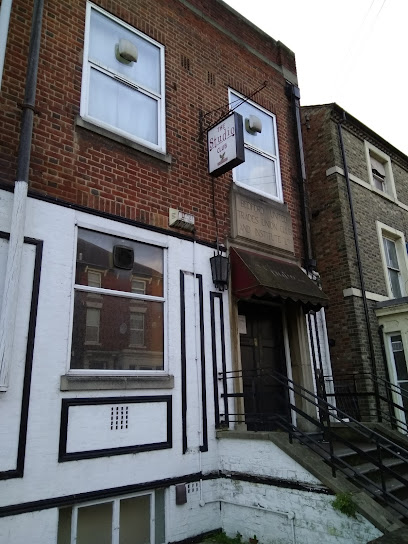
Six's Club
2.5 km
A lively community nightclub in Bedford offering soulful music, friendly vibes, and memorable nights from Thursday to Sunday.
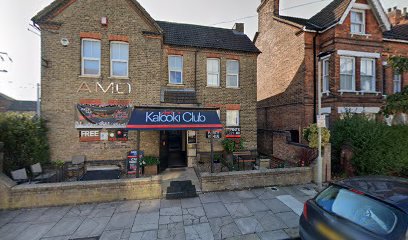
The Kalooki Club
2.8 km
A friendly and lively social club in Bedford offering great service, casual vibes, and a welcoming atmosphere for locals and visitors alike.
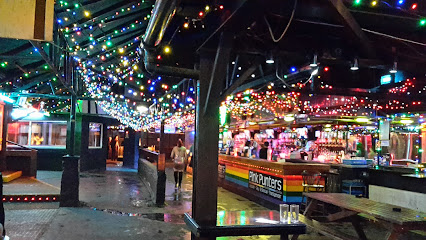
Pink Punters
21.2 km
Milton Keynes’ dynamic multi-room nightclub blending diverse music, vibrant crowds, and a lively late-night party atmosphere.
Garudaa
21.6 km
A spacious, welcoming gentlemen’s club in Milton Keynes offering VIP areas, game rooms, and late-night entertainment in a relaxed, darkly lit setting.
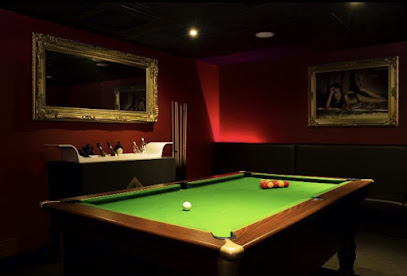
Penthouse Playrooms
25.3 km
A vibrant adult nightclub in Dunstable offering themed events and lively weekend entertainment for an energetic night out.
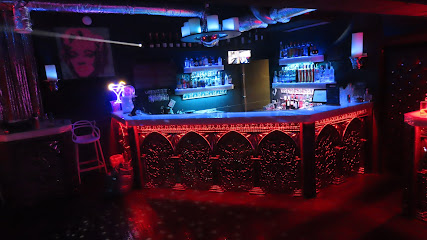
Mia Musica
27.0 km
Luton’s lively Romanian-themed night club and sports bar with authentic football culture and late-night weekend vibes.
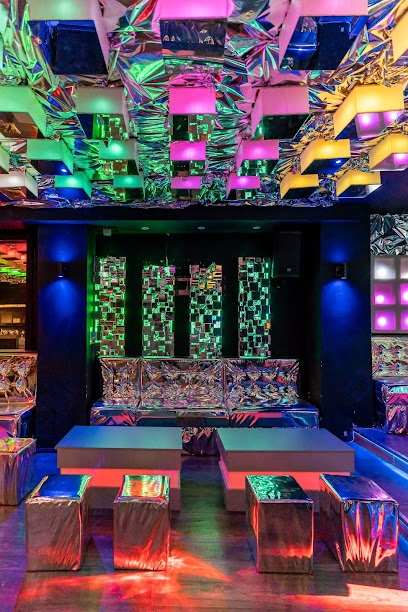
Montagu Club
30.9 km
Discover the lively Montagu Club in Huntingdon - a social haven for music lovers and friends looking to unwind and enjoy local culture.
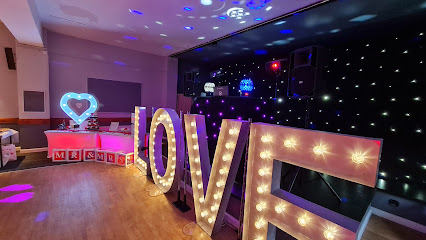
Club Bar X
31.4 km
Lively basement nightclub on Wellingborough Road, Northampton, offering late-night music, dancing, and a vibrant social scene Thursday to Saturday.
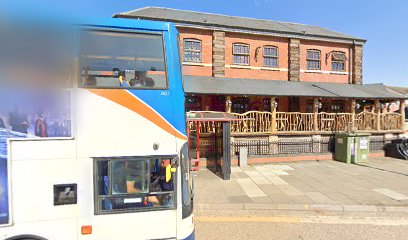
Club 145
31.4 km
Energetic nightclub on Wellingborough Road offering lively music, dancing, and a vibrant social scene in the heart of Northampton.
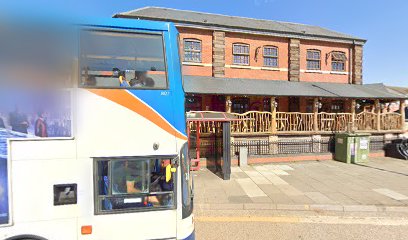
Stereo Bar and Club
32.1 km
Experience Northampton’s vibrant nightlife with eclectic music, lively dancing, and a welcoming atmosphere at Stereo Bar and Club.
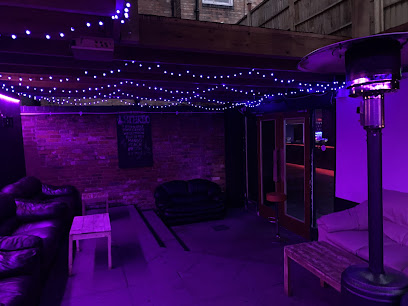
NB's
32.1 km
Experience Northampton’s vibrant nightlife with NB's lively clubbing atmosphere, multiple rooms, and sociable outdoor bar area.
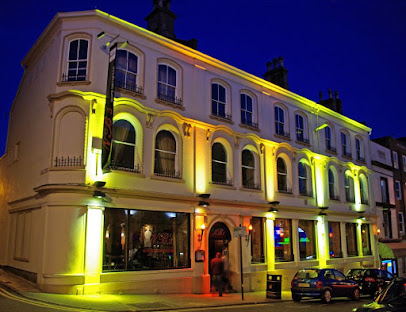
The Platform
32.1 km
Northampton’s vibrant nightclub and bar blending historic charm with lively music, drinks, and student-friendly events.
For the vibe & atmosphere seeker
- Tranquil
- Scenic
- Relaxing
- Unique
- Casual
For the design and aesthetic lover
- Rustic Designs
- Vintage Styles
For the architecture buff
- Historic
- Landmarks
For the view chaser and sunset hunter
- Iconic Views
- Waterfront
For the social media creator & influencer
- Instagrammable
- Photo Spots
For the eco-conscious traveler
- Public-Transport Accessible
- Locally Managed
For the kind of experience you’re after
- Cultural Heritage
- Photowalk
- Day Trip
- Weekend Getaway
- Myth & Legends
For how adventurous you want the journey to be
- Easy Access
Location Audience
- Family Friendly
- Senior Friendly
- Child Friendly
- Solo Friendly
- Couple Friendly


