

Botanic Gardens, Belfast Travel Guide
Free Guide: Discover Belfast’s Victorian botanical gem with stunning glasshouses, vibrant gardens, and rich cultural heritage in a serene 28-acre urban oasis.


A brief summary of Botanic Gardens
Discover Belfast’s Victorian botanical gem with stunning glasshouses, vibrant gardens, and rich cultural heritage in a serene 28-acre urban oasis.
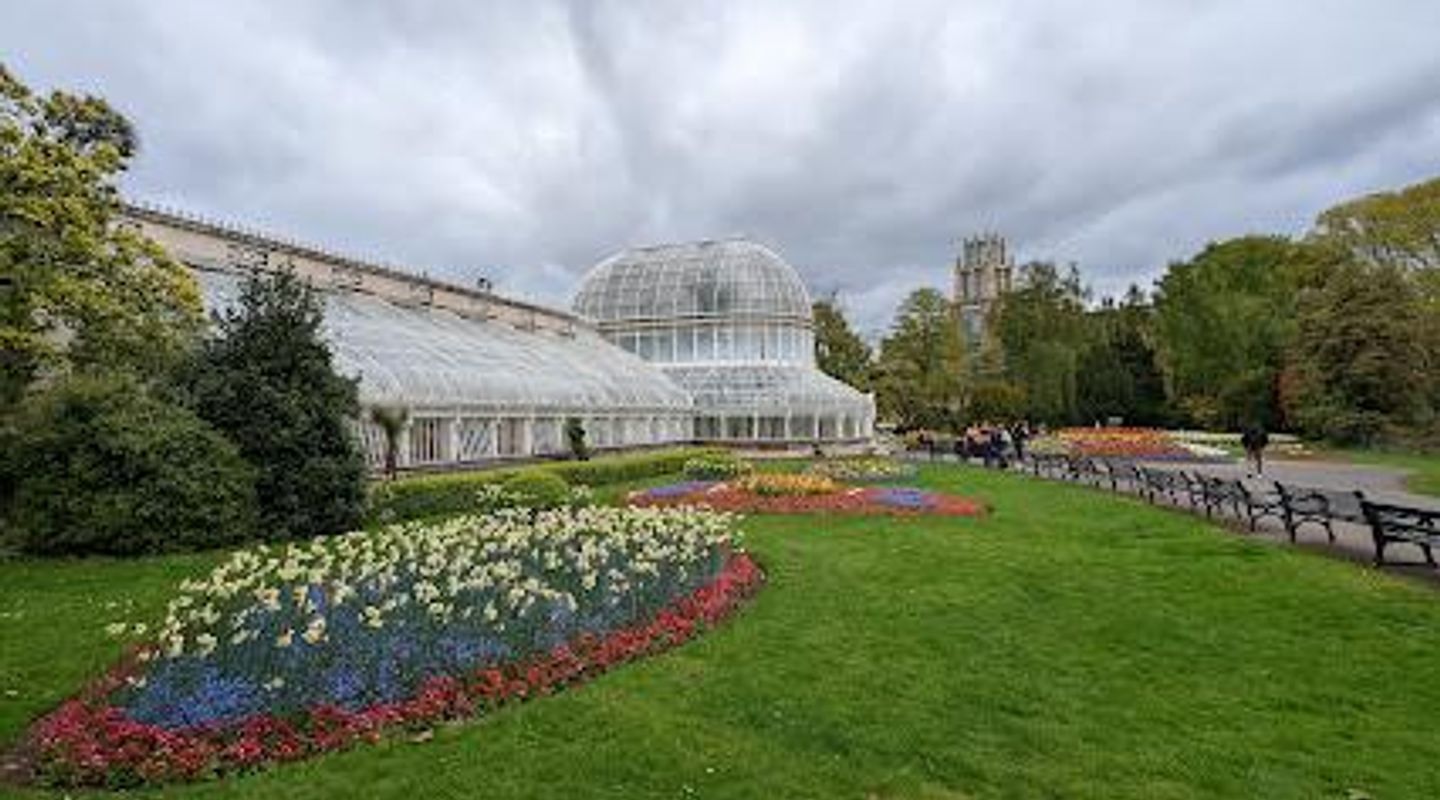
Belfast Botanic Gardens, established in 1828 and opened to the public in 1895, is a 28-acre green sanctuary in the heart of Belfast. It features historic glasshouses like the iconic Palm House and Tropical Ravine, extensive gardens including a rose garden and herbaceous borders, and mature trees. The gardens offer a peaceful retreat with vibrant plant collections, seasonal displays, and cultural events, all with free admission and easy access near Queen’s University.
On-site amenities
 Restrooms
 Drink options
 Food options
 Seating areas
 Picnic areas
 Trash bins
 Information boards
Opening hours
- Every day7:30 am–5 pm
Opening hours as listed on the venue’s Google Business Profile. Hours can change for services and special events, so check with the venue before you go.
- Address
- College Park Ave, Botanic Ave, Belfast BT7 1LP
- Phone
- Website
Getting there
Public Transport
Metro Bus
Car
Walking
Discover more about Botanic Gardens
Historical Roots and Architectural Marvels
Founded in 1828 by the Belfast Botanic and Horticultural Society, the Botanic Gardens reflect Belfast’s Victorian heritage and passion for botany. The gardens became a public park in 1895, showcasing exotic and native plants collected from around the world. Central to its charm is the Palm House, designed by Charles Lanyon and constructed beginning in 1839. This magnificent cast-iron and glass structure, with its soaring birdcage dome, was among the first of its kind and remains a stunning example of Victorian horticultural architecture. The Tropical Ravine, completed in 1889, offers a contrasting experience with its lush, fern-filled ravine and exotic tropical plants, accessible via viewing balconies.
Botanical Diversity and Garden Features
Spanning 28 acres, the gardens are home to a diverse range of plant collections. Visitors can explore the extensive rose garden, the UK's longest herbaceous borders, and an alpine garden. Mature trees, including rare oaks planted in the 1880s, add to the landscape’s grandeur. The Palm House’s two wings—the Cool Wing and the Tropical Wing—display year-round color and scent with plants like geraniums, begonias, and fuchsias. The Tropical Ravine features banana, cinnamon, orchids, and the celebrated pink-flowered dombeya, which blooms spectacularly in February.
A Vibrant Hub for Community and Culture
The gardens serve as a lively venue for concerts, festivals, and community events, attracting locals, students from nearby Queen’s University, and tourists alike. Adjacent to the gardens is the Ulster Museum, offering rich collections of art, archaeology, and natural history, complementing the botanical experience. The gardens also include a children’s playground and bowling green, making it a family-friendly destination. Seasonal flower displays and interactive exhibits enhance the visitor experience, with guided tours available on select days.
Accessibility and Visitor Amenities
Belfast Botanic Gardens are open daily from 7:30 AM to 5:00 PM (with seasonal variations), offering free admission. The site is wheelchair accessible, with smooth pathways, accessible restrooms, and lifts within the greenhouses. Onsite amenities include picnic areas, seating, and a café near the Palm House. The gardens’ central location near Botanic Railway Station and several Metro stops ensures easy public transport access. Dogs are welcome on leads, and the park maintains a commitment to preserving its historic buildings and plant collections.
Environmental and Conservation Efforts
The gardens are a protected green space within Belfast, balancing public enjoyment with conservation. Efforts focus on maintaining the health of historic glasshouses and plant collections, as well as safeguarding wildlife habitats within the park. Proposals to extend opening hours have met community concern due to risks of damage and disturbance, underscoring the gardens’ delicate ecological and cultural value.
Seasonal Highlights and Visitor Tips
Spring brings vibrant cherry blossoms, daffodils, and tulips, while summer showcases the rose garden in full bloom and lively festivals. Autumn offers colorful foliage, and winter’s quieter months provide peaceful walks with earlier closing times. Visitors are encouraged to arrive early for a tranquil experience and to explore the gardens’ diverse flora, historic architecture, and cultural offerings at leisure.
Evendo Review Centre
 Google
Guest reviews
Best time to go
Quietest: Jan, Feb & Dec · before 6am or at 9pm
Busy times are Evendo estimates for a typical year, to help you plan. Actual crowds vary with events, school holidays and the weather.
Explore Botanic Gardens on the map
A handpicked selection of must-see spots near Botanic Gardens, mapped for you.
Get your free copy of our complete guide to Botanic Gardens, delivered straight to you.
Everything on this page, from opening hours and how to get there to Eve’s tips and the best time to go, in one PDF you can read offline, print or share.
Already have an account? Sign in
Your Botanic Gardens guide is ready.
We'll send it to · Not you? Sign out

Getting your guide ready…
We are putting together a fresh copy of the Botanic Gardens guide. This can take up to a minute.
This can take a few moments. If your browser asks, choose Allow so the download can start. You'll find the guide in your Downloads folder.
Nothing happened? Download it again
Sorry, the guide is taking longer than usual. Please try again in a minute, or get it by email instead.
Unlock the best of Botanic Gardens
Skip-the-line tickets, guided tours with entry, and walking tours of the area, booked in a few clicks.
 Tour with entry
This is Belfast Walking Tours. City Hall to Queens Quarter
from $25.30 Tour with entry
Private Belfast Tour – Culture, History & Modern Charm
from $177.29 Tour with entry
Belfast-Queens Uni & Botanic Gdns. Friars Bush Graveyard Tour.
from $180.16 Tour with entry
Best of Belfast with Political Murals with Hometown Tours
from $371.98


Other nearby places you may find interesting
The closest places of the same kind, if this one is not quite what you had in mind.
-
-
-
-
-


Swipe for more places
More to explore near Botanic Gardens

 Best experiences near Botanic Gardens
 Best hotels near Botanic Gardens
 Best landmarks near Botanic Gardens
 Best attractions near Botanic Gardens
 Best shops near Botanic Gardens
 Best restaurants near Botanic Gardens
 Best bars near Botanic Gardens
Do you manage this location?
Take control to get all the benefits, like improved information, better appearance, and stronger visibility across AI-powered discovery.
Explore more

Explore more of Belfast
Discover Belfast, a city of history, culture, and modern charm, where the legacy of the Titanic meets vibrant street life and stunning natural beauty.
Explore Belfast
Explore more of United Kingdom
Discover the United Kingdom: A blend of rich history, stunning landscapes, and vibrant cities, offering a unique travel experience for every visitor.
Explore United Kingdom
