
Clifton Street Cemetery
Two centuries of Belfast's history etched in stone—where Republicans, Unionists, and ordinary citizens rest side by side.
Opened in 1797 by the Belfast Charitable Society, Clifton Street Cemetery stands as Belfast's principal burial ground and a profound repository of the city's social and political history. This historic graveyard served as the final resting place for approximately 8,000 individuals across nearly two centuries, from Irish Republicans and British Unionists to social reformers, industrialists, and those from all walks of society. Now managed by Belfast City Council, the cemetery remains a contemplative space where visitors can walk through layers of Belfast's past.
A brief summary to Clifton Street Graveyard
- Belfast, BT15 2BB, GB
- Visit website
- Duration: 1 to 3 hours
- Free
-
 Outdoor
- Mobile reception: 4 out of 5
Local tips
- Visit during weekday morning hours (Monday to Friday, 8:30–9:00 AM) for the quietest experience and best light for photography of gravestones and monuments.
- Bring a notebook or rubbing paper if you're interested in genealogy or gravestone rubbings; many stones contain detailed family information and dates.
- Wear comfortable walking shoes and dress for Belfast's changeable weather; the cemetery spans a substantial area with uneven terrain in places.
- Consider visiting nearby Clifton House (built 1774), one of Belfast's oldest buildings, which sits adjacent to the cemetery and offers additional historical context.
- Check Belfast City Council's website or contact the cemetery office beforehand if you're researching specific graves, as staff can provide guidance and historical records.

For the on-the-go comforts that matter to you
- Information Boards
- Seating Areas
- Trash Bins
Getting There
-
Bus
Multiple bus routes serve the Clifton Street area. Translink Metro buses 2, 3, 4, 5, 7, 8, and 9 stop near the cemetery entrance. Journey times from Belfast city center are typically 10–15 minutes depending on traffic and starting point. Single fares cost around £1.50–£2.50. Buses run frequently throughout the day, with reduced service on Sundays.
-
Taxi
Taxis are readily available from Belfast city center and surrounding areas. The journey takes approximately 10–15 minutes depending on traffic conditions. Fares typically range from £6–£12 depending on the starting point. Ride-hailing apps such as Uber operate in Belfast and offer an alternative to traditional black cabs.
-
Walking
From Belfast city center (around Donegall Square), the cemetery is approximately 1.5–2 km away. The walk takes 20–30 minutes via Donegall Street and Clifton Street, passing through the city's historic north Belfast neighborhoods. The route is on paved streets with good pedestrian infrastructure, though some hills are present. This option is suitable for those comfortable with moderate urban walking.
-
Driving
If driving, the cemetery is accessible via Clifton Street in north Belfast (postcode BT15 2BB). Limited on-street parking is available nearby, though spaces can be difficult to find during peak hours. Alternatively, several paid car parks exist within 5–10 minutes' walk. Parking costs typically range from £1–£3 per hour depending on the facility.
Clifton Street Graveyard location weather suitability
-
 Any Weather
Discover more about Clifton Street Graveyard
A Cemetery Born from Charitable Purpose
Clifton Street Cemetery was established in 1797 by the Belfast Charitable Society as the city's primary burial ground. The land itself was generously donated to the Society, and the cemetery was created partly as a means of raising funds for the charitable organization. This dual purpose—serving both the community's burial needs and the Society's financial sustainability—shaped the cemetery's early character. By 1799, the first burials had taken place, marking the beginning of nearly two centuries of continuous use. The cemetery operated actively until 1984, during which time it became an integral part of Belfast's urban landscape and collective memory.A Microcosm of Belfast's Social Fabric
What makes Clifton Street Cemetery truly exceptional is its role as a mirror of Belfast's diverse and complex society. The graveyard contains the graves of members of the United Irishmen, a revolutionary organization central to Irish history, alongside British Unionists who held opposing political views. Social reformers rest near industrialists who shaped the city's economic development. The cemetery also holds the graves of clergy, victims of crime, and those accused of crimes, as well as an escaped slave—a poignant reminder of global connections and human struggles. By 1819, the cemetery had already established itself as the burial place of the town's elite, yet it remained fundamentally democratic in its acceptance of people from all social strata. This inclusive character transformed the cemetery into a unique historical document, where the stones and inscriptions tell stories of Belfast's religious, political, and social divisions and connections.Walking Through Layers of Urban History
A visit to Clifton Street Cemetery is, in essence, a walk through the history of Belfast itself. The gravestones and monuments span architectural styles and commemorative traditions that reflect changing attitudes toward death, remembrance, and legacy across two centuries. The cemetery's layout and the names inscribed upon its stones provide genealogical and historical insights into the families and individuals who built the city. Many visitors and researchers come to trace family connections, understand local history, or simply reflect on the passage of time. The cemetery's preservation by Belfast City Council ensures that these stories remain accessible to future generations, maintaining its function as both a place of rest and a living archive of the city's past.Heritage and Contemporary Significance
In recent years, Clifton Street Cemetery has gained renewed recognition as a heritage site of considerable importance. Organizations dedicated to revealing and preserving Belfast's heritage have highlighted the cemetery's significance in understanding the city's identity. The approximately 8,000 burials documented within its grounds represent an invaluable resource for historians, genealogists, and anyone seeking to understand Belfast's development from a small town in the late 18th century to a major industrial and cultural center. The cemetery's continued maintenance and accessibility reflect a broader commitment to honoring and learning from the past, ensuring that the voices and stories of those interred there continue to inform contemporary understanding of Belfast's character and history.Iconic landmarks you can’t miss

Clifton Street Graveyard
0.0 km
Two centuries of Belfast's history etched in stone—where Republicans, Unionists, and ordinary citizens rest side by side.
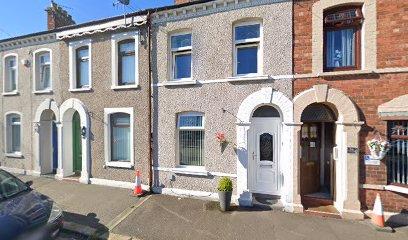
Carlisle Circus
0.1 km
A historic North Belfast traffic circus with Victorian roots and a legacy shaped by war, industry, and community life.

Belfastlad Tours
0.6 km
Explore Belfast's rich history and vibrant culture with personalized tours led by passionate locals at Belfastlad Tours.
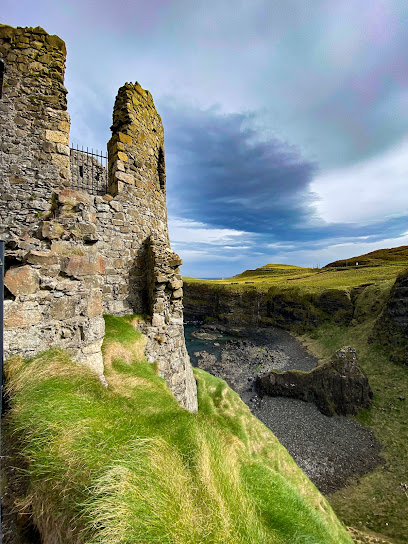
2-6 Waring St
1.0 km
Victorian banking masterpiece transformed into luxury hospitality on Belfast's historic mercantile street.
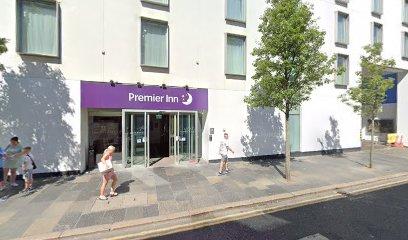
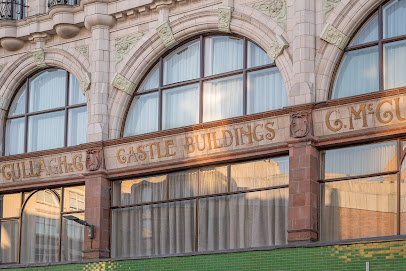
Castle Buildings
1.1 km
Discover the architectural beauty and modern comforts of the Castle Buildings in Belfast, a perfect stay for any traveler.
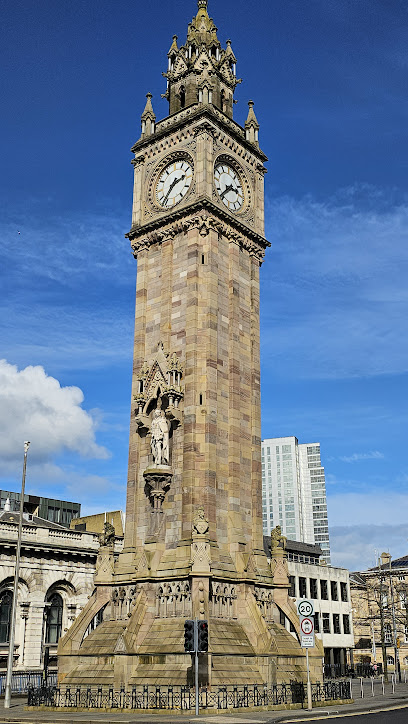
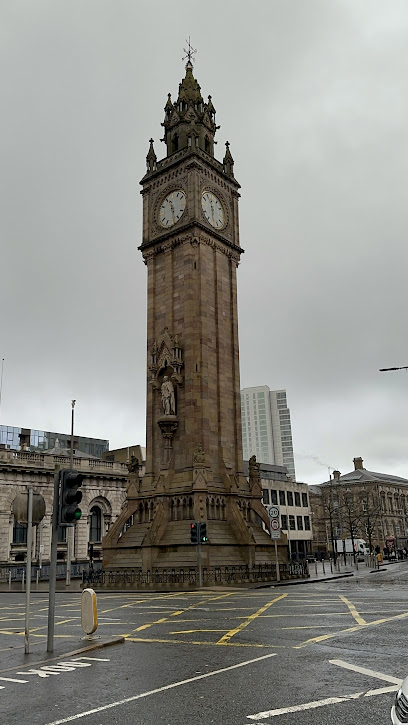
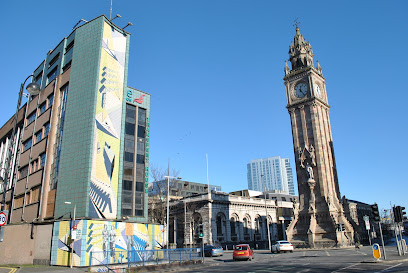
Albert Memorial Clock
1.1 km
Belfast’s iconic leaning Victorian clock tower, blending Gothic grandeur with rich industrial heritage and local character.
Numbers' Wall
1.1 km
A burst of colorful numbers and symbols celebrating Belfast's vibrant contemporary street art scene.
The Back Of Boots
1.2 km
Discover the serene ambiance of The Back Of Boots in Belfast, a pilgrimage site steeped in history and spiritual significance.
Treasure Trails
1.2 km
Explore Belfast like never before with Treasure Trails, an interactive treasure hunt that uncovers the city's hidden gems and rich history.
Belfast Free Walking Tour
1.2 km
Discover the heart of Belfast with a free walking tour that unveils the city's history, culture, and hidden gems through the eyes of local guides.
If Buildings Could Talk - Belfast Walking Tour
1.3 km
Belfast’s grand civic heart, where Edwardian architecture meets city history in Donegall Square’s green heart.
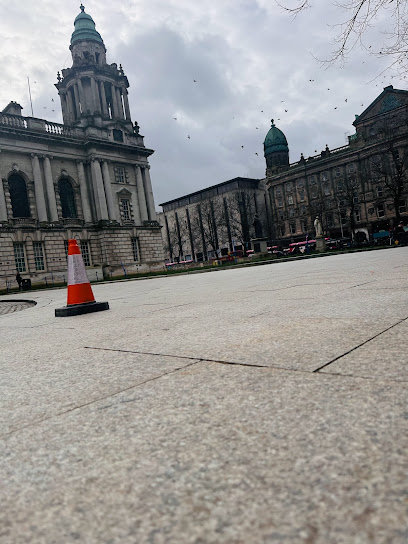
Donegall Square N & Donegall Square W
1.3 km
Belfast's grand civic square, where Victorian architecture frames the city's industrial heritage and maritime history.
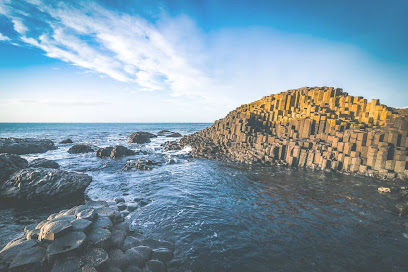
Giant's Causeway Experiences
1.3 km
Discover the breathtaking beauty and rich mythology of Giant's Causeway, a UNESCO World Heritage Site in Northern Ireland, through guided tours and immersive experiences.
DC Tours - Belfast Walking Tours
1.3 km
Explore Belfast's rich history and vibrant culture with DC Tours, your premier walking tour agency for unforgettable sightseeing experiences.
Mary Ann McCracken statue
1.3 km
Bronze monument to an abolitionist, feminist pioneer, and social reformer who stood for justice across three centuries.
Unmissable attractions to see

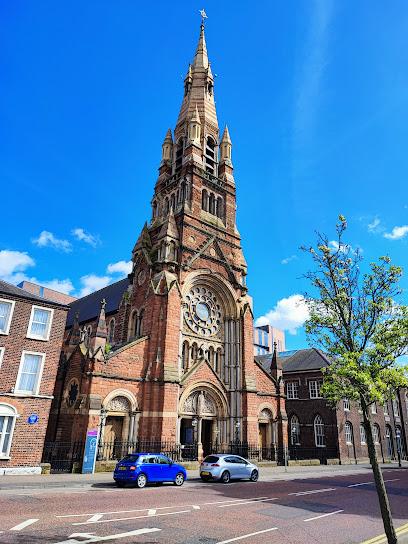
St Patrick's Church
0.4 km
A majestic Romanesque Catholic church in Belfast, famed for its soaring spire, sacred relics, and the celebrated artwork of Sir John Lavery.
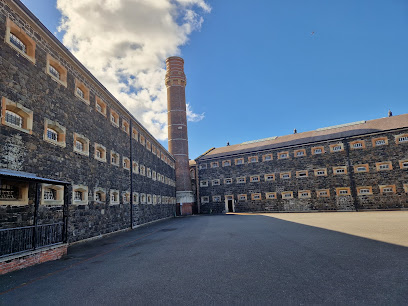
Crumlin Road Gaol Visitor Attraction and Conference Centre
0.4 km
Discover the haunting history and architectural beauty of Crumlin Road Gaol in Belfast, a must-visit for tourists seeking to understand Northern Ireland's past.
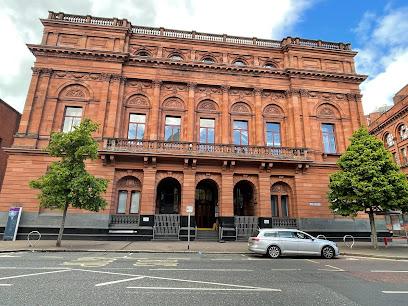
Belfast Central Library
0.7 km
Discover Belfast’s Victorian architectural gem and cultural heart, where history, heritage, and community converge in a stunning public library.
The MAC
0.7 km
Belfast's vibrant contemporary arts centre blending theatre, galleries, and café culture in a welcoming modern space.
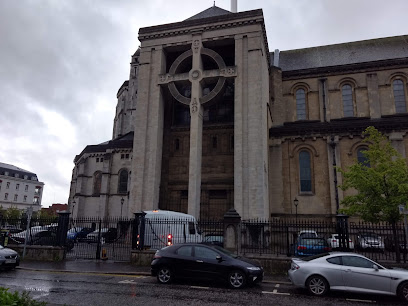
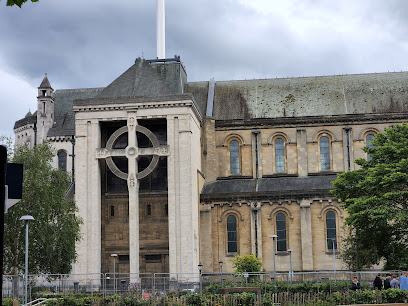
Belfast Cathedral, the Cathedral Church of St Anne
0.8 km
Discover Belfast Cathedral’s Romanesque beauty, historic mosaics, and the soaring Spire of Hope in the heart of the city’s vibrant Cathedral Quarter.
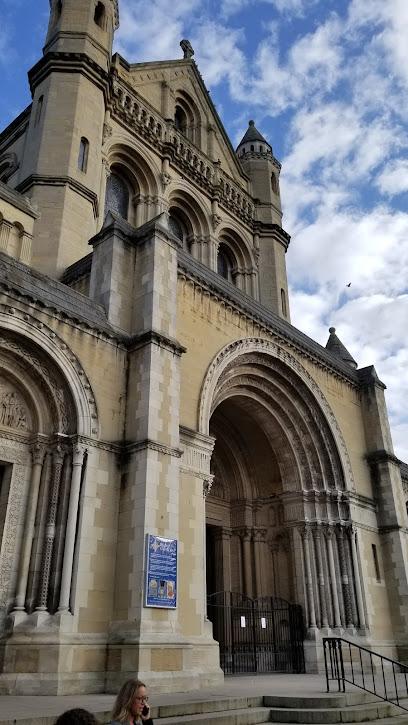
The Spire Of Hope, Belfast
0.8 km
A soaring 40-metre steel beacon of hope atop Belfast’s historic St Anne’s Cathedral, shining brightly across the city skyline.
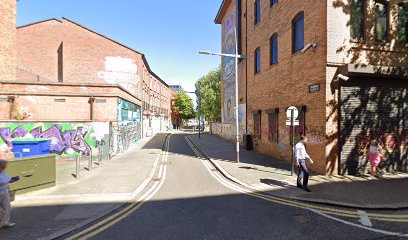
Mural
0.8 km
Discover Belfast’s vibrant mural at 1 Church St, a vivid testament to the city’s history, culture, and dynamic street art tradition.
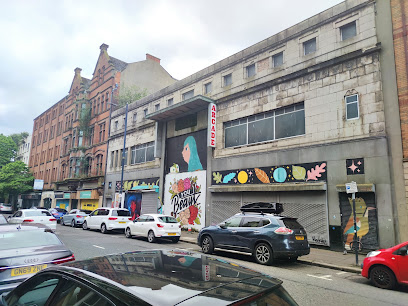
Northern Ireland War Memorial Museum
0.8 km
Explore Northern Ireland’s WWII history through immersive exhibits, family activities, and heartfelt remembrance in Belfast’s Cathedral Quarter.
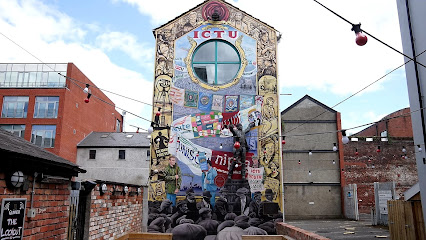
Trade union mural
0.8 km
A vibrant mural in Belfast celebrating the city’s proud labor history and the enduring spirit of trade union solidarity.
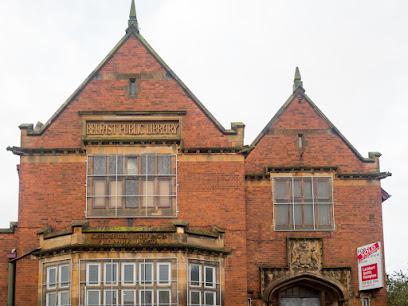
Carnegie Oldpark
0.9 km
Historic Tudor-style Carnegie Library in North Belfast, now a community-led hub for education, arts, and regeneration.
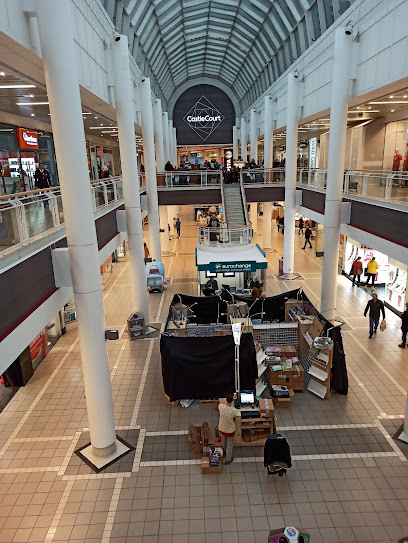
CastleCourt Shopping Centre
0.9 km
Belfast’s vibrant shopping centre with over 80 stores, family-friendly facilities, and easy-access parking in the city centre.
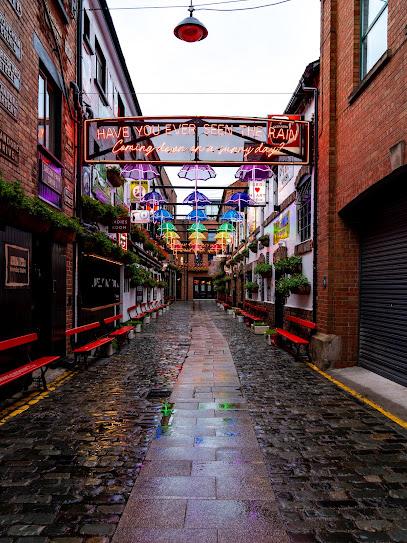
Commercial Court
0.9 km
Discover Belfast’s historic Commercial Court, a vibrant cobbled alley alive with colourful murals, lively pubs, and rich mercantile heritage.
Harp Bar
0.9 km
Experience the vibrant atmosphere of Harp Bar, Belfast's favorite pub for craft beers, live music, and authentic Irish hospitality.
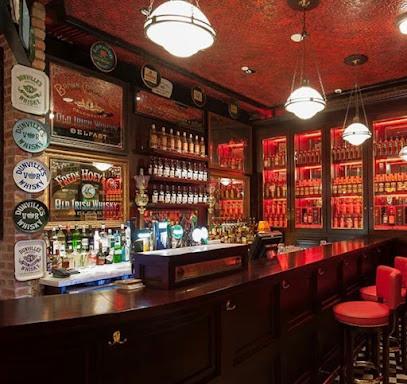
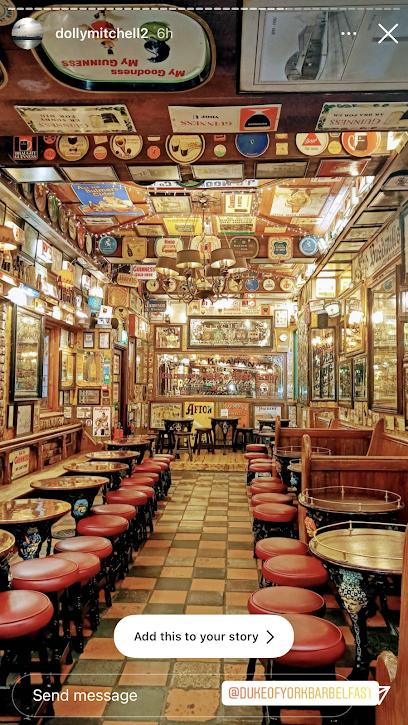
Duke of York
0.9 km
Experience the heart of Belfast's pub culture at Duke of York, a vibrant spot with rich history, local brews, and a warm atmosphere.
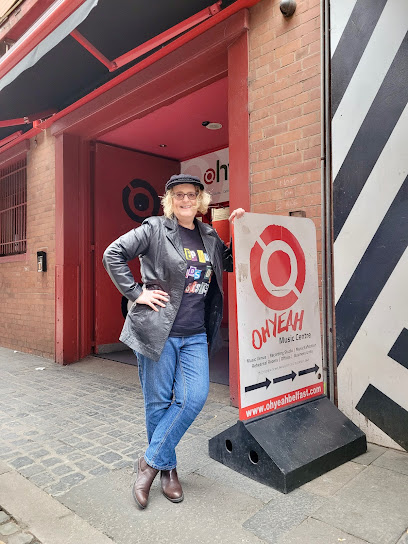
Creative Tours Belfast
0.9 km
Explore Belfast’s vibrant music scene on foot with expert guides, historic venues, and live performances in the UNESCO City of Music.
Essential places to dine

Academy Restaurant
0.6 km
Experience the best of Modern European cuisine at Academy Restaurant in Belfast, where local ingredients meet innovative culinary artistry.
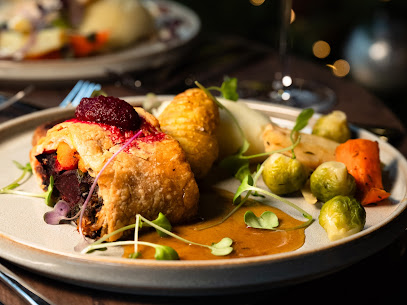
Coppi Restaurant
0.8 km
Modern Venetian-inspired Italian dining in Belfast’s Saint Anne's Square with vibrant cicchetti, fresh ingredients, and a lively atmosphere.
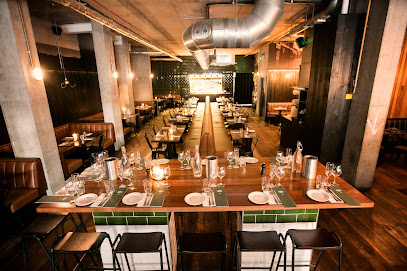
Dumpling Library
0.8 km
Experience a vibrant Pan-Asian feast in Belfast’s unique Dumpling Library, where exquisite dumplings meet creative cocktails in intimate dining pods.
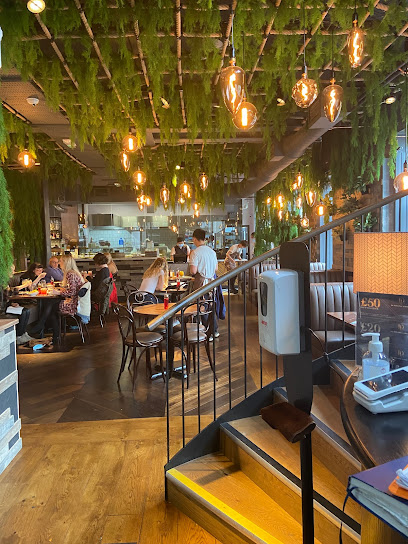
Buba
0.8 km
Bold Eastern Mediterranean small plates, flame-grilled meats and creative cocktails in Belfast’s Cathedral Quarter.
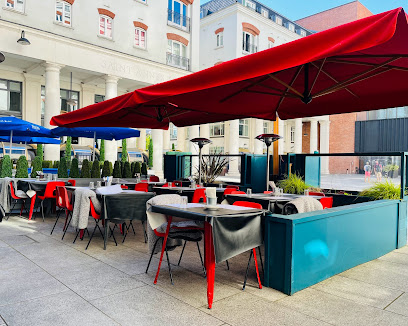
Mumbai 27
0.8 km
Experience authentic Indian flavors and warm hospitality in the heart of Belfast’s Cathedral Quarter at Mumbai 27.
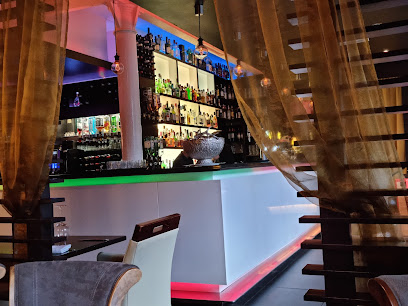
Waterman Restaurant
0.9 km
Discover Waterman Restaurant, Belfast’s Michelin-recognized spot for seasonal European cuisine in a stylish, relaxed setting with local charm.
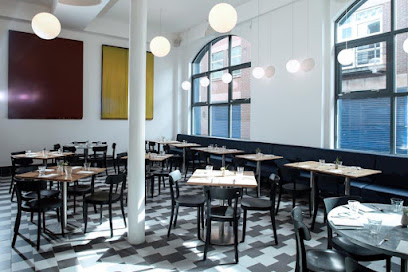
The Muddlers Club Restaurant
0.9 km
Michelin-starred modern European dining in Belfast’s historic Cathedral Quarter, blending local flavors with a stylish industrial atmosphere.
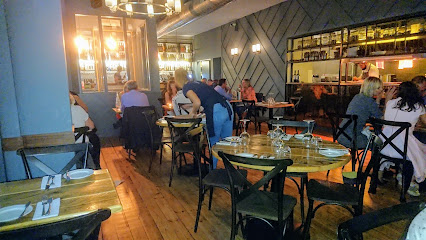
Bank Square Brasserie
0.9 km
French bistro elegance meets Northern Irish ingredients in Belfast's most welcoming modern European brasserie.
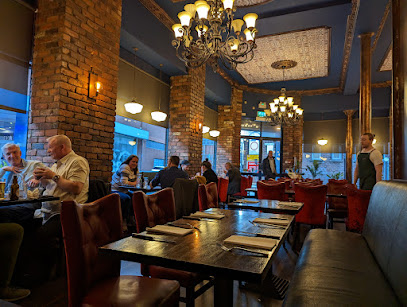
The Thirsty Goat Belfast
1.0 km
Discover Belfast's vibrant culinary scene at The Thirsty Goat, where delicious grilled dishes meet an extensive beverage selection.
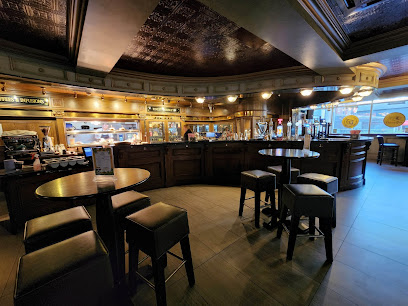
The Northern Whig
1.0 km
Experience the best of Belfast dining at The Northern Whig, where traditional flavors meet modern culinary art in an inviting atmosphere.
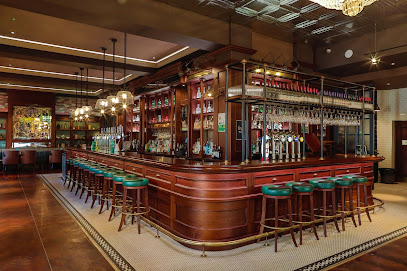
Six By Nico Belfast
1.0 km
Discover Belfast’s vibrant Six By Nico, where inventive six-course tasting menus transform culinary themes into unforgettable dining adventures.
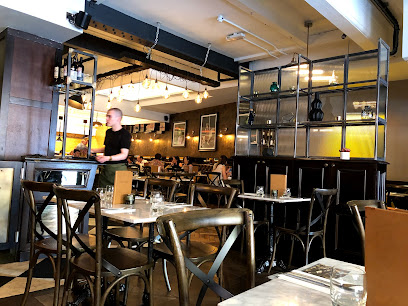
Mourne Seafood Bar
1.0 km
Fresh, locally sourced seafood served in a lively, rustic setting in Belfast’s city centre with a welcoming atmosphere.
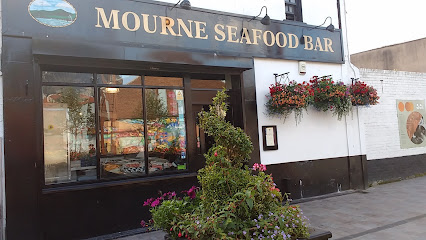
The Great Room Restaurant, Belfast
1.0 km
Experience Belfast’s finest Victorian dining beneath Ireland’s largest chandelier with exquisite local cuisine and impeccable service.
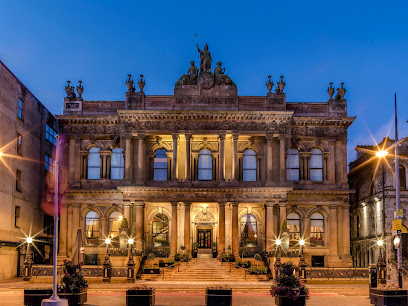
City Picnic
1.1 km
Savor award-winning burgers and a lively, family-friendly vibe in the heart of Belfast’s city centre at City Picnic.
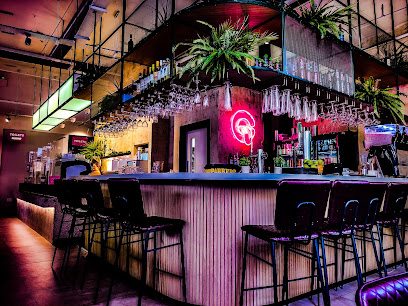
Novelli at City Quays
1.1 km
Stylish Mediterranean brasserie on Belfast’s waterfront with stunning harbor views and all-day dining.
Markets, malls and hidden boutiques

Top Gift
0.9 km
Discover unique souvenirs and local treasures at Top Gift, Belfast's charming gift shop offering an eclectic selection for every traveler.
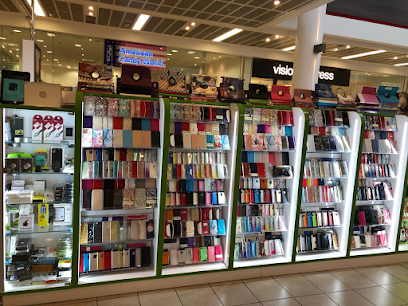
The Name Shops - Belfast
0.9 km
Personalised baby gifts and children's clothing with on-demand embroidery in Belfast's premier shopping centre.
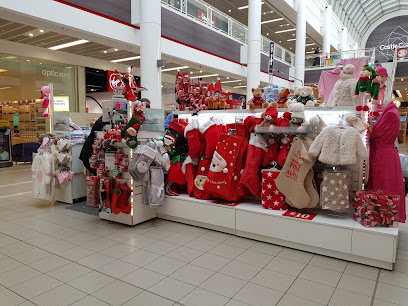
Fuzz Vintage
0.9 km
Unearth timeless retro treasures at Fuzz Vintage, where Belfast's Rosemary Street hides eclectic clothing from decades past in a shopper's paradise of sustainable style.
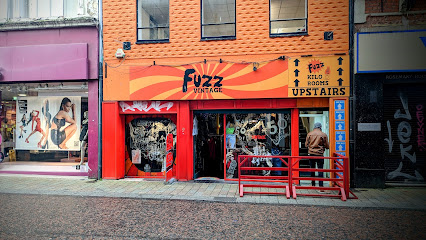
The Holy Shop
1.0 km
Belfast's cherished repository of rosaries, christening gifts, and spiritual treasures beside the city's mother church on historic Chapel Lane.
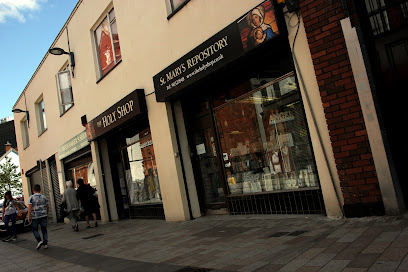
Forsight Belfast
1.0 km
Discover unique vintage fashion while supporting vital services for the visually impaired at ForSight Belfast’s charity shop.
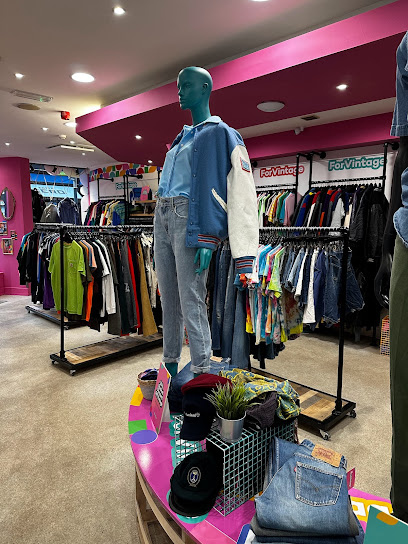
Petty Kingdom Vintage Clothing & Records
1.0 km
Discover curated vintage fashion and classic records in the heart of Belfast’s city centre at Petty Kingdom.
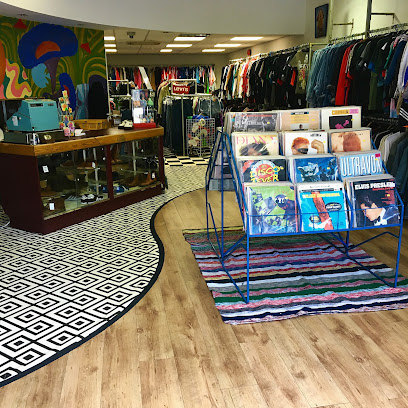
Art Loves at The Merchant
1.0 km
Discover a curated emporium of art-led gifts and homewares within Belfast’s iconic Merchant Hotel, celebrating creativity and craftsmanship.
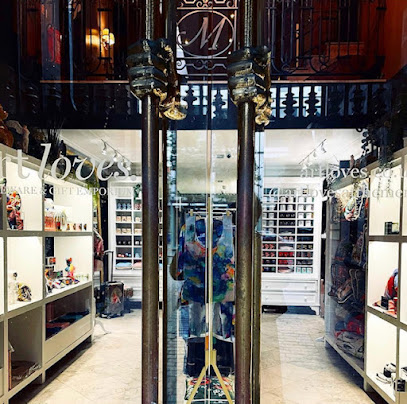
Carrolls Irish Gifts - Belfast
1.1 km
Discover authentic Irish treasures at Carrolls Irish Gifts in Belfast's bustling Castle Place—a shopper's haven for Claddagh rings, Aran knits, Guinness gear, and gourmet hampers evoking the Emerald Isle's timeless charm.
Young Savage - Vintage Clothing, Records and Books
1.1 km
Discover Belfast’s vibrant vintage gem offering unique clothing, rare records, and curated books in a welcoming, multi-floor cultural haven.
Montblanc Boutique Belfast
1.2 km
German luxury craftsmanship in Belfast's Victorian arcade—where timeless elegance meets artisanal mastery.
Little Heart
1.2 km
Discover heartfelt wire art and whimsical keepsakes in Belfast's sole Victorian arcade—a boutique gem blending heritage charm with personal creativity.
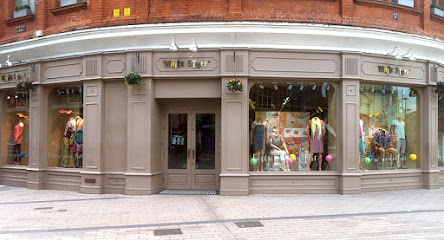
White Stuff Belfast
1.2 km
Discover stylish, sustainable fashion for all ages at White Stuff Belfast, where quality meets conscious design in the city centre.
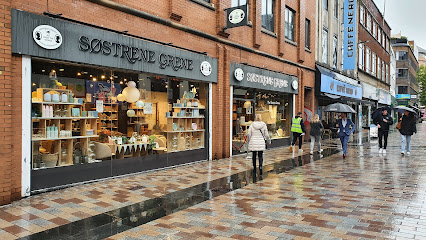
Søstrene Grene
1.2 km
Discover Scandinavian charm and creativity at Søstrene Grene Belfast, your cozy craft and home decor destination in the city center.
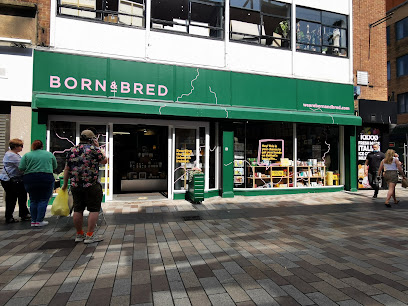
Born and Bred
1.2 km
Explore Born and Bred in Belfast for unique Irish gifts and souvenirs that capture the spirit of Northern Ireland.
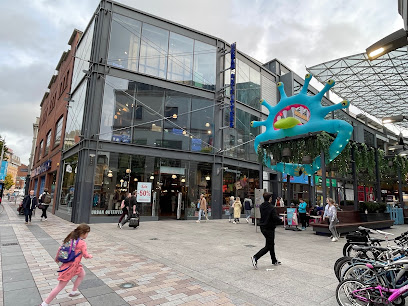
Urban Outfitters
1.2 km
Discover Urban Outfitters Belfast on Ann Street — where cutting-edge fashion meets creative lifestyle in Northern Ireland’s vibrant capital.
Essential bars & hidden hideouts

The Reporter. Bar
0.5 km
A cozy, quirky, dog-friendly bar in Belfast with great bottled beers, live music, and a welcoming atmosphere for all.
Sunflower Public House
0.6 km
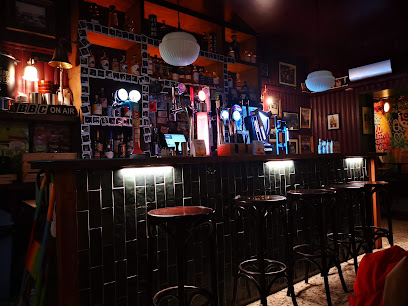
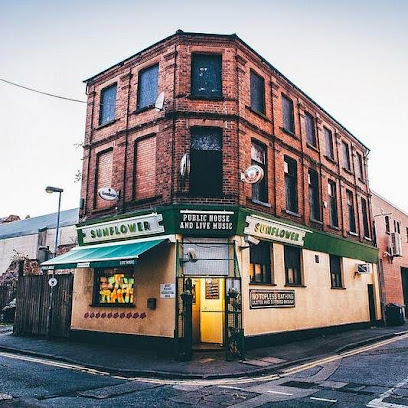
Belfast's authentic corner pub with Troubles-era charm, live music nightly, wood-fired pizzas, and a buzzing garden—where history meets hearty ales and eclectic vibes.
The Dark Horse
0.9 km
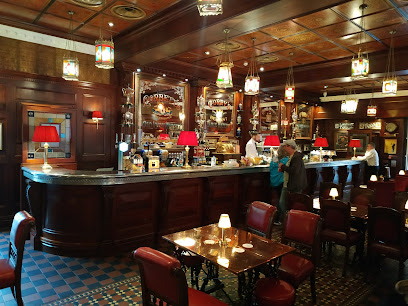
Quirky Cathedral Quarter pub with historic artifacts, poetic courtyard, Game of Thrones door, and superb drinks amid Belfast's cobbled charm.
The Black Box
0.9 km
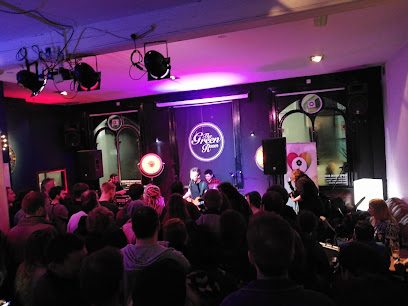
Belfast's intimate arts hub: live music, comedy, theatre, and casual bar vibes in a historic townhouse setting.
39 Gordon Street
0.9 km
Vibrant Cathedral Quarter cocktail bar pulsing with live music, craft drinks, and tasty tacos in Belfast's historic heart.
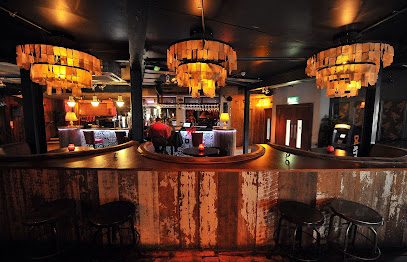
Maddens
0.9 km
Discover the authentic charm of Maddens, a traditional Irish pub in Belfast known for its welcoming atmosphere and delightful local brews.
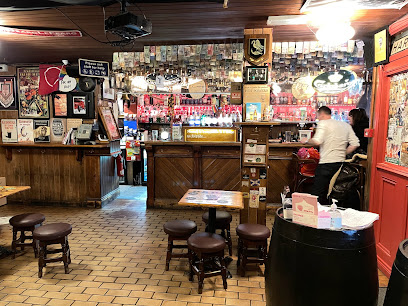
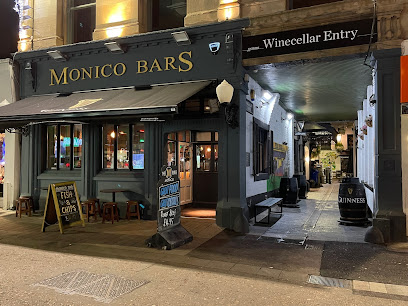
Monico Bars
1.0 km
Classic Belfast pub on Lombard Street pouring pints, serving stews, and screening sports in a lively city-center haven.
The American Bar
1.0 km
Historic Sailortown pub pouring perfect pints, live tunes, and bargain bites in Belfast's Docklands—a raw gem for locals and music seekers.
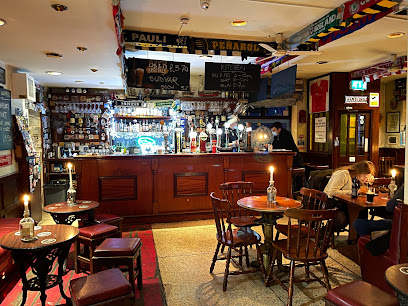
Nancy Mulligans Bar & Kitchen
1.0 km
A lively Belfast gastropub blending traditional Irish hospitality with live music, hearty food, and spirited sports viewing.
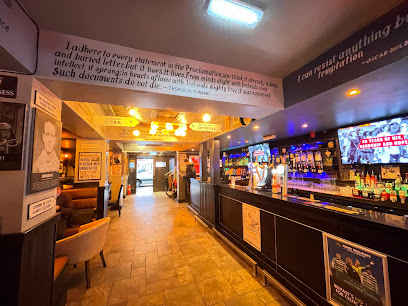
The Spaniard
1.0 km
A cozy, quirky pub in Belfast’s Cathedral Quarter, famed for its lively music, extensive rum selection, and intimate atmosphere.
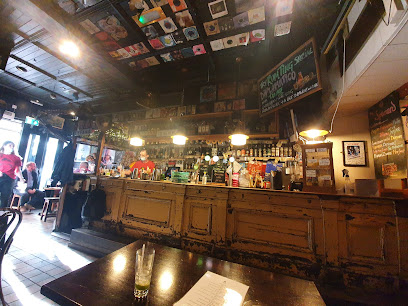
Bert's Jazz Bar
1.1 km
Discover the vibrant atmosphere of Bert's Jazz Bar in Belfast, where live music, exceptional cocktails, and delectable cuisine create an unforgettable experience.
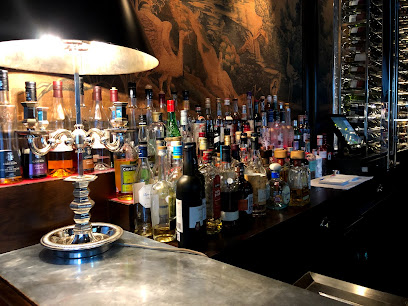
The National
1.1 km
Victorian grandeur meets modern Belfast buzz in this multi-bar haven for all-day eats, drinks, and live tunes on lively High Street.
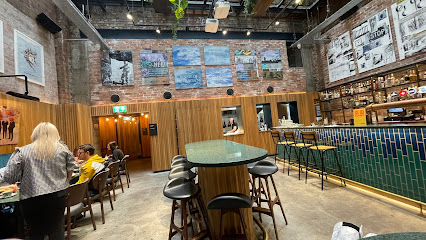
Ulster Sports Club
1.1 km
Experience the lively atmosphere of Ulster Sports Club, Belfast's top sports bar, offering delicious food, live music, and an electric ambiance.
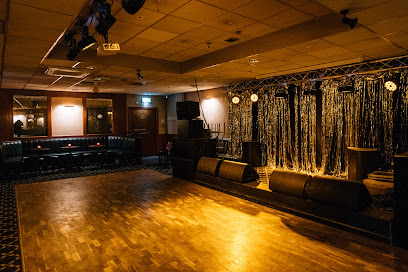
Henry's
1.1 km
A lively Belfast pub and restaurant blending historic charm with modern dining, live music, and a vibrant social scene.
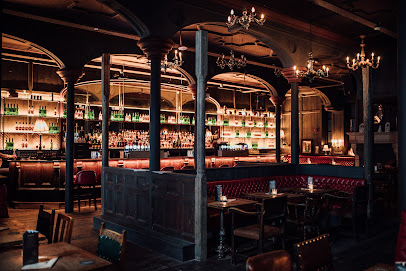
The Jailhouse
1.1 km
Historic Belfast pub blending vintage charm with lively cocktails and hearty fare in a character-filled setting at Joy’s Entry.
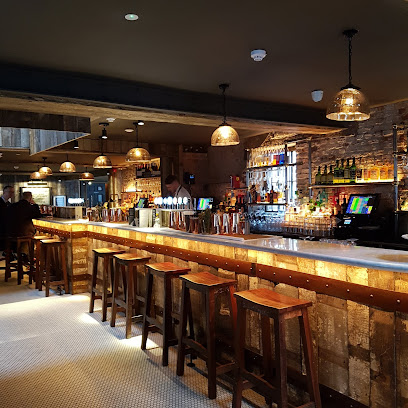
Nightclubs & after hour spots

Boombox Belfast
0.5 km
A lively and inclusive gay nightclub in Belfast’s Cathedral Quarter, renowned for drag shows, DJ nights, and a welcoming queer atmosphere.
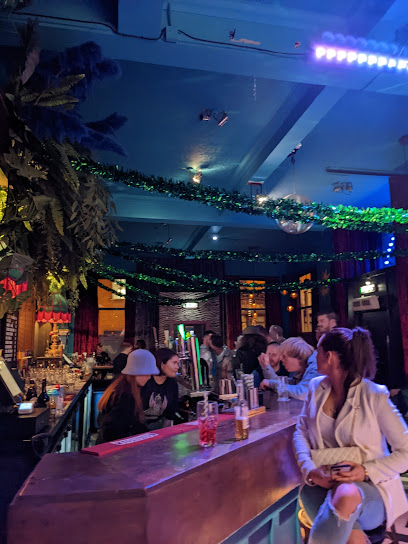
The Art Department
0.5 km
Experience the electrifying nightlife at The Art Department, Belfast's ultimate dance club with an artistic twist.
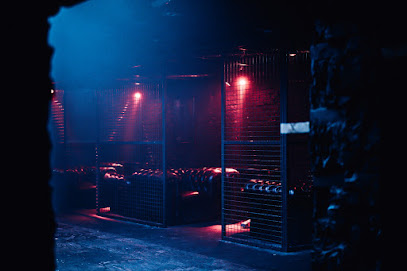
Anthology Ni
0.5 km
A high-energy Belfast nightclub within the Kremlin complex, known for DJ nights, themed performances and lively late‑hour clubbing.
Shoe Factory
0.5 km
Experience the lively and inclusive nightlife at Shoe Factory, Belfast's top gay nightclub, where music, dance, and celebration come together.
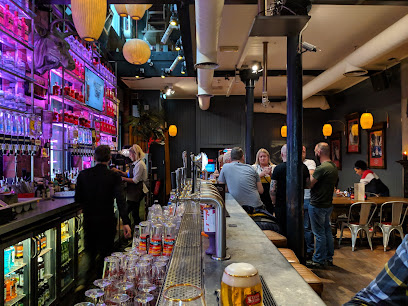
Kremlin
0.6 km
Belfast's beating heart of gay nightlife: dance floors ablaze, cocktails flowing, and community vibes till dawn on Donegall Street.
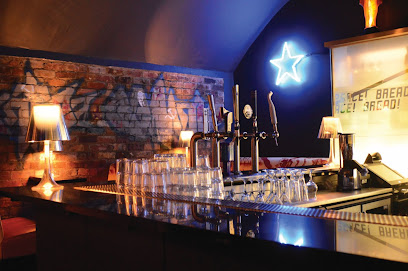
Craics Ninety
0.9 km
A compact, high‑energy clubnight in Belfast’s Common Market that celebrates 1990s music with DJs, themed entertainment and a pulsing dance atmosphere.
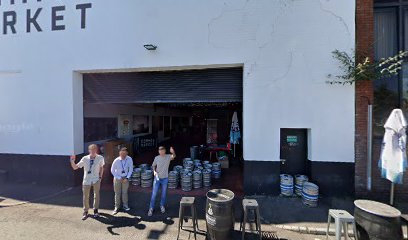
Club Lux
0.9 km
Dive into Belfast's vibrant nightlife at Club Lux, the ultimate disco club and bar experience with electrifying music and great company.
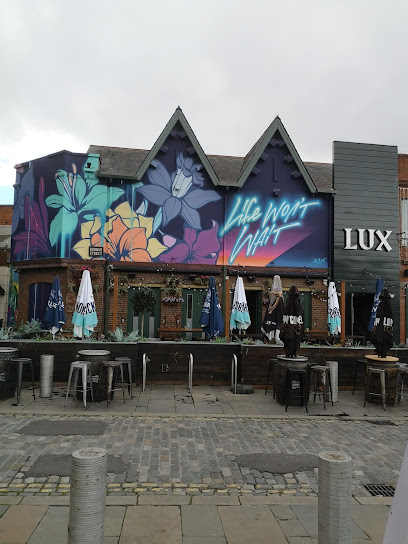
Ollie's Belfast
1.0 km
A compact, late-night nightclub beneath The Merchant Hotel — brick-vaulted interiors, VIP booths and a focused dancefloor for weekend clubbing.
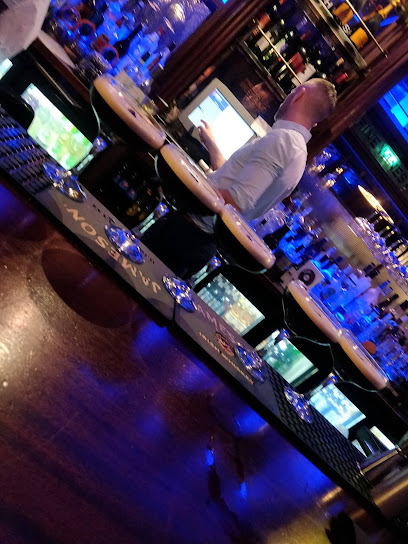
Voodoo
1.1 km
Experience the electric atmosphere of Voodoo, Belfast's top night club, featuring live music, great drinks, and an unforgettable nightlife experience.
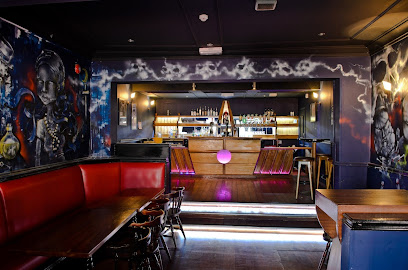
Thompsons Garage
1.3 km
Experience the vibrant nightlife of Belfast at Thompsons Garage, where music, dancing, and unforgettable memories await every night.
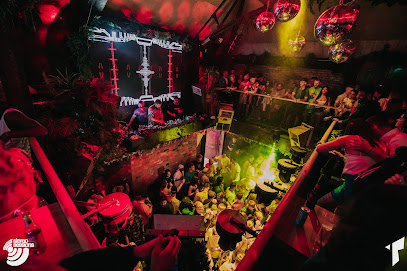
Cabaret Supper Club
1.3 km
Discover the vibrant nightlife of Belfast at Cabaret Supper Club, where exquisite dining meets captivating performances for an unforgettable experience.
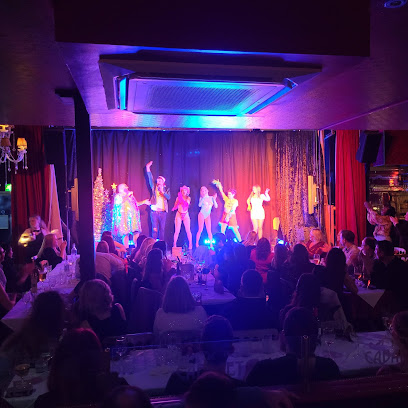
Alibi
2.2 km
Energetic R&B nightclub with guest DJs, cocktails, and a lively terrace in Belfast’s vibrant Queen’s Quarter.
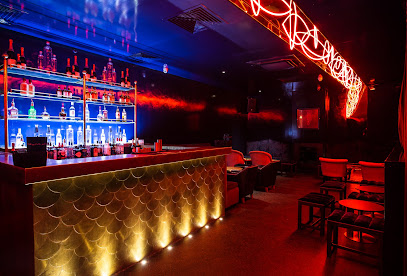
Scratch Nightclub
2.3 km
Experience Belfast’s vibrant nightlife at Scratch Nightclub, where diverse music and a lively atmosphere create unforgettable late-night memories.
Club Honey
2.4 km
Experience Belfast’s vibrant nightlife at Club Honey, where energetic music and lively crowds create unforgettable nights on Falls Road.
Saturday Night Nightclub
14.7 km
Experience the vibrant pulse of Newtownards nightlife at Saturday Night Nightclub, where music, dancing, and social energy come alive.
For the vibe & atmosphere seeker
- Tranquil
- Scenic
- Unique
For the design and aesthetic lover
- Historic
- Vintage Styles
For the architecture buff
- Historic
- Heritage Neighborhoods
For the view chaser and sunset hunter
- Iconic Views
For the social media creator & influencer
- Photo Spots
- Architectural Shots
For the eco-conscious traveler
- Protected Area
- Locally Managed
For the kind of experience you’re after
- Cultural Heritage
- Myth & Legends
- Photowalk
- Day Trip
For how adventurous you want the journey to be
- Easy Access
Location Audience
- Family Friendly
- Senior Friendly
- Solo Friendly
- Couple Friendly
- Wheelchair Access


