Carnegie Oldpark, Belfast Travel Guide
Free Guide: Historic Tudor-style Carnegie Library in North Belfast, now a community-led hub for education, arts, and regeneration.


A brief summary of Carnegie Oldpark
Historic Tudor-style Carnegie Library in North Belfast, now a community-led hub for education, arts, and regeneration.
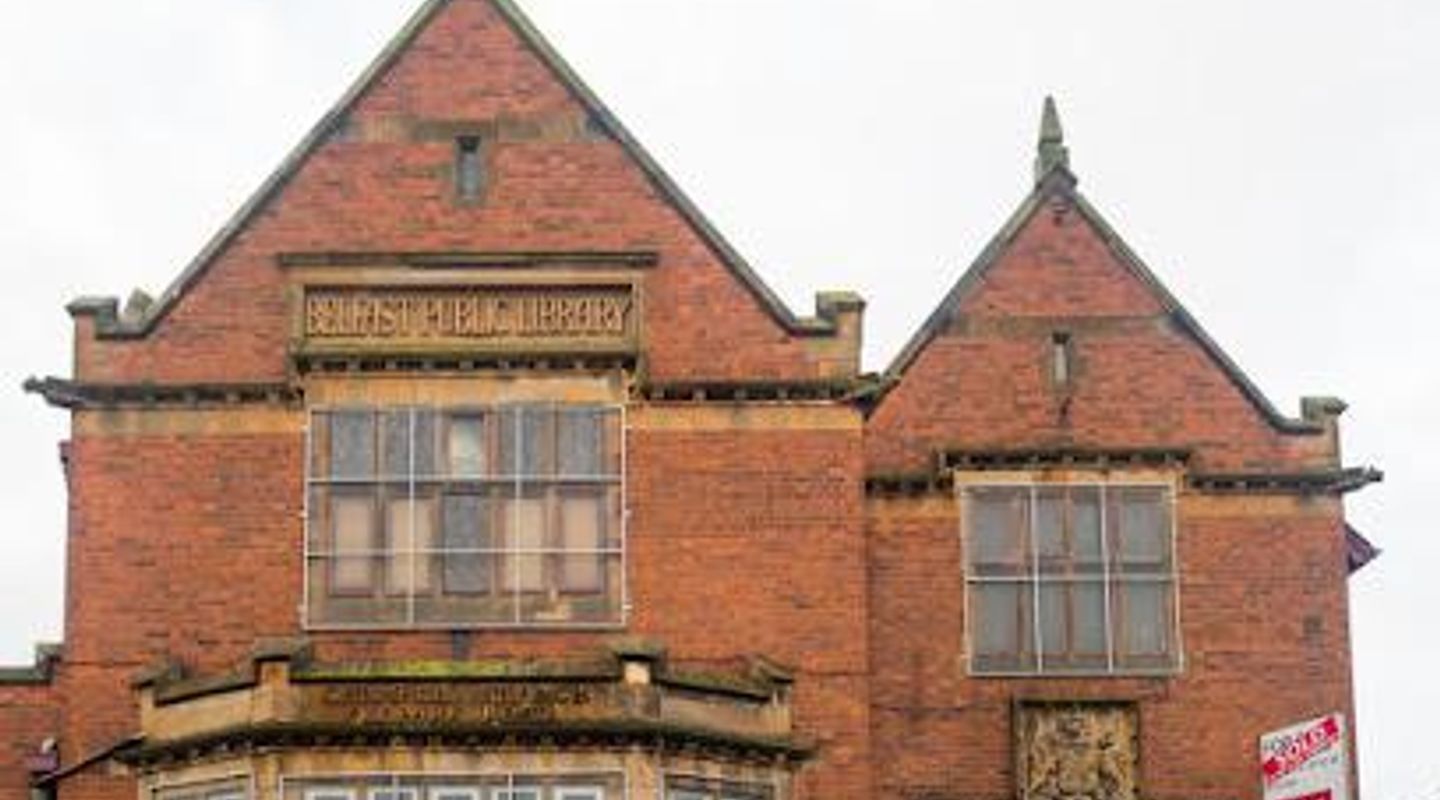
Carnegie Oldpark Library, located at 46 Oldpark Road in Belfast, is a historic Tudor-style building opened in 1906 with funding from Andrew Carnegie. Serving North Belfast for over a century, it was a vital public library fostering education and literacy. Though closed in 2010, it is now a community-led project aiming to restore and repurpose the library as a vibrant hub for education, arts, and social enterprise, preserving its legacy of democratizing knowledge.
On-site amenities
 Restrooms
 Information boards
Opening hours
- Mon9:30 am–5 pm
- Tue9:30 am–5 pm
- Wed9:30 am–5 pm
- Thu9:30 am–5 pm
- Fri9:30 am–5 pm
- Sat10:30 am–1 pm
- SunClosed
Opening hours as listed on the venue’s Google Business Profile. Hours can change for services and special events, so check with the venue before you go.
- Address
- 46 Oldpark Rd, Belfast BT14 6FR
- Phone
- Website
Getting there
Bus
Taxi
Walking
Discover more about Carnegie Oldpark
Origins and Philanthropic Vision
Carnegie Oldpark Library was established in 1906 as part of a philanthropic initiative by Andrew Carnegie, the Scottish-American steel magnate renowned for funding over 2,500 libraries worldwide. Belfast Corporation secured £15,000 from the Carnegie Trust to build three branch libraries, with Oldpark Library being the first and constructed in a distinctive Tudorbethan architectural style for under £5,000. It replaced a temporary branch and opened with a collection of 4,000 volumes, immediately becoming a key educational resource for North Belfast residents.
Architectural and Cultural Significance
The library is an iconic example of Tudorbethan architecture, characterized by its historic design elements that blend Tudor and Elizabethan influences. This style gives the building a unique character within Belfast’s architectural landscape. The library was more than a repository of books; it housed newspapers and periodicals catering to diverse tastes, reflecting the community’s broad intellectual interests. Librarians upheld strict ethical standards, ensuring materials promoted positive moral values.
Community Impact and Historical Role
During its first month, Carnegie Oldpark attracted over 4,400 visitors, highlighting its immediate popularity. Andrew Carnegie himself visited in 1910, delivering a speech on the importance of free libraries and literacy, marking his last visit to Ireland. The library played a crucial role in democratizing education in Belfast, providing free access to learning resources at a time when most libraries were private or subscription-based.
Decline and Revival Efforts
Public funding cuts and declining patronage led to the library’s closure in 2010. However, the building was purchased by community leaders and the Northern Ireland Foundation, who envision transforming it into a thriving community hub. Plans include restoration, conservation, and repurposing the space for education, training, arts, and social enterprise, aiming to revitalize the Oldpark area and honor Carnegie’s legacy of accessible education.
Current Vision and Community Engagement
The Lower Oldpark Community Association, with support from the Northern Ireland Foundation, leads the restoration initiative. They aim to raise £1 million to conserve the building and establish a social enterprise model. The vision includes commercial office rentals upstairs to fund free community activities such as education programs, arts workshops, and social events. This project represents a beacon of regeneration amid nearby historic sites and emerging community hubs.
Legacy and Future Prospects
Carnegie Oldpark Library stands as a testament to Belfast’s educational and architectural heritage. Its revival is poised to reconnect the community with a historic symbol of learning and social progress. The project embodies the enduring principles of Andrew Carnegie’s philanthropy—democratizing access to knowledge and fostering community empowerment through culture and education.
Evendo Review Centre
 Google
Guest reviews
Best time to go
Quietest: Jan, Feb & Dec · before 9am or from 7pm
Busy times are Evendo estimates for a typical year, to help you plan. Actual crowds vary with events, school holidays and the weather.
Explore Carnegie Oldpark on the map
A handpicked selection of must-see spots near Carnegie Oldpark, mapped for you.
Get your free copy of our complete guide to Carnegie Oldpark, delivered straight to you.
Everything on this page, from opening hours and how to get there to Eve’s tips and the best time to go, in one PDF you can read offline, print or share.
Already have an account? Sign in
Your Carnegie Oldpark guide is ready.
We'll send it to · Not you? Sign out

Getting your guide ready…
We are putting together a fresh copy of the Carnegie Oldpark guide. This can take up to a minute.
This can take a few moments. If your browser asks, choose Allow so the download can start. You'll find the guide in your Downloads folder.
Nothing happened? Download it again
Sorry, the guide is taking longer than usual. Please try again in a minute, or get it by email instead.
Unlock the best of Carnegie Oldpark
Skip-the-line tickets, guided tours with entry, and walking tours of the area, booked in a few clicks.


Other nearby places you may find interesting
The closest places of the same kind, if this one is not quite what you had in mind.
-
-
-
-
-


Swipe for more places
More to explore near Carnegie Oldpark

 Best experiences near Carnegie Oldpark
 Best hotels near Carnegie Oldpark
 Best landmarks near Carnegie Oldpark
 Best attractions near Carnegie Oldpark
 Best shops near Carnegie Oldpark
 Best restaurants near Carnegie Oldpark
 Best bars near Carnegie Oldpark
Do you manage this location?
Take control to get all the benefits, like improved information, better appearance, and stronger visibility across AI-powered discovery.
Explore more

Explore more of Belfast
Discover Belfast, a city of history, culture, and modern charm, where the legacy of the Titanic meets vibrant street life and stunning natural beauty.
Explore Belfast
Explore more of United Kingdom
Discover the United Kingdom: A blend of rich history, stunning landscapes, and vibrant cities, offering a unique travel experience for every visitor.
Explore United Kingdom