
Whitchurch Bridge: Historic Thames Toll Crossing
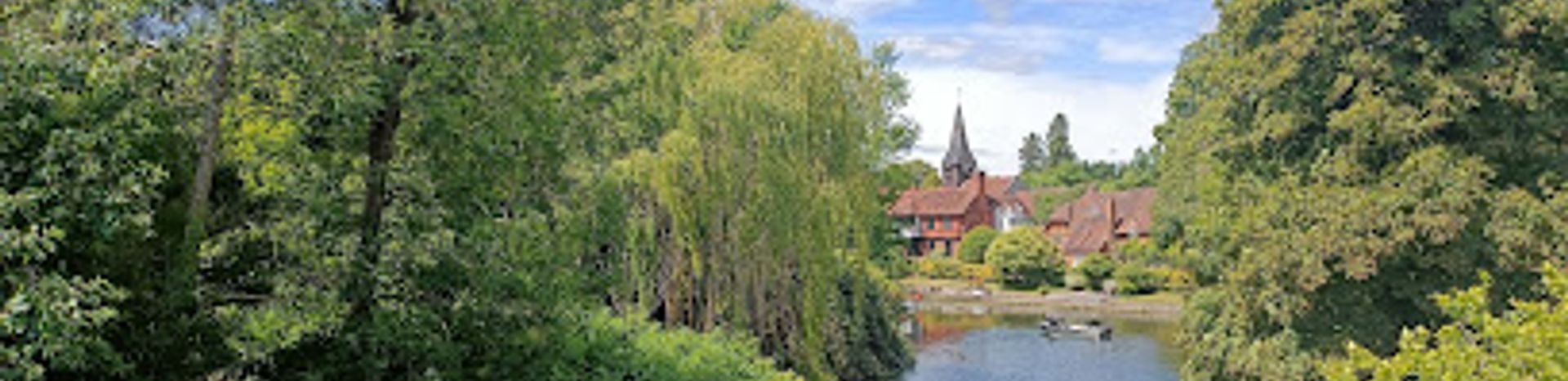
Historic white lattice iron toll bridge linking Pangbourne and Whitchurch-on-Thames over the scenic River Thames.
Whitchurch Bridge is a Grade II listed iron toll bridge spanning the River Thames between Pangbourne, Berkshire, and Whitchurch-on-Thames, Oxfordshire. Established in 1792, it replaced a ferry and has been rebuilt several times, most recently in 2014, preserving its distinctive white lattice iron design. This private toll bridge offers scenic views of the Thames and connects two charming English villages, blending heritage with ongoing community use.
A brief summary to Whitchurch Bridge
- Whitchurch Rd, Reading, Pangbourne, RG8 7DA, GB
- +441189843126
- Visit website
- Duration: 0.5 to 2 hours
- Budget
-
 Outdoor
- Mobile reception: 4 out of 5
- Monday 12 am-12 am
- Tuesday 12 am-12 am
- Wednesday 12 am-12 am
- Thursday 12 am-12 am
- Friday 12 am-12 am
- Saturday 12 am-12 am
- Sunday 12 am-12 am
Local tips
- Bring change for the toll when crossing by vehicle; pedestrian crossing is free.
- Visit during daylight to fully appreciate the scenic river views and bridge architecture.
- Explore nearby Pangbourne Meadows for riverside walks and local history.
- Use the Thames Path crossing at the bridge for a pleasant walking route between villages.

For the on-the-go comforts that matter to you
- Restrooms
- Drink Options
- Food Options
- Seating Areas
- Information Boards
Getting There
-
Train and Bus
From Reading railway station, take a direct train to Pangbourne (approximately 15 minutes). From Pangbourne station, a 15-minute walk along Whitchurch Road leads to Whitchurch Bridge. Local buses connect Reading to Pangbourne with services running hourly; fares range from £3 to £6.
-
Car
Driving from central Reading to Whitchurch Bridge takes about 20-30 minutes via the A329 and B471. Limited parking is available near the bridge in Pangbourne village. A toll applies when crossing the bridge by vehicle, currently 40p per car. Note the bridge has a 7.5-tonne weight limit.
-
Walking
For walkers, the Thames Path offers a scenic route connecting Pangbourne and Whitchurch-on-Thames via the bridge. The terrain is mostly flat and accessible, suitable for all fitness levels, with a walking time of approximately 20 minutes from Pangbourne village center.
Whitchurch Bridge location weather suitability
-
 Any Weather
-
 Clear Skies
-
 Mild Temperatures
-
 Rain / Wet Weather
Discover more about Whitchurch Bridge
A Legacy of Thames Crossings
Whitchurch Bridge stands on a historic crossing point of the River Thames, originally replacing a ferry in 1792. The bridge has undergone several reconstructions—in 1852–3, 1902, and most recently in 2014—to maintain its structural integrity and accommodate modern traffic. The current iron lattice structure, painted white, retains the elegant design of its 1902 predecessor, symbolizing over two centuries of continuous service. It is one of only two remaining private toll bridges on the Thames, linking the villages of Pangbourne in Berkshire and Whitchurch-on-Thames in Oxfordshire.Architectural and Historical Significance
The bridge’s Grade II listing reflects its architectural and historical importance. Its cast iron lattice girders and steel spans showcase engineering techniques from the early 20th century, thoughtfully integrated with modern reinforcements installed during the 2013–14 reconstruction. The adjacent 1792 toll house, also listed, stands as a reminder of the bridge’s long-standing role in regional transport. The bridge carries the B471 road and supports a weight limit of 7.5 tonnes, balancing heritage preservation with functional use.Community and Cultural Context
Whitchurch Bridge is more than infrastructure; it is a vital link between two historic communities. Crossing the bridge marks the transition from Berkshire to Oxfordshire, and it serves pedestrians and vehicles alike. The Thames Path crosses here, inviting walkers to enjoy riverside meadows and countryside views. Nearby Pangbourne Meadows, once a Royal Engineers training ground during World War II, adds to the area’s rich tapestry of local history and natural beauty.Toll Tradition and Modern Use
The bridge remains a toll crossing, continuing a practice dating back to its inception. Original tolls were modest, but over time, adjustments have been made to support maintenance and upgrades, including a notable increase approved in 2009. The toll system preserves the bridge’s private ownership and upkeep, distinguishing it from publicly funded crossings. Despite modern changes, the bridge retains its historic charm and continues to be a functional, scenic gateway between two quintessential English villages.Scenic Views and Visitor Experience
From the bridge, visitors can enjoy sweeping views of the Thames, including sights of Pangbourne Lock and the picturesque villages on either bank. The white lattice ironwork creates an iconic silhouette against the river landscape, making it a favored spot for photography and quiet contemplation. The surrounding walking trails and nearby heritage sites offer enriching experiences for those exploring the area’s cultural and natural heritage.Preservation and Future Prospects
The 2014 reconstruction project, managed by Oxfordshire County Council and designed by Atkins, ensured the bridge’s future by reinforcing its foundations and refurbishing its historic ironwork. The bridge’s stewardship recently passed to the General Estates Company, which continues to balance preservation with community needs. Whitchurch Bridge remains a living monument to England’s river transport history, blending past and present in a scenic, functional landmark.Iconic landmarks you can’t miss

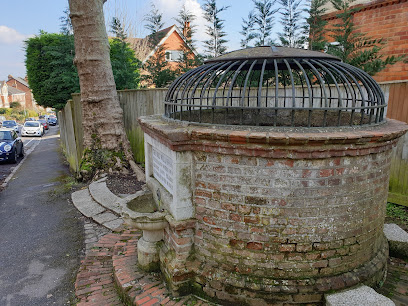
Holy Well of St Anne
7.7 km
A tranquil medieval pilgrimage site in Reading, dedicated to St Anne, echoing centuries of healing waters and local legend.
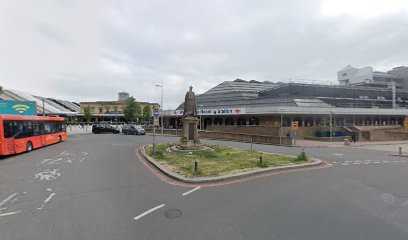
Edward VII Statue
8.5 km
A distinguished Edwardian bronze statue near Reading station, embodying regal history and artistic heritage from the early 20th century.
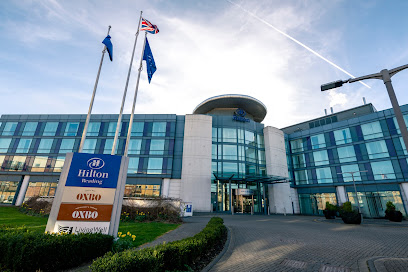
Hilton Reading
9.7 km
Discover the perfect blend of modern luxury and convenience at Hilton Reading, your ideal base to explore the vibrant city and surrounding attractions.
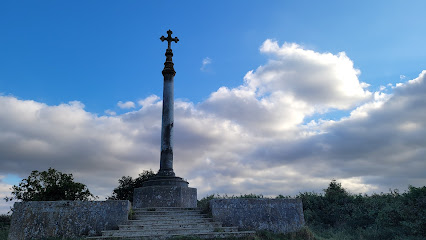
Lord Wantage Monument
22.5 km
Historic Victorian monument atop an ancient Bronze Age barrow offering scenic views and a tribute to Lord Wantage near Wantage, Oxfordshire.
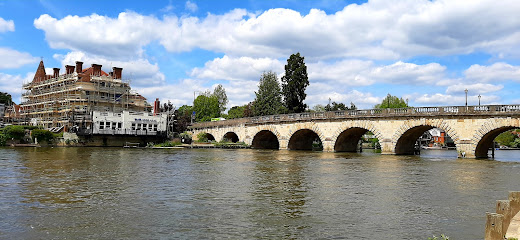
Maidenhead Railway Bridge
26.8 km
A masterpiece of Victorian engineering, Maidenhead Railway Bridge showcases Brunel’s groundbreaking design with its iconic flat brick arches spanning the Thames.
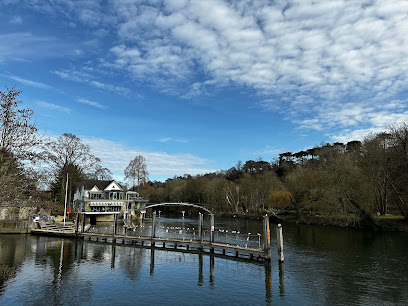
Ray Mill Island
27.3 km
Discover the tranquil beauty of Ray Mill Island, a stunning country park in Maidenhead perfect for picnics, nature walks, and family fun.
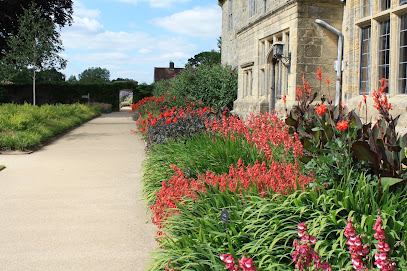
Virgin Experience Days
28.0 km
Uncover unique gifts and memorable experiences at Virgin Experience Days in Bourne End, a must-visit for every tourist seeking adventure.
Church Square
28.0 km
Discover the vibrant atmosphere of Church Square in High Wycombe, where history meets modern charm in a delightful English town setting.

River Thames
28.3 km
Discover the enchanting River Thames, a historic waterway flowing through London, offering scenic views, iconic landmarks, and vibrant cultural experiences.
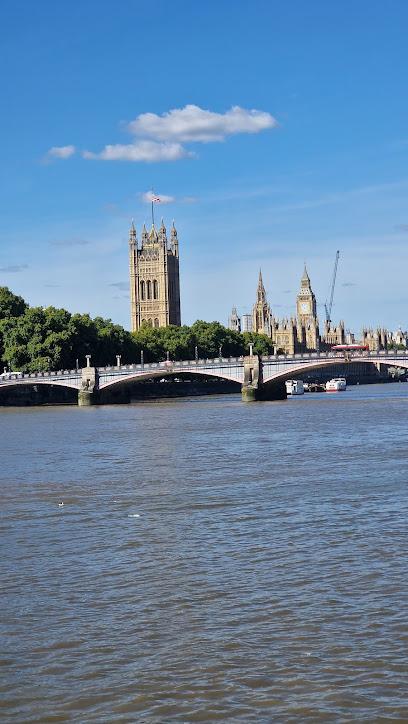
Cliveden House
28.6 km
Experience unparalleled luxury and stunning natural beauty at Cliveden House, a historic hotel and spa in the heart of Berkshire.
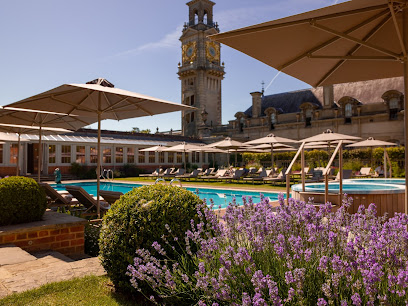
Dorney Court
28.9 km
Explore the enchanting Dorney Court, a historical landmark with stunning gardens and rich heritage, perfect for an unforgettable day out.
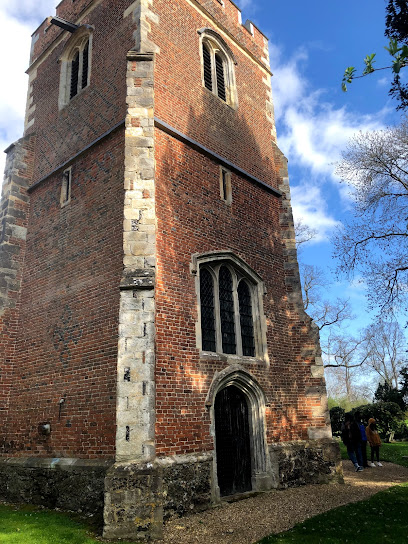
Iffley Lock
29.0 km
Explore the scenic Iffley Lock on the River Thames, a perfect blend of nature and history in tranquil surroundings.
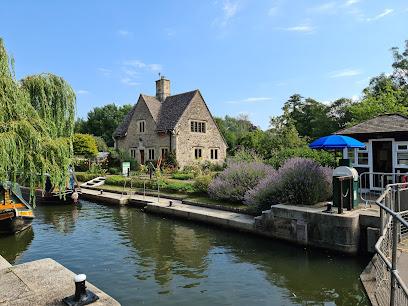
National Trust - Hughenden
29.2 km
Explore Hughenden Manor: A captivating National Trust property rich in history, stunning gardens, and Victorian charm in High Wycombe.
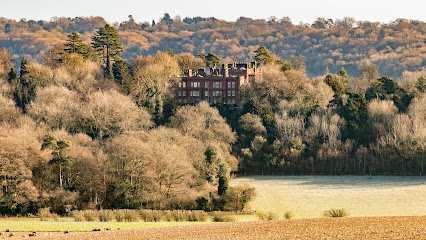
The Kidneys
30.1 km
Explore The Kidneys in Oxford, a serene nature reserve perfect for relaxation, wildlife spotting, and scenic walks amidst stunning landscapes.
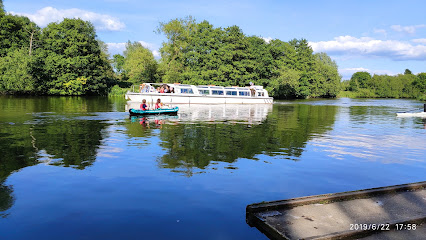
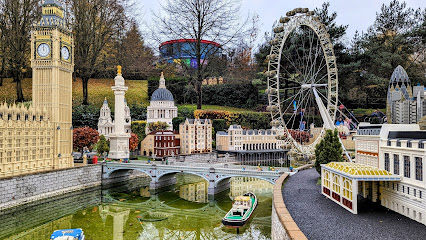
Miniland
30.1 km
Explore Miniland at LEGOLAND® Windsor, where famous landmarks are reimagined in stunning LEGO detail, offering a family-friendly adventure for all ages.
Unmissable attractions to see

Beale Wildlife Park
2.0 km
Discover native wildlife, exotic species, and family fun in scenic riverside gardens at Beale Wildlife Park near Pangbourne.
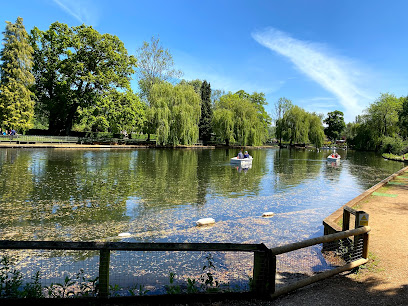
Basildon Park
2.9 km
Explore Basildon Park’s elegant Georgian mansion and 400 acres of scenic parkland, blending history, nature, and family fun near Reading.
Moor Copse Nature Reserve
3.0 km
Discover peaceful ancient woodlands and wetlands at Moor Copse Nature Reserve, a tranquil escape near Reading rich in wildlife and natural beauty.
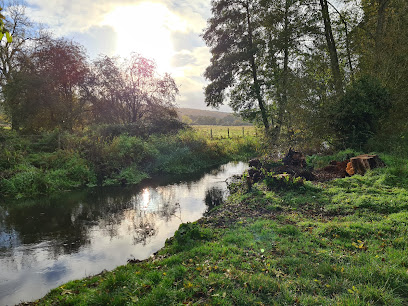
Hartslock
3.0 km
Discover rare orchids, vibrant chalk grassland, and stunning Thames views at Hartslock Nature Reserve near Reading.
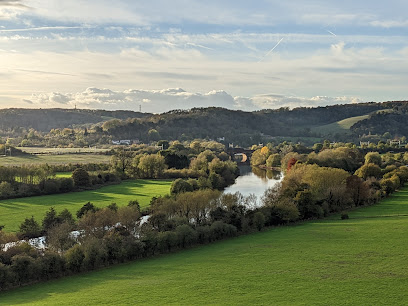
Mapledurham House
3.5 km
An exquisite Elizabethan manor by the Thames, rich in history, poetry, and timeless English charm.
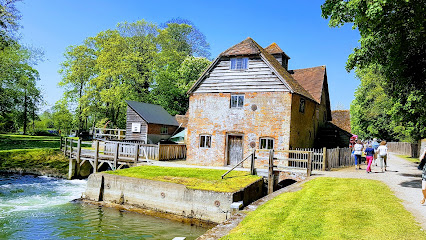
GG Wildlife Experiences Ltd.
5.9 km
Discover the Chilterns’ rich wildlife with expert-led guided walks and photography tours in serene natural habitats.
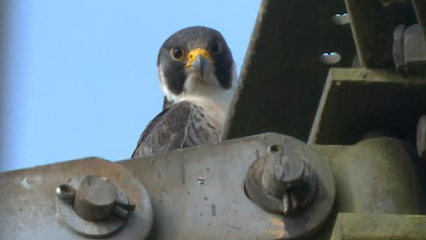
Prospect Park
6.8 km
Reading’s largest green haven blending historic charm, diverse recreation, and natural beauty across 50 hectares of parkland.
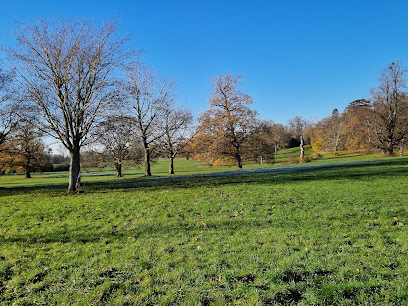
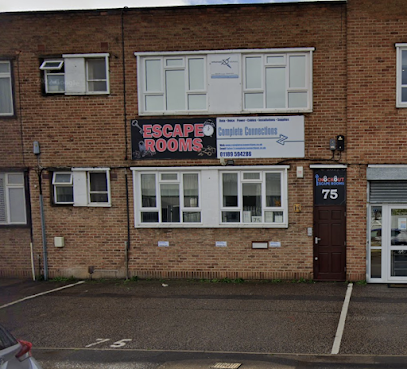
Escape Reading
7.0 km
Dive into immersive escape room adventures with thrilling puzzles and captivating stories at Escape Reading in the heart of Reading.
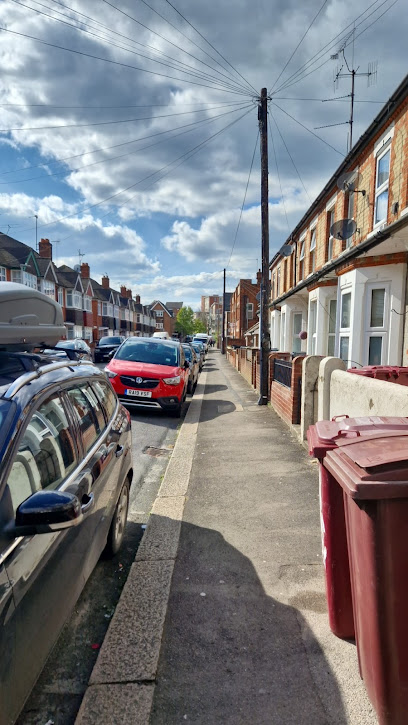
The Cunning Man
7.5 km
Rustic charm and hearty British classics await at The Cunning Man, a beloved country pub in Berkshire’s tranquil Burghfield Bridge.
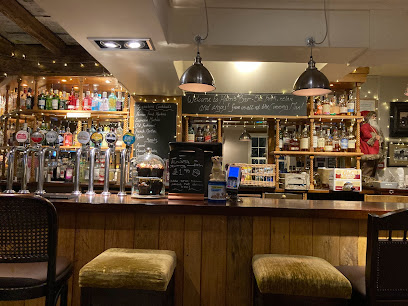
Caversham Court
7.6 km
A historic riverside garden in Reading, where centuries of history meet peaceful Thames-side walks and open-air Shakespeare under the trees.
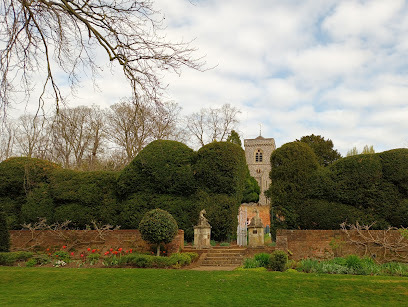
Knockout Escape Rooms
7.7 km
Engage in immersive escape room adventures with clever puzzles and lively hosts at Reading’s Knockout Escape Rooms on Milford Road.
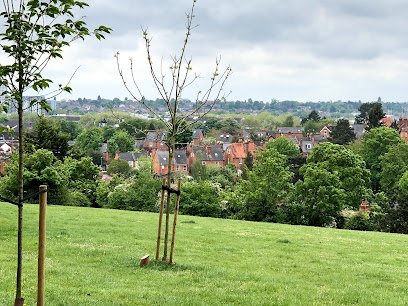
Balmore Walk
7.9 km
Discover peaceful trails and stunning views at Balmore Walk, a serene green space overlooking Reading’s Caversham suburb.
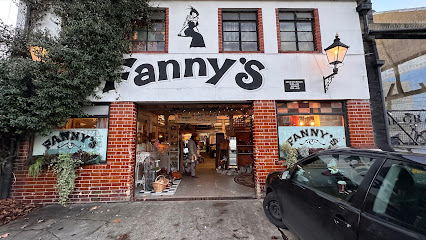
Fanny's Antiques
8.3 km
Discover Reading’s eclectic antique gem offering vintage treasures, rustic furniture, and quirky curios at affordable prices with expert staff and free parking.
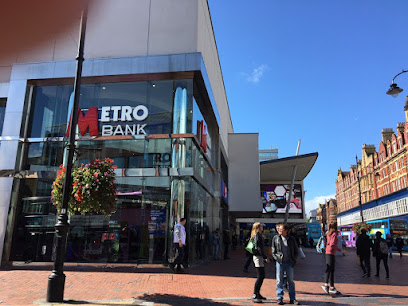
Broad Street Mall
8.4 km
A vibrant community-focused shopping and entertainment centre in Reading with diverse retail, dining, and leisure options.
Reading Museum
8.6 km
Discover Berkshire’s rich heritage through captivating exhibits and a historic setting in the heart of Reading.
Essential places to dine

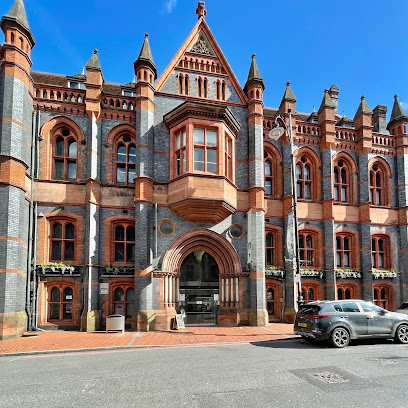
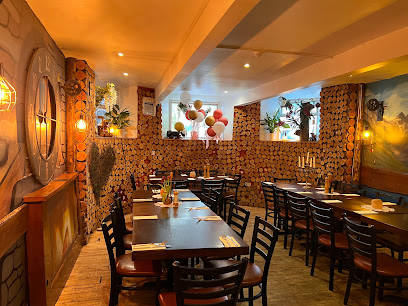
The Herd Restaurant
0.4 km
Experience expertly grilled British steaks and vibrant atmosphere in the heart of Pangbourne at The Herd Restaurant.
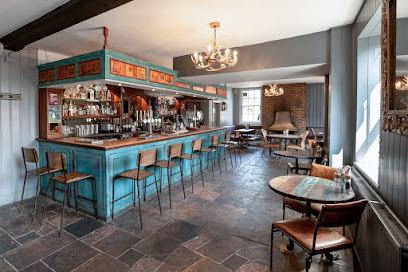
Harvester Mansion House Reading
6.6 km
Family-friendly British grill and bar in a historic setting with fresh salads and hearty meals in Reading’s Prospect Park.
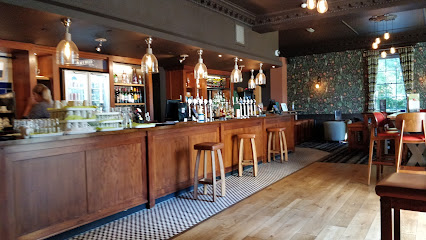
Miller & Carter Caversham
6.9 km
Savor expertly aged Black Angus steaks in a warm, inviting setting at Miller & Carter Caversham, Reading’s premier steakhouse destination.
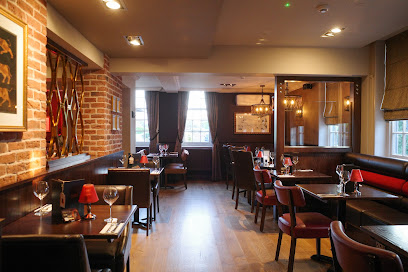
The Spring Inn
7.3 km
A charming gastropub in Sulhamstead offering locally sourced British cuisine, a vibrant drinks selection, and a welcoming countryside atmosphere.
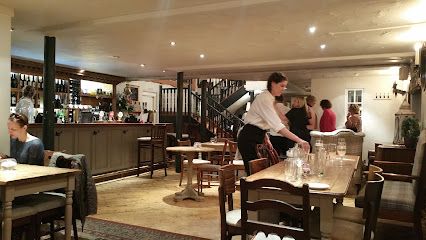
Coconut Bar & Kitchen
8.4 km
A vibrant Pan-Asian hotspot in Reading blending bold flavors, crafted cocktails, and an industrial chic vibe for all-day dining and late-night fun.
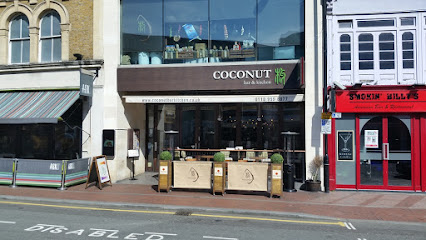
Bill's Reading Restaurant
8.5 km
Elegant Georgian setting meets hearty British fare with all-day dining, private rooms, and a sunny terrace in Reading’s town centre.
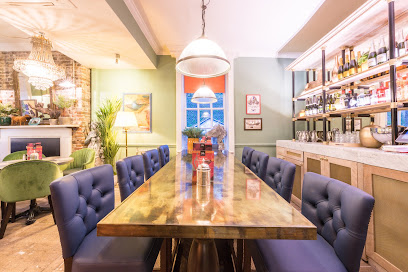
Buenasado Argentine Steakhouse - Reading
8.6 km
Savor authentic Argentinian steaks grilled to perfection in a vibrant riverside setting at Buenasado Argentine Steakhouse, Reading.
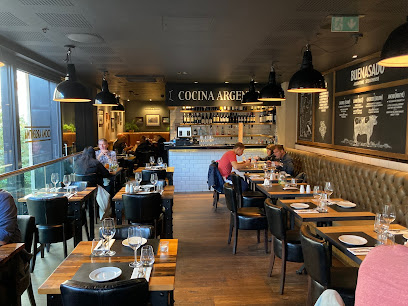
The Botanist Reading
8.7 km
Experience live music and delicious dining at The Botanist Reading - where every visit offers something new!
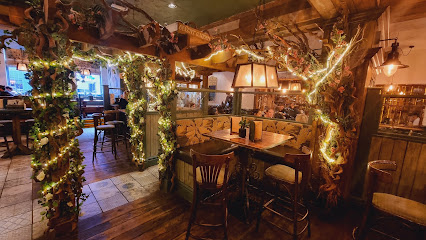
Miller & Carter Oracle
8.8 km
Savor expertly aged Black Angus steaks and vibrant bar & grill fare in the heart of Reading’s Oracle Centre.
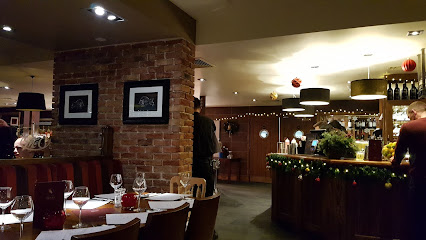
London Street Brasserie
8.9 km
Elegant riverside dining in Reading offering refined British cuisine with local, seasonal ingredients and a warm, inviting atmosphere.
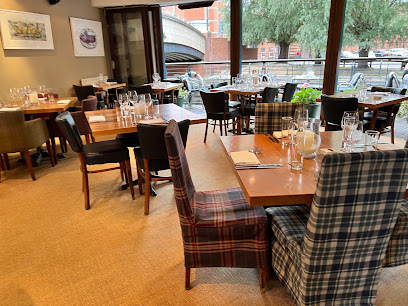
The Pot Kiln
9.2 km
Historic country inn with Basque-inspired tapas, boutique rooms, and tranquil Berkshire countryside charm.
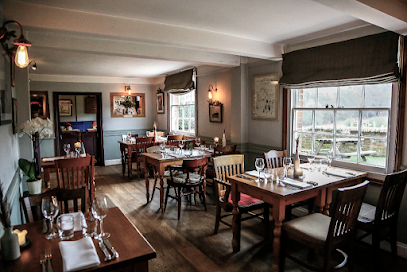
Piwnica Restaurant
9.7 km
Savor authentic Polish cuisine with generous portions and warm hospitality in a charming Reading cellar restaurant.
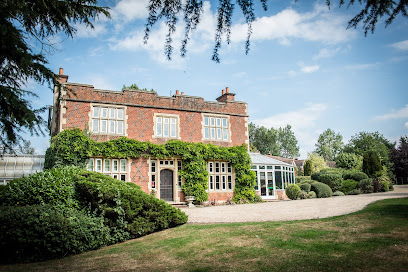
L'Ortolan
12.6 km
Experience the legacy of L'Ortolan, Reading’s iconic Michelin-starred French fine dining restaurant housed in a historic 1840s building.
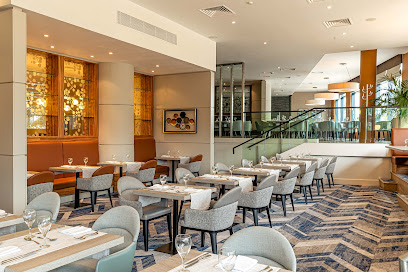
Caprice Restaurant at Crowne Plaza Reading East
14.7 km
Award-winning modern British and authentic Indian dining in a stylish setting at Crowne Plaza Reading East with a charming terrace and refined afternoon tea.
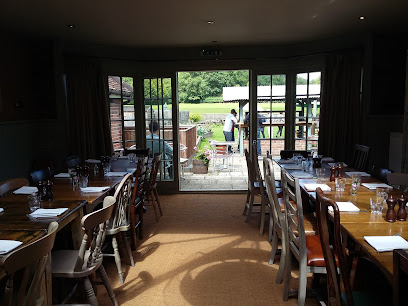
Bunk Inn Pub & Dining
15.1 km
A charming Berkshire country pub blending Mediterranean-inspired dining with classic British hospitality in the heart of Curridge.
Markets, malls and hidden boutiques

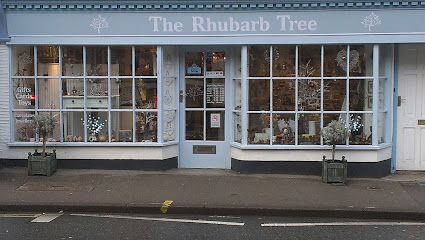
The Rhubarb Tree
0.4 km
Discover whimsical gifts, artisanal chocolates, and creative balloon art at The Rhubarb Tree, a charming boutique in Pangbourne’s historic High Street.
Well Cool Stuff
4.4 km
Explore one-of-a-kind gifts and unique souvenirs at Well Cool Stuff, a charming gift shop in Reading that celebrates local culture.
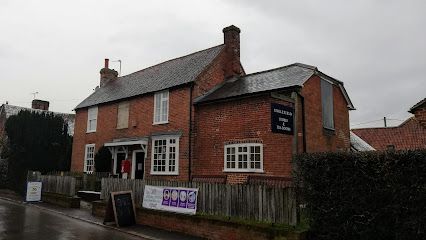
Englefield Stores & Tea Room
4.9 km
A charming village tea room and store in Englefield offering hearty meals, local produce, and a tranquil rural retreat near Reading.
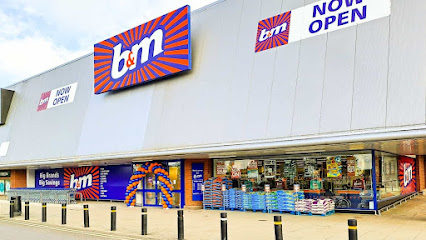
B&M Store
5.2 km
Shop smart and save big at B&M Store in Reading, where unbeatable prices meet a wide selection of products for every traveler.
Barbara's Antique and Bric a Brac Shop
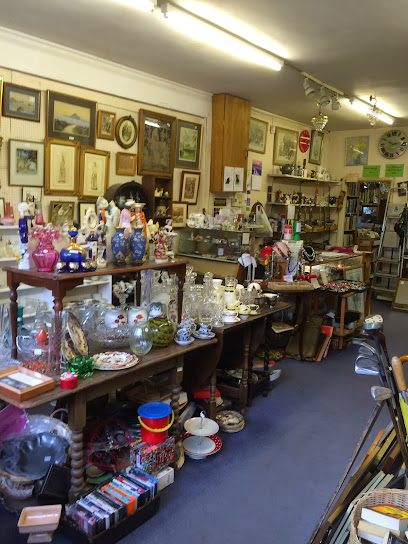
5.3 km
Discover unique vintage treasures and quirky gifts at Barbara's Antique and Bric a Brac Shop, a charming gem in the heart of Goring village.
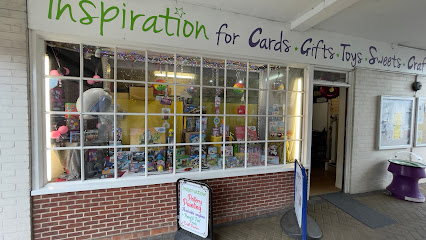
Inspiration
5.3 km
A charming gift shop in Goring Arcade offering traditional sweets, toys, stationery, pottery classes, and bespoke balloons for all occasions.
Sugarland uk
6.0 km
Discover a vibrant world of UK and American sweets at Sugarland UK, Reading’s beloved candy shop with pick-and-mix fun and next-day delivery.

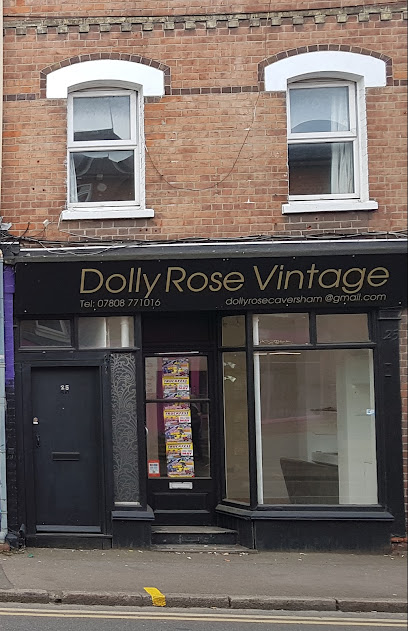
Dolly Rose Vintage Shed
8.1 km
Discover rare vintage fashion treasures and timeless style at Dolly Rose Vintage Shed, Caversham’s beloved boutique for sustainable, curated clothing.
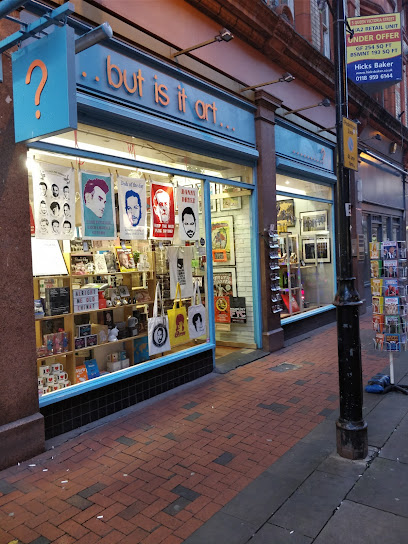
But Is It Art
8.5 km
Discover quirky, art-inspired gifts and British cultural charm at But Is It Art, Reading’s boutique for unique handcrafted treasures.
Harris Arcade
8.6 km
Discover Reading’s elegant 1930s Art Deco arcade, home to quirky independent shops and a unique vintage shopping experience.
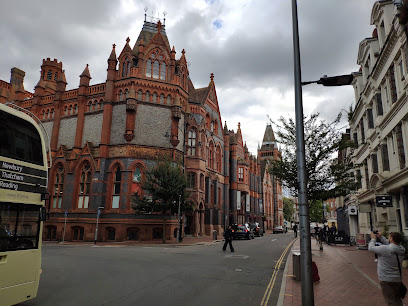
Yattendon Village Stores & Post Office
8.7 km
A welcoming village hub combining convenience shopping and postal services in the heart of Yattendon.
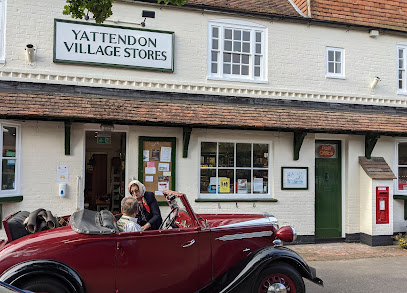
Litten Tree Antiques
10.6 km
Discover unique decorative antiques and bespoke vintage furniture in a charming historic Wesleyan Chapel in Hampstead Norreys.
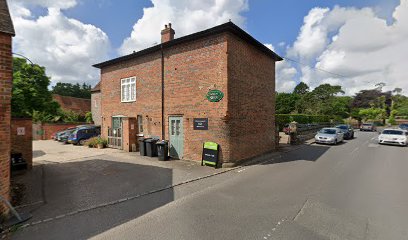
Peach's Stores
12.6 km
Discover the convenience of Peach's Stores, your go-to stop for snacks, beverages, and essentials in Reading, UK.
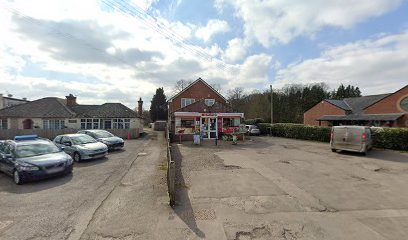
Bonmarché
16.2 km
Affordable ladies’ fashion and accessories nestled within Thatcham’s welcoming Wyevale Garden Centre.

Artisans Handmade UK
18.9 km
Discover unique handcrafted jewellery, prints, and gifts at Newbury’s beloved independent artisan shop in Parkway Shopping Centre.
Essential bars & hidden hideouts

The White Eagle
6.9 km
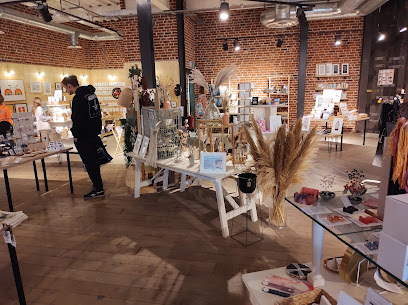
A lively Polish pub in Reading offering hearty cuisine, a vibrant beer garden, and a welcoming atmosphere for all.
The Fox and Hounds
7.1 km
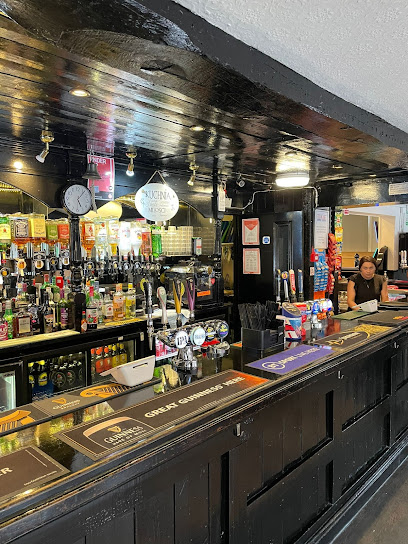
Charming dog-friendly gastropub in Sulhamstead offering hearty British fare, scenic beer garden, and a warm countryside welcome.
The Face Bar
8.0 km
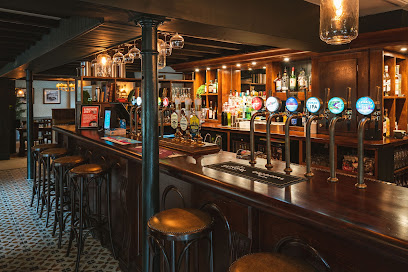
Experience Reading’s vibrant live music and club scene at The Face Bar, where two rooms bring diverse sounds and late-night energy together.
The Nag's Head
8.0 km
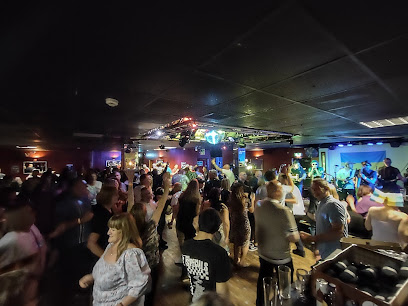
A vibrant traditional pub in Reading famed for its exceptional real ales, craft beers, and welcoming atmosphere.
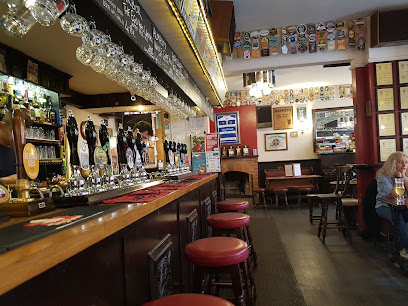
The Sesh Bars
8.2 km
Transform your event with The Sesh Bars’ stylish mobile cocktail service, delivering expert mixology and vibrant vibes in Reading and beyond.
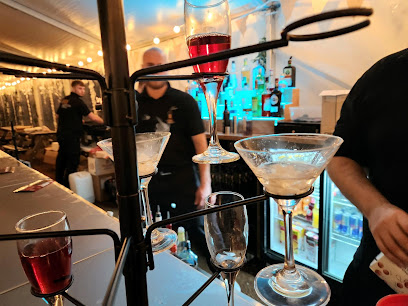
Milk Bar Reading
8.4 km
A vibrant cocktail bar in Reading blending classic flavors with creative twists and a lively urban atmosphere.
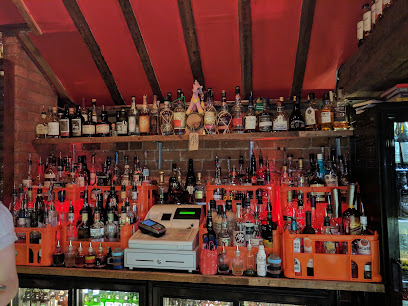
The Bell Inn, Aldworth
8.5 km
A timeless, welcoming English village pub in Aldworth, cherished for its hearty ales, rustic charm, and scenic countryside setting.
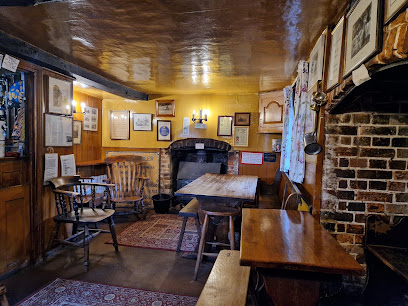
Oakford Social Club
8.5 km
A lively Reading pub with retro charm, great food, diverse drinks, and an inclusive, vibrant atmosphere for every night out.
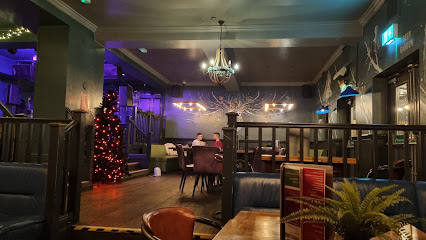
Wild Lime
8.6 km
A vibrant, modern bar in Reading offering fresh food, creative cocktails, and a welcoming atmosphere all week long.
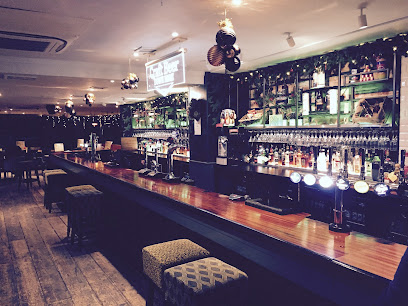
The Purple Turtle
8.6 km
A vibrant bar in Reading famed for its unique layered outdoor spaces and diverse drinks menu, perfect for lively social nights.
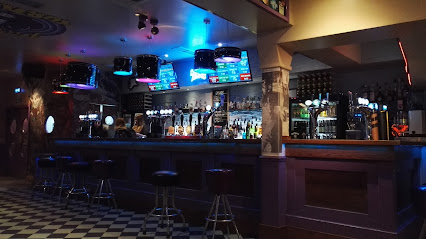
The Cocktail Club - Cocktail Bar in Reading
8.6 km
Vibrant two-floor cocktail bar in Reading’s centre, blending eclectic style with expertly crafted drinks and lively events.
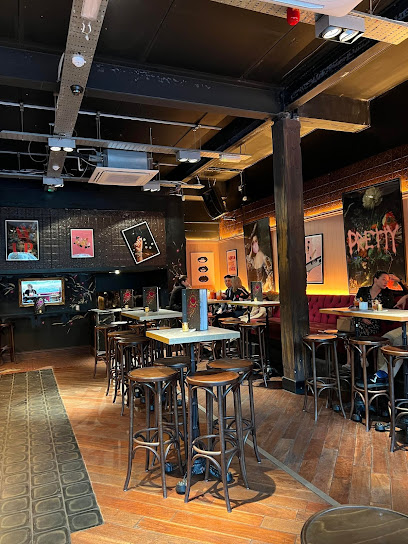
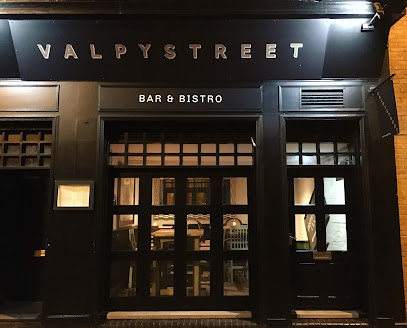
Valpy Street Bar & Bistro
8.6 km
Discover the cozy charm and unique basement ambiance of Valpy Street Bar & Bistro, a stylish spot for flavorful dining and lively evenings in Reading.
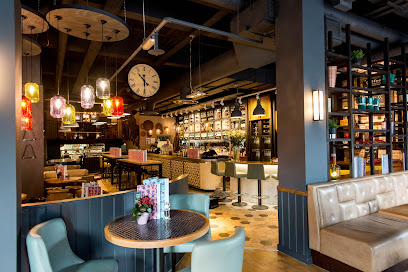
All Bar One Reading
8.7 km
Stylish riverside wine bar in Reading’s Oracle, perfect for cocktails, casual dining, and social gatherings in a modern setting.
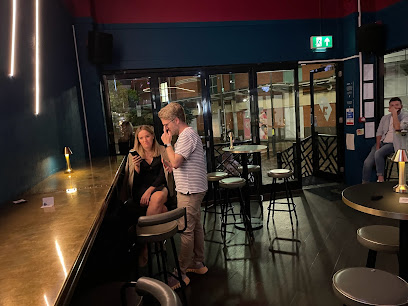
High Spirits Cocktail Company
8.8 km
Expertly crafted cocktails and a vibrant atmosphere in Reading’s city centre, perfect for relaxed evenings and lively weekends.
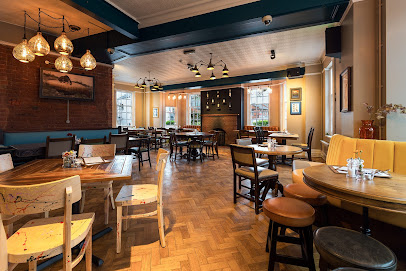
Hope & Bear
10.1 km
A classic Reading pub with vintage charm, two beer gardens, and a welcoming atmosphere for food, drinks, and lively events.
Nightclubs & after hour spots

Popworld - Reading
8.4 km
A vibrant pop-themed nightclub in Reading’s city centre, where retro beats meet neon-lit fun for unforgettable nights.

Reading Lola Lo
8.4 km
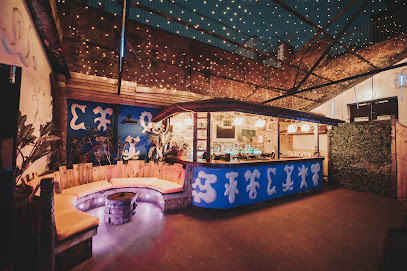
Experience Reading’s premier tiki-themed nightclub with vibrant cocktails, lively music, and a unique Polynesian atmosphere on Friar Street.
Q Club
8.5 km
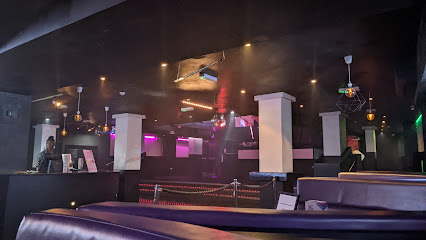
Experience Reading’s energetic nightlife at Q Club, a lively nightclub and bar offering music, drinks, and late-night fun on Friar Street.
Gun Street Garden
8.6 km
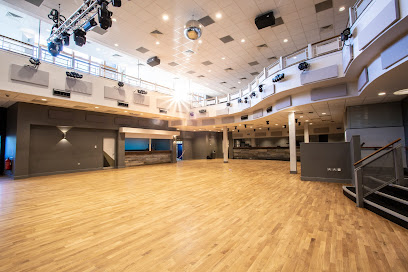
Experience Reading’s vibrant nightlife in an urban jungle-themed club with diverse music, rooftop bar, and VIP lounges.

3sixty
11.1 km
Experience vibrant student nightlife and live events at 3sixty, the University of Reading’s premier nightclub and entertainment venue.
The Binfield Club
21.3 km
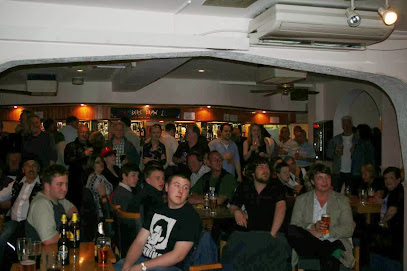
Historic social club in Binfield offering vibrant nightlife, live music, sports, and community events in a welcoming atmosphere.
The Venue, Bucks
27.8 km
Experience High Wycombe’s vibrant nightlife at The Venue, Bucks – a lively nightclub with great music, friendly staff, and a welcoming atmosphere.
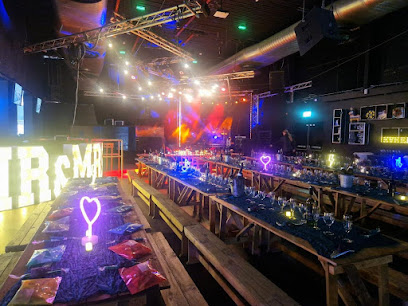
Trilogy Nightclub High Wycombe
27.9 km
A lively multi-room nightclub in High Wycombe offering dynamic music, vibrant crowds, and late-night fun on Paul’s Row.
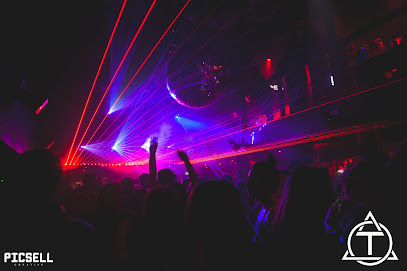
Diligence
29.5 km
Experience the vibrant nightlife and dynamic music scene at Diligence, High Wycombe’s energetic nightclub on London Road.
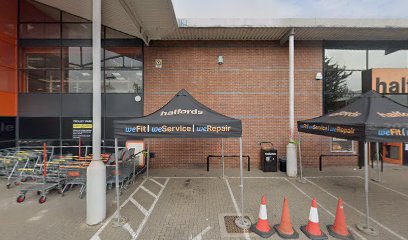
Plush Oxford
31.9 km
Experience Oxford’s vibrant, inclusive nightlife hotspot with great music, cocktails, and a welcoming atmosphere at Plush Oxford.
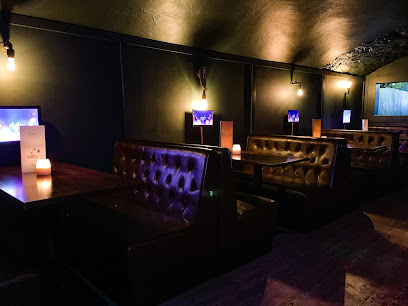
Kiss Bar
32.1 km
An intimate late-night club in Oxford known for its vibrant atmosphere and close-knit party scene until its recent closure.
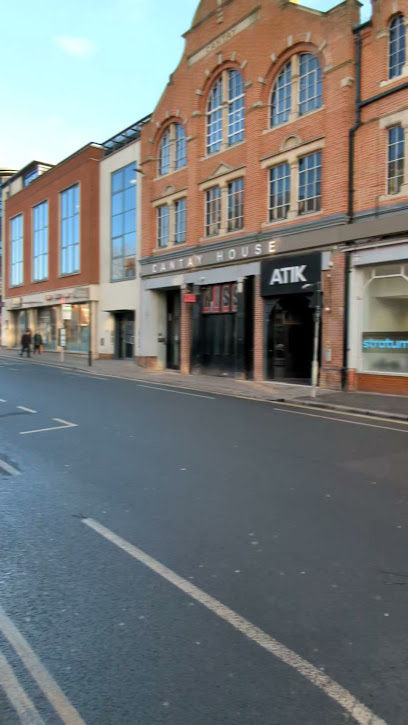
ATIK Oxford
32.1 km
Oxford’s largest nightclub with diverse music rooms, vibrant atmosphere, and strong security, offering a late-night hub for students and locals alike.
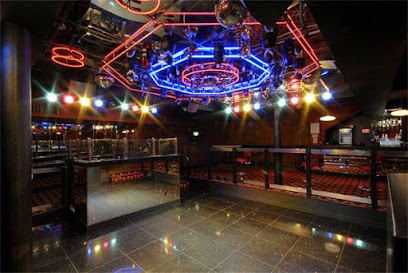
Oxford Leisure Ltd
32.1 km
Experience Oxford’s vibrant nightlife with dynamic music, themed events, and a lively dance floor at Oxford Leisure Ltd.

Fever Oxford
32.1 km
Experience Oxford’s vibrant nightlife at Fever, a multi-room nightclub blending live DJs, dynamic music, and a lively party atmosphere.

The Bridge Nightclub
32.1 km
Oxford’s lively student-focused nightclub with diverse music, multiple dance floors, and a spacious pub garden for late-night socializing.
For the vibe & atmosphere seeker
- Scenic
- Relaxing
- Tranquil
- Unique
For the design and aesthetic lover
- Vintage Styles
- Rustic Designs
For the architecture buff
- Historic
- Landmarks
For the view chaser and sunset hunter
- Iconic Views
- Waterfront
For the social media creator & influencer
- Instagrammable
- Photo Spots
- Selfie Spots
For the eco-conscious traveler
- Public-Transport Accessible
- Locally Managed
For the kind of experience you’re after
- Cultural Heritage
- Photowalk
- Nature Escape
- Day Trip
For how adventurous you want the journey to be
- Easy Access
Location Audience
- Family Friendly
- Senior Friendly
- Child Friendly
- Teen Friendly
- Wheelchair Access
- Pet Friendly
- Couple Friendly
- Solo Friendly


