Hartslock, Berkshire Travel Guide
Discover rare orchids, vibrant chalk grassland, and stunning Thames views at Hartslock Nature Reserve near Reading.
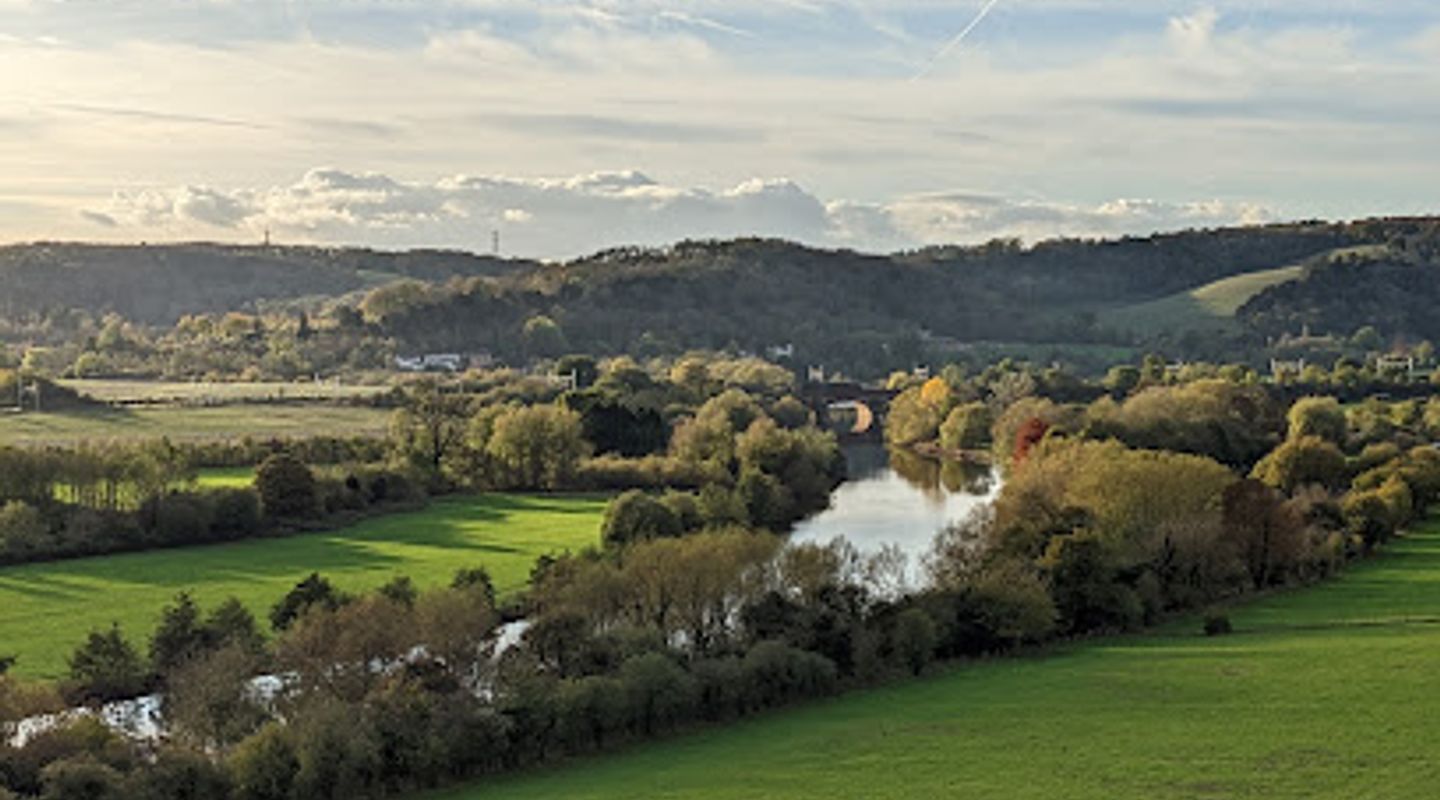
Hartslock Nature Reserve, located near Reading, England, is a steep chalk grassland site famed for its rare orchids, vibrant wildflowers, and diverse insect life. Overlooking the River Thames, this protected reserve offers spectacular views, rich biodiversity including the rare monkey orchid, and a peaceful natural setting ideal for nature lovers and photographers.
A brief summary to Hartslock
- Reading, GB
- Click to display
- Click to display
- Duration: 1 to 3 hours
- Free
-
 Outdoor
- Mobile reception: 4 out of 5

Know before you go
Hi, I'm Eve. Here are a few practical things to know before exploring Hartslock.
- Visit in late spring (May to early June) to see the rare monkey orchids in full bloom.
- Wear sturdy footwear and be prepared for hilly terrain; basic fitness is recommended.
- Use public transport or park in Goring village as there is no parking at the reserve.
- Bring binoculars for birdwatching, especially to spot red kites soaring overhead.
Do you manage this location?
Take control to get all the benefits, like improved information, better appearance, and stronger visibility across AI-powered discovery. Learn more about listing your business on Evendo
Activate your presenceOther nearby places you may find interesting
The closest places of the same kind, if this one is not quite what you had in mind.

Explore Hartslock on the Map
A handpicked selection of must-see spots near Hartslock, mapped for you.
Getting There
-
Train and Walk
Take a train to Goring & Streatley station, which is approximately 2 km from Hartslock. From there, enjoy a 25-35 minute walk through gently undulating terrain to reach the reserve. The walk requires basic fitness and sturdy footwear.
-
Bus and Walk
Use local bus services to Goring village, then walk about 20-30 minutes to Hartslock. Bus frequency varies, so check schedules in advance. The walking path is hilly and may be challenging for those with mobility issues.
-
Car and Walk
Park in designated areas in Goring village as there is no parking at the reserve itself. From the village, expect a 20-30 minute walk on uneven, hilly terrain. Parking may incur charges, typically around £2-£5 GBP.
For the on-the-go comforts that matter to you
-
 Restrooms
-
 Seating Areas
-
 Information Boards
Discover more about Hartslock
Unique Chalk Grassland Habitat
Hartslock is a nationally significant chalk grassland reserve situated on a steep, south-facing slope overlooking the River Thames. This habitat is characterized by thin, nutrient-poor soils that support a rich variety of wildflowers and grasses adapted to these conditions. The reserve’s chalk downland is a rare and fragile ecosystem, hosting a mosaic of species that thrive in this specialized environment.Orchid Diversity and Botanical Rarities
The reserve is renowned for its remarkable collection of orchids, including bee, pyramidal, common spotted, common twayblade, and white helleborine orchids. The highlight is the monkey orchid, a highly protected and rare species in the UK, which blooms in May and early June. When the Wildlife Trust took over management, only seven monkey orchids were present; today, their population has grown to over 400. Hartslock is also the only known UK site where a hybrid between the monkey and lady orchids has been recorded, discovered in 2006.Vibrant Insect and Butterfly Life
Beyond plants, Hartslock supports a diverse insect population. The chalk grassland attracts numerous bee species, uncommon shieldbugs, grasshoppers, and day-flying moths. Butterfly enthusiasts can spot chalkhill blues, green hairstreaks, and grizzled skippers, with occasional appearances by the rare Adonis blue, whose males display brilliant turquoise-blue wings. The reserve’s insect life contributes to its ecological richness and offers excellent opportunities for wildlife observation.Scenic River Views and Wildlife Watching
The reserve’s elevated position provides magnificent views over the winding River Thames and the surrounding landscape. Summer evenings are especially captivating, with swallows skimming over the pastures and red kites soaring overhead. The combination of natural beauty and wildlife activity creates a tranquil and inspiring atmosphere for visitors.Historical Conservation Significance
Hartslock Wood is part of the Rothschild Reserves, a network of nature reserves founded in 1912 by Charles Rothschild, a banker and naturalist. His vision to protect vital wildlife habitats led to the establishment of these reserves, including Hartslock, which was recommended for protection over a century ago. This legacy continues today under the stewardship of the Berks, Bucks & Oxon Wildlife Trust, ensuring the preservation of this vital chalk grassland habitat.Exploration and Visitor Experience
Visitors can explore Hartslock as part of the Goring Wild Walk, an 8km circular route that includes the reserve and sections of the Thames Path. The terrain is hilly and requires basic fitness, but rewards walkers with rich biodiversity and stunning views. The reserve is open at all times, though there is no onsite parking, encouraging visitors to arrive by public transport or park in nearby Goring. The best time to visit is from March to August, especially in May and June when orchids are in bloom.












Your all‑in‑one travel companion app
Explore expert travel guides, compare and book tours, experiences, hotels, and more—all from the palm of your hand. Download now for seamless trip planning wherever your wanderlust takes you.


Explore More of Berkshire
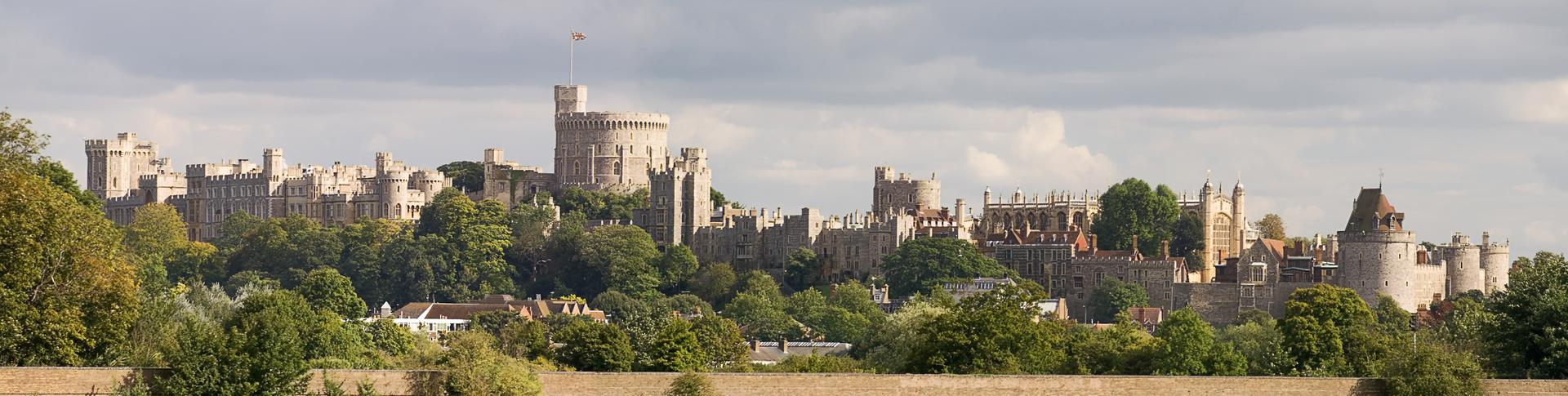
Looking beyond Hartslock? Discover Berkshire for broader travel guides, local hot-spots, and regional highlights.
Explore Berkshire