
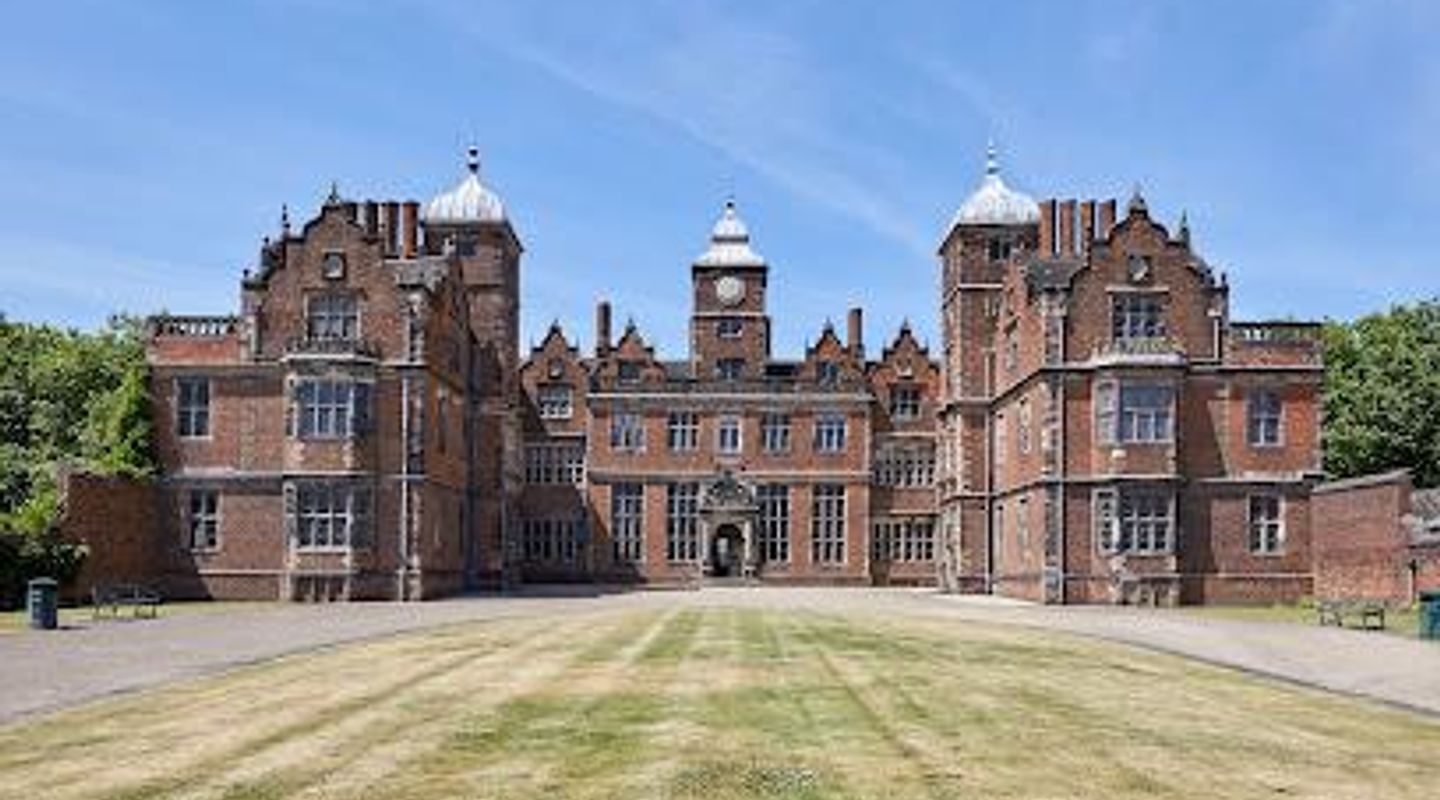
Aston Hall, Birmingham Travel Guide
Explore Aston Hall, Birmingham’s stunning Jacobean mansion steeped in history, royal visits, Civil War scars, and enchanting gardens.
Aston Hall is a Grade I listed Jacobean mansion built between 1618 and 1635, located in a picturesque park in Birmingham. Once home to Sir Thomas Holte and James Watt Junior, it witnessed the English Civil War and hosted royalty including King Charles I. Now a museum managed by Birmingham Museums Trust, it showcases over 30 period rooms with authentic furnishings and offers tranquil gardens free to visit. Renowned for its architectural grandeur and ghost stories, Aston Hall is a cultural gem blending history, art, and nature.
A brief summary to Aston Hall
- Trinity Rd, Birmingham, Birmingham, B6 6JD, GB
- Click to display
- Click to display
- Duration: 1 to 3 hours
- Mid ranged
-
 Outdoor
- Mobile reception: 4 out of 5
- Friday 11 am-4 pm
- Sunday 11 am-4 pm

Know before you go
Hi, I'm Eve. Here are a few practical things to know before exploring Aston Hall.
- Pre-book your tickets online, especially for weekends and special events, to ensure entry and guided tours.
- Visit the gardens for free during opening hours for a peaceful stroll and views of the Pan statue.
- Join a guided tour to hear detailed stories of the hall’s architecture, history, and ghostly legends.
- Check for any road closures on Aston Villa football match days as parking and access may be affected.
Do you manage this location?
Take control to get all the benefits, like improved information, better appearance, and stronger visibility across AI-powered discovery. Learn more about listing your business on Evendo
Activate your presenceOther nearby places you may find interesting
The closest places of the same kind, if this one is not quite what you had in mind.

Explore Aston Hall on the Map
A handpicked selection of must-see spots near Aston Hall, mapped for you.
Unlock the Best of Aston Hall
Buy tickets
-
No tickets available
Book tours with entry


Book tours without entry
-
No tours available
Getting There
-
Train and Bus Combination
Take a train to Birmingham New Street station, then catch bus number 11 or 11A towards Aston. The journey takes approximately 25-35 minutes. Buses run frequently but check schedules on weekends. Tickets cost around £2-£3 GBP.
-
Car Travel
Driving from central Birmingham to Aston Hall takes about 15-25 minutes depending on traffic. Parking is available but limited, and the car park closes on Aston Villa match days. Parking fees typically range from £3-£5 GBP.
-
Taxi or Ride-Hailing
A taxi or ride-hailing service from Birmingham city center to Aston Hall takes approximately 15-20 minutes, costing around £10-£15 GBP. This option offers door-to-door convenience without parking concerns.
For the on-the-go comforts that matter to you
-
 Restrooms
-
 Drink Options
-
 Food Options
-
 Seating Areas
-
 Information Boards
-
 Visitor Center
Discover more about Aston Hall
Architectural Grandeur of a Jacobean Prodigy House
Aston Hall stands as one of the last great Jacobean houses in England, designed by John Thorpe and constructed from 1618 to 1635 for Sir Thomas Holte. This Grade I listed red-brick mansion exemplifies the prodigy house style, featuring ornate plasterwork, elaborate gables, and large windows that reflect the wealth and status of its original owner. The Great Oak Staircase inside still bears visible scars from a cannonball fired during the English Civil War, a tangible reminder of the hall’s turbulent past. Visitors can explore more than 30 beautifully preserved rooms, including the breath-taking Long Gallery and King Charles I’s chamber, each richly furnished with period furniture, paintings, and metalwork drawn from the Birmingham Museum & Art Gallery collections.Historical Significance and Royal Connections
Aston Hall’s history is deeply intertwined with national events. King Charles I stayed here in 1642 on his way to the Battle of Edgehill, and the hall was subsequently besieged by Parliamentarian forces in 1643, suffering significant damage. Despite the conflict, the Holte family retained ownership until the early 19th century. The hall later became home to James Watt Junior, son of the famed industrial engineer, from 1817 to 1848. It was the first historic country house to pass into municipal ownership when Birmingham Corporation acquired it in 1864. Queen Victoria visited the hall, marking it as a site of royal significance. The hall’s walls hold many ghost stories, including tales of the 'Grey Lady,' adding a mysterious allure to its historical narrative.Gardens and Grounds: A Serene Urban Oasis
Set within a Green Flag public park, Aston Hall’s gardens provide a peaceful retreat just north of Birmingham’s city center. The gardens were designed and completed in 1934 by the Birmingham Civic Society, featuring formal terraces, fountains, stone urns, and a statue of the Greek god Pan by local sculptor William Bloye. These grounds offer a tranquil environment for leisurely strolls and picnics, complementing the grandeur of the mansion. The park also borders Villa Park, home to the Aston Villa football club, linking sport and heritage in this vibrant area.Visitor Experience and Cultural Engagement
Today, Aston Hall operates as a community museum managed by Birmingham Museums Trust. It opens to the public primarily from Friday to Sunday during spring, summer, and autumn months, with pre-booking advised. Visitors can join guided tours that bring to life the hall’s rich history, architecture, and ghostly legends. The museum hosts special events such as Christmas tours and historical reenactments, enriching the visitor experience. The hall’s interiors evoke the atmosphere of 17th-century aristocratic life, enhanced by knowledgeable volunteers and well-preserved artifacts. The gardens are freely accessible during opening hours, offering a complementary outdoor experience.Architectural and Cultural Legacy
Aston Hall’s significance extends beyond its walls as a symbol of Jacobean architecture and English heritage. Its preservation and restoration efforts, including a major renovation completed in 2009, have maintained its historical integrity while making it accessible to contemporary audiences. The hall’s blend of architectural splendor, historical depth, and haunting folklore makes it a unique cultural landmark. It stands not only as a monument to the past but also as a living museum fostering appreciation for history, art, and community.Engaging with Aston Hall’s Past and Present
Exploring Aston Hall offers visitors a multi-layered journey through time—from the grandeur of its design and the drama of the Civil War to its transformation into a public museum and community space. The hall’s stories of royal visits, industrial heritage, and spectral encounters invite reflection on the passage of centuries. The surrounding parkland enhances this experience, providing a scenic backdrop that contrasts the urban environment. Aston Hall remains a cherished destination for those seeking history, architecture, and a touch of the supernatural in Birmingham.












Your all‑in‑one travel companion app
Explore expert travel guides, compare and book tours, experiences, hotels, and more—all from the palm of your hand. Download now for seamless trip planning wherever your wanderlust takes you.


Explore More of Birmingham

Looking beyond Aston Hall? Discover Birmingham for broader travel guides, local hot-spots, and regional highlights.
Explore Birmingham
Discover Birmingham’s iconic House of Fraser on Corporation Street, a historic department store offering diverse fashion, beauty, and homewares across six floors.

Historic 15-mile canal linking Birmingham’s urban core to peaceful countryside with iconic locks, tunnels, and a Gothic footbridge.
