Soho House Museum, Birmingham Travel Guide
Explore the elegant Georgian home of Matthew Boulton, a pioneer of the Industrial Revolution and hub of the Lunar Society in Birmingham.
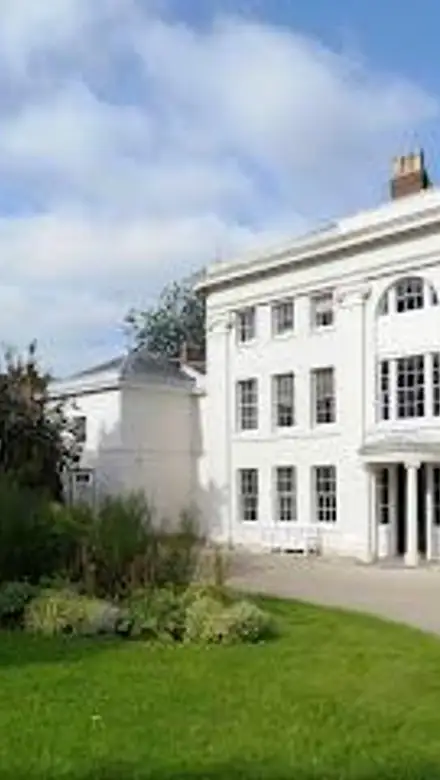
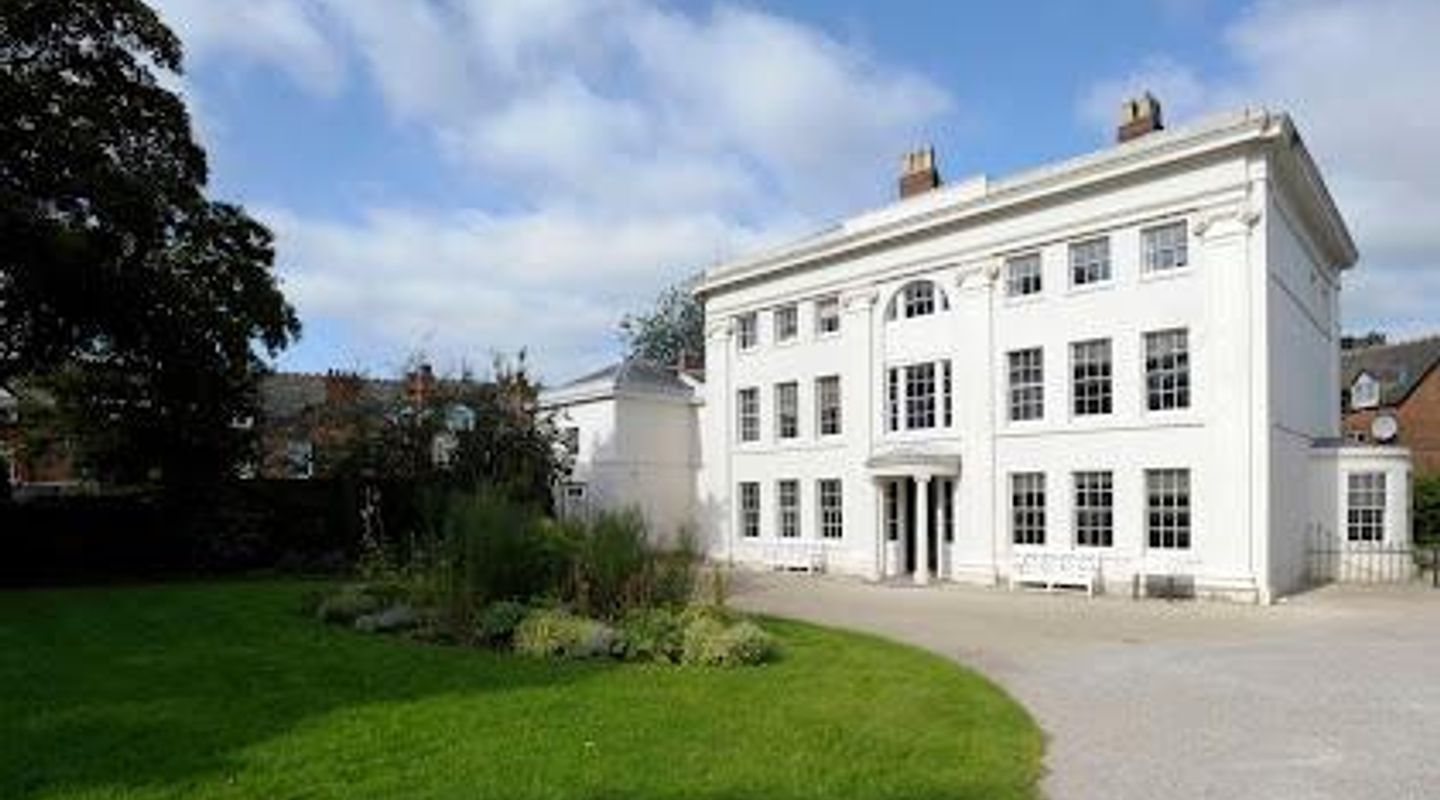
Soho House Museum in Birmingham is the beautifully restored 18th-century home of industrialist Matthew Boulton, a key figure in the Industrial Revolution. Once a small farmhouse, it was transformed into an elegant Georgian residence featuring pioneering innovations like central heating and steam baths. The museum showcases Boulton’s life, his Lunar Society connections, and products from the nearby Soho Manufactory, set amidst tranquil historic gardens.
A brief summary to Soho House Museum
- Soho Ave, Birmingham, B18 5LB, GB
- Click to display
- Click to display
- Duration: 1 to 2.5 hours
- Mid ranged
-
 Outdoor
- Mobile reception: 4 out of 5

Know before you go
Hi, I'm Eve. Here are a few practical things to know before exploring Soho House Museum.
- Visit the restored 18th-century gardens to enjoy a tranquil escape and see The Hermitage, Boulton’s contemplative retreat.
- Take time to explore the displays of silver, ormolu, and clocks made at the Soho Manufactory, showcasing industrial craftsmanship.
- Learn about the Lunar Society’s influential members and their role in the Midlands Enlightenment during your visit.
- Note that the museum is temporarily closed; check ahead for reopening dates and any special exhibitions.
Do you manage this location?
Take control to get all the benefits, like improved information, better appearance, and stronger visibility across AI-powered discovery. Learn more about listing your business on Evendo
Activate your presenceOther nearby places you may find interesting
The closest places of the same kind, if this one is not quite what you had in mind.


Explore Soho House Museum on the Map
A handpicked selection of must-see spots near Soho House Museum, mapped for you.
Unlock the Best of Soho House Museum
Buy tickets
-
No tickets available
Book tours with entry
-
No tours available
Book tours without entry

Getting There
-
Train and Bus
From Birmingham New Street Station, take a local bus towards Handsworth and Soho, approximately 25–35 minutes. Buses run frequently but check schedules as service varies on weekends. A single ticket costs around £2–£4 GBP.
-
Car
Driving to Soho House from central Birmingham takes about 15–25 minutes depending on traffic. Limited on-site parking is available; nearby street parking may require payment. Congestion charges do not apply.
-
Taxi or Rideshare
A taxi or rideshare from Birmingham city center to Soho House typically takes 15–20 minutes, costing approximately £8–£15 GBP depending on time of day and traffic.
-
Walking
For the adventurous, walking from Handsworth Park to Soho House is about a 30-minute walk over mostly flat terrain. Suitable for visitors comfortable with urban walking routes.
For the on-the-go comforts that matter to you
-
 Restrooms
-
 Drink Options
-
 Food Options
-
 Seating Areas
-
 Information Boards
Discover more about Soho House Museum
A Legacy of Industrial Innovation and Entrepreneurship
Soho House was the residence of Matthew Boulton, an influential industrialist and entrepreneur who lived there from 1766 until his death in 1809. Originally a modest farmhouse, Boulton expanded and refined the property over five decades into one of Birmingham’s most elegant Georgian homes. His vision and drive helped shape the Industrial Revolution, particularly through his partnership with James Watt in developing the steam engine. Soho House stands as a testament to Boulton’s pioneering spirit and his impact on British industry and innovation.Architectural and Technological Marvels of the Georgian Era
The house is notable for its advanced features for the time, including what is believed to be the first central heating system installed in England since Roman times. Boulton also introduced a vast steam-heated bath and indoor flushing toilets, showcasing his enthusiasm for new inventions and comfort. The building’s design was enhanced by architects Samuel and James Wyatt, who contributed extensions and a grand dining room that hosted meetings of the Lunar Society. The house’s slate facade gives the appearance of large stone blocks, adding to its stately Georgian character.The Lunar Society and Intellectual Heritage
Soho House was a hub for the Lunar Society, a group of leading scientists, industrialists, and thinkers including Erasmus Darwin, Josiah Wedgwood, Joseph Priestley, James Watt, and William Withering. They met regularly on full moon nights to exchange ideas, conduct experiments, and discuss philosophy and science. This intellectual fellowship played a crucial role in advancing the Midlands Enlightenment and the broader Industrial Revolution, with Soho House at its heart.Collections Reflecting Industrial Craftsmanship
Today, the museum displays an impressive collection of items produced at the nearby Soho Manufactory, including silverware, ormolu, clocks, buttons, buckles, and Sheffield plate tableware. Noteworthy pieces include the ormolu Sidereal clock made by Boulton and Fothergill in the early 1770s. The house’s interiors retain original furnishings and artworks, such as pieces by cabinetmaker James Newton and early Italian and Pre-Raphaelite paintings collected by notable families associated with the house.Gardens and Tranquil Spaces Amidst Urban Birmingham
Though the original estate once covered over 100 acres, today visitors can explore the restored 18th-century gardens, which offer a peaceful retreat from the city. The gardens include The Hermitage, a reconstructed quiet retreat where Boulton would contemplate and reflect. This green space complements the historic atmosphere of the house and provides a scenic setting for visitors.Preservation and Museum Experience
After various uses and owners, including a period as a police hostel, Soho House was acquired by Birmingham City Council in 1990 and opened as a museum in 1995. It is now managed by Birmingham Museums Trust and remains a Grade II* listed building. The museum hosts exhibitions highlighting local history and community interest, preserving the legacy of Matthew Boulton and the Lunar Society for future generations. Admission charges apply, but gardens and grounds are free to all visitors.












Your all‑in‑one travel companion app
Explore expert travel guides, compare and book tours, experiences, hotels, and more—all from the palm of your hand. Download now for seamless trip planning wherever your wanderlust takes you.


Explore More of Birmingham

Looking beyond Soho House Museum? Discover Birmingham for broader travel guides, local hot-spots, and regional highlights.
Explore Birmingham