
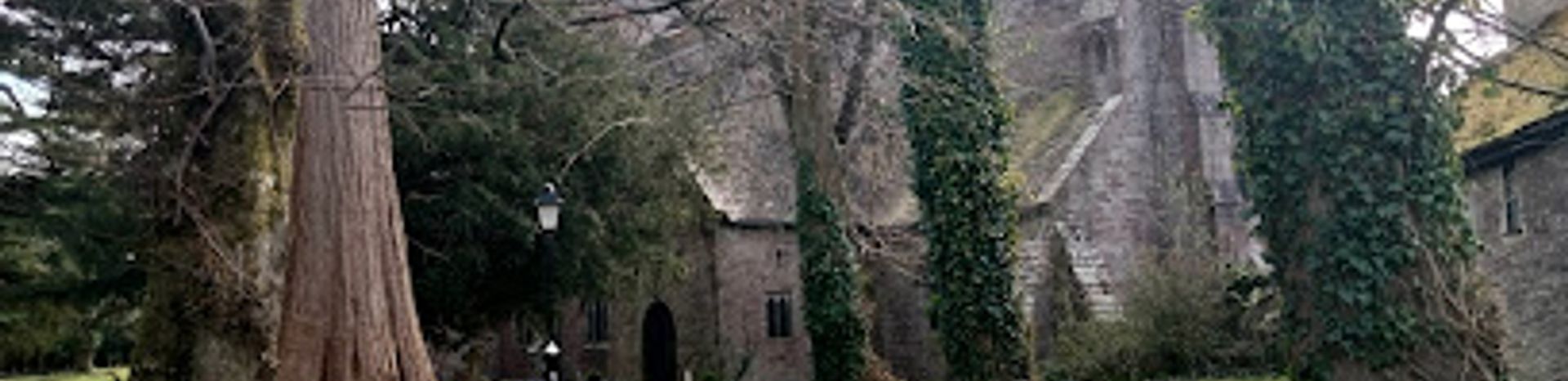
Brecon Cathedral
Nine centuries of faith and heritage in Wales's most unique cathedral close
A magnificent Norman-founded cathedral in the heart of Brecon, Wales, with over 900 years of spiritual and architectural heritage. Originally established as a Benedictine priory in 1093, this sacred space features stunning medieval stonework, intricate stained glass, and a peaceful walled Close unique in Wales. The cathedral welcomes visitors daily to explore its rich history, attend services, or simply experience its serene atmosphere. On-site facilities include The Hours Cafe & Bookshop and a Heritage Centre housed in a restored 16th-century tithe barn.
A brief summary to Brecon Cathedral
- Cathedral Close, Brecon, LD3 9DP, GB
- +441874623857
- Visit website
- Duration: 1 to 3 hours
- Free
-
 Mixed
Mixed
- Mobile reception: 4 out of 5
Local tips
- Visit The Hours Cafe & Bookshop for locally sourced refreshments and cathedral gifts; open Tuesday to Saturday, 10am–4pm. The cafe provides an excellent vantage point to absorb the atmosphere of the Close.
- Explore the Heritage Centre in the restored 16th-century tithe barn for audio-visual displays and reconstructions that contextualise the cathedral's 900-year history.
- Arrange a guided tour in advance by contacting the cathedral office for deeper insights into architecture, military heritage, and the building's role in Welsh religious life.
- Attend a service or special event—the cathedral hosts regular Sunday services, weekday Eucharists, and seasonal choral performances that showcase the cathedral choir.
- Park on unrestricted residential streets in town and walk up to the cathedral to avoid pay-and-display charges while enjoying views of historic Brecon en route.

For the on-the-go comforts that matter to you
- Restrooms
- Drink Options
- Drinking Water
- Food Options
- Seating Areas
- Sheltered Areas
- Trash Bins
- Information Boards
- Visitor Center
Getting There
-
Car from Brecon Town Centre
From Brecon town centre, follow brown directional signs toward the cathedral on the B4520 (Priory Hill). The journey is approximately 750 metres and takes 3–5 minutes by car. A pay-and-display car park is located adjacent to the cathedral, with spaces for standard vehicles, disabled parking, and two coaches or buses. Parking charges apply; alternatively, unrestricted on-street parking may be available on nearby residential roads, requiring a 10–15 minute walk uphill to the cathedral.
-
Walking from Brecon Town Centre
A pleasant walk of approximately 750 metres (10–15 minutes) from Brecon town centre leads uphill through historic streets past the old gaol and school buildings to the cathedral. The route is moderately steep in places but well-established and clearly signposted with brown directional signs. This approach offers views of historic Brecon and avoids parking charges.
-
Regional Road Access
Brecon is situated on the A40 trunk road, midway between Abergavenny (east) and Llandovery (west). From the south, access via the A470 from Cardiff; from the north and east, use the A470 and A465 from Builth Wells, Hay-on-Wye, or Hereford. The cathedral is well signposted from all major approach roads into Brecon.
-
Public Transport
Abergavenny railway station is approximately 20 miles from Brecon and offers connections to regional rail networks. Local bus services connect Brecon to surrounding towns and villages. From Abergavenny station or Brecon bus station, a taxi or local bus service can reach the cathedral; the walk from Brecon town centre is also feasible for those with moderate mobility.
Brecon Cathedral location weather suitability
-
 Any Weather
Discover more about Brecon Cathedral
Nine Centuries of Sacred Foundation
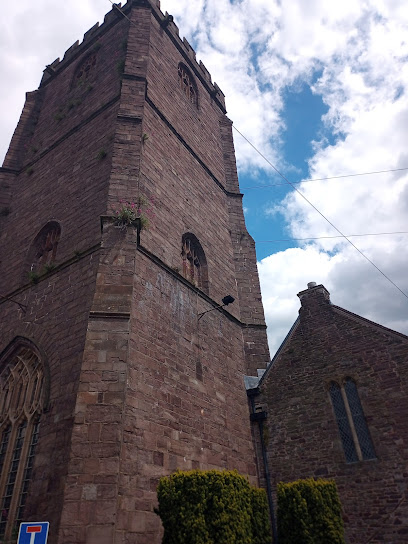
Brecon Cathedral stands as one of Wales's most significant religious landmarks, with roots stretching back to 1093 when Norman knight Bernard Newmarch established the Benedictine Priory of St John the Evangelist on this ridge overlooking the town. Built upon the site of an earlier Celtic church, the priory became a thriving monastic community for over four centuries. Following the Dissolution of the Monasteries in 1537, the building transitioned to serve as Brecon's parish church, a role it maintained for nearly four hundred years until 1923, when it was elevated to cathedral status as the Mother Church of the newly created Diocese of Swansea and Brecon. This remarkable journey from monastic sanctuary to parish church to cathedral reflects the evolving spiritual and administrative needs of Wales.Architectural Treasures and Medieval Craftsmanship
Despite its relatively modest proportions compared to other British cathedrals, Brecon Cathedral contains an extraordinary wealth of architectural and artistic detail. The existing structure represents centuries of building and renovation, with much of the current fabric dating from the late medieval period. During the 15th century, craftsmen erected the celebrated golden rood screen and added guild chapels within the aisles, though these have since been removed, leaving only traces of their former glory. The chancel vaulting and roof work were redesigned during the 19th century by renowned architect Sir George Gilbert Scott, whose sensitive restoration enhanced the building's structural integrity while preserving its historical character. Visitors encounter a floor entirely covered with slate memorials spanning centuries, with the earliest readable dates reaching back to 1680, creating a tangible connection to generations of worshippers and community members.Military Heritage and Regimental Honour
The North Transept serves as the chapel of the South Wales Borderers, displaying regimental flags and military honours that tell stories of service and sacrifice. The Havard Chapel houses the original colours from the Zulu Wars, including the historic flags from Rorke's Drift, making this space a repository of British military heritage. A dedicated military memorial chapel celebrates the soldiers of the region, while inside the cathedral visitors discover a remarkable list of Welsh archers who fought alongside King Henry V at the Battle of Agincourt, connecting this sacred space to pivotal moments in medieval history.A Unique Walled Close and Living Community
Brecon Cathedral occupies a position of singular distinction within Wales: it is set within a walled Close, a feature unique to this cathedral in the country. This enclosed precinct contains not only the cathedral itself but also the finest collection of former monastic buildings in Wales, now serving as the administrative centre for the Diocese, residential quarters for cathedral clergy, and cultural facilities. The Heritage Centre, housed within a beautifully restored 16th-century tithe barn, features reconstructions, audio-visual displays, and interpretive materials that bring the cathedral's history to life. The cathedral remains an active place of worship, with daily services following the pattern of Saint Benedict, maintaining the monastic rhythm established nearly a thousand years ago.Welcoming Spaces for Contemplation and Discovery
The cathedral welcomes all visitors—whether pilgrims seeking spiritual solace, tourists interested in history and architecture, or those simply drawn to its peaceful atmosphere. Welcomers are present to answer questions and share insights, while guided tours can be arranged for groups and school parties. The building's accessibility features, including lift access via the southwest door and ramped entry, ensure that visitors of varying mobility can experience this sacred space. The Hours Cafe & Bookshop, situated in the Cathedral Close, provides refreshment and a curated selection of gifts and religious materials, while the Heritage Centre offers deeper context for understanding the building's significance. Whether lighting a candle in quiet reflection, studying the intricate stained glass windows, or simply absorbing the profound sense of peace that pervades these ancient walls, visitors encounter a place where centuries of faith, community, and human aspiration converge.Iconic landmarks you can’t miss

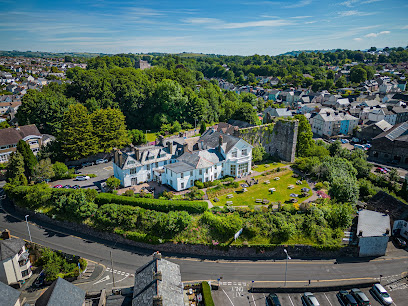
The Brecon Castle Hotel
0.3 km
Historic Wales’ oldest hotel blending timeless charm with modern comforts near Brecon Beacons National Park.
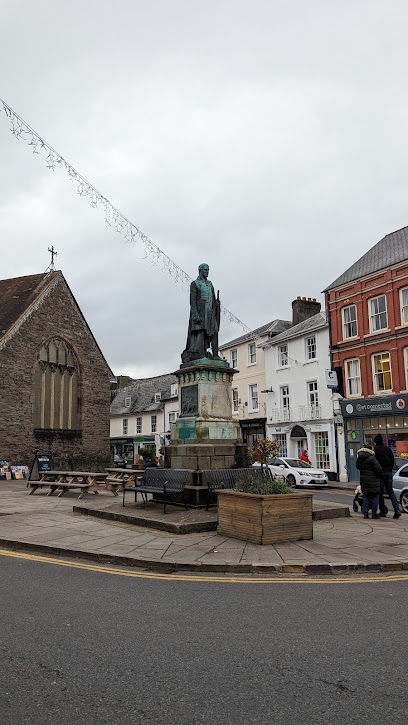
Duke of Wellington Monument
0.5 km
Historic bronze statue honoring the Duke of Wellington, a commanding presence in Brecon’s town centre and a testament to local artistry and British heritage.
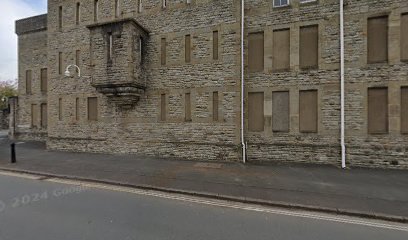
Brecon Barracks
1.0 km
Historic military hub in Brecon, home to the Royal Welsh Regiment and its museum, set within the stunning Brecon Beacons National Park.
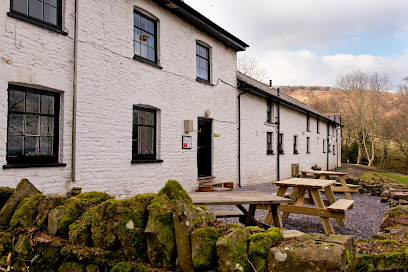
YHA Brecon Beacons
9.6 km
Rustic farmhouse hostel offering clean, cozy accommodation and a warm communal atmosphere in the heart of Brecon Beacons National Park.
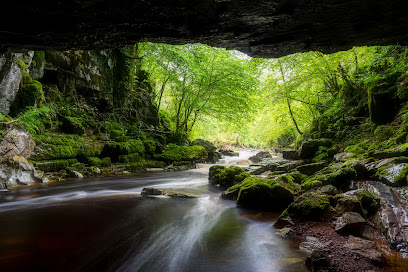
Porth yr Ogof
20.2 km
Explore Porth yr Ogof, a breathtaking limestone cave in the Brecon Beacons, filled with stunning rock formations and rich natural beauty.
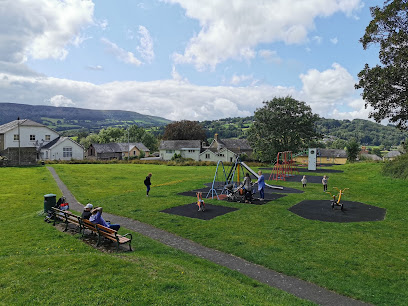
Crickhowell Castle
20.4 km
Discover the historic charm of Crickhowell Castle, a medieval marvel set against the breathtaking backdrop of Wales' stunning landscape.
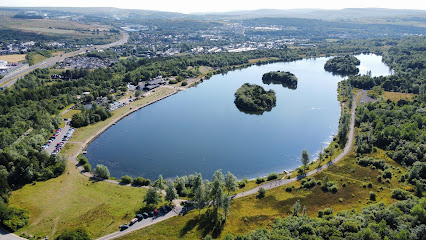
Parc Bryn Bach
20.4 km
Experience the natural beauty and recreational fun of Parc Bryn Bach in Tredegar, a perfect destination for outdoor enthusiasts and families.
Offa's Dyke Path National Trail
21.1 km
Explore the breathtaking landscapes and rich history of Offa's Dyke Path National Trail, a must-visit for outdoor enthusiasts and history buffs alike.
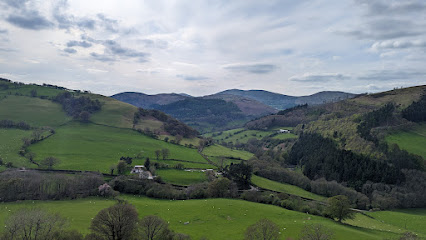
Hay Bluff
21.3 km
Discover the breathtaking beauty of Hay Bluff, a mountain peak in Herefordshire that offers stunning views, hiking adventures, and a serene escape into nature.
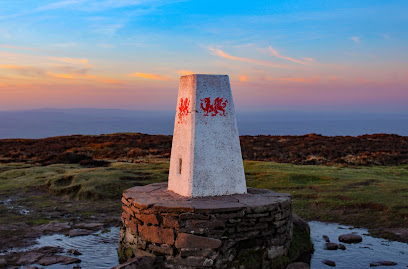
Sgwd Clun-Gwyn Waterfall
21.6 km
Experience the serene beauty of Sgwd Clun-Gwyn Waterfall, a breathtaking natural attraction in South Wales, perfect for nature lovers and adventurers.
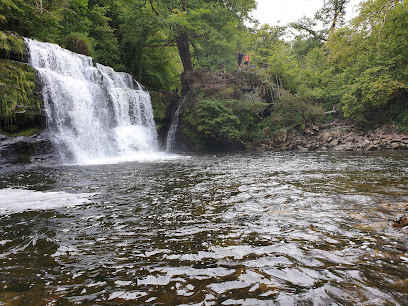
Cyfarthfa Castle Museum and Art Gallery
21.6 km
Explore Cyfarthfa Castle Museum and Art Gallery, where history, art, and nature converge in the heart of Merthyr Tydfil’s beautiful park.
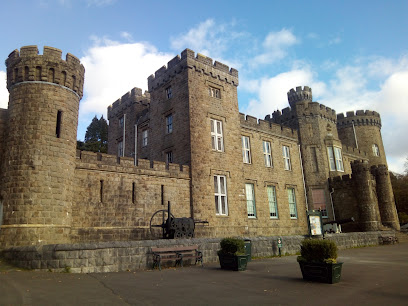
Sgwd Isaf Clun-Gwyn
22.0 km
Experience the breathtaking beauty of Sgwd Isaf Clun-Gwyn, a stunning waterfall along the scenic Four Waterfalls Walk in Neath, Wales.
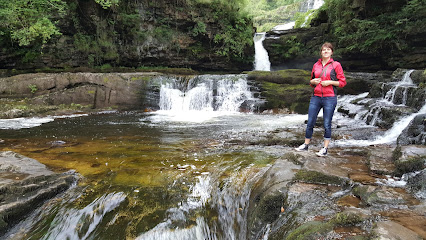
Ogof Ffynnon Du National Nature Reserve
22.0 km
Explore Ogof Ffynnon Du National Nature Reserve, a scenic escape in Swansea, where breathtaking landscapes and rich wildlife await every nature lover.
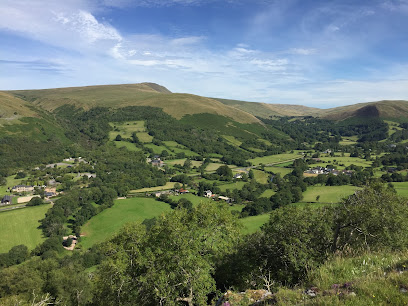
Sgwd Yr Eira Waterfall
22.2 km
Explore the breathtaking Sgwd Yr Eira Waterfall in the heart of Brecon Beacons, a natural marvel perfect for hiking, photography, and serene escapes.
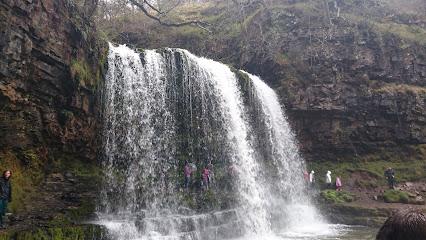
Sgwd y Pannwr
22.3 km
Explore the enchanting Sgwd y Pannwr waterfall, a natural wonder in the Brecon Beacons, offering breathtaking views and serene hiking trails.
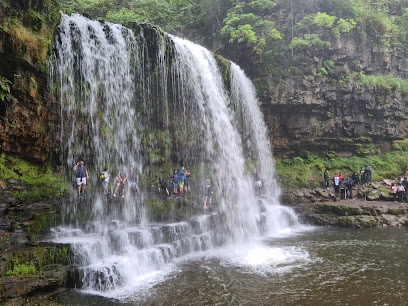
Unmissable attractions to see

Brecon Beacons
0.3 km
Explore the wild beauty and rugged peaks of Brecon Beacons National Park, Wales’ premier hiking and nature destination.
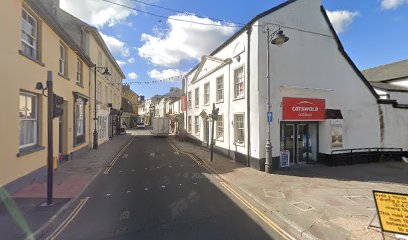
Brecon Working Mens Club
0.4 km
A welcoming traditional social club in Brecon offering lively live music and a friendly, membership-only atmosphere.
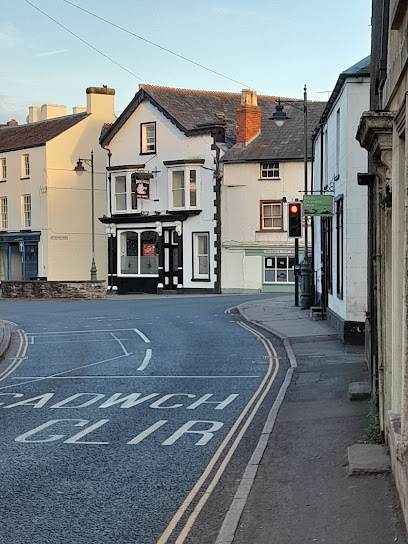
The Foundry
0.4 km
A vibrant live music venue and bistro in Brecon offering exceptional food, local ales, and a welcoming community atmosphere.
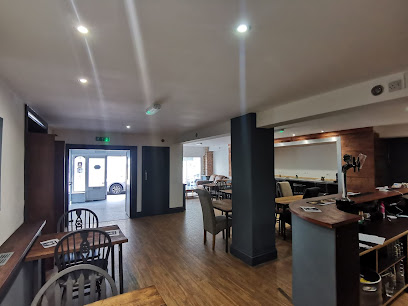
BRECON JAZZ
0.4 km
Experience vibrant live jazz and delicious food in the intimate, welcoming atmosphere of The Foundry in Brecon.
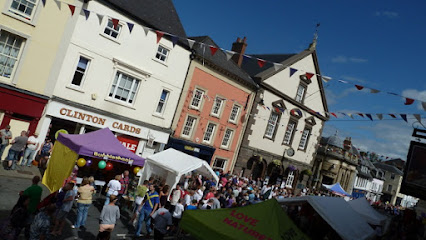
Arabellas Artisan Eatery and Private Dining
0.4 km
Cozy artisan eatery in Brecon offering fresh, locally sourced dishes, homemade cakes, and private dining in a welcoming setting.
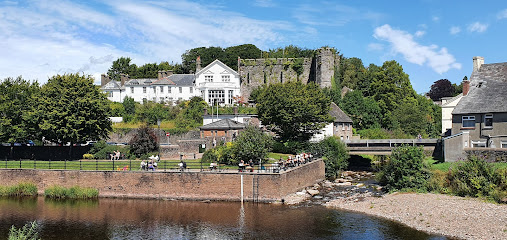
The Promenade
0.4 km
A serene, accessible riverside walk along the River Usk with stunning Brecon Beacons views and dog-friendly amenities.
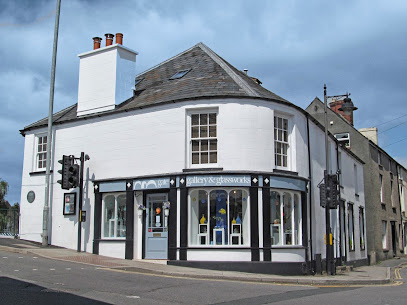
Gate Gallery & Glassworks
0.4 km
Discover exquisite handcrafted glass art and restoration at Gate Gallery & Glassworks, a creative gem in the heart of Brecon.
Visit Brecon
0.4 km
Your essential starting point for exploring Brecon’s historic charm and the stunning Brecon Beacons National Park.
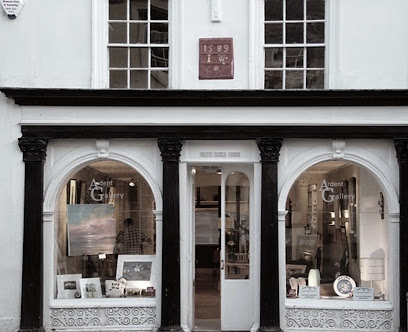
Ardent Gallery
0.4 km
Discover contemporary art in a historic 16th-century building at Brecon’s vibrant Ardent Gallery, showcasing diverse works across three floors.
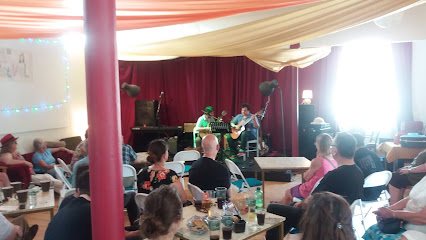
Brecon Jazz Club (Muse Arts Centre)
0.4 km
Experience vibrant live jazz in the heart of Brecon at The Muse Arts Centre’s dynamic Brecon Jazz Club.
Tad cod
0.5 km
Savor authentic British fish and chips with friendly service in the heart of Brecon’s historic High Street.
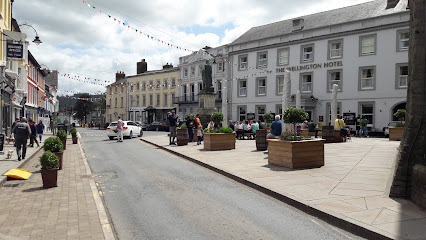
Brecon Town Tours - guided history walks
0.5 km
Discover Brecon’s rich heritage on guided history walks through its charming streets and scenic riverside.
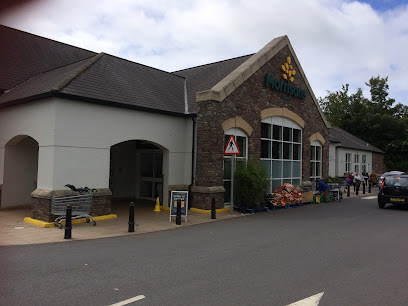
Morrisons
0.5 km
Convenient and modern supermarket in Brecon with extended hours, EV charging, and a welcoming café for a complete shopping experience.
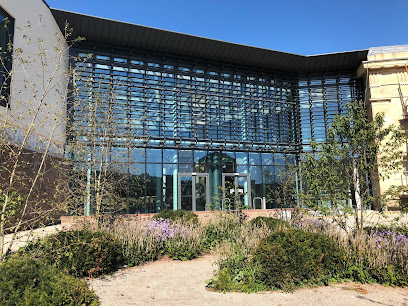
Y Gaer Museum, Art Gallery & Library
0.6 km
Discover Brecon’s heritage and art in a stunning blend of historic and modern at Y Gaer Museum, Art Gallery & Library.
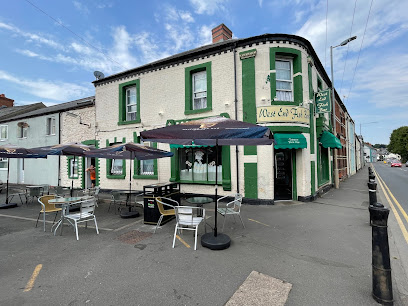
Westend Fishbar
0.7 km
Classic British fish and chips with a 5-star hygiene rating, serving Llanfaes locals and visitors exploring the Brecon Beacons.
Essential places to dine

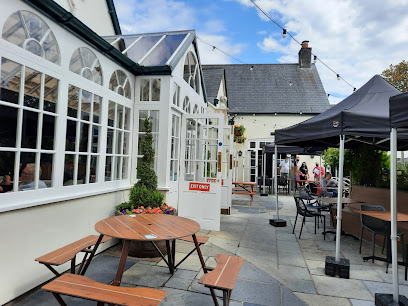
The George Hotel - JD Wetherspoon
0.3 km
A welcoming traditional pub and hotel in Brecon, offering hearty British fare and comfortable rooms near the Brecon Beacons.
The Proper Pizza Co Ltd
0.4 km
Authentic artisan pizzas with gluten-free options in the heart of Brecon’s Lion Yard, perfect for takeaway or small group dining.

Brecon Tap
0.5 km
Experience authentic Welsh hospitality at Brecon Tap – a charming pub offering delicious food and drinks in the heart of Brecon.
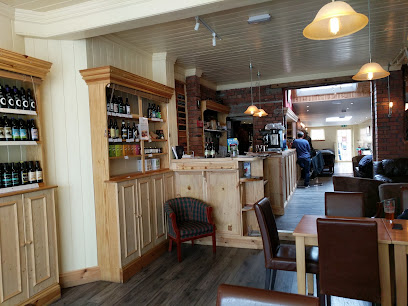
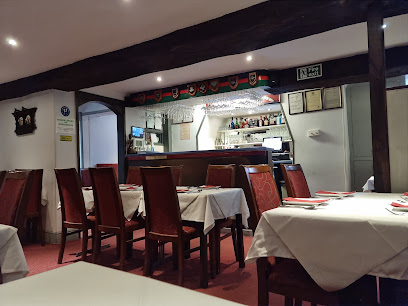
The Gurkha Corner
0.6 km
Experience authentic Nepalese and Himalayan cuisine with warm hospitality in the heart of Brecon at The Gurkha Corner.
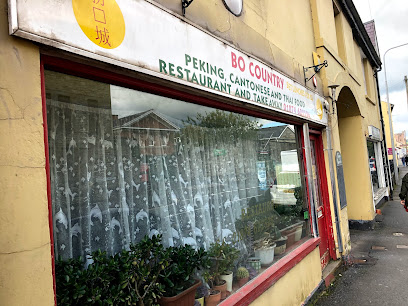
Bo Country
1.0 km
Authentic Chinese takeaway in the heart of Brecon, offering quick, flavorful meals for locals and visitors alike.
Gorkha & Khukuri
1.3 km
Savor authentic Nepalese cuisine in a serene Brecon setting, where tradition and flavor unite at Gorkha & Khukuri.
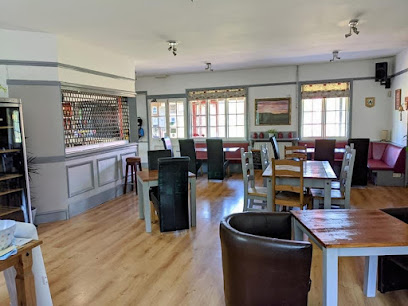
Hills
1.6 km
Contemporary burger dining with scenic Brecon Beacons views, blending creative flavors and a welcoming atmosphere in the heart of Brecon.
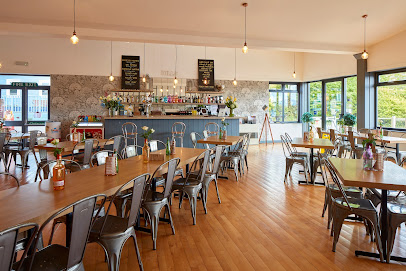
Three Horseshoes Inn
3.3 km
Award-winning gastropub in the Brecon Beacons serving refined seasonal British cuisine in a historic, welcoming setting.
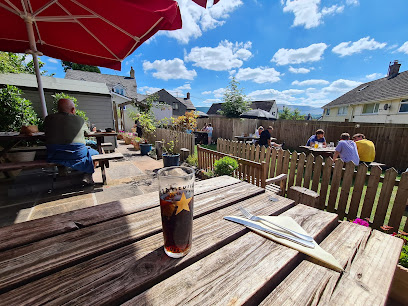
The Tai’r Bull Inn
5.7 km
A cosy Welsh country pub and B&B offering hearty fare, real ales, and warm hospitality in the heart of Brecon Beacons National Park.
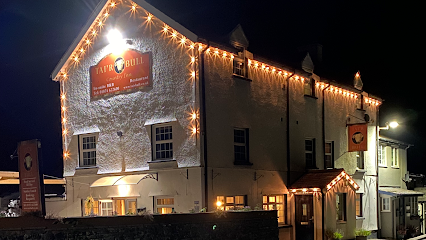
The Felin Fach Griffin
6.3 km
A cozy country inn blending rustic charm, refined dining, and warm hospitality in the heart of the Brecon Beacons.
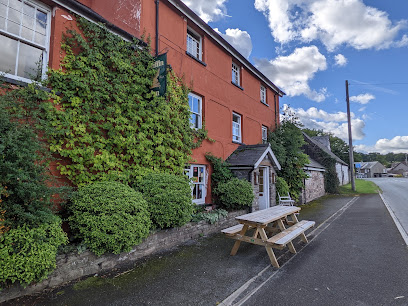
Black Cock Inn
7.0 km
Experience authentic Welsh cuisine at Black Cock Inn - where traditional charm meets delicious flavors in beautiful Brecon.
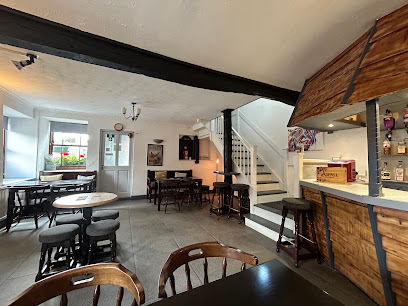
Castle Inn
9.1 km
Traditional Welsh pub and cozy B&B in Llangorse, offering great food, local charm, and a unique Banksy artwork near the Brecon Beacons.
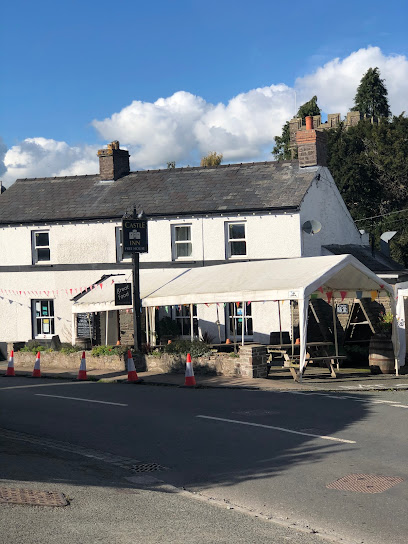
The White Hart
9.5 km
Traditional Welsh inn in Talybont-on-Usk offering hearty British fare, local ales, and warm hospitality near the Brecon Beacons.
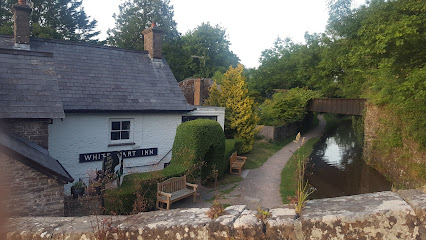
Travellers Rest Inn
9.9 km
Cozy countryside inn with hearty meals and warm hospitality near the scenic Brecon Beacons.
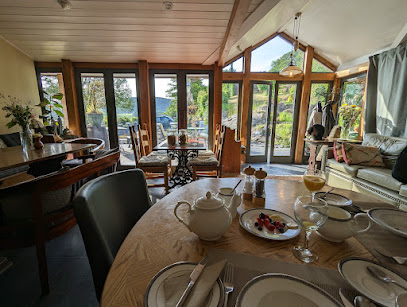
The White House
11.5 km
A charming country inn near Brecon Beacons offering warm hospitality, fresh local cuisine, and cozy rooms for a relaxing Welsh getaway.
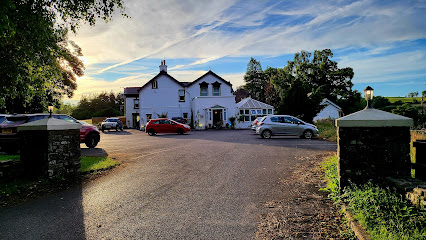
Markets, malls and hidden boutiques

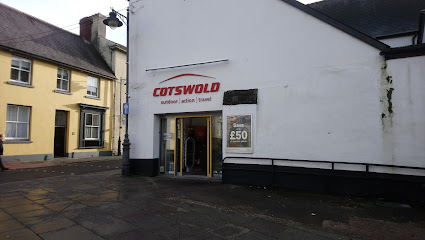
Cotswold Outdoor Brecon
0.2 km
Essential outdoor gear and expert advice in Brecon for hiking, camping, and running enthusiasts exploring the Brecon Beacons.
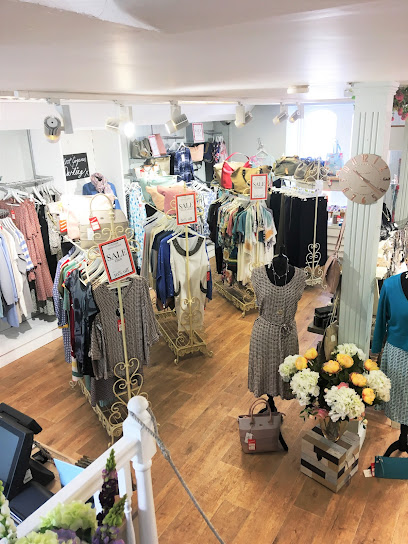
Nicholls Brecon
0.3 km
A classic department store in Brecon’s historic centre offering diverse fashion, home, and gift selections with welcoming local charm.
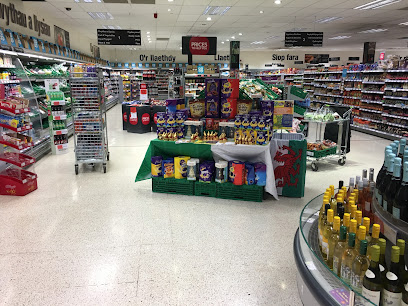
Co-op Food - Brecon - Lion Street
0.3 km
Your friendly local Co-op Food store in Brecon’s town centre, offering fresh groceries and essentials with convenient hours.
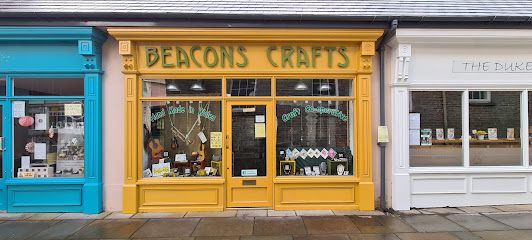
Beacons Crafts Ltd
0.4 km
Handcrafted Welsh treasures from local artisans in the heart of Brecon.
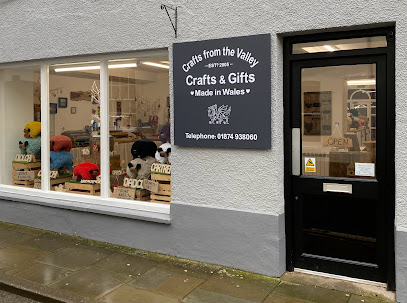
Crafts from the Valley
0.4 km
Discover authentic Welsh craftsmanship and unique artisan gifts in the heart of Brecon at Crafts from the Valley.
Bi Ped Cycles
0.4 km
Biped Cycles: Your expert cycling partner in Brecon, offering quality bikes, certified e-bike servicing, and personalized care near the Brecon Beacons.
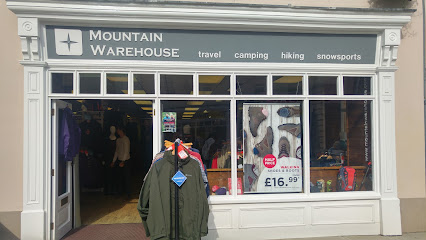
Mountain Warehouse
0.4 km
Your go-to outdoor store in Brecon for quality gear, clothing, and expert advice to fuel your adventures.
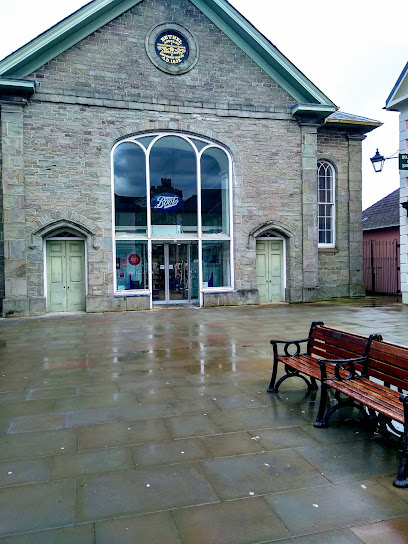
Boots
0.4 km
Your reliable health and beauty partner in the heart of Brecon’s Bethel Square, offering pharmacy, cosmetics, baby products, and more.
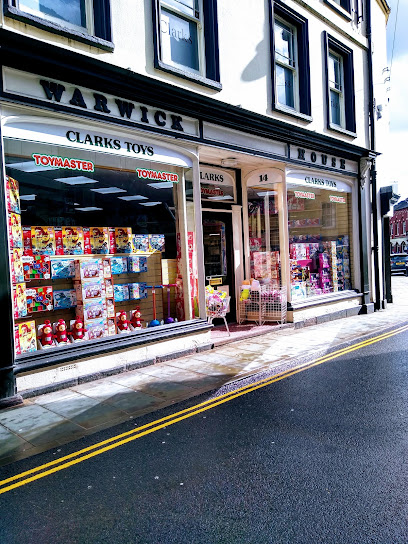
Clarks Toys
0.4 km
Discover timeless toys and local charm at Clarks Toys, Brecon’s welcoming high street treasure for families and collectors.
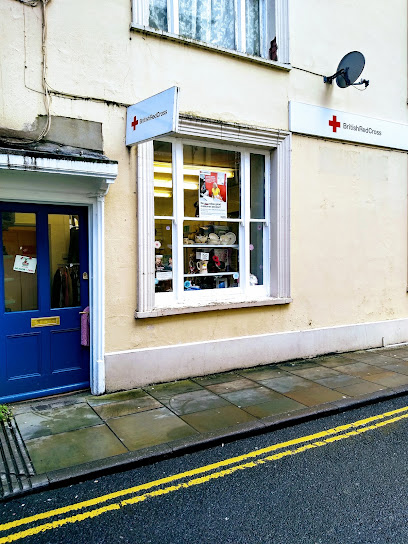
British Red Cross shop, Brecon
0.4 km
Discover unique finds and support global humanitarian aid at the British Red Cross charity shop in Brecon’s historic Lion Street.
Little Luxuries
0.4 km
Discover handcrafted Welsh gifts and unique souvenirs in the welcoming boutique of Little Luxuries, nestled in Brecon’s charming Bethel Square.
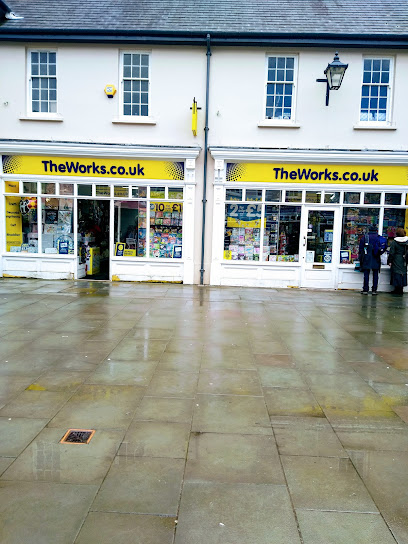
The Works
0.4 km
Discover affordable art supplies, books, crafts, and toys at The Works in Brecon’s vibrant Bethel Square Shopping Centre.
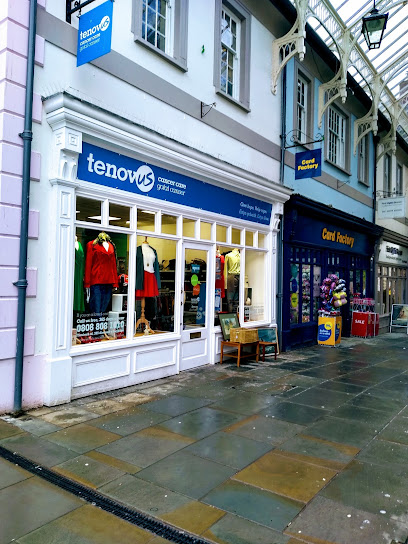
Cardfactory
0.4 km
Find affordable, personalized cards and gifts for every occasion at Card Factory Brecon in Bethel Square Shopping Centre.
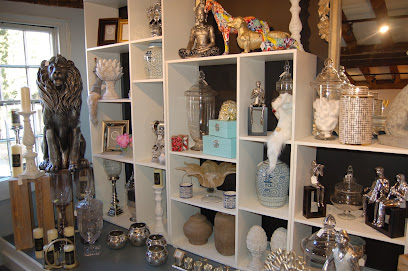
Bentley & Co Home Interiors & Coffee Shop
0.4 km
Discover stylish home interiors and savor homemade coffee and light lunches in the heart of Brecon’s charming Ship Street.
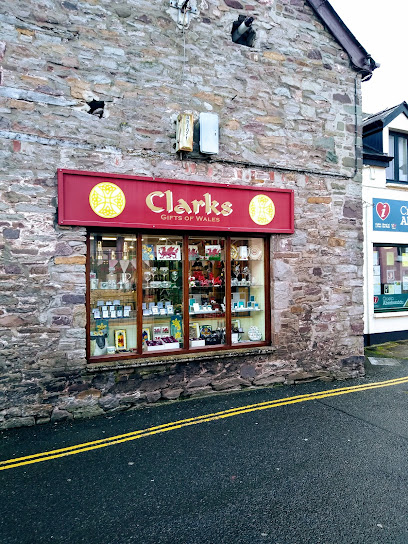
Clarks Gifts Of Wales
0.4 km
Discover authentic Welsh heritage and craftsmanship through unique souvenirs at Clarks Gifts Of Wales in the heart of Brecon.
Essential bars & hidden hideouts

The Lounge Bar & Cafe
0.3 km
Brecon’s pioneering bar with a modern twist, offering signature cocktails, live music, and a welcoming atmosphere in the town centre.
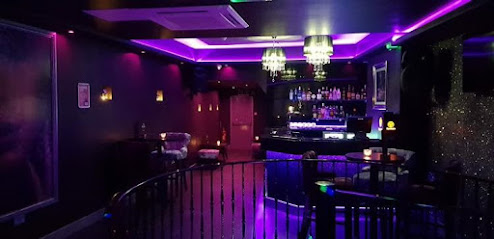
The Sarah Siddons
0.4 km
Experience authentic Welsh hospitality with local ales and lively atmosphere at The Sarah Siddons, Brecon’s beloved town centre pub.
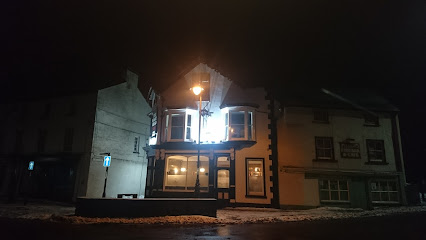
The Rorkes Drift
0.4 km
Historic Welsh pub in Brecon offering local ales, lively music, and a warm atmosphere inspired by the legendary Rorke’s Drift battle.
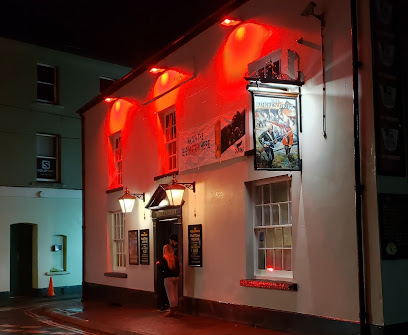
Markets Tavern
0.6 km
Traditional Welsh pub and welcoming hotel in Brecon offering hearty food, cozy rooms, and authentic local charm on Free Street.

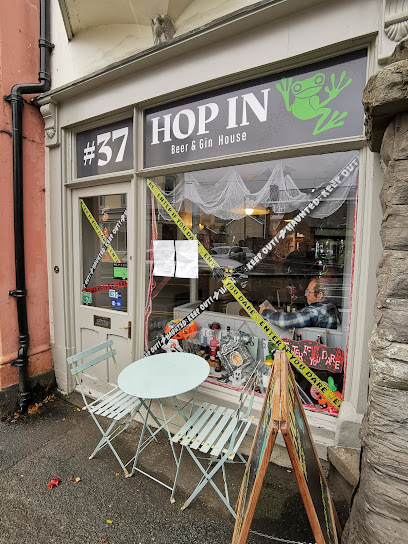
hop in beer and gin
0.6 km
Discover Brecon’s quirky bar with top-quality craft beers, artisanal gins, and delicious tapas in a cozy, historic setting.
The Three Horseshoes Inn
0.8 km
A cosy Welsh village pub blending traditional charm with refined British cuisine and a warm, welcoming atmosphere.
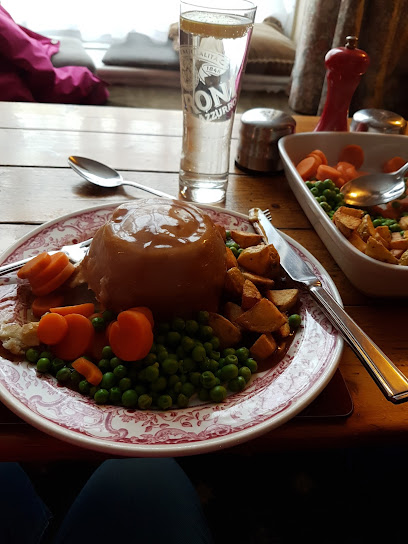
Drovers Arms
1.1 km
A welcoming Welsh village pub blending historic charm with hearty fare and friendly hospitality in the heart of Llanfaes, Brecon.
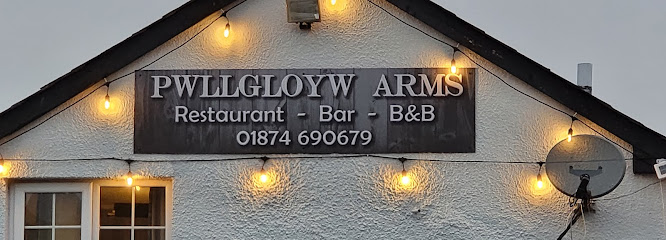
The Pwllgloyw Arms
4.8 km
A cozy mountain pub in Powys offering hearty Welsh fare, local ales, and a warm, welcoming atmosphere year-round.
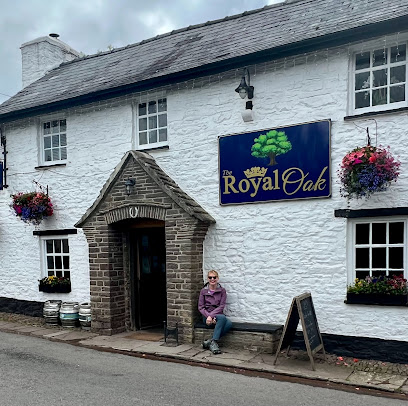
Royal Oak
6.3 km
Cozy Welsh pub in Pencelli offering traditional hospitality and local ales amidst the scenic Brecon Beacons.
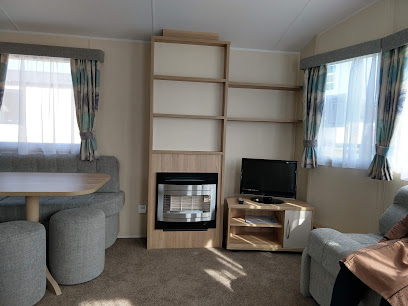
Lakeside Bar
8.6 km
Relax lakeside at this friendly pub within Brecon’s scenic caravan park, perfect for unwinding after exploring the Brecon Beacons.
The Red Lion Llangorse
9.1 km
A welcoming Welsh gastropub in Llangorse offering seasonal local dishes, real fires, and a cozy atmosphere near the Brecon Beacons.
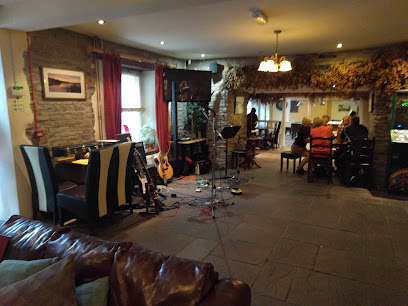
The Star Inn
9.4 km
A cozy and characterful pub with quality food and a sunny beer garden in the heart of Talybont-on-Usk, perfect for walkers and families alike.
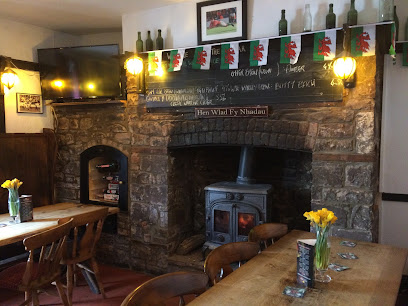
The New Inn
12.6 km
A cozy, affordable pub and backpackers’ haven in Bwlch, offering hearty food, friendly service, and a welcoming base for exploring the Brecon Beacons.
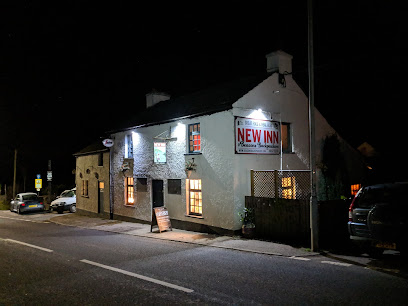
Coach & Horses
13.6 km
Historic canal-side pub and inn in Llangynidr offering hearty Welsh fare, cozy rooms, and a warm, welcoming atmosphere.
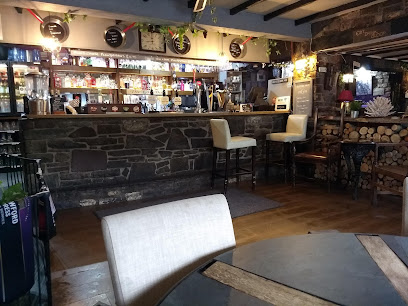
Shoemakers Arms
14.1 km
Charming community-run pub in the heart of Brecon Beacons, offering warm hospitality and authentic Welsh cuisine in a rustic setting.
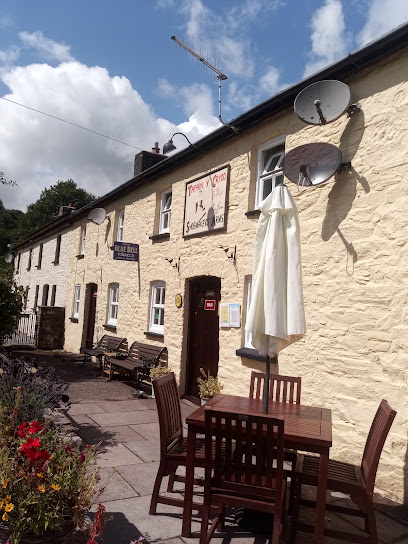
Nightclubs & after hour spots

Northcote Conservative Club
0.5 km
Discover the lively ambiance of Northcote Conservative Club, Brecon's premier destination for nightlife, music, and local culture.
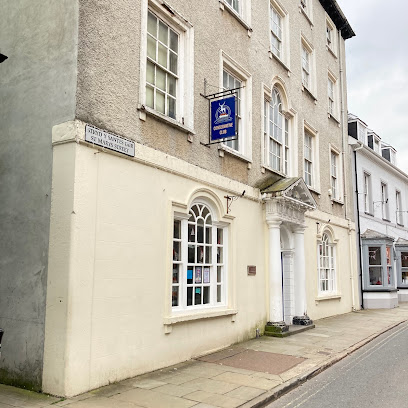
Jac’s Mansion
22.1 km
Experience welcoming, vibrant LGBTQ+ nightlife at Jac’s Mansion, Builth Wells’ iconic gay nightclub with a lively, inclusive atmosphere.
The Kirkhouse Nightclub (Koolers)
22.7 km
Experience the vibrant and friendly nightlife of Merthyr Tydfil at The Kirkhouse Nightclub, known locally as Koolers.

Pure Bar & Nightclub Ltd
22.7 km
A lively nightclub and cocktail bar in Merthyr Tydfil offering vibrant music, crafted drinks, and late-night entertainment in South Wales.
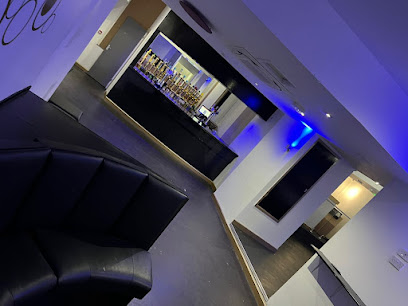
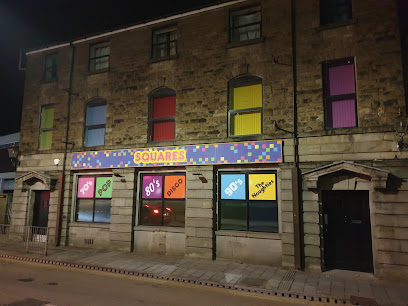
Squares Night club
37.7 km
Experience Porth’s vibrant nightlife at Squares Nightclub, where music, dance, and unforgettable evenings come alive every weekend.
The Top Club
38.6 km
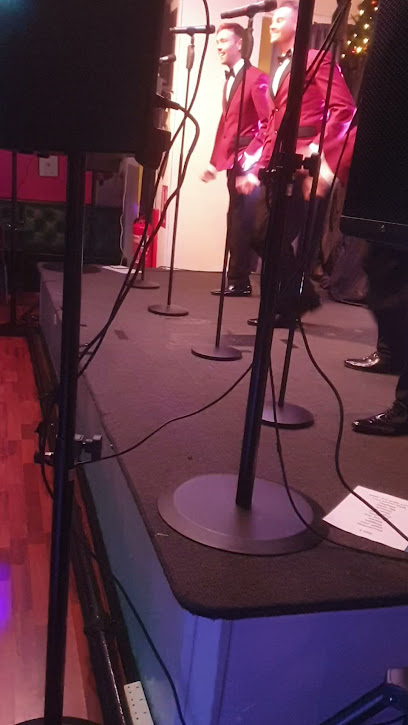
Experience Blaengarw’s vibrant nightlife at The Top Club, where electrifying entertainment meets community spirit in the heart of South Wales.
Eclipse Nightclub
40.7 km
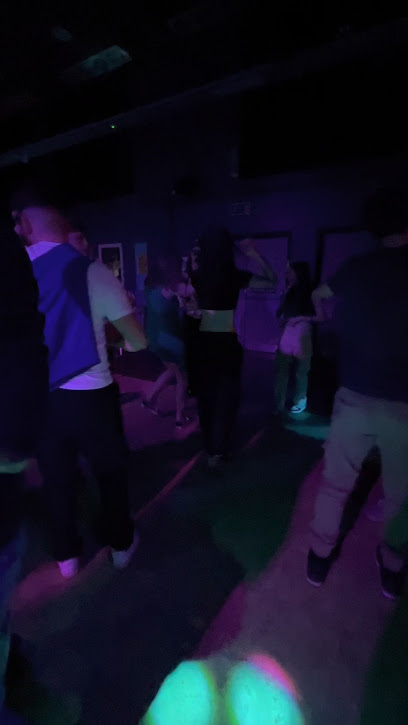
Experience Pontypridd’s vibrant midweek nightlife at Eclipse Nightclub, where music, dancing, and community come alive every Wednesday night.
The Arch Bar & Nightclub
43.0 km
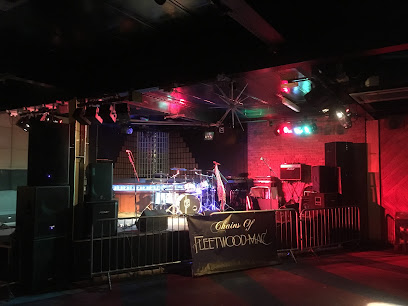
A lively Neath hotspot blending nightclub energy, live music, pub charm, and Thai cuisine in one vibrant venue.
Trilogy Hereford
48.0 km
Experience Hereford’s vibrant nightlife at Trilogy, a dynamic nightclub pulsing with music and energy until the early morning hours.
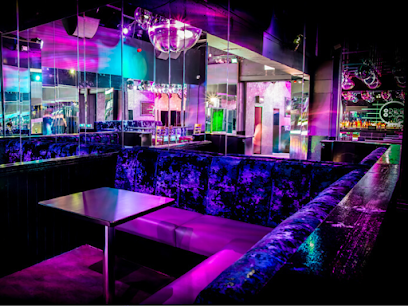
Jimmy's Bar
48.0 km
Experience the vibrant nightlife and live music scene at Jimmy's Bar, Port Talbot’s lively local hotspot with a welcoming atmosphere.
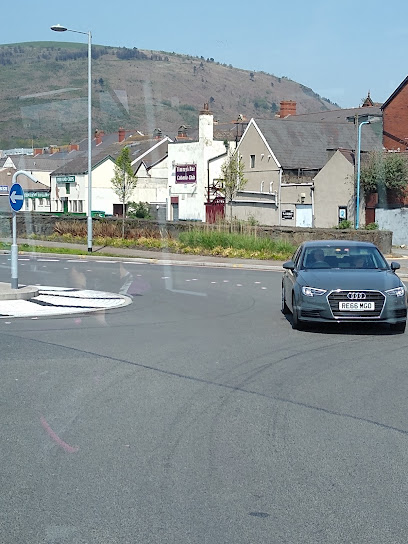
Mojos
48.5 km
Discover the vibrant nightlife of Newport at Mojos, the go-to cocktail bar for creative drinks and nightly karaoke excitement.
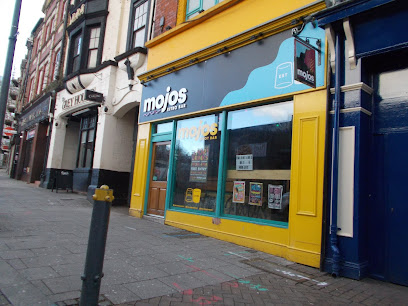
Vibez
48.6 km
Experience Newport’s vibrant nightlife at Vibez Superclub, where pounding bass and late-night energy create unforgettable weekend parties.

Hush Newport
48.6 km
Experience the vibrant Saturday nightlife at Hush Newport, Baneswell’s hotspot for music, dancing, and late-night fun in the heart of Newport.
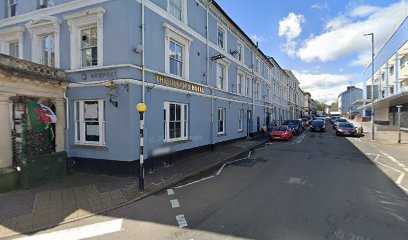
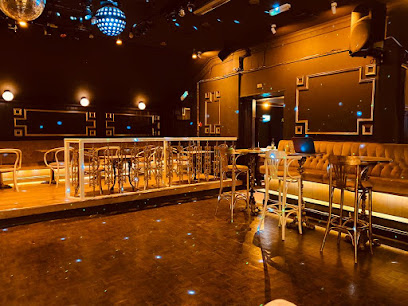
Stow Hill Rooms
48.7 km
A stylish Art Deco nightclub and function venue in the heart of Newport, blending vibrant nightlife with versatile event spaces.
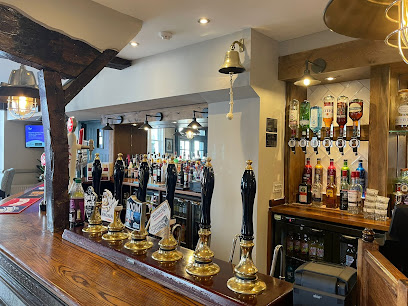
Punch House
48.9 km
Historic coaching inn and lively pub in Monmouth’s heart, offering real ales, hearty Welsh fare, dog-friendly stays, and a warm, welcoming atmosphere.
For the vibe & atmosphere seeker
- Romantic
- Tranquil
- Zen
- Scenic
- Unique
- Cultural Heritage
For the design and aesthetic lover
- Historic
- Vintage Styles
- Rustic Designs
For the architecture buff
- Historic
- Landmarks
- Sacred Sites
- Heritage Neighborhoods
For the view chaser and sunset hunter
- Iconic Views
- Panoramas
For the social media creator & influencer
- Instagrammable
- Photo Spots
- Architectural Shots
For the eco-conscious traveler
- Locally Managed
- Protected Area
For the kind of experience you’re after
- Spiritual / Energy Spot
- Myth & Legends
- Cultural Heritage
- Photowalk
- Day Trip
For how adventurous you want the journey to be
- Easy Access
- Requires Hike
Location Audience
- Family Friendly
- Senior Friendly
- Child Friendly
- Wheelchair Access
- Pet Friendly
- Solo Friendly
- Couple Friendly
- Solo Female Friendly


