Lacock Abbey, Fox Talbot Museum & Historic Village
Explore centuries of history, photography heritage, and enchanting English village charm at Lacock Abbey.
Lacock Abbey is a captivating historic site in Wiltshire, England, blending medieval architecture with a rich photographic heritage. Founded as an Augustinian nunnery, the abbey’s cloisters and Great Hall evoke its monastic past. The site includes the Fox Talbot Museum, celebrating the pioneering photographic work of William Henry Fox Talbot. Set within a picturesque English village famed for its film and TV locations, Lacock offers gardens, trails, and charming independent shops.
A brief summary to Lacock Abbey
- Chippenham, Lacock, SN15 2LG, GB
- Click to display
- Click to display
- Duration: 2 to 4 hours
- Mid ranged
-
 Outdoor
- Mobile reception: 4 out of 5
- Monday 10 am-5 pm
- Tuesday 10 am-5 pm
- Wednesday 10 am-5 pm
- Thursday 10 am-5 pm
- Friday 10 am-5 pm
- Saturday 10 am-5 pm
- Sunday 10 am-5 pm

Know before you go
Hi, I'm Eve. Here are a few practical things to know before exploring Lacock Abbey.
- Visit the Fox Talbot Museum to understand the origins of photography and see fascinating exhibitions.
- Explore the medieval cloisters, famously used as Hogwarts in the Harry Potter films.
- Enjoy seasonal trails and family activities in the gardens, especially during school holidays.
- Stop by the Stables café or Courtyard tea-room for refreshments and local treats.
- Take time to stroll through Lacock village’s historic streets and browse independent shops.
Do you manage this location?
Take control to get all the benefits, like improved information, better appearance, and stronger visibility across AI-powered discovery. Learn more
Activate your presenceGetting There
-
Train and Bus
Take a train to Chippenham from London Paddington or Bristol Temple Meads, with journey times of 1 to 1.5 hours. From Chippenham station, catch the local bus service 234 or 235 towards Lacock village, which takes about 20 minutes. Bus services run hourly but check schedules in advance. Tickets cost approximately £5-£10.
-
Car
Driving from Bristol or Bath, Lacock Abbey is about a 30-minute drive via the A350. Parking is available near the abbey with a charge for non-National Trust members (around £5-£7), while members park free. Note that village streets are narrow, so parking in designated lots is recommended.
-
Walking
For visitors staying in Lacock village, the abbey is an easy 5-10 minute walk on mostly level terrain with paved paths, suitable for wheelchair users and families with strollers.
For the on-the-go comforts that matter to you
-
 Restrooms
-
 Drink Options
-
 Food Options
-
 Seating Areas
-
 Picnic Areas
-
 Trash Bins
-
 Information Boards
-
 Visitor Center
Discover more about Lacock Abbey
From Medieval Monastery to Historic Home
Lacock Abbey’s origins date back over 800 years as an Augustinian nunnery. Over centuries, it evolved into a Tudor country house, preserving a fascinating blend of architectural styles. Visitors can explore the medieval cloisters — a tranquil, golden-hued courtyard that once formed the heart of monastic life — alongside richly furnished rooms that reflect the abbey’s later domestic phases. The Great Hall, a striking Gothic space, stands as a centerpiece of the abbey’s historic character.The Birthplace of Photography
The abbey is intimately connected to William Henry Fox Talbot, a pioneering figure in photography who lived here in the 19th century. The Fox Talbot Museum on site showcases his groundbreaking work and offers rotating exhibitions that celebrate photographic art and history. This fusion of medieval heritage with scientific innovation makes Lacock Abbey unique, inviting visitors to discover the origins of modern photography within ancient walls.Enchanting Gardens and Woodland
Surrounding the abbey are beautifully maintained gardens, including a botanic garden, orchard, and woodland areas that burst into seasonal color. These grounds provide a peaceful retreat for visitors to enjoy nature’s rhythms, from spring crocuses carpeting the lawns to autumnal foliage in the woodland. The gardens also host family-friendly trails and craft activities, especially during school holidays, making it a lively spot for all ages.A Quintessential English Village
Beyond the abbey gates lies Lacock village, a remarkably preserved medieval settlement with timber-framed houses and narrow streets. The village has served as a backdrop for numerous films and TV series, including the Harry Potter films, adding a layer of cinematic charm. Independent shops, quaint cafés, and historic pubs like The George Inn offer visitors a taste of local culture and hospitality.Visitor Experience and Facilities
Lacock Abbey is open daily from 10:00 to 17:00, with the abbey rooms and museum accessible during these hours. The site is wheelchair accessible and offers facilities for visually impaired visitors, including Braille and audio guides. On-site cafés, such as the Stables café and Courtyard tea-room, provide refreshments with seasonal menus. Parking is available with charges for non-National Trust members, while members enjoy free access.Seasonal Events and Festivities
Throughout the year, Lacock Abbey hosts events such as the Community Christmas Tree Festival and festive storytimes with Mother Christmas in the grotto. These seasonal celebrations add a magical atmosphere to the historic setting, enhancing the visitor experience with crafts, performances, and family-friendly activities.Explore the best of what Lacock Abbey has to offer















More about Wiltshire
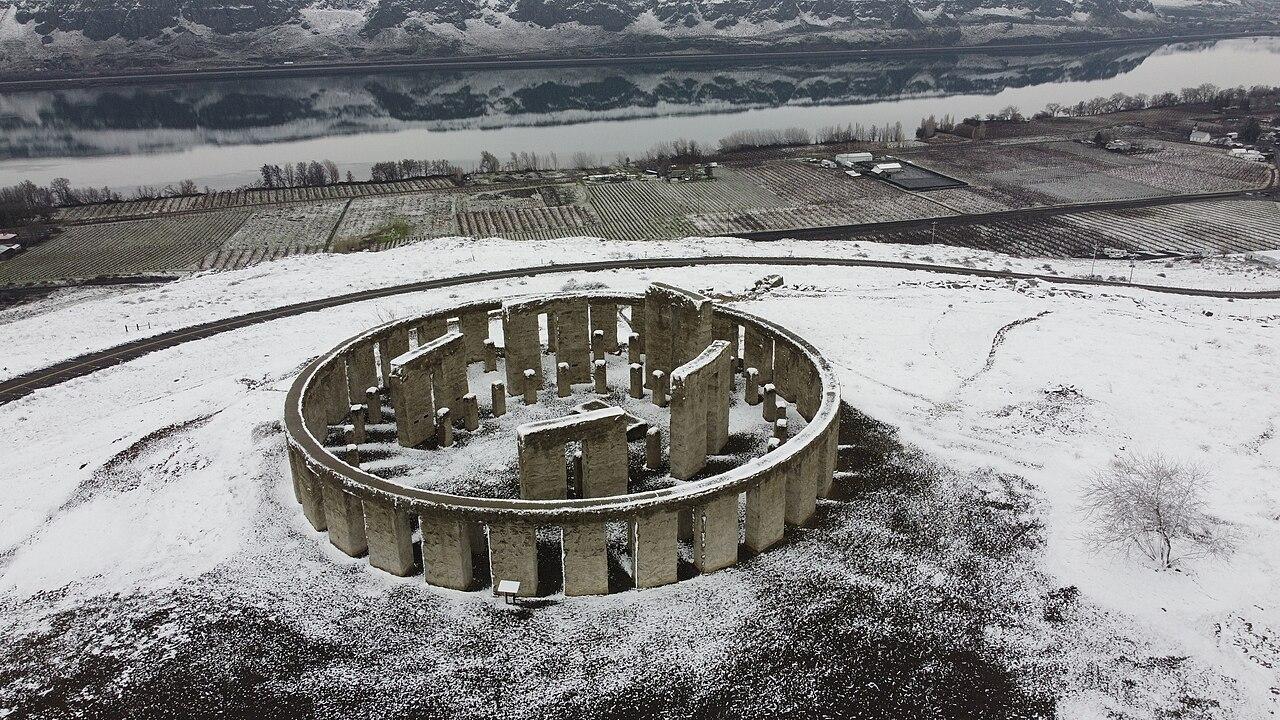
Discover Wiltshire: Home to Stonehenge, stunning landscapes, and charming villages, this county offers a perfect blend of history, nature, and quintessential English charm.
Tell me more about Wiltshire