
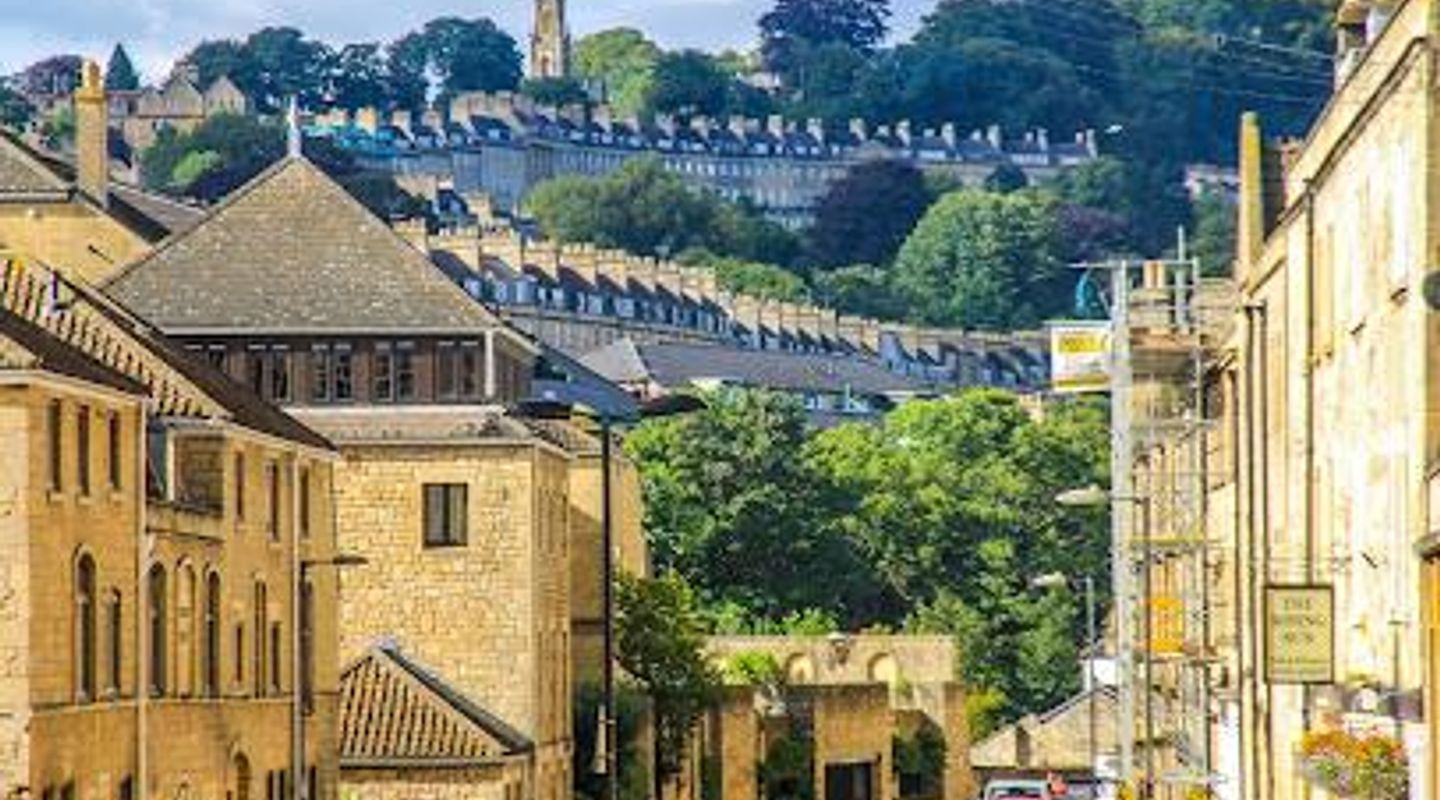
Argyle St & Pulteney Bridge, Wiltshire Travel Guide
One of the world’s rare shop-lined bridges, Pulteney Bridge is a Georgian masterpiece spanning the River Avon in Bath, blending elegant Palladian architecture with lively commerce.
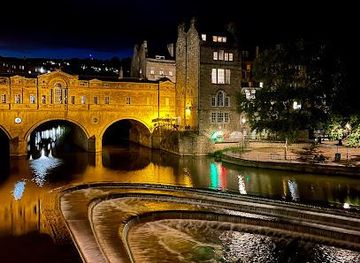
Pulteney Bridge in Bath is one of the world’s rare shop-lined bridges, designed by Robert Adam in the 1770s in elegant Palladian style. Spanning the River Avon, it connects Bath’s historic centre with Bathwick and is lined with small shops and eateries. Its graceful arches, classical façade, and picturesque views of the weir and surrounding gardens make it one of Bath’s most iconic and photographed landmarks, blending Georgian architecture with everyday life.
A brief summary to Argyle St & Pulteney Bridge
- Bath, Bathwick, BA2 4BA, GB
- Duration: 0.5 to 2 hours
- Free
-
 Outdoor
- Mobile reception: 5 out of 5

Know before you go
Hi, I'm Eve. Here are a few practical things to know before exploring Argyle St & Pulteney Bridge.
- Visit early in the morning or late afternoon to avoid crowds and capture the bridge in soft, golden light, especially from Parade Gardens or the weir.
- Walk across the bridge slowly to appreciate the shopfronts and the views of the River Avon and weir; it feels more like a street than a bridge.
- Combine your visit with a stroll through Parade Gardens and a boat trip from the nearby landing stage for a fuller riverside experience.
- Look for the classical details on the southern façade, including the Palladian window and pediments, which best reflect Robert Adam’s original design.
Do you manage this location?
Take control to get all the benefits, like improved information, better appearance, and stronger visibility across AI-powered discovery. Learn more about listing your business on Evendo
Activate your presenceOther nearby places you may find interesting
The closest places of the same kind, if this one is not quite what you had in mind.
Explore Argyle St & Pulteney Bridge on the Map
A handpicked selection of must-see spots near Argyle St & Pulteney Bridge, mapped for you.
Unlock the Best of Argyle St & Pulteney Bridge
Buy tickets
-
No tickets available
Book tours with entry


Getting There
-
Walking
From Bath city centre, walk along the riverside paths or through the city streets to Pulteney Bridge; it takes about 10–15 minutes from the Abbey or the Roman Baths, with level, paved routes suitable for most visitors.
-
Bus
Several local bus routes serve stops near Pulteney Bridge or the adjacent Parade Gardens; check current timetables for services running along the river or through the city centre, with a short walk to the bridge.
-
Boat
Regular river boat trips depart from a landing stage near Pulteney Bridge, offering a scenic approach from the water; tickets are available on the day for short trips upriver towards Bathampton.
For the on-the-go comforts that matter to you
-
 Restrooms
-
 Drink Options
-
 Drinking Water
-
 Food Options
-
 Seating Areas
-
 Information Boards
Discover more about Argyle St & Pulteney Bridge
A Georgian Masterpiece Over the Avon
Standing gracefully over the River Avon in Bath, Pulteney Bridge is a celebrated example of 18th-century Palladian architecture. Designed by the renowned Scottish architect Robert Adam and completed in 1774, it was built to link the city centre with the Pulteney family’s Bathwick estate, enabling the development of a grand new Georgian quarter. Inspired by Italian bridges like Florence’s Ponte Vecchio and Palladio’s unrealised Rialto design, Adam created a bridge that is not just a crossing but a complete architectural composition, with a narrow street flanked by shops on both sides.Architecture and the Shop-Clad Span
The bridge features three elegant segmental arches of equal span, supporting a structure built from local Bath stone. Its southern façade is the most architecturally significant, resembling a classical temple with a central bay crowned by a broken-bed pediment and a large Palladian window, flanked by smaller bays with pointed pediments. The northern side, altered over time with cantilevered shop extensions, is less symmetrical but still contributes to the bridge’s distinctive character. Pulteney Bridge is one of only a handful of bridges worldwide with shops across its full length on both sides, making it a rare and fascinating fusion of commerce and civic engineering.History and Changing Fortunes
Commissioned by William Johnstone Pulteney as part of his ambitious plan to rival Bath’s western developments, the bridge quickly became a commercial hub, housing milliners, booksellers, and other trades. Floods and commercial pressures led to alterations in the 18th and 19th centuries, distorting Adam’s original vision. In the 20th century, Bath City Council undertook major restoration work, buying up shops and gradually returning the southern façade closer to Adam’s design. Designated a Grade I listed building, the bridge is now a protected landmark and a key part of Bath’s UNESCO World Heritage Site.Life on the Bridge Today
Today, Pulteney Bridge remains a living part of Bath’s urban fabric. Its narrow roadway carries pedestrians and occasional vehicles, while the small shops and eateries lining its sides serve both locals and visitors. The bridge offers some of the city’s most picturesque views, particularly from Parade Gardens and the weir downstream, where the Avon cascades in a V-shaped fall. It has also gained wider fame as a filming location, including a memorable scene in the 2012 adaptation of Les Misérables, further cementing its status as one of Bath’s most iconic sights.More to explore near Argyle St & Pulteney Bridge













Your all‑in‑one travel companion app
Explore expert travel guides, compare and book tours, experiences, hotels, and more—all from the palm of your hand. Download now for seamless trip planning wherever your wanderlust takes you.


Explore More of Wiltshire
Looking beyond Argyle St & Pulteney Bridge? Discover Wiltshire for broader travel guides, local hot-spots, and regional highlights.
Explore Wiltshire
Explore Bristol’s hidden medieval cellars beneath High Street, where Gothic vaults tell tales of centuries past beneath the city’s modern bustle.
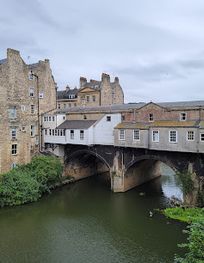
Discover Bath’s unique 18th-century Palladian bridge with shops on both sides, blending history, architecture, and riverside charm.
