

Mount Stuart Travel Guide
Free Guide: Explore Mount Stuart, a breathtaking Victorian Gothic palace on the Isle of Bute, blending rich heritage, architectural grandeur, and stunning gardens.


A brief summary of Mount Stuart
Explore Mount Stuart, a breathtaking Victorian Gothic palace on the Isle of Bute, blending rich heritage, architectural grandeur, and stunning gardens.
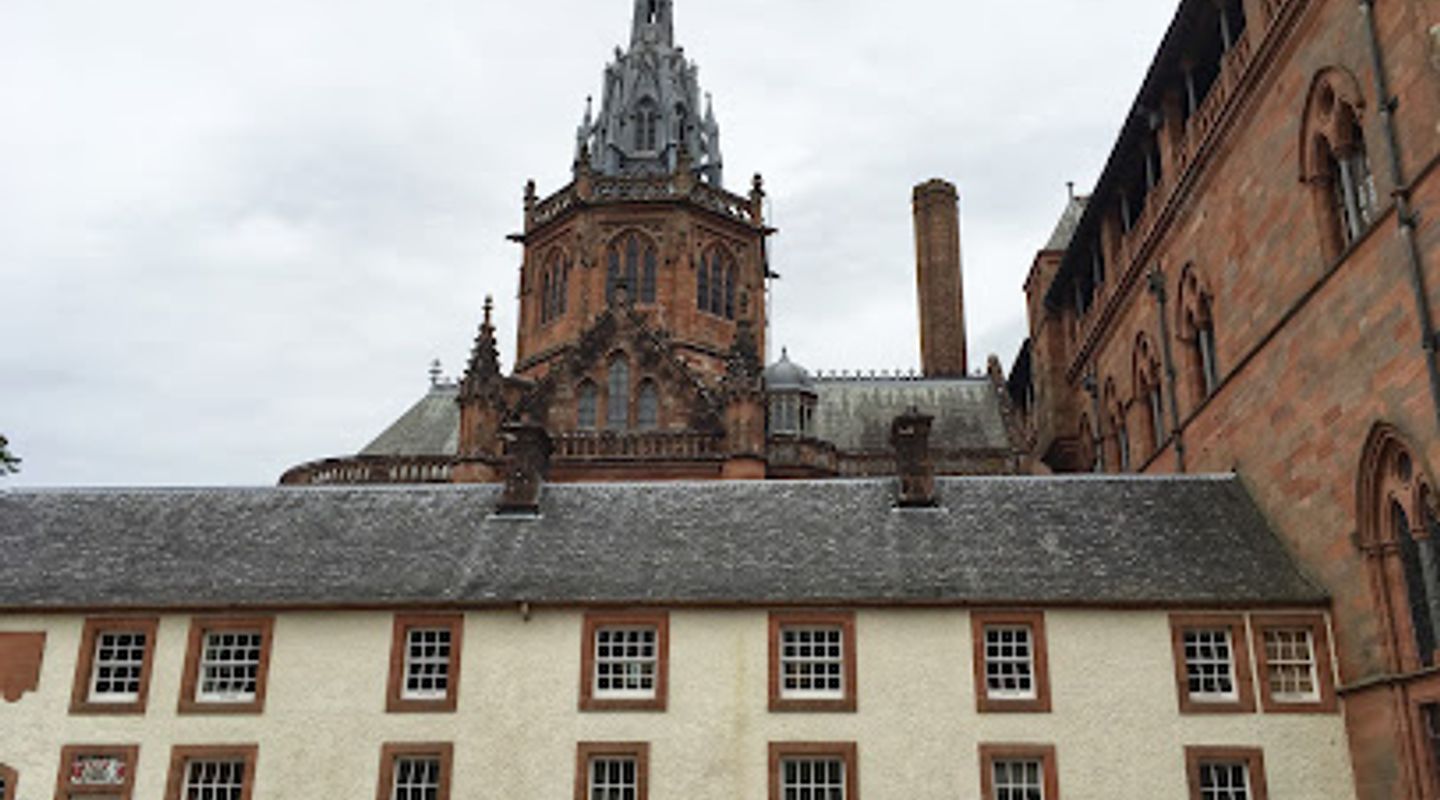
Mount Stuart is a striking Victorian Gothic Revival mansion on Scotland’s Isle of Bute, renowned for its rich history, architectural grandeur, and extensive gardens. Built in red sandstone after a devastating fire in 1877, it was the visionary project of the 3rd Marquess of Bute, blending innovation with medieval-inspired design. Today, Mount Stuart welcomes visitors to explore its lavish interiors, historic collections, and beautifully maintained grounds, offering a unique glimpse into the legacy of the Crichton-Stuart family.
On-site amenities
 Restrooms
 Drink options
 Food options
 Seating areas
 Trash bins
 Information boards
 Visitor centre
Opening hours
- Mon11:30 am–4 pm
- Tue11:30 am–4 pm
- Wed11:30 am–4 pm
- Thu11:30 am–4 pm
- Fri9 am–4 pm
- Sat9 am–4 pm
- Sun11:30 am–4 pm
Opening hours as listed on the venue’s Google Business Profile. Hours can change for services and special events, so check with the venue before you go.
- Address
- Rothesay, Isle of Bute PA20 9LR
- Phone
- Website
Getting there
Public Transport
Car
Bicycle
Discover more about Mount Stuart
A Legacy Rooted in Scottish Nobility
Mount Stuart stands as the ancestral home of the Crichton-Stuart family, whose lineage traces back to the hereditary Stewards of Scotland from the 12th century. The estate’s origins date to the early 18th century when the 2nd Earl of Bute commissioned the first grand house on this coastal site overlooking the Firth of Clyde. The family’s deep historical ties include descent from Robert the Bruce and stewardship roles that shaped Scotland’s medieval history. This rich heritage infuses Mount Stuart with a profound cultural significance beyond its architectural splendor.
The Vision of the 3rd Marquess and Architectural Renaissance
The current Mount Stuart mansion is the result of an ambitious rebuilding effort following a catastrophic fire in 1877 that destroyed much of the original Georgian house. John Patrick Crichton-Stuart, the 3rd Marquess of Bute, a passionate patron of architecture, commissioned Sir Robert Rowand Anderson to design a new residence that would be more palace than home. Constructed over 21 years until the Marquess’s death in 1900, the building showcases a Gothic Revival style in vivid red sandstone, featuring intricate craftsmanship, stained glass, and sculptural details. It was also pioneering technologically, being among the first Scottish houses to have electric lighting and advanced heating and ventilation systems.
Artistic Treasures and Interior Grandeur
Inside, Mount Stuart houses a remarkable collection of art, furniture, and decorative objects, many commissioned or acquired by the family over generations. The interiors are a feast of Victorian Gothic design, with celestial motifs, elaborate woodwork, and expansive marble staircases. The stained glass windows, designed by Horatio Lonsdale, add vibrant color and narrative depth throughout the rooms. The house remains a living museum of the 3rd Marquess’s vision, completed and restored by later family members and the Mount Stuart Trust to preserve its historical integrity.
Gardens and Grounds: A Natural Sanctuary
Surrounding the house are 300 acres of meticulously maintained gardens and parkland. The grounds blend formal Victorian landscaping with natural woodland and coastal views, creating a tranquil retreat. Visitors can wander winding paths, discover rare plant species, and enjoy panoramic vistas of the Isle of Bute and the Firth of Clyde. The gardens also host contemporary art exhibitions and seasonal events, linking the estate’s heritage with modern cultural life.
From Family Home to Public Treasure
The Crichton-Stuart family lived at Mount Stuart until 1993, when the estate was entrusted to the Mount Stuart Trust to ensure its preservation and public accessibility. Since opening to visitors in 1995, Mount Stuart has become a celebrated cultural attraction, offering self-guided tours, private visits, and educational programs. The estate also includes a café and gift shop featuring local crafts, enhancing the visitor experience while supporting the Isle of Bute’s rural economy.
Enduring Innovation and Inspiration
Mount Stuart’s story is one of resilience, creativity, and forward-thinking. Its blend of medieval inspiration and Victorian innovation reflects the 3rd Marquess’s unique vision, making it not just a historic house but a symbol of architectural and technological progress. Today, it continues to inspire visitors with its beauty, history, and the seamless integration of past and present in a stunning Scottish setting.
Evendo Review Centre
 Google
Guest reviews
Best time to go
Quietest: Jan, Feb & Dec · before 7am or from 9pm
Busy times are Evendo estimates for a typical year, to help you plan. Actual crowds vary with events, school holidays and the weather.
Explore Mount Stuart on the map
A handpicked selection of must-see spots near Mount Stuart, mapped for you.
Get your free copy of our complete guide to Mount Stuart, delivered straight to you.
Everything on this page, from opening hours and how to get there to Eve’s tips and the best time to go, in one PDF you can read offline, print or share.
Already have an account? Sign in
Your Mount Stuart guide is ready.
We'll send it to · Not you? Sign out

Getting your guide ready…
We are putting together a fresh copy of the Mount Stuart guide. This can take up to a minute.
This can take a few moments. If your browser asks, choose Allow so the download can start. You'll find the guide in your Downloads folder.
Nothing happened? Download it again
Sorry, the guide is taking longer than usual. Please try again in a minute, or get it by email instead.
Unlock the best of Mount Stuart
Skip-the-line tickets, guided tours with entry, and walking tours of the area, booked in a few clicks.


Other nearby places you may find interesting
The closest places of the same kind, if this one is not quite what you had in mind.
-
-
-
-
-


Swipe for more places
More to explore near Mount Stuart

 Best experiences near Mount Stuart
 Best hotels near Mount Stuart
 Best landmarks near Mount Stuart
 Best attractions near Mount Stuart
 Best shops near Mount Stuart
 Best restaurants near Mount Stuart
 Best bars near Mount Stuart
Do you manage this location?
Take control to get all the benefits, like improved information, better appearance, and stronger visibility across AI-powered discovery.
Explore more

Explore more of Bute
Discover the Isle of Bute in the United Kingdom, a serene island retreat offering stunning landscapes, historic landmarks, and a vibrant local culture.
Explore Bute
Explore more of United Kingdom
Discover the United Kingdom: A blend of rich history, stunning landscapes, and vibrant cities, offering a unique travel experience for every visitor.
Explore United Kingdom
