
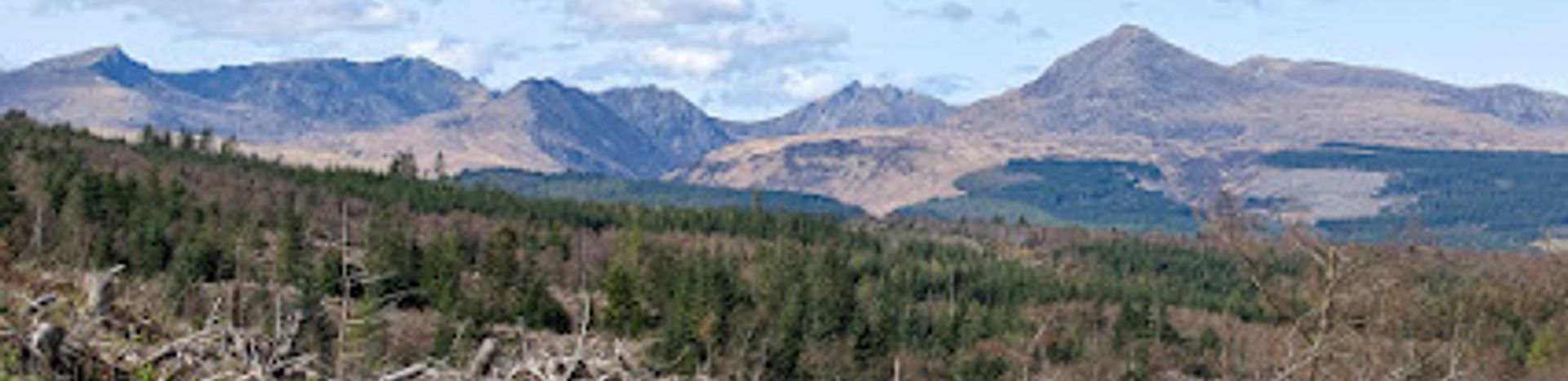
Lamlash Stone Circle
Ancient Neolithic gathering place where stone and sky converge on Arran's moorland.
Perched on the Isle of Arran's Forest Trail, the Lamlash Stone Circle stands as a testament to Scotland's rich Neolithic heritage. This ancient monument, part of a broader landscape of prehistoric ritual sites scattered across the Hebrides and mainland, offers visitors a tangible connection to communities who gathered here thousands of years ago for ceremonies and spiritual observance. The circle's remote moorland setting amplifies its sense of timelessness and mystery.
A brief summary to Lamlash Stone Circle
- Forest Trail, Isle of Arran, KA27 8BJ, GB
- Duration: 1.5 to 3 hours
- Free
-
 Outdoor
- Mobile reception: 3 out of 5
Local tips
- Visit during clear weather to fully appreciate the circle's alignment with distant landscape features and to safely navigate the moorland terrain.
- Allow time to walk the full perimeter of the circle and observe how the stones frame views across Arran's landscape and toward the Firth of Clyde.
- Bring sturdy footwear and weather-appropriate clothing; the moorland can be boggy and exposed to wind, particularly in autumn and winter months.
- Consider visiting early morning or late afternoon when light angles across the stones create dramatic shadows and enhance the sense of ancient presence.

For the on-the-go comforts that matter to you
- Trash Bins
- Information Boards
Getting There
-
Ferry and Car
From Ardrossan on the Ayrshire coast, take the Caledonian MacBrayne ferry to Brodick, Isle of Arran (approximately 55 minutes). Upon arrival, rent a car or use local taxi services to reach the Forest Trail trailhead near Lamlash village, approximately 20 minutes' drive south. The Forest Trail car park provides access to the stone circle via a well-marked walking path. Ferry services operate year-round with multiple daily sailings; advance booking recommended during summer months. Ferry costs approximately £8–15 per adult one-way; car rental from Brodick ranges from £35–60 per day depending on vehicle type.
-
Bus and Walking
From Brodick ferry terminal, take the local Arran bus service (route 301 or 302) heading south toward Lamlash and Whiting Bay. Journey time approximately 20–30 minutes. Alight at Lamlash village and walk to the Forest Trail entrance, approximately 1.5 kilometres uphill on quiet roads. From the car park, the stone circle is accessible via a 30–45 minute moorland walk. Bus services operate daily but with reduced frequency in winter; single fares approximately £2–4. This option requires good fitness and weather-appropriate gear.
-
Taxi from Brodick
Arrange a taxi from Brodick ferry terminal directly to the Forest Trail car park near Lamlash, approximately 20–25 minutes' drive. Local taxi firms operate from the terminal; journey costs typically £25–40 depending on exact pickup and drop-off points. From the car park, the stone circle requires a 30–45 minute walk across moorland. Taxis can be pre-booked or arranged on arrival; this option is most practical for visitors with limited mobility or those arriving with heavy luggage.
Lamlash Stone Circle location weather suitability
-
 Clear Skies
-
 Mild Temperatures
Discover more about Lamlash Stone Circle
A Monument to Ancient Ritual and Community
The Lamlash Stone Circle belongs to a remarkable tradition of stone circle construction that flourished across Scotland during the Neolithic and Bronze Age periods, roughly between 3500 and 1500 BC. Like its counterparts at Machrie Moor on Arran and the celebrated Calanais Stones in the Outer Hebrides, this circle represents a sophisticated understanding of landscape, astronomy, and communal purpose. The builders of these monuments were skilled engineers and visionary planners who invested enormous labour in transporting and positioning stones that often weighed many tonnes, a feat that speaks to the profound importance these sites held in their society.Connections Across an Ancient World
The Neolithic people who erected stone circles in Scotland were far more interconnected than once believed. Archaeological evidence reveals that communities travelled extensively, inspired by monumental achievements they witnessed elsewhere. The builders of Calanais I, for instance, journeyed to Orkney to see the magnificent Stones of Stenness, a voyage of five to six days by Neolithic boat. Similarly, the stone circles scattered across Arran, the Outer Hebrides, and Kilmartin Glen share stylistic and ceremonial characteristics, suggesting a shared cultural understanding and possibly direct contact between distant communities. These connections extended to Ireland and beyond, with evidence of trade in materials such as porcellanite axes from County Antrim and pottery exchanges with Orkney settlements.Sacred Purpose and Ceremonial Function
While the precise purposes of stone circles remain subjects of scholarly debate, evidence strongly suggests they served as centres of religious and ceremonial activity. Burials and cremations have been discovered within and around these monuments, indicating their role as sacred repositories for the dead and as focal points for ritual commemoration. Some researchers propose that the circles functioned as gathering places for seasonal festivals, tribal assemblies, or astronomical observations aligned with solstices and equinoxes. The positioning of many circles allows viewers to observe the extreme rising and setting points of the sun and moon, suggesting that timekeeping and celestial observation formed integral parts of their function. The Lamlash Stone Circle, set within Arran's dramatic landscape, would have commanded views across the Firth of Clyde, making it an ideal location for both practical and spiritual purposes.Landscape and Environmental Context
The moorland setting of the Lamlash Stone Circle reflects the environment as it existed in prehistoric times. By the Neolithic period, the landscape of Scotland had already undergone significant transformation. Forests had been cleared for agriculture, and farming communities cultivated crops and grazed animals across the terrain. Over millennia, climate change altered conditions, bringing cooler and wetter weather that eventually transformed the landscape. On the Outer Hebrides, blanket peat accumulated to depths of nearly two metres, eventually enveloping monuments and making farming increasingly difficult. Yet despite these environmental shifts, the stones endured, their permanence contrasting sharply with the changing world around them. The Lamlash Stone Circle has similarly witnessed the transformation of Arran's landscape, standing as an unchanging marker through millennia of ecological and cultural change.The Enduring Mystery and Modern Significance
Part of the power of stone circles lies in the mysteries that surround them. Without written records from the Neolithic period, the true intentions of their builders remain largely unknowable. This absence of certainty has inspired countless theories and interpretations, from practical explanations rooted in astronomy and agriculture to more mystical understandings. Local folklore has long attributed supernatural origins to standing stones; in the 17th century, some communities believed the stones were petrified giants or men punished for transgression. While modern archaeology offers more grounded explanations, the sense of wonder and mystery persists. For contemporary visitors, the Lamlash Stone Circle offers an opportunity to stand where ancient communities gathered, to contemplate the sophistication and determination of people separated from us by thousands of years, and to reflect on humanity's enduring need to create monuments that transcend individual lifespans.Iconic landmarks you can’t miss

Lamlash Stone Circle
0.0 km
Ancient Neolithic gathering place where stone and sky converge on Arran's moorland.
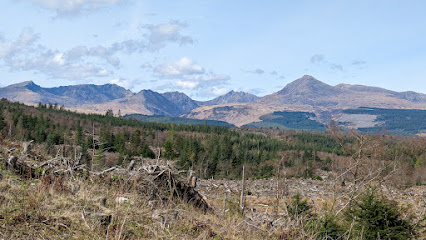
Wee Al's Bench
2.8 km
Breathtaking coastal vantage point where Arran's natural beauty meets centuries of island heritage.
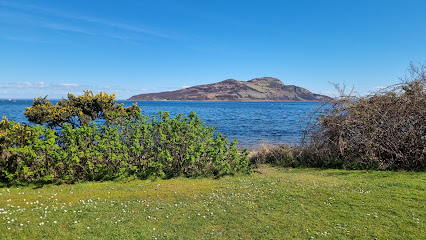
Kingscross Viking Fort
6.3 km
Discover the ancient Viking fort and burial mound at Kingscross Point, where history meets breathtaking coastal vistas on the Isle of Arran.
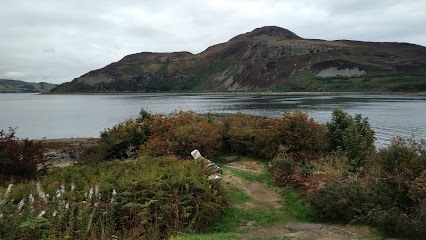
Lochranza Youth Hostel
18.9 km
Experience the natural beauty and cultural charm of Lochranza Youth Hostel on the Isle of Arran, the perfect retreat for adventure and relaxation.

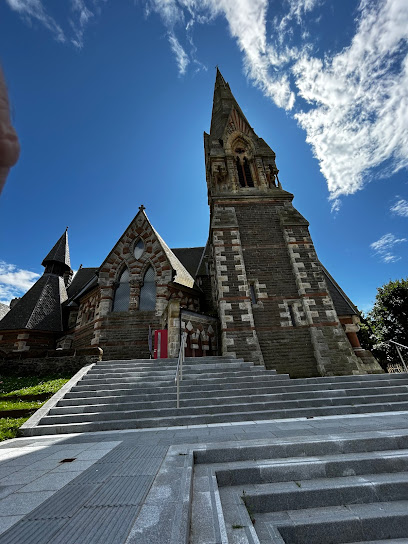
Trinity Church (Former)
30.5 km
A majestic Gothic Revival landmark showcasing Victorian ecclesiastical architecture and Irvine’s rich religious heritage.
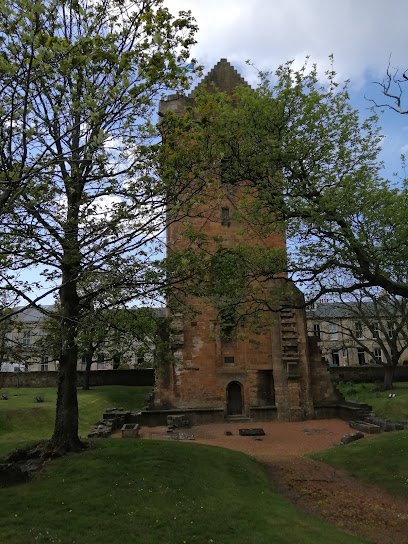
Ayr Citadel
33.3 km
Explore Ayr Citadel, a 17th-century hexagonal fortress by the sea, rich in history and coastal charm.
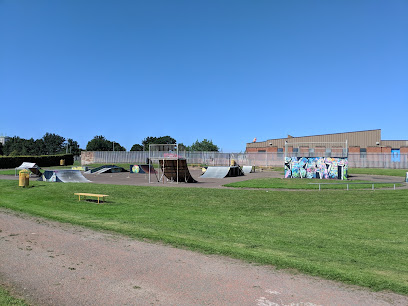
Craigie Park
34.4 km
Experience the natural beauty and tranquility of Craigie Park in Ayr, a perfect retreat for relaxation and leisurely strolls amidst vibrant landscapes.
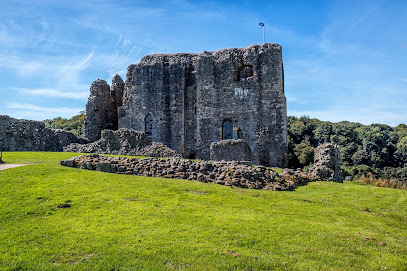
Dundonald Castle and Visitor Centre
34.4 km
Explore the rich medieval heritage and breathtaking views at Dundonald Castle and Visitor Centre, a must-visit destination for history enthusiasts and travelers.
Kyles of Bute Viewpoint
34.7 km
Discover the stunning vistas of the Kyles of Bute Viewpoint, a serene escape on the Isle of Bute brimming with natural beauty and breathtaking landscapes.
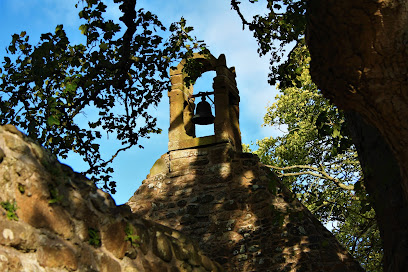
Alloway Auld Kirk
34.8 km
Explore Alloway Auld Kirk, a historic church linked to Robert Burns, offering a blend of literary heritage and tranquil surroundings in beautiful Scotland.
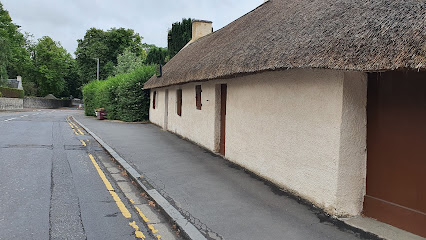
Burns Cottage
34.8 km
Explore the rich heritage of Scotland's national poet at Burns Cottage in Alloway, where history and literature come alive.
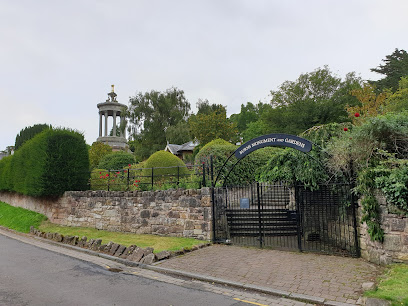
Burns Monument
34.9 km
Discover the enchanting Burns Monument in Alloway, a serene tribute to Scotland's revered poet, surrounded by lush gardens and rich literary history.
Robert Burns Birthplace Museum
35.0 km
Explore the rich heritage of Scotland's national poet, Robert Burns, at the captivating Birthplace Museum in Alloway.
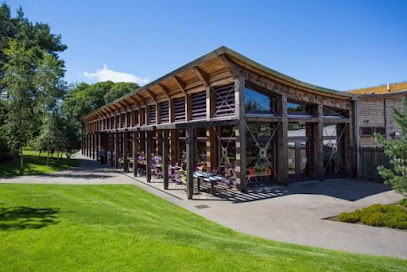
Rozelle Estate
35.0 km
Explore Rozelle Estate, a tranquil park in Ayr, Scotland, with stunning gardens, scenic walks, and rich history for a perfect day out.
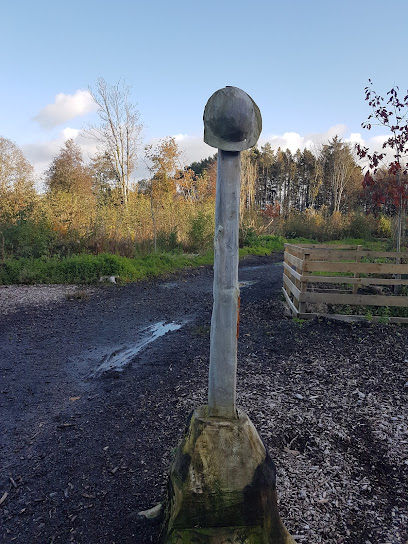
Crossraguel Abbey(Abaid Crossraguel
35.8 km
Explore Crossraguel Abbey in Maybole, a serene 13th-century ruin rich in history and stunning architecture, perfect for history enthusiasts and nature lovers.
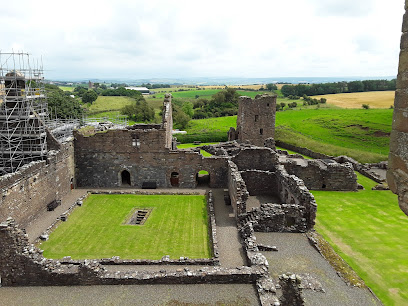
Unmissable attractions to see

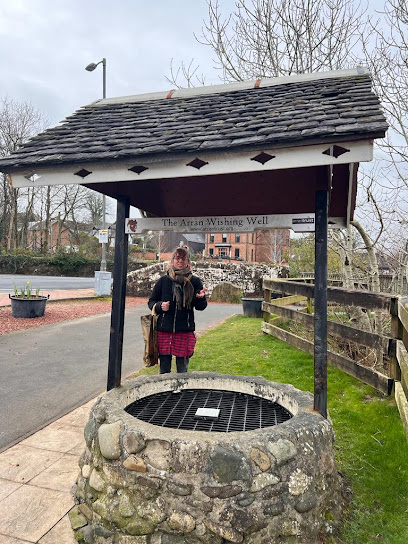
The Arran Wishing Well
2.5 km
Discover the magic of The Arran Wishing Well, a serene tourist attraction on the Isle of Arran, where folklore and nature intertwine beautifully.
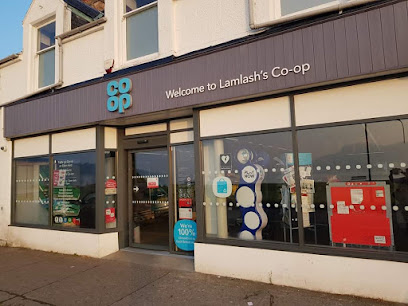
Co-op Food - Arran Lamlash - Main Street
2.5 km
Your friendly local Co-op Food store on Lamlash’s Main Street, open daily with essentials for island life.
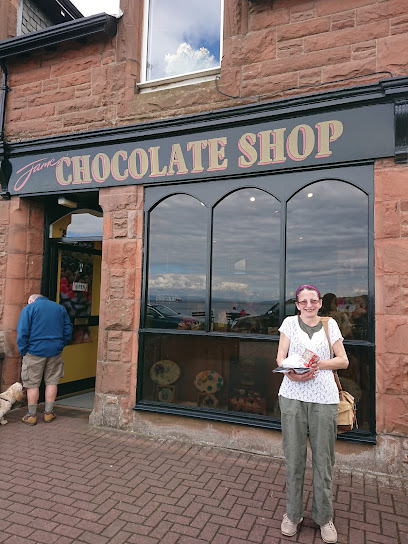
Arran Chocolate Factory
2.6 km
Discover handcrafted chocolates in the heart of Brodick, where island tradition meets artisan sweetness on the Isle of Arran.
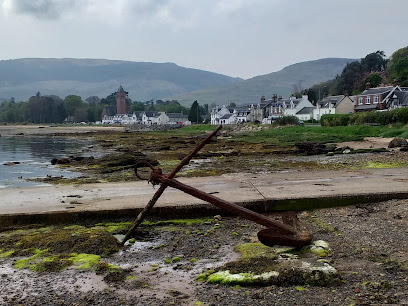
COAST Discovery Centre
2.8 km
Explore Scotland’s first community-led Marine Protected Area visitor centre on the Isle of Arran, where marine conservation meets local passion.
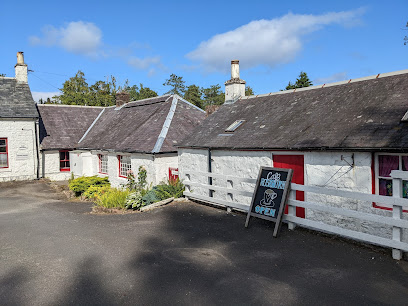
Arran Heritage Museum
3.5 km
Discover the rich history of the Isle of Arran through authentic buildings and artifacts in this charming heritage museum nestled in Rosaburn.
Brodick Squirrel Hide
4.4 km
Discover the enchanting red squirrels of Arran up close at Brodick’s peaceful and family-friendly squirrel hide.
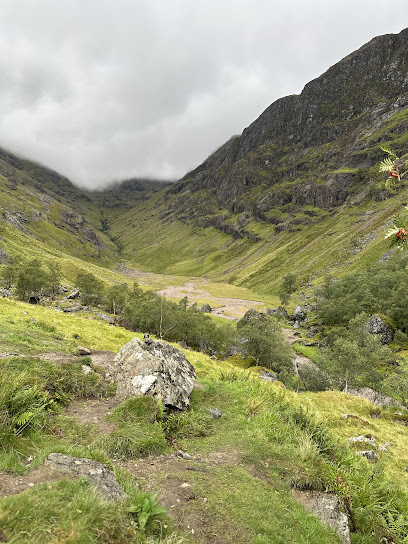
Brodick Castle, Garden and Country Park
4.5 km
Historic Scottish baronial castle with stunning gardens, woodland trails, and family adventure play on the Isle of Arran.
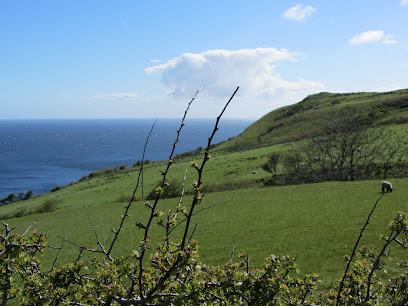
Blue Pools - Glen Rosa
6.6 km
Discover the serene Blue Pools in Glen Rosa, a wild swimming haven set beneath Goat Fell’s majestic peaks on the Isle of Arran.
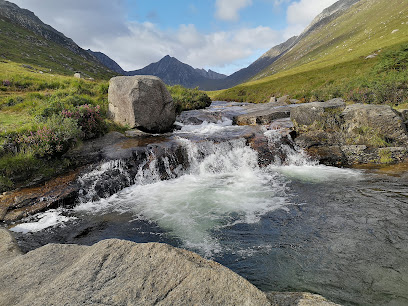
The Shurig
8.2 km
Savor fresh Scottish grill specialties with stunning sea views in the cozy, welcoming setting of The Shurig at Eden Lodge.
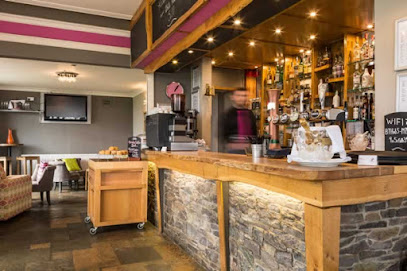
Eas a’ Chrannaig
8.5 km
Discover the Isle of Arran’s tallest waterfall and ancient Neolithic Giants’ Graves in a scenic woodland setting rich with history and wildlife.
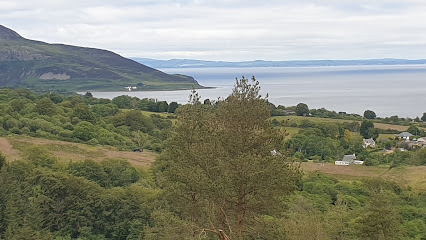
Giants' Graves
9.1 km
Explore the mysterious Neolithic Giants' Graves on Isle of Arran, ancient chambered tombs with breathtaking views over Whiting Bay and the Clyde estuary.
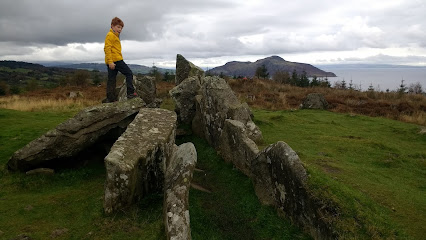
North Goatfell
9.4 km
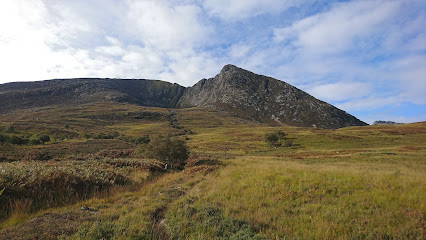
Dramatic 818m ridge-bound peak offering scrambling, exposure, and panoramic Highland views on Arran's iconic mountain range.
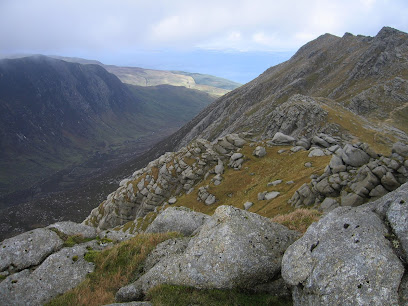
Sheep Harbour Cleats
9.4 km
Discover the whimsical charm of Sheep Harbour Cleats, where boat moorings take the form of life-like sheep sculptures on Arran’s scenic Corrie harbour.
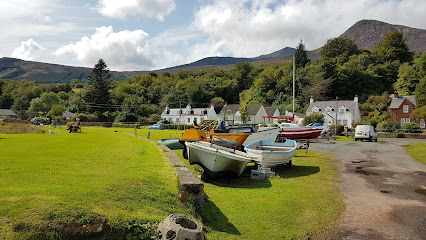
Doctors bath
9.6 km
Historic tidal seawater bath carved into sandstone in 1835, blending natural beauty with early therapeutic innovation on Isle of Arran.
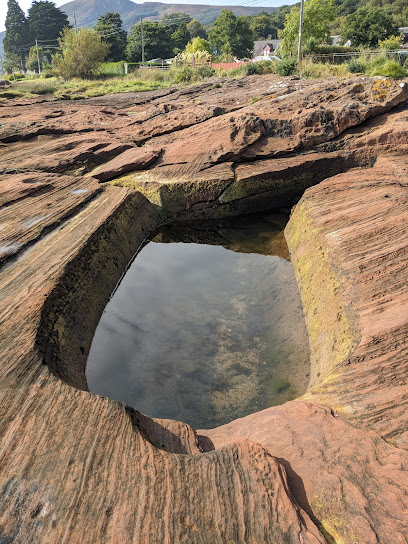
Devils Punch Bowl, Isle of Arran
10.6 km
Discover the secluded natural amphitheater of Devil's Punch Bowl, a breathtaking waterfall and geological wonder on the Isle of Arran.
Essential places to dine

Duncans on the Green
1.7 km
Family-friendly dining with local flavors and stunning views at Lamlash Golf Club on the Isle of Arran.

Drift Inn
2.3 km
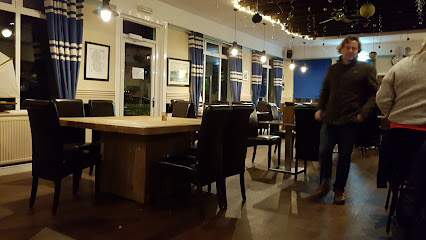
Experience fresh seafood and grill delights with breathtaking views of Holy Isle at The Drift Inn, Lamlash’s beloved coastal eatery.
Little Rock Cafe & Wee Deli
2.5 km
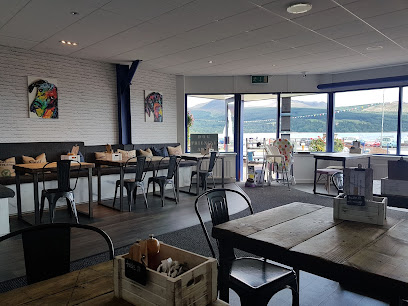
Charming shorefront café and deli in Brodick offering quality Scottish fare, scenic bay views, and a welcoming, family-friendly atmosphere.
Brambles Seafood + Grill
2.6 km
Elegant seafood and grilled specialties with local flair in a cozy, dog-friendly setting at Auchrannie Resort, Brodick.
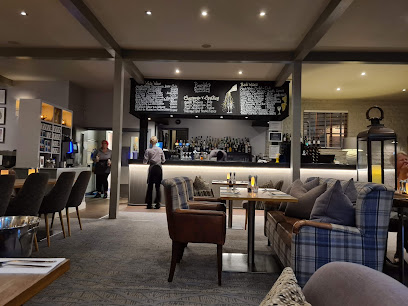
Eighteen69
2.6 km
Experience innovative tapas and island charm at Eighteen69, the stylish dining jewel within Auchrannie Resort on the Isle of Arran.
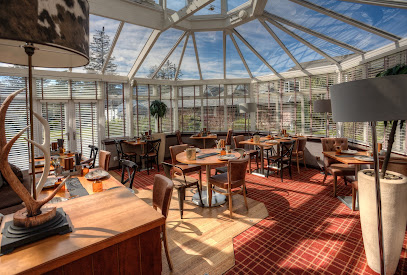
La Truffe Noire
2.6 km
A family-run fine dining gem in Brodick, Isle of Arran, serving seasonal Scottish cuisine with exceptional wines and warm island hospitality.
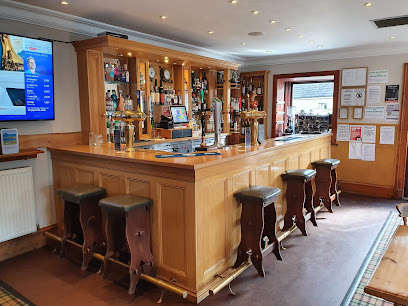
The French Fox
2.8 km
Authentic French classics served with charm and generous portions beside a tranquil river in Brodick, Isle of Arran.
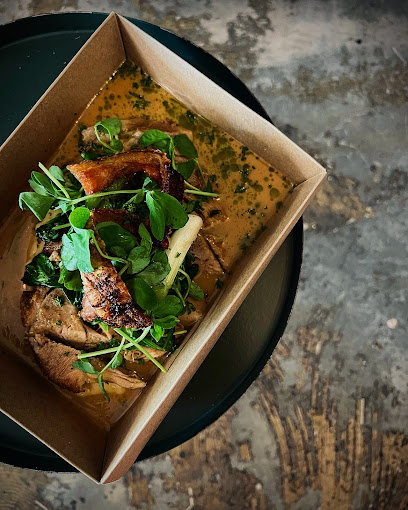
The Wineport Restaurant
4.3 km
Charming coastal bistro in Brodick offering fresh local cuisine, a sunny beer garden, and warm hospitality at the foot of Goatfell.
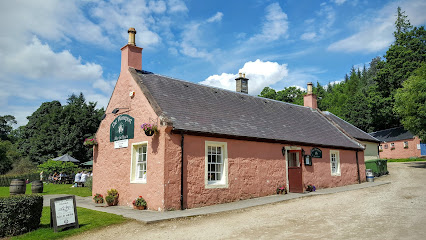
Coast Arran
7.7 km
Coast Arran offers a warm, pet-friendly dining experience with fresh Scottish coastal flavors on the scenic Isle of Arran’s Shore Road.
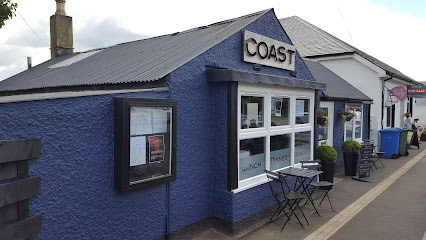
The Shore
7.8 km
Family-run café on Whiting Bay’s shore serving local produce with stunning views over Holy Isle and the Firth of Clyde.
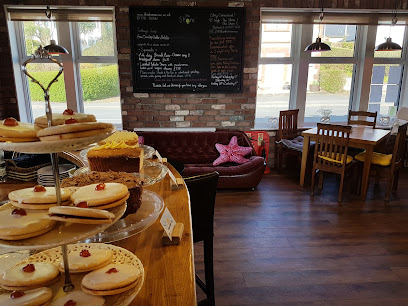
Café Thyme
13.1 km
A family-run café blending Scottish and Turkish flavors with stunning sea views on the Isle of Arran.
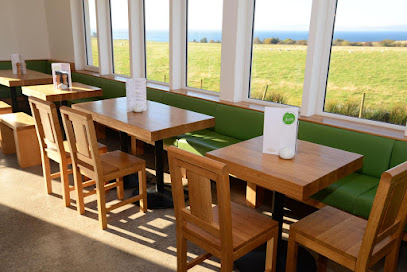
The Lighthouse
18.1 km
A cozy coastal restaurant in Pirnmill serving fresh, local seafood with stunning views on the Isle of Arran.
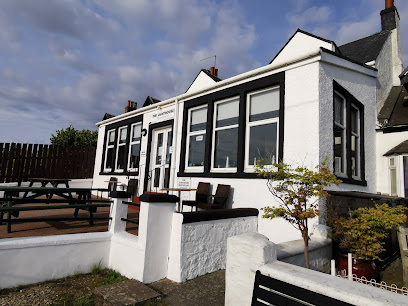
The Stags Pavilion
18.2 km
A cozy, family-run BYOB restaurant in Lochranza serving fresh, local Scottish and Italian-inspired dishes with stunning golf course views.
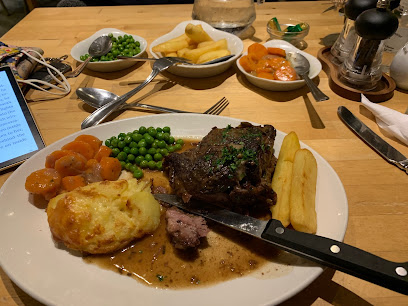
The Orangery Restaurant
22.8 km
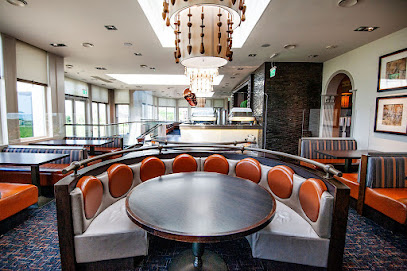
Coastal dining excellence with panoramic Ayrshire views and creative British-Scottish cuisine at Seamill Hydro’s Orangery Restaurant.
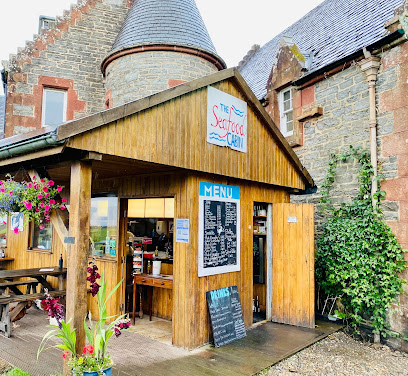
Skipness Seafood Cabin
26.7 km
Fresh, locally sourced seafood served in a cozy cabin with stunning views of Skipness Bay and the Isle of Arran.
Markets, malls and hidden boutiques

North Isle of Arran
1.8 km
Explore the rugged beauty and historic charm of the North Isle of Arran, a serene Highland escape with castles, wildlife, and breathtaking landscapes.
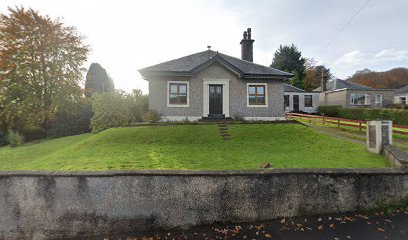
Made In Arran
2.4 km
Authentic artisan shop in Lamlash offering affordable local food, drink, and crafts that capture the spirit of the Isle of Arran.
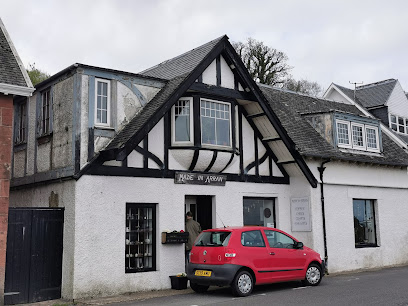
Co-op Food - Arran Invercloy - Main Street
2.5 km
Your friendly local Co-op in Brodick, offering fresh Arran produce, local specialties, and everyday essentials with extended daily hours.
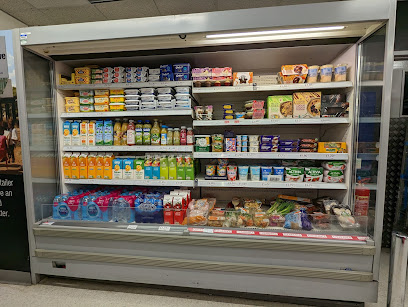
Chameleon Arran Boutique
2.5 km
Discover stylish, comfortable ladies’ fashion in a historic boutique nestled in the heart of Lamlash on the Isle of Arran.

Co-op Food - Arran Brodick - Shore Street
2.5 km
Discover the essential convenience of Co-op Food in Brodick, Isle of Arran – your go-to stop for local treats and everyday necessities.
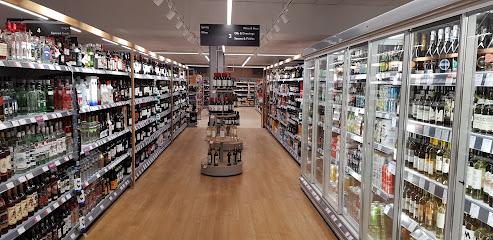
The Taste of Arran Shop
2.5 km
Discover authentic Isle of Arran flavors with artisan cheeses, handmade chocolates, and renowned local ice cream in Brodick’s charming Taste of Arran Shop.
Gordon Brothers Ship House
2.5 km
Discover quality home improvement and local craftsmanship in the heart of Lamlash at Gordon Brothers Ship House on the Isle of Arran.
Arran Active
2.5 km
Scotland’s largest independent outdoor retailer on Isle of Arran, offering expert gear for hiking, camping, and watersports with stunning seafront views.

Woodside Arran CIC
2.5 km
Discover authentic Isle of Arran flavors and sustainable farming at Woodside Arran CIC, a charming farm shop in Brodick with panoramic island views.
The Arran Gift Box
2.6 km
Discover curated gift boxes filled with Arran’s finest local chocolates, cheeses, whiskies, and crafts in Brodick’s charming Shore Road shop.
Castle Bay Studio
2.6 km
Discover unique handmade treasures and local artistry at Castle Bay Studio, a charming gift shop nestled in Brodick on the Isle of Arran.
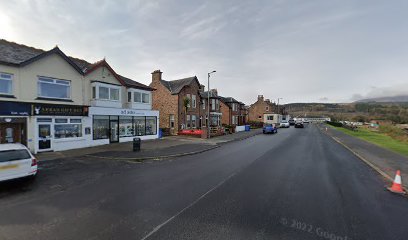
The Byre at Brodick
2.6 km
Charming boutique offering quality knitwear, diverse fashion, and unique homewares in the heart of Brodick, Isle of Arran.
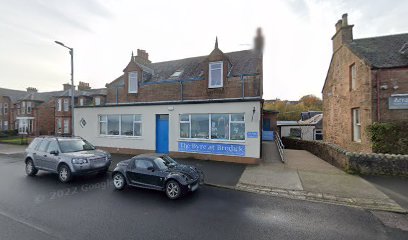
Inspirations Of Arran
2.6 km
Discover unique island treasures and local charm at Inspirations Of Arran, Brodick’s beloved gift shop on the Isle of Arran.
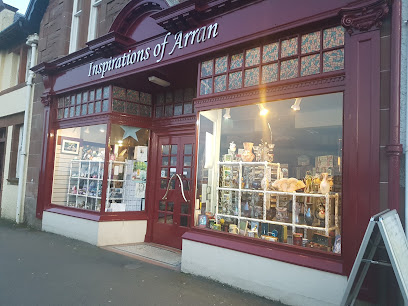
Red Door
2.7 km
Family-owned gift shop in a charming Brodick cottage, brimming with leather goods, toys, and Scottish island treasures.
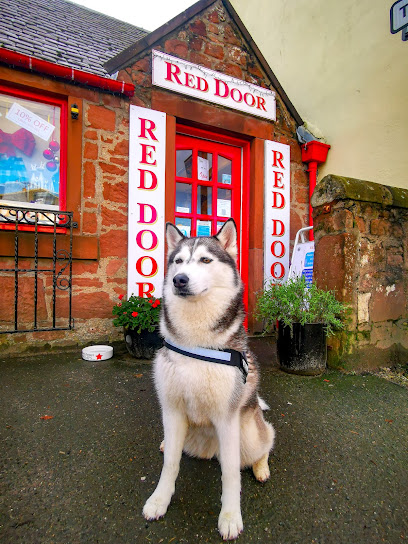
The Boat House
2.7 km
A cozy gift shop in Brodick offering authentic Isle of Arran crafts and souvenirs near the waterfront.
Essential bars & hidden hideouts

Duncan's On The Green
1.7 km
Relax and unwind with local ales and stunning views at Duncan's On The Green, nestled in historic Lamlash Golf Club on the Isle of Arran.
Pierhead Tavern
2.4 km
A welcoming seaside pub in Lamlash with stunning views, hearty fare, and lively local spirit on the Isle of Arran.
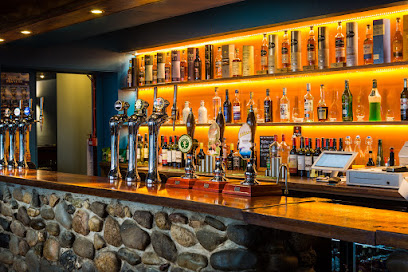
Ormidale Hotel
2.5 km
Family-run pub and hotel on Isle of Arran offering cozy en suite rooms, local ales, lively entertainment, and stunning views of Brodick Bay.
Edgewater
2.6 km
Cozy pub on Brodick’s Shore Road offering a warm welcome and scenic views near the heart of Isle of Arran’s main village.
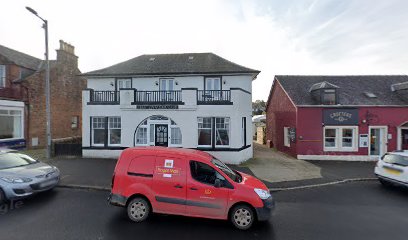
Cruize Bar Brasserie
2.7 km
A vibrant family-friendly brasserie at Auchrannie Resort serving fresh, locally inspired Scottish dishes in a lively, welcoming atmosphere.
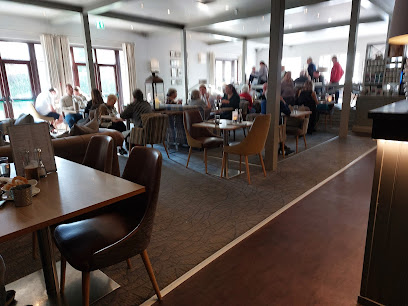
Arran Botanical Drinks @Cladach Beach House
4.2 km
Discover handcrafted botanical cocktails and scenic beachside charm at Arran Botanical Drinks, Isle of Arran’s unique coastal cocktail bar.
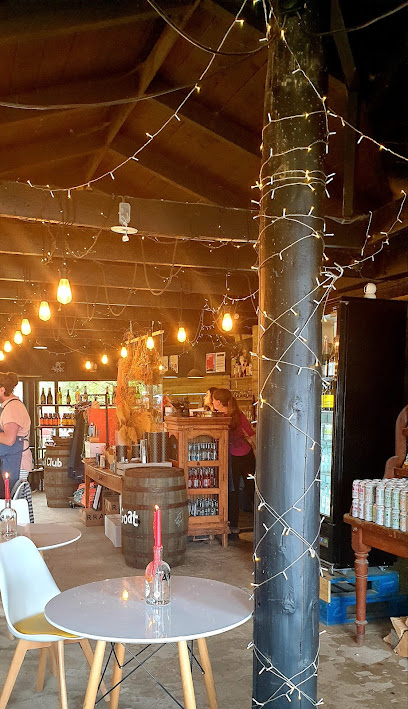
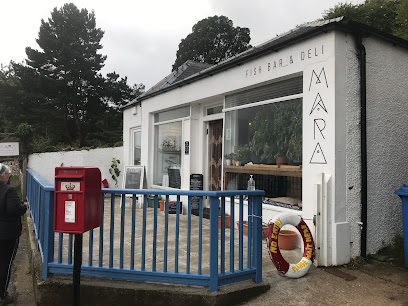
Mara Fish Bar & Deli
9.8 km
Fresh, locally sourced seafood and friendly service combine at Mara Fish Bar & Deli, a charming coastal takeaway in Corrie, Isle of Arran.
The Lagg Inn 1791
13.3 km
Historic family-run inn with cosy fires, homemade food, and tranquil gardens on the scenic Isle of Arran’s southern tip.
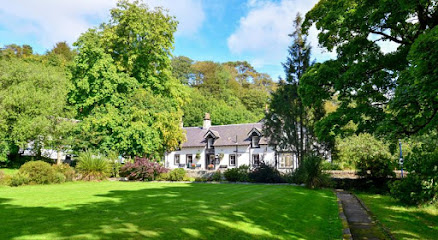
Lochranza Country Inn
19.4 km
Community-owned historic inn with stunning loch views, cozy rooms, and hearty dining at the northern tip of Isle of Arran.
The Box Night Club
24.2 km
A welcoming and lively local nightclub in Saltcoats offering an intimate, friendly atmosphere for casual nightlife and socializing.
The Harbour Bar
29.7 km
A traditional nautical-themed pub in Troon offering great drinks, hearty food, live music, and a welcoming atmosphere by the waterfront.
Harbour Lights
29.8 km
Historic harbourside pub in Irvine offering a lively atmosphere, scenic views, and a welcoming spot for drinks and socializing.
Drouthy Neebors
31.7 km
A welcoming Scottish pub and restaurant on Largs’ Main Street, perfect for hearty meals, drinks, and live sports in a lively atmosphere.
The Islander Bar
31.9 km
Cozy and friendly local pub in Rothesay offering warm hospitality, live entertainment, and a welcoming atmosphere on the Isle of Bute.
Mac's Bar
31.9 km
Experience authentic Scottish hospitality and local charm at Mac's Bar in Rothesay, a historic pub with a lively atmosphere and rich community spirit.
Nightclubs & after hour spots

Pitchers Bar and Nightclub
30.7 km
A vibrant and inclusive nightclub in Irvine’s heart, offering lively music, dancing, and a welcoming atmosphere until the early hours.
Ayr Ex-Services Club
33.6 km
A friendly and lively social club in Ayrshire offering great music, community spirit, and vibrant weekend nights.
Notion Ayr
33.7 km
Discover the vibrant nightlife at Notion Ayr, an exceptional events venue in the heart of Ayr, perfect for unforgettable social experiences.
Printhouse Ayr
33.9 km
Experience Ayrshire’s vibrant nightlife and live music scene at Printhouse Ayr, where music and atmosphere unite for unforgettable nights.
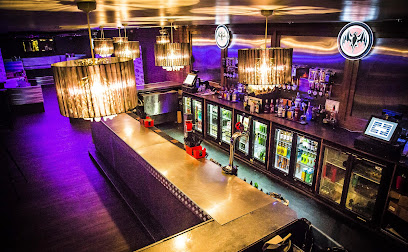
The Club
40.9 km
A vibrant nightlife hotspot in the heart of Kilmarnock, offering lively music and a welcoming atmosphere for locals and visitors.
Red
50.0 km
Experience Greenock’s vibrant nightlife at Red Nightclub, where intimate vibes meet lively dance floors and affordable fun every weekend.
Word Up
50.3 km
Experience Greenock's revitalized nightlife at Word Up, a modern nightclub with vibrant energy and a welcoming atmosphere.
Vienna's Nightclub
55.3 km
Experience Paisley’s vibrant nightlife at Vienna's Nightclub, where energetic music and lively crowds come alive every weekend.
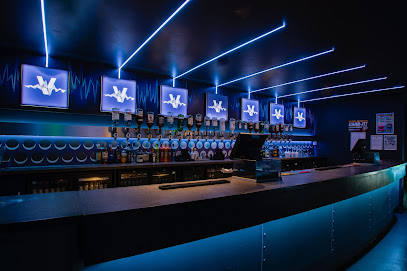
Fantoosh
55.3 km
A lively, intimate nightclub in Paisley’s heart, perfect for energetic nights with friends and local beats.
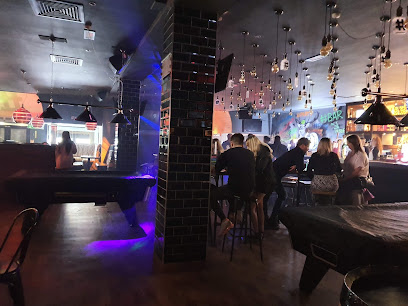
Club 69 Paisley
55.8 km
Dive into Paisley’s legendary underground techno scene at Club 69, where pulsating beats and vibrant vibes keep the night alive.
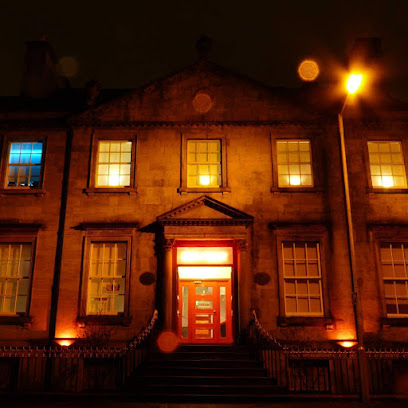
Jura Hotel
59.4 km
Charming island hotel in Craighouse with sea views, cozy pub, and authentic Scottish hospitality on the remote Isle of Jura.
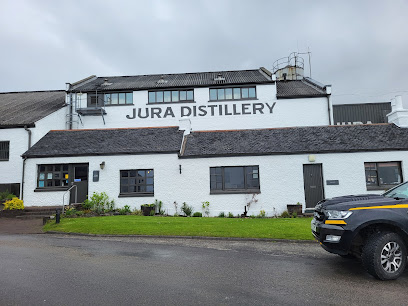
Isle of Jura Distillery Co
59.4 km
Discover the rich heritage and exquisite flavors of Isle of Jura Distillery, a must-visit for whisky lovers in Scotland's stunning landscape.
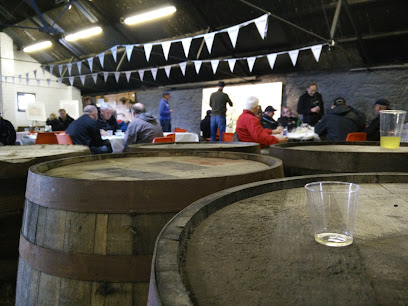
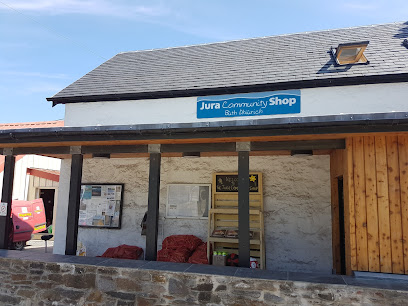
The Jura Community Shop
59.4 km
Discover the charm of Isle of Jura at The Jura Community Shop, your go-to destination for local products and essentials in Craighouse.
The Antlers Bistro Restaurant
59.5 km
Discover the exquisite flavors of The Antlers Bistro on the Isle of Jura, where local ingredients meet warm hospitality in a cozy setting.
Jura Brewery
60.2 km
Discover Jura Brewery: A Craft Beer Experience in the Heart of the Isle of Jura, Where Tradition Meets Nature's Bounty.
For the vibe & atmosphere seeker
- Adventurous
- Scenic
- Tranquil
- Unique
For the design and aesthetic lover
- Rustic Designs
For the architecture buff
- Historic
- Landmarks
- Viewpoints
For the view chaser and sunset hunter
- Iconic Views
- Panoramas
For the social media creator & influencer
- Photo Spots
- Architectural Shots
For the eco-conscious traveler
- Protected Area
- Leave-No-Trace Critical
- Locally Managed
For the kind of experience you’re after
- Myth & Legends
- Cultural Heritage
- Photowalk
- Nature Escape
- Day Trip
For how adventurous you want the journey to be
- Requires Hike
- Physically Demanding
Location Audience
- Family Friendly
- Solo Friendly
- Couple Friendly
- Senior Friendly


