
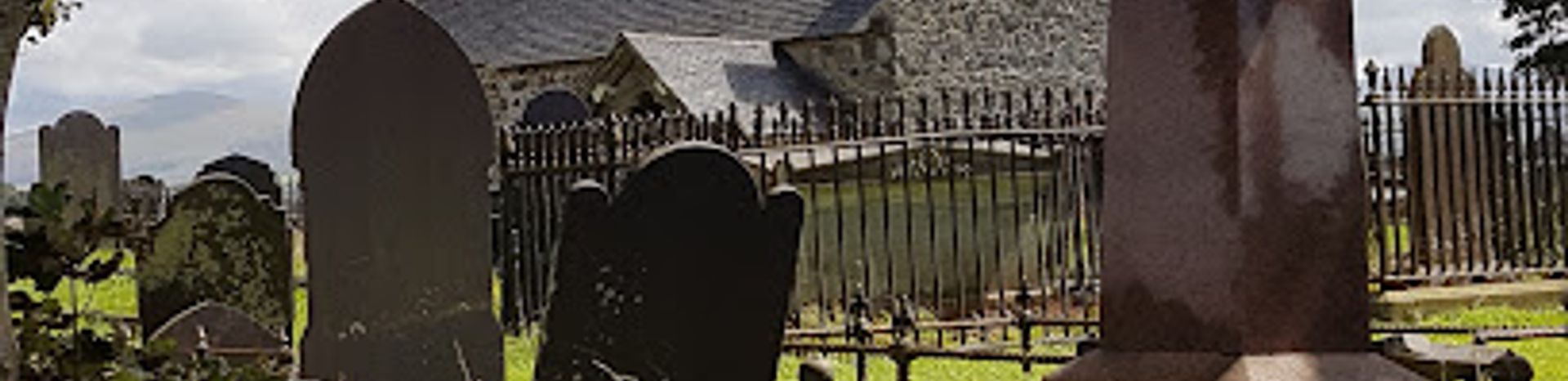
St Baglan's Church, Llanfaglan: A Timeless Welsh Sanctuary
Discover the timeless charm of St Baglan's Church, a medieval sanctuary steeped in ancient history and coastal Welsh heritage.
St Baglan's Church in Llanfaglan, Caernarfon, is a remarkable medieval church dating back to the 13th century, situated on a site with pre-Christian origins. Preserved without Victorian restoration, it features a unique seven-sided medieval font, 18th-century box pews, and ancient inscribed stones. The church stands in a tranquil, isolated setting overlooking Caernarfon Bay, maintained by the Friends of Friendless Churches and notable as the burial place of Lord Snowdon.
A brief summary to Eglwys Sant Baglan
- Caernarfon, Llanfaglan, LL54 5RA, GB
- +442072363934
- Visit website
- Duration: 0.5 to 2 hours
- Free
-
 Outdoor
- Mobile reception: 4 out of 5
- Monday 9 am-5 pm
- Tuesday 9 am-5 pm
- Wednesday 9 am-5 pm
- Thursday 9 am-5 pm
- Friday 9 am-5 pm
- Saturday 9 am-5 pm
- Sunday 9 am-5 pm
Local tips
- Approach the church respectfully across the active farm field; livestock may be present, so proceed cautiously.
- Take time to explore the churchyard and its historic slate headstones, including the intriguing 'pirate grave.'
- Notice the unique seven-sided medieval font inside the church, a rare architectural feature in Wales.
- Visit during daylight hours (9am–5pm) to fully appreciate the church’s interior and surrounding views.

For the on-the-go comforts that matter to you
- Restrooms
- Seating Areas
- Information Boards
Getting There
-
Car
Driving from Caernarfon town center to St Baglan's Church takes approximately 15 to 20 minutes via the A487 coastal route. Parking is limited near the church, so prepare for a short walk across a farm field to reach the site. Please respect farm operations and livestock presence.
-
Bus
Local bus services run from Caernarfon to nearby stops on the A487, approximately 2.5 km from the church. From the bus stop, expect a 30-minute walk across rural terrain including a farm field. Bus frequency varies, so check schedules in advance.
-
Walking
For adventurous walkers, a scenic 4 km walk from Caernarfon follows coastal paths and country lanes, culminating in a respectful crossing of a working farm field. Terrain is mostly flat but may be muddy or uneven in wet weather.
Eglwys Sant Baglan location weather suitability
-
 Any Weather
-
 Rain / Wet Weather
-
 Clear Skies
-
 Mild Temperatures
-
 Windy Conditions
Discover more about Eglwys Sant Baglan
Ancient Origins and Sacred Setting
St Baglan's Church rests in the peaceful rural landscape of Llanfaglan, overlooking Caernarfon Bay and the Menai Strait. The site has been sacred for over fifteen centuries, with evidence of pre-Christian activity revealed by the circular churchyard and ancient inscribed stones dating from the 5th or 6th century. Among these is a remarkable reused stone lintel inscribed with Brythonic names, a rare link to the region's early medieval past. The churchyard's form and surrounding earthworks hint at a long spiritual tradition predating the current stone building.Medieval Architecture Preserved in Time
The stone church itself was constructed around the 13th century, with later additions through the 16th century including a south chapel and a porch featuring medieval cross slabs. Unlike many Welsh churches, St Baglan's escaped Victorian restoration, leaving its medieval character intact. The windowless nave and original 18th-century interior fittings, including box pews marked with dates and initials, offer a vivid glimpse into historic parish life. The church’s unique seven-sided medieval font is a rare architectural feature in Wales.Historical and Cultural Significance
Dedicated to St Baglan ap Dingad, a 6th-century abbot associated with Bardsey Island, the church is steeped in Welsh spiritual heritage. It also holds connections to notable figures such as Lord Snowdon, whose family burial plot lies here. The church’s maritime heritage is symbolized by a carved gravestone depicting a ship, reflecting the coastal community’s ties to the sea. The presence of 18th and 19th-century memorials inside and in the churchyard enriches the narrative of local history.Preservation and Visitor Experience
Since 1991, the Friends of Friendless Churches have cared for St Baglan’s, ensuring its conservation and accessibility. Recent restoration efforts have refreshed the limewashed interior and repaired historic ironwork. Visitors approach the church across a working farm field, embraced by ancient oaks and a serene atmosphere. The site invites quiet reflection amid its evocative setting, where the rhythmic sound of the nearby sea adds to the contemplative mood.Architectural Details and Artistic Features
Inside, the church reveals a mix of modest open-back benches and grander box pews, many inscribed with dates from the 1700s, highlighting the social fabric of the parish community. The porch’s reused medieval cross slabs and the ancient inscribed stone above the door are key artistic highlights. The bell, dating from 1790 and restored in the early 21st century, and the historic communion plate now kept at Bangor Cathedral, emphasize the church’s liturgical heritage.Natural and Spiritual Ambience
St Baglan’s setting amid gnarled oaks and overlooking the bay creates a romantic and tranquil atmosphere. The churchyard’s slate headstones and chest tombs, including the locally famed “pirate grave,” add a touch of folklore and mystery. This quiet, isolated sanctuary offers a unique experience of Welsh history, spirituality, and coastal landscape, resonating with visitors seeking cultural depth and peaceful surroundings.Iconic landmarks you can’t miss

Caernarfon Tower
2.7 km
Explore Caernarfon Tower, a medieval fortress sentinel offering breathtaking views and rich Welsh history in a UNESCO World Heritage setting.
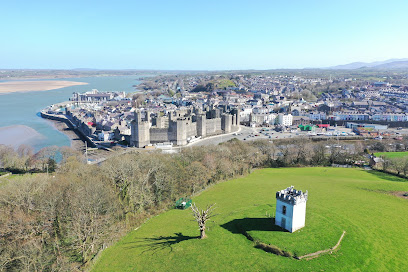
Pont Yr Aber
2.9 km
A scenic swing bridge linking Caernarfon Castle with woodland paths, offering iconic views and a touch of maritime theatre as boats pass beneath.
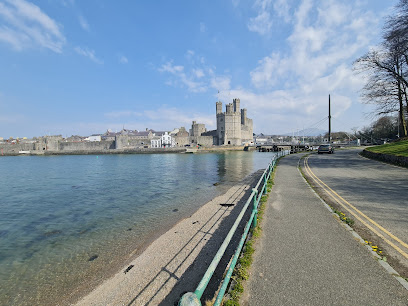
CARN / Oriel Pendeitsh
3.0 km
Discover contemporary Welsh art and culture in Caernarfon’s inspiring Oriel Pendeitsh gallery, a vibrant creative hub above the Tourist Information Centre.
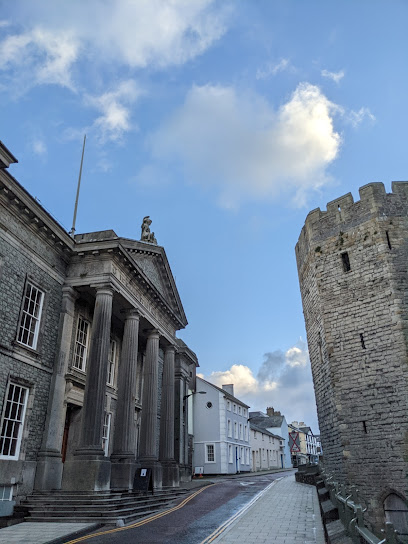
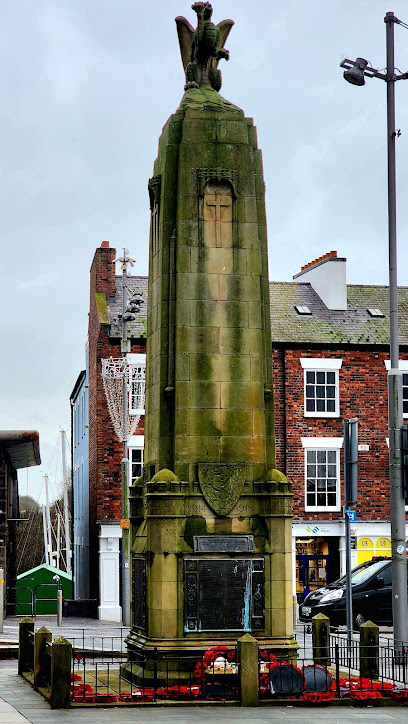
Caernarfon War Memorial
3.1 km
A dignified stone pillar in Castle Square honoring Caernarfon’s fallen heroes from the World Wars and beyond.
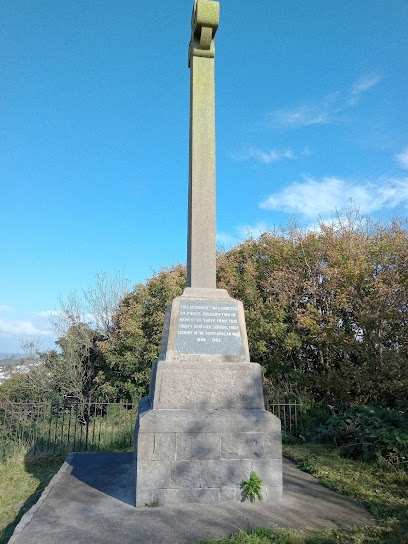
South African War Memorial
3.6 km
A wheel-headed Celtic cross honouring 173 Caernarfonshire soldiers lost in the Boer War, unveiled in 1904.
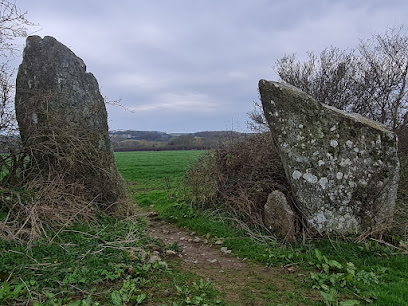
Bryn Gwyn Standing Stones
6.3 km
Discover the towering Neolithic Bryn Gwyn Standing Stones, ancient sentinels of Anglesey’s prehistoric past and ritual heritage.
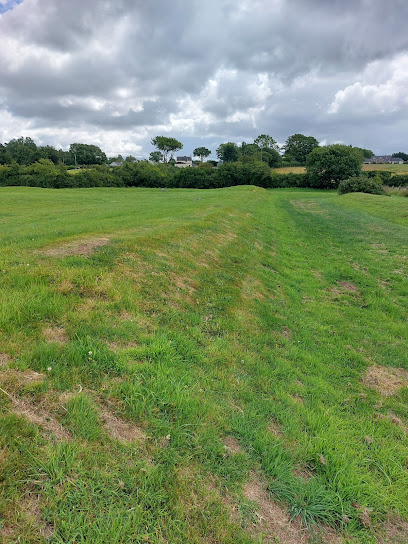
Caer Leb (Prehistoric Castle Enclosure)
6.9 km
Explore Caer Leb, a prehistoric fortified enclosure with water-filled ditches that reveal ancient defensive ingenuity on scenic Anglesey.
Porth y Clochydd
7.0 km
Explore the historical landmark of Porth y Clochydd in Llanfairpwllgwyngyll, a captivating site steeped in rich Welsh heritage and scenic beauty.

Cadair y Cythraul
7.0 km
Discover the mysterious 'Chair of the Devil' in Llanfairpwllgwyngyll, a historic landmark steeped in Welsh myth and ancient landscape charm.
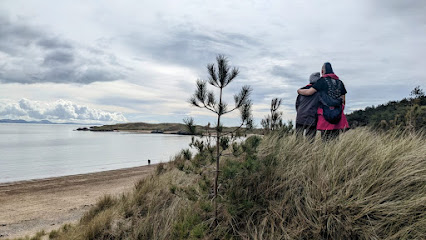
Celtic cross
7.1 km
A serene Celtic Cross memorial honoring Welsh poet Syr John Morris-Jones, set beside historic St. Mary's Church with stunning Menai Strait views.
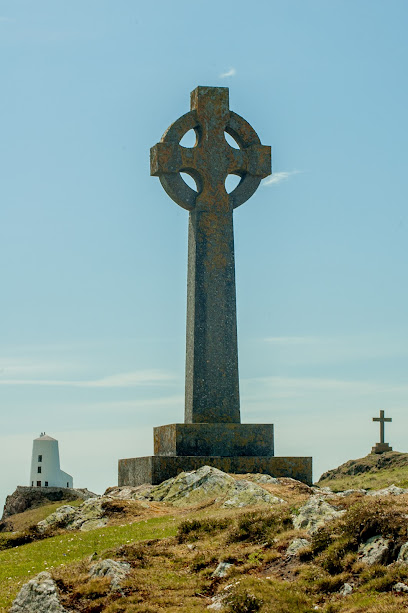
Tafarn Snowdonia Parc
7.3 km
Discover the heart of Welsh culture at Tafarn Snowdonia Parc, where delicious food meets stunning natural beauty in Snowdonia National Park.
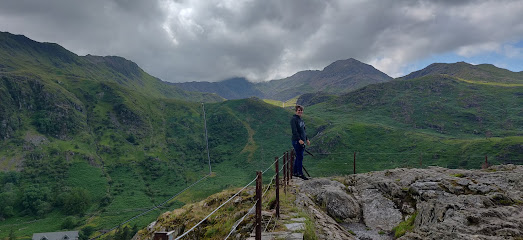
Hen Eglwys Llanfihangel Ysgeifiog
12.9 km
Explore the evocative ruins of Hen Eglwys Llanfihangel Ysgeifiog, a medieval Welsh church steeped in history and nestled in tranquil Anglesey countryside.
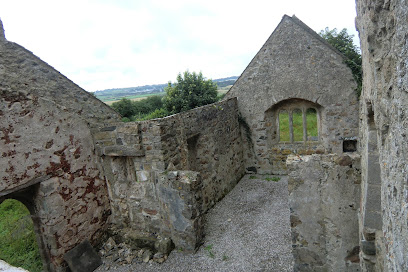
Gyrn Goch
14.0 km
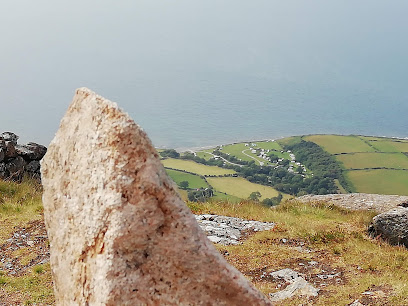
A quiet coastal hamlet between Caernarfon Bay and the mountain Gyrn Goch, perfect for walkers and those seeking a peaceful Welsh retreat.
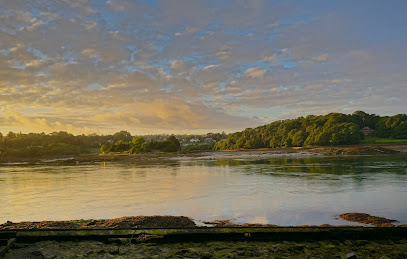
Ynys yr Eglwys
14.7 km
Discover the serene charm and rich heritage of Ynys yr Eglwys, a peaceful island gem beside the iconic Menai Suspension Bridge.
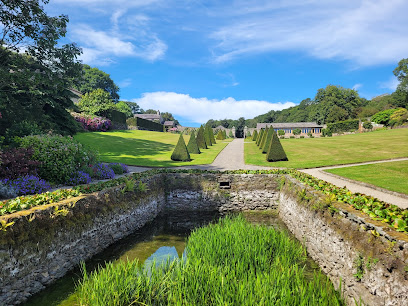
Plas Cadnant Hidden Gardens
16.1 km
Explore the tranquil beauty of Plas Cadnant Hidden Gardens in Menai Bridge, a serene escape filled with lush landscapes and unique flora.
Unmissable attractions to see

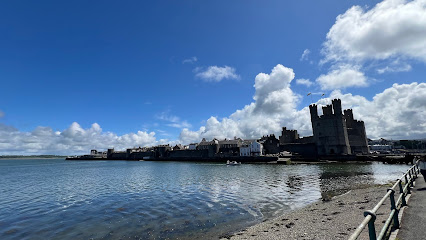
Aber Foreshore
2.5 km
A scenic coastal walk with iconic views of Caernarfon Castle and the Menai Strait, perfect for a peaceful stroll or a quiet moment by the water.
Big Wheel, Caernarfon Castle
2.9 km
Experience breathtaking panoramic views from the Big Wheel beside historic Caernarfon Castle, blending medieval heritage with modern leisure.
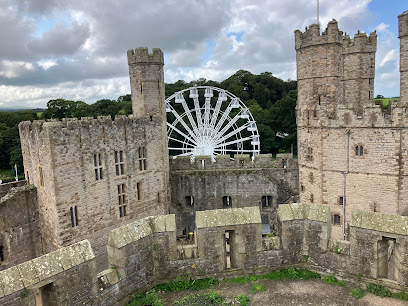
Hanging Tower
3.0 km
A haunting medieval tower in Caernarfon where justice was once served by execution, steeped in history and ghostly legend.
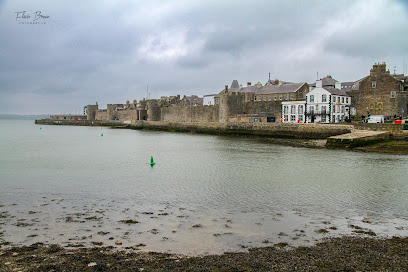
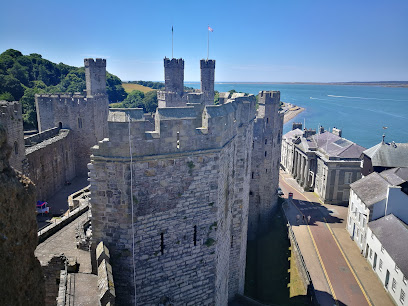
Caernarfon Castle
3.0 km
Discover the grandeur of Caernarfon Castle, a UNESCO World Heritage Site rich in history and stunning medieval architecture, perfect for your Welsh getaway.
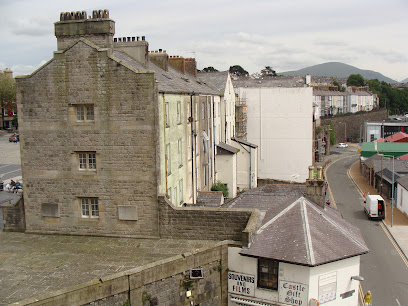
Airworld Aviation Museum
3.0 km
Explore historic aircraft and aviation heritage hands-on at Caernarfon Airport’s immersive Airworld Aviation Museum.
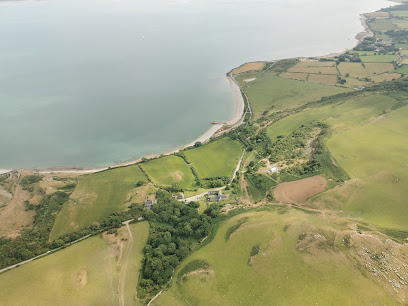
Royal Welch Fusiliers Museum
3.0 km
Explore centuries of Welsh military history within the majestic towers of Caernarfon Castle, a UNESCO World Heritage Site.
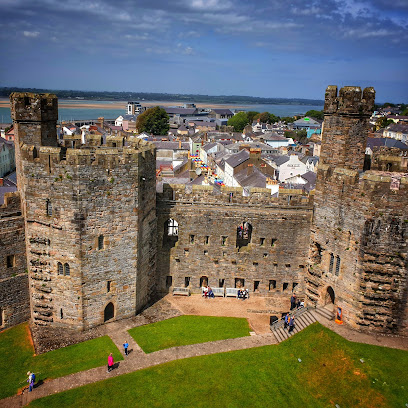
Caernarfon Waterfront
3.0 km
Historic Caernarfon Waterfront: Where medieval heritage meets vibrant maritime charm on the Menai Strait.
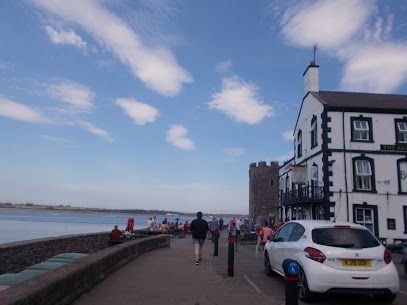
Caernarfon Walks - Guided Tours
3.1 km
Discover Caernarfon’s rich history and hidden stories on expert-led walking tours through its medieval streets and iconic castle walls.
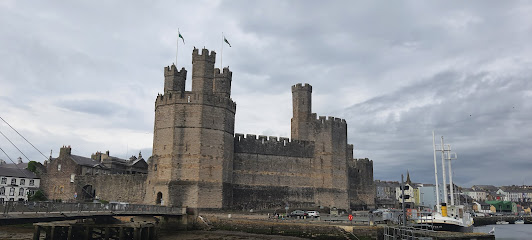
Welsh Highland Railway - Caernarfon
3.1 km
Historic steam journeys begin beneath Caernarfon Castle, winding through Snowdonia’s breathtaking landscapes on the UK’s longest heritage railway.
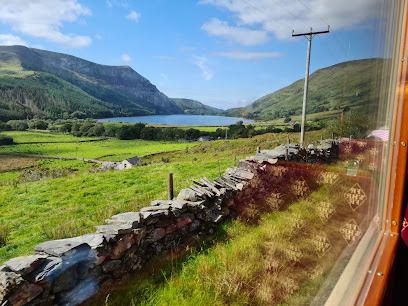
Bath Tower
3.1 km
Sleep in a 13th-century tower within Caernarfon's castle walls—where medieval history meets modern comfort.
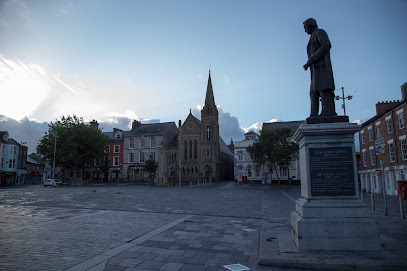
Sir Hugh Owen
3.1 km
Celebrate the legacy of Sir Hugh Owen, a pioneer of Welsh education, with his statue in the historic heart of Caernarfon’s Castle Square.
Historic Tours Wales
3.1 km
Explore Caernarfon’s rich history with passionate local guides on immersive walking tours that reveal hidden stories beyond the castle walls.
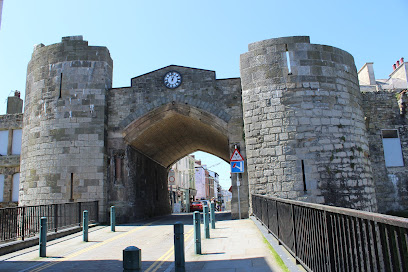
Caernarfon Castle Walls
3.2 km
Walk the nearly complete medieval walls of Caernarfon, a fortress town’s historic shield with panoramic views and rich Welsh heritage.
Gypsy Wood Park
3.2 km
Discover the magic of fairies, friendly animals, and scenic woodland adventures at Gypsy Wood Park in North Wales.
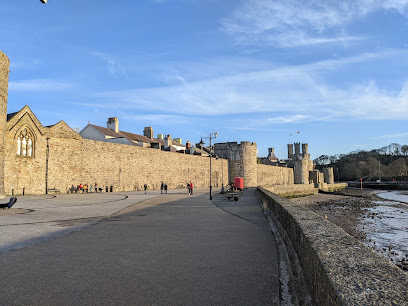
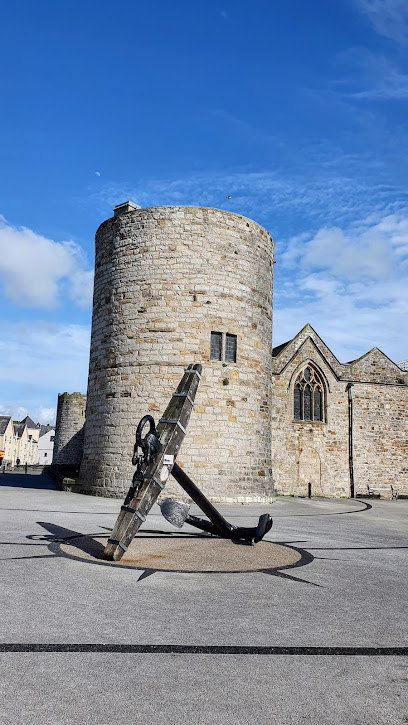
Town walls in caenarfon
3.2 km
Discover the historical significance and stunning views of the Caernarfon Town Walls, a must-visit landmark in Wales.
Essential places to dine

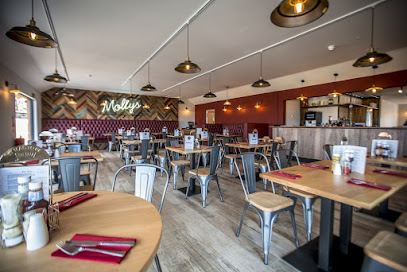
Molly's
2.3 km
Contemporary bar and restaurant at Coed Helen Holiday Park offering fresh, shareable dishes and scenic views near Caernarfon.
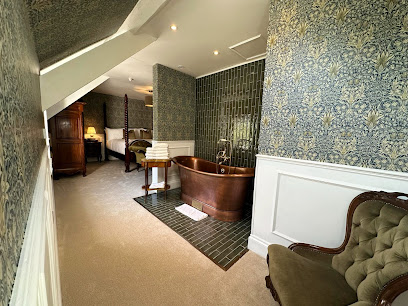
Plas Dinas Country House
2.6 km
Luxurious historic country house near Caernarfon offering royal heritage, fine Welsh dining, and tranquil gardens with Menai Strait views.
The Gunroom Restaurant
2.7 km
Historic charm meets exquisite Welsh fine dining in the cozy elegance of The Gunroom at Plas Dinas Country House.
The Old Courthouse, Caernarfon
3.0 km
Historic neo-classical courthouse turned elegant bistro with stunning views of Caernarfon Castle and a modern British menu.
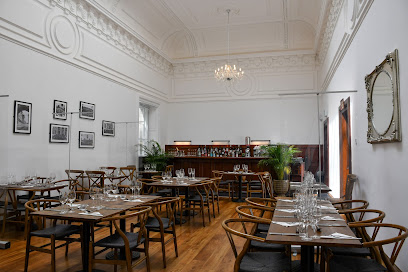
Caffi Maes
3.1 km
A friendly, three-storey café on Caernarfon’s Castle Square, serving hearty breakfasts, local dishes, and excellent coffee in a relaxed, pet-friendly setting.
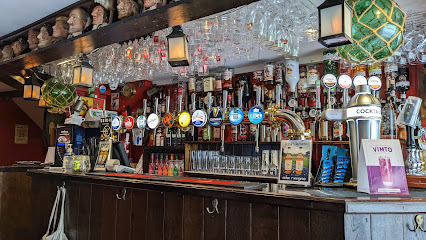
Osteria
3.1 km
Experience authentic Tuscan cuisine in a cozy, welcoming Italian restaurant nestled in the heart of Caernarfon.
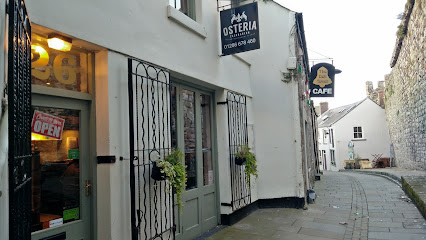
The Market Hall Brew Pub
3.1 km
Discover the essence of Welsh hospitality at The Market Hall Brew Pub in Caernarfon – where local brews meet delicious bites.
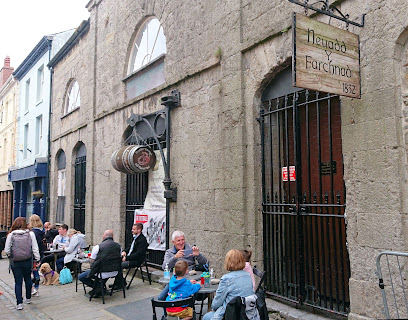
Wal Restaurant
3.1 km
Experience the warm hospitality and diverse flavors of Welsh, British, and Italian cuisine at Wal Restaurant in the heart of Caernarfon.
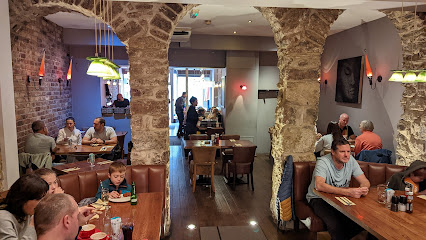
Tân Woodfired Pizza
3.1 km
Savor authentic wood-fired pizzas in a cozy Caernarfon setting, blending traditional flavors with local charm every evening.
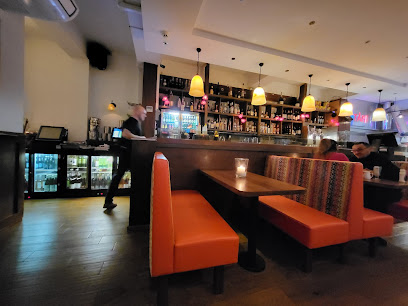
Ouzo & Olive
3.1 km
Discover authentic Greek tapas and warm hospitality in the historic heart of Caernarfon at Ouzo & Olive.
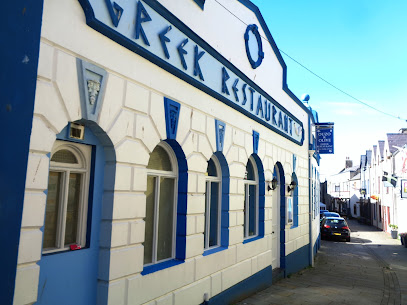
Four Alls
3.1 km
Historic charm meets delicious fare at The Four Alls, Caernarfon’s beloved pub and restaurant for great food, drinks, and community spirit.
Lizzy's Caernarfon
3.1 km
A cozy, woman-owned café near Caernarfon Castle serving fresh, home-cooked British dishes with warm Welsh hospitality.
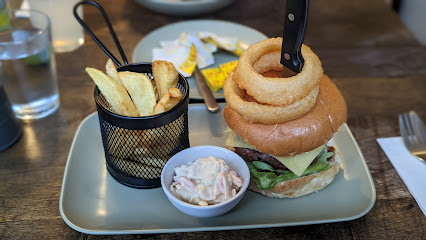
Caffi Gisda
3.2 km
Ethical café in Caernarfon serving fresh local fare with a heart for community and kindness in a cozy, welcoming setting.
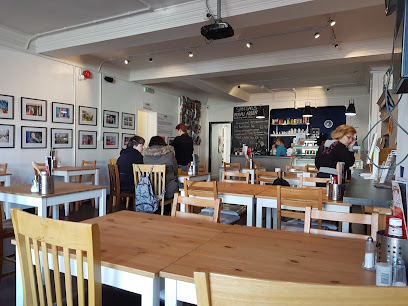
Y Gegin Fach
3.2 km
Family-run cafe in Caernarfon serving hearty Welsh classics and homemade British dishes in a warm, welcoming atmosphere.
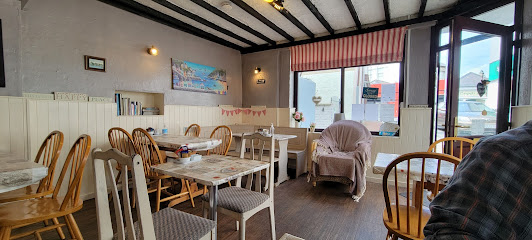
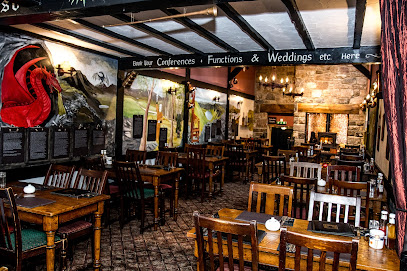
Black Boy Inn Four & Six Restaurant & Bar
3.2 km
Discover authentic Welsh cuisine at Black Boy Inn Four & Six Restaurant & Bar in Caernarfon, where tradition meets modern dining.
Markets, malls and hidden boutiques

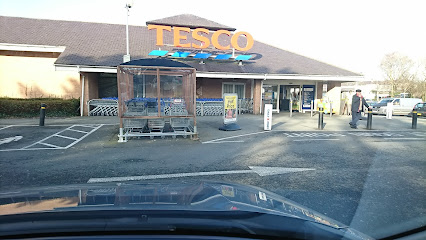
Tesco Superstore
2.9 km
Your convenient and comprehensive supermarket in Caernarfon, offering fresh local produce and everyday essentials with extended hours.
Blythe Farm Emporium
3.0 km
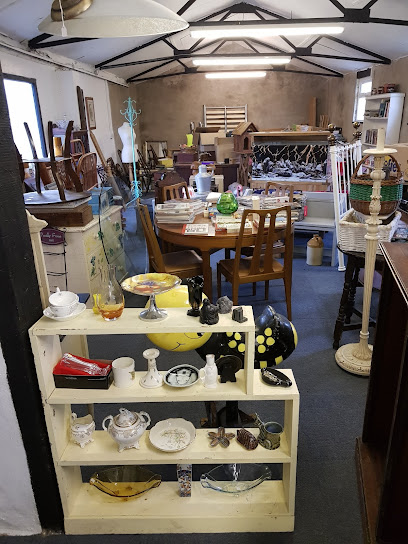
Discover vintage treasures and refurbished antiques at Blythe Farm Emporium, a charming hub of collectibles near Caernarfon.
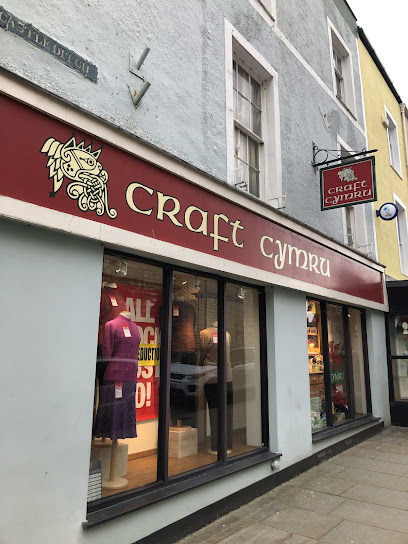
Craftcentre Cymru
3.0 km
Discover authentic Welsh handmade crafts and unique gifts in the heart of historic Caernarfon, opposite the iconic castle.
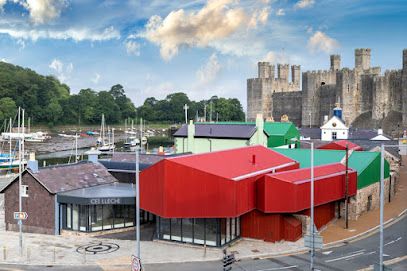
Cei Llechi: Artisan Shopping Village
3.0 km
A vibrant artisan village in Caernarfon blending heritage slate quay buildings with local crafts, food, and culture by the harbour.
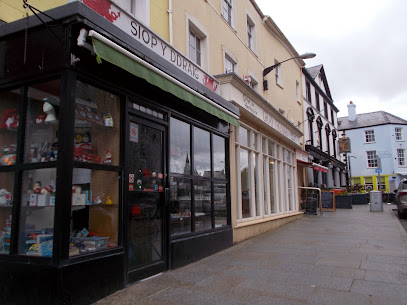
Siop Y Ddraig
3.0 km
Discover authentic Welsh gifts and souvenirs in a charming shop steeped in local culture at Caernarfon’s Siop Y Ddraig.
Miss Sophie
3.0 km
Discover unique Welsh gifts and local treasures at Miss Sophie, a charming boutique in the heart of Caernarfon.
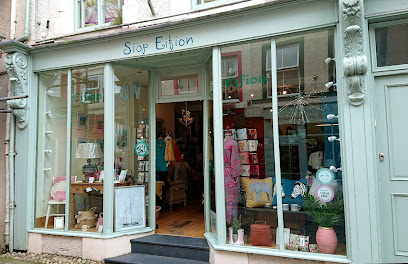
Castle Gift Shop
3.1 km
Explore the charm of Wales at Castle Gift Shop, your destination for unique souvenirs and local crafts in Caernarfon.
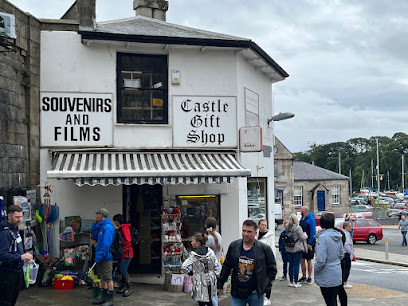
Tin of Sea
3.1 km
Discover unique home décor, gifts, and furnishings blending historic charm with modern style in Caernarfon’s Tin of Sea.
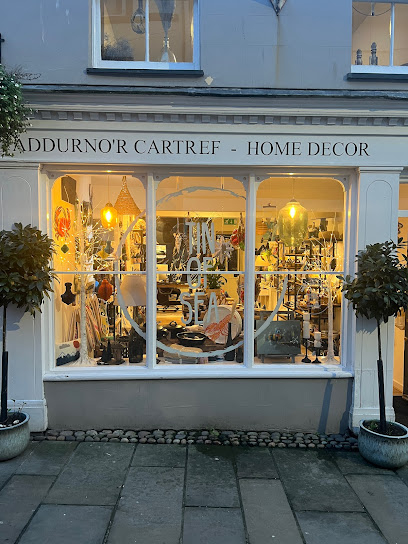
YLP Fabric & Wool Shop
3.1 km
Discover Caernarfon’s premier fabric and wool shop, a creative hub for knitters, quilters, and embroidery lovers alike.
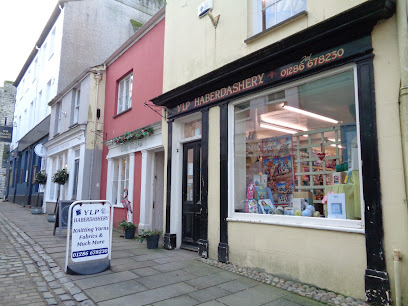
Lotti & Wren
3.1 km
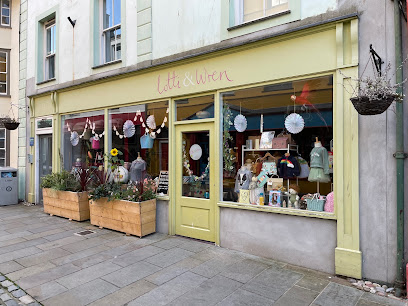
Discover unique independent design treasures and handcrafted gifts in the heart of historic Caernarfon at Lotti & Wren.
Siop Siafins
3.1 km
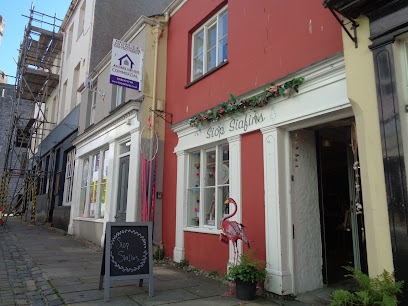
A charming gift shop in Caernarfon offering authentic Welsh crafts, souvenirs, and locally made treasures in the heart of historic North Wales.
Siop iard Caernarfon
3.1 km
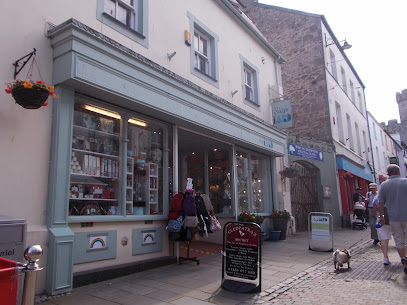
Discover handcrafted Welsh jewellery and crafts at Siop Iard Caernarfon, a unique boutique celebrating local artistry and heritage.
Slate and Things
3.1 km
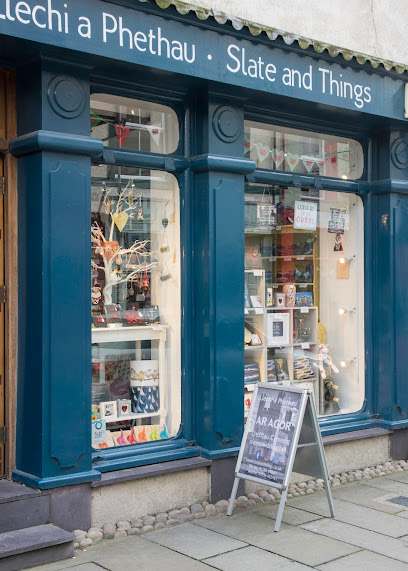
Discover authentic Welsh slate crafts and unique souvenirs in the heart of historic Caernarfon at Slate and Things.
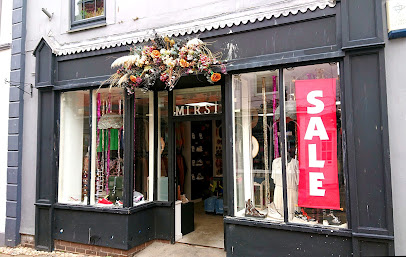
Mirsi
3.1 km
Discover stylish, affordable women's fashion in the heart of historic Caernarfon at Mirsi Boutique on High Street.
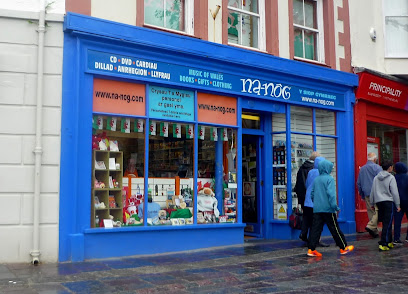
Na Nôg
3.2 km
Discover authentic Welsh culture through music, crafts, and unique gifts at Na Nôg, Caernarfon’s beloved boutique in Castle Square.
Essential bars & hidden hideouts

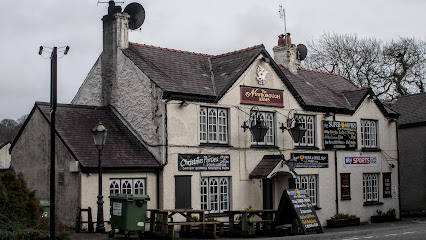
The Newborough Arms
2.9 km
A warm, family-friendly pub in Bontnewydd offering hearty Welsh fare, a lively bar, and a spacious beer garden with play area.
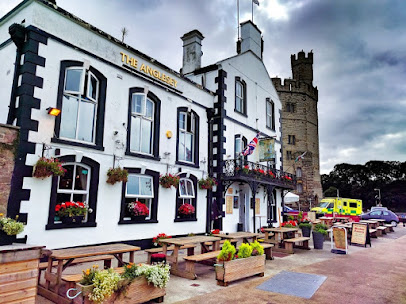
Anglesey Arms
2.9 km
Historic harbourfront pub and inn in Caernarfon offering cozy rooms, hearty Welsh fare, and stunning views of Menai Strait and Caernarfon Castle.
La Marina Cei
3.0 km
Experience the vibrant social heart of Caernarfon at La Marina Cei, where lively bar vibes and welcoming atmosphere meet.
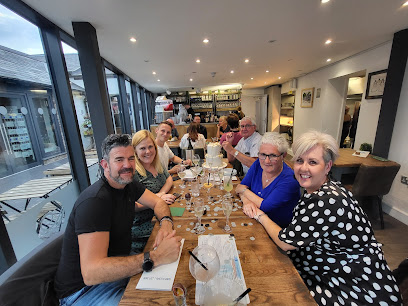
Palace Vaults
3.1 km
A cosy, historic pub opposite Caernarfon Castle offering hearty fare, live music, and a welcoming atmosphere in the heart of Gwynedd.
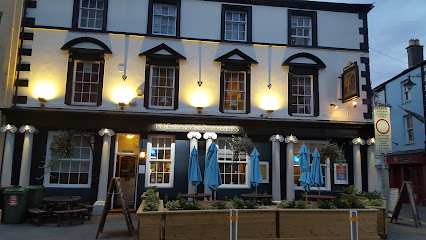
Tŷ Glyndŵr Bunkhouse & Su's Cocktail Bar
3.1 km
Cozy Georgian hostel with a lively cocktail bar, local flavors, and live music just steps from Caernarfon Castle in the heart of North Wales.
Bar Bach
3.1 km
Discover Bar Bach, Wales’ tiniest bar in Caernarfon, where local brews and cozy charm create an unforgettable intimate pub experience.
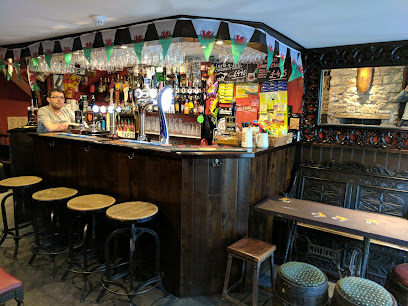
Albert Inn
3.1 km
A cozy, family-friendly pub in Caernarfon serving homemade British classics with warm local hospitality.
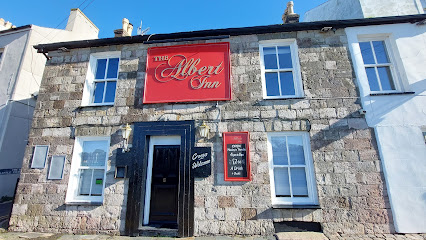
The Crown Y Goron
3.1 km
A cozy, family-friendly Welsh pub in Caernarfon offering local ales, home-cooked meals, and a warm, inviting atmosphere seven days a week.
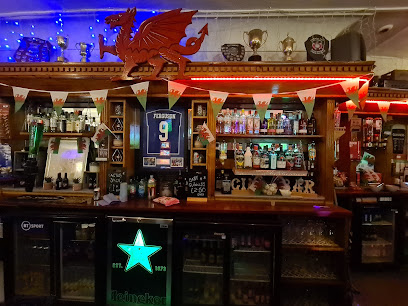
The Morgan Lloyd
3.1 km
A traditional Welsh pub in Caernarfon offering good beer, friendly service, and a lively local atmosphere near the historic castle.
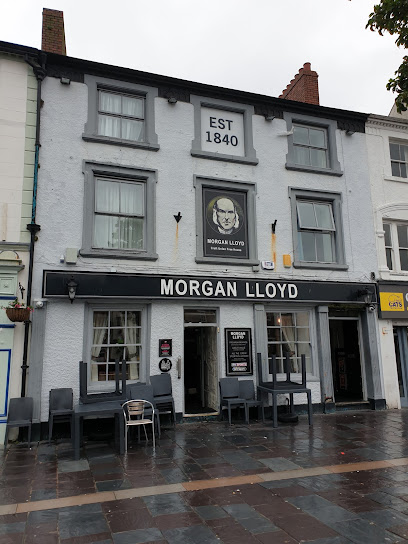
Market Hall
3.1 km
Historic Market Hall in Caernarfon offering excellent pints, authentic kebabs and curries, plus lively open mic nights in a vibrant local setting.
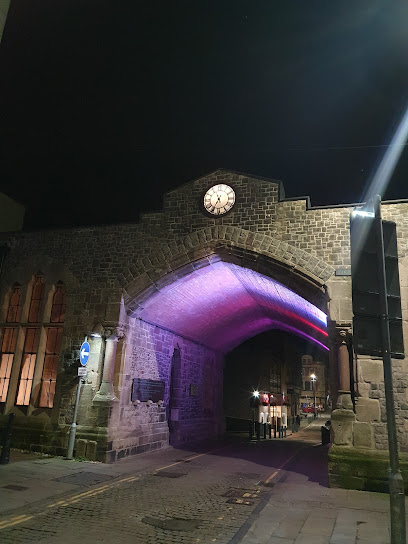
The hole in the wall
3.2 km
Authentic Welsh pub with historic charm, lively events, and welcoming locals in the heart of Caernarfon.
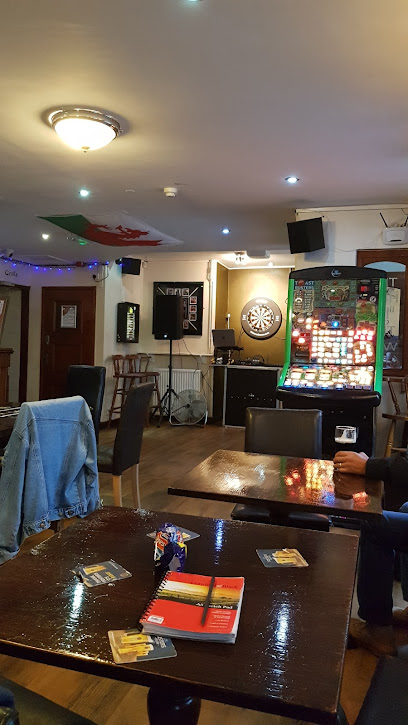
The Eagles
3.3 km
A cozy and friendly Caernarfon pub offering local brews, hearty meals, live music, and a warm Welsh welcome.
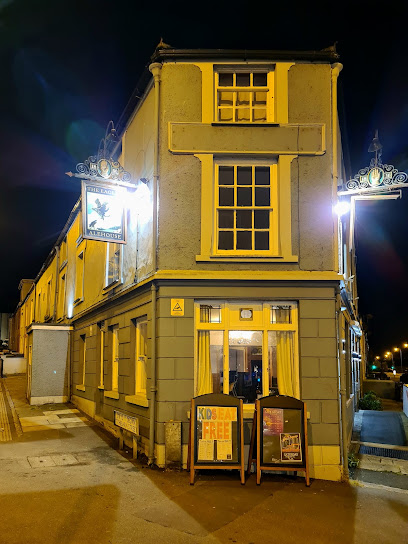
Ship & Castle
3.3 km
A lively and welcoming pub in Caernarfon, where friendly locals and traditional charm create the perfect spot to relax and socialize.
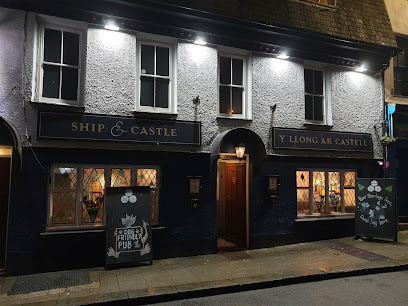
Twthill Vaults
3.4 km
A cozy, traditional Welsh pub in Caernarfon offering local ales, hearty food, and a welcoming community atmosphere every day from noon till late.
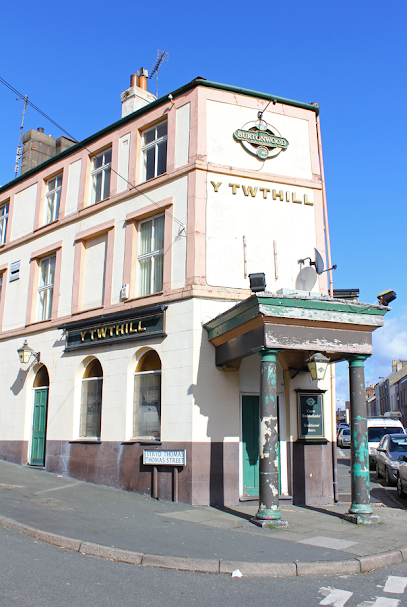
Yr Alex
3.6 km
Experience authentic Welsh hospitality and local brews in the cozy, welcoming atmosphere of Yr Alex, Caernarfon’s beloved traditional pub.
Nightclubs & after hour spots

Wellman's Sports & Social Club
14.5 km
Llangefni’s vibrant social hub with lively entertainment, spacious dance floor, and a welcoming community atmosphere.
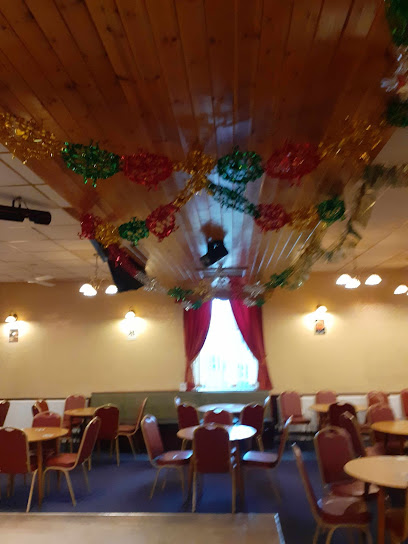
Academi
16.7 km
Bangor’s beloved student nightclub, offering vibrant music, a welcoming atmosphere, and a central role in university social life.
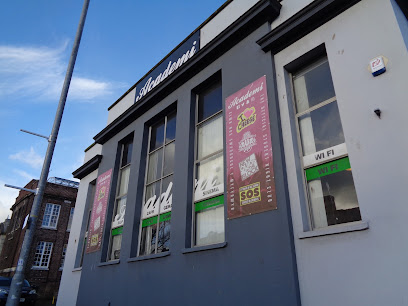
Trilogy Nightclub
17.3 km
Experience Bangor’s vibrant nightlife at Trilogy Nightclub, where diverse music rooms and lively weekend parties create unforgettable nights.
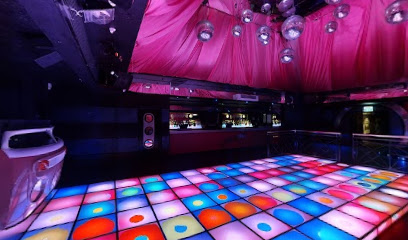
The Cove
24.1 km
Experience the vibrant nightlife at The Cove in Hafan Y Mor, North Wales, where music, dancing, and unforgettable memories await.

Clwb Llyn Bach
24.6 km
Discover the lively spirit of Clwb Llyn Bach, a top pub in Porthmadog offering great drinks, vibrant events, and a friendly atmosphere.
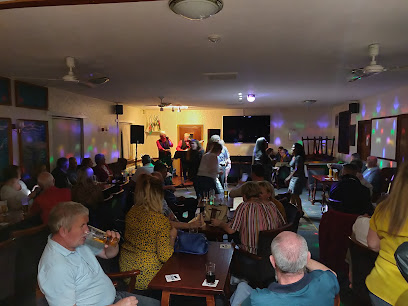
Black Rock Beach Club
25.3 km
Experience the ultimate beachside retreat at Black Rock Beach Club with delicious grilled dishes and breathtaking coastal views.
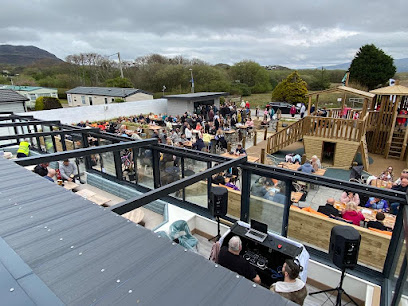
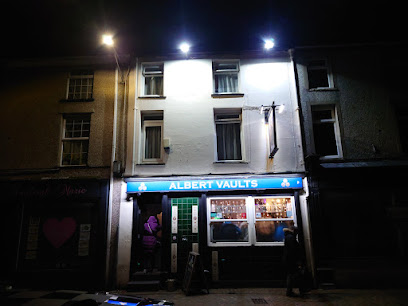
Albert Vaults
30.3 km
Experience authentic Welsh hospitality at Albert Vaults, a charming pub in Anglesey with a vibrant atmosphere and exceptional drinks.
The Buffs
30.3 km
A welcoming social club in Holyhead offering lively nights, friendly faces, and a true taste of local nightlife on Cambria Street.
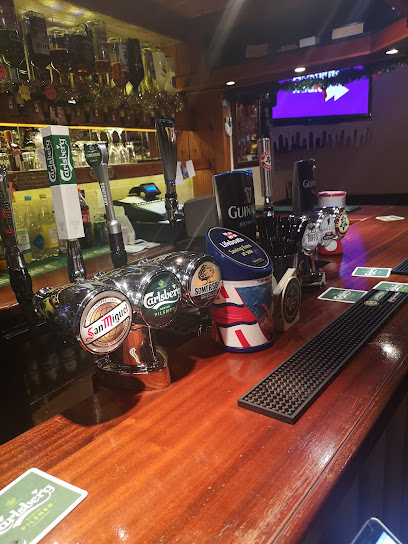
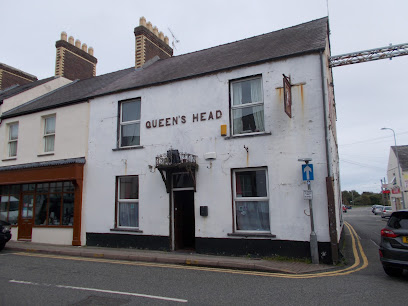
The Queens Head
32.2 km
Experience the heart of Amlwch at The Queens Head, a welcoming pub with local ales and hearty meals in a cozy atmosphere.
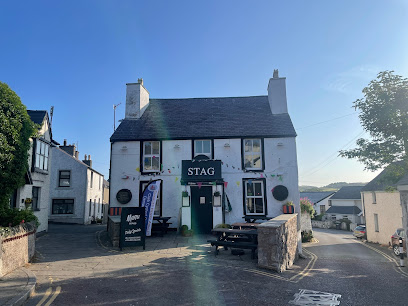
Stag Inn
33.8 km
Experience the charm of Anglesey at The Stag Inn, where delicious meals and a cozy atmosphere await you.
Club 147
39.2 km
Llandudno’s energetic nightclub and sports bar offering electronic beats, pool, and a lively social scene in the town centre.

Broadway Boulevard
39.7 km
Llandudno’s largest nightclub, Broadway Boulevard pulses with vibrant music, themed events, and a lively party atmosphere in the heart of town.

New Horizons
42.5 km
Experience vibrant nightlife and lively music at New Horizons, Dyffryn Ardudwy’s welcoming nightclub with spaces for all ages.

The Club Barmouth
47.5 km
Experience vibrant Saturday nights at The Club Barmouth, where stylish vibes meet lively music by the scenic Welsh coast.
Bentley’s Sports Bar & NightClub
55.3 km
Experience Towyn’s vibrant nightlife at Bentley’s Sports Bar & NightClub, where music, dancing, and great vibes come alive every weekend.

For the vibe & atmosphere seeker
- Romantic
- Tranquil
- Scenic
- Unique
- Casual
For the design and aesthetic lover
- Rustic Designs
- Vintage Styles
For the architecture buff
- Historic
- Landmarks
- Sacred Sites
For the view chaser and sunset hunter
- Iconic Views
- Waterfront
- Sunset Spots
For the social media creator & influencer
- Instagrammable
- Photo Spots
- Aesthetic Corners
For the eco-conscious traveler
- Low Impact
- Car-Free Access
- Public-Transport Accessible
- Locally Managed
For the kind of experience you’re after
- Cultural Heritage
- Myth & Legends
- Nature Escape
- Day Trip
- Weekend Getaway
For how adventurous you want the journey to be
- Easy Access
Location Audience
- Family Friendly
- Senior Friendly
- Child Friendly
- Solo Friendly
- Couple Friendly
- Vegetarian Friendly
- Vegan Friendly


